On February 7, 2016, 187 million Americans gathered around their TVs to watch the Broncos and the Panthers go head to head in the 50th Super Bowl. Just for reference, that is more than half of all the people in the United States, not counting the tens of millions of international viewers the biggest night in American sports brings. The Super Bowl has always been famous for its funny commercials from well-known brands, with that carrot helping to convince viewers to actually keep watching during the ad breaks. So with all that in mind, you’d have to forgive most viewers for not knowing what this ad was about until the very end.
This Super Bowl spot was very confusing at the time. A series of people, men and women, of every race and age, gathering around and running toward something we can’t see. A single, repeated mantra of “I can do that.” Only a minute in, when a football team locker room shows the phrase “LIKE NO ONE EVER WAS” above the door, do we even get a hint that this is about Pokémon. Then, millennial-age trainers step out into a stadium, surrounded by CGI Pokémon, ready to battle. The commercial, which cost The Pokémon Company an estimated $10 million to air, ends with a logo and the tagline “Celebrating 20 Years.” The only mention of the word Pokémon is the tiny URL on the final splash screen that reads Pokemon20.com.
Why are we breaking down this very strange Super Bowl commercial? Well, for one, this incredibly expensive trailer isn’t actually advertising a product. While many now remember it as an early ad for Pokémon GO, it wasn’t. It doesn’t show anyone using an app or even their phones at all. Its purpose may appear to have been to make people remember Pokémon exists, in a world where for 13 years it has been a known quantity but not something people engaged with regularly.
This is certainly part of it, but I think it goes a lot deeper; this ad exists to make people, specifically millennials, remember how Pokémon used to make them feel as children. When you and your pocket monsters were against the world, when no challenge was insurmountable, when you had the potential to be the very best like no one ever was. The Pokémon Company was priming audiences by not advertising a specific product, but by reminding them that Pokémon makes them feel the hopefulness of childhood again. There are no taxes, no 9-to-5 grind, no responsibilities. Just adventures waiting to be had. Meanwhile, behind the scenes, indie game developer Niantic was hard at work on what would become the biggest video game of all time.
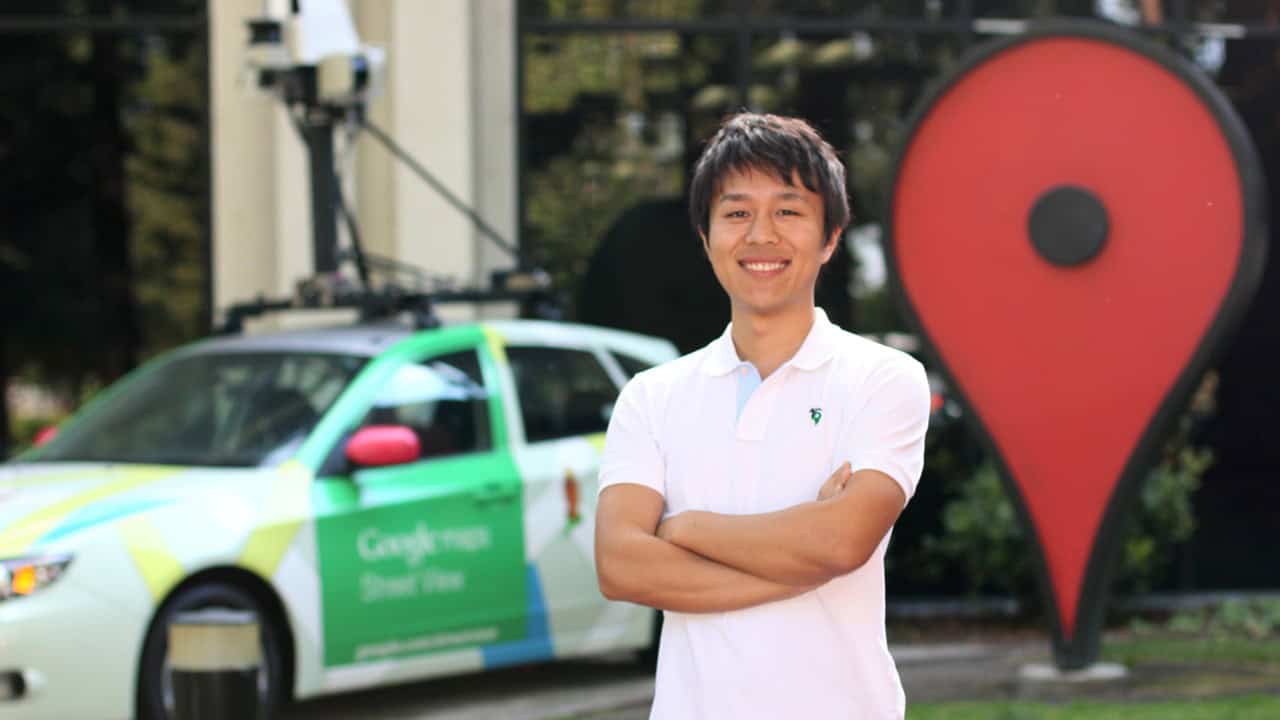
Before going forward, I think it’s prudent to focus on the creator and director of Pokémon GO, Tatsuo Nomura. In his autobiography, From Nowhere to Pokémon GO, Nomura describes his frankly astonishing life, and I’d advise everyone to give it a read. Tatsuo Nomura is one-quarter Japanese and three-quarters Chinese. Born into abject poverty in Northern China as Shi Lei, Nomura was raised in the remote village of Heilongjiang by his mother and paternal grandmother, Shizu Nomura. The story of how Shizu ended up in Northern China by way of two wars, a missing husband, and a midnight flight through the mountains, leaving all her children dead, is a tale more harrowing than I can summarize. When Nomura was young, his father was able to get a job in Tokyo through connections by way of Shizu, and was able to move the whole family there with a lot of help from old friends. The entire family took the last name Nomura to better fit in, and Tatsuo took his first name from a character in a book his father had. And thus, from generations of squalor and survival comes a hopeful future.
Let’s rewind about two years before that fateful Super Bowl to April 1, 2014. As an April Fool’s Day joke, Google Maps added to the map little 2D icons of a variety of Pokémon. If users were in close vicinity to the icon, they could tap on it, and a Pokéball animation would play to show that they caught it. This small but fun experiment was the result of a single man, Tatsuo Nomura. Nomura had previously worked at Google Japan as an engineer, and in 2012 transferred to the American branch to join the Google Maps team. He had previously single-handedly programmed the 2012 and 2013 Google Maps April Fool’s pranks, 8-Bit and Treasure Hunt, and on a whim contacted the Pokémon Company to see if they’d be interested in partnering for the 2014 prank. Ishihara, head of the Pokémon Company, was enthusiastic about the idea and agreed.
Nomura’s April Fool’s prank attracted the attention of the former head of Google Maps, John Hanke. In October 2010, Hanke had left his position as head of Google Geo (Google’s geospatial and mapping division) and formed an internal subsidiary with 35 employees called Niantic Labs. This group was named for the whaling vessel that was one of the first to arrive for the California Gold Rush of 1849, seeking fortune in uncharted lands – very optimistic! Hanke’s new game studio was to serve the purpose of using smartphones and GPS technology to create location-based games, with their first game being Ingress. Ingress launched in 2014 for iOS and Android and utilized Augmented Reality (AR) technology, location-based gameplay using the phone’s GPS, and turf-war mechanics featuring opposing factions. Sound familiar?
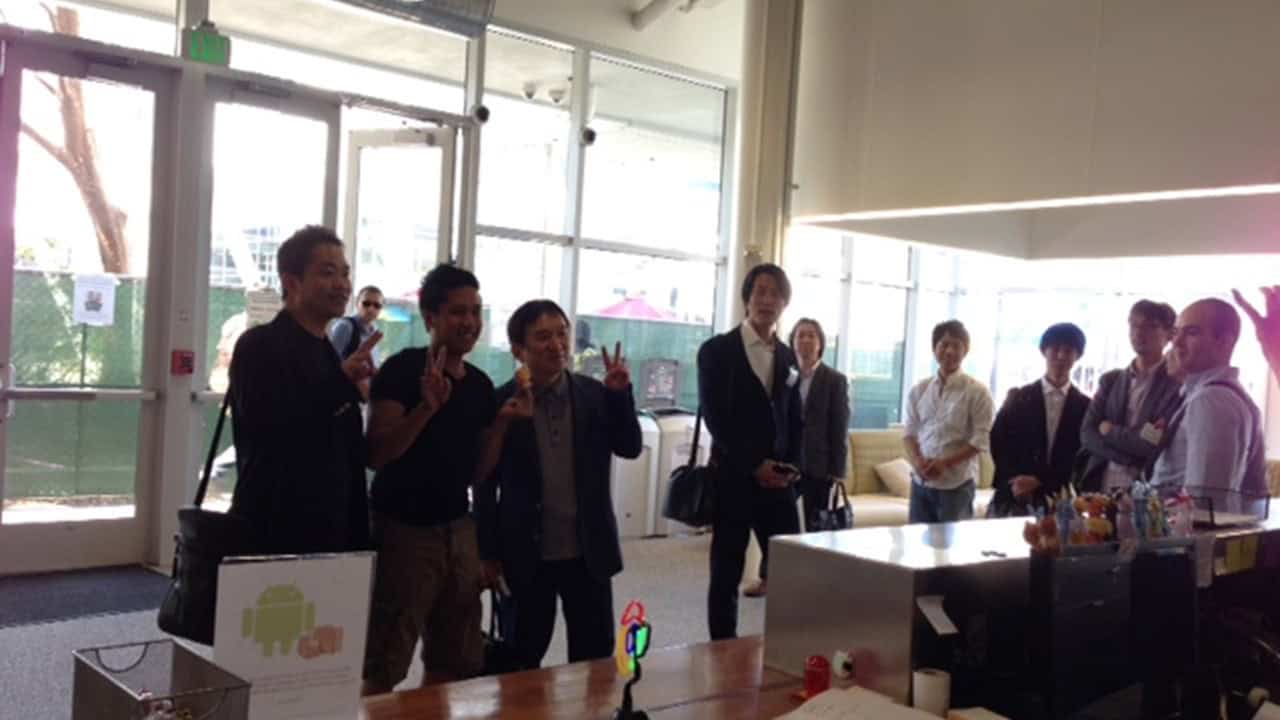
While Ingress was in the final stages before shipping out in 2014, Niantic was still under Google’s ownership. Hanke met with then-Google Maps Engineer Nomura to help develop his Google Maps/Pokémon prank into a game idea, and then used his network of contacts in tech to get Nomura, accompanied by Daniel Lederman and Masa Kawashima from Niantic, in a room with Ishihara to make the pitch. Also present for that meeting was The Pokémon Company’s director of their new Mobile Business division, Takato Utsunomiya.
“I showed Utsunomiya-san the promotional video for “Ingress” and explained what kind of game it was.” Nomura recounts in his autobiography. “Then I strongly advocated for creating a Pokémon game using this Ingress technology. From Utsunomiya-san’s neutral expression, I couldn’t tell at all whether he was interested or not. With my flight time approaching, I left the place not confident whether this sales pitch had been successful.” If you remember Ishihara’s hyper-capitalist, expansion-first philosophy, it is probably not surprising that, despite Nomura’s worries, Ishihara approved the project that night over dinner with Hanke.
Nomura had truly and deeply won over Ishihara with his pitch to turn their existing game, Ingress, into a Pokémon game. “Ishihara-san became completely hooked on Ingress and deeply resonated with the concept of “going outside, exploring the world, and connecting with people,” feeling a philosophy common to Pokémon. Ishihara-san reached level 8, which was the highest level at that time, in just a few weeks, completely transforming into a veteran Ingress agent.” Ishihara committed an undisclosed sum to the development budget soon after. Between Nintendo, The Pokémon Company, and an angel investment from Google, Hanke soon secured $30 million in funding to make Pokémon GO a reality.
Ingress was a smash hit, finding over a million players in its first year on the market. I actually even tried it out for a few days back in 2014, walking to “portals” that existed in augmented reality to collect exotic matter and medals. Its launch provided a steady revenue stream for Niantic Labs as they slowly constructed Pokémon GO as a reskin of Ingress under the direction of Tatsuo Nomura. Nomura had been hired into Niantic Labs in 2014 after his meeting with Ishihara, but Google was going through its own changes.
Like many tech companies, Google created a holding company called Alphabet Inc. in October 2015 (think Meta with Facebook). During that restructuring process, Niantic Labs divested from Google entirely, with Hanke taking ownership of the private company and going indie at no cost to anyone. If this sounds really unusual, it’s because it is. It’s unclear why Google agreed to not only give Niantic Labs to Hanke for no cost, but also to provide millions of dollars in angel investment funding that they knew they would not recoup or benefit from. Maybe Google was still actually interested in doing good back then?
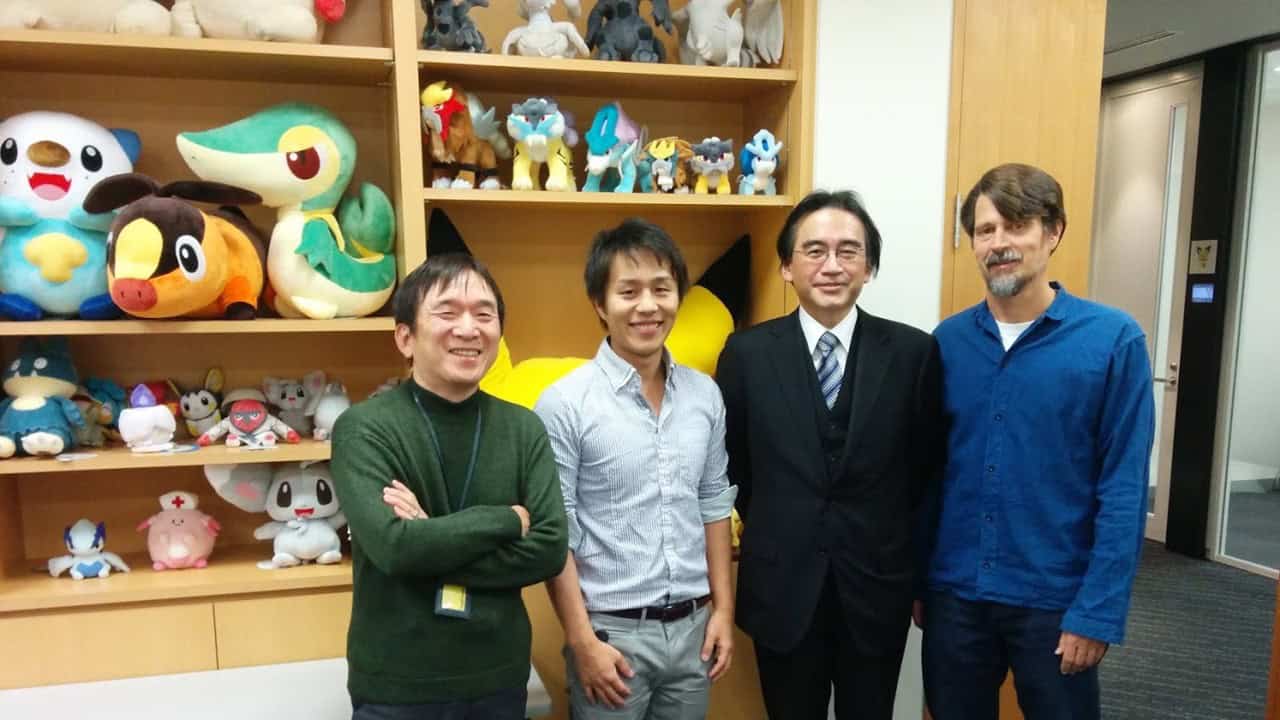
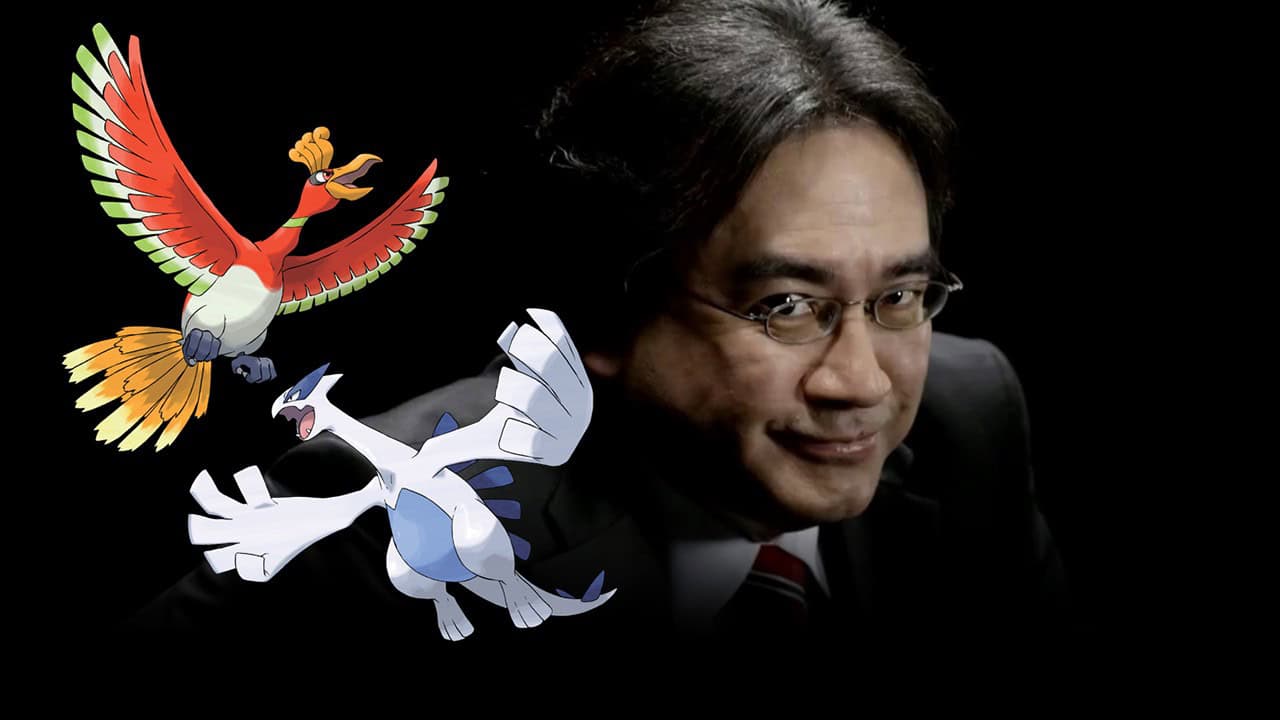
You’ll recall that Satoru Iwata, the programmer visionary and tech genius who saved Pokémon, was promoted to become the youngest-ever President of Nintendo in 2002. He had been part of the team from the start that created the Nintendo DS (the third best-selling game console of all time at 154 million) and had overseen the development and release of the Nintendo Wii (the seventh best-selling console at 101 million). In 2012, his stellar legacy took a bad turn with the failed launch of the Wii U, a console that would sell only 13.5 million units over its 5-year lifespan. Regardless, Iwata became deeply interested in Pokémon GO as it developed. In summer 2015, he invited Nomura to come out and meet him to chat one-on-one and explain Ingress to him, but Nomura spent most of the time showing his hero and fellow Tokyo Tech alumnus a custom Nintendo Entertainment System (NES) he had hand-built as a child. In the fall of that year, Iwata would pass away from cancer at the much-too-young age of 55, and the world of programming lost its brightest star.
We have reached September 2015; now an independent studio, Niantic has entered the late stages of development on Pokémon GO with a tight team of 40 people. On September 10, Nomura finally revealed the title and that the game would be coming to Android and iOS devices in 2016. He dedicated the game to the recently passed Satoru Iwata, showed a teaser with barely any footage, and disappeared once more. On paper, this announcement didn’t really make waves at the time – you would have seen headlines saying “Pokémon Company announces free-to-play mobile game,” shrugged, and kept scrolling.
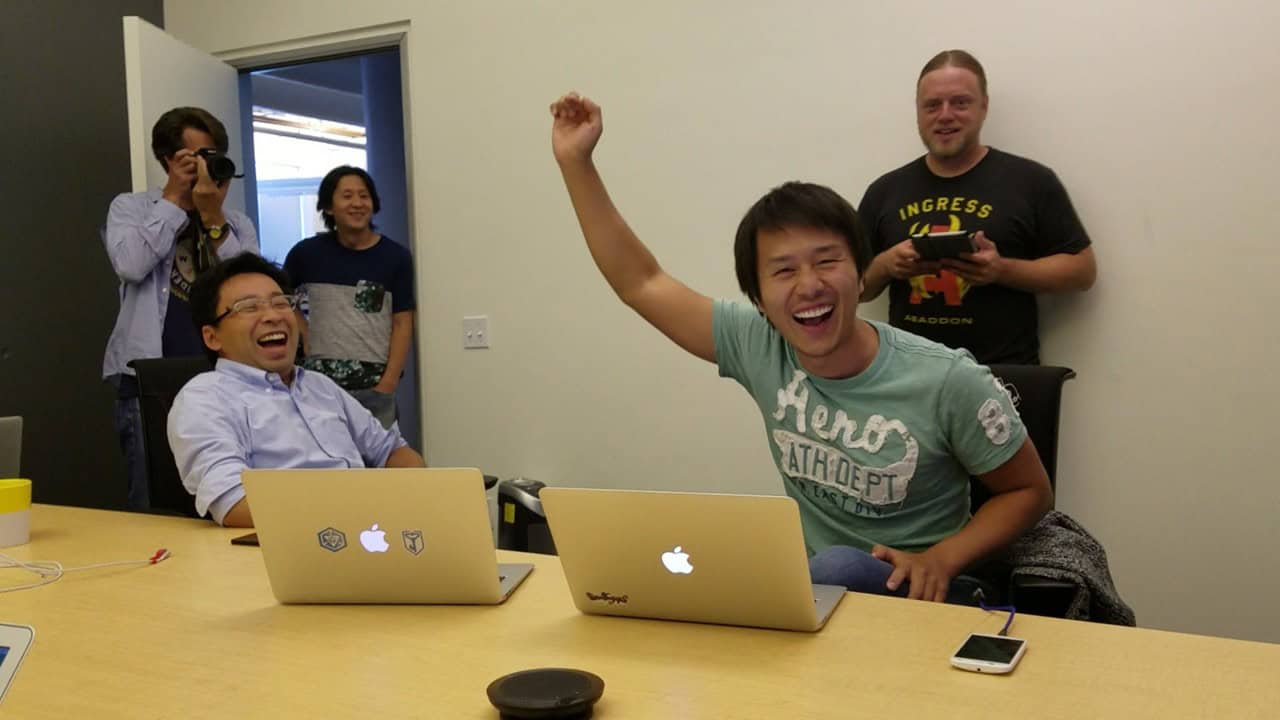
The trailer itself, however, was something else. Depicting a game that really did not exist, with tons of Pokémon running about the world with humans, trainers battling and trading, and a climactic raid battle with Mewtwo in Times Square, this trailer again didn’t communicate a single thing about the game. What did you actually do in it? Many gamers wanted to know, but many more were consumed by the expertly mixed potion of nostalgia, false promises, and flashy visuals that Niantic had concocted. Despite not being part of an event like E3 or The Game Awards, this surprise announcement trailer was viewed over 30 million times in just a few days. The Pokémon Company‘s shift into advertising their brand, not their product, had begun.
Junichi Masuda, composer and director of the mainline Pokémon games, was brought in from Game Freak to compose rearrangements of his own music for Pokémon GO. Additionally, Dennis Hwang, designer of the Gmail logo, was brought on as the lead graphic designer. Keiichi Kawai, who had been leading the Google Street View team, was brought on as a producer at Niantic as well. With a dream team assembled of many software engineers who had never made a game, Nomura included, the little studio that could began chugging towards launch.
In March of 2016, Niantic was ready for a field test. They recruited high-level Ingress players from the United States, Japan, Australia, and New Zealand to test the software, which proved to be the right move, and mixed in a few people who applied via their website. Ingress players were already very familiar with location-based gameplay, and required little instruction from Niantic on how the game worked – the same couldn’t be said of the new players. Niantic created a private Google Circles Group (remember when Google tried to make its own social network?) for all players to allow them to just chat with each other in a way they could observe, rather than asking for direct feedback. Nomura was very happy with this method of testing, stating: “At the same time, there were many opinions like ‘Is this a game?’ and ‘I don’t understand.’ It was very helpful to see players discussing among themselves about what specifically was not fun and what improvements could be made.”
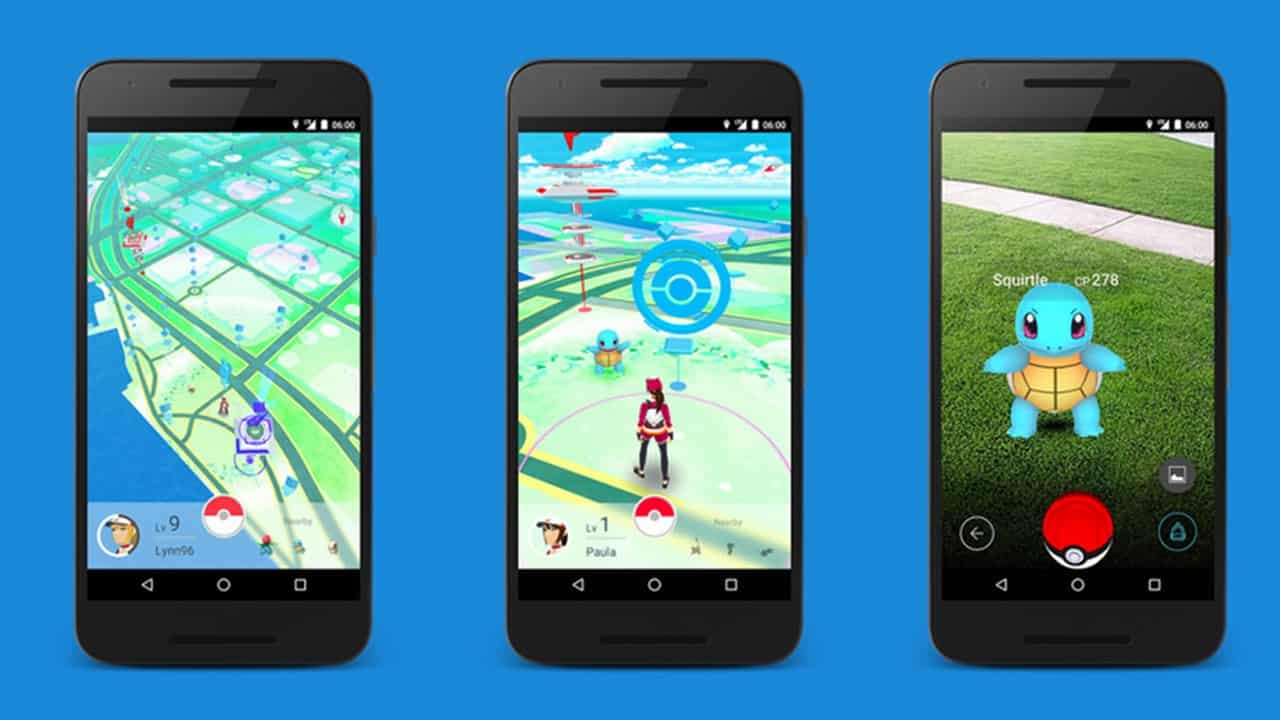
During the field test, stardust and candies, the two mechanics that let you level up your Pokémon, didn’t exist. Nomura had envisioned Pokémon GO as a game where you simply caught and collected Pokémon, and the game ended there. The field test participants overwhelmingly cried out for the ability to raise and level up their mons, and so the team buckled down for the next three months, implementing those systems. Imagine if Pokémon GO could not raise or interact with your Pokémon after catching them – it would have been DOA. They also noticed from feedback that players felt certain Pokémon, like Golbat, were impossible to hit with the ball while catching. Niantic found that they had to manually tweak the hitboxes, momentum, and weight of ball throws dependent on each Pokémon – the one-size-fits-all approach did not work. Masuda was very intent on this part of the game, and worked tirelessly on tweaking the ball-throwing mechanics until he felt they were perfect.
The last step before release was Pokémon GO‘s soft launch in Australia and New Zealand on July 5. While the developers at Niantic were nervous, everything went smoothly that first week, and they began to relax. With a rollout launch that slowly spread to all major markets by the end of July, Niantic had plenty of time to address the many connection issues that resulted from the overload of players. Just from the first day in ANZ, they had already pulled in 10 times more players than they had anticipated for the launch window. Nomura and the team didn’t know it at the time, but this was just the first hint that they had created what would become the most played video game ever. In our next installment of 30 Years of Pokémon, we’ll cover the launch, the legendary summer of Pokémon GO, and the billions of dollars that Niantic had no idea what to do with.

 ObserverCrew Picks
 bserver
 bserver