When we last left off 30 Years of Pokémon, Pokemania seemed to have reached its height as the first theatrical film released in 1999, and the Trading Card Game and anime series found their way into nearly every family household in the world. The year is 2000: the new millennium has arrived, and with it, a new generation of pocket monsters.
Pokémon Red, Blue, and Yellow, the first generation of games, led players on a journey through a fictional world called Kanto, based on the real-life region of the same name in Eastern Tokyo. Players had to defeat 8 gym leaders, take down the nefarious Team Rocket, explore the world, beat the team of champions called The Elite Four, and catch all 151 Pokémon.
Game Freak had started pre-production on their next Pokémon title shortly after releasing Red and Blue worldwide in 1997, but had gotten caught up in co-developing the spin-offs for Nintendo 64 Pokémon Stadium and Hey You, Pikachu! with their partners at Creatures Inc. With those on store shelves, and with Ishihara and the Pokémon Company now handling everything that wasn’t video games, the focus returned to the little developer team that could at Game Freak in their impossible task – how do we top the most popular game of all time?
Satoshi Tajiri, Game Freak owner, president, and lead developer, was in a pickle. Early on in the development of Pocket Monsters 2, he had tossed around ideas of simply expanding the existing code and adding monsters that had been cut from Red and Blue, with a development timeline of only a year. In fact, internally, Game Freak had clearly not learned their lesson from their 6-year development cycle on Red and Blue and told Nintendo they’d have Pocket Monsters 2 ready for release for the holiday season of 1998.
As the idea for Pocket Monsters 2 evolved, it became apparent that the one-year target time for development was extremely unrealistic. In reality, including pre-production planning, the games took nearly four years to ship. One of the issues was Game Freak’s still undersized team; even though Tajiri had scaled up to around 30 total developers, the studio was still not equipped to handle the size of the project. Notably, only four of the team members were programmers.
As the vision for Pokémon Gold and Silver began to take shape, so too did the realities of the work. Game Freak’s programmers were simply not very good at coding, which had created setback after setback during the development of Red and Blue. Coming up with new monster designs, new battle systems, new towns, new characters, a new story, and a new region to explore was no problem for the art and design teams at Game Freak – it’s just that the programmers were not skilled enough to implement it all. Enter the man, the myth, the legend: Satoru Iwata.
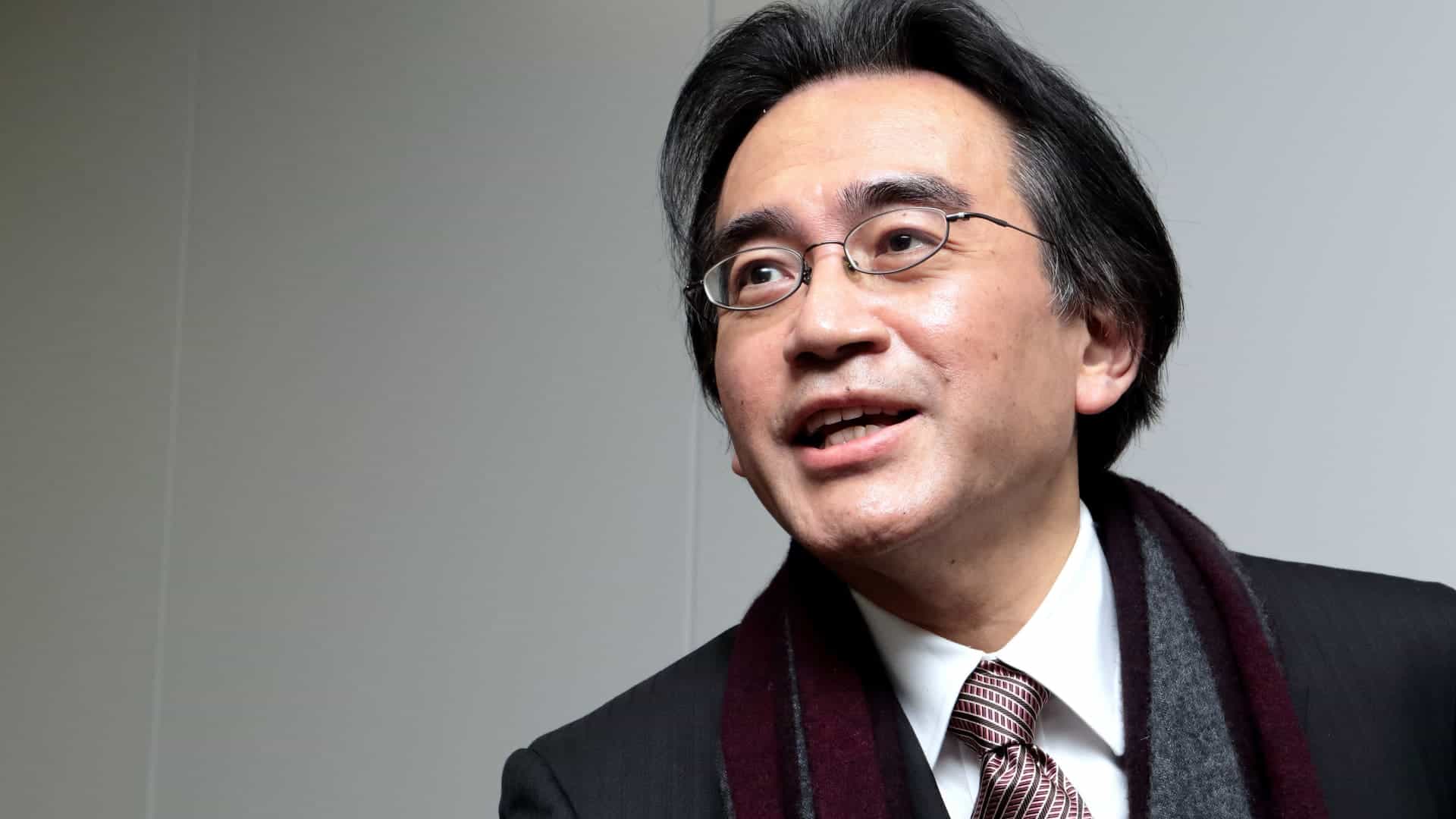
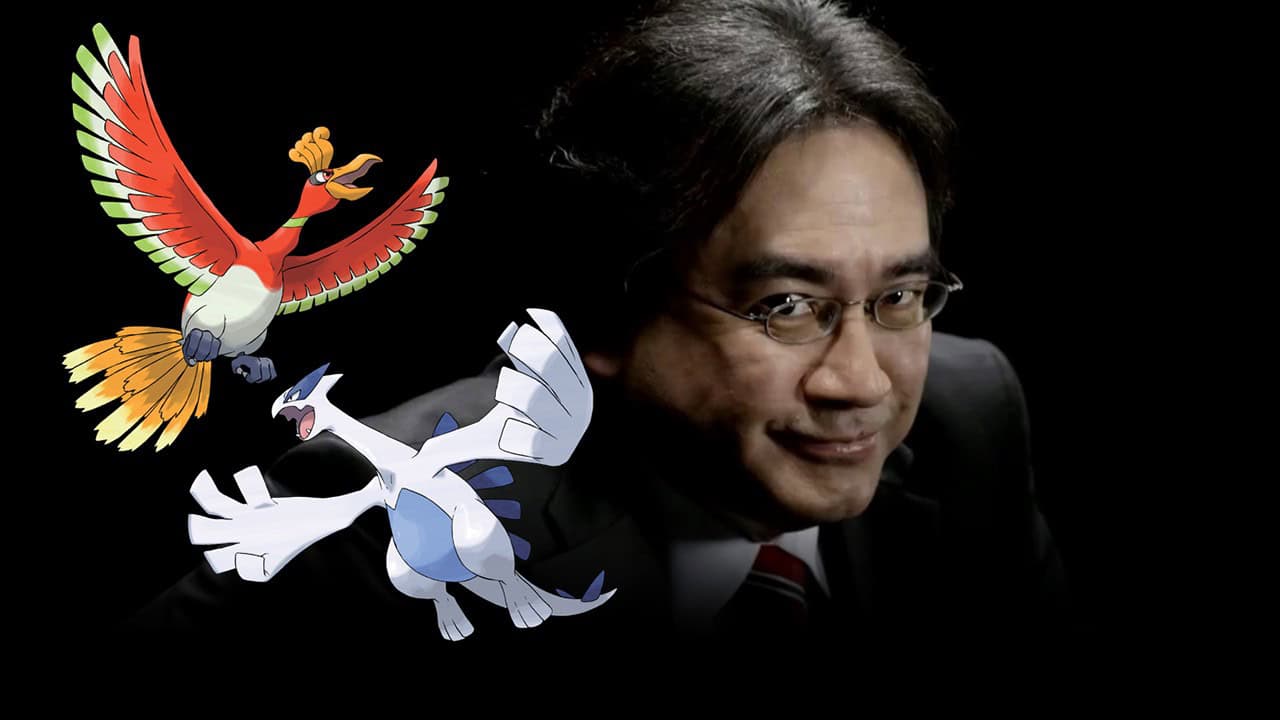
It is true that Pokémon Red and Blue would not have existed without Satoshi Tajiri and Ken Sugimori. It’s also true that Pokémon Gold and Silver, as well as any Pokémon media following it, would not exist without Satoru Iwata. Iwata grew up in Sapporo (yes, home of the beer) as the son of a government official. He was the ultimate geek: type-A, perfect grades, class president, student council president, and obsessed with computers and video games.
As he entered high school, he took a part-time job washing dishes to save up money to purchase an HP-65, which was a glorified calculator, in 1974. With it, he’d begin developing his own games in his spare time, creating titles such as Volleyball and Missile Attack to share with his friends. Finally, in 1978, he acquired the Commodore PET, his first real computer. The day he brought it home, he tore it to pieces, desperate to understand everything about how it worked.
That same year, he gained admittance to the computer science program at one of Japan’s top schools, Tokyo Institute of Technology. One of his classmates, now a professor of engineering at TIT, observed that he was the fastest and most accurate coder in the class from the first day, and even the teachers would sometimes ask for his help. Iwata and some of his friends rented an apartment in Akihabara, Tokyo’s pop culture district, and formed a club where they would make games called Game Center Iwata. He was a hard worker, and he lived, slept, and breathed ambition. In essence, everything the delinquent, laissez-faire improviser Satoshi Tajiri was not.
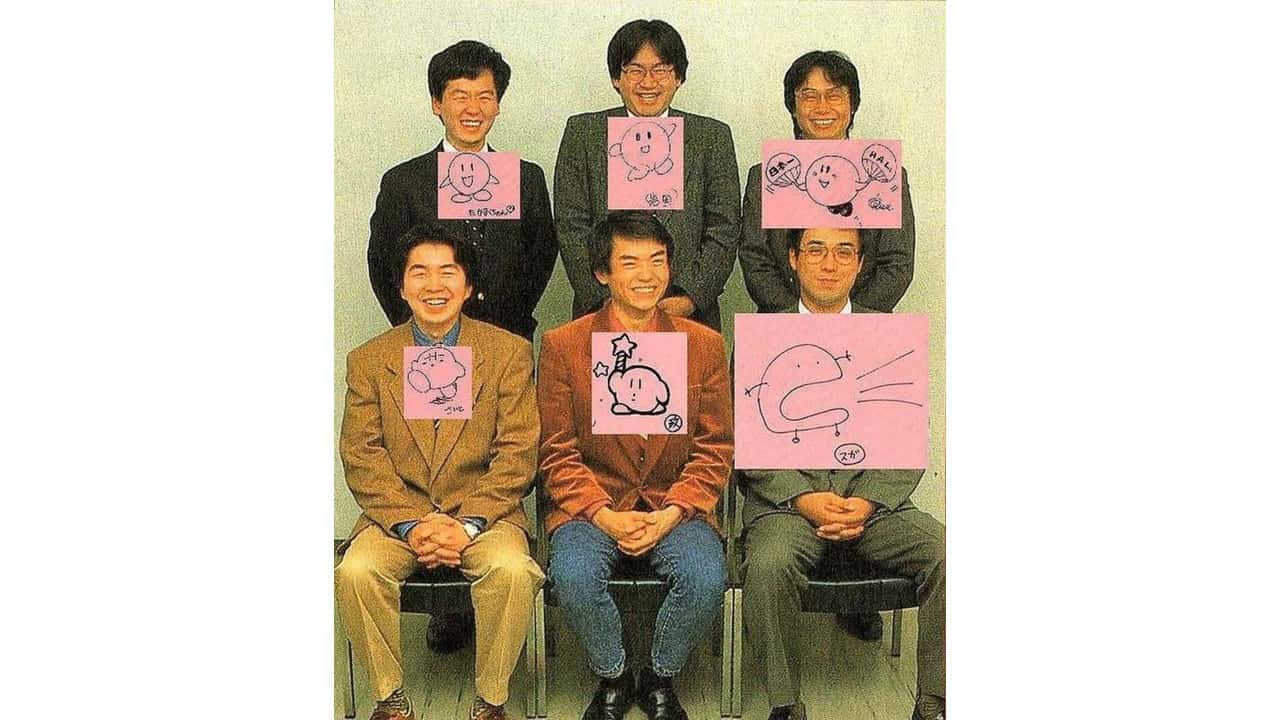
Iwata would frequently head down the street from Game Center Iwata to the Seibu Department Store’s electronics section, where he gained a reputation as a whiz kid and wowed the employees with the games he had so effortlessly coded. It was there that a coalition formed: the employees of the computer department at Seibu had found the prodigy they needed to start an actual game studio, and before long, a group of men in their twenties had left their day jobs to become HAL Laboratory. They chose the name because they wanted to show they were “one step ahead of IBM.” Iwata, ever the ambitious one, continued his computer science degree full-time while founding and working for HAL Laboratory. Despite his passion for games, his family did not approve of this career path. His father, now the mayor of Sapporo, was so ashamed of his son that he refused to speak to him for 6 months following the founding of HAL Laboratory.
What does all this have to do with Pokémon? Was this whole 30 Years of Pokémon series I’m doing a backdoor excuse to glaze Iwata? Stick with me. His career would take many, many turns throughout the next few years as he coded games like Balloon Fight, Earthbound, and a little game starring a pink puffball you may know named Kirby. Nintendo had been looking for a developer to create a new game for them, NES Open Tournament Golf, but several studios had already turned it down because 18 golf courses simply could not fit on the NES cartridge. Iwata took this as a personal challenge and spent weeks of sleepless nights creating an entirely new data compression method to fit the entire game on the cartridge. To the amazement of everyone at Nintendo and even his seniors in the industry, he succeeded. This will be very important to Pokémon soon.
In 1993, Iwata was promoted to the president of HAL Laboratory, and within 6 years, had turned the studio from 1.5 billion Yen in debt to profitability. While Iwata was an extraordinarily confident coder, he never felt he had leadership qualities and would constantly seek assistance and ask for honest help from subordinates. This behavior was, and still is to an extent, considered a taboo in Japanese working culture – managers are intended to give commands without being questioned. It is here that our timelines converge; Ishihara, head of the newly formed Pokémon Company, knew about the coding struggles that Game Freak was facing with getting Pocket Monsters 2 running. Satoru Iwata had previously assisted Creatures Inc. with miraculously programming the entirety of Pokémon Stadium’s battle system in less than one week, and so he sent Iwata over to the Game Freak offices to see if he could help.
Despite being neither an employee of Game Freak nor Nintendo (HAL Laboratory was an independent studio), Iwata rolled up his sleeves and began to crack down on the coding issues with Pocket Monsters 2. Iwata had already become familiar with the source code of Red and Green, as he had read through it to replicate it off the cuff in Pokémon Stadium in an entirely different programming language. Morimoto, who was largely in charge of programming at Game Freak, was incredibly nervous that Nintendo had sent over arguably the most talented programmer in the country. Iwata found that a major issue was simply that the coding language was inefficient, and was taking far too long for anything in the game to load and decompress data. With glee, Iwata began to tear the code to shreds.
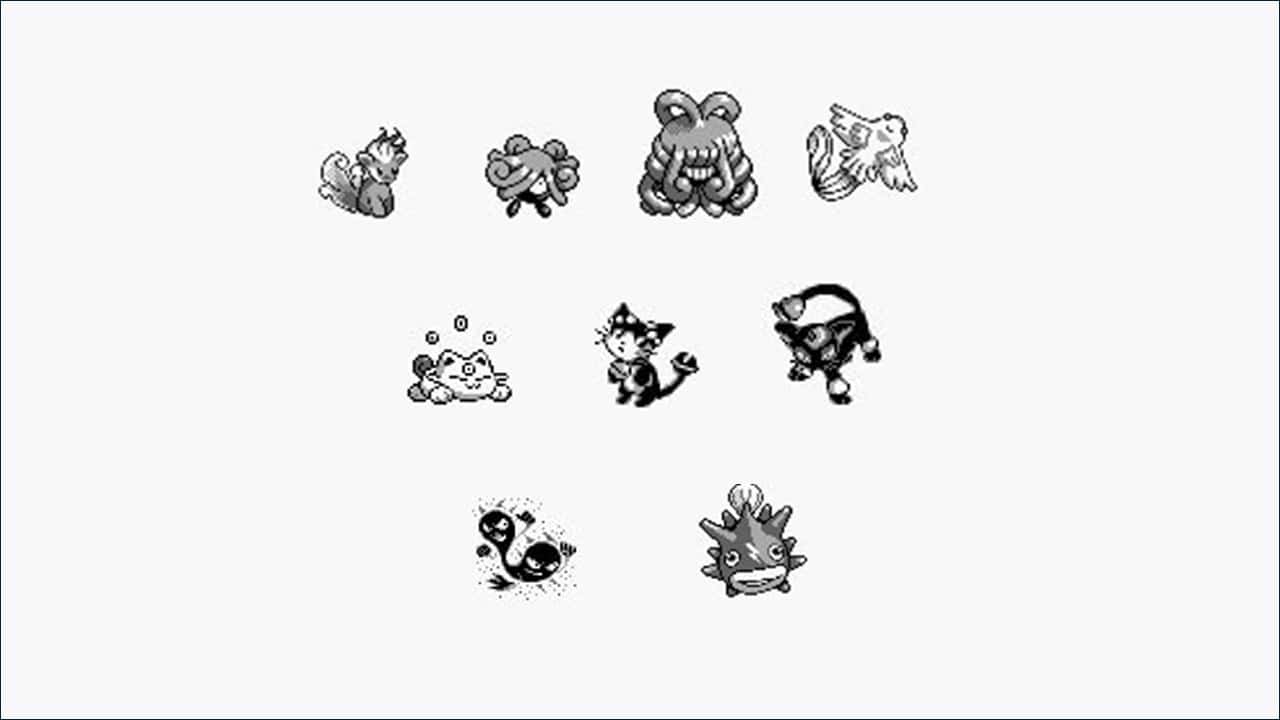
Using the unique compression code he created for NES Open Tournament Golf, Iwata compressed the entirety of Pocket Monsters 2 into a well-oiled machine with instant loading, even factoring in the new full color sprites. He smoothed out the bugs as he found them, ensuring this game would launch in a better state than the previous one. Morimoto said that Iwata was so dedicated to this grunt-level work that no one at the studio could believe he was the president of a major company like HAL Laboratory. Iwata’s compression software also allowed Game Freak to greatly expand the scope of Pocket Monsters 2, adding in the entire Kanto region from the first game with a new story.
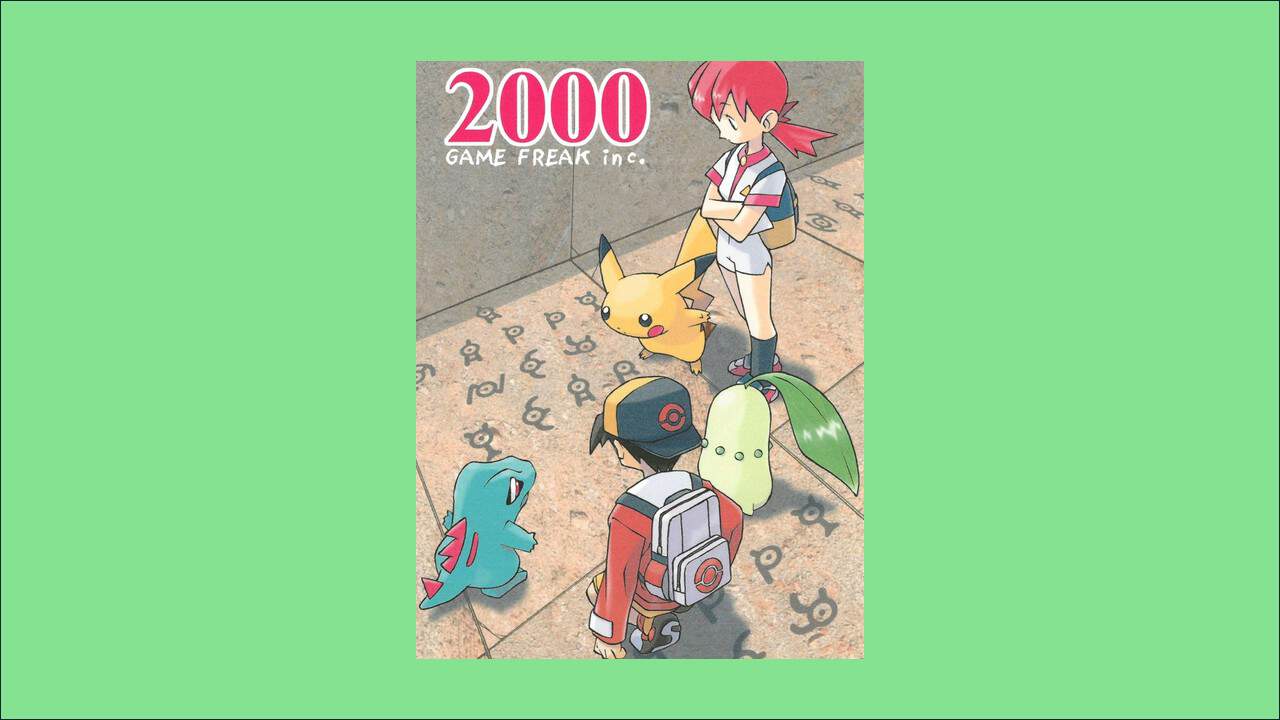
In the first game, players controlled the character Red (Satoshi in Japanese) and ended up becoming the Pokémon Champion of the Kanto region. Pocket Monsters 2, or Gold and Silver as they were now called, took place three years later in a nearby region called Johto, based on the Kansai region, which notably contains the historical cities of Osaka and Kyoto. Players would control a new character, Ethan, and set forth to defeat a whole host of 8 new gym leaders, explore a dozen new cities and wilderness routes, end the second rise of Team Rocket, and become the champion of the Johto region. Gold and Silver added in a plethora of Pokémon essential features that persist to this day, such as a real-time clock with Pokémon only appearing at certain times, in-game events, shiny Pokémon, roaming legendary Pokémon, breeding, competitive play, move deletion, held items, berries, and specialized Poké Balls just to name a few. With Iwata’s help, however, what appeared to players to be the end of the game was actually the halfway mark.
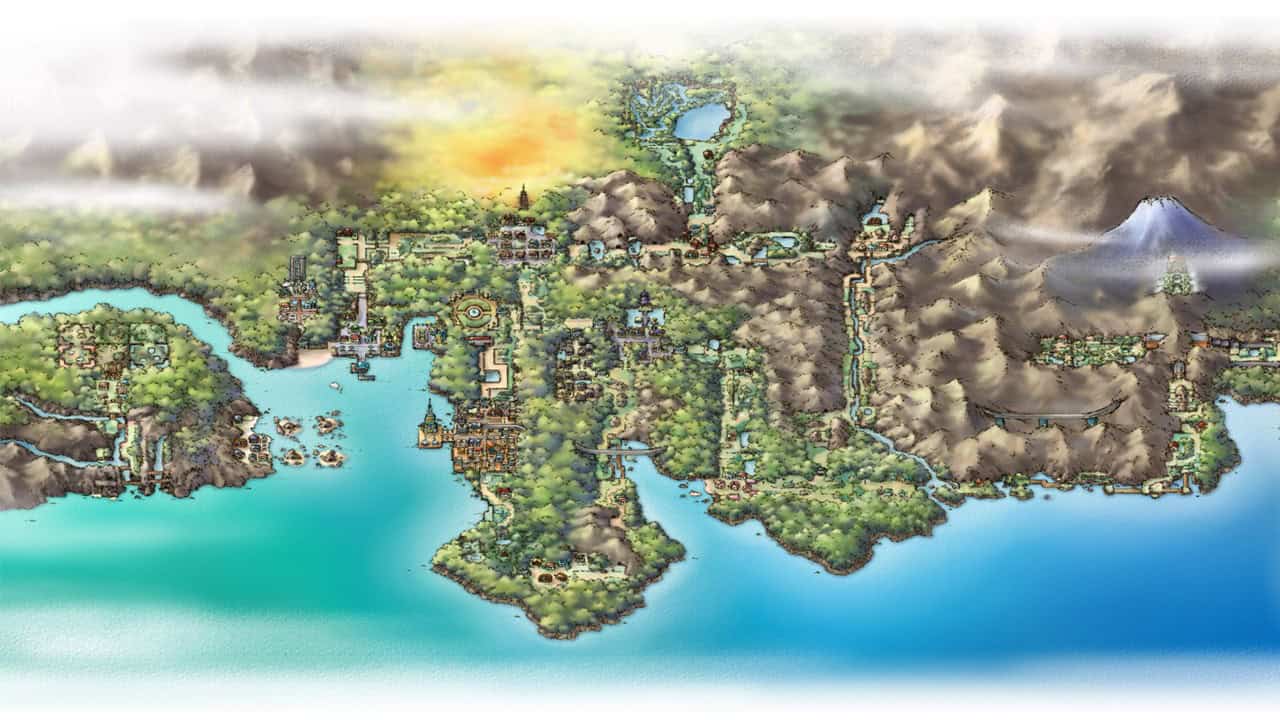
When players defeated the Johto Champion, they were offered a mysterious train pass and told to board the train in Goldenrod City. This would take the player to Saffron City, in Kanto, and the truth became quickly clear – there was another entire game in this one. Players would continue through defeating the Kanto gym leaders, but finding that three years had passed, and all these towns and characters were a little different as time had progressed. You’d hear whispers about some legendary Pokémon, its name too powerful to be spoken, that was at the top of Mount Silver. The locals don’t go there. Finally, it would be time.
Walking into Mount Silver revealed what is still revered to this day as one of the best final bosses in video game history. Red, your character from Pokémon Red and Blue, was the champion known as the world’s most powerful Pokémon Master. The final boss was your own character from the last adventure, now fully realized at maximum strength after three years. With a simple “…” the battle began, and you would face Red’s horrendously overpowered team, including your own starter Pokémon and his trusty Pikachu. I say all this for two reasons: to communicate how crucial Iwata was to making Pokémon a franchise instead of a one-hit wonder, and to demonstrate that Game Freak did indeed succeed in topping the most popular game ever.
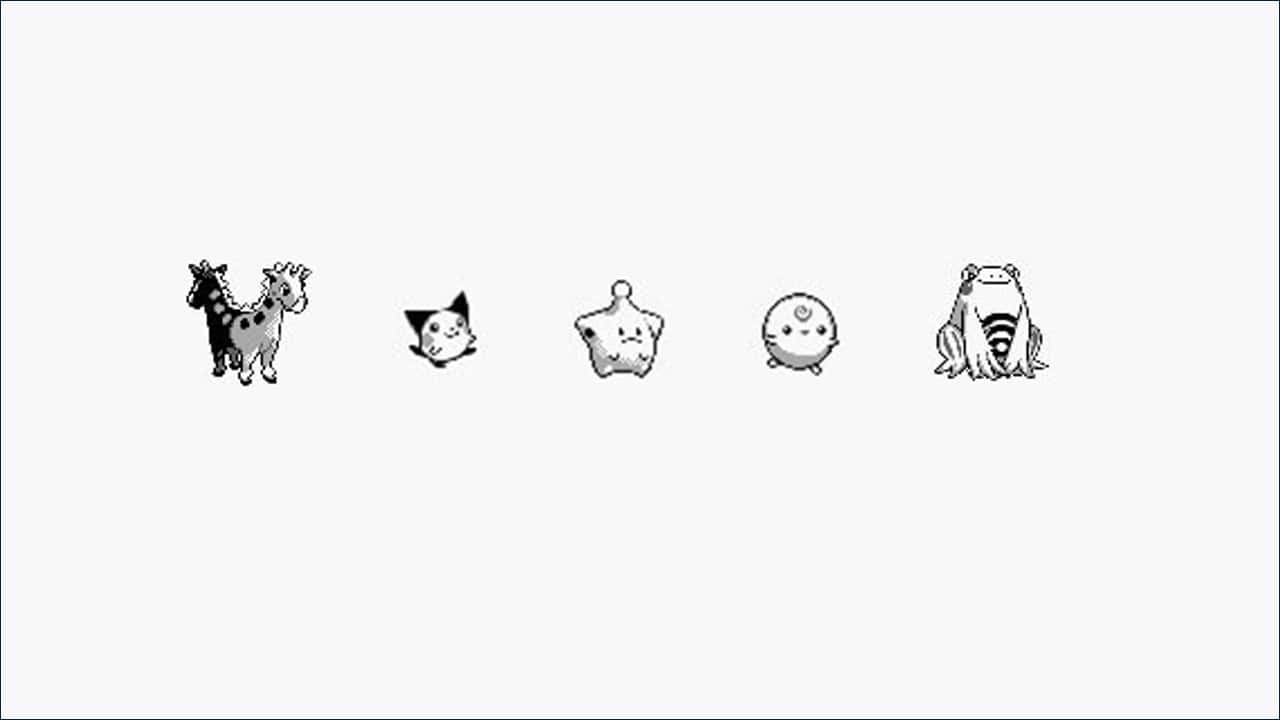
Not every idea made it into Generation 2, as it came to be known. About 100 Pokémon designs went unused, with Game Freak deciding to add exactly 100 new mons into the game to get the total to 251. Game Freak artist Atsuko Nishida, creator of Pikachu, revealed that Pikachu actually had a third evolution named Gorochu that was cut at the last minute. It was also revealed that the original Johto region was up to seven times larger and covered all of Japan, but had to be cut down significantly. Designs for unused towns, trainers, and even items were discovered in a datamining incident in 2018. Even with all of this cut content, it’s easy to see that Game Freak went above and beyond with what they did deliver – and they were rewarded handsomely for it. If you’re my age (early 30s), and were 6-9 years old when this game came out, there’s a very high chance that you believe Generation 2 to still be the best one in the franchise. I do, and I’m right, too.
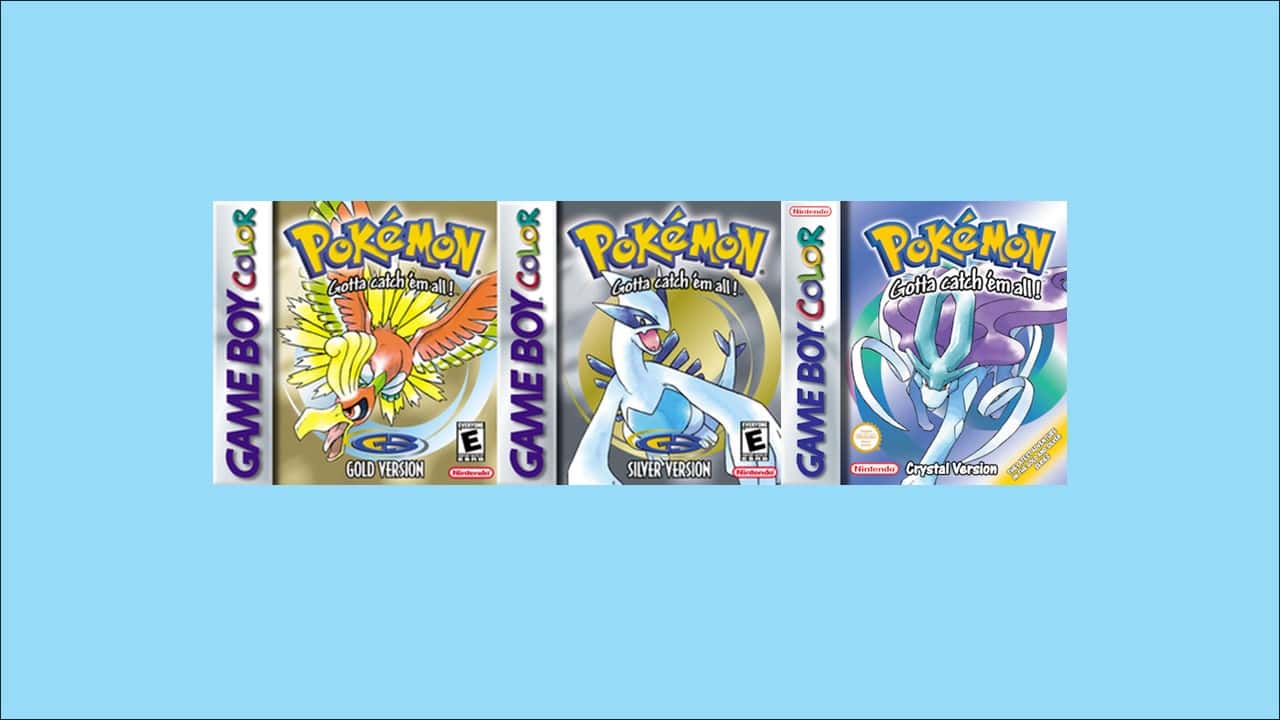
Game Freak and Nintendo released Pokémon Gold and Silver for the Game Boy Color in November 1999 for the Japanese market, setting the North American and Australian release dates in September 2000, and the European release in 2001. This lined up with the release date of their second theatrical feature film, Pokémon The Movie 2000: The Power of One, in each territory respectively. Lugia, the featured Pokémon of the film, was also the mascot for Pokémon Silver and appeared on the box. Nintendo modified a fleet of Chrysler PT Cruisers with Lugia paint jobs, wings, and tails, and sent them wild across the United States to promote the games and movie.
At the same time, the Pokémon anime series launched its sequel series, Pokémon Johto Journeys (titled Pokémon GS in Japan), which saw Ash, Misty, and Brock travel to the new Johto region. All in all, they spent around $14m to market Generation 2 in the United States, which was a fraction of what they spent on the marketing cycle for Generation 1. A year later, Game Freak released an updated version of Gold and Silver called Crystal. This edition brought full sprite animation, new characters, new storylines, a post-game Battle Tower, and balance fixes. Most importantly, it let players choose to play as a female character for the first time in the series, which will be available in every game going forward.
Pokémon Gold and Silver sold 1.4 million copies in the US on launch day, absolutely eclipsing all video games as the fastest-selling in history. Within 2 weeks, that number hit 2.9 million, breaking even more records. Together, Gold, Silver, and Crystal ended up selling 30 million copies, firmly slotting them as the third best-selling game in history at the time, following only Tetris and Pokémon Red, Blue, and Yellow. Game Freak had, against all odds, done it again. But now, we must slowly zoom out of the video game space to see Pokemania at its height.
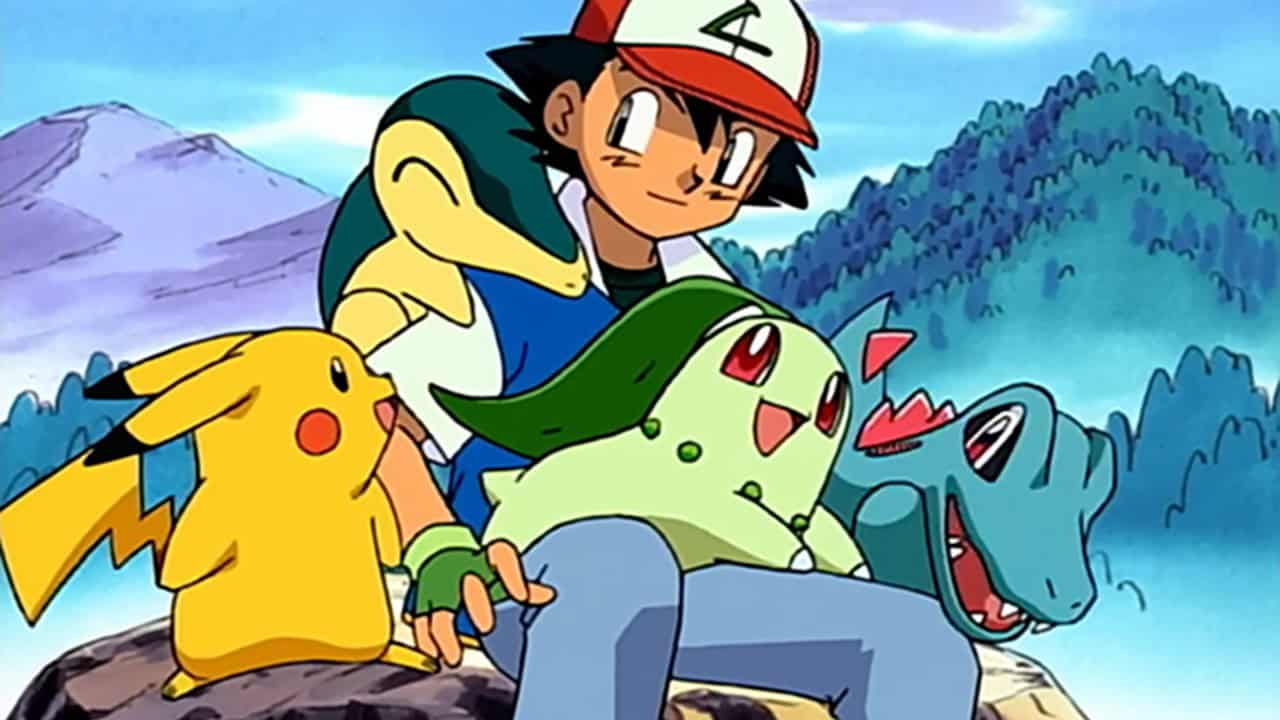
For the second movie, Pokémon 2000: The Power of One (hilariously released in Japan as “Lugia’s Explosive Birth”), Kunihiko Yuyama returned to direct, with anime showrunner Takeshi Shudo writing the script again. This time, the American producers at Warner Brothers made very minimal changes to the localized script, leaving the original story intact. Pokémon proved to be review-proof once again. Despite the 20% on Rotten Tomatoes and 28% on Metacritic, The Pokémon Company had another hit on their hands. It made $133m worldwide off a $30m budget, barely over half what the first film had grossed, but still an undeniable success.
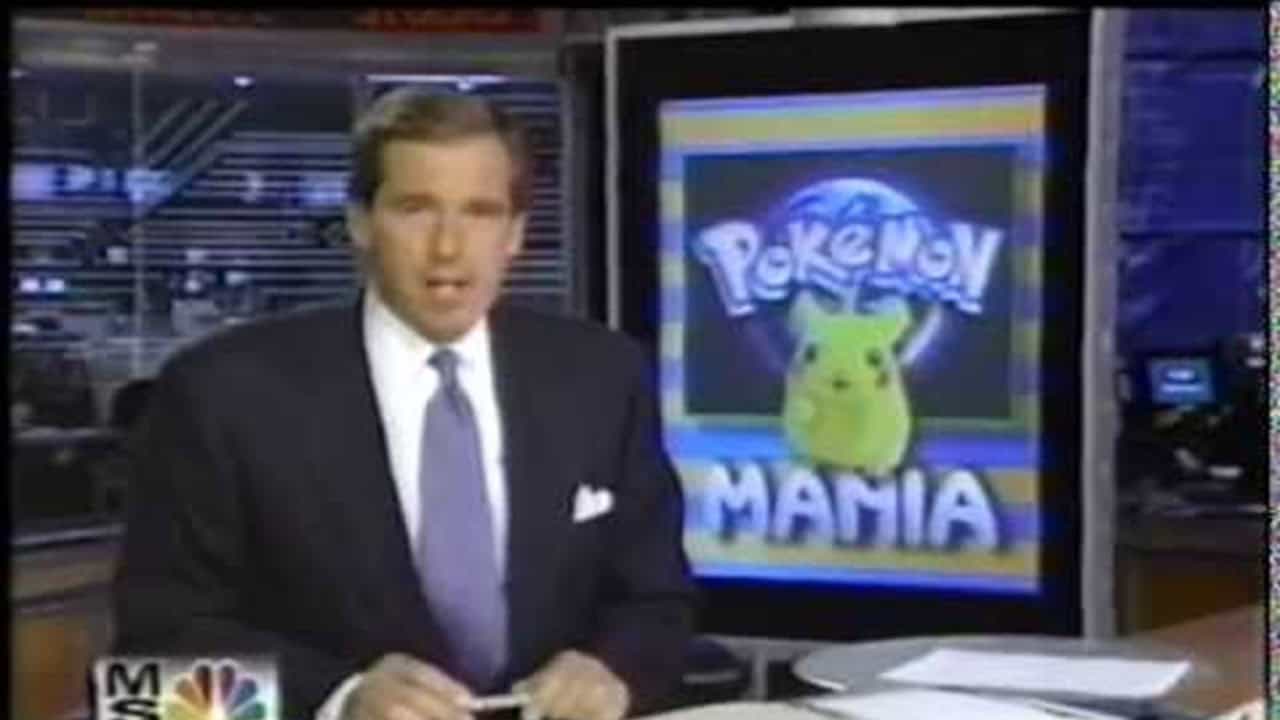
This time, Hollywood was ready. Celebrity guests at the Pokémon 2000 red carpet premiere in Los Angeles included Kobe Bryant and Laurie Metcalf. All the artists who had contributed to the soundtrack, including Donna Summer, N SYNC, Youngstown, Dream Street, Nobody’s Angel, and even Weird Al Yankovic himself, made appearances. By the time Pokémon The Movie 2000 hit Western theaters in the summer of 2000, Pokemania had become more of a sustained plateau than the skyrocketing juggernaut it had been in the 90s. Now, Pokémon was everywhere. It was a part of everyday life. You literally couldn’t go to the grocery store without seeing Squirtle on a packet of cookies or a Ditto lunchbox. Every child in every home in the world knew about Pokémon now. If there was a child who didn’t play the games, watch the anime, collect the toys, or play the card game, I can guarantee you they wanted to.
It is 2000, and the cycle has been established, the cycle so unbreakable that even Game Freak seems to be unable to stray from it. A new game comes out, introducing a new region, over a hundred new monsters, and new characters. The anime, at the same time, takes Ash and friends to that new region. At the same time, a movie releases (first theatrically, then on home video, and now on streaming) to promote the new legendary Pokémon in this game. New trading card packs are sold with the new Pokémon on them. And, most critically, the merchandise associated with all the new monsters for the new generation floods every physical and digital store shelf in the world.
Pokemania is generally agreed to have continued on through 2003, up to the release of the third and final theatrical film Pokémon 3: The Movie – Spell of the Unown. The next part of our series will cover the rest of the 2000s, following the mania as Pokémon becomes simply a fact of life, much like Star Wars before it in the mid-1980s when the trilogy ended. We’ll move into Generation 3 with Ruby, Sapphire, and Emerald, and then into Generation 4 with Diamond, Pearl, and Platinum. Most importantly of all, Pokémon is about to meet its greatest ally yet – the internet.


 ObserverCrew Picks
 bserver
 bserver