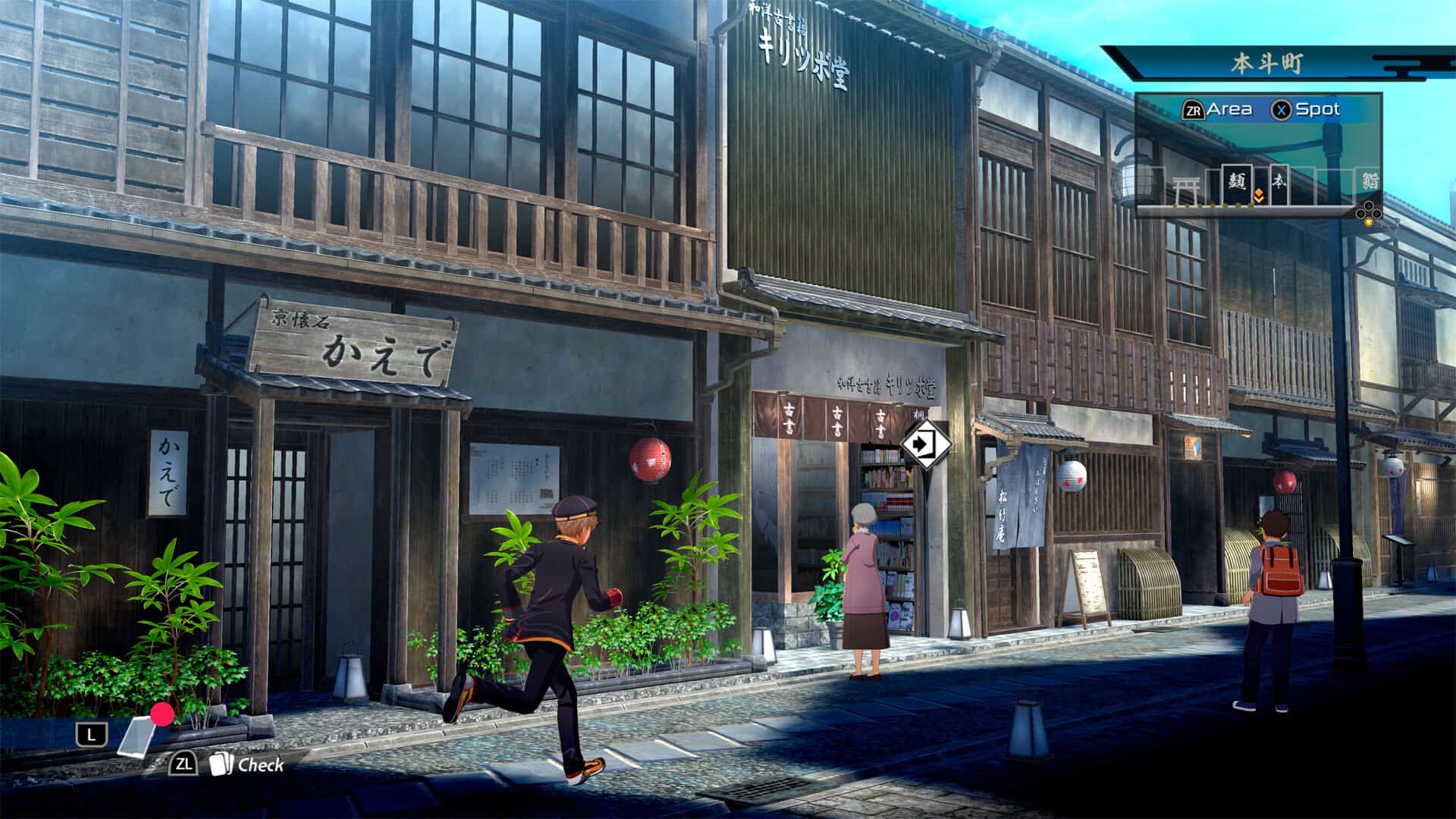
After more than a decade, the sequel to cult classic Tokyo Xanadu is finally in gamers’ hands — at least if you understand Japanese. Still, you’d expect flashy, responsive combat to be the main selling point of such a long-awaited action RPG. Instead, Nihon Falcom found that two demographics of players walked away praising completely different parts of Kyoto Xanadu. Speaking in Famitsu magazine issue No. 1956, the studio’s President Toshihiro Kondo revealed that he noticed a clear split between male and female players during hands-on events.
“‘The action feels nice,’ is said by the majority of male players, but most female participants said, ‘Being able to explore the streets of Kyoto is nice,'” explained Kondo. “So, men focused on the action mode, while women focused on the city exploration mode; we saw a rather interesting phenomenon. This was a fresh response for us.” This reaction also reassured the team that its recreation of Kyoto had paid off. In another part of the interview, Kondo mentioned that the Tokyo-based team has never taken a dedicated research trip to Japan’s former capital. Nevertheless, the developers managed to painstakingly recreate the city’s ‘essence’ through self-research and consultations alone.
Kyoto Xanadu itself marks Falcom’s return to 2D side-scrolling gameplay since Zwei: The Ilvard Insurrection back in 2008. Despite today’s popularity of 2D indie metroidvanias, Kondo admitted that he and his team were still ‘worried’ when working on its ‘old-school’ gameplay. “People who remember the old days might think it’s ‘outdated,’ while people who don’t know side-scrolling games might feel uneasy,” he said. But as it turns out, their worries were unfounded.
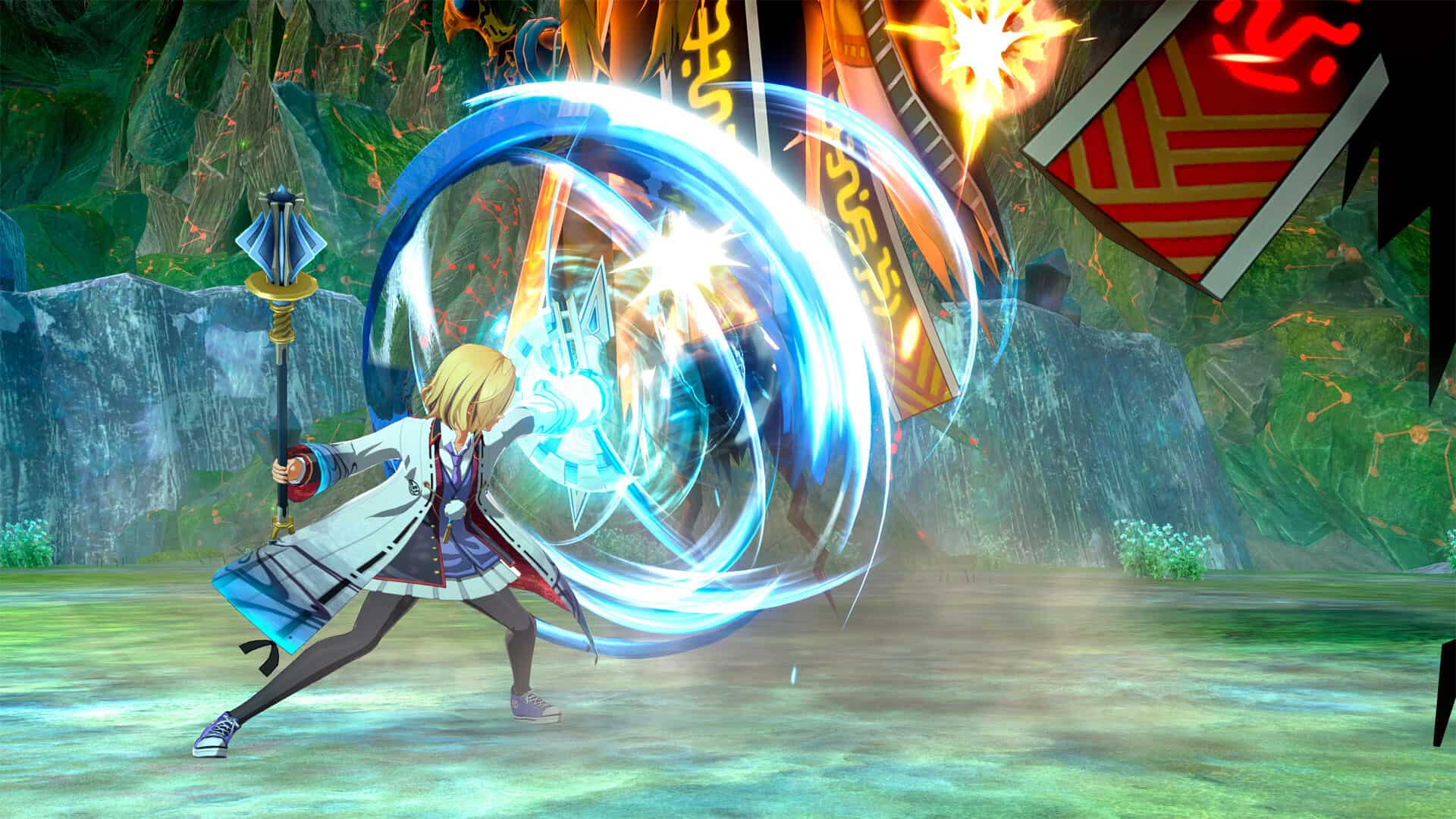
After all, beyond the positive gamers’ reactions in Japan, the studio’s developers even found ‘rediscovered’ mechanics and excitement for the genre. For example, Kondo pointed to actions like sliding underneath enemies — inspired by 1986’s Valis: The Fantasm Soldier — which younger staff members found surprisingly ‘fresh.’ “Initially, I wondered, would it be okay to bring back such an old system for side-scrolling, but as we actually did it, the fun feeling unique to side-scrolling games started to appear,” he continued. “I really want players to experience that.”
Although normal combat is in 2D view, boss battles will switch to 3D. Kondo revealed that the hybrid mechanic was taken from Falcom’s own 1984 action RPG Dragon Slayer. This allows the team to create more varied encounters without simply making 2D sections harder, he feels. “The amount of work is basically equivalent to making two games, which was rough, but we decided to go ahead and implement it anyway,” he said.
When asked about Kyoto Xanadu‘s post-launch support, just like Tokyo Xanadu got through the eX+ version, Kondo can’t make any promises. “It’s undecided at this stage. If we get a lot of requests from everyone who plays the game, perhaps…” He also added that the team wanted to make a demo version of the game.
Kyoto Xanadu -the Blooming Phantom- launched on July 15, 2026, for PlayStation 5, Nintendo Switch, Nintendo Switch 2, and PC, only with Japanese, Korean, and Chinese support. At the time of writing, no demo is available, and Falcom has yet to announce a Western release date. For more gaming news and interviews, check out GameObserver.









 ObserverCrew Picks
 bserver
 bserver