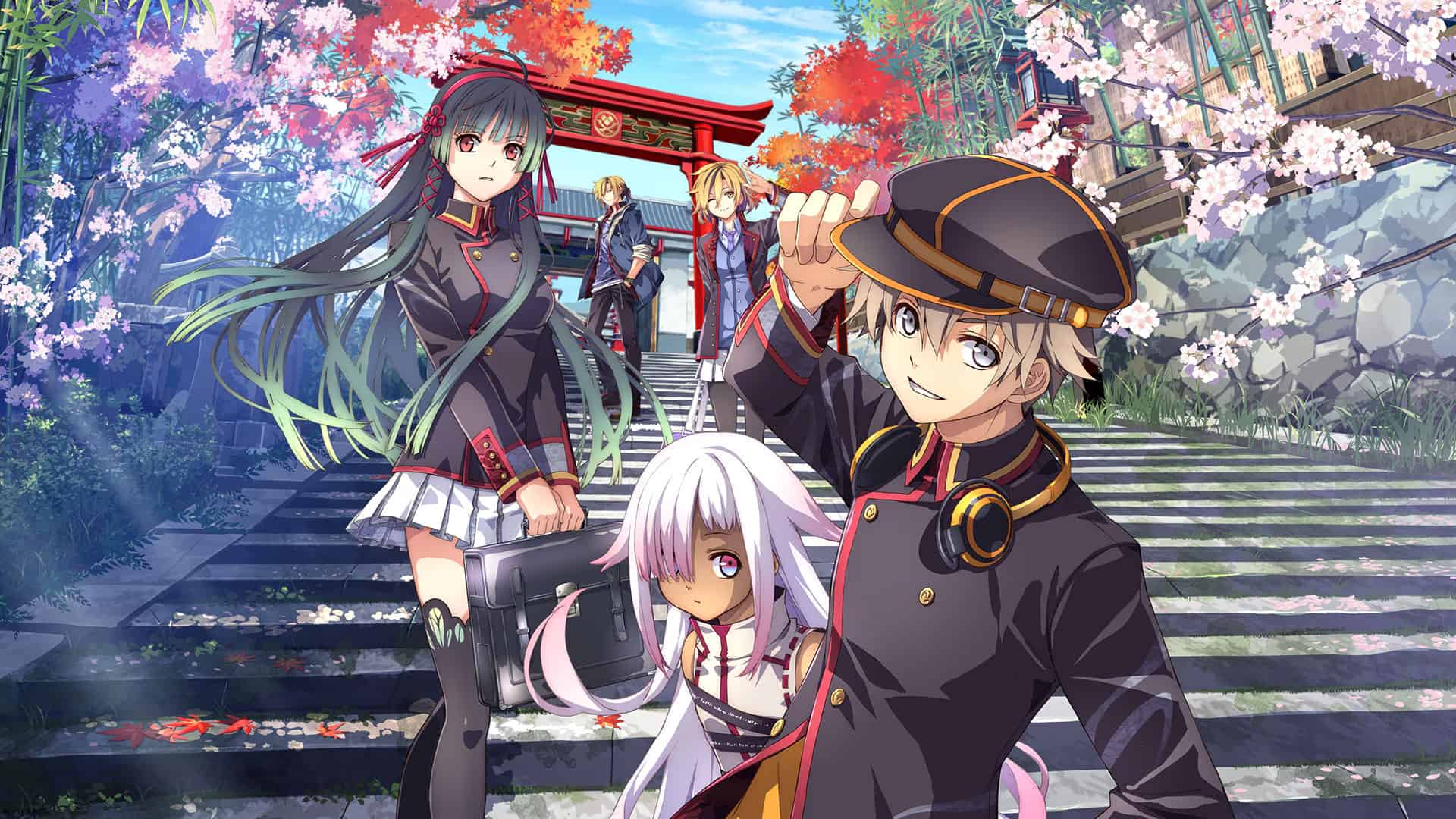
Tokyo Xanadu fans have been waiting over a decade for a sequel. Meanwhile, in that timeframe, Nihon Falcom somehow managed to pump out multiple Trails games, wrap up the Cold Steel saga, launch the Daybreak arc, and even remake the first Trails in the Sky. As it turns out, that’s pretty much why Kyoto Xanadu took so long to be made. Speaking in the Famitsu magazine issue No. 1956, Falcom President Toshihiro Kondo admitted that the long wait came down to one thing: the team being completely tied up with its flagship Trails series.
“Actually, the company decided that Tokyo Xanadu was supposed to start a series,” explained Kondo. “The reason it took 11 years for the next installment is, and this is just an excuse, because we were so busy with the production of the Trails series that we couldn’t allocate internal resources.” Fortunately for the action RPG fans, thanks to the success of Trails itself, Falcom has expanded its development team and can now work on other projects. Still, he admitted it took the team ‘too much time’ to return to the planned franchise proper, adding that Kyoto Xanadu only entered production around three or four years ago.
Kondo also shed some light on why the sequel moved from Tokyo to Kyoto, and why it was an easy choice. The development team had long wanted to set a game there while Kondo himself used to live in Japan’s former capital. “It’s also the city where I spent my student years, and it’s a symbolic city representative of Japan,” he said. Kondo added that younger staff, too, argued for the city’s international attraction: “For a worldwide appeal, Kyoto should come after Tokyo.”
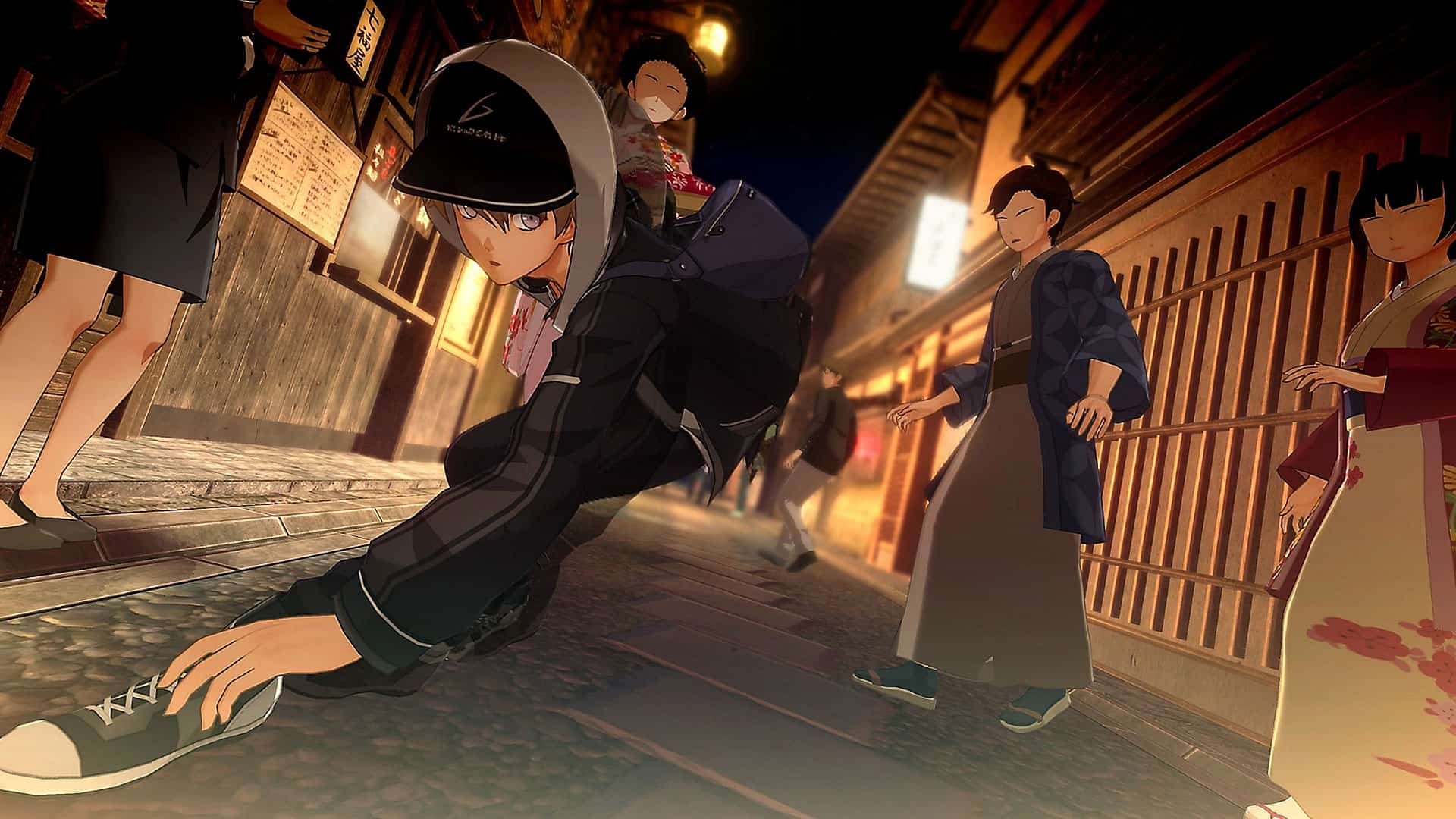
What’s interesting, however, is that Falcom developers never actually visited Kyoto during development. Instead, the Tokyo-based team recreated the city’s ‘essence’ through extensive research and by consulting members familiar with the city’s quirks. “I, who actually lived there, too, feel a sense of nostalgia, and I think it’s convincing enough to even satisfy foreign tourists,” Kondo said, pointing out that apart from the in-game Kotobukiya store collaboration, very little should feel out of place.
Nevertheless, the shift from Tokyo to Kyoto wasn’t just about swapping locations. Kondo teased that the new setting itself is one of the game’s biggest mysteries, with hints to the original scattered throughout the adventure. Thankfully, newcomers won’t need to play the 2015 game first. “You will probably notice some common things between the two works, but we’ve made it so that nothing important requires you to have played the previous game to understand,” explained Kondo.
Kyoto Xanadu -the Blooming Phantom- has launched on July 15, 2026, for PlayStation 5, Nintendo Switch and Switch 2, and PC exclusively in Japanese and Asian languages. The Western version is yet to be announced. For more gaming news and interviews, check out GameObserver.




 ObserverCrew Picks
 bserver
 bserver