The year is 1990. Two nervous 25-year-olds stand in front of a stuffy Kyoto conference room of mostly elderly Nintendo executives that are wholly uninterested in meeting them. Satoshi Tajiri, the programmer, and Ken Sugimori, the artist, are the co-founders and only employees of their brand new game development studio, Game Freak. The two young men have only a single game to their name – an arcade puzzle game called Quinty.
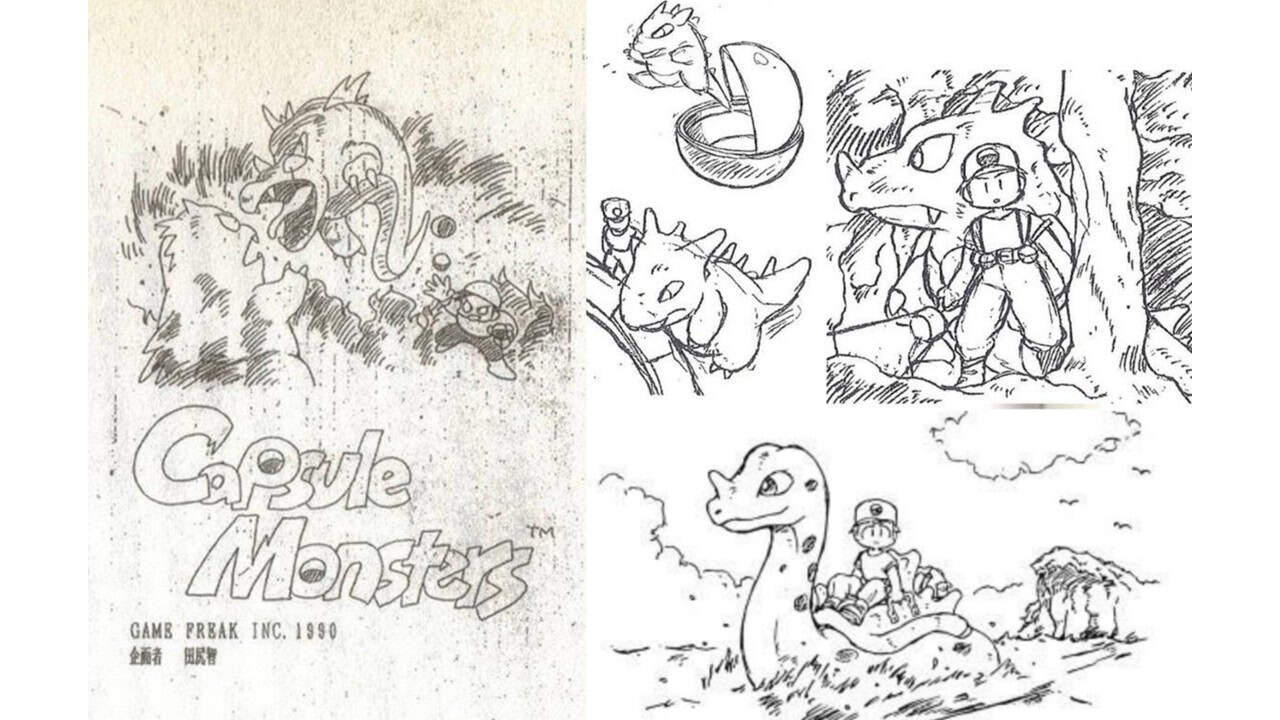
Tajiiri and Sugimori make their presentation to Nintendo, fervently describing an RPG much more massive than anything on the market, 150 distinct monsters with unique art and movesets, and currently undeveloped technology taking advantage of the new handheld Game Boy and its link cables to trade and battle monsters. And of course, the pitch ended with the request for a dozen more developers, millions of Yen, and 6 years of development time. Presenting Capsule Monsters!
The board room is reserved, skeptical, and confused. The pitch is far more complicated and resource-draining than anything Nintendo has made in its 100-year history. A single man in that room sees the future, as he always does, and talks the other men into approving what will become the biggest franchise of all time right then and there. You’ve probably guessed this already, but that man’s name was Shigeru Miyamoto, creator of Super Mario Bros. and The Legend of Zelda.
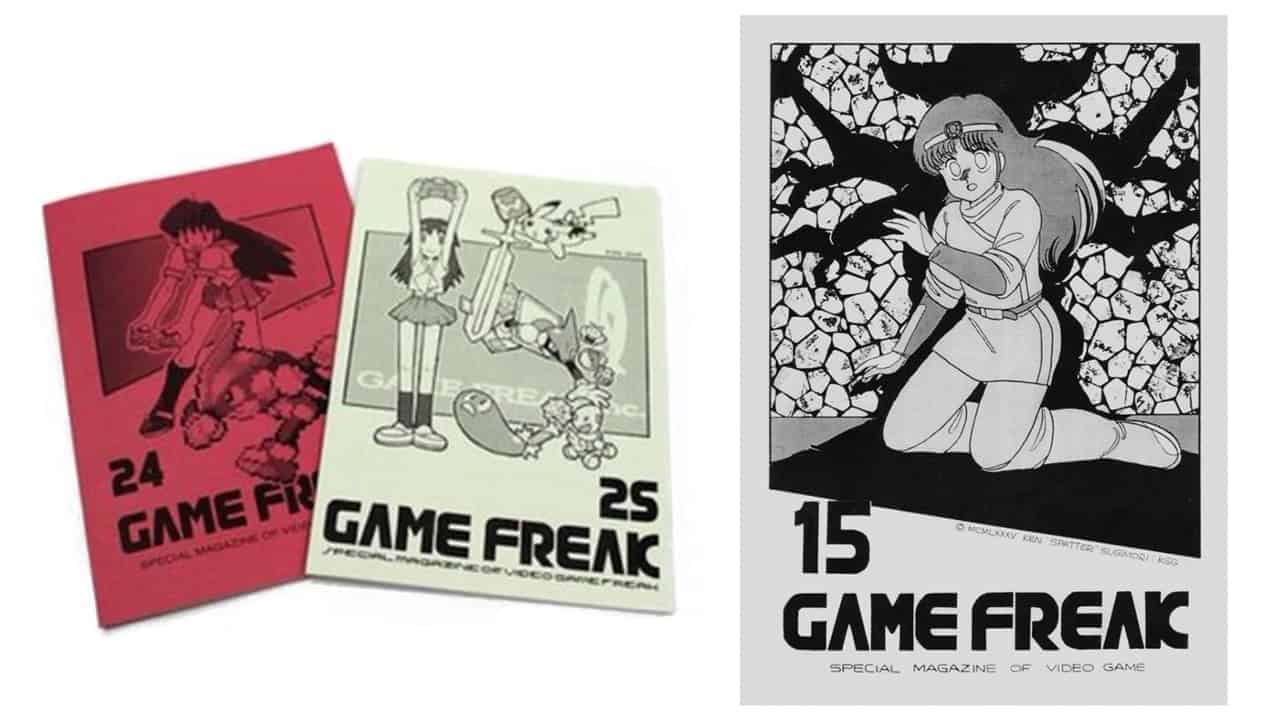
Satoshi Tajiri had spent his entire youth wholly focused on two things – bug hunting and video games. He would regularly skip school to run out into the woods, looking for new species to collect, and then head to the playground to trade creatures with the other kids. His parents called him a delinquent (which he was) and wrote him off as a lost cause. His bad grades never stopped him from escaping to the arcade, where he would not just play games – he’d observe how and why others played games, recording notes about the burgeoning gaming culture of the 1970s. As he reached his teenage years, these notes would become articles, and Tajiri began his very own zine made with paper printed at his school and stapled together. For you youngins, a zine is a handmade magazine distributed by hand to locals – these were a big thing in the 1980s and early 1990s. This zine was titled, simply, “Game Freak“.
Soon, Tajiri was contacted by a fan of the Game Freak fanzine, an aspiring mangaka (comic artist) his own age named Ken Sugimori. The two met, became friends, and as Sugimori became the illustrator for Game Freak, the two began to hatch the idea that would one day become Pokémon. The fanzine slowly grew into a game studio as Tajiri, despite struggling, finally earned his high school degree and entered a two-year program in computer science at a community college in Tokyo. Meanwhile, Sugimori’s sketches began to evolve into concrete monster designs, with a character he created in his youth to go on adventures in flip-books reappearing as what would one day be called Diglett.
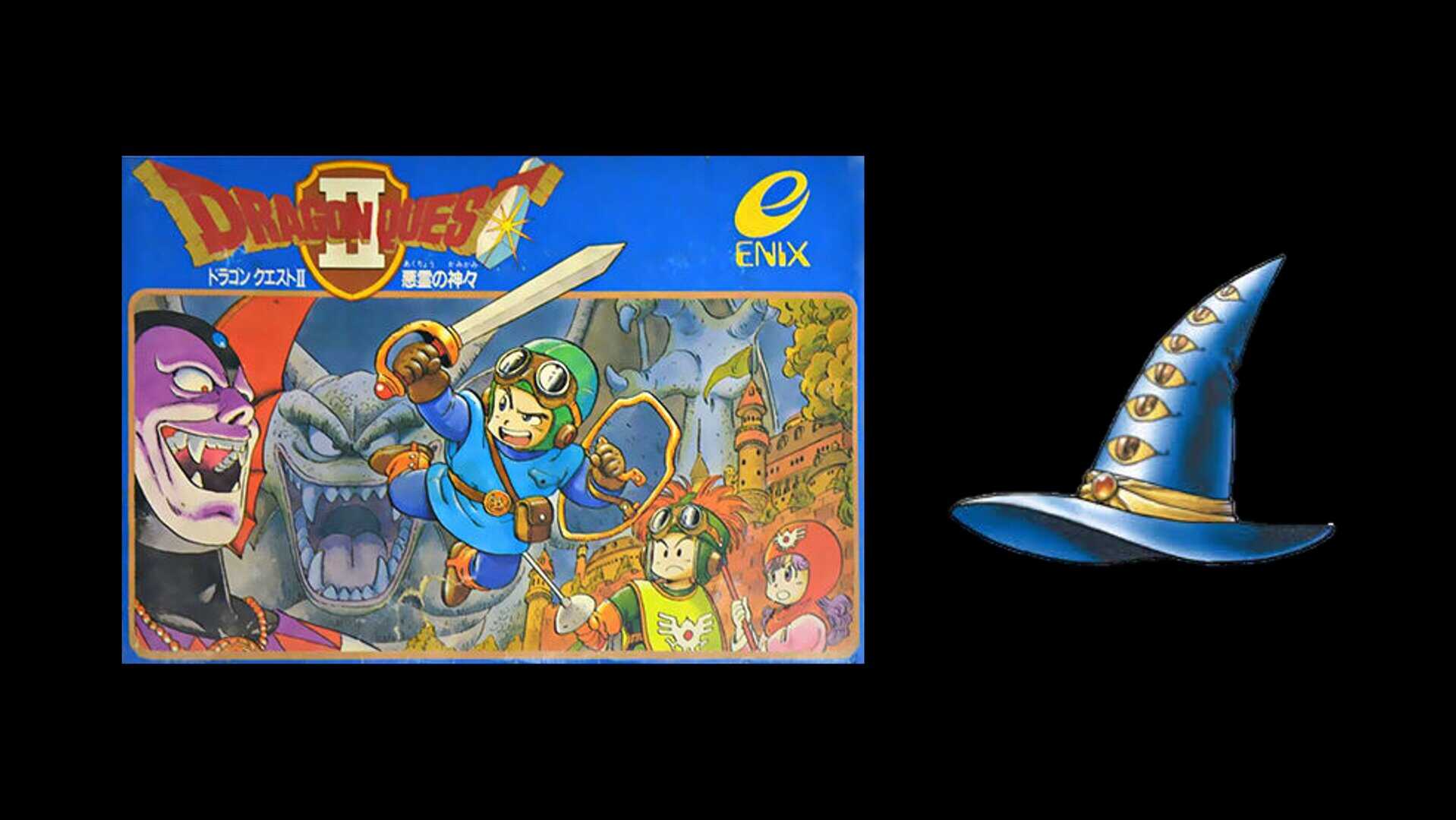
In 1990, the Game Boy had just launched and was defined by the massive hit Tetris that had swept the world into a block-based fever. The link cable that connected two Game Boys together had only been used thus far for two players to fight each other in Tetris. Meanwhile, Tajiri and Sugimori had been playing Dragon Quest II alongside each other on their respective Famicom systems (released in the West as the Nintendo Entertainment System, or NES). They had recently come to a rather frustrating point; Tajiri desperately needed an item in his game that Sugimori had two of. The pair lamented that trading items between games was not possible, and even attempted to hack their NES’s to make it happen – unsuccessfully, of course.
It all came together for Tajiri when he saw the ad for two Game Boys connected by a link cable; perhaps, the multiplayer aspect didn’t have to be battling. Perhaps two players could trade collectibles like he used to trade for rare bugs on the playground, or get items from their friends; perhaps there could be over a hundred bugs to collect; perhaps the bugs were an assortment of monsters with unique abilities. Miyamoto took this trading idea and ran with it, coming up with the idea that there should be two separate versions, each with different monsters, to encourage kids to get their friends to buy the opposite version. With this burst of vertical integration (capitalism), the idea for Capsule Monsters had finally been born!
From the start, Tajiri was adamant that the monsters should not be able to die – he felt there was enough violence in the world, and that players would feel as if their own pets were being killed if their monsters died in the game. To that end, he wanted them to battle until they fainted, so that players would never lose them and could emotionally connect to them. He also made sure players would be able to name their monsters just as they do their real pets. It seems simplistic now, but remember, all of this was happening in the landscape of the late 1980s when gaming mostly consisted of titles like Tetris, Super Mario Bros, and Mega Man. Even in RPGs like Final Fantasy and Dragon Quest, these ideas were truly unprecedented.
Capsule Monsters was a passion project from the very start. Tajiri named the main character after himself, Satoshi, with the rival character being named Shigeru after his mentor Miyamoto. Westerners will know these characters better as Red and Blue, renamed again to Ash and Gary for the 4Kids dub of the Pokémon anime. Over the next six years, Game Freak would expand by adding around 20 developers to their staff, with the core Capsule Monsters team consisting of just nine people who stayed on at Game Freak until release: Koji Nishino, Tetsuya Watanabe, Shigeki Morimoto, Takenori Oota, Satoshi Tajiri, Junichi Masuda, Ken Sugimori, Motofumi Fujiwara, and Atsuko Nishida.
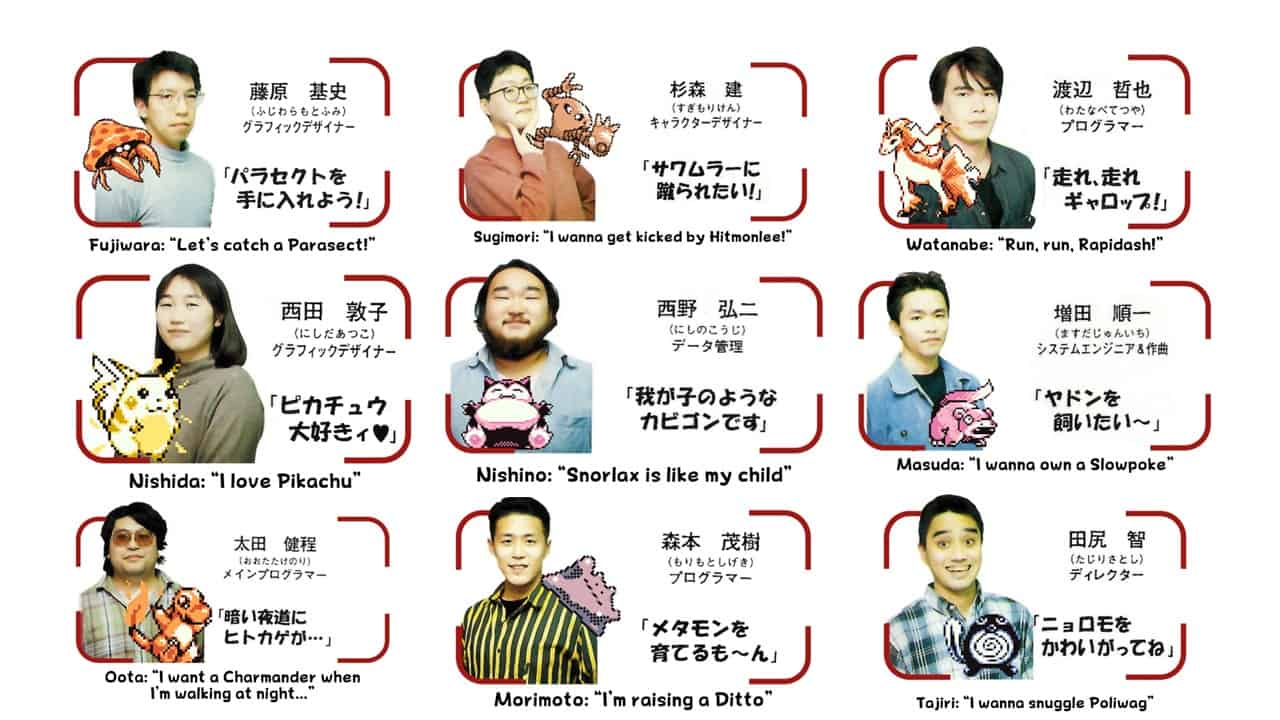
Junichi Masuda is now known better as Chief Creative Fellow (CCO) of The Pokémon Company, where he has led the direction of the series since 2022. Despite his image as a corporate suit in the last two decades, Masuda began as one of the very key creatives who made Pokémon happen in the first place. Masuda had grown up visiting Kyūshū in the south of Japan every summer with his family, and was also an avid bug collector and fisherman as well as a trombone player. As a high schooler, he became entranced with classical music, particularly Russian composers like Stravinsky and Shostakovich. Masuda’s marching band influence can be heard in his snare-heavy 4-bit tunes that make up the Pokémon Red and Blue soundtrack, and using those same sound samples with his Amiga, he created unique cries for all 151 Pokémon and all sound samples for the games. The influence that Red and Blue‘s soundtrack had on its success cannot be overstated – Pokémon simply doesn’t exist without Junichi Masuda.
While every Pokémon fan knows Masuda’s name, one that’s just as important often escapes notice – Atsuko Nishida. Nishida exists in the large pile of women throughout history who made monumental contributions to their field and seem to have been simply left out of the conversation from the start. Nishida was hired on at Game Freak to create art for their game Pulseman in 1993, and was working diligently when her boss, Ken Sugimori, approached her and asked for help with Capsule Monsters. He had designed a wealth of monsters for their upcoming RPG, but was running into the issue that the creatures he had made were too scary.
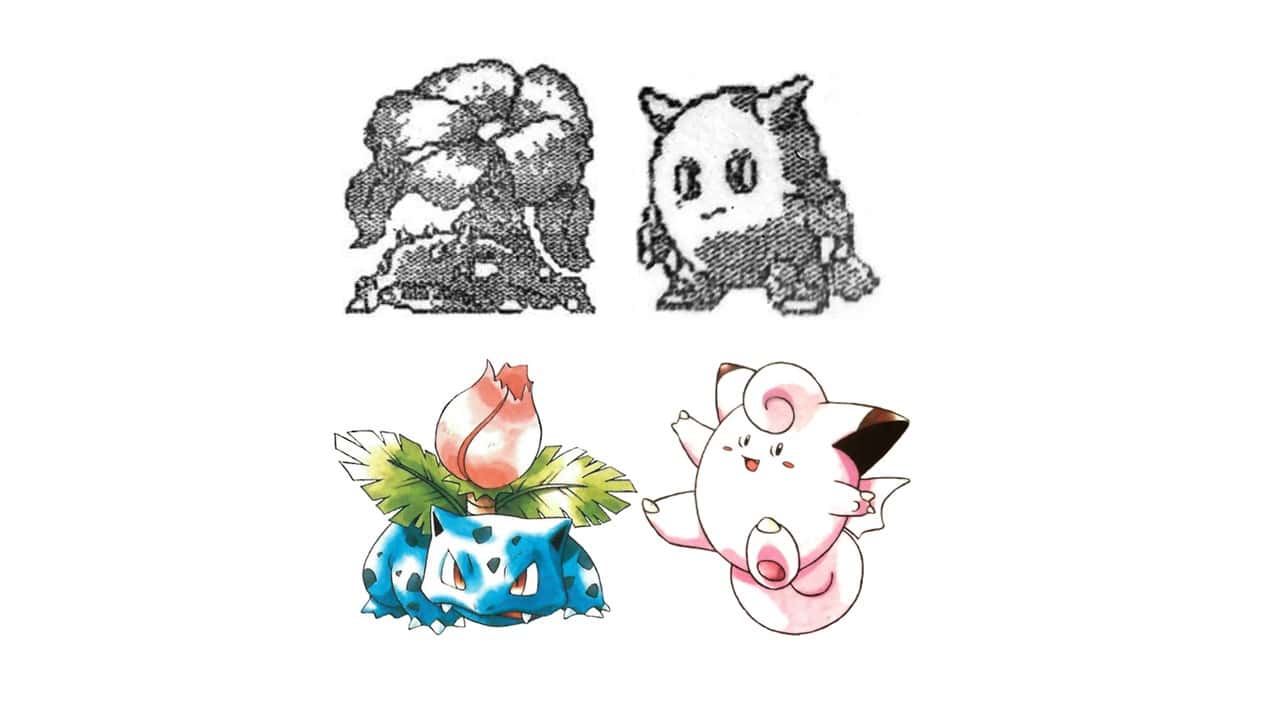
Sugimori recruited Nishida to create some cute monsters to balance out the scary ones and help the series appeal to the young children who were their target demographic. In his own words, “We’d been working on Pokémon for 6 years, which means at the end we had designs that were 6 years old. The Pokémon designers were embarrassed to see their old creations from early in development. A lot of improvements were made by the end, but it’s a complex feeling. It’s nostalgic to think ‘I drew that.’” Eventually, Nishida would hone Sugimori’s existing designs to make them more palatable and cute. She also created from scratch Pikachu, Bulbasaur, Squirtle, and Charmander – inarguably the most recognizable and beloved characters in the franchise. Pokémon does not exist without Pikachu, nor without Atsuko Nishida.
As the team continued working into 1994, things were not looking good. All three of their programmers had quit, finding the task of coding this much data to be impossible and impractical. The Game Freak team had a very serious meeting about whether they had to shut down the project before Masuda declared that he would simply learn UNIX coding overnight and finish the game. The crazy part? He did. Thankfully, Watanabe and Oota were brought on soon as programmers to assist, but Masuda kept the project from falling apart halfway through. Miraculously, although the code was held together with duct tape and a dream, it worked.
The video game industry was booming, but only in the PC and home console space. The Game Boy was already being called a “dead console” by magazines around the world, as interest in handheld gaming was rapidly declining, and competing handhelds like the Sega Game Gear, Atari Lynx, and NEC TurboExpress had gone extinct in the past year. Additionally, Game Freak had tried to trademark “Capsule Monsters”, which was denied by the trademark office in Japan as being too similar to an existing product. They then tried a shortening of the phrase, Kapumon, and were denied again. They came back with Pocket Monsters, and finally, after similarly shortening that name into Pokémon, the trademark cleared.
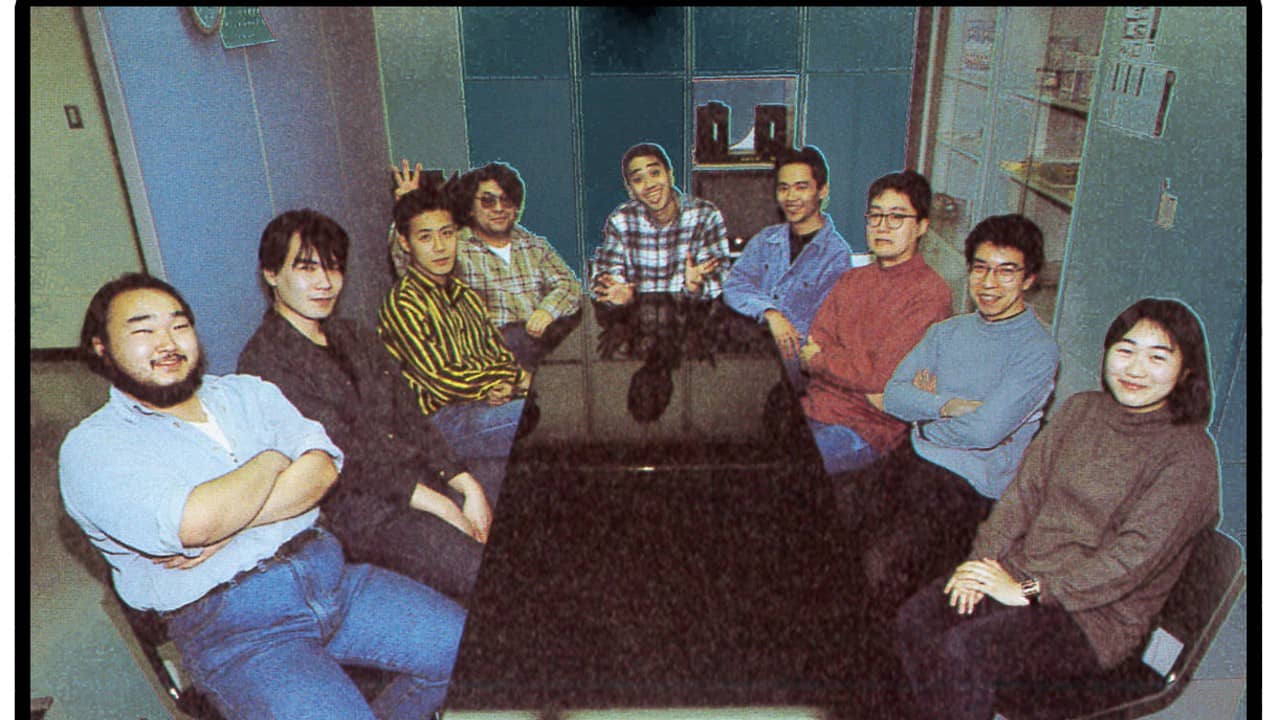
Tajiri had envisioned “something like an RPG” from the start, but first and foremost, Capsule Monsters was a game about collecting and trading. As Tajiri became overwhelmed with the RPG aspects of the game, Koji Nishino stepped in to assist him. Tajiri had hired Nishino to act as an assistant for whatever odd job needed him, but didn’t realize how daunting the math would become. Tajiri simply was not a math guy and couldn’t figure out how to make all the RPG systems work together. As Game Freak ironed out how the game mechanics would actually work, determining individual stats for 150 creatures, making them interact with type advantages, and (in an attempt) to balance it at all, Nishino, the math guy, became indispensable. “This was also my first time working on a project like this,” said Nishino. “We just kind of improvised as we went along… well really, if they noticed something needed doing, they’d just make me do it.”
Development officially finished in October 1995, and Nintendo set a release date for Pokémon Red and Green for December that year, just in time for Christmas sales. However, a wealth of game-breaking bugs that slowly revealed themselves in the following months caused them to push the date to February 1996, as none of the staff had been ready for the complexities that all these overlapping systems could create in the programming. Remember, very few games of this scale existed at the time, and they certainly didn’t exist on a handheld with its whopping 1 KB of RAM and 1 MB cartridges.
Pokémon Red and Green released in Japan on February 27, 1996, to a slow sales start but with momentous critical acclaim. Foreseeing this, Tajiri had made room in the code and placed lore in the game for a secret 151st Pokémon called Mew. Mew was the most powerful Pokémon, only obtainable from in-person events where players would bring their Game Boy and receive one. In a 1999 interview, Tajiri explained, “You can’t ever get a Mew without trading for it. It created a myth about the game, that there was an invisible character out there. Someone gives me Mew, then I give Mew to you, then you pass it on. Introducing a new character like that created a lot of rumors and myths about the game. It kept the interest alive.”
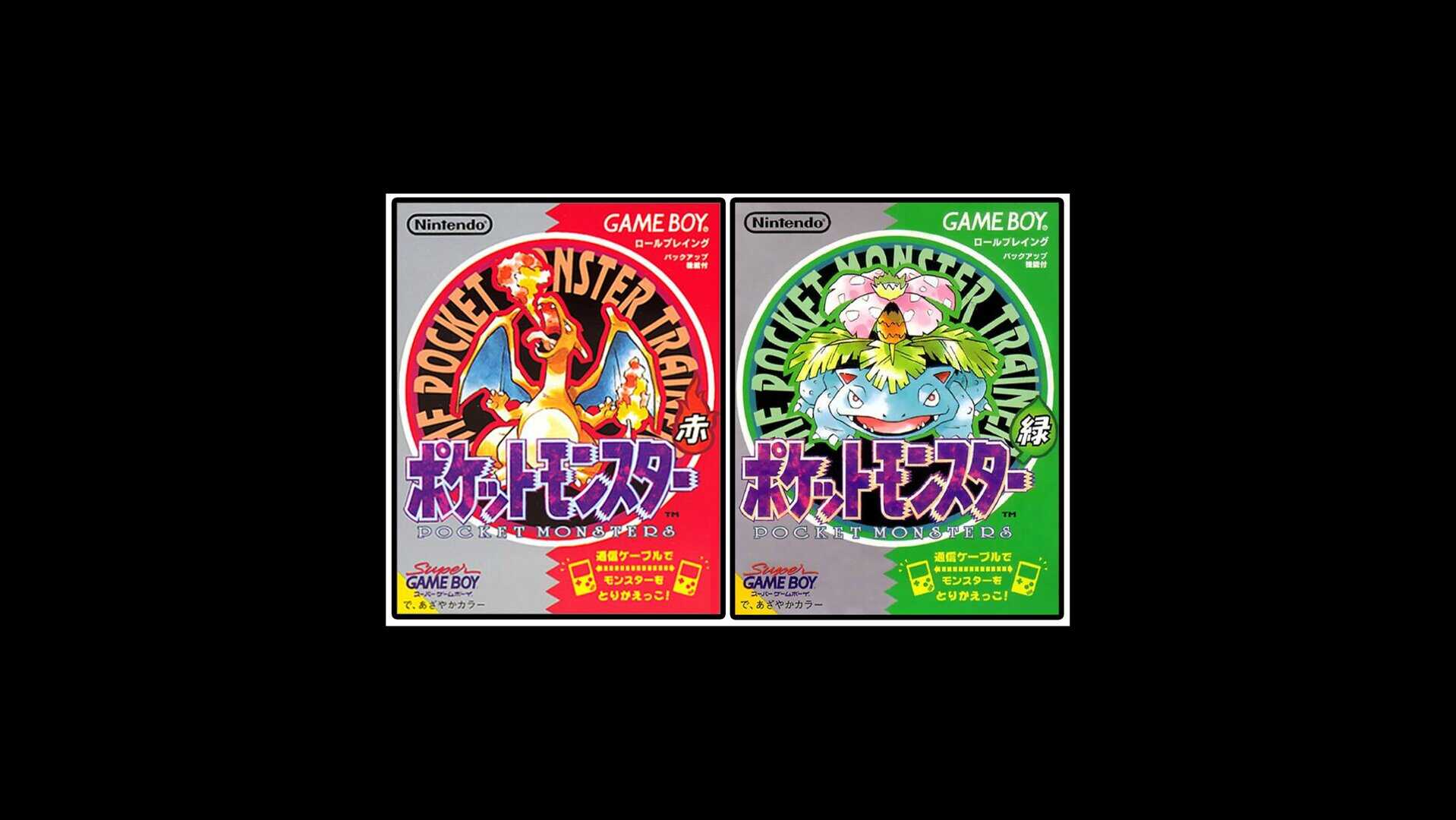
Before explaining the release saga, it’s important to remember that, back in those days, there was no such thing as a patch or hotfix for a game. If you shipped it with a bug, it had that bug forever. You could never take it back. These days, not so true, but in the 1990s, a single game-breaking bug could end your entire career. Pokémon Red and Green were riddled with bugs top to bottom, with glitches that involved item-swapping, NPC pathing, and softlocking notoriously present in the unpolished code. As such, Game Freak took feedback through testers and letters from fans, and later that year, shipped a fixed version of the game titled Pokémon Blue in Japan. This version was mostly perfect, but of course featured the notorious Missingno, who we’ll discuss in the next installment.
Noting that Blastoise (featured on Pokémon Blue) seemed to be more popular than Venusaur (featured on Pokémon Green), Game Freak decided to change the title from Green to Blue for the western release and began work on the English versions as Pokémon Red and Blue. Using the code from the fixed Japanese Pokémon Blue as a base, they split the monsters into two versions again for Pokémon Red and Blue, which would release in North America in 1998.
Things once again did not go smoothly; during the development of the English versions, it became apparent that simply using romanized names of their creatures would simply not work. For instance, Bulbasaur’s Japanese name was フシギダネ, or Fushigidane. Simply having the monster called Fushigidane in America would make no sense, as the names of all Pokémon in Japanese were puns. In Japanese, Fushigi meant “strange and mysterious”, tane meant “seed”, and on top of it, “Fushigi, da ne?” was a phrase that means “Isn’t it strange?” In addition to translating all the text in the games, programmer Hiro Nakamura put together a task force to localize all 151 of their monsters into English, meaning that they had to spend months creating pun names for over a hundred monsters in what to them was a second language. This grueling task put the project far over budget, but the budget woes had just begun.
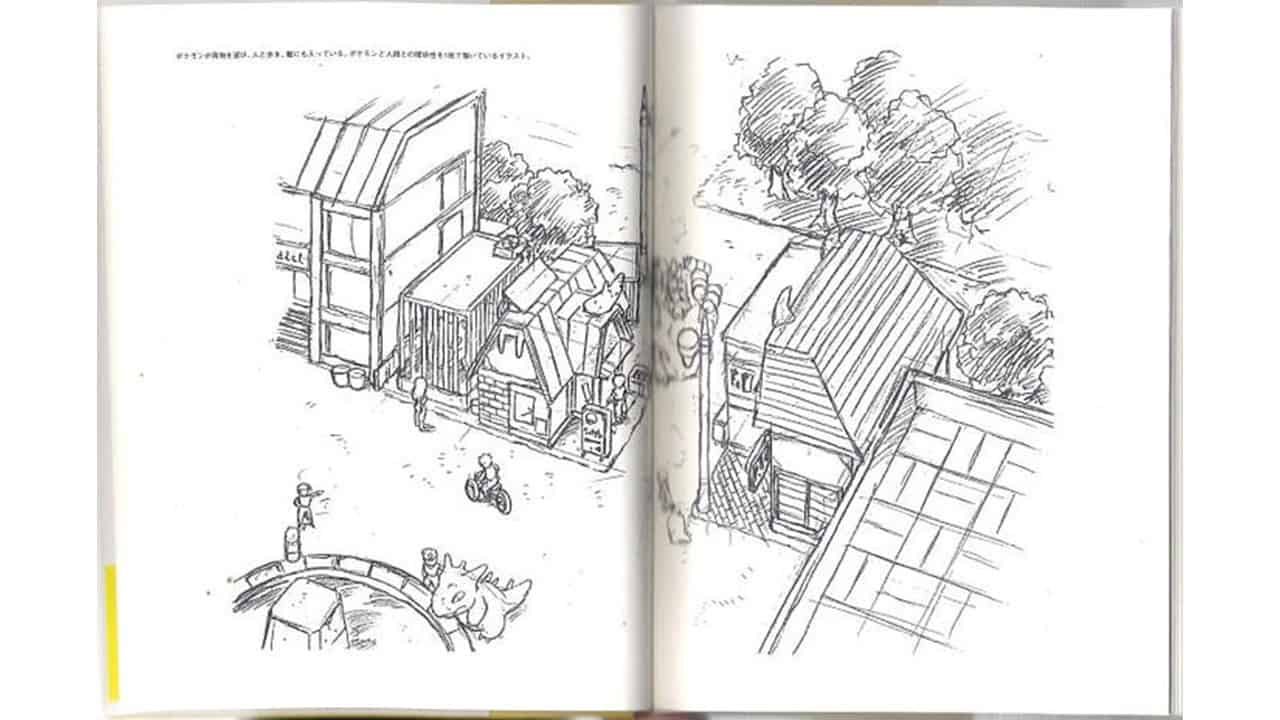
In the meantime, Nintendo of America’s localization group had warned Game Freak that Americans would not respond well to cute monsters, and instead suggested they “beef up” the creatures with huge muscles to make them appeal to Western audiences. Thankfully, Nintendo president Hiroshi Yamauchi resolutely refused this, believing that despite all their focus group data, Pokémon had the X factor to be the exception to the rule.
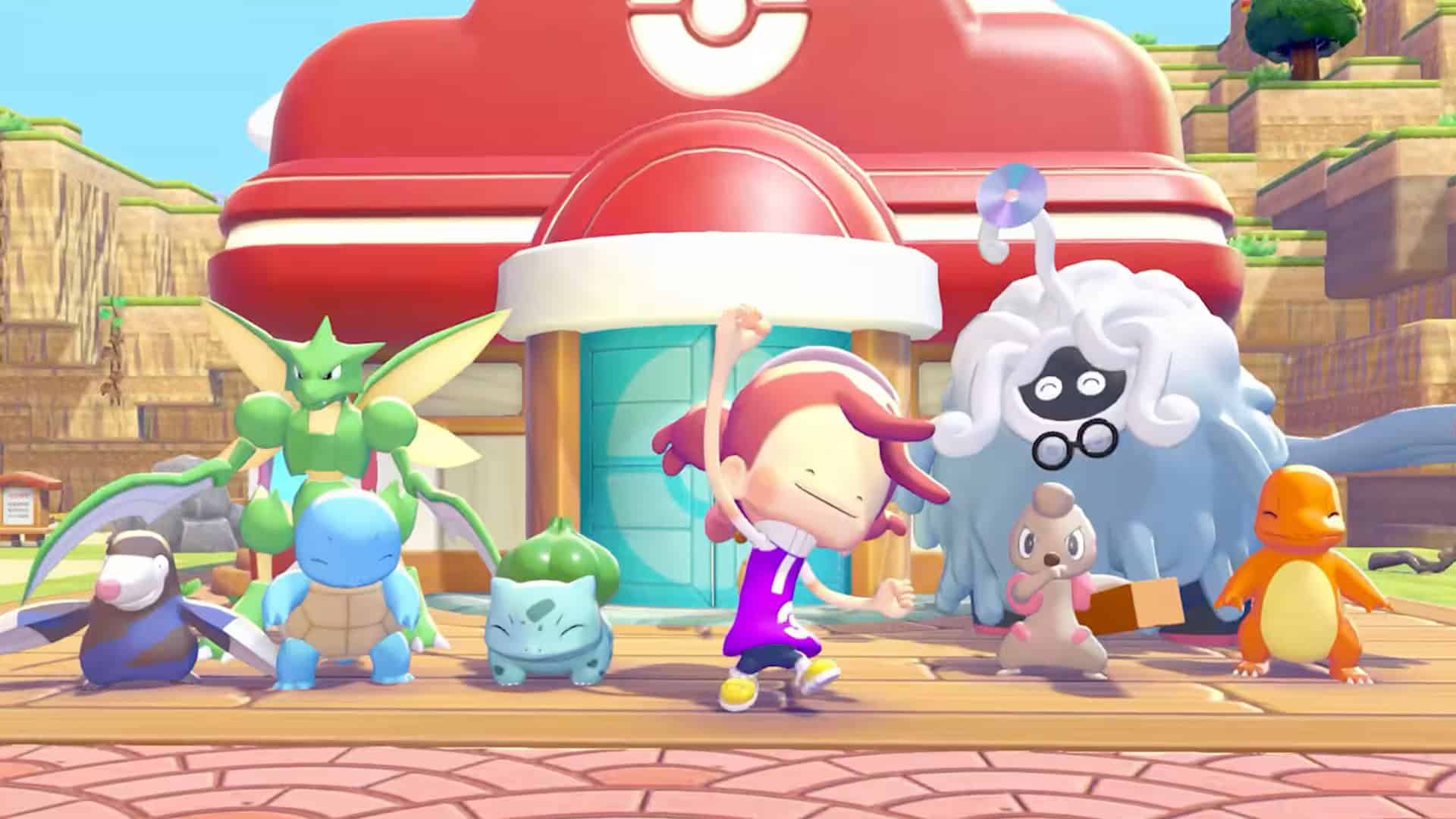
Pokémon, the biggest franchise in the world, simply wouldn’t exist if even one of these people had stopped and looked at the numbers to see what was pragmatic. If Tajiri had acknowledged that the tech necessary to make his game didn’t exist yet, or that he wasn’t very good at coding, or that it would take six times longer to develop than most games at the time, or that they were all simply twenty-somethings totally out of their depth… well, I suppose I’d have been spending the last 120 hours doing something lame instead of playing Pokopia. To celebrate Pokémon‘s 30th anniversary, I simply want to encourage others to see this story and never, ever let what is practical or focus-tested or marketable stand in the way of what you have dreamed.
In the next installment of this series, we’ll head into the early 2000s to the rise of PokéMania and the monstrous success this overly ambitious idea would soon become. Stay tuned! Note that much of this information is from a 120-page book called Pokédex about the design and development process of Generation 1, with plenty of photos, concept art, and interviews that Game Freak only published in Japan. The site Lava Cut Content has translated some of that book and can be found here.


 ObserverCrew Picks
 bserver
 bserver