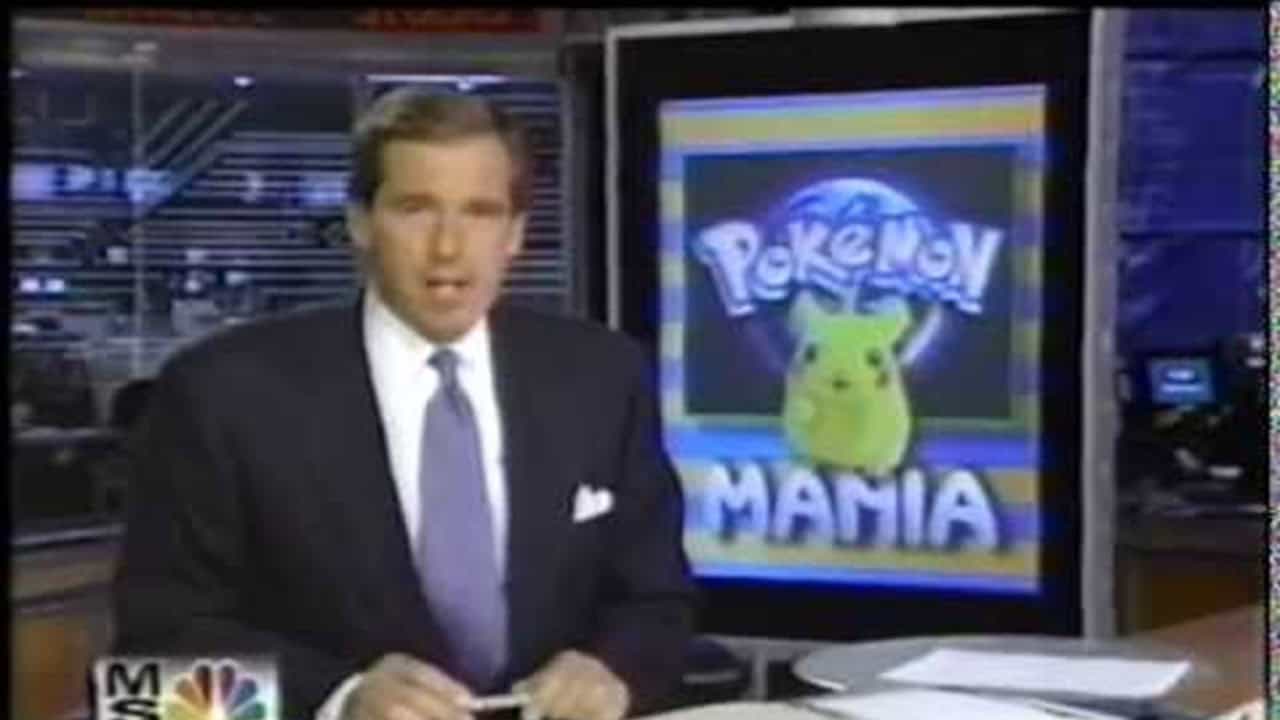
In our last article chronicling the history of the creation of Pokémon, we covered the heights of PokéMania and the development of the sequels, Gold and Silver, that secured Pokémon‘s legacy as a facet of culture and not a flash in the pan. Now, as we approach the end of the all-consuming mania in 2003, Pokémon will start to settle into what it will be for the next thirteen years: a piece of popular culture that a lot of people love, most people this is okay, and a lot of people never think about.
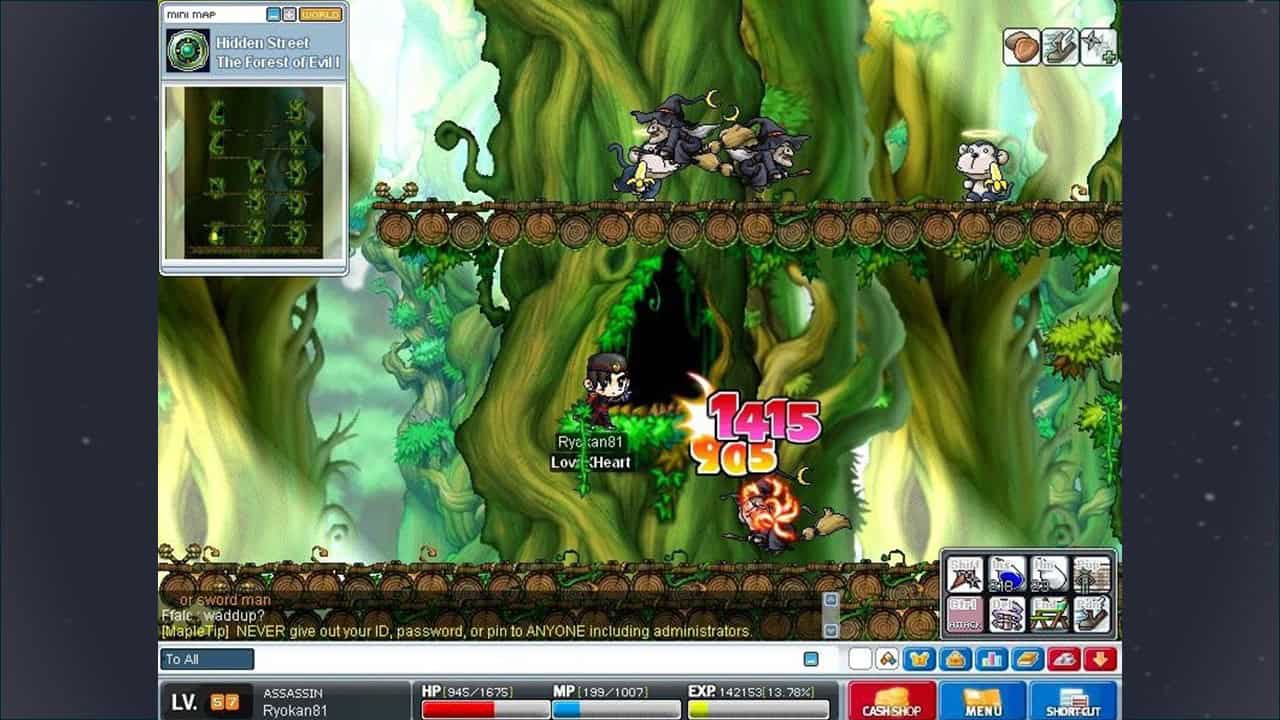
2003 was a strange time for the world, as natural globalization by way of the internet began to kick in to high gear. For Americans, for example, Japan was not a far-off land they only knew about from samurai and Godzilla – you could just chat with a Japanese person in a chatroom or AIM if you felt like it. Koreans, Venezuelans, and Namibians would find themselves on the same forums and message boards without a second thought. A group of online friends from Russia, Uganda, Canada, and Indonesia could play online games like Counterstrike, Starcraft, and Maple Story on public global servers, with World of Warcraft’s global network servers just a year away.
The world was getting smaller, and burgeoning fandoms were getting larger because of it. Suddenly, the one kid in his town in Zimbabwe who had read Lord of the Rings front to back a dozen times could talk about it with an infinite number of people online. Some people (like me) found themselves on Harry Potter forums after school everyday, posting theories and speculations. Pokémon was no different; although it was never hard to find other Pokémon fans in real life, introverted and reserved kids found their people online in the early 2000s in a way that had never happened before.
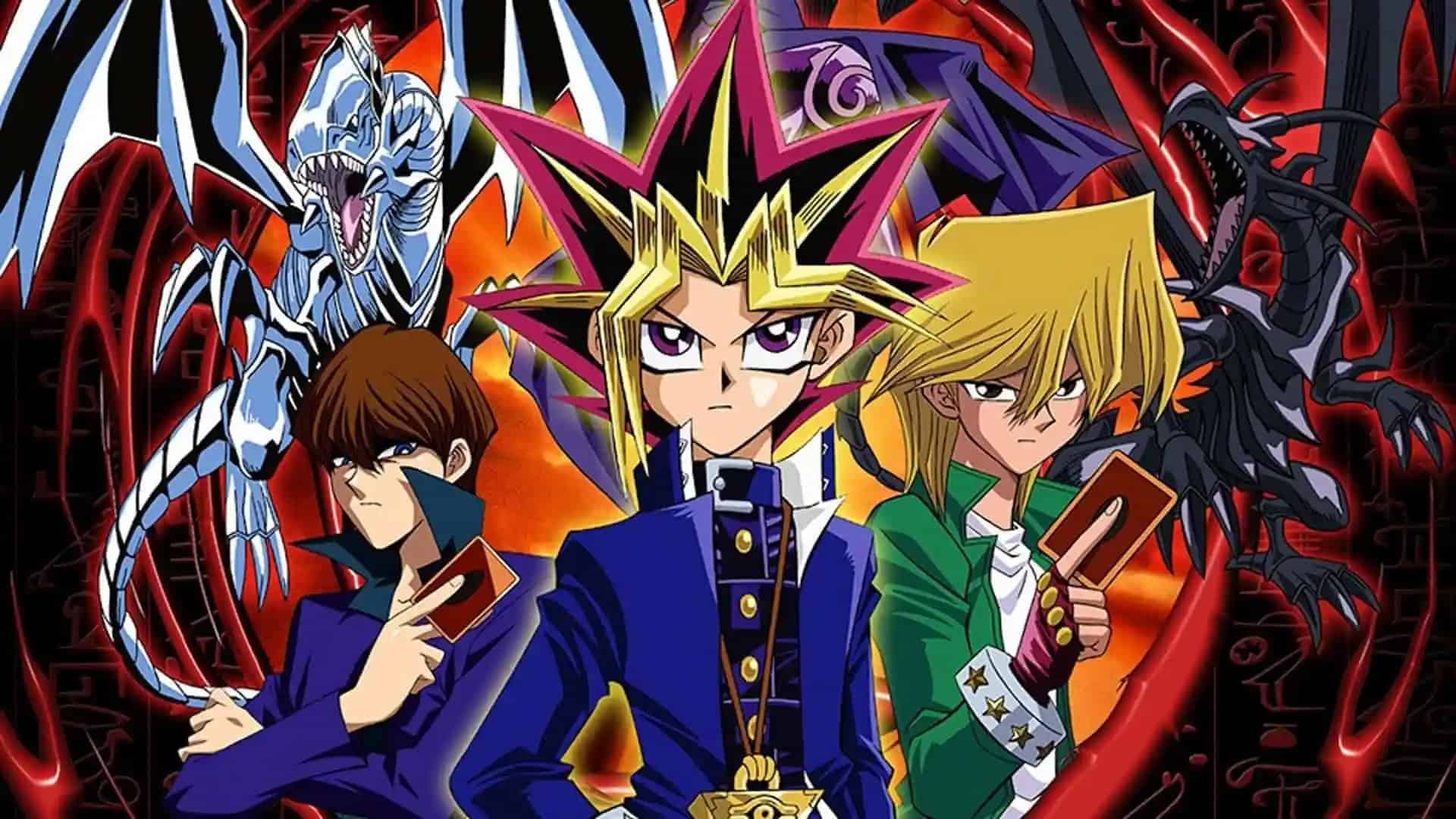
Digimon, another Japanese anime franchise, was the obvious competitor to Pokémon as it declined in popularity. In reality, it wasn’t the only rival; Pokémon fans that were entering their pre-teen years were gravitating in hordes towards Yu-Gi-Oh! , the Japanese collectible card game and anime that had swept across the world. The Yu-Gi-Oh! anime series pulled 2 million viewers per episode in 2003, and cumulative sales of the associated trading card game hit 32.5 million in 2004. If the popularity of Dragonball Z, Sailor Moon, and Mighty Morphin’ Power Rangers in the late 90s didn’t prove it, then Studio Ghibli’s Oscar win for Spirited Away did: Japan’s exported culture had a stranglehold on American children in a way no other country had ever managed. Why? The internet.
In the days before the internet, most items, culture, and media brought in from other countries, especially far-away ones, was considered strange and something to be avoided. Even into the 1980s, Americans would scoff at German engineering, Swiss watches, Japanese cars, and Scandinavian furniture as being inherently low quality. The mentality was that other countries were far away and alien, and that those people lived in a way that was completely different than us.
Younger millennials were born just late enough to be disabused of these notions, but also early enough to discover and create the internet in their formative years. By age 10, many of us had made instant messenger or public forum friends with people in all these countries, and that opened the way for Japanese media to truly grab us. These examples are just about Americans, but the same thing was happening in every country in the world as its younger generation slowly found their way online.
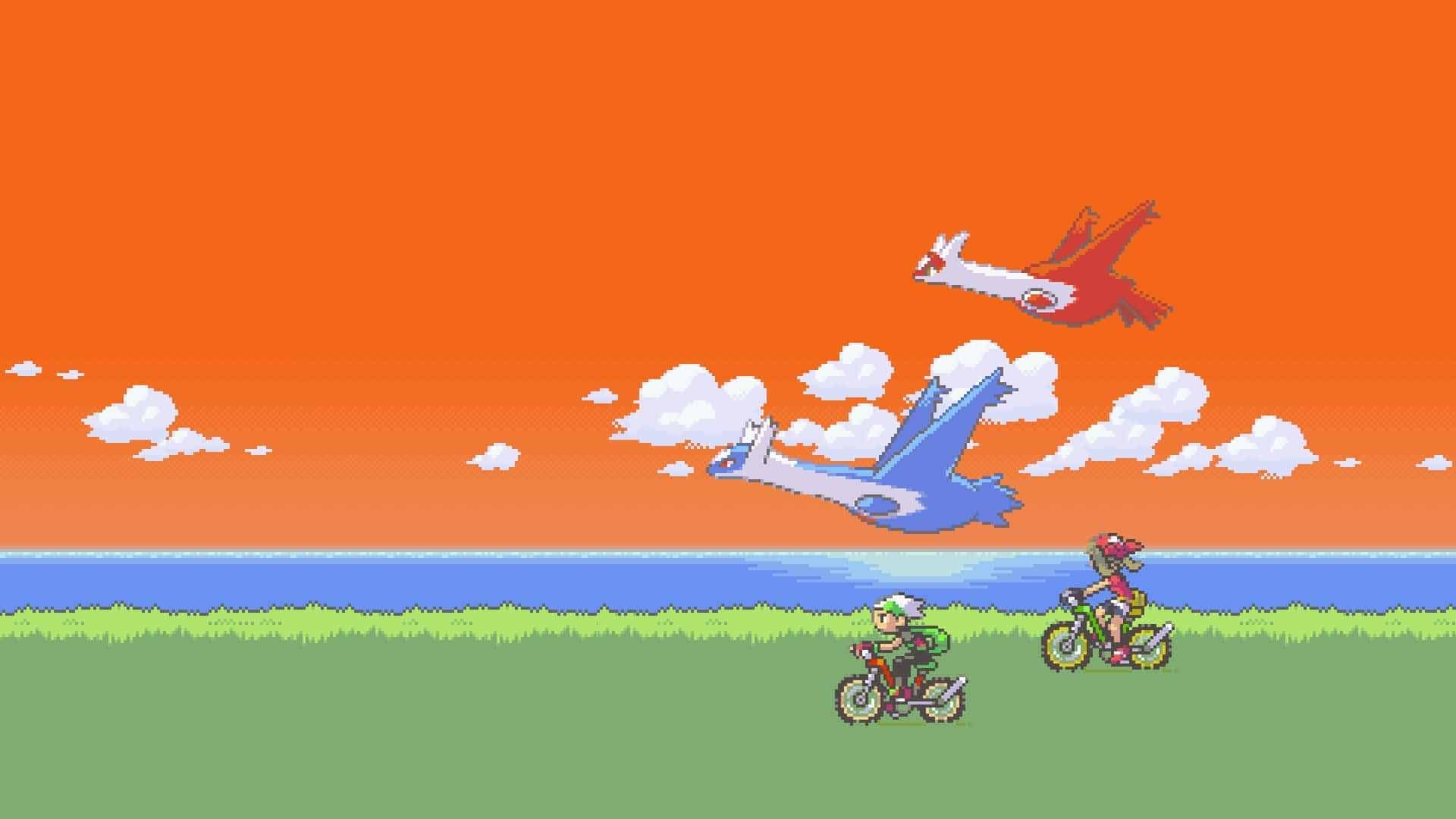
Meanwhile, back in Tokyo, Game Freak was ready to finally release the third generation of Pokémon games, Ruby and Sapphire. These games were the follow-up to Gold and Silver and took players to the Hoenn region, based on the southernmost main island of Japan, Kyūshū. If you’ve read the previous articles in this series, you’ll know that development of the prior games was tumultuous, fraught, and always on the edge of falling apart. It’s a bit hard to believe, but developing Generation III would prove to be Game Freak’s most challenging development cycle yet. This time the reasons weren’t technical, though – they were societal.
After directing Pokémon Crystal with composer Junichi Masuda as his assistant director, Pokémon creator Satoshi Tajiri felt that he had done all he could with the franchise. Tajiri stuck around as the owner of Game Freak and with an honorary executive producer credit, but was completely uninvolved with creating Generation III. His last act was to promote Masuda, who had been at Game Freak since the beginning and saved the first games from falling apart, to studio head of Game Freak and director of the new games. Masuda would retain this position until 2018 when he stepped back from directing, and in 2022 he would leave Game Freak to serve as franchise head with The Pokemon Company.
While Generation II had been developed and released during the height of PokeMania, Generation III began development with the full reality of the situation weighing heavy on Game Freak: the mania was already over. How does a franchise gracefully return to being just another facet of pop culture after defining it for five years? In a 2019 interview, Masuda recalled “At that point, Pokémon was getting more popular overseas, and Nintendo said we should make a third generation. We were in a situation where we didn’t have enough resources to make other games at the same time. Meanwhile, people saying ‘it won’t be popular anymore after Gold & Silver’ or ‘Pokemon’s already over.’”

Masuda observed that Pokémon toys, that had once made up more of toy stores than they did not, were beginning to disappear entirely. Retailers were not asking for restocks of merchandise. Mall kiosks with Pokémon plushes had mysteriously vanished. The composer turned director chose, as he had before, to take this as a challenge. Everyone was saying that Pokémon was dead – he would prove them wrong. “The next time I visited [the mall] it was all Star Wars. Everyone was saying it was on a downtrend, the fad’s over and I really felt that pressure to make something amazing,” Masuda says.
With the more powerful Game Boy Advance capable of higher definition 3D Graphics, he mulled over the possibility of changing the format of the games and building a new 3D engine. However, he decided they should stick with the existing engine and make another top-down 2D game, citing simplicity for the players’ sake as the driving factor. He also wanted to take advantage of the GBA’s ability to have four players connect at once, rather than just two. This was the catalyst that led him to create double battles, a fan favorite feature that would continue to be a mainstay of the series to this day. Rather than the one-on-one battles players were used to, double battles occasionally would show up where a two-on-two fight with entirely new strategies would require a bit more thinking from players.
Developing a new game under the shadow of their past accomplishments proved to be stressful for Masuda. “I got really stressed out and had to go to the hospital and had some stomach issues and had to get a camera inserted and they didn’t know what it was – very stressful,” Masuda said. “The night before release I had a dream that it was a complete failure, a total nightmare. The morning after, the day of release, I went into the local shop and saw people lining up to buy it and was extremely relieved. It was close. Super scary at the time.” Development actually went quite smoothly on Generation III, and it was the first game in the series to ship on time. It probably doesn’t need to be said that although it didn’t reach the heights of the first two generations, Ruby and Sapphire were a massive success.
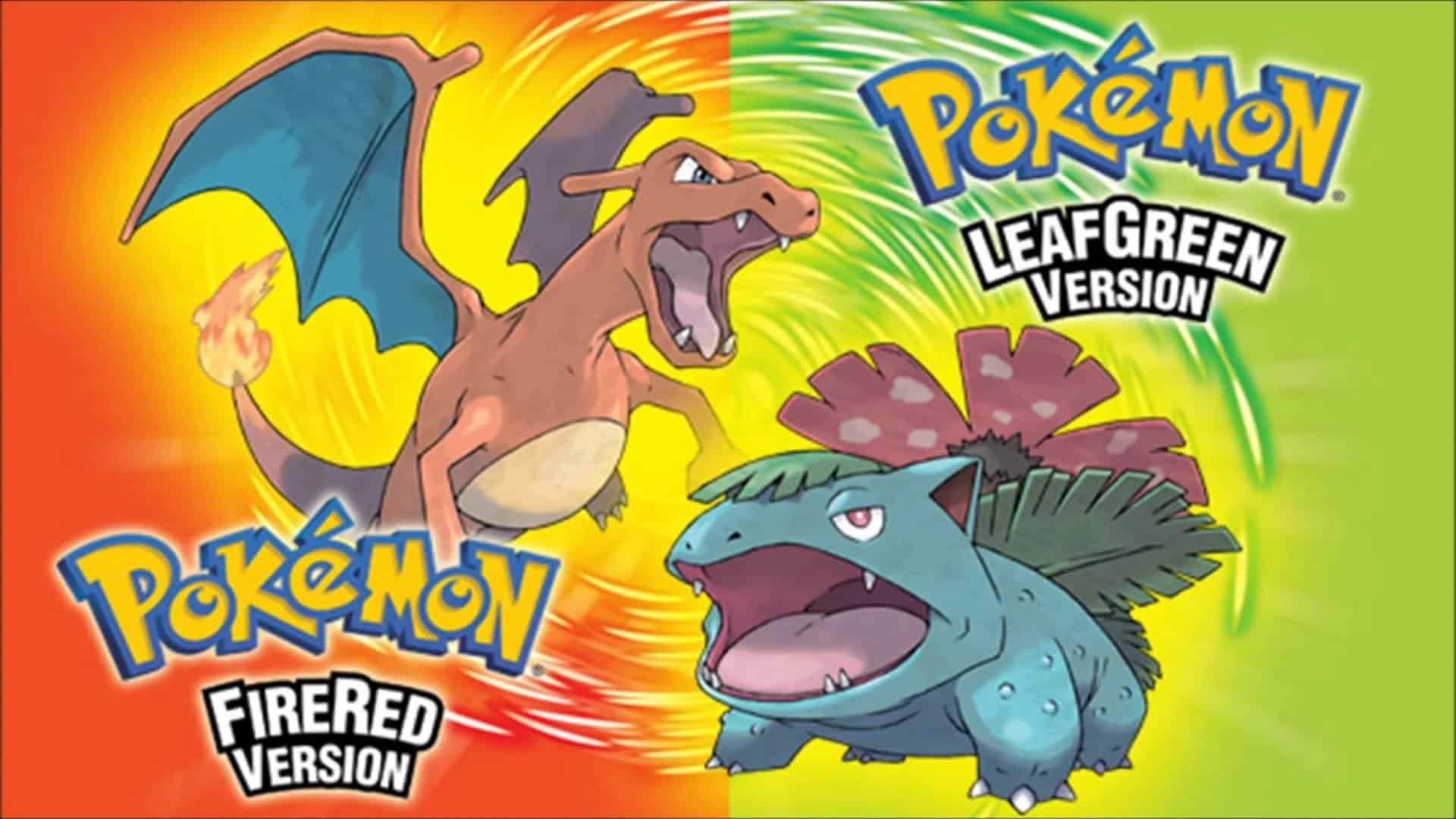
Ruby and Sapphire sold like hotcakes, selling 1.25 million copies in Japan, 2.2 million copies in North America, and 1.5 million copies in Europe in its first month of release. Generation III had a staggered launch as well, coming to Japan first, then North America, then Europe, but with a much tighter six-month window than before. European retailers actually began importing North American copies of the games to sell in their stores leading up to official release. As of now, Ruby and Sapphire together have sold an impressive 16 million units.
Like Pokémon Yellow and Crystal before it, Pokémon Emerald was released the following year as a sort of definitive version for Generation III. This included a lot of new post-game content like the Battle Frontier, new story elements, and quality of life upgrades. Emerald sold well and in line with expectations, eventually moving just under 7 million units to bring Generation III’s total sales to 19 million, just a hair under Generation II’s 22 million units. The games were well received by both critics and fans, and the TV show would continue with a new Pokémon Advanced series following Ash and friends into the Hoenn region. A new movie set in Hoenn, Pokémon Heroes, released theatrically in Japan and on DVD worldwide to mixed reviews and a modest but successful $27m box office. Even absent the mania, Pokémon proved to be alive and well, if not the monolith it once was.
As Masuda had said, with the demands from The Pokémon Company’s schedule, there was basically no time for the studio to make any other kind of game anymore. With them (stubbornly) keeping to their small size amidst the ballooning of development studio headcounts, every one of their 50 employees had to be solely dedicated to Pokémon to make deadlines. A small side project from a handful of employees called Drill Dozer was shipped for Nintendo DS in 2005, led by artist Ken Sugimori in his directorial debut. This was Game Freak’s first non-Pokémon game since 1999, and would be their last until HarmoKnight in 2012. Game Freak was officially the Pokémon studio, whether they liked it or not.
So why all that build-up at the beginning about the internet? After shipping Emerald and remakes of Generation I FireRed and LeafGreen in 2004, Game Freak turned their eyes towards Generation IV. This game would be built from the ground up for the Nintendo DS, the hottest new hardware that had just hit the market in the 2004 holiday season. If you remember the DS, you’ll remember it was an unbelievably hot commodity; after Nintendo announced the new dual-screen handheld at E3 2004, pre-orders exceeded the supply by a factor of three. You might also remember this as the beginning of Reggie Fils-Aime’s turn as president of Nintendo of America, where he announced to the whole world he was ready to kick ass and play video games – and he was all out of video games.
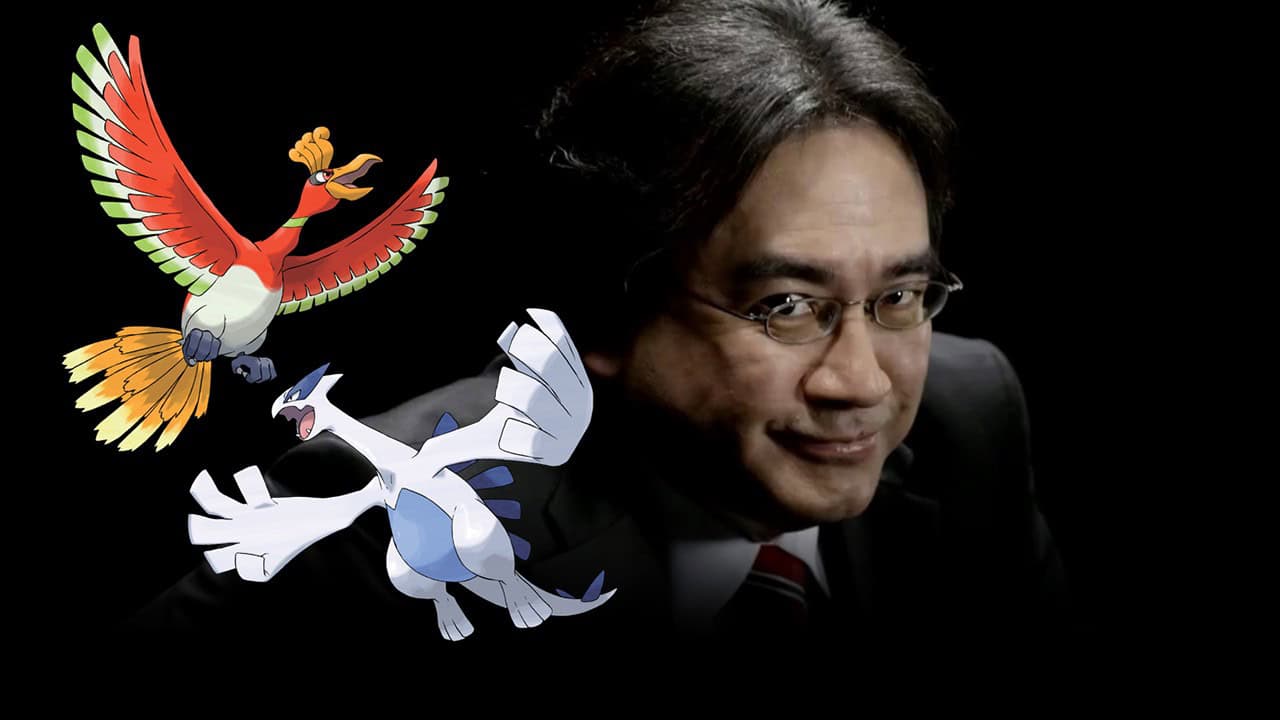
The Nintendo DS had been in development for years, with former president Hiroshi Yamauchi coming with the idea for dual screens, and Shigeru Miyamoto himself suggesting the bottom screen be a touch screen. If you read the last article in this series, you won’t be surprised who stepped in to make that happen: Satoru Iwata. After rescuing Pokémon Gold and Silver through his impeccable coding skills and unearthly determination, Iwata had taken a job with Nintendo as their head of planning. Again, like magic, he organized everything into a well oiled machine that raised profits 61% from 2000 to 2002 and shortened the development time of many games through efficiency. Yamauchi retired in 2002, and Iwata was chosen by the board as the new President of Nintendo at only 42 years old.
Iwata came into play directly with Diamond and Pearl once more with his coding expertise. Early in the development of the Nintendo DS, it was important to him that both existing Game Boy Advance games and new Nintendo DS games would play on it, so as not to erase the impressive library of games Nintendo had built for their last console. This is why he insisted on having both a small cartridge port for DS games and a large cartridge port for GBA games. Working with Masuda and Game Freak, Iwata stepped in once again to code a pathway by which Pokémon could be transferred from the Generation III games straight into Generation IV, allowing players to keep their Pokémon that they had spent years training. This transfer system would become a mainstay of the series until 2019, and so Iwata had set a hard precedent for allowing trainers to keep transferring their digital buddies forward with them as they grew.
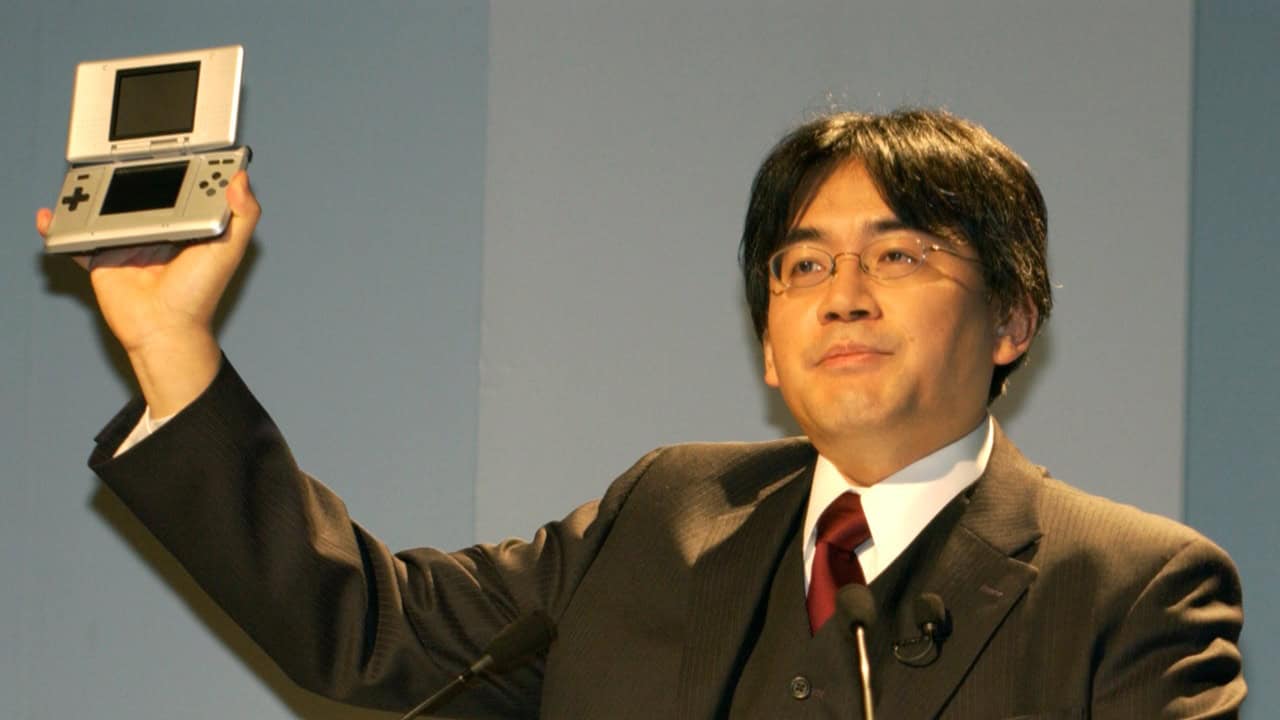
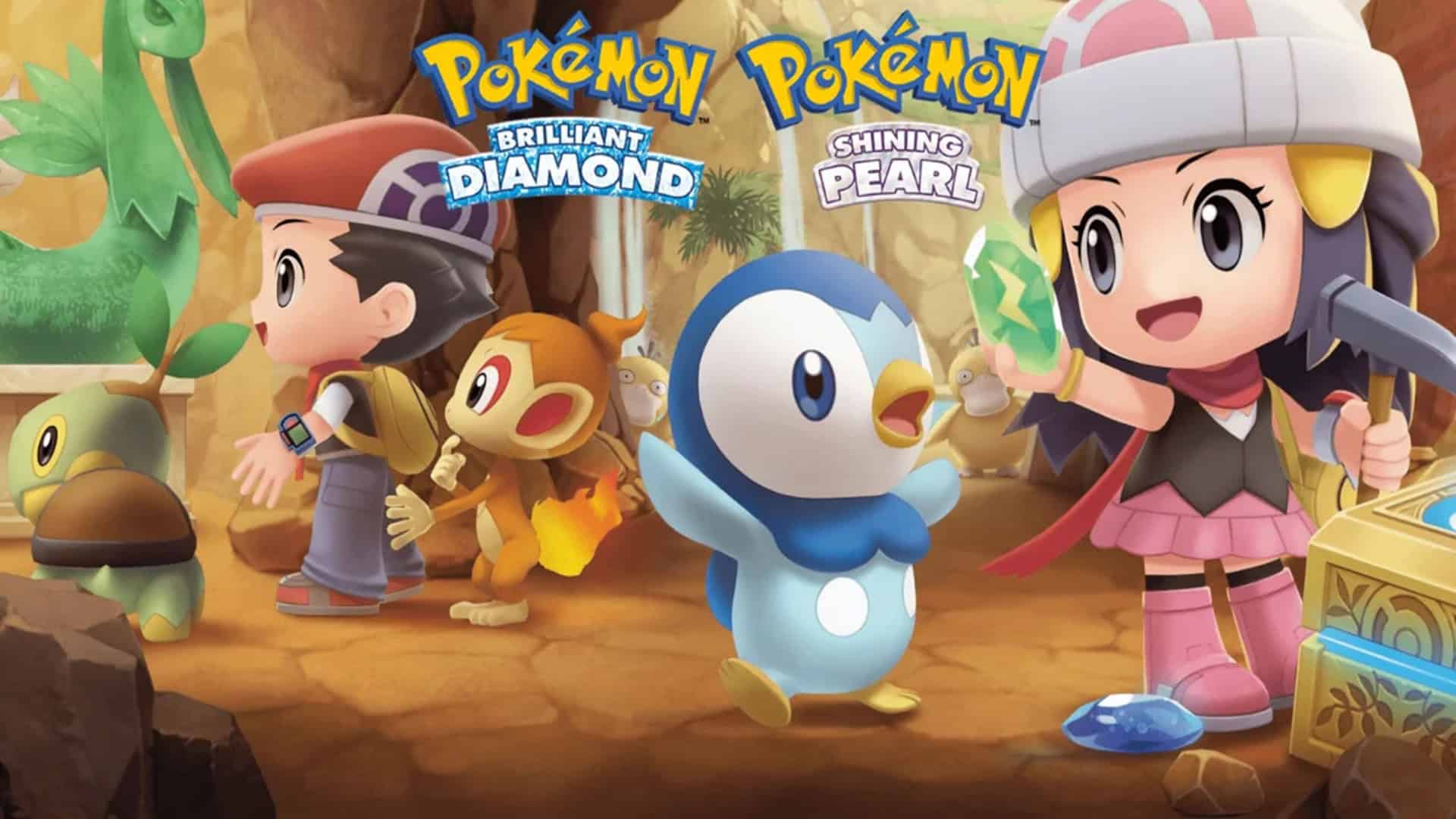
Pokémon Diamond and Pearl were inextricably linked to the development of the Nintendo DS. After seeing the concept, Masuda knew immediately that their new game must have internet communication capabilities and take advantage of the DS’s wi-fi chip. Diamond and Pearl was announced on November 21 at the DS launch event in Tokyo, although it was still two years away from release. Nintendo promised that their new game would be built around the touch screen, wi-fi, and backwards compatability features of the DS. Nintendo created a system of serves called Nintendo Wi-Fi Connection, and with this new tech Game Freak brought their pocket monsters online for the first time. Players were not only able to battle and trade wirelessly with friends in person – now, you could battle against your friend from South Africa you met on a forum. You could trade Pokémon with your pen pal in Brazil. Nintendo reported over 10 million online Pokémon trades happened in Diamond and Pearl; meanwhile, the world grew smaller once more.
Diamond and Pearl, and its expanded edition Platinum, would release to explosive results in both sales and critical acclaim. Masuda might have been nervous that Game Freak had to keep proving to the world that Pokémon was still relevant, but if the sales numbers say anything there was never a doubt. Together, these three games would sell 24m copies and reach an 85% on Metacritic, outdoing Generation III on both fronts. The Pokémon Company once again went all out on marketing, nabbing promo deals with everyone from Toys ‘R’ Us to Burger King, with merch sales outdoing expectations once again.
Pokémon Diamond and Pearl were accompanied by remakes of Generation II, HeartGold and SoulSilver, which were highly critically acclaimed and sold well. 2011’s Black and White would bring us into Generation V with 15.6m units sold, followed by Black 2 and White 2 with 13.5m units. Generation VI would hop to the 3DS with 2013’s X and Y and 2014’s remakes OmegaRuby and AlphaSapphire, selling 16m and 15m units respectively. Each of these games maintained consistent Metacritic averages of 82-87%, keeping Pokémon as the king of handheld consoles with consistent, annual, high-quality games. The merch continued to move, albeit much slower than it did in its heyday, and the cards and anime maintained consistent if not plateaued popularity. At this point, The Pokemon Company had stabilized what Pokémon was; a global phenomenon that would continue to consistently sell well in games and merch, but was no longer the top dog. In other words, as I previously stated, it was Japan’s Star Wars.
Despite essentially skimming over them, I don’t want to trivialize how big and important Generations V and VI would be – each had their own development challenges, hurdles, technological breakthroughs, and triumphant success stories. But Pokémon as a cultural entity had very much settled into what it would become until Summer 2016. Fans of all ages would continue to engage with the brand here and there, with a few hardcore PokeManiacs interacting with it on a regular basis. Pokémon joined so many other beloved franchises in complacently being part of pop culture; every Thanksgiving, for example, families would see the Pikachu balloon at the Macy’s Day Parade, smile, and think “oh yeah, Pokémon!”. That would all change in July 2016, when Pokémon jumped off of our consoles and into our smartphones, ominously whispering one word: GO!

 ObserverCrew Picks
 bserver
 bserver