Minor spoilers for The House of Hikmah. Check out the first, spoiler-free part of the interview here.
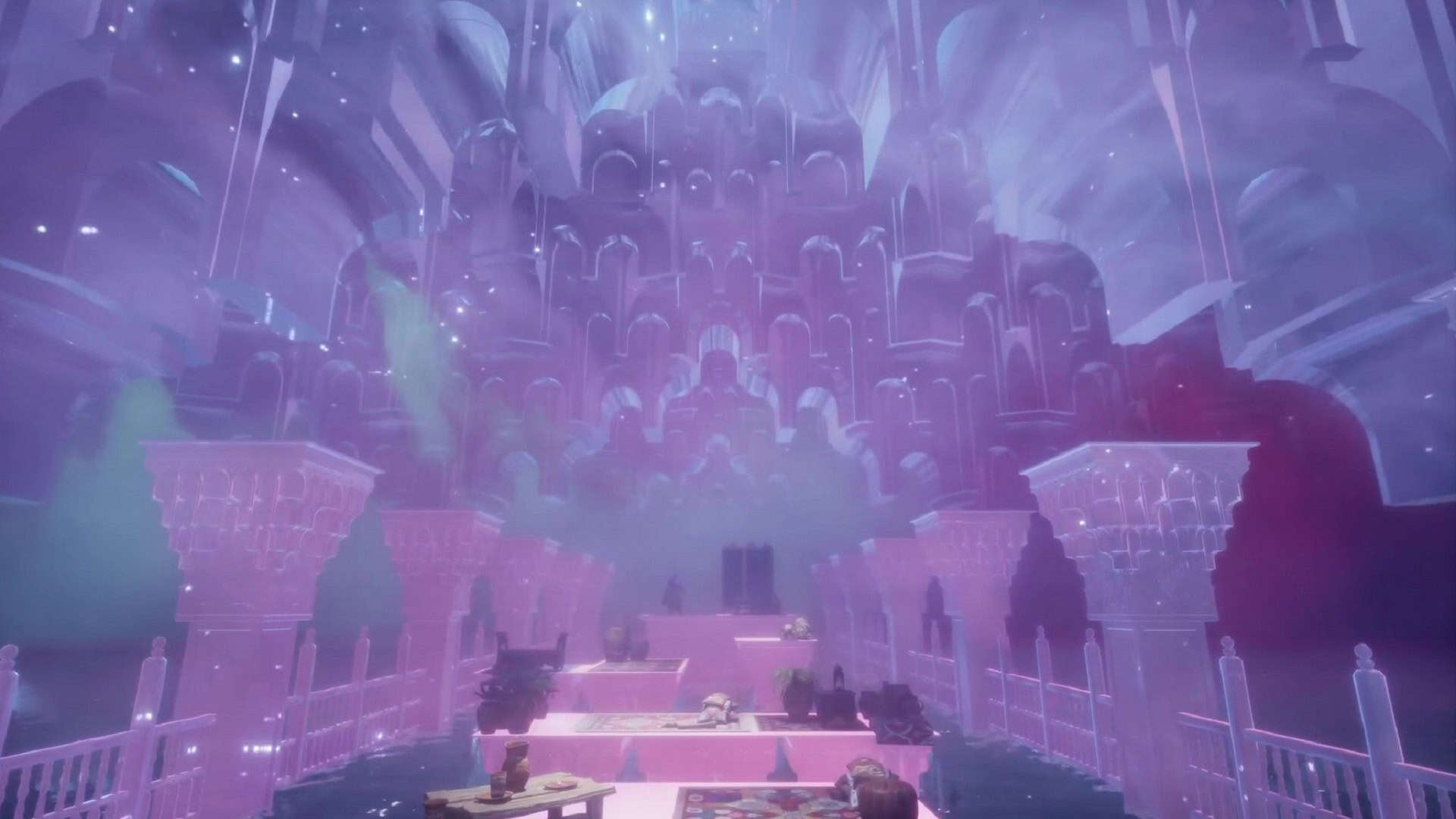
In Lunacy Studios’ The House of Hikmah, protagonist Maya is still reeling from the grief of losing her father, Abdullah. It is this grief that propels her to journey into the House and interact with the cast of scholars who reside there, people who also knew Abdullah and who are approaching his loss in their own unique ways. But within the mysterious House and the dreamlike realms it contains lurks another figure: The Widow, a physical manifestation of grief who offers Maya temptation, presenting visions of a world where her beloved father is still at her side.
GameObserver spoke with Faris Attieh, founder of Lunacy Studios and creative director of The House of Hikmah, about what it was like portraying grief in such a corporeal form. Attieh explained that the game’s story centers around the different ways people process grief – some of the scholars are more reserved, some express their feelings openly, while others display anger, confusion, or frustration. The Widow shows one manifestation of grief: the desire to hold on as long as possible to what one has lost, and the certainty that one would do everything to get that person back, no matter the cost.
A Historical Poet’s Widow Becomes A Manifestation Of Grief
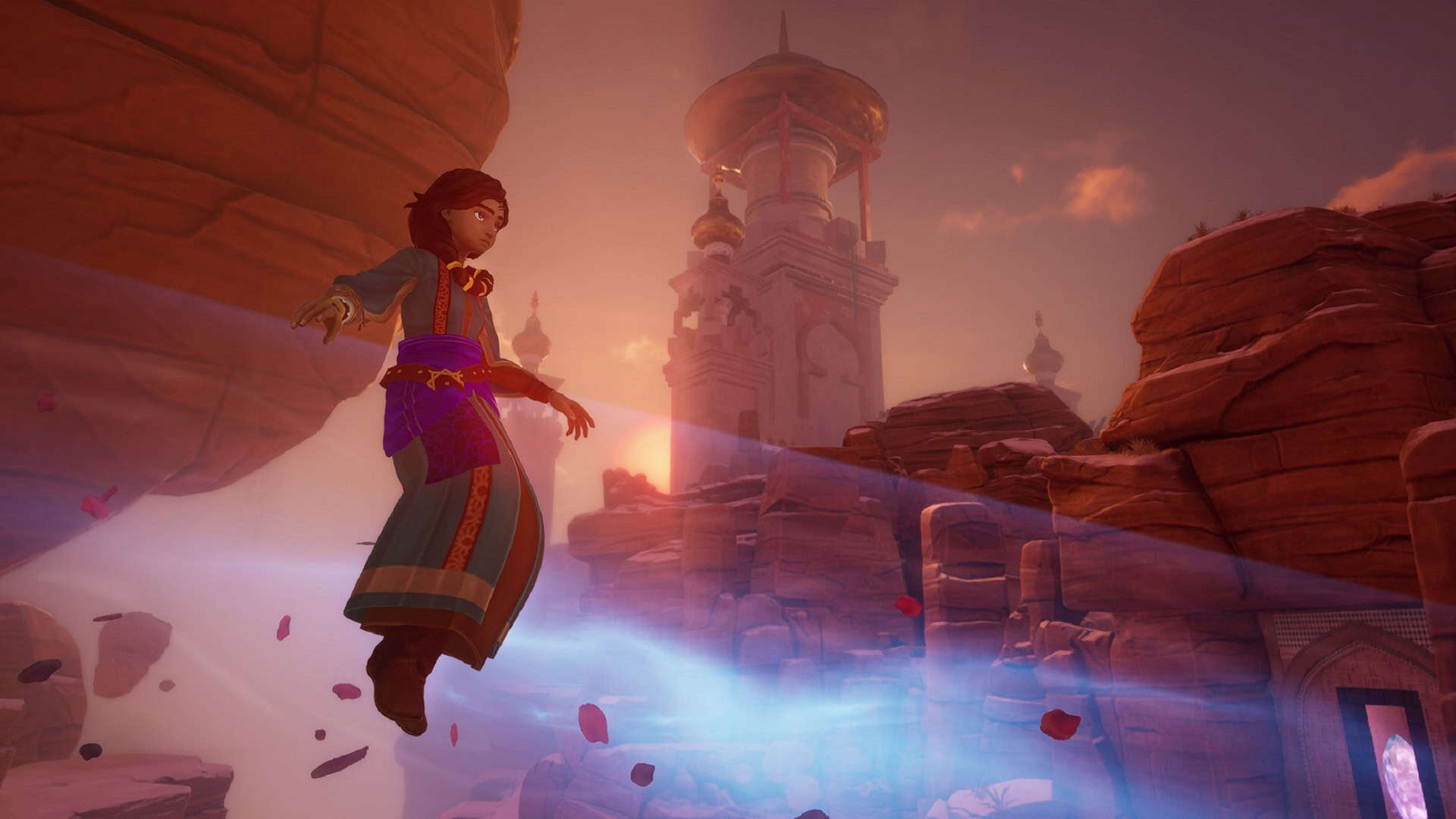
The story of House of Hikmah begins when Maya, following repeated dreams of her father, accepts an invitation to the titular House, a place where dreams can potentially manifest and become reality. Attieh explained that much of this came from his own experience following the loss of family members – he found himself staying in bed and not wanting to engage with the world. “In hindsight, I realized that I didn’t grow from staying in my room or staying asleep. I wanted to point out in some ways what not to do,” he told GameObserver. “That’s one of the big threads that we carried through [the game], and that inspired the Widow.”
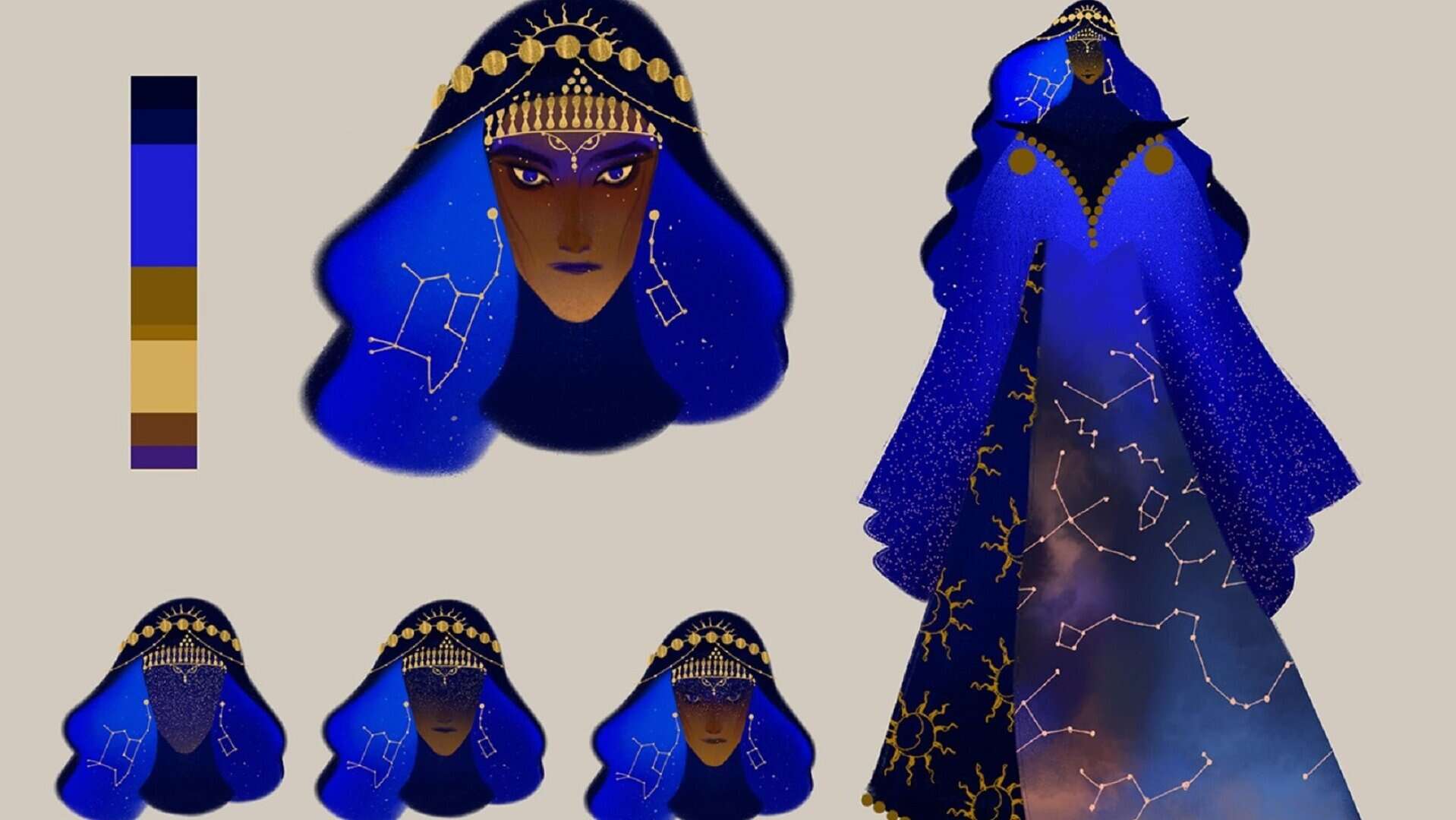
But the Widow is more than just a metaphorical manifestation of sinking into grief and refusing to move on. She is deeply inspired by a real person: the widow of the Islamic poet al-Hallaj. Al-Hallaj wrote on the subjects of love and death, and his poetry appears throughout the game, including being sung as part of its soundtrack. The Widow misses her husband deeply, and her grief permeates the entire House, as Attieh shared:
“Initially, she was supposed to be the embodiment, the physical manifestation of unhandled and unhealthy grief. And we started doing our research, and we found Al-Hallaj, a poet who had passed away and had a wife. One of our writers [had] studied this and wrote about it in his college thesis. And so we thought, okay, it’ll be more interesting if, instead of being this sort of ‘shadowy evil,’ what if she had a backstory? And so she became this poet’s widow.”
How The Widow Has Grown And Changed Throughout Development
“We thought that this was a way more powerful direction,” said Attieh, “because you can empathize and sympathize with this character more – you put a face to a concept, basically.” He revealed that the entire team at Lunacy Studios was very excited about the idea of ‘grief as a character,’ and worked together to develop the Widow as she now appears in the final version of The House of Hikmah: a beautiful but mysterious figure who serves as both a foil and a contrast to Maya and the scholars of the House.
Over the years, as the team spent developing the game, the Widow as a character underwent several other changes, in addition to becoming a more concrete, humanized figure rather than simply the embodiment of grief itself. “Actually, at the start, she was much more antagonistic,” Attieh revealed. “[But] we realized that the story and the characters don’t require her to be evil. She’s grieving, just like the rest of us.”
Her Grief And Her Presence Are Felt Everywhere
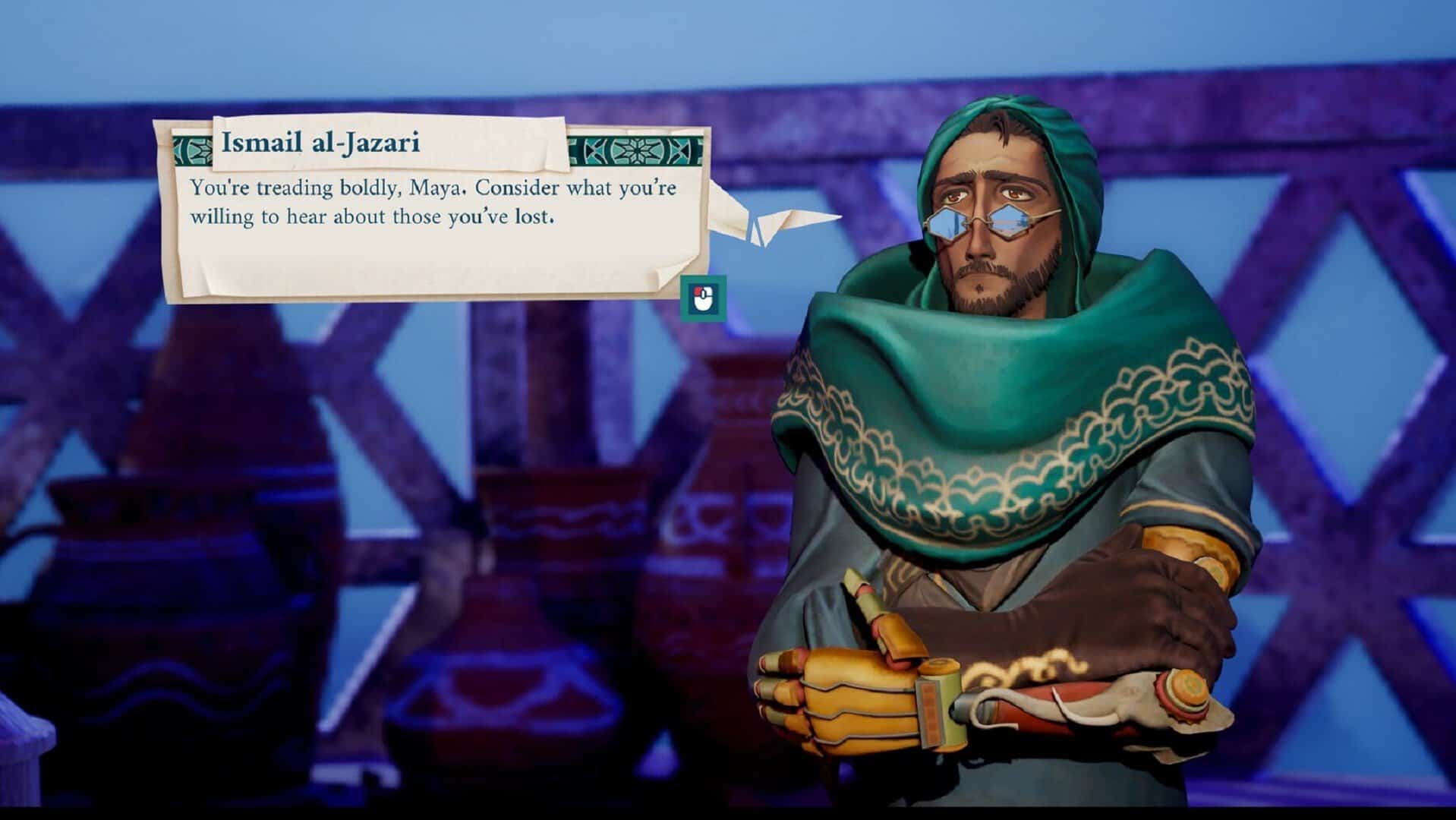
Within the House of Wisdom and its Mystical Realm dwell many scholars, experts in fields such as chemistry, astronomy, and medicine, who are able to use the House’s fantastical powers to conduct their experiments on a grand scale. They knew Maya’s father, Abdullah as well, and are processing their grief much as she is. But the Widow’s presence changes everything. In Attieh’s words: “Her grief seeps through this world and affects the realms of the scholars.” Her influence becomes tangible, and she becomes a force that the characters of the game must contend with in their own way.
The presence of the Widow can be found throughout the game, sometimes in surprising ways. One such example appears in House of Hikmah’s soundtrack. Attieh shared a story about inviting one of his friends to perform vocally while recording with composer Austin Wintory and other musicians:
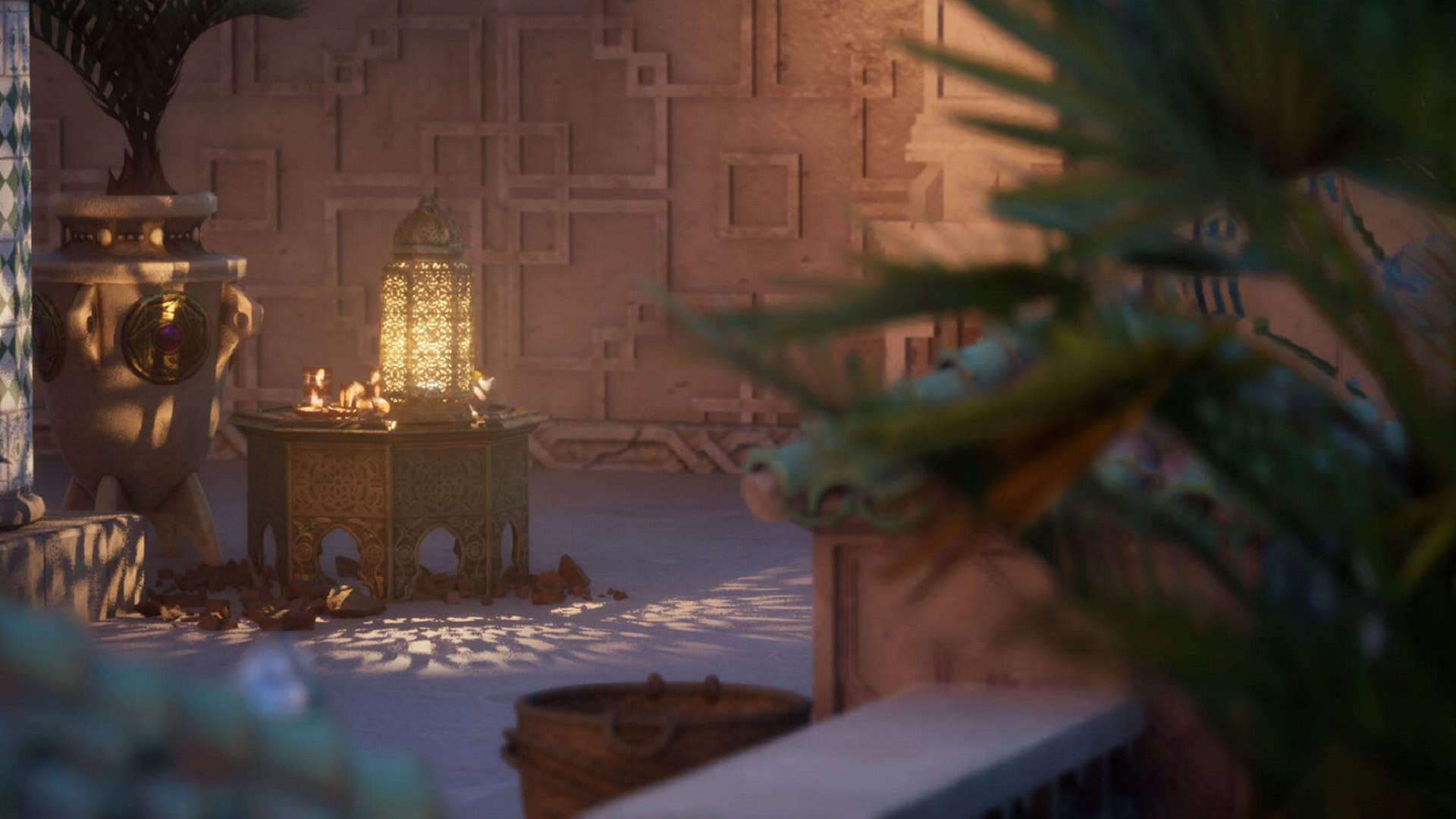
“We have a singer who sings a poem written by the Widow’s husband. And that was a complete coincidence during the recording process. [Austin Wintory] flew to the Middle East to record with Arab musicians, and I had a friend of mine, who was a singer, who was just going to stop by and show support. That day, we happened to be missing our vocalist. I asked her, do you happen to know anything you could sing? And she goes, there’s this poem I just wrote a song around. And it just happened to be by the Widow’s husband. And it made it into the game, as this recurring theme for the Widow.”
Ultimately, House of Hikmah is a game with a powerful message about how there is no ‘one right way’ to process grief, but it can be dangerous to hold on to those emotions and find yourself unable to move on. The Widow is a powerful embodiment of that concept, a figure trapped in her past who could potentially trap Maya in a similar way. In a game filled with compelling characters, she is one of the most unique and interesting of them all, because she represents something so fundamentally relatable to anyone who has ever experienced the loss of something or someone they loved.
For more indie game interviews, keep checking GameObserver!

 ObserverCrew Picks
 bserver
 bserver