
When Faris Attieh set out to create the adventure game House of Hikmah, he knew that the process would be one that involved a great deal of research. His goal was to create a world inspired by and reflective of the Islamic Golden Age of discovery and innovation, inhabited by iconic scholars from a wide variety of fields. Over the several-year development process, Attieh and the Lunacy Studios team engaged in an extensive and eye-opening research process that ended up informing every aspect of the game’s world. Speaking to GameObserver, Attieh detailed how the world and characters of House of Hikmah came to life.
The Game’s World Recreates The Islamic Golden Age
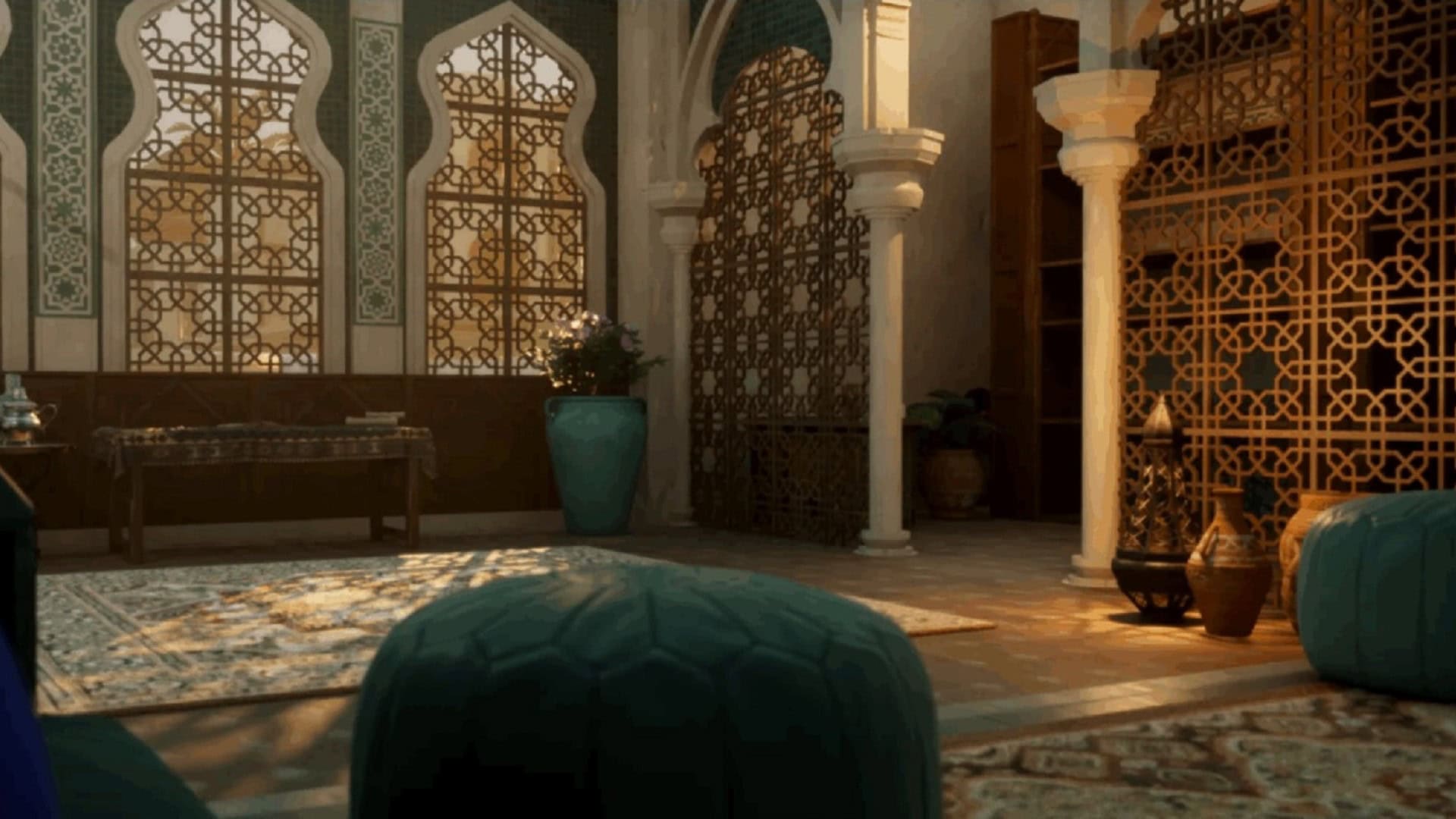
There is limited scholarship available about many of the figures, locations, and events Attieh and his team wanted to touch on in the game, but they made use of everything they could find. He reminisced about the research process:
“There’s only so much you find, in English and online. We started out just kind of buying books and finding others online. And then, we had several points in production and pre-production when we reached out to historians and scholars. We spoke to a woman at a museum in Qatar [who had] spent six years working on an exhibit just about the House of Wisdom and the Islamic Golden Age. She taught the team what textiles people wore, what colors you would see [during that time], and more.”

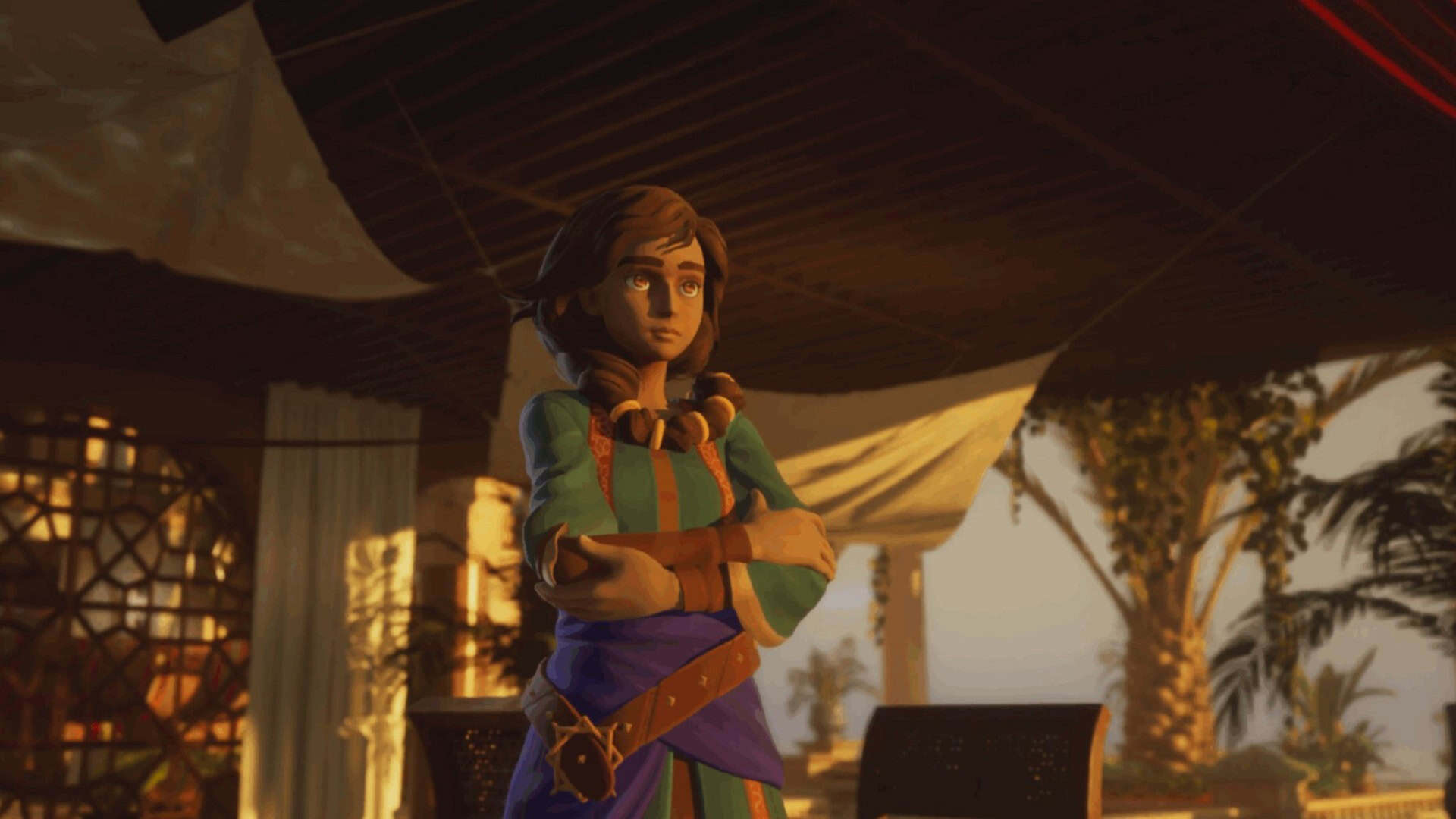
While Attieh does not see House of Hikmah as fully “a history game,” he did want to make sure that historical authenticity permeated the world he and his team were creating. Their years of careful research are present in every aspect of the world that the protagonist Maya journeys through. One example Attieh shared is that, partway through the development process, they completely redesigned Maya’s color scheme and the clothes she wears, based on information they learned from historians.
History and Fantasy Blend in the House of Wisdom
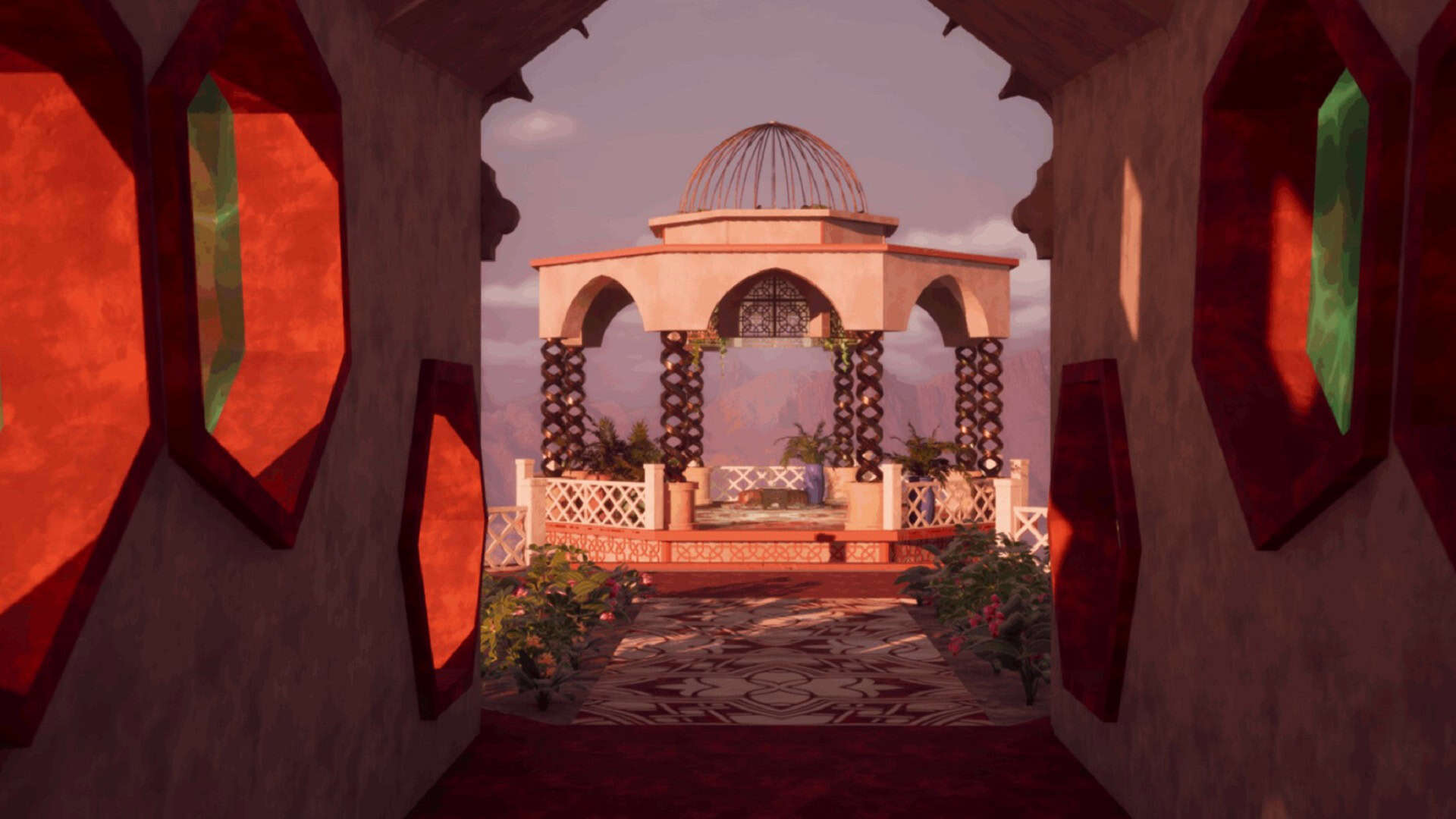
However, Attieh wanted to make sure that the team was not completely beholden to making everything one hundred percent historically accurate – the game’s House of Wisdom is a fantastical one, where magic very much goes hand in hand with real scholarship and thought. He compared the game’s setting to “the Room of Requirement from Harry Potter,” as the House gives its scholarly inhabitants what they need to “actually run their thought experiments physically.” The result is a world that truly feels magical from the moment you step into it, but also one grounded in real-world discoveries in fields such as chemistry, astronomy, mathematics, and more.
Introducing House of Hikmah’s Cast of Scholars
Within House of Hikmah’s titular realm dwell a cast of scholars whom Maya encounters during her journey through processing the grief of her father’s passing. Each scholar is based on a real historical figure from the Islamic Golden Age, representing fields of scholarship ranging from alchemy to astronomy and many more. “These scholars are all so multifaceted,” Attieh said. “They study so many different things. And so, there was a lot to write about regarding them. We didn’t know what they looked like, so we kind of took creativity there – we just have their work to sort of lean on.”
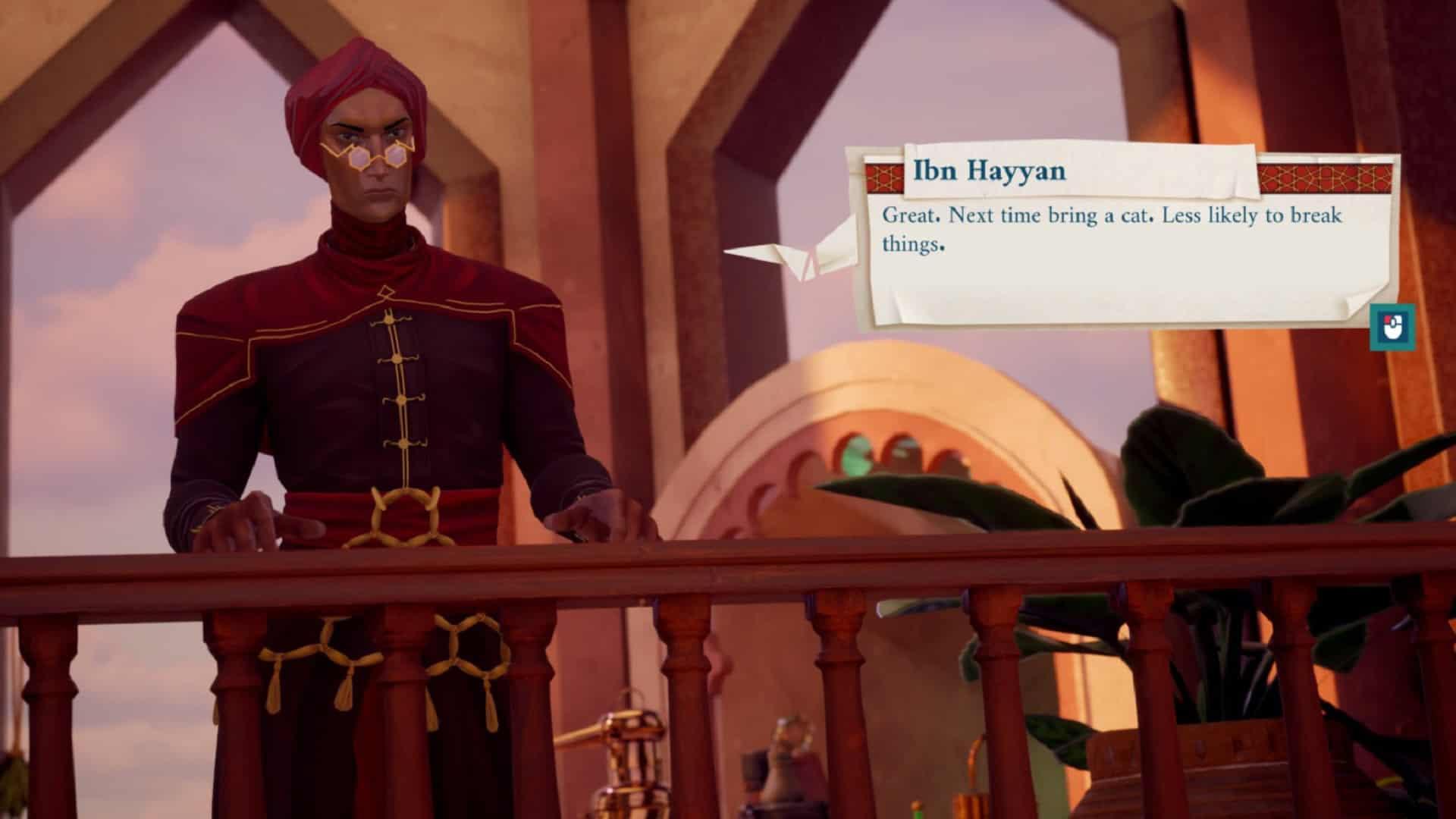
Attieh described how the process of designing each character blended researching existing historical scholarship with working to embody their personality and areas of study in their visual design and dialogue. He used Jabir ibn Hayyan, the Father of Chemistry and one of the first characters players meet, as an example:
“Someone who studies alchemy, what would their personality potentially be like? Alchemy and chemistry is so precise, then, surely, they must be very calculated, right? Everything where it’s supposed to belong. So, if Maya walks through that world and starts moving things around, he wouldn’t be too happy, right? … He also did geology and studied plants. And so we stuck those in his level as well. Thankfully, there was enough about their work that we could really lean on.”
Ibn Hayyan is only one of the many scholars players will meet while exploring House of Hikmah alongside Maya. Mariam al-Astrulabi, who studied subjects including astronomy and navigation (and is the source of the word “astrolabe!”), resides in an area of the House featuring a “beautiful night sky,” with “astrolabe-infused” elements incorporated into her design and that of her surroundings. Ismail al-Jazari created the elephant clock, a water-powered device that is one of the earliest examples of “proto-robotics.”
Attieh is particularly excited about how the team incorporated al-Jazari’s elephant clock into the game. “It’s an elephant as a base, and then there’s a dragon, and then there’s this bird and snake wrapping around. It’s this massive clock that is powered using water.” His research inspired him to include not just references to the famous clock, but to physically incorporate it into al-Jazari’s area within the game. “His actual structure in the game is that elephant clock. He actually moves through [it].” In addition to the clock itself, al-Jazari’s realm includes mechanical elevators, gear- and clockwork-inspired designs, and other machinery that the scholar worked with during his lifetime.
The world of The House of Hikmah blends historical accuracy with fantastical whimsy to create a beautiful, unforgettable realm and a compelling cast of scholarly characters. The scholars’ realms are filled with puzzles to solve, often quite tricky ones. Attieh gave the following advice to players trying out The House of Hikmah: “Put your thinking hat on, and don’t give up early. Look around and explore.” This is good advice indeed – everything from puzzle mechanics to the small details of character design was inspired by the team’s research into the real-life scholarship of these figures, and there is so, so much to discover in this rich and multi-layered game.
The House of Hikmah launches on Steam on April 8. For more indie game interviews, stay tuned to GameObserver!





 ObserverCrew Picks
 bserver
 bserver