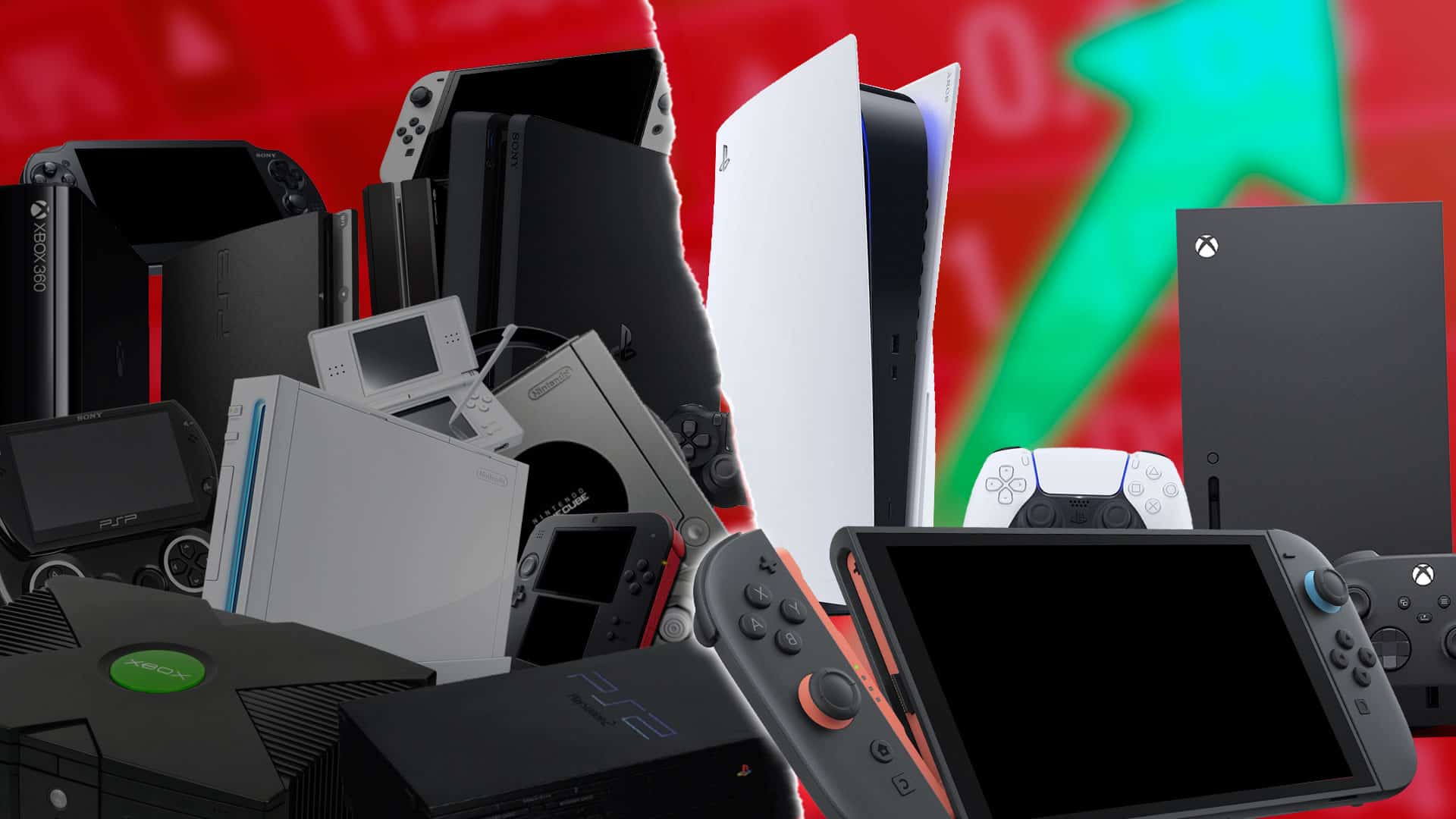
For most of gaming history, being an early console adopter was basically the ‘impatient tax’ only for the most hardcore of enthusiasts. You paid extra to get in early, while everyone else eagerly waited for the inevitable slim model, holiday bundle, or permanent price cut. Remember how popular the Xbox 360, PSP, and Switch were despite some technical issues plaguing each release? Patience has always paid off. Now? The reward for waiting is getting hit in the face with a surprise $50 to $150 increase instead.
In case you missed the news, Nintendo recently upped the Switch 2 price; the latest reminder that the gaming market is past a turning point. On May 8, the company confirmed that the handheld will be bumped from $449.99 to $499.99 starting September 1. Canada and Europe are seeing similar hikes, while Japan is getting hit even harder, with the Japan-exclusive model jumping by 10,000 yen (around $64). Not to mention that the original Switch is also becoming more expensive, and Nintendo Switch Online subscription prices are increasing alongside it.
But Nintendo isn’t alone. As we might remember, over the last few years, Sony and Microsoft have also normalized raising console prices years after their debut. Back in 2022, Sony shocked players by increasing PlayStation 5 prices across Europe and several other regions, citing inflation and unfavorable currency conditions. Three years later, instead of seeing prices normalize, consumers once again have to deal with price jumps by up to $100.
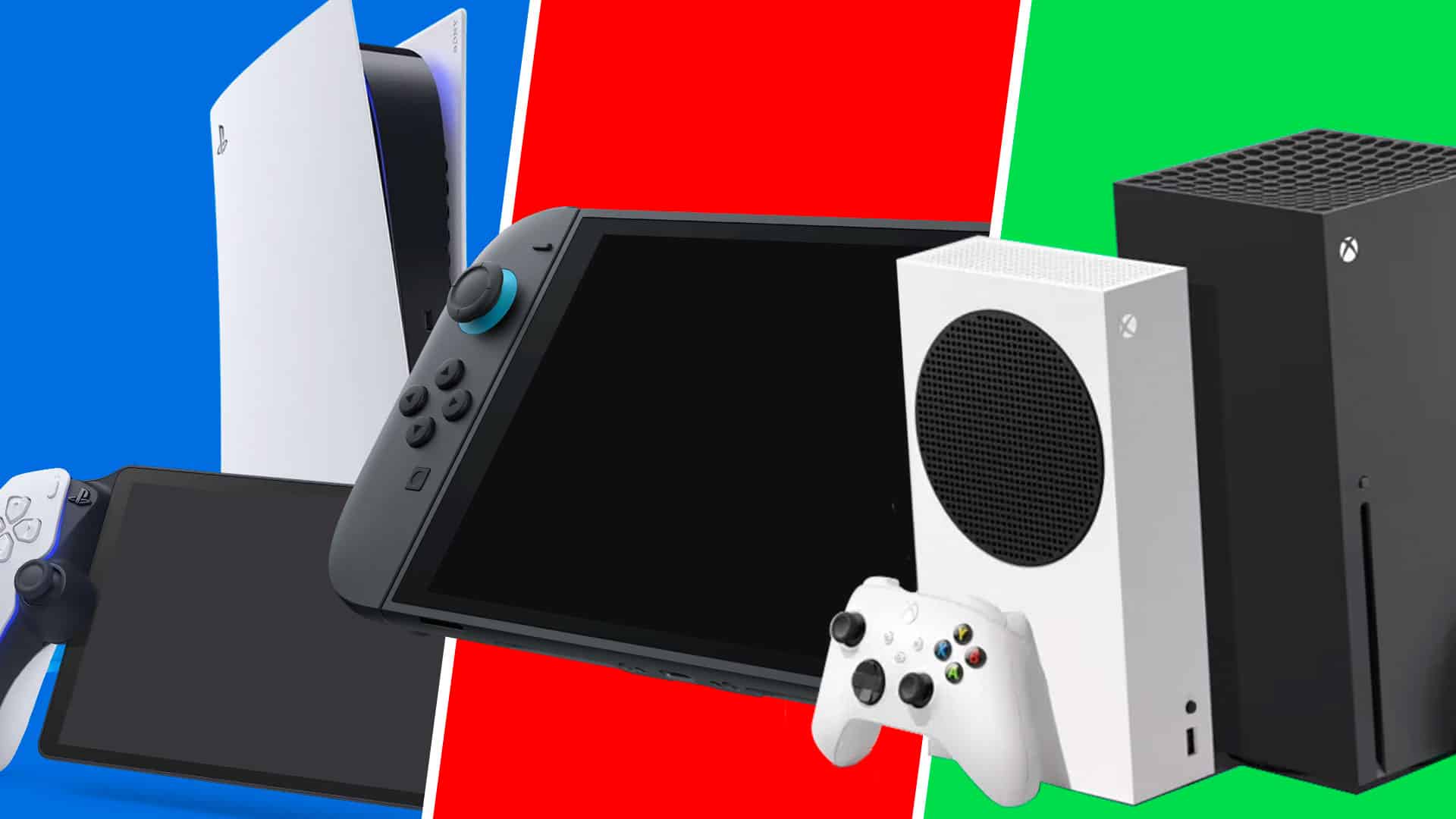
Seen all together, things become harder to ignore. Gamers are increasingly being asked to pay more for hardware that has already been on the market for years for some reason.
| Date | Console | Original MSRP | Updated MSRP | Price Increase |
|---|---|---|---|---|
| May 2022 (Europe) | PlayStation 5 Disc / PlayStation 5 Digital | €499.99 / €399.99 | €549.99 / €449.99 | +€50 / +€50 |
| May 2025 | Xbox Series X / Series S (512GB) / Series S (1TB) | $499.99 / $299.99 / $349.99 | $599.99 / $379.99 / $429.99 | +$100 / +$80 / +$80 |
| August 2025 | PlayStation 5 Disc / PlayStation 5 Digital | $499.99 / $449.99 | $549.99 / $499.99 | +$50 / +$50 |
| April 2026 | PlayStation 5 Disc / PlayStation 5 Digital / PlayStation 5 Pro | $549.99 / $499.99 / $749.99 | $649.99 / $599.99 / $899.99 | +$100 / +$100 / +$150 |
| September 2026 | Switch 2 | $449.99 | $499.99 | +$50 |
In contrast, here’s how some of gaming’s biggest consoles traditionally aged in price:
- PlayStation 2: Launched at $299, eventually dropped to $99.
- Xbox 360: Launched at $399, the cheapest Core version hit $199.
- Wii: Launched at $249, eventually dropped to $199.
- 3DS: Launched at $249, cut down to $169 a few months later.
- PlayStation 4: Launched at $399, the Slim version costs $299.
One might ask, “What happened here?” The obvious explanations are the ones console makers keep repeating — inflation, tariffs, exchange rates, supply chain problems, what have you. None of those are wrong. But over the last year, another factor causing consoles to suddenly stop getting cheaper has entered the conversation: the AI boom.
Since late 2022, tech giants have been pouring absurd amounts of money into AI infrastructure. Companies like Amazon, Google, Meta, and Microsoft have spent billions expanding data centers and fighting over increasingly scarce GPU, semiconductor, and memory supplies. NVIDIA went from being the go-to graphics card company to effectively becoming the center of the AI economy.
“We have evolved over the past twenty-five years from a gaming GPU company to now an AI data center infrastructure company,” said NVIDIA CFO Colette Kress in November 2025. At the time of writing, the company has reached a valuation of $5.5 trillion.
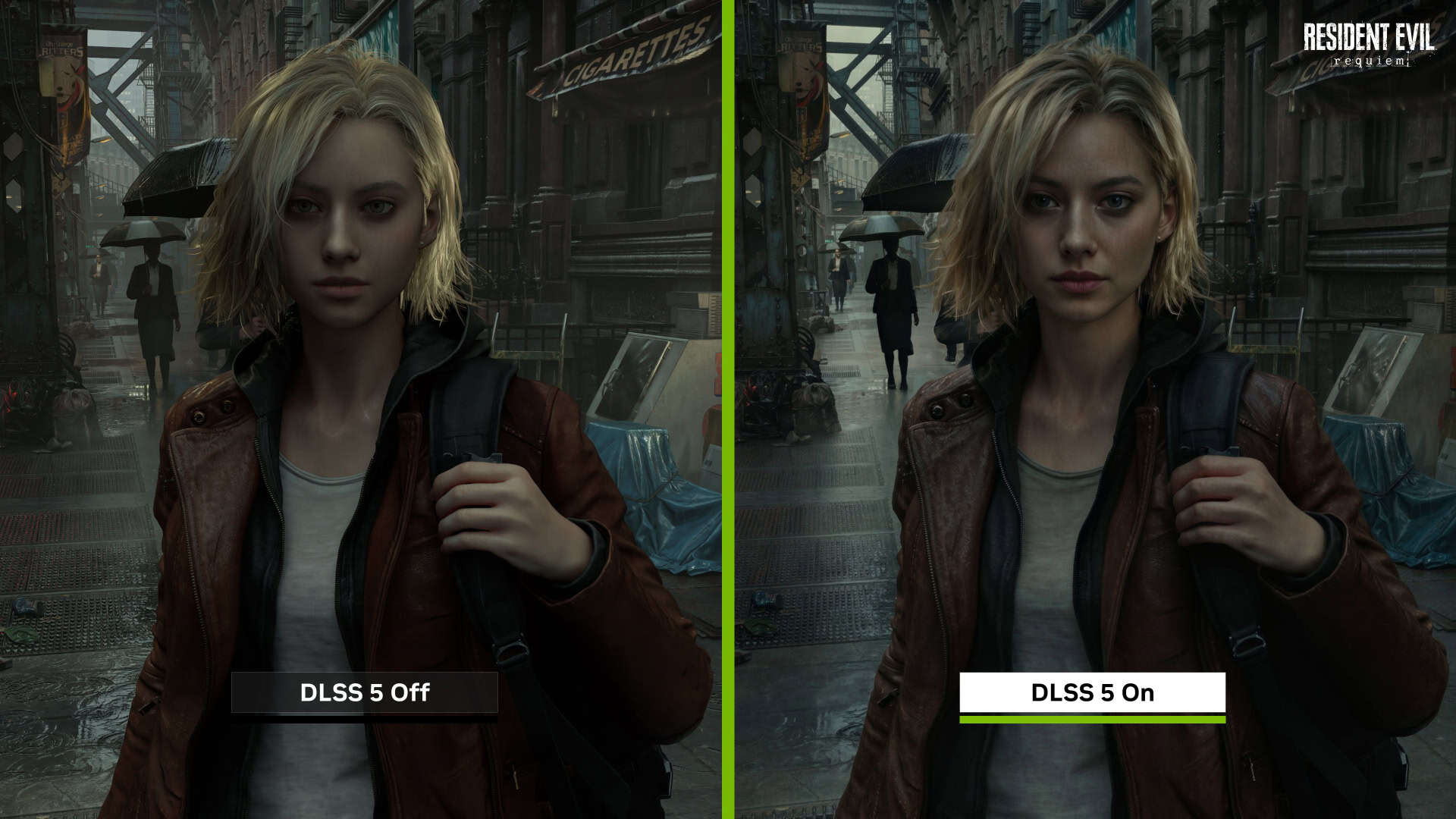
Long before console price hikes, though, PC owners were already dealing with increasingly absurd hardware costs. First, graphics cards became notoriously difficult to find, compounded by the cryptocurrency boom beforehand. Then it crept onto storage and RAM as AI companies and data centers began competing for the same high-performance silicon. This should have been a warning sign since PlayStation, Xbox, and Switch consoles are not built in some isolated bubble.
As with anything tech-related, they all compete for the same chips and hardware alongside smartphones, enterprise servers, and now AI infrastructure that companies are willing to spend virtually unlimited money on.
“[…] The current memory shortage, which is being driven by surging AI infrastructure demand, and is impacting entire industries, including gaming, smartphones, laptops, memory cards, and other products,” said Sony CEO Hiroki Totoki during a recent earnings briefing. Memory costs are expected to remain extremely high into 2027 because supply shortages continue, although Sony believes it can ‘contain the negative impact’ in the near term through negotiations with suppliers. That said, the company also hinted that release timing for its next-generation console — the PlayStation 6 — remains ‘undecided’ because of this. “Our businesses are managing this issue very carefully,” added Totoki.
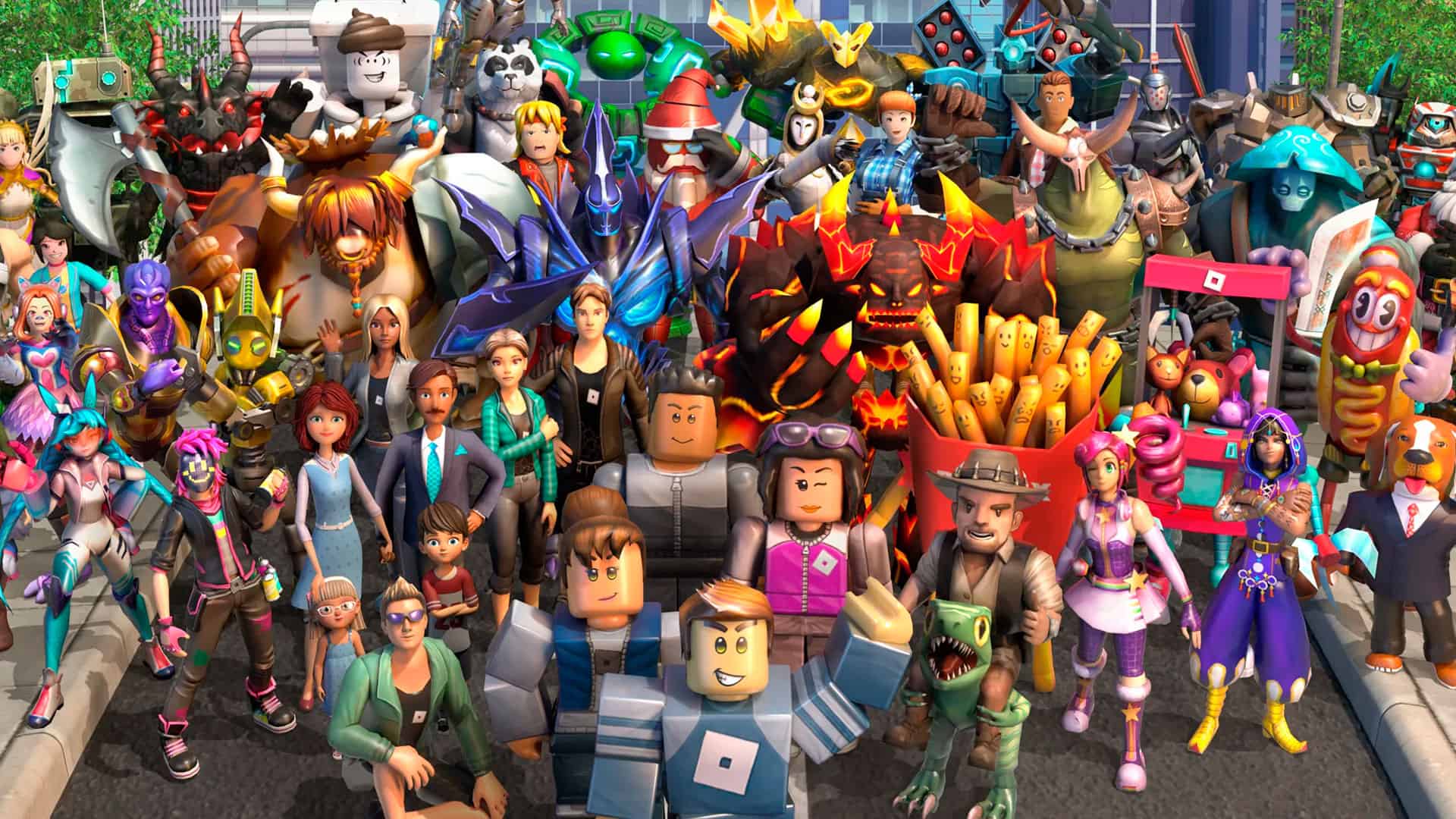
Industry analysts are already warning that the market may split even further between people who can comfortably absorb these rising costs and those who simply cannot. Circana analyst Mat Piscatella has pointed to spending becoming increasingly concentrated among higher-income consumers, while lower-income players shift toward free-to-play games or cheaper options. “We’re basically leaving a whole portion of the market to Fortnite, Minecraft, Roblox and mobile content,” stressed Piscatella to Edge magazine (via PCGamer).
Meanwhile, Wedbush’s Michael Pachter has suggested that if hardware keeps getting more expensive, there could be an even harder push toward streaming and subscriptions. Simply put, some gamers might opt out of traditional console ownership and stream games to TVs, tablets, or phones. Others may simply become spectators, consuming gaming content through Twitch, YouTube, and VTubers rather than spending hundreds of hard-earned dollars to participate directly.
After all, gaming has always been seen as relatively cheap entertainment, compared to something like automotive, travel, or even the fellow nerd-oriented activity of tabletop wargaming. Looking at you, Games Workshop. But that math starts changing when consoles cost $500 to $900 before you even buy the games and pay for the subscriptions. Let alone additional peripherals if you’re playing with your family. At this point, don’t be surprised if the future PlayStation 6 setup can easily push past $1,000, all while gamers are also dealing with rising rent, food, gas, and cost-of-living pressures outside entertainment.
That shift could also reshape what kinds of games actually get made. If fewer people can afford premium hardware and $80 games, publishers chasing ballooning AAA budgets may eventually find themselves selling to a shrinking audience. People who would rather have their cars’ tanks filled and watch their favorite streamers than spend money on yet another battle royale, or extraction shooter, or whatever the next multiplayer trend is.
“Exact budgets of video-game productions can be tough to corroborate (more transparency from publishers would be nice!) but the numbers I’ve heard floating around AAA game development these days are $300 million or more,” pointed out Bloomberg’s Jason Schreier as the massive development costs are no longer the outliers — they are now the standard. But if fewer players can justify consoles and premium games that keep getting expensive, publishers, too, may eventually have to face the brutal question: how affordable is gaming for their audience now?
Unfortunately, the root cause of all of this may not even just be the gaming industry’s problem anymore. What started as PC gamers complaining has leaked into something much bigger, where the conversation has shifted to mainstream outlets. Back in January, The Wall Street Journal was already sounding the alarm, warning that data centers were on track to consume roughly 70% of memory chips produced in 2026, driving up prices of all consumer electronics. By May, The Guardian was practically doomposting the same trend, arguing that the tech industry’s AI spending spree has rippled outward by soaring memory prices, tightening supply, and pushing eye-watering data center costs.
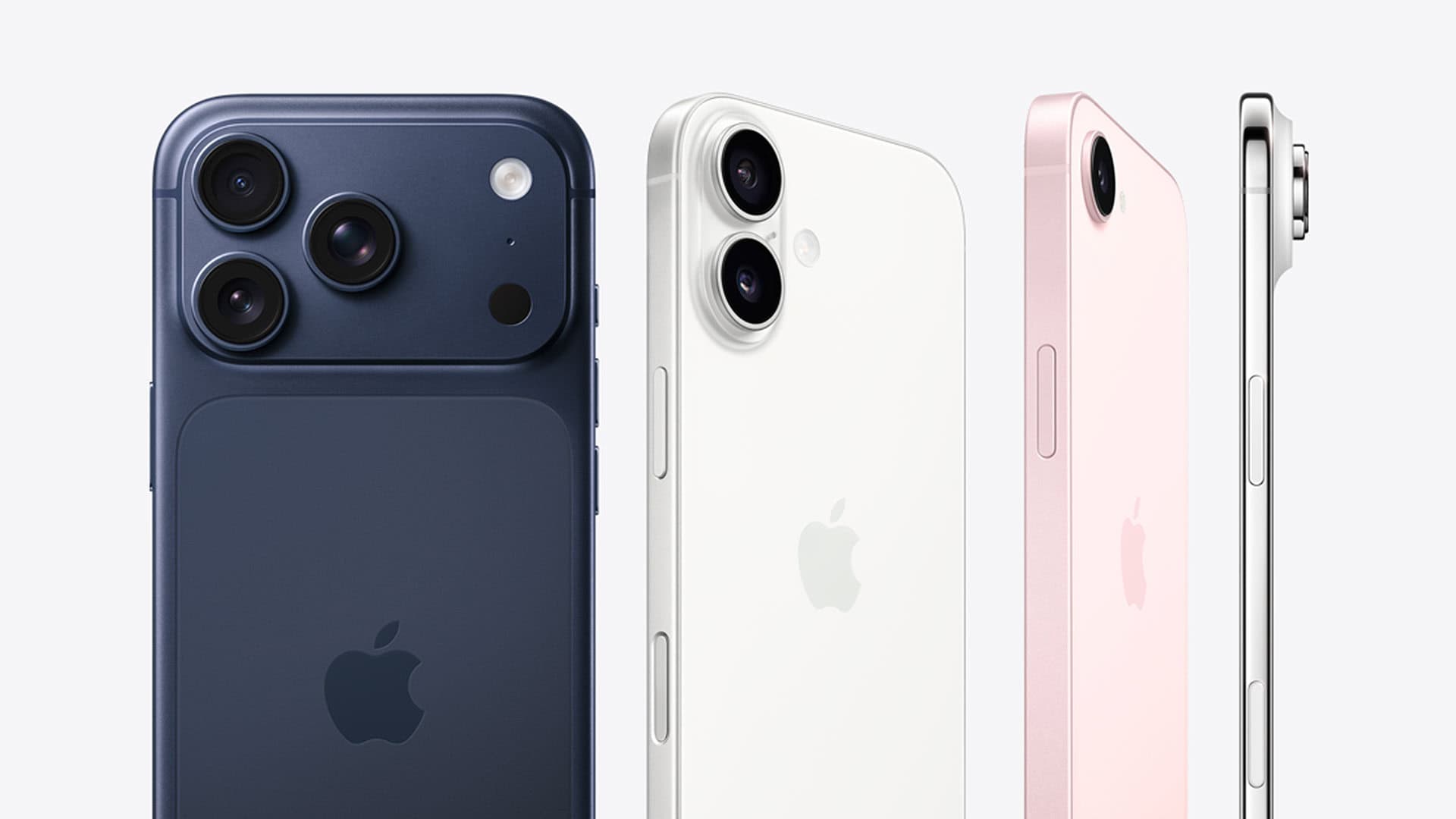
Non-gaming companies are already feeling the pressure. “We believe memory costs will drive an increasing impact on our business,” admitted Apple CEO Tim Cook during the company’s May earnings call. The Guardian article also mentioned that major manufacturers like Lenovo, Dell, and HP warned that rising component costs could push laptop prices up by as much as 15% to 20%. In other words, if gaming hardware has been feeling the pain for years now, phones and other everyday tech are no longer far behind.
Which leaves gamers with an uncomfortable realization. Consoles’ rising prices may not be some temporary correction to the fluctuating market condition anymore, and they could keep climbing for an unforeseen future.
What’s sad is that gaming has always rewarded patience. Persevere long enough, and you’ll beat the boss — in this case, the expensive hardware is the boss. Things eventually got cheaper, the bundles got better, and jumping in became easier. In 2026, though, that logic suddenly feels outdated, no thanks to tech companies hoarding everything to support the AI ecosystem. Waiting no longer guarantees a bargain. If anything, gamers are increasingly being taught the opposite lesson: buy now, because next month, something that’s used by AI could cost much, much more.




 ObserverCrew Picks
 bserver
 bserver