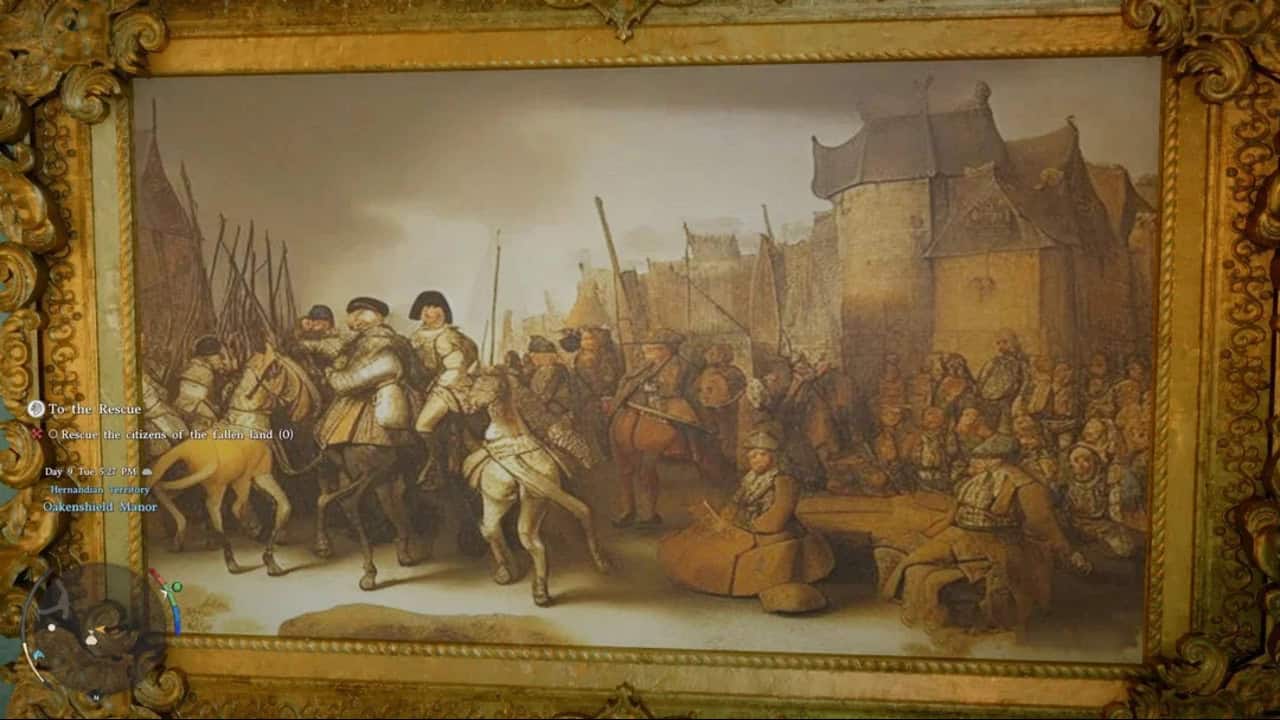
Recently, the hot, brand new release that is Crimson Desert was under fire for the use of AI-generated art—paintings, bulletin board drawings, etc. On their social media, they released a statement. In it, they claim that “some 2D visual props were created as part of early-stage iteration using experimental AI generative tools” and that their intention “has always been for any such assets to be replaced.” They were careful here not to use the term, but I think what is being described here is placeholder art—an asset that is meant to visualize an idea, and then be replaced down the line.
A few months ago, Clair Obscur: Expedition 33 had its Indie Game Awards Game of the Year award stripped from the developers at Sandfall Interactive over the use of AI-made placeholders. There was some confusion about the details, but they did end up confirming that they used it at some point in the development process. Another similar story: Ubisoft claims a prominent piece of AI-generated art in Anno 117: Pax Romana was a placeholder asset, which they said in a statement to TheGamer “unintentionally slipped through our review process.”
The more I think about all this, however, the harder it is to believe. At its most charitable, you can look at the statements and assume the goal of the art was to visualize the general, finished look of the game, and the developers did indeed forget to replace some of them with the finished art before release due to the sheer number. Crimson Desert, for example, was described by the developers to be bigger than some of the largest hand-crafted open worlds out there. It’s not unreasonable to think this could have slipped through.
That is, until you really consider what the goal of placeholder art is—it exists to be replaced. Placeholder art, as seen in, for example, the Early Access release of Slay the Spire 2, fulfills its purpose if it is visible. If the art is believable enough to be shipped in the final version, then it’s not exactly the best at creating placeholders, is it? Besides, some pre- and post-versions are so similar that it’s hard to differentiate whether anything in the image was created from scratch or just touched up by someone once it was discovered.

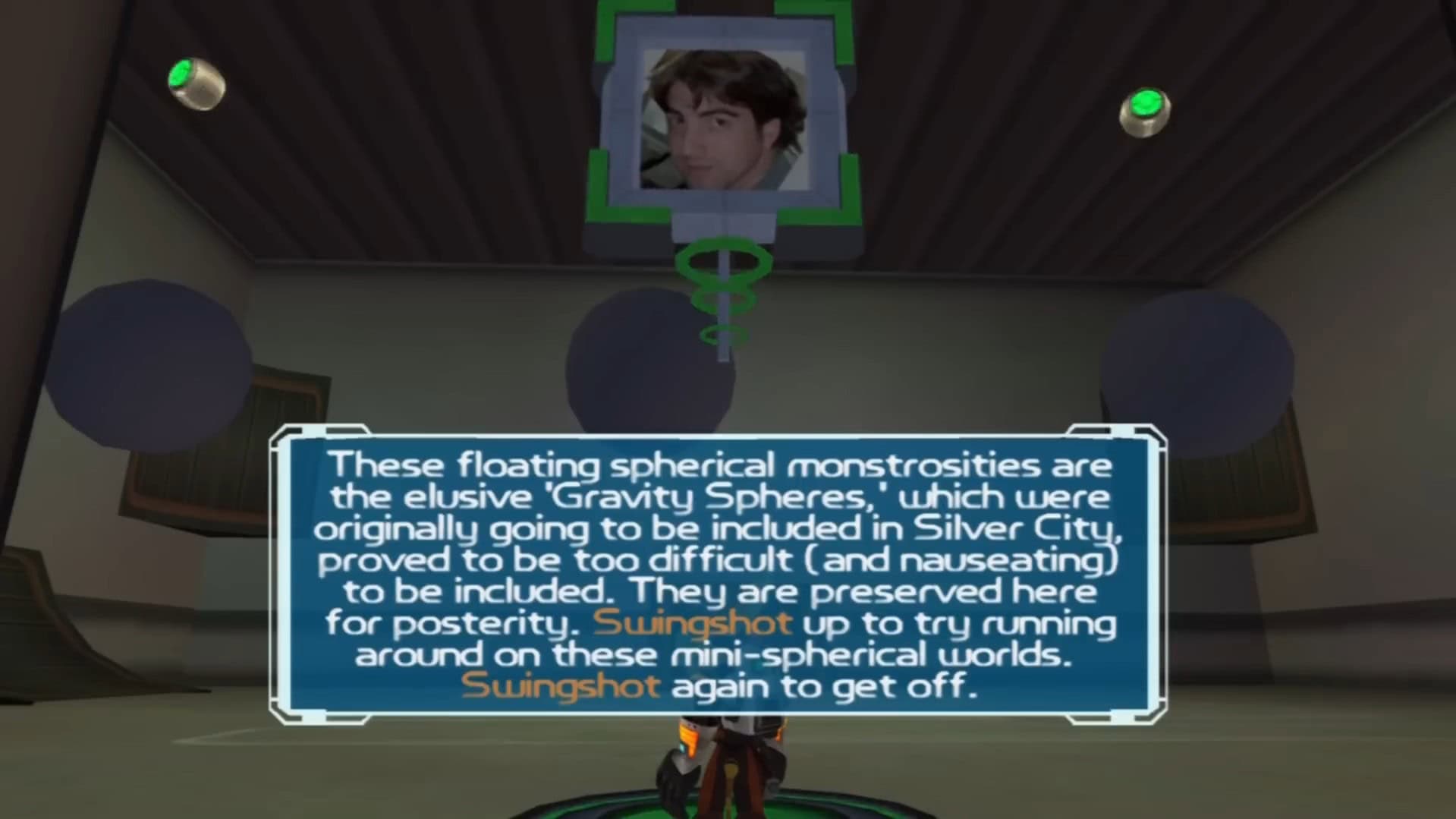
AI art is, as such, undeniably terrible at creating placeholder art, right? Not only is it too believable, making it easy to be missed by a human check, but it also diminishes the value of the final product should it slip in. Some obvious placeholders that make it into the final product or an early access version become something a game’s community can cherish, turning a mistake/parts of the early development into a surprising benefit. In the first Slay the Spire, beta art ended up as an unlockable. Some older games showed off their placeholder models or textures via an unlockable, in-game museum, such as the Insomniac Museum found in Ratchet & Clank 2: Going Commando. I doubt using AI-generated art for such unlocks would elicit the same positive memories as the aforementioned examples.
Things get a lot trickier, however, if you look even deeper. As explained by Mark Darrah, an ex-BioWare developer and executive producer, in his video on placeholder assets and the Anno 117: Pax Romana situation, some small assets may only appear once, making them very difficult to spot. However, assets that will undoubtedly be visible should not contain placeholder assets that “might ship, but cannot ship,” which is to say ones that look too believable/in-line with the game’s look to be caught by Quality Assurance, but if they are not caught, the developers may get in trouble. He also describes how assets that absolutely cannot ship may be indicated as such in their pipeline, so that the final version cannot be released unless they are replaced.
With all that knowledge, seeing several games ultimately shipping with them makes it clear that some big developers do not consider such visibly low-quality AI art to be “unshippable.” For them, these assets exist in the “can ship, might ship” quadrant of the placeholder diagram as showcased in Darrah’s video. In reality, people are upset, and they are forced to replace them due to, if nothing else, the claim of false promises from their customers.
So, if they do exist on the “can ship” side of the diagram, the question would be: why doesn’t everyone disclose the use of AI art in the development process on their Steam page like Anno 117: Pax Romana did (though only a day before release)? If internally, say, Pearl Abyss does not mark these assets as essential for removal, then why not put that disclosure there pre-release? Could it be that it’s because someone is ultimately aware that the inclusion of such a disclosure could affect the perception of the game among critics or players?
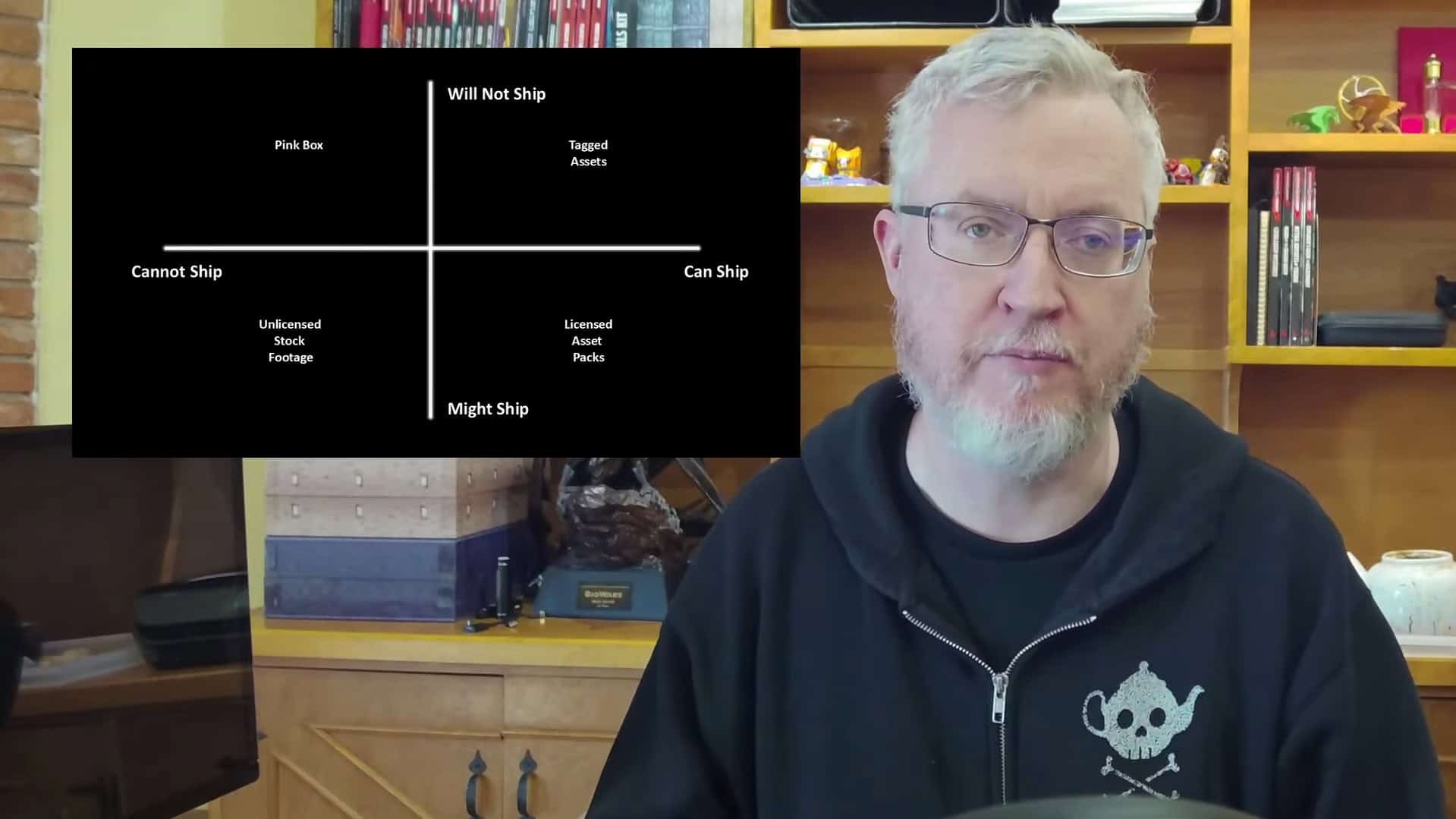
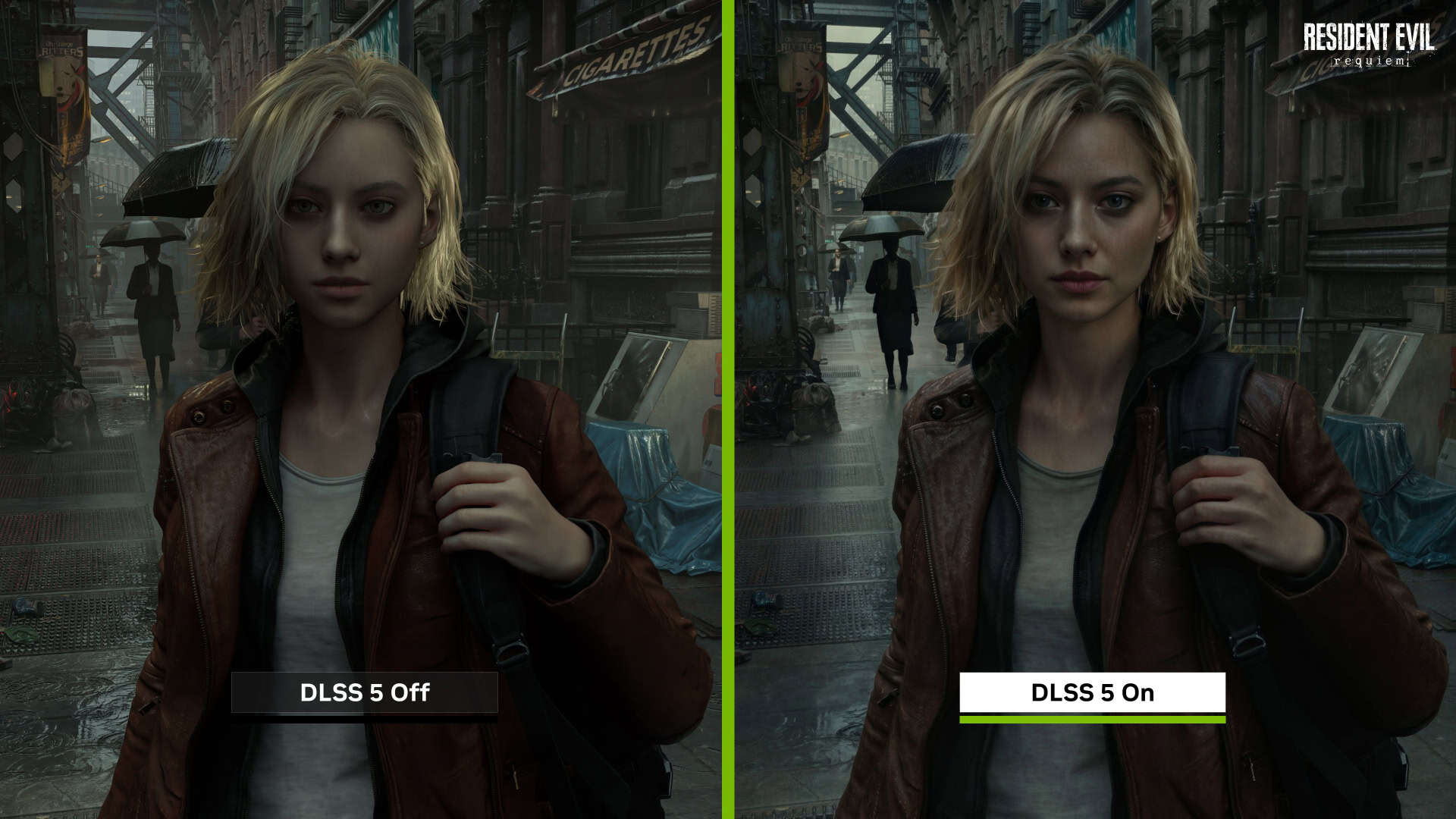
If so, wouldn’t that mean that such assets ultimately belong on the “cannot ship” side of the diagram, knowing their discovery could affect sales? How many more cases of such controversies before this would be universally accepted? Or, perhaps, did the fact that a game “got away with it,” so to speak, with relatively minor consequences allow teams to push the boundaries of what is and isn’t considered as an asset that “can ship?” What is or isn’t considered unshippable is, of course, largely going to come down to a law, but the people have a say as well. Whether it’s the poor reception to the Nvidia DLSS5 technology or cases like this, the conversation does, partially, shape that perception among developers. So keep talking, and keep letting them know what it is you do or don’t want.
For more opinion pieces like these, keep checking back at GameObserver.



 ObserverCrew Picks
 bserver
 bserver