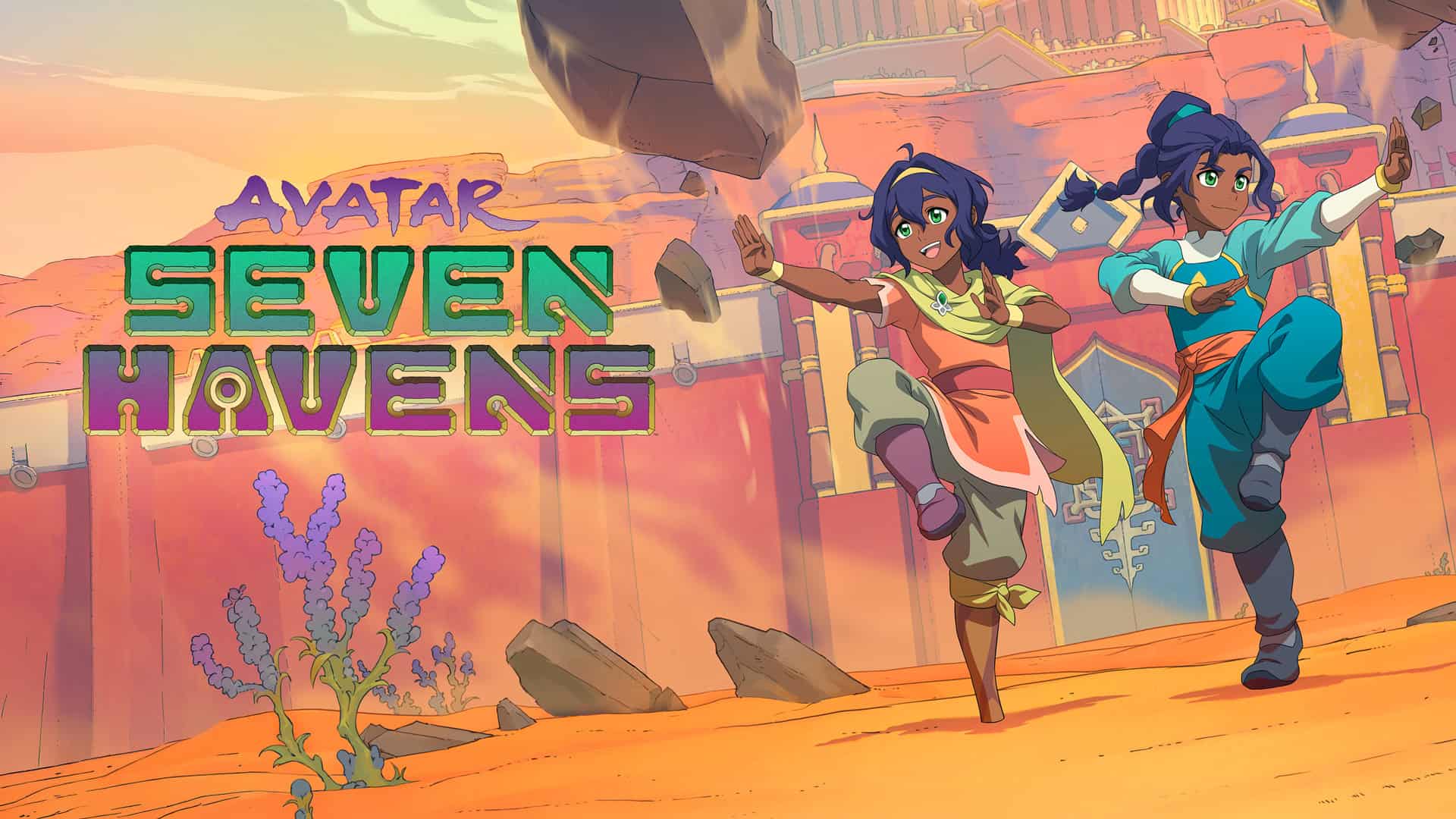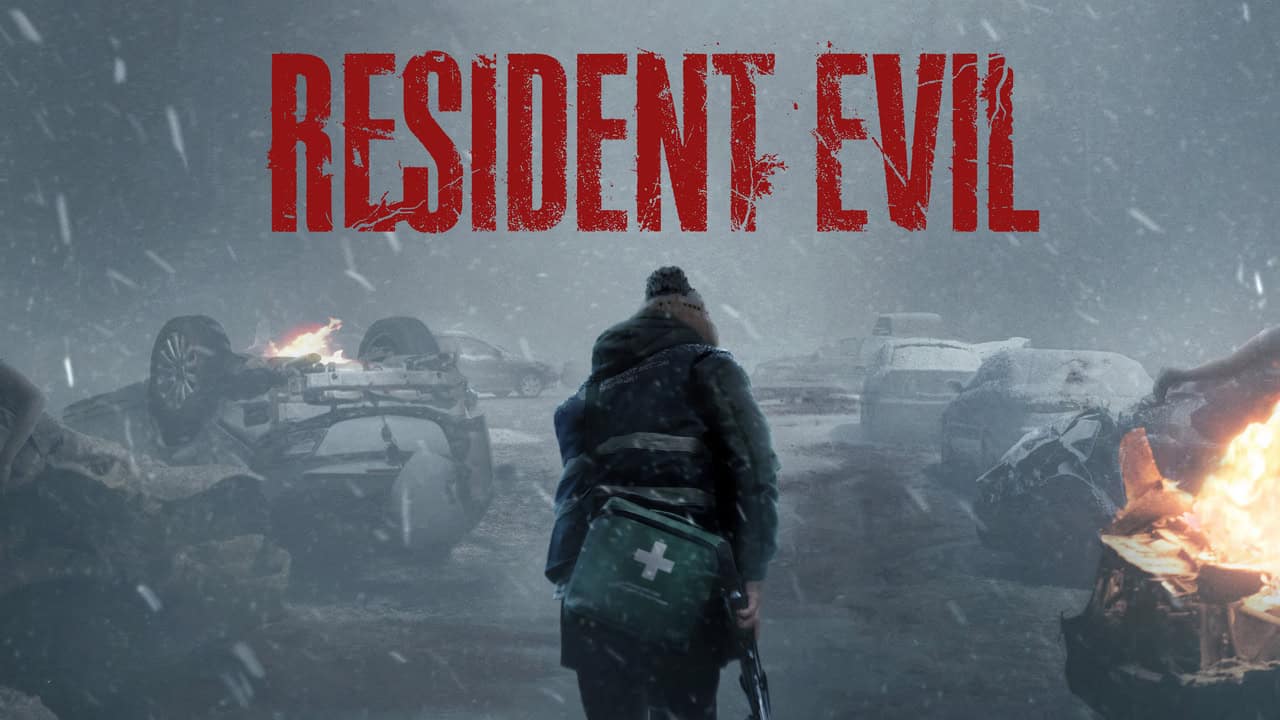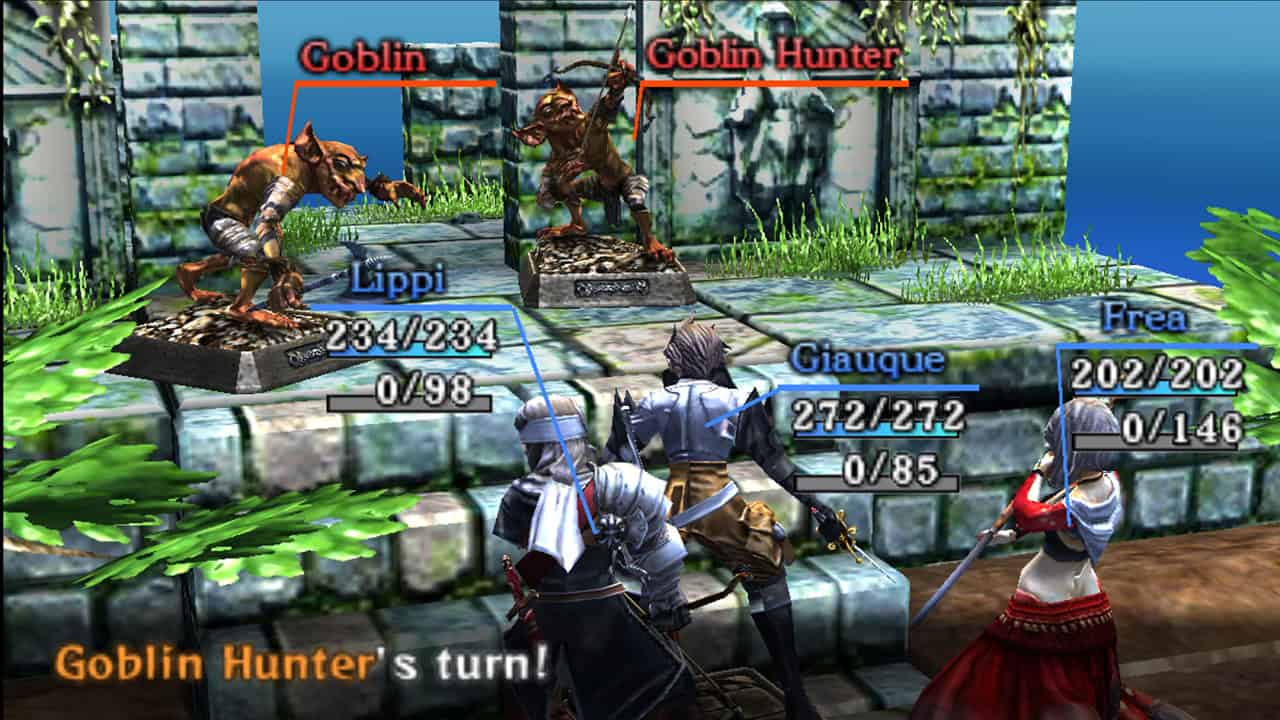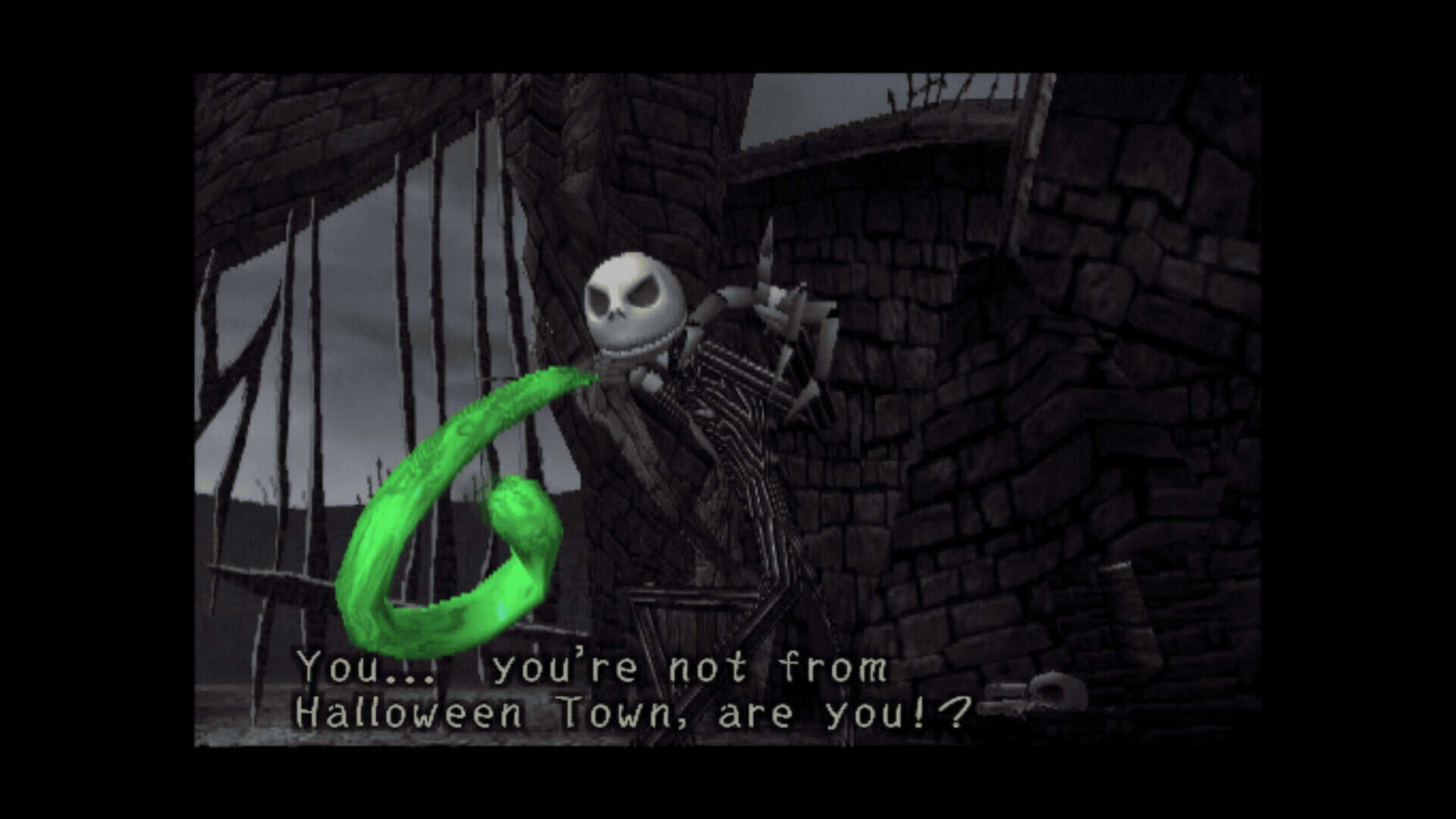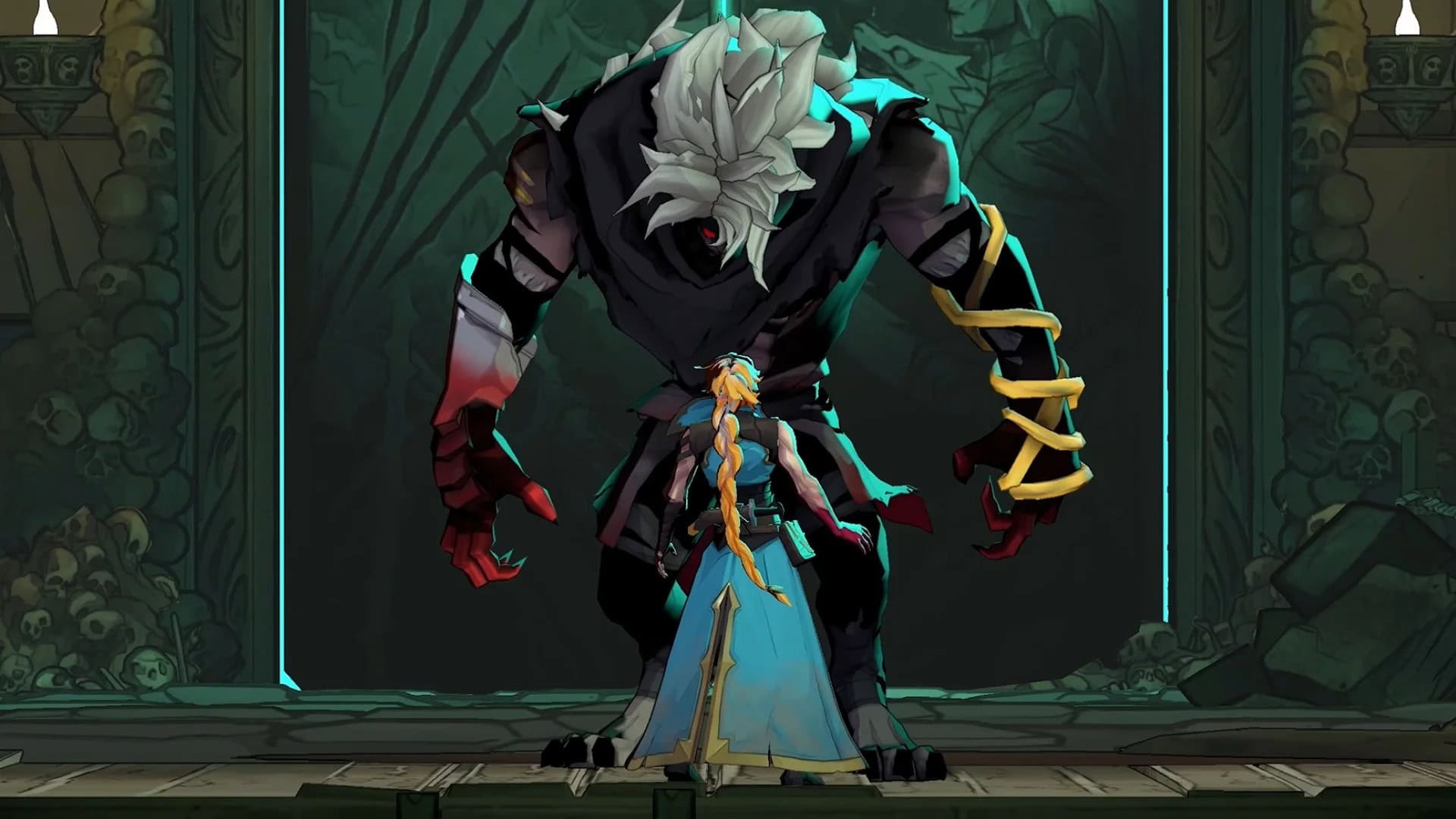
There’s a gaming showcase I’m particularly excited about coming up on April 9—The Triple-i Initiative Showcase. Last time, we’ve seen the likes of a sneak-peek at the long-awaited Katana Zero DLC, the reveal of a Speedrunners sequel, and new looks into The Alters from 11bit, Heroes of Might & Magic: Olden Era from Ubisoft, and The Eternal Life of Goldman from THQ. In the upcoming one, we’ll see Konami, 2K, and Gearbox Software show off their games as well – not studios you’d typically associate with indies, and to be fair to the creators of the Initiative, they don’t claim to be indies. It’s just, well, the image pops up naturally due to the name, doesn’t it?
I don’t mean to steal that name here, because, truthfully, an indie equivalent to the industry giants of AAA arose long before the Initiative was created, and has been upon us for too long without being properly addressed. Be that Sony’s patronage of Flow, Flower, and Journey or Riot’s now-abandoned Riot Forge project, indie aesthetics and size have been something big companies have long tried to work into their repertoire. In many cases, successfully. Dave the Diver looked so much like one that it received a nomination for Best Indie Game at the 2023 Game Awards.

This is far from a new phenomenon in the world of art. The most popular vocalists in the world fall under the “indie” genre of music. A24 is a popular independent film studio that was valued at 3.5 billion USD, and is set to release an Elden Ring movie adaptation directed by Alex Garland. Nothing compared to the Hollywood giants, of course. Yet, before video games even existed, “indie” art had already lost its independent roots. They are not free of the same forces their biggest peers are beholden to. We can instead talk about lower budgets, more artistic freedom, and ideas that push their respective medium forward.
Seeing all this, video games certainly had the opportunity to go a different route, but that chance is long gone. The biggest award shows a lack of spaces that truly celebrate the teams that struggled most with reaching their success. At this point, neither the Best Independent Game nor Best Debut Game categories are spaces where we can highlight those stories. You see games with a list of contributors that exceed some AAA games go up against titles whose credits fit into a phone-screen screenshot.
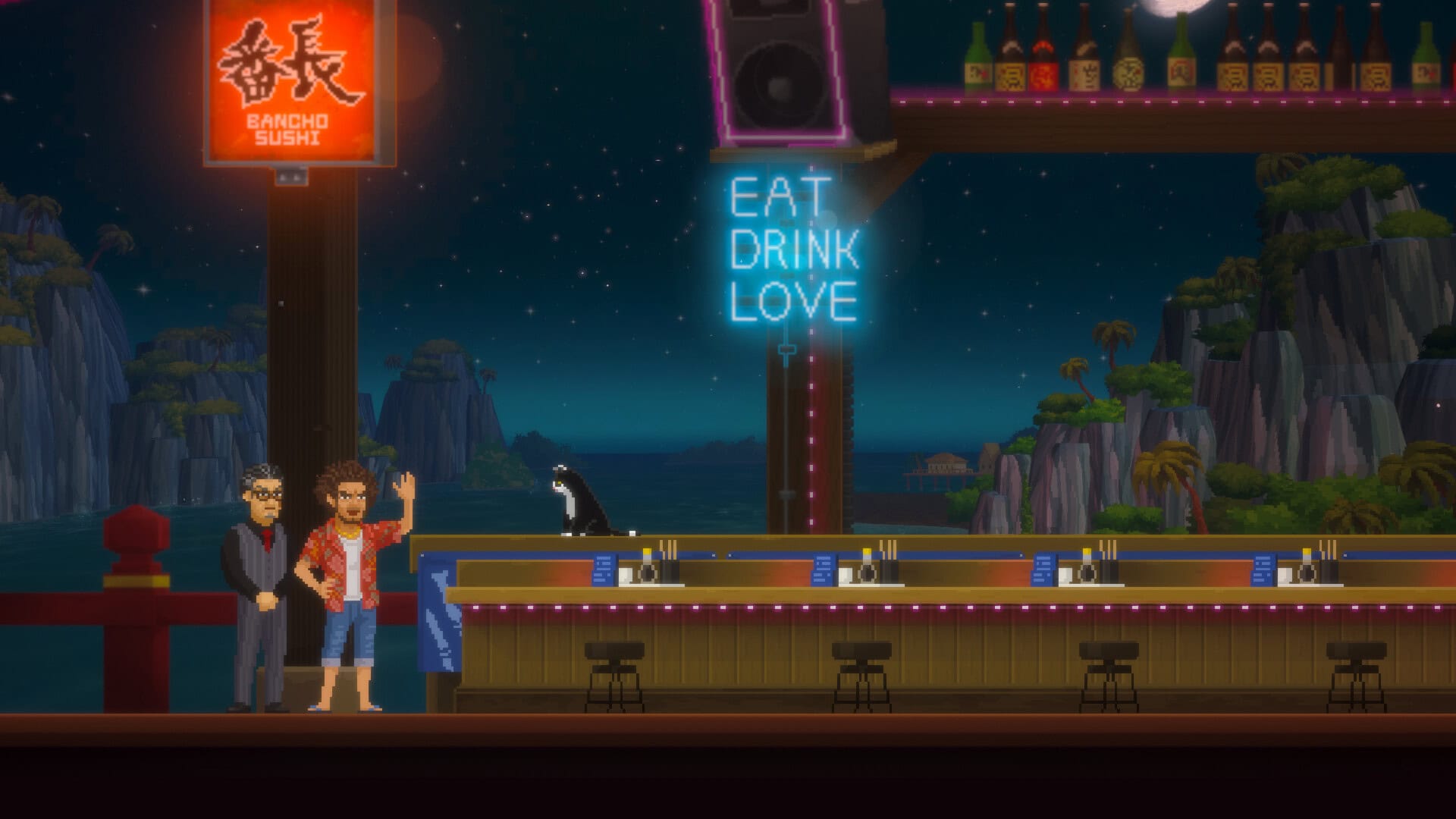
There are no definitions to any of this, really. Debut Game nominees can come from studios whose personnel have a long list of credits to their name, who can gather funds that other indie developers could only dream of, and bring in bigger names as a result. Perhaps even partner directly with AAA publishers they worked with previously to promote their games at their showcases. How are smaller projects meant to compete with all the studios popping up as a result of industry layoffs?
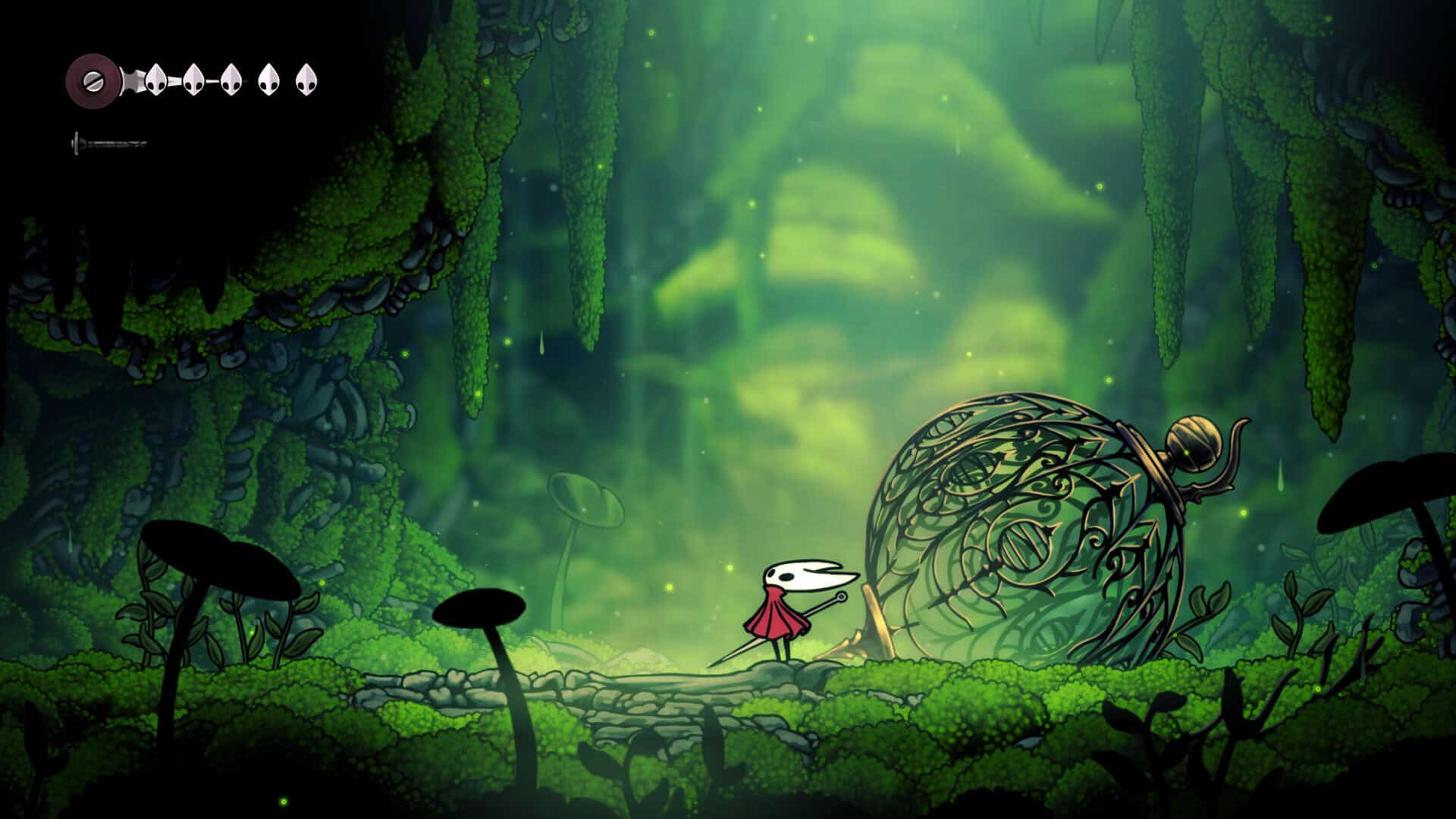
And what about indie royalty—the teams who can work on their sequels without financial worry due to the successes of their past games? Hollow Knight: Silksong was promoted by everyone, from Nintendo to Xbox. For the latter, it even served as a poster child for their new Xbox ROG Ally console. Team Cherry’s game existed among the big leagues for years before release. Should they, or other established voices that can reach out for the most lucrative deals out there, go up against a single developer who miraculously carved out a space in this ultra-competitive environment? Both obviously started out the same—small projects built on dreams and community support—but cannot be further from each other at this point in time.
Now and then, a AAA publisher tries and fails to enter the indie market. Financially, at least. Riot Forge, bless its soul, was a relatively short-lived attempt at lending the League of Legends IP to indie developers. They never quite had a commercial or critical hit, and the project was shut down in January of 2024. I’m personally very fond of projects like this, but for them to exist, it has to be understood just how low the numbers for these games will be. It feels like Riot wasn’t quite prepared to support projects in spite of that.
Ubisoft has been going strong with smaller-scale projects for a decade now. You may remember their attempts at smaller titles like Valiant Hearts, but more recently, they’ve directly partnered with indie developers and publishers to release titles like The Rogue Prince of Persia by Evil Empire (self-described triple-I studio) or the aforementioned Heroes of Might & Magic: Olden Era by Unfrozen and published by Hooded Horse. Konami seems to be entering the space as well, with Castlevania: Belmont’s Curse, co-developed by Evil Empire. Atari is a publisher that always comes to mind when it comes to such partnerships, and they’ve been extremely prolific, promoting their IPs to indie studios and asking for pitches should any developer have an idea for a fresh take on their classic catalogue.

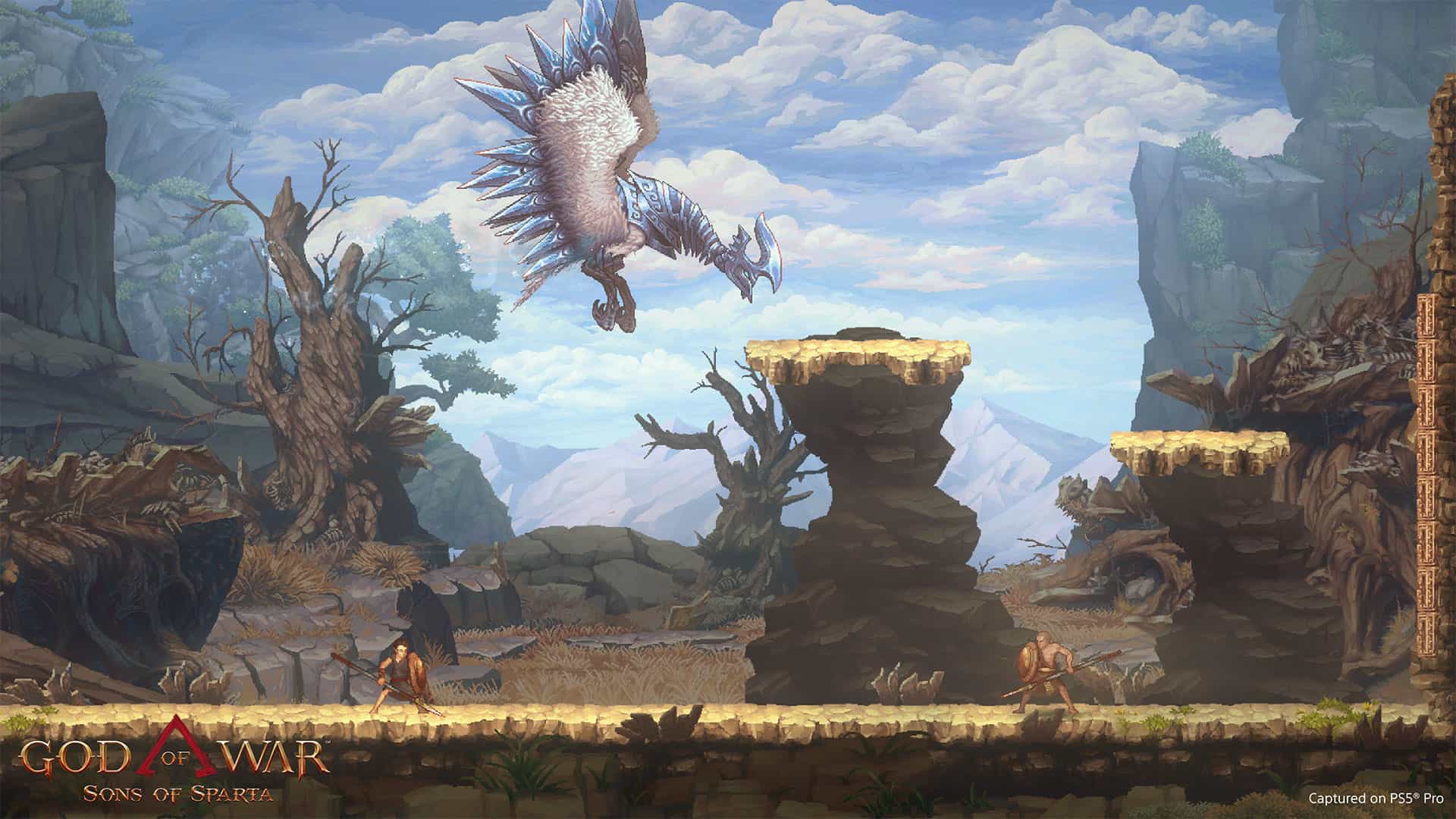
As much as I enjoy these projects, it has to be said that their infiltration of indie spaces is becoming very noticeable. So, I have to ask, where’s the cutoff? If Sony wanted to promote their next small-scale project at an indie showcase, would that be in poor taste? Mega Cat Studios, the co-developers of God of War: Sons of Sparta, describe themselves as an indie game studio, so why not? They certainly released a ton of indie games before this, like Angry Video Game Nerd 8-bit, a few months prior.
Truthfully, I believe it’s only a matter of time. Everyone is putting titles of vastly different sizes in categories dedicated to indie games. We’ve already lost this space. III is as real as AAA, and now, both spaces have their underdogs, be it a single-developer indie game without much of a marketing budget or a AA title from a forgotten publisher. We missed our shot at preventing this from happening. What we are effectively left with is creating a video game underground scene—titles that will rarely ever see award consideration as they continue being pushed out of the spaces envisioned for them, as was the case with all media that came before video games. Those games need communities that can support artists.
You, Dear Reader, are very much a part of it all. Never be afraid to put games you love that do not get the recognition on the same pedestal as what’s being pushed to the top. Video game production is significantly more time and resource-consuming each year, and the costs of living are going up. While we endlessly argue about whether video games are art, artists are out there struggling to make ends meet, and having the efforts and aesthetics they helped to create and/or popularize be cannibalized by the market that spits them out at the first opportunity.
For publications like GameObserver, we must consider how to preserve and cultivate spaces for all the underdogs. How do we plan to highlight their efforts? Time is always short, but our team is growing, and each person comes with a unique voice, taste, and opinions. All of us are out there playing titles that might not make it on the popularity vote like our awards show, but we try our best to provide our authors with a voice, should they want to highlight games that didn’t make it.

What have I been playing lately that I’d want to put on the same pedestal as the all-time greats? The second volume of a mystery visual novel series about an anchoress let loose inside a monastery after the murder of one of the nuns. Misericorde is an absurdly captivating game with fewer than 500 reviews on Steam at the time of writing. One of the best to ever do it. Will it ever get that recognition? Probably not. But will everyone I ever talk to know that it’s the best thing since sliced bread? You bet. Yet, this definitely isn’t the best I can do. I’ll keep thinking.
For more underrepresented games and a community to share them with, keep checking GameObserver!


 ObserverCrew Picks
 bserver
 bserver