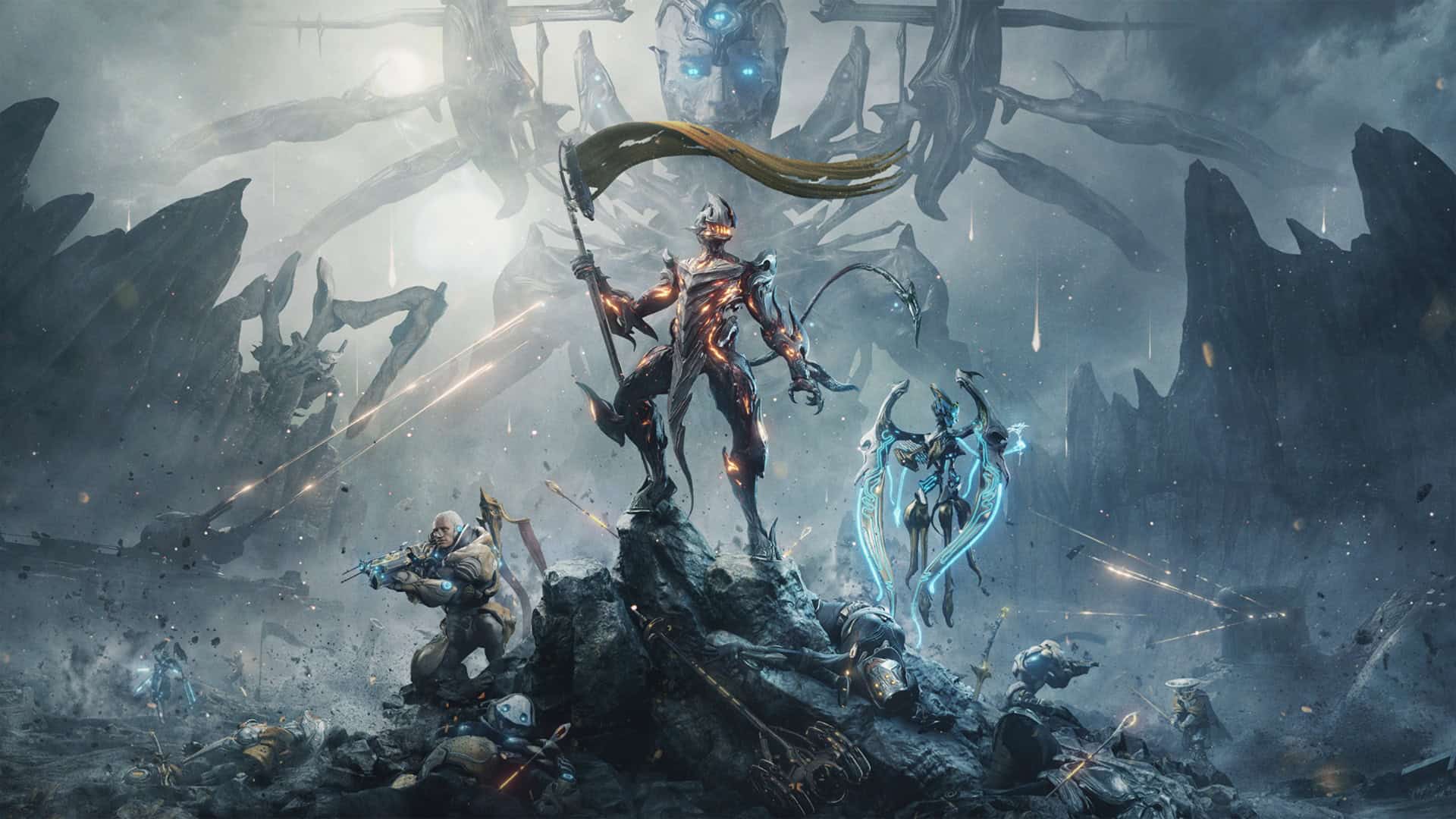
“You? Playing a free-to-play game?” Those were the first words a friend said to me when he saw me playing Warframe. I had always been very critical of free-to-play games, but I had my reasons! The complete removal of Destiny 2 campaigns, along with the poorly managed and expensive store in Halo Infinite, had left a bad taste in my mouth. “There must be someone out there doing this right,” I thought to myself. So I embarked on a journey to find a game that truly did. I tried everything, from Fortnite to The First Descendant, even attempting to get back into Destiny 2. None of them felt right to me… until, in the void, I saw a light: Warframe.
This, however, wasn’t my first rodeo with Warframe. Years ago, back in the Xbox One era, I gave the game a try. It just didn’t click with me; it felt too overwhelming to commit to an MMO-like game at the time. Years later, when I learned that the game had received major quality-of-life improvements, especially to its early quests, and after watching the 1999 trailer (I’m a sucker for anything ’90s and early 2000s nostalgia), I was convinced to give it another shot. I’m not exaggerating when I say I was hooked from the launcher alone. It greets you with music from the latest content; for me, it was “Lamenting the Days.” In that moment, I couldn’t help but think of Tron: Legacy’s opening monologue by Jeff Bridges about entering The Grid. Not only had I found my answer to a great free-to-play game, but I had also entered a new digital frontier.
A Welcoming Team and Community

Over 13 years ago, Digital Extremes was on the brink of bankruptcy, with Warframe serving as its last Hail Mary. While the launch had its issues, it was strong enough to retain a core group of players who ultimately helped keep both the game and the studio afloat. Its early years were rocky, with systems like limited revives that required spending premium currency to keep playing. Fortunately, Digital Extremes was quick to respond to player feedback and eventually removed that pay element entirely. This willingness to truly listen to its community has been the driving force behind the studio’s success, and it brings us to one of the most important aspects of Warframe: its community.
With just a mention on social media that you’re starting the game, the Warframe community is quick to offer help. A recent example of this can be seen in Ironmouse’s Warframe streams, where players eagerly jumped in to guide and support her. The community is one of the most helpful out there, and much of that can be traced back to how Digital Extremes engages with its players. DE set the tone, and they lead by example. Watch any of their streams, and you’ll see how they interact with one another. It’s hard not to view them as a family, and that sense of camaraderie has clearly carried over into the community itself. Of course, behind closed doors, things may not be the same, but that’s just how families work, don’t they?
Most importantly, Digital Extremes makes you feel like part of that family. Whether it’s featuring fan art, sharing player screenshots, highlighting feedback, or even collaborating with the community to create in-game skins, players will feel part of the team.
That Sounds Great, Walter, But Let’s Talk Prices.
I know… prices are also one of the first things I look at when I play free-to-play games. Many titles still struggle to get it right, even today. Take the recent collaboration between PUBG: Battlegrounds and Stellar Blade, for example. Any excitement I had quickly faded the moment I saw the in-game store. It had been a while since I last played PUBG, so I was taken aback by how many different currencies the game now uses, and how much time and money it can take to obtain Eve’s skins. Warframe, on the other hand, continues to surprise me. Even after hundreds of hours, I still ask myself how the game manages to produce so much content.
In Warframe, the only content you truly have to pay for is cosmetics, and even those can often be earned through other gameplay means. Every expansion, warframe, weapon, and even its battle pass–like system is free to unlock through gameplay. There is a premium currency, of course, known as Platinum; the game has to make money somehow. You can use Platinum to purchase cosmetics or to speed up crafting times and obtain items instantly. “So, there’s a catch!” you might be thinking. I agree that some crafting times, especially Warframes crafting, could be shorter. But what makes Warframe even more unique is that Platinum is tradable between players. This means you can trade rare items for Platinum and earn that premium currency without spending a single cent.
There’s Nothing Else Like Warframe’s Gameplay
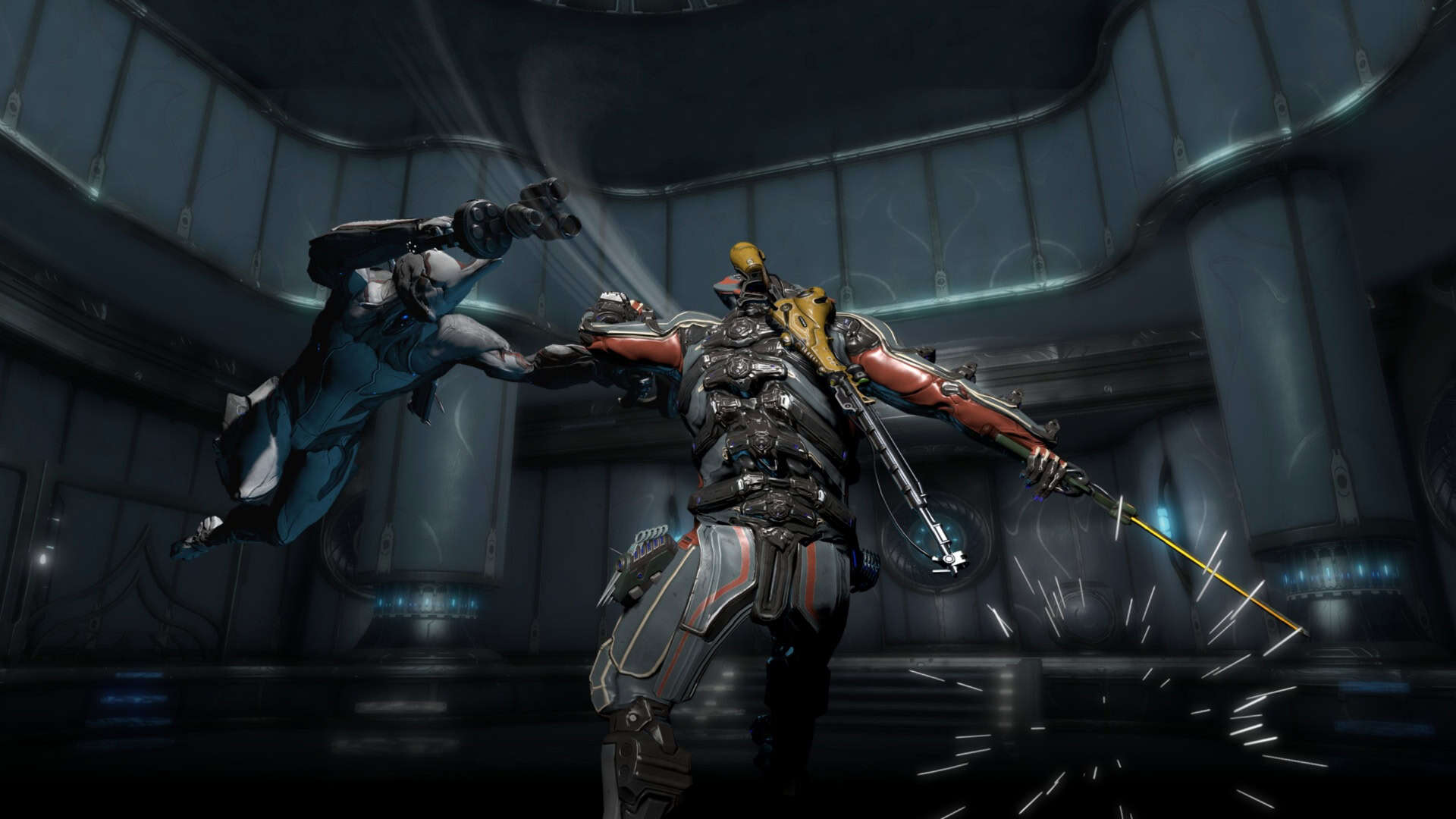
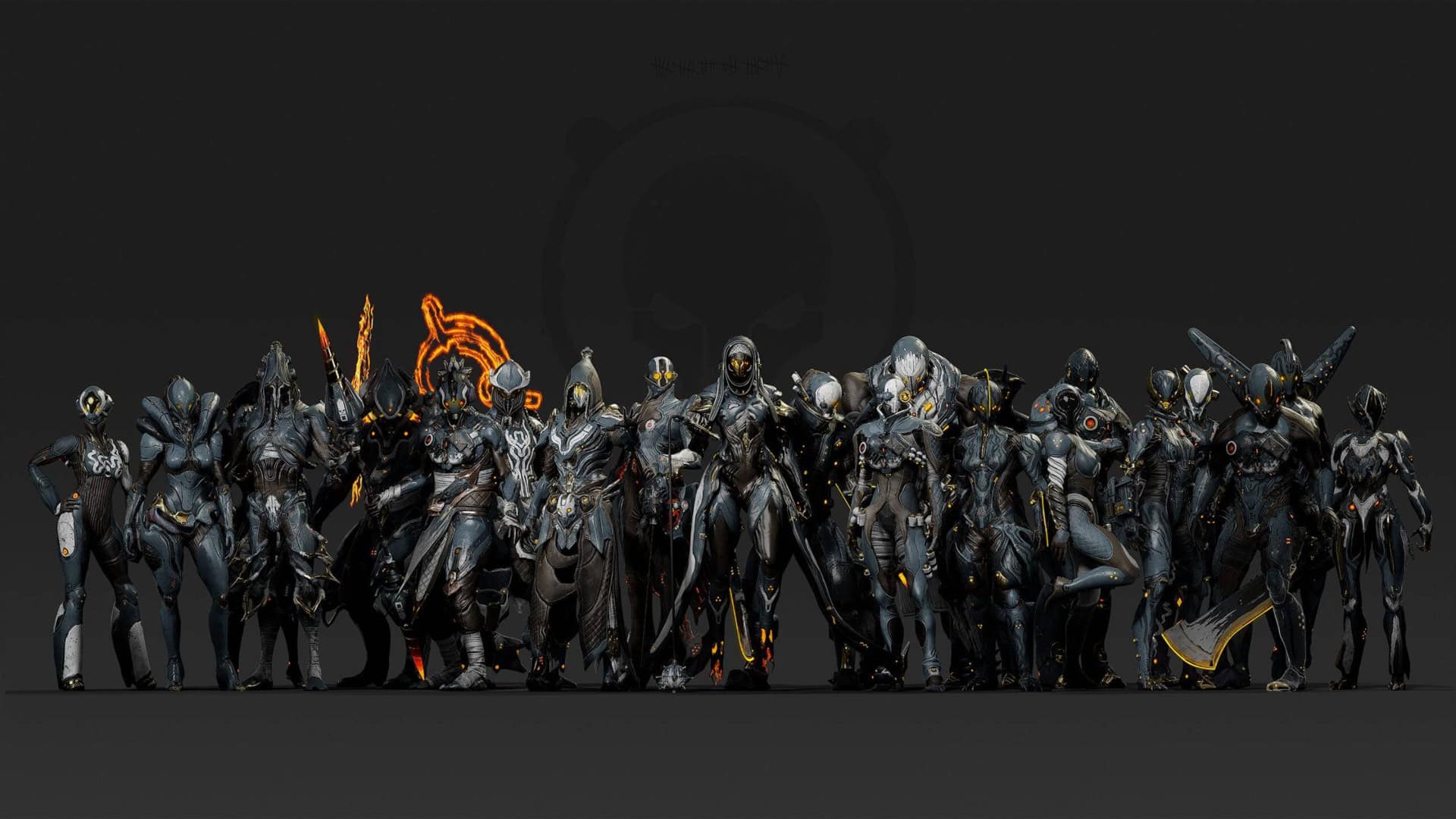
At the start, Warframe’s gameplay was marketed (rightfully so) as “space ninjas.” With swords as melee weapons and fluid parkour movement, it was a fitting description. Now, however, Warframe has become more than that. While the parkour system remains a core part of the experience and is even expanding with features like wall-running, each Warframe brings unique abilities that let you shape the game into whatever you want it to be. Enjoy the classic ninja fantasy? Excalibur enhances that playstyle. Prefer a stealthy approach? Ivara becomes invisible. Want to watch everything burn? Ember has you covered.
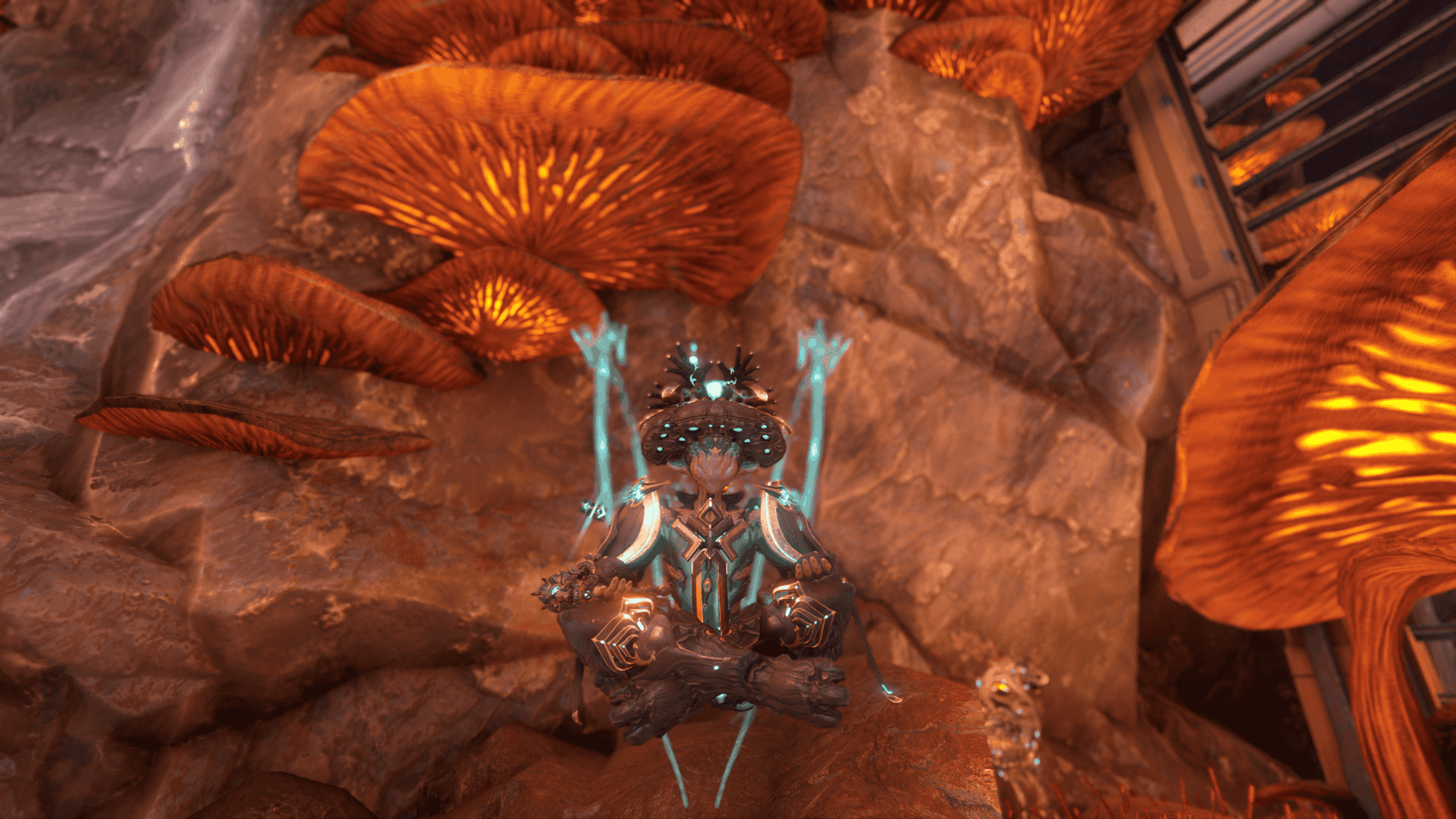
Besides gameplay variety, Warframe also has one of the largest customization systems in any game, so much so that the term “Fashion Frame” was created. You can customize everything on your Warframe, from attachments to colors. You can also customize your ship and even the menu and UI to match your ship’s vibe. If the Warframes are too alien-looking for your taste, the newer Protoframes might be what you’re looking for.
Proto What?
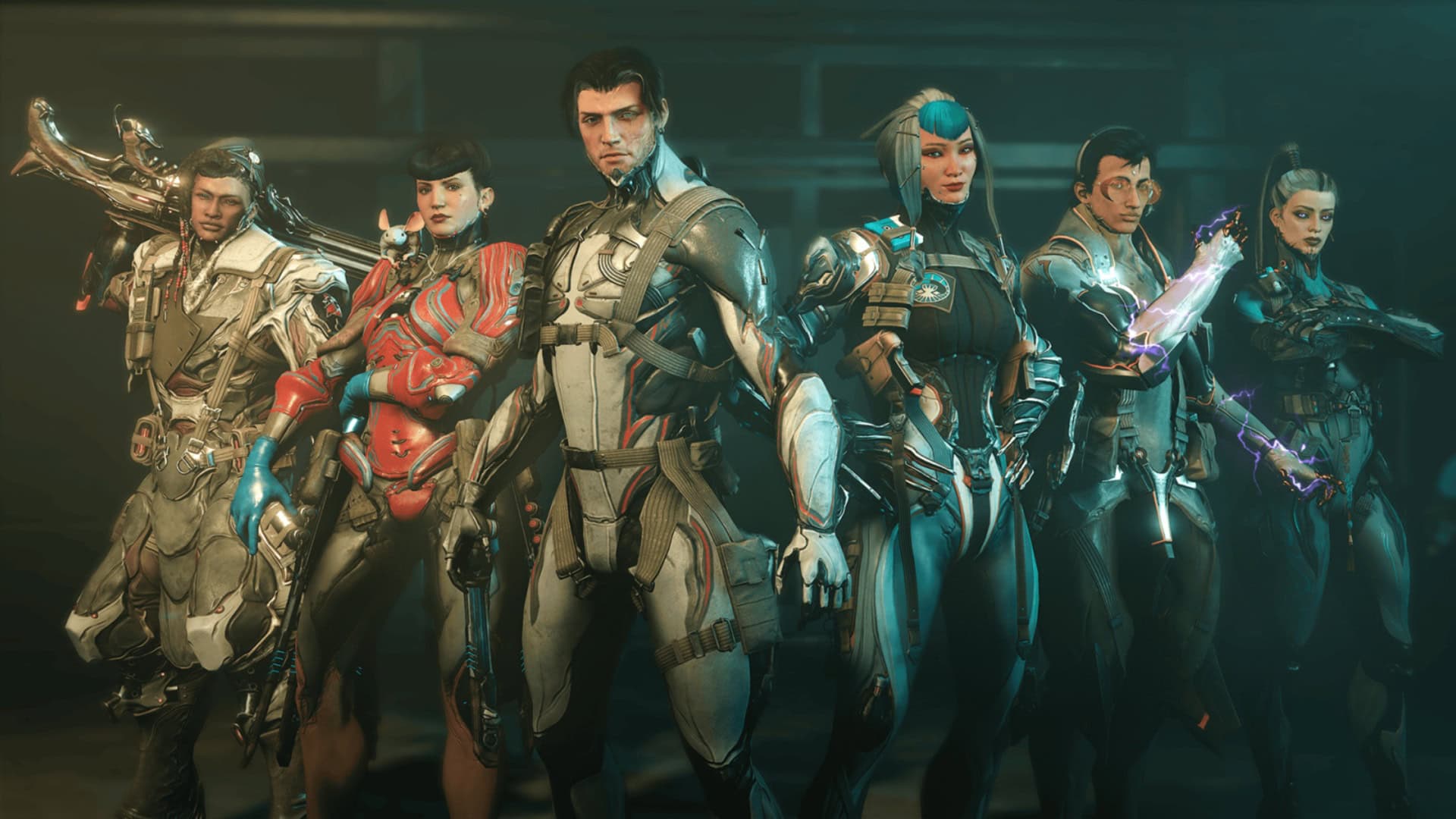
Protoframes were added with the latest 1999-themed expansions and continue with new updates. Not to spoil anything, but they are essentially human skins for the Warframes. Unlike the Warframes, the Proto versions also include voice lines in addition to their human appearances. 1999 is just one example of how expansions keep adding new elements to the game. Space ninjas, ship battles, and open-world exploration, there’s something for every type of player. The new content also brings new charisma and personality that is on par with the best AAA games.
As a Halo fan, I didn’t think I would ever find another game that could capture me the same way Halo did with its lore. But Warframe did, and now I find myself watching YouTube videos about lore and characters every week. It’s the perfect blend of fast-paced sci-fi and space opera. One minute you’re bullet-jumping through a spaceship, the next you’re looking at the beautiful vistas or immersed in its cinematic story. More than its lore, the game takes me back to that Mountain Dew and Nu metal era, especially thanks to the 1999 portion.
Premium Quality, For Free
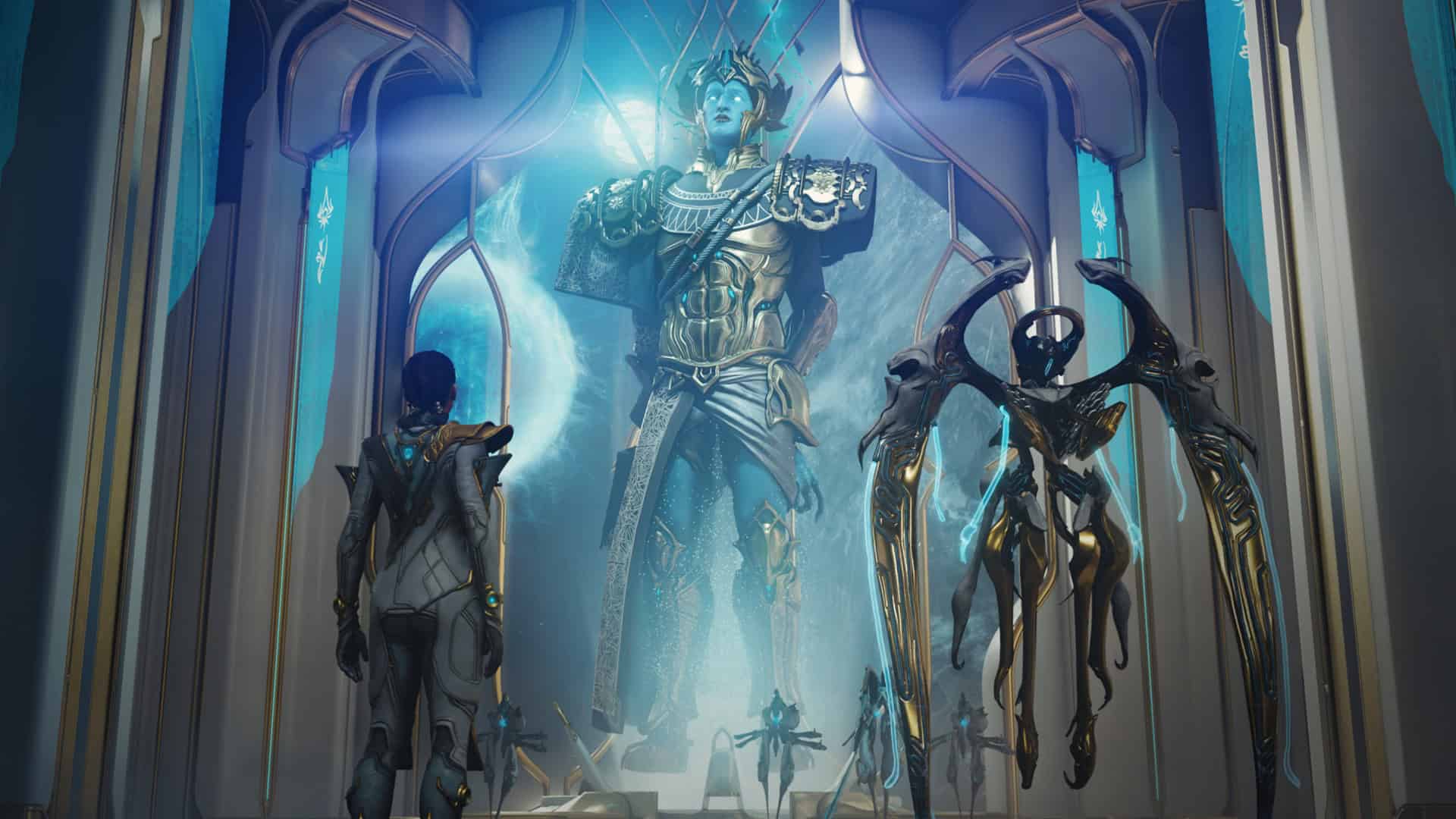
Warframe isn’t perfect; no game really is, but Warframe comes close to the perfect free-to-play experience. What amazes me is how high-quality it is while offering so much for free, while most free-to-play games continue to lock their best content behind a paywall. The main quests keep improving with better writing and bigger cinematics with each expansion. The soundtrack is worthy of being on the top list of gaming music, with a variety of styles ranging from orchestral pieces to sea shanties and heavy metal. The art department continues to create new spins on the sci-fi aesthetic. The design team does its best to keep the gameplay feeling both fresh and balanced, while also building monuments for Tenno who have passed away in real life.
I can’t help but notice how big a bet Digital Extremes takes on its community to keep the game going. But that trust in players is what makes both DE and Warframe such standouts compared to what most companies and their “free” games are doing. If other games disappear or pivot heavily toward satisfying shareholders, I’ll be more than happy just playing Warframe. I want the game to continue succeeding so that it becomes a role model to other companies, and hopefully they start adopting DE’s qualities instead of corporate-driven ones. “We All Lift Together” is more than a song; it’s a motto. In Warframe, everyone contributes to making it the best free-to-play gaming experience.


 ObserverCrew Picks
 bserver
 bserver