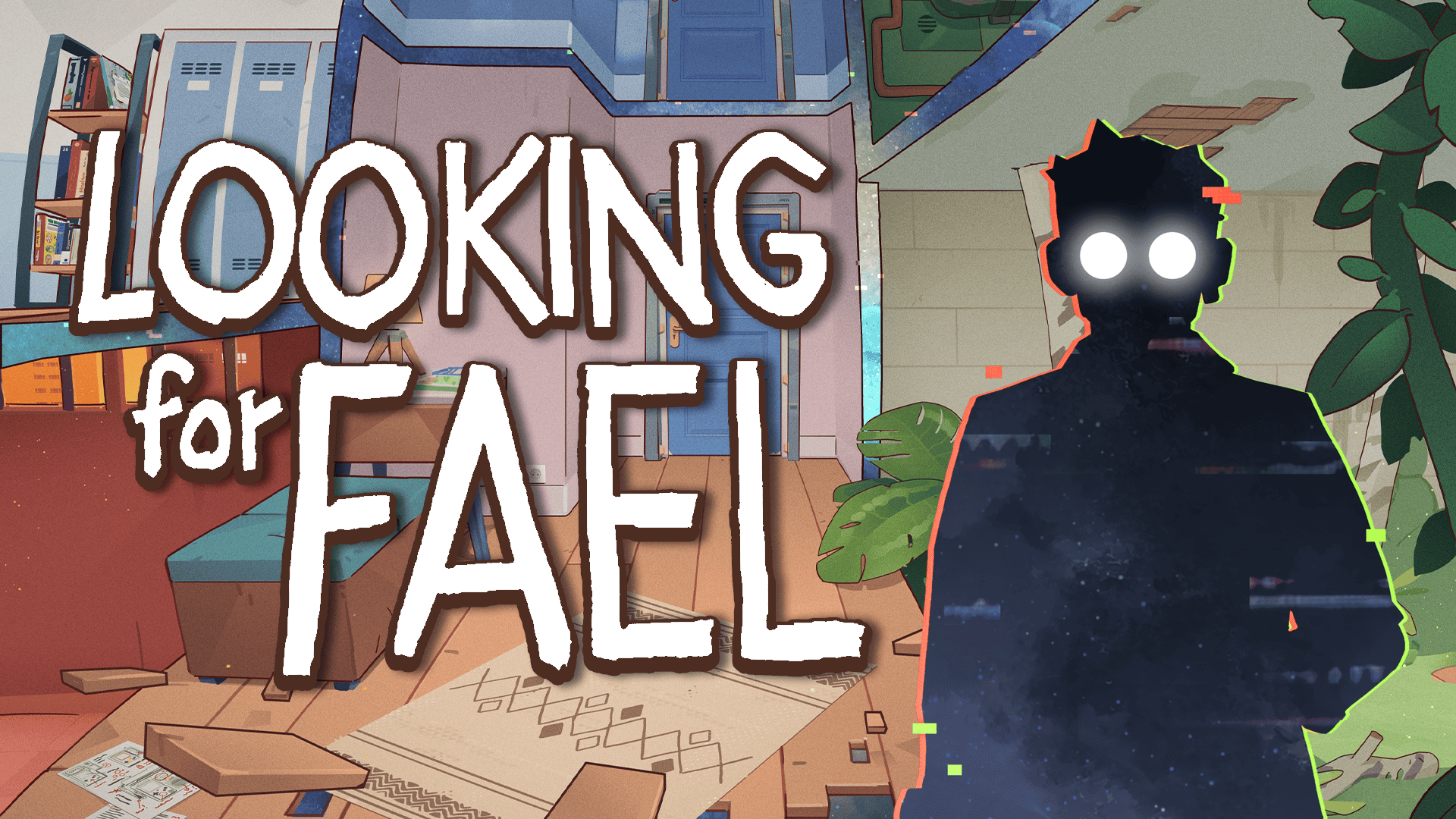
When you receive a strange voicemail from your roommate, Fael, claiming he’s lost in his apartment, you decide to head home and investigate. When you arrive, the apartment is mostly packed up, except for a series of strange devices laid around, connected via cables running across the whole apartment. And Fael is definitely missing, but where has he gone, and what was he up to?
Somehow, Fael has invented a device that opens up doorways to the same apartment in alternate dimensions. Using the Game Leaf, a 90s-style handheld device, we can access each dimension and potentially find where Fael has gone – travelling through various strange apartments that have the same layout as our own, but belong to entirely different worlds.
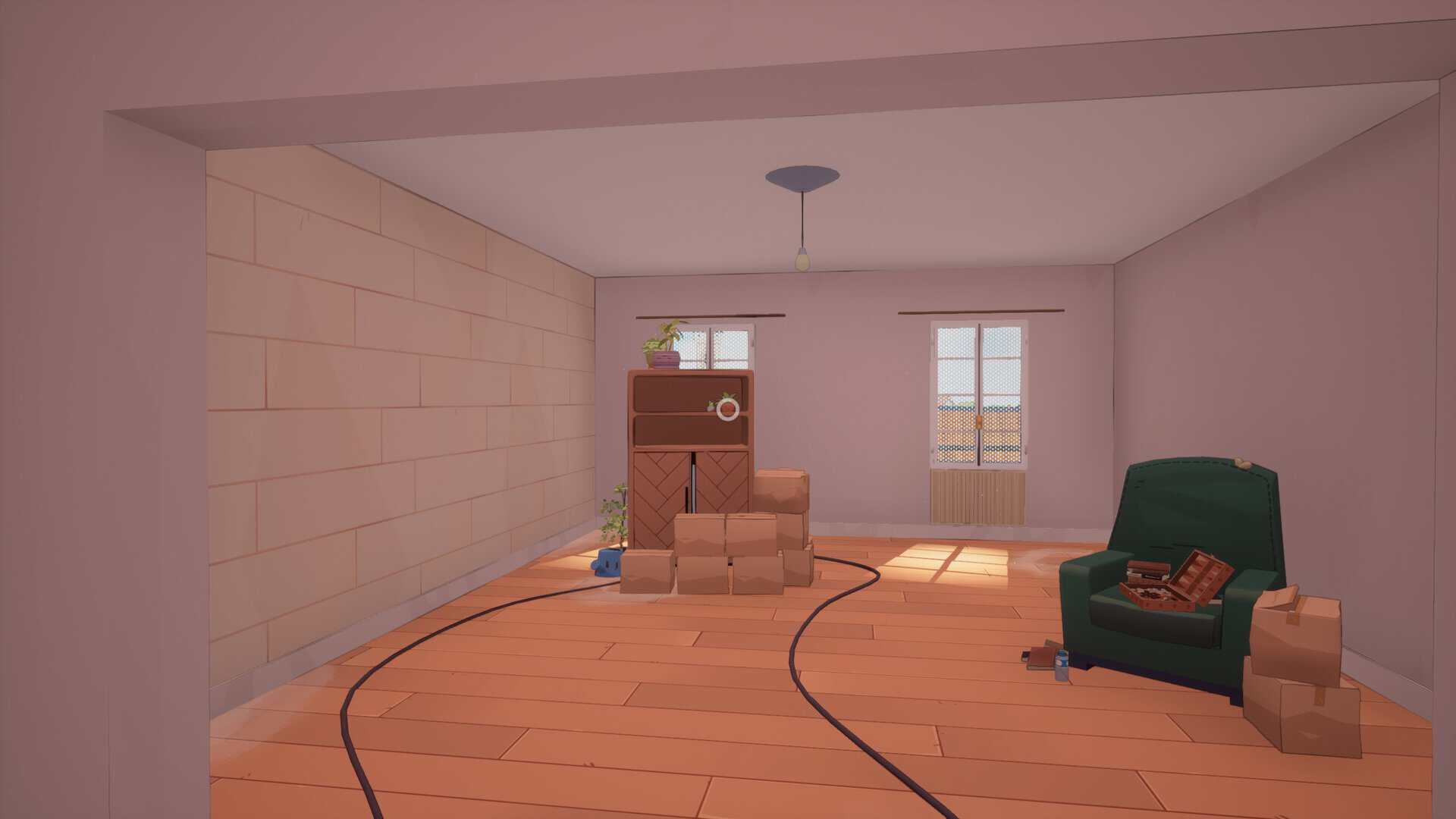
This opens up a unique exploration mechanic in Swing Swing Submarine’s Looking for Fael, a narrative puzzle adventure. By interacting with the keypad on the front door, we can try inputting different shapes to discover new dimensions. From there, we’ll need to find a way to upgrade our Game Leaf so that it can access different levels of Fael’s labyrinth.
This mechanic makes for some neat exploration and puzzle design, especially later on when you can switch the dimension of a specific room rather than the whole apartment, creating a fun, mismatched layout that’s also handy for creating shortcuts for puzzle solving – because some of the puzzles do overlap between dimensions.
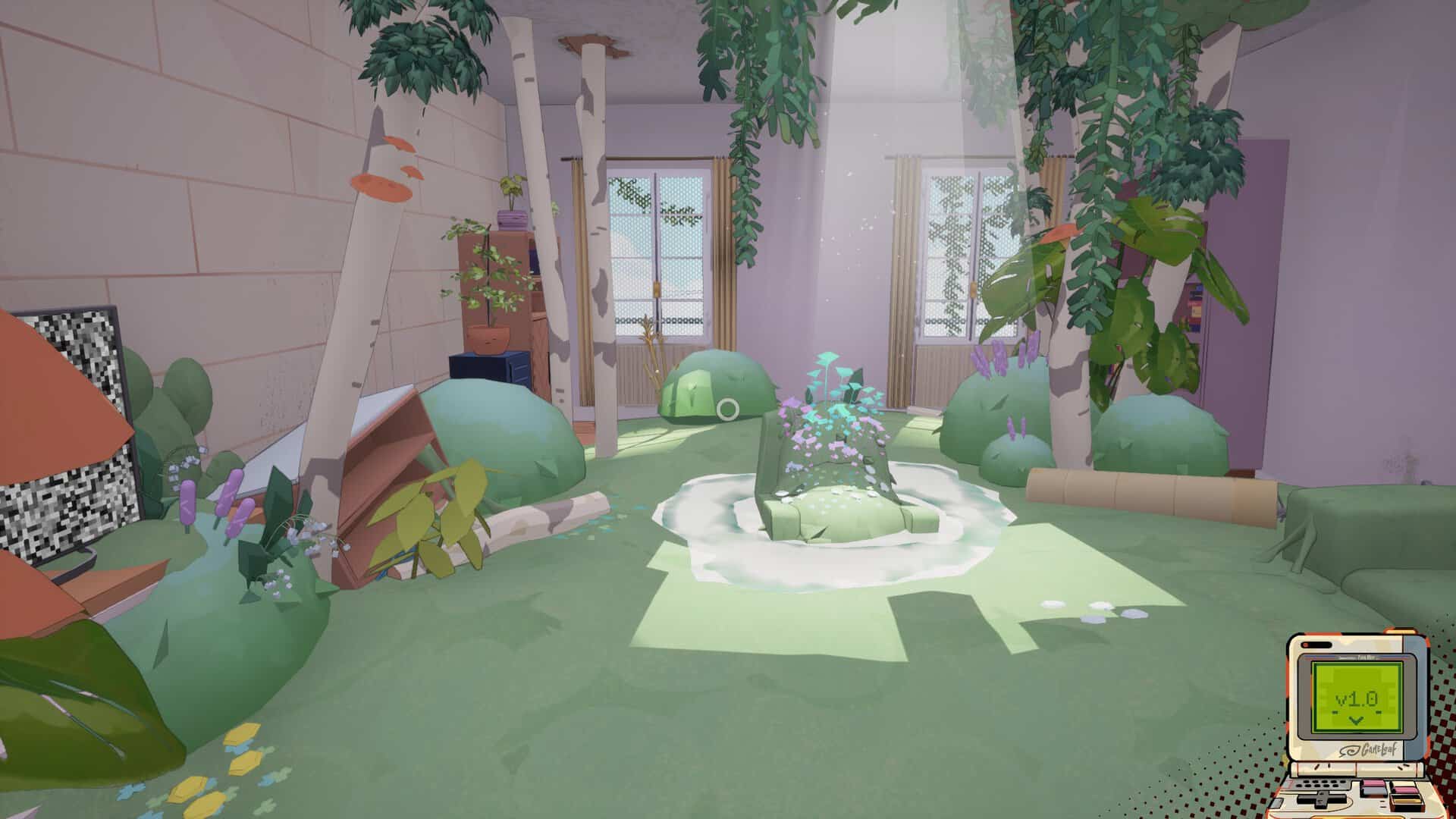
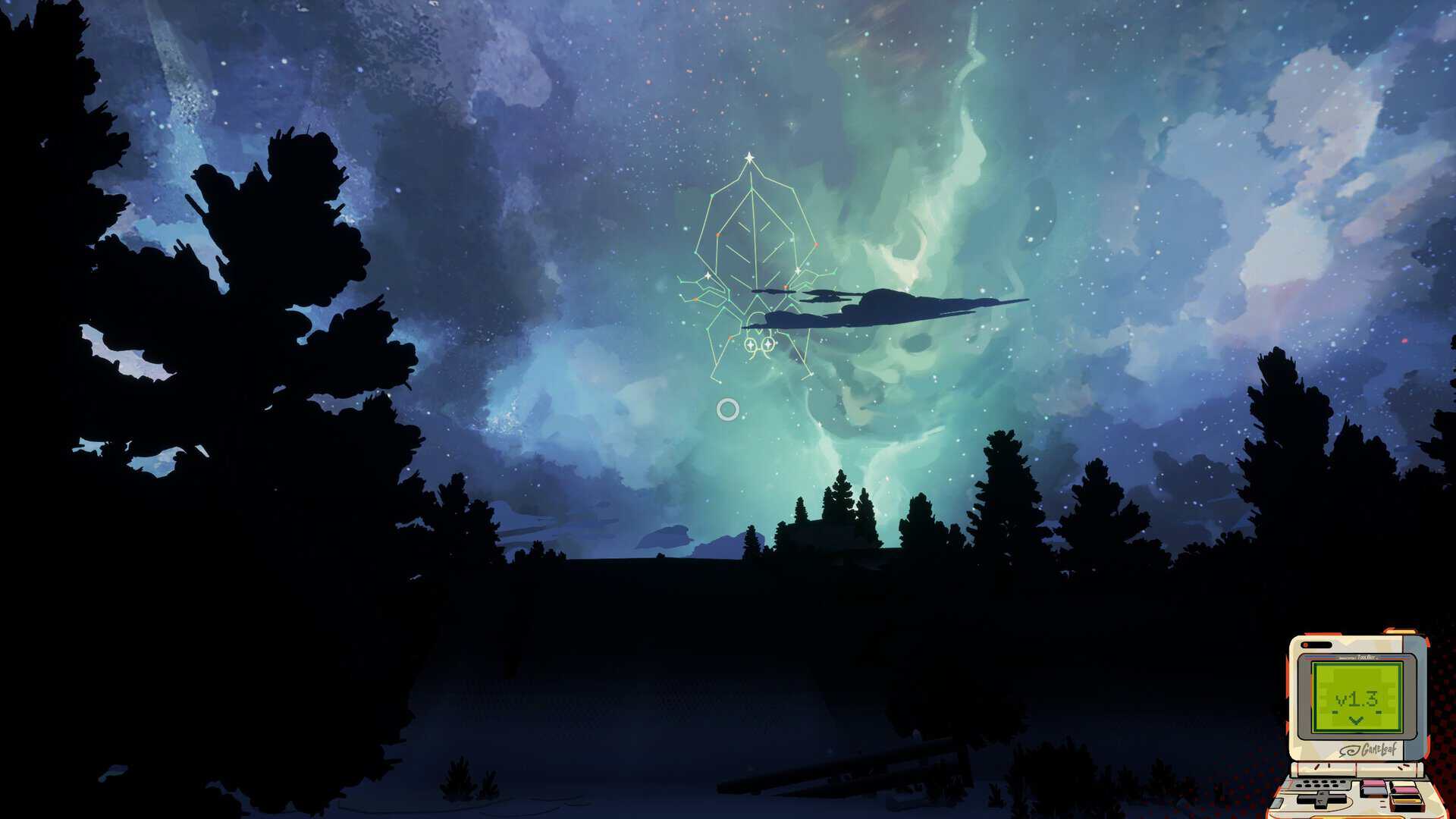
There is very little explanation in Looking for Fael for both what we’re supposed to be doing and why we’re doing it. Because of this, the majority of the gameplay and puzzles run based on observing the environment for any strange symbols or patterns and trying various things out until you find a lead. And a lot of this involves thinking outside of the box, way outside of the box.
I’m not sure if this style of puzzle solving means that the puzzles feel more rewarding when solved, or if the seemingly nonsensical solutions just come off as frustrating when they don’t click even after solving the damn thing. I will say that Looking for Fael is one only for puzzle fans willing to put in the time trying out random solutions and using failure itself as a clue, as even the game’s hint system was widely unhelpful at times. It does occasionally point you in the right direction if you’re already sitting looking at a puzzle, but a lot of the challenge of Looking for Fael is also in finding out where to go next, and in this case the hint system offered very little guidance. I also wasn’t a fan of the hint system coming in the form of a QR code that you need to scan on your phone to access an official guide website; it’s immersion-breaking and there’s no reason why this couldn’t have just been an in-game guide.
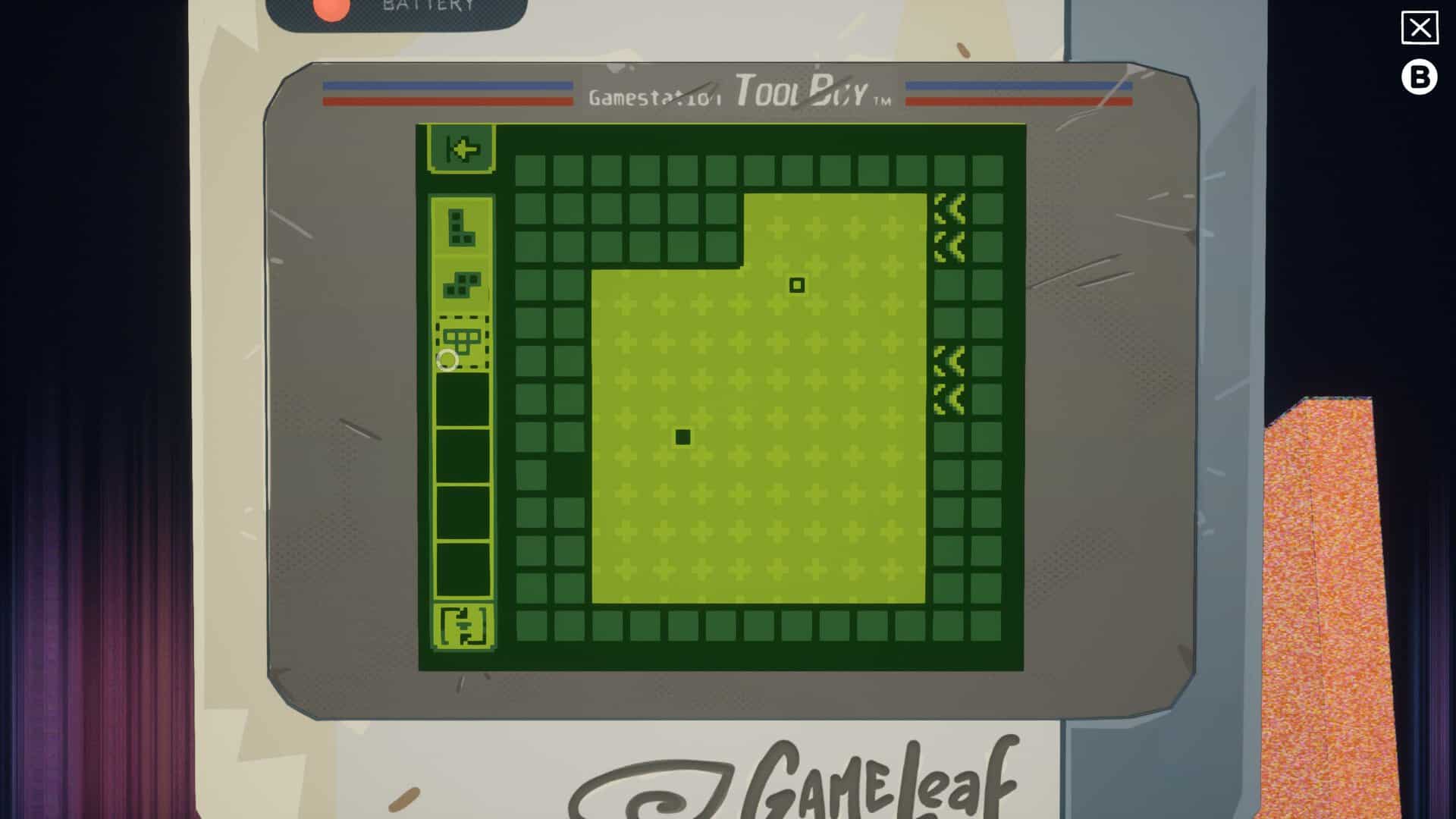
While most of Looking for Fael’s puzzles were very creative and the overall style of the exploration gives it a very unique identity, my main qualm with this game was the minigame that you have to complete in order to level up your Game Leaf and access new areas. This little puzzle minigame is reminiscent of old-school Game Boy games, fit with catchy, Nintendo-style music. There are dots of various shades in the centre of the screen, and you need to send in Tetris blocks of the same shade to cover the dots. However, they can only be sent in via specific directions, will stick to other blocks of the same shade, and can only be rotated, not flipped. This minigame was very fun and cheerful, the first few times.
Did this mean that I wanted to repeat this same minigame another twenty times throughout the game? No. Did this mean I wanted to play this minigame several times in a row, in fact? No. Did this mean I wanted to hear that same, repetitive soundtrack that loops after only a minute or so? NO. I can see why Fael was driven mad by his work, because after my eight-hour playtime, I was driven nearly as mad.
Truthfully, Looking for Fael was either far too complicated for me to comprehend, or was just poorly explained – maybe a bit of both – as I spent the majority of the game not really knowing what was going on, where I was going, or why I was doing the things the game wanted me to do. I don’t know how the majority of the puzzles related to Fael’s goal and what purpose they were supposed to serve, and by the end, I still wasn’t entirely sure what the hell was going on.
My aimless wandering through this plot left little motivation for me to finish it, and this really wasn’t helped by the fact that all the core puzzles in this game just drag on for too long, way after you’ve already worked out how to solve them. There’s often a lot of backtracking, repetition, so much repetition, and trial and error. Because of this, Looking for Fael is a game that I would only recommend to puzzle fans looking for something different.
Jess reviewed Looking for Fael on PC with a provided review code. This review is based on the version of the game that was available at the time of writing, and our score will not be changed.
- Score
- 5/10 It's Fine - Jess cautiously recommends
- Summary
-
Jess says: Looking for Fael is a unique puzzler, but with so much repetition, backtracking and lack of direction, it's a game that I would only recommend to puzzle fans looking for something different.
- More
- GameObserver's Review Policy



 ObserverCrew Picks
 bserver
 bserver