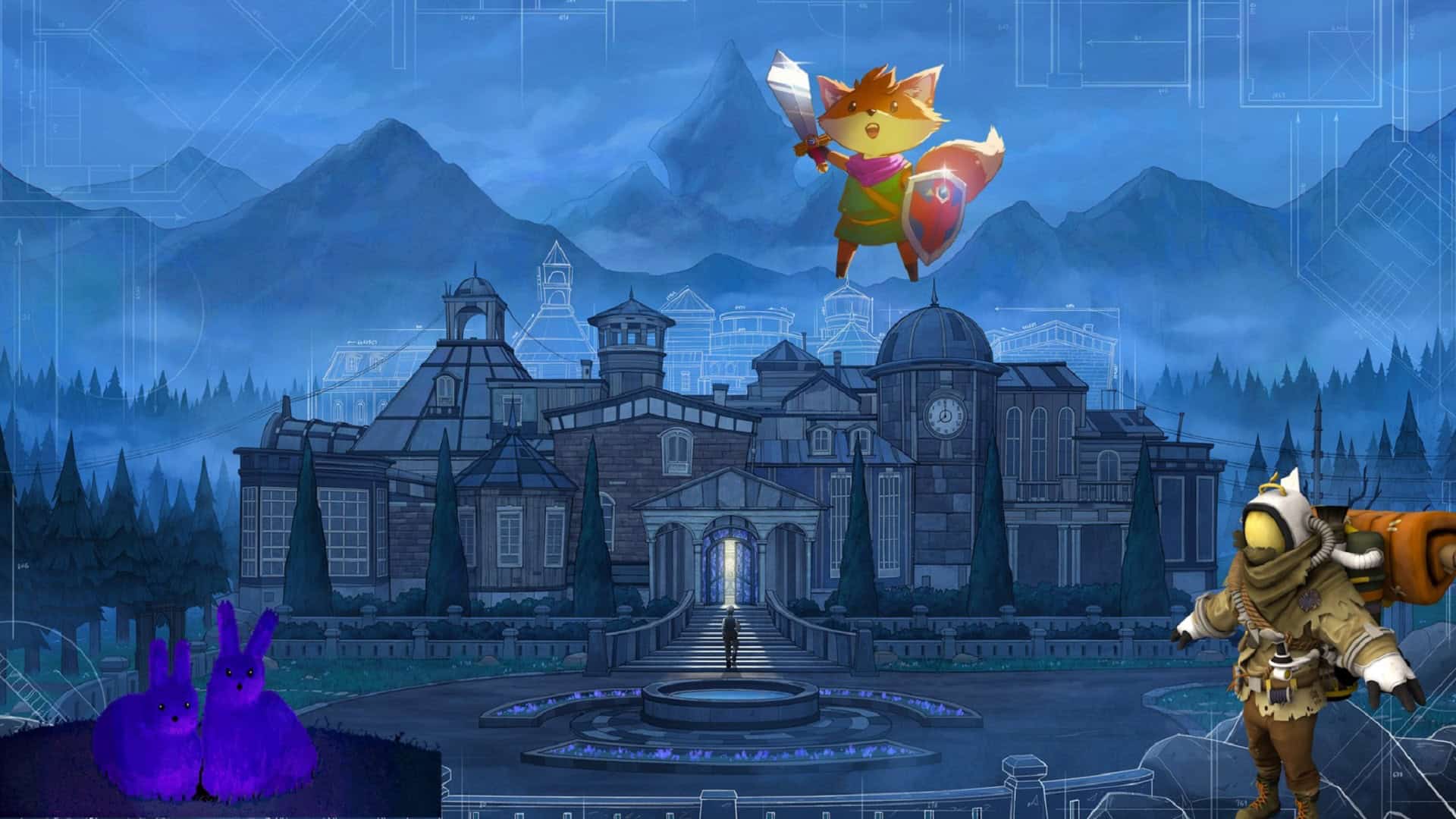
The term “Metroidvania” — combining the names of two beloved series: Metroid and Castlevania — has been an established part of gamer vocabulary for decades. Games in this genre often feature a number of common elements: large, connected maps, non-linear exploration, and the need to acquire key items to progress through the world. The exact origins of the term are unclear, but most agree that it arose not long after the release of 1997’s Castlevania: Symphony of the Night, often seen as the first “true” Metroidvania.
Recently, another piece of new vocabulary has spun off from the concept of the Metroidvania: the cleverly rhyming “Metroidbrainia,” which describes games that contain Metroidvania elements but also focus on knowledge and puzzles (and sometimes mysteries). The exact definition of the term “Metroidbrainia” is far less clear than that of its namesake, and there is some debate within the gaming community about what ultimately constitutes one. It soon became clear, however, that not every knowledge- or puzzle-focused game is truly a “Metroidbrainia,” leading to an ongoing discussion of exactly how to catalog games like this.
Defining A “Metroidbrainia”: What Are The Required Elements?
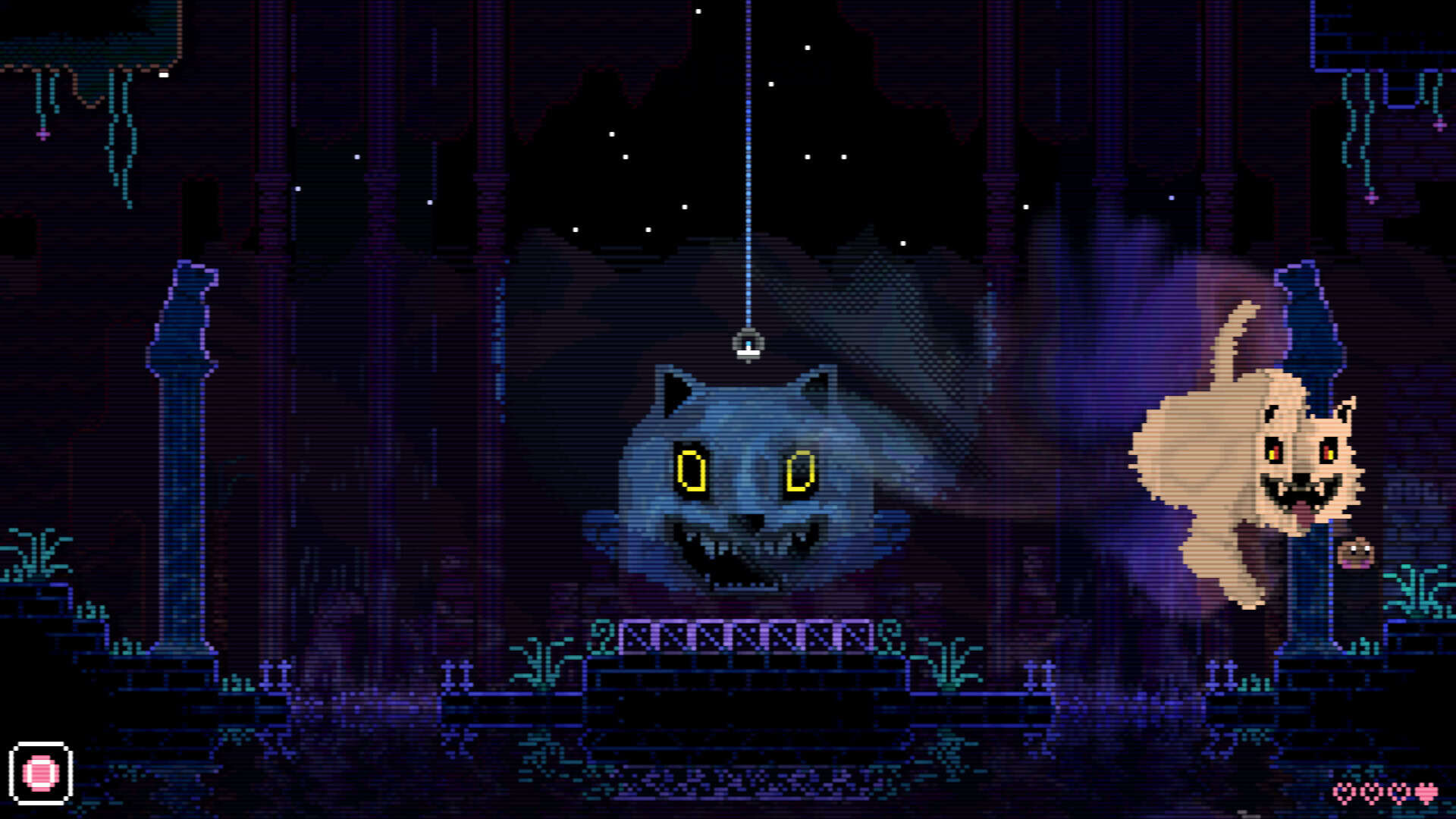
Like its namesake, the exact origins of the term “Metroidbrainia” are unclear. It seems to have first appeared in conversations on forums and gaming journalism sites in the early mid-2010s. An in-depth article by Thinky Games’ Joseph Mansfield, published in 2025, endeavored to more clearly define the term and begin the work of clarifying which recent puzzle/mystery games were Metroidbrainias and which ones were not.
Generally, to fit the term, a game must have some elements of the greater Metroidvania genre, such as the large maps, non-linear exploration, and gated progression mentioned above. These games are typically action-adventure or role-playing games with puzzle elements, rather than pure puzzlers. Mansfield proposed that the hallmark of a Metroidbrainia is this: progression requires the acquisition of knowledge, rather than items. This knowledge ranges from the straightforward (a password, the code to a combination lock) to the complex (how to navigate quantum space in The Outer Wilds, for example).
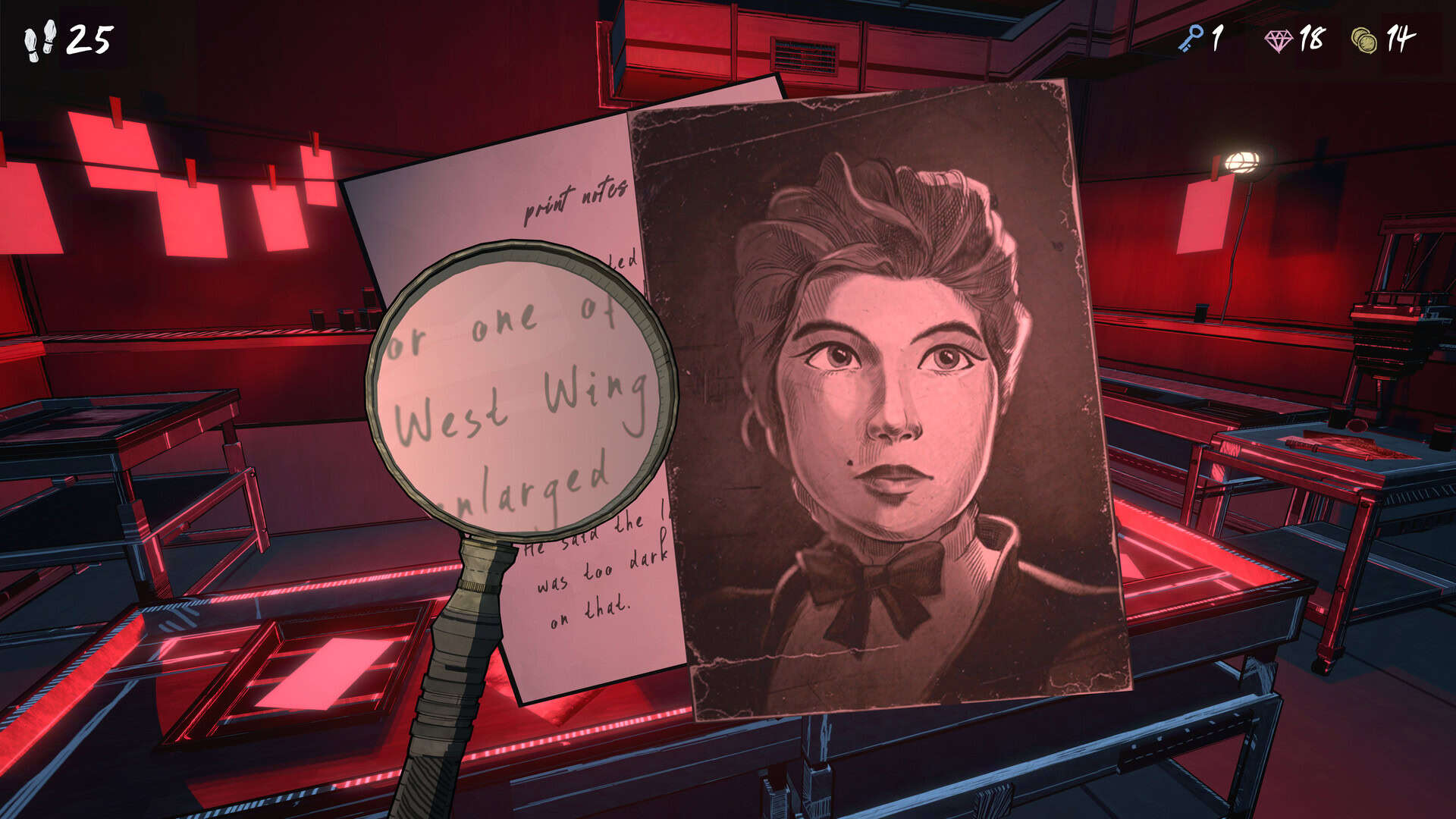
Popular examples of Metroidbrainas include The Witness, Animal Well, the aforementioned Outer Wilds, and Blue Prince (although, of note, there has been some debate about whether Blue Prince fits into the genre due to it featuring a house with a changing layout rather than a static map.) It is an up-and-coming genre, with more and more releasing every year. 2026 is a good year for Metroidbrainias, featuring titles such as EMUUROM, Chroma Zero, Nonolith, and more.
In Other Words: “Obra-Ditto” “Idol-Like” And More

As more and more games in this genre are released and it becomes increasingly clear what a Metroidbrainia is, another topic of discussion naturally arises: what it is not. The discussion seems to have begun with Return of the Obra Dinn – many within the community consider it a Metroidbrainia, but, in his iconic article, Joseph Mansfield notably found it not to be one, due to its greater focus on clearing set objectives rather than exploration.
But, Metroidbrainia or not, Return of the Obra Dinn, which challenges players to identify the mysteriously deceased crew members of a ship as well as their causes of death, has become a pillar of the puzzle/mystery genre and spawned many imitators. Its popularity and status led to the coining of the term “Obra Dinn-like,” sometimes humorously rendered as “Obra-Ditto,” used to describe a game that centers around deductions and identification. (The term “Obra-Ditto” can likely be credited to the site Something Awful, of which I am not a member but I find to be an excellent source of mystery game recommendations.)
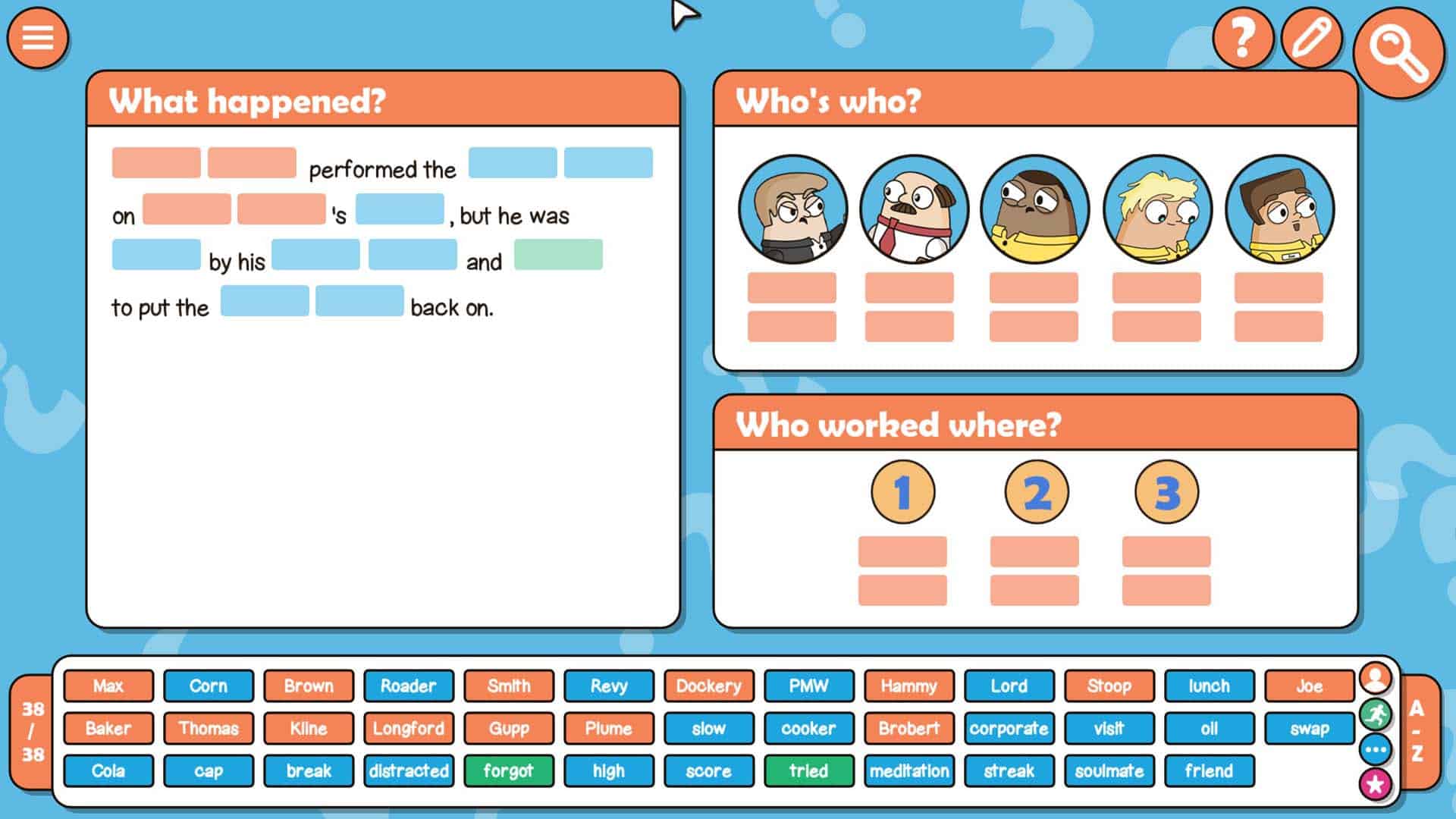
Some argue, however, that the formula being used in most deduction-based games is not that of Obra Dinn but rather the Golden Idol games (Case of the Golden Idol and Rise of the Golden Idol). They point out that titles like Little Problems, Murder at the Birch Tree Theater, and the Duck Detective games use Golden Idol’s distinctive deduction screen, featuring full sentences or paragraphs with blanks into which players must insert words they learn by investigating a scene or set of scenes. This has led to the rise (pun fully intended) of the term “Idol-like,” which, like the similar “Soulslike,” covers any game that draws direct inspiration from Golden Idol.
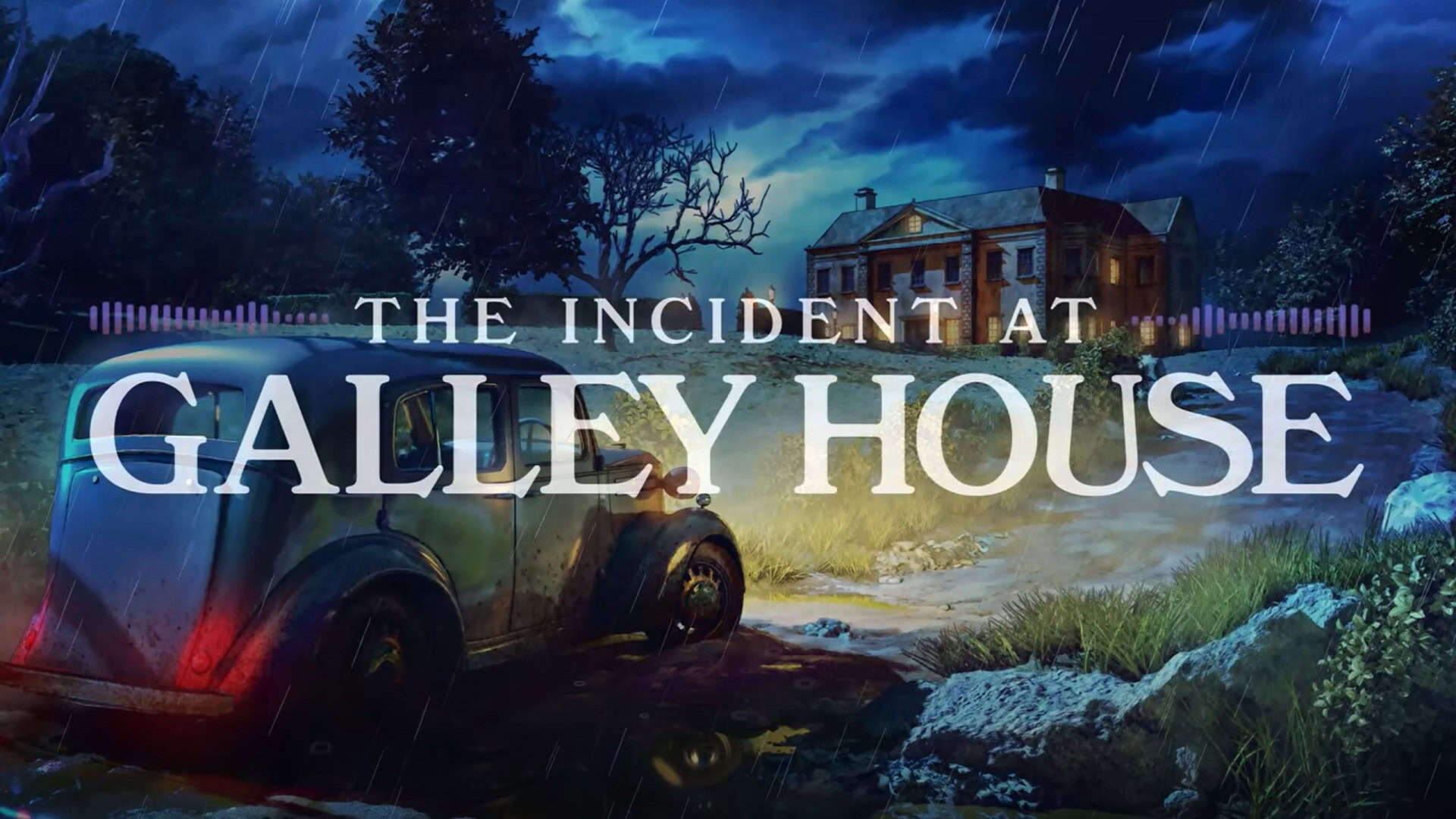
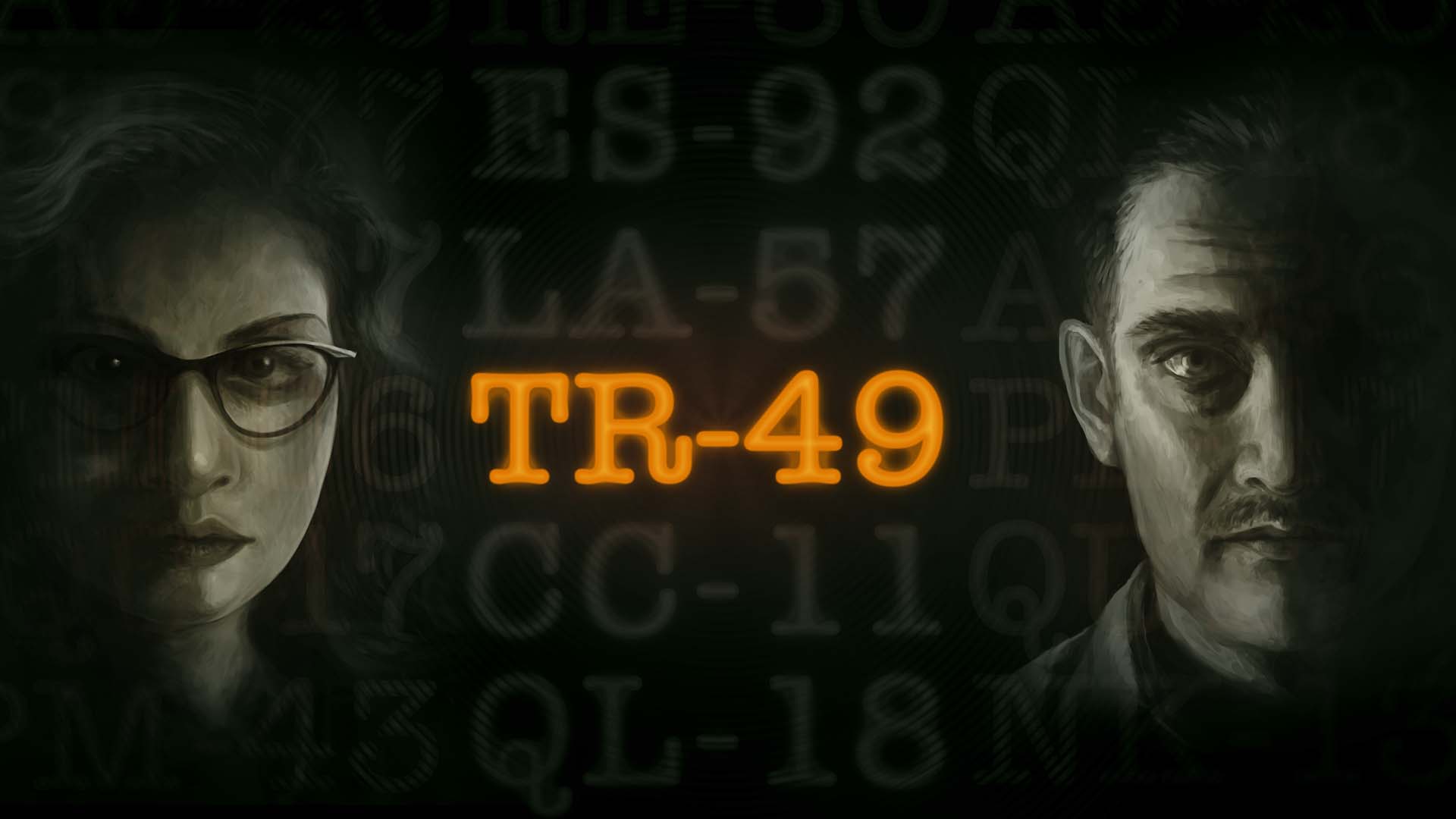
Recently, a further subcategory has begun to appear: games in which the player is tasked with examining an archive of files, whether books or audio or otherwise, identifying key details about them, and using that to solve a greater mystery. This sub-genre gained popularity following the release of Type Help, a free mystery/horror title on itch.io that is currently being remade as The Incident at Galley House. Games in this category include What Happened to the Crew?, The Red Pearls of Borneo and its upcoming sequel Green Mist Over Portland, and TR-49. These are currently referred to simply as “Type Help-likes,” but, as the genre grows, perhaps a new term will be needed.
Are They All Just “Thinky Games?”

But even with all of these terms – Metroidbrainia, Idol-like, Type Help-like, mystery visual novels such as Ace Attorney and of the Devil – there are still games in the genre that defy categorization. Where would you put The Roottrees are Dead, which involves searching a mid-90s-inspired Internet to fill out an extensive family tree? What about The Séance of Blake Manor, which pairs Metroidbrainia-like exploration of a large manor with the formulation of Golden Idol-style hypotheses using deductive reasoning? And that’s not even getting into the bizarre, genre-defying Disco Elysium and the many games that have attempted to follow in its footsteps to varying degrees of success.
Is attempting to categorize these games a losing battle? Does the team at the excellent ThinkyGames.com have it right – are all of these disparate games under the broader umbrella of “thinky,” meaning any game that challenges you to use your brain, whether to solve puzzles, identify whodunnit, or fill out a map? Personally, I feel it’s a little of both. I love the broader category of “thinky games,” but I also love figuring out all of the exciting new sub-categories that are emerging and debating with my fellow fans what’s a Metroidbrainia vs. an Idol-like vs. something else entirely. I hope that more and more games in these genres and sub-genres will continue to be released, and we fans will continue to develop more words to describe them.



 ObserverCrew Picks
 bserver
 bserver