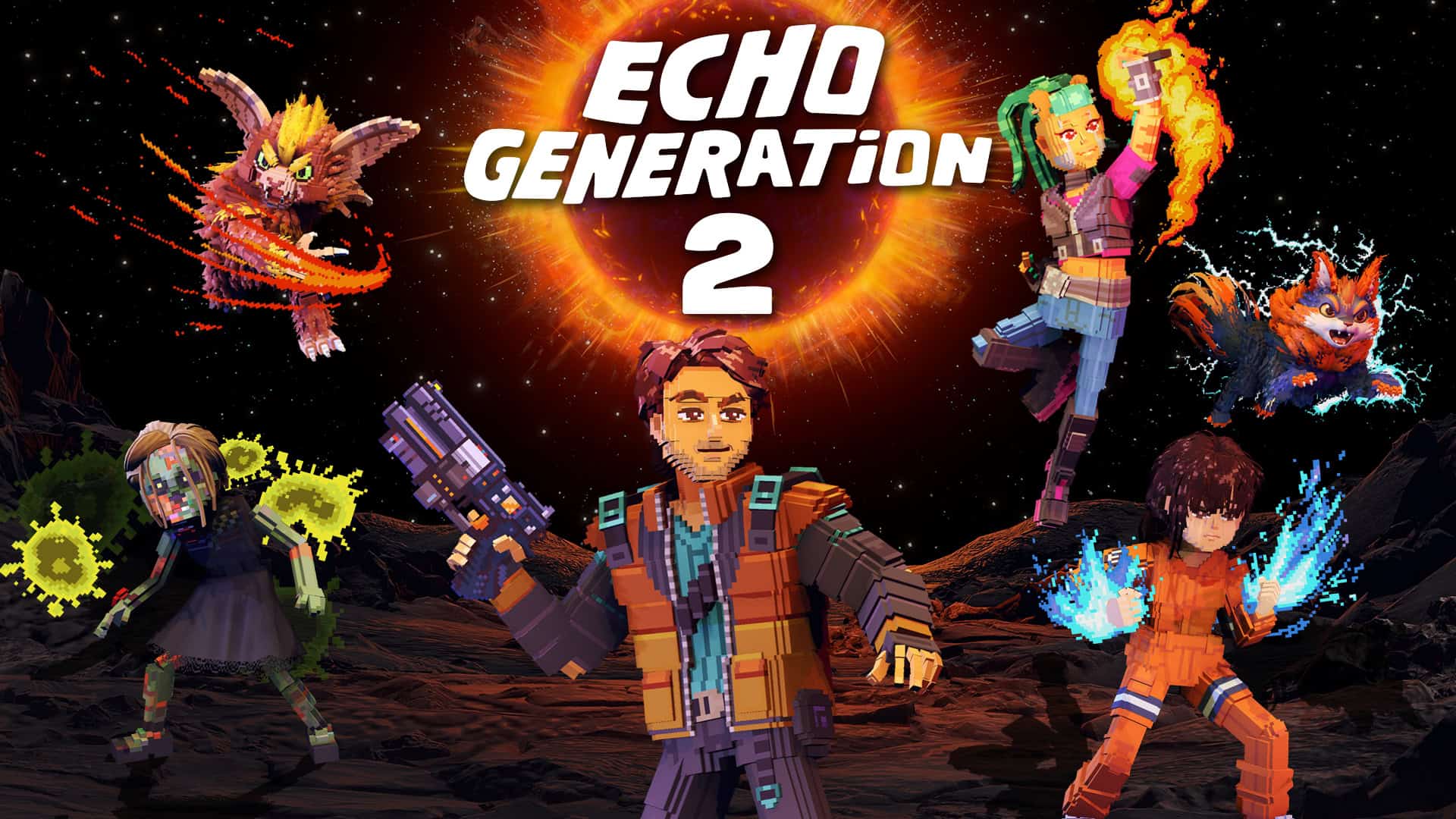
Though an occasional flavor of the month, the humble voxel has never seen the same kind of appreciation as its 2D brethren, the pixel. “The pixel art is amazing in this one!” Have you ever heard of someone gushing about “voxel art?” Well, you will here! I played Echo Generation back in 2024 for its Midnight Edition remaster, and I came away with the conclusion that it was the best-looking voxel art game out there, and a solid turn-based RPG with action commands to boot. With Echo Generation 2, the divide between the quality of the art and the quality of the RPG parts widens. Significantly.
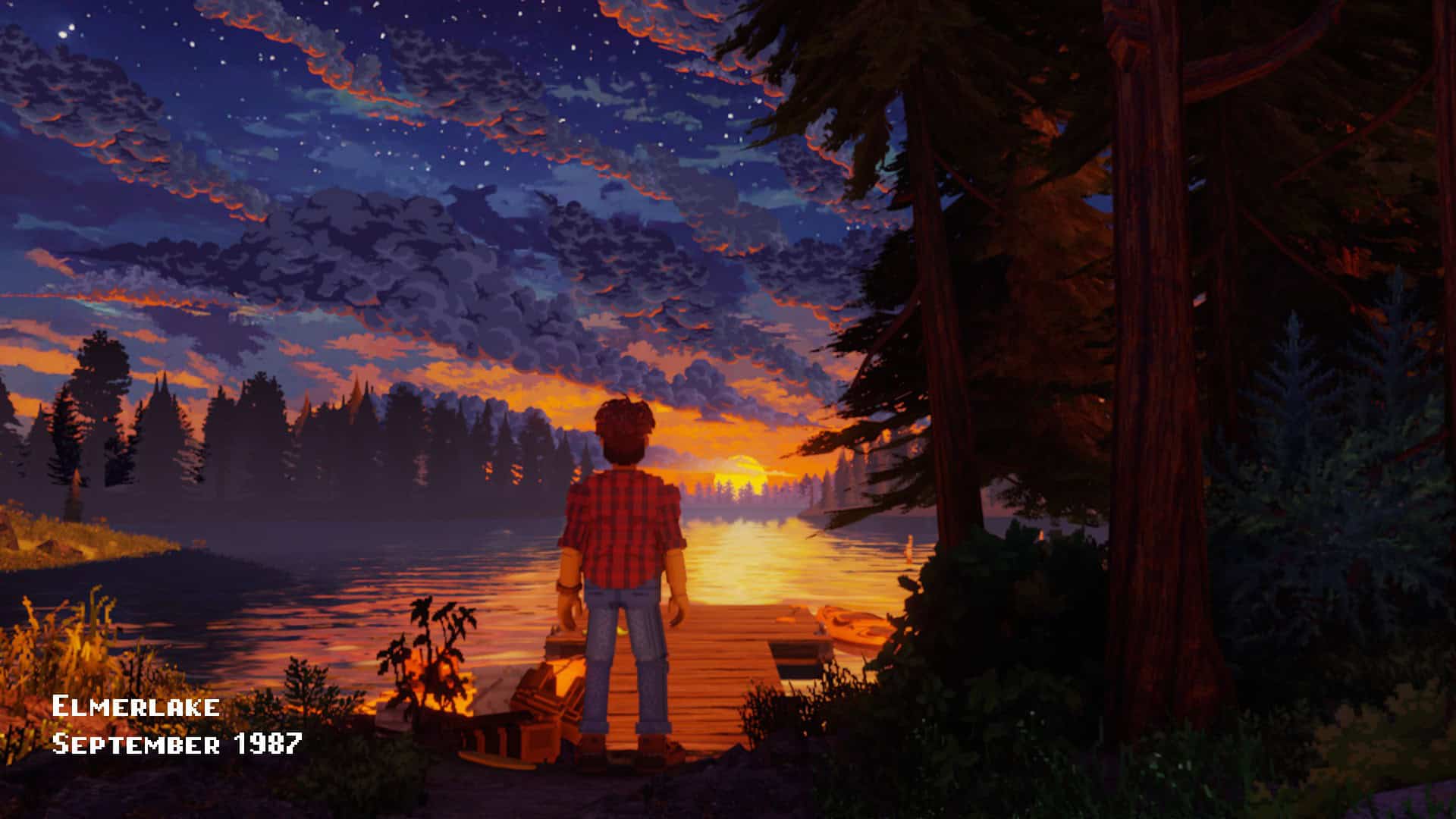
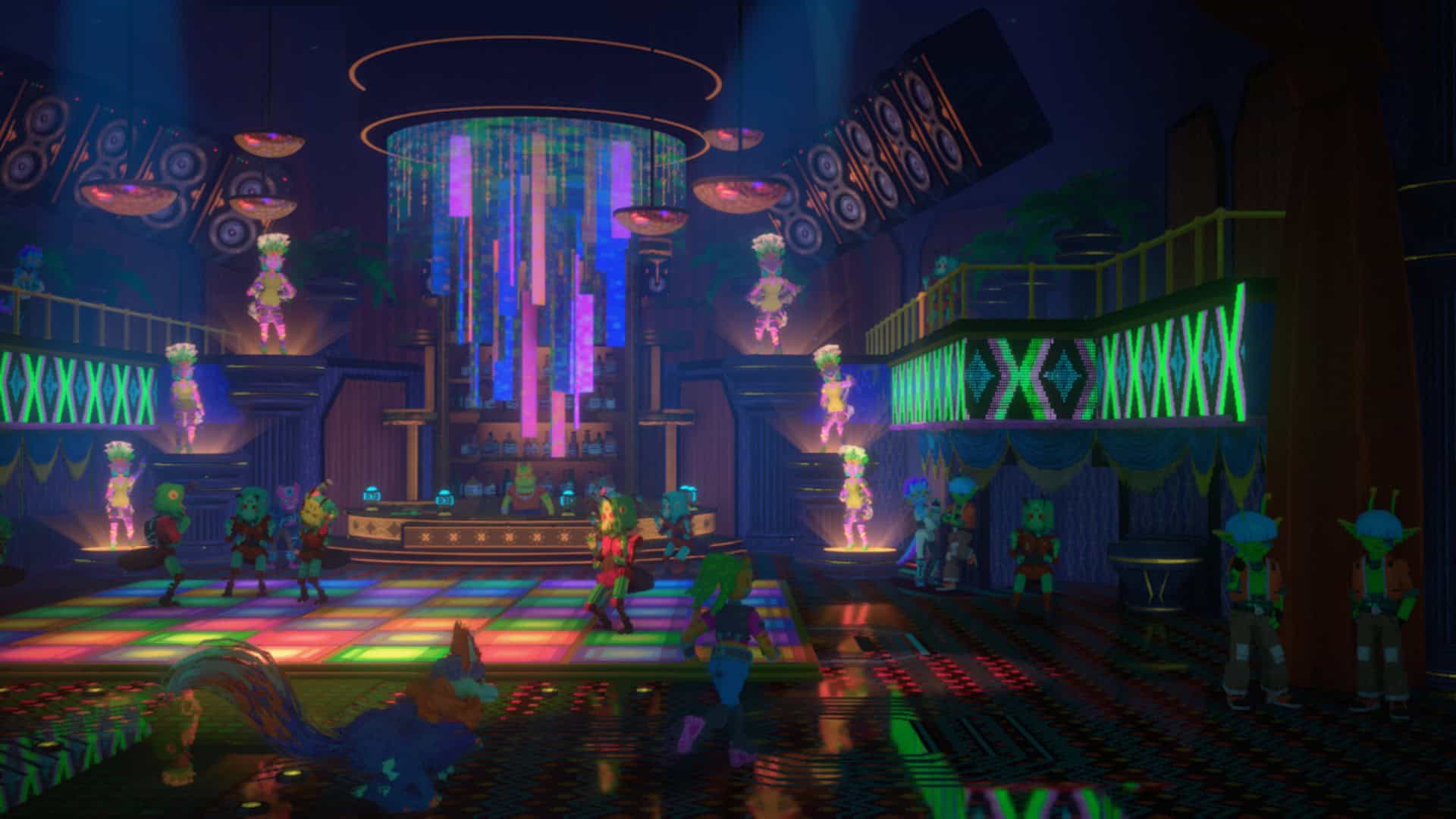
Echo Generation 2 takes the throne of its predecessor, though not without small stumbles. The indoor locations of this multiverse adventure are often pretty drab in comparison to the suburban vibes of the smaller-scale, though no less crazy original. Whenever we get to huge, open areas or into combat screens, Echo Generation decides to flex its mastery of lighting with constant, wallpaper-worthy shots and awe-inspiring zoom-outs. There’s some really great quiet visual storytelling on display here from time to time, but it does not make up for what is an otherwise uninspired, boring, wordy mess.
It’s not that I ever particularly loved the writing in Echo Generation, but it was mostly quick and witty, the sort of thing I’d expect out of these kinds of small, exploration-heavy RPGs. When I played it, I thought back to the likes of the Mario RPG line or Mother in terms of structure—open areas, mini-hubs, exploration zones with combat encounters, short and silly conversations, a few puzzles, timed button presses during combat.
Echo Generation 2 goes for a confined chapter structure, with a little continuity for the character Jack—the father of the two protagonists from the first game—and a finale that brings all the characters together for a final fight. These chapters explore the individual oddities that plagued the town in the first game, which makes the premise of this prequel feel like a sort of legacy project that tries to go too deep into things that never needed such scrutiny. It also does not have the chops to justify its numerous character introductions and exposition.
The writing is just void of any charisma. It’s too long, with almost every sentence being delivered in a separate, big textbox that never gets even halfway filled, but it sure makes a sound on each popup. Every character suffers the same symptoms of making every sentence either a quip, an epic line, or unnatural exposition. It also feels like characters are in a constant competition on who gets to say the last line during dialogue. There’s always at least two textboxes too many, somehow even in interactions with objects that only have two textboxes.
Despite them being an incredibly simple bunch, it felt like at least half of their lines were repeats. A typical conversation in Echo Generation 2 goes on forever. One character says “I want to get back to my family.” The other responds: “Family, yes, family is good. I, too, want family.” The first one quips, “You can say that again, little guy. Let’s go.” And just to add to the textbox count, the other delivers another line like “Yes, let’s go.” Alternatively, a character may just start going on a rant about their entire backstory out of nowhere. This is often spread over even more lines, and is never even slightly interesting. Everything’s straightforward past the character’s basic mannerisms. It is seriously rough.
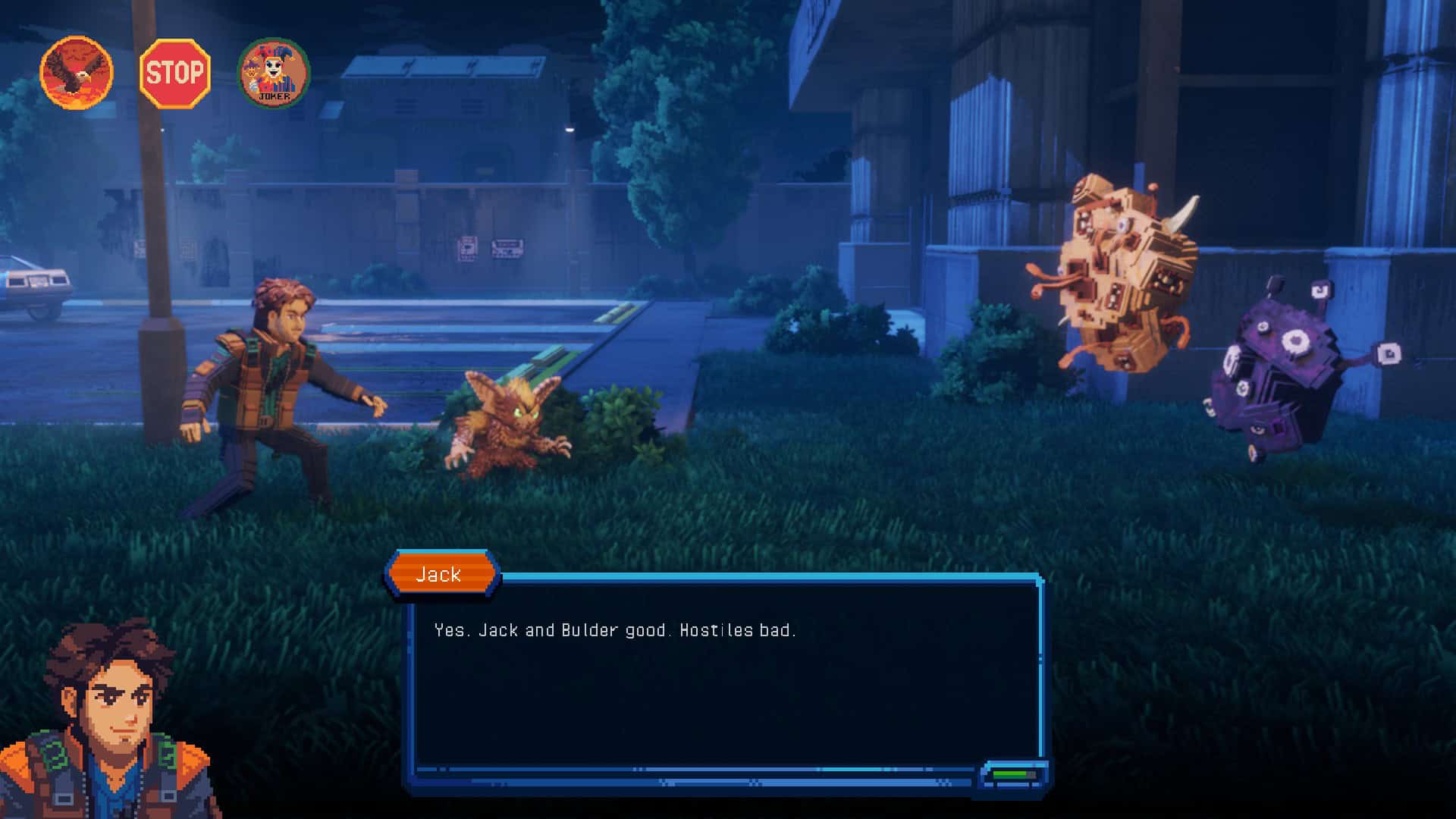
This is a much bigger, grander epic of a story than its predecessor, yet somehow it feels far simpler and watered down. Space gods are messing with the fabric of time, and yet the straightforward story of the original—where two kids tried to find out what happened to their neighborhood and their father as they encountered increasingly wackier horror scenarios—felt so much more important.
There’s even a brilliant, though initially off-putting, callback to the adventures of the original duo in the first unlockable chapter that brings back those memories in a very natural, exciting way during combat. Combined with all those amazing visuals I mentioned, the one thing on my mind throughout the entirety of Echo Generation 2 is: why even have this much dialogue? Clearly, Cococucumber excels at their style of visuals and animations, so why not use that as the backbone for the story as well?
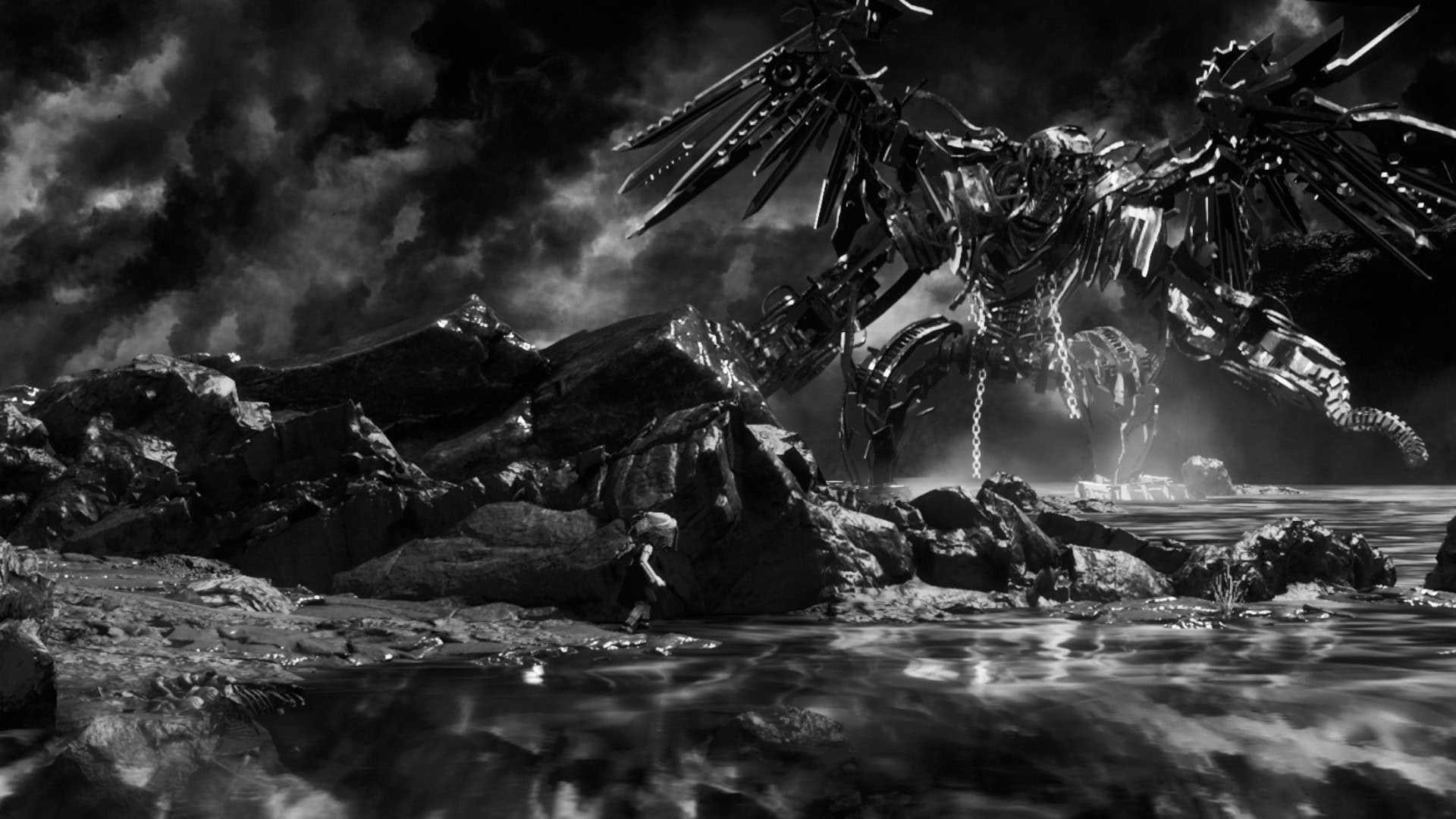
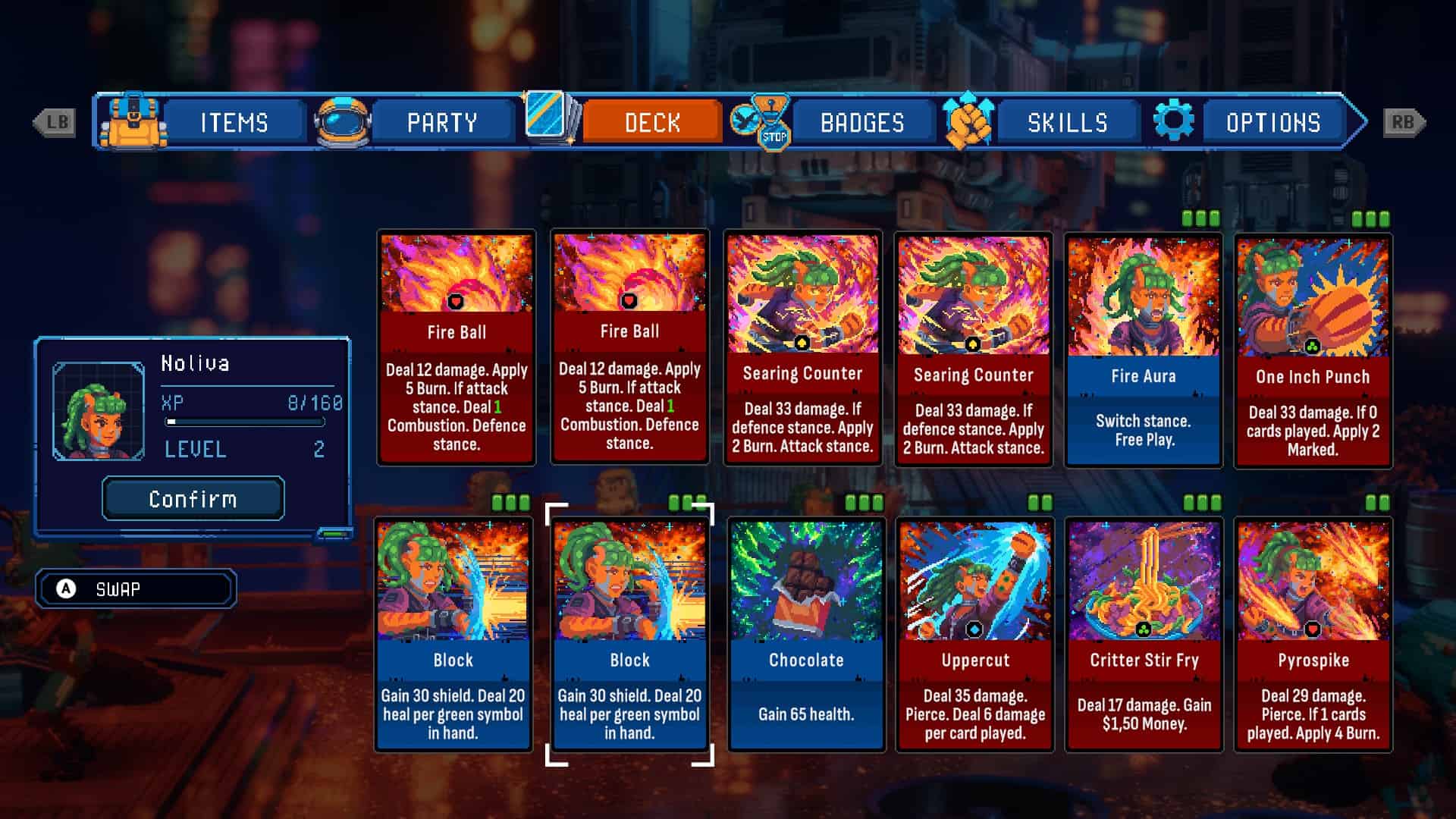
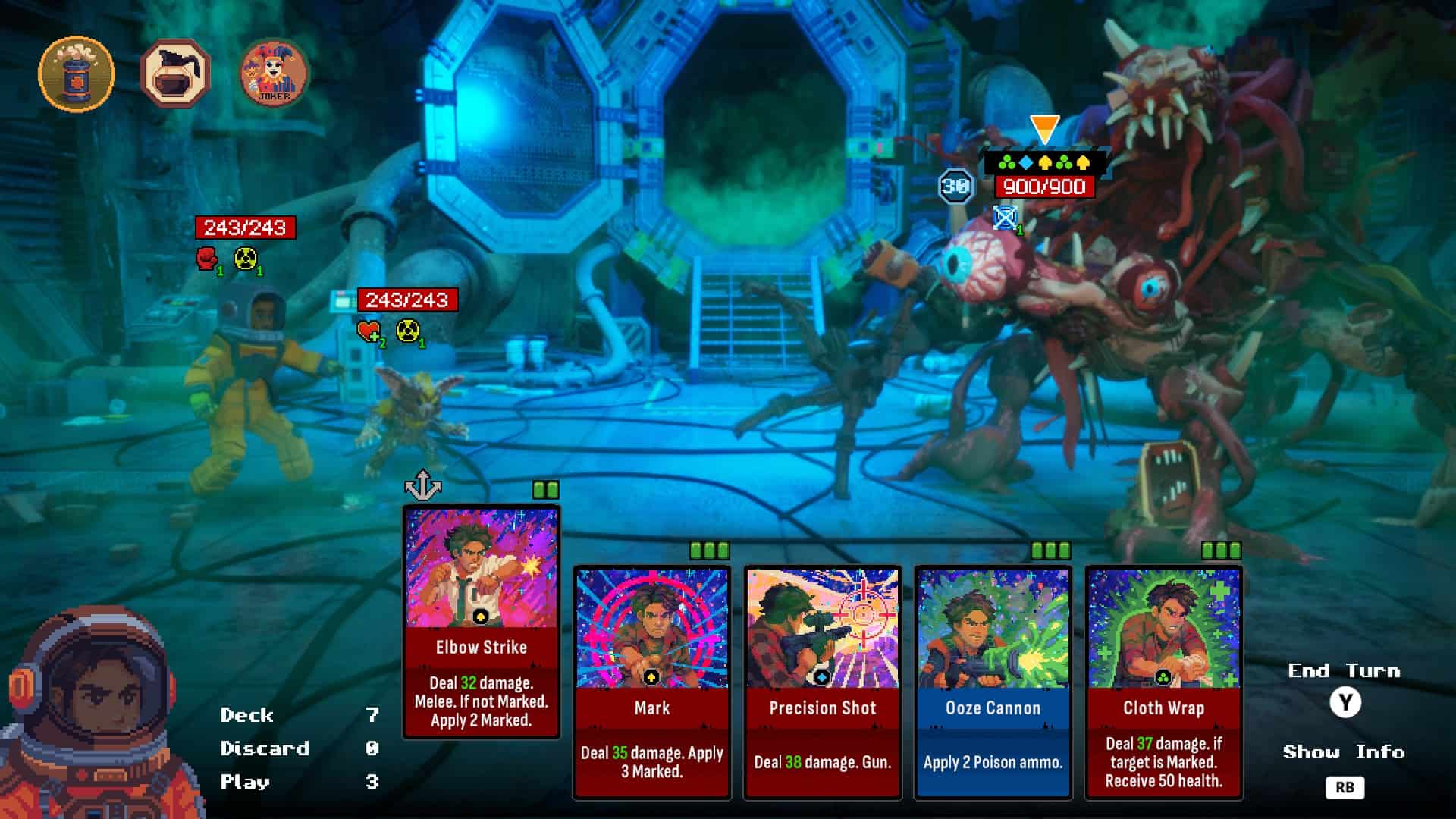
Though that one moment was a highlight for me, the card-based combat as a whole is another lowlight. Like the writing, it is painfully simple, and no amount of status effects can change that. Most of them are a form of ticking damage that do not impact the final result too much. The amount of damage, even with other card interactions, is just negligible compared to any attack card you can use. Throughout a fight, you may deal, say, an extra 35 damage thanks to burn stacks and Combustion, which powers up with them, on one of the cards. That’s half a card’s worth of damage, which, after leveling up, you can play up to four of on any one turn.
The only statuses that feel impactful are stun, poison, and blind. Stun, obviously, makes it so the enemy doesn’t get a turn. Not like they necessarily could do much with it, considering they get one attack and you get between two and four actions to make up for any damage they would have dealt. Poison actually deals solid damage, up to over a hundred per turn. Blind makes it so there’s a chance the enemy won’t deal damage, making it so you won’t need to waste a card on a heal.
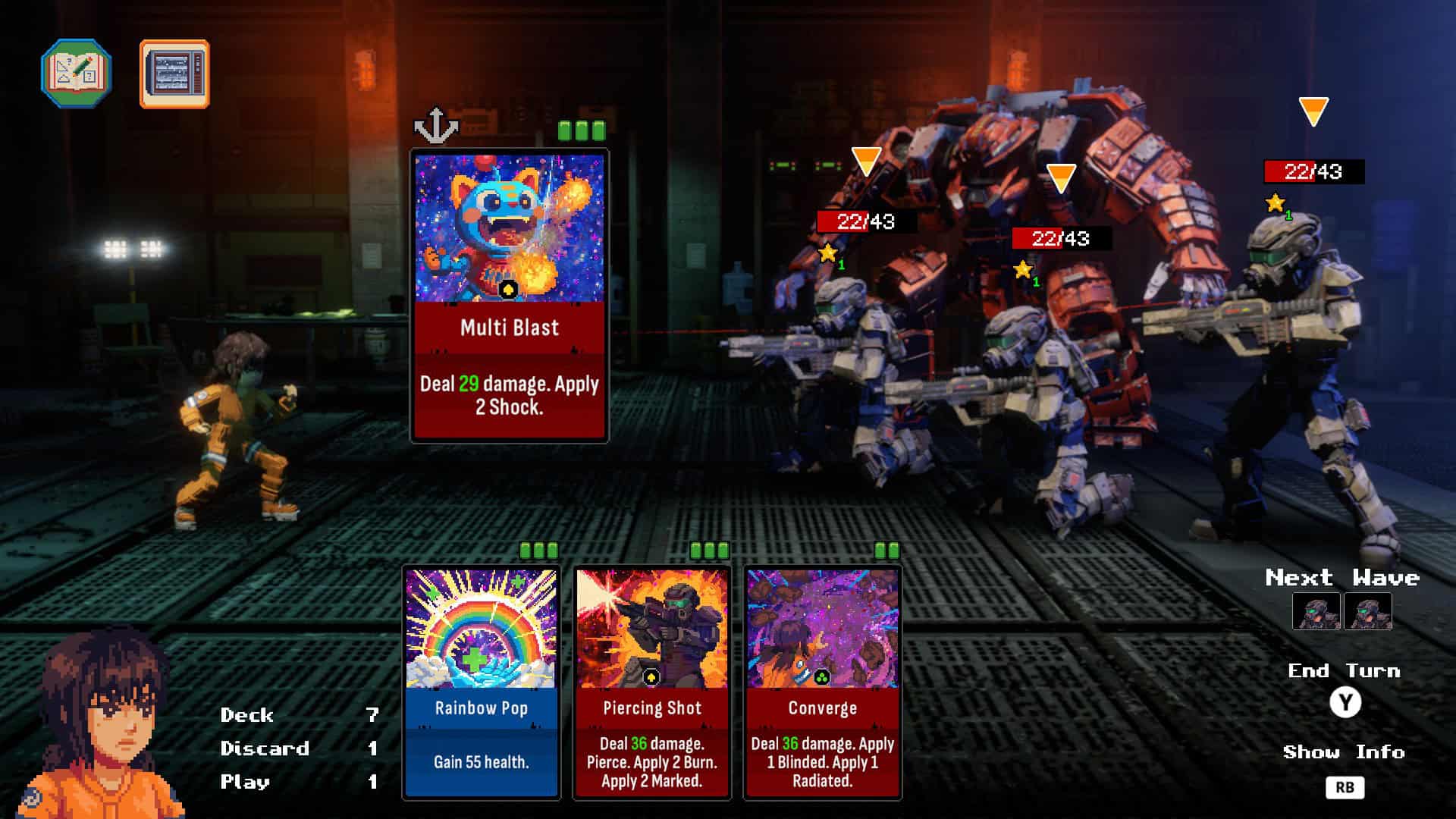
At the start of fights, enemies will usually have a shield consisting of colored symbols. Use cards of the same color to break through. This, in theory, requires a variety of cards in each character’s deck, and though I did always crack this defense, it also never felt particularly impactful on a fight’s result. It takes little effort, as the strongest cards from any one character that you’ll find laying around or get from minibosses are usually varied in color anyway, but it’s just another negligible damage buff when odds are already so heavily skewed in your favor.
For defensive options, you’re best off healing once per turn or adding a shield, whichever gives you the highest number. You do need one, but that’s about it! I beat the game with the majority of characters never reaching their highest levels, and it was still mostly mindless combat. The first game, at the very least, had those action commands. You had to press things to deal proper damage. Here, even that’s gone, and in favor of a really shoddy card combat system.
There are two exceptions, with the major one being having to press a button to take less damage during enemy turns. The thing is, although there appears to be a timing to it, you’ll get a “perfect” no matter when you hit it as long as it’s on the screen, so you can just spam the confirm button and you’ll always reduce the incoming damage. At this point, just lower the damage automatically and let me watch the cool attack animations in peace please.
Or don’t. Add in a similarly frictionless minigame somewhere, I suppose. Pop three achievements at once too while you’re at it, why not? Story-important text is mostly found in skippable conversations or examining objects. Why do that when you have such great cutscenes? Why do attacks deal damage after the animation is finished, completely removing the impact? The exploration rewards are, what, money that lets me buy worse cards than I can pick off the ground in the next room, or maybe even ones that are worse than my starting ones? What’s the point of letting you go back into chapter select if some are locked out once you finish them? It’s all a mess.
There’s a debuff in this game that hides your cards, and I still always won just picking ones at random. They have a maximum number of uses, but I’ve never run out of them in a fight. You heal to full after each encounter, so there’s no reason to try and do better in any one fight, and none of them are interesting or difficult despite each one being designed to be fought at your full strength. There are no settings to make the game harder other than intentionally not leveling up. Which I did for two of the chapters! And I still got through them with minimal issues without relying on the majority of its mechanics!
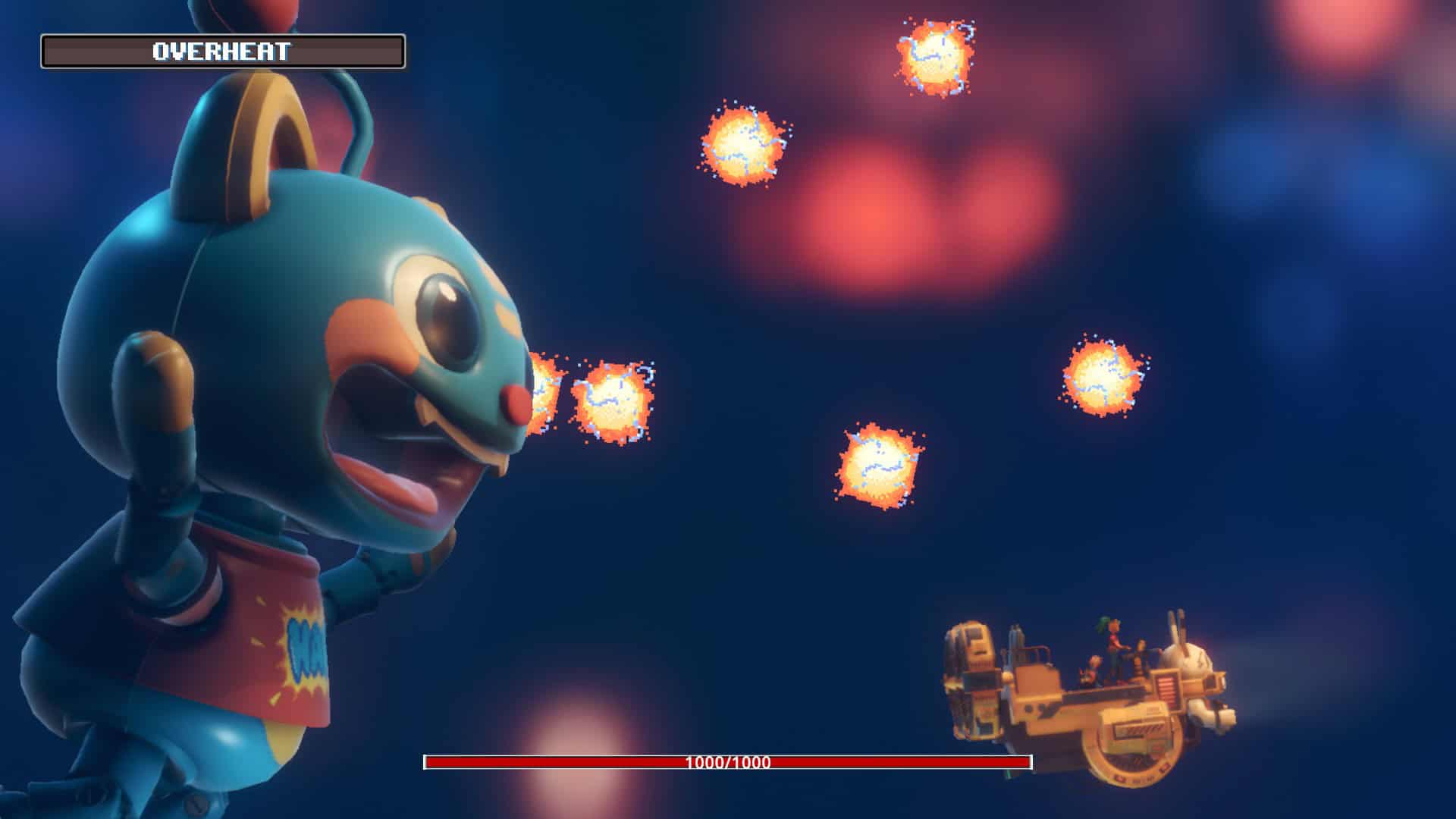
Echo Generation 2 has a lot of features, and the variety in settings is truly commendable, but none of it amounts to any emotional response, or anything whatsoever. The game fizzles out after a gauntlet of uninteresting fights with no new mechanics to speak of. The bosses looked great! They seemed threatening when I first saw them and were built up as such powerful entities! But they got destroyed by simply picking the strong attacks.
There are story ideas here that I like in a vacuum, especially the zombie chapter, but even at its best, the game’s ideas get dragged down by surface-level writing and the constraint of giving most characters only one chapter. They seem to be going somewhere, and are cut off the moment things could get interesting. The entire structure, a backbone for this prequel, is, like everything else about Echo Generation 2, a major disappointment. Something that looks this cool should never have been this boring.
Mateusz reviewed Echo Generation 2 on PC with a provided review code. This review is based on the version of the game available at the time of writing, and our score will not be changed.
- Score
- 3/10 Poor – GameObserver Doesn't Recommend
- Summary
-
Mateusz says: With a change in structure and combat that does not do the already boring story any favors, Echo Generation 2 is a prequel that is a serious disappointment in all but one aspect: the voxel art.
- More
- GameObserver's Review Policy

 ObserverCrew Picks
 bserver
 bserver