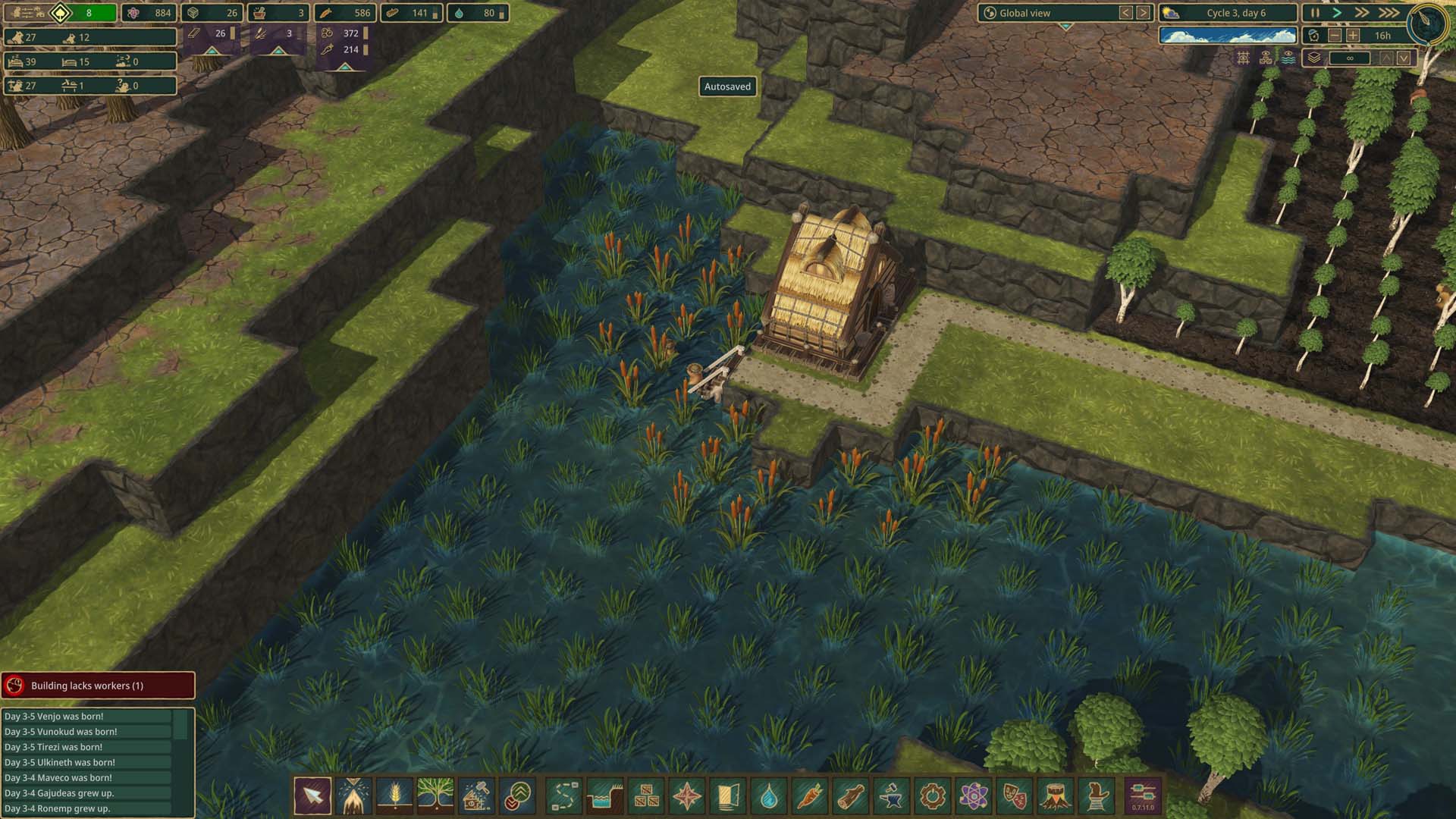
Growing crops is a vital way to keep your beavers fed, but they eventually require a diverse diet. This not only boosts their satisfaction but gives you a reliable food source in case drought kills your original crops. However, the amount of fertile land that supports crops goes down as you expand. Fortunately, you aren’t out of options, as you do have two crops that only grow in water: cattail and spadderdock.
However, growing crops in water isn’t as easy as growing food on the surface. It takes a few extra steps, and there are more factors to pay attention to. Understanding how to grow aquatic plants gives you more flexibility to feed your beaver colonies while preparing for longer droughts. Going through the extra steps is also worthwhile when you expand your colonies, since you can easily secure a food source.
Finding locations to plant
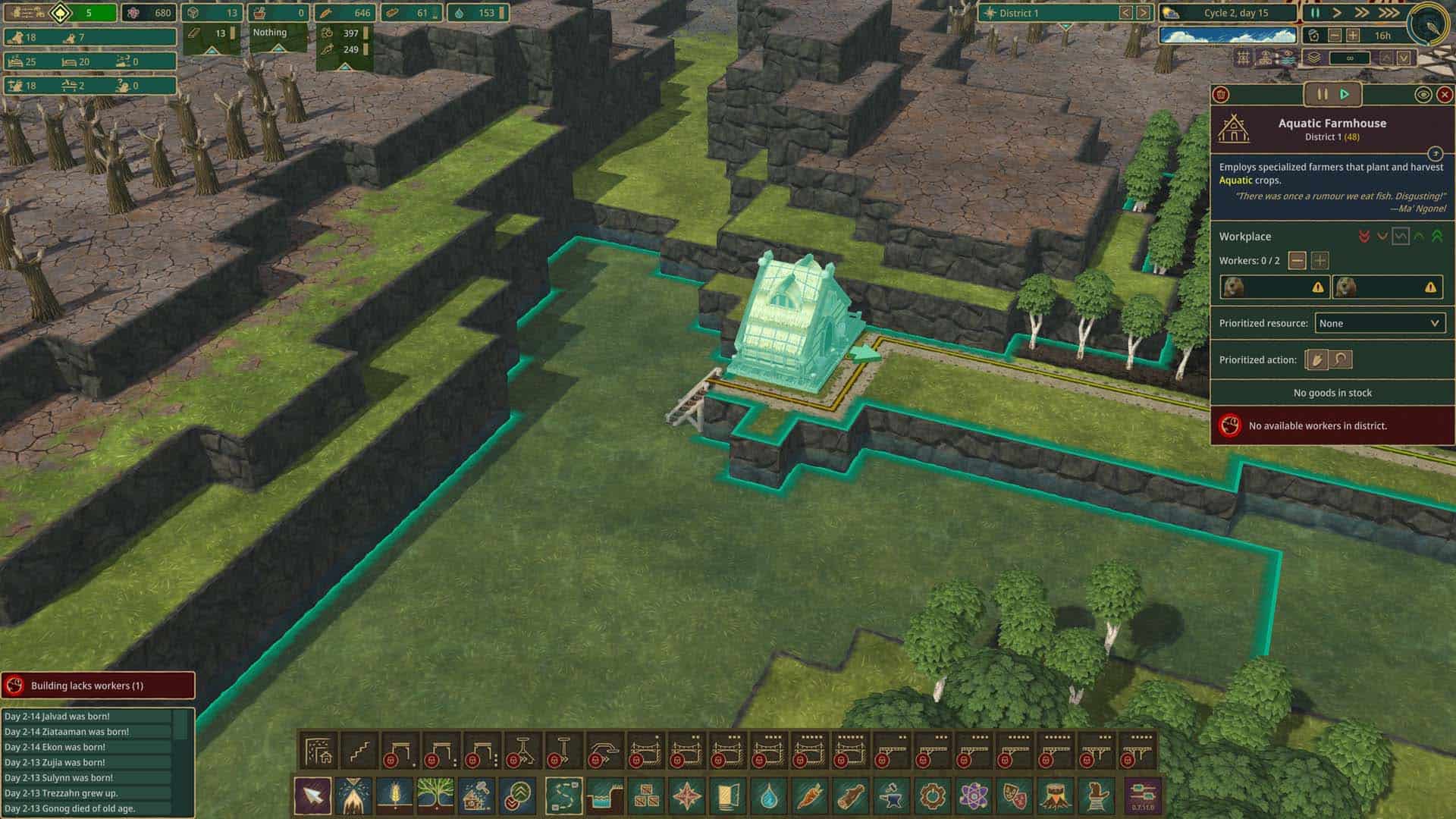
Aquatic crops are plants that must be submerged in water. You can’t plant any without being able to build a nearby Aquatic Farmhouse or having a method to get into the water. Fortunately, researching and building wooden Stairs is enough to let your beavers safely enter the water. Make sure that you aren’t descending into badwater locations for planting; that’s dangerous for your beavers, and no crops can be grown there.
Ensure that it is a location that your beavers can easily reach and where water can easily flow. If you set up a Dam or a Floodgate nearby, those will prevent certain parts of the river from receiving water. It’s best if you can set up a location where water doesn’t need to be restricted. If you must block off some water, a Floodgate is better, allowing some water to pass through.
Planting your aquatic crops
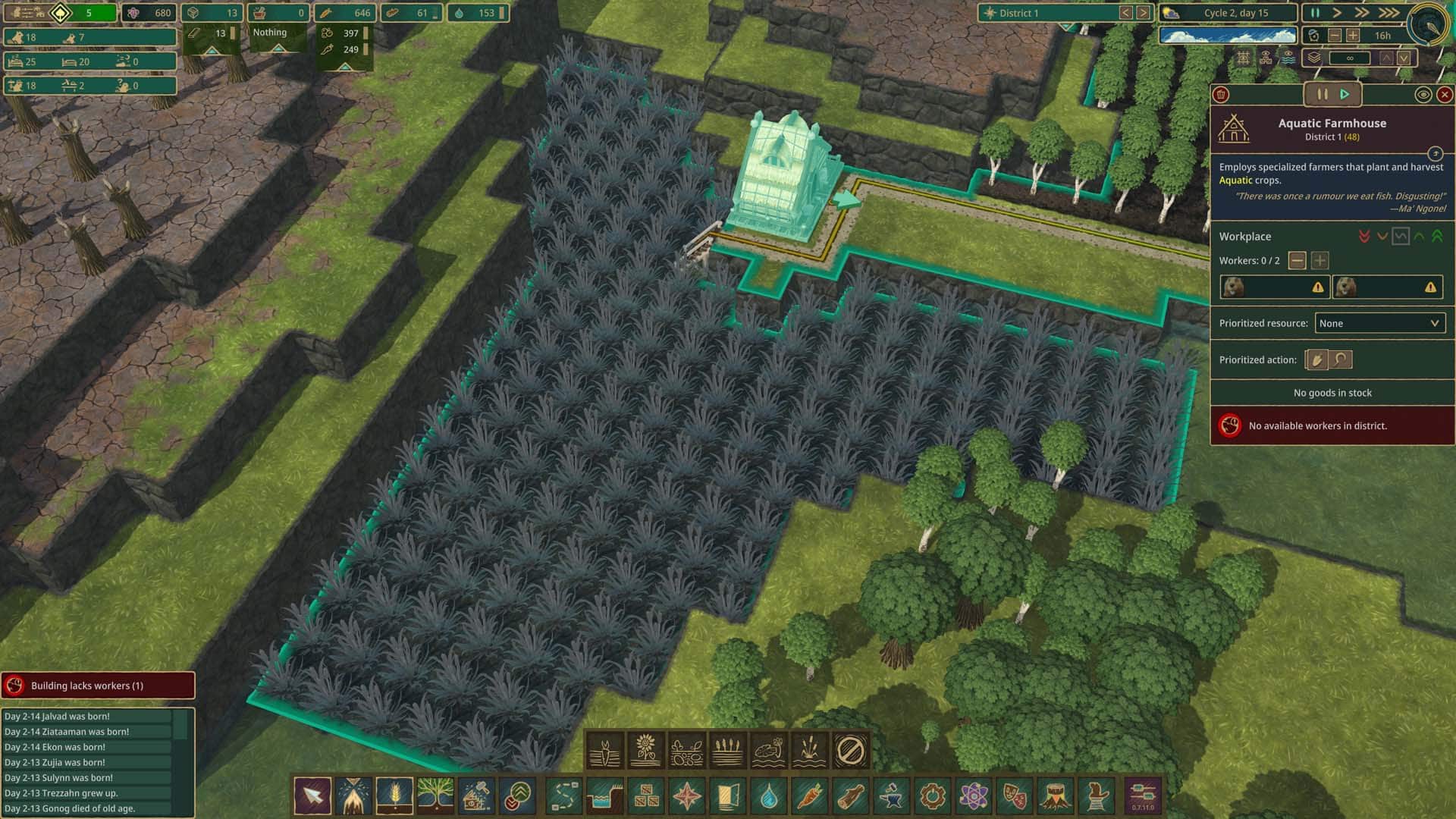
Once you have a way to go down, you can plant either cattail or spadderdock in the area indicated by the Aquatic Farmhouse. The area should be in light blue, and this allows your workers to maintain the plants. If the crops are outside this area, your workers will plant the crops, but won’t harvest or maintain them. Having two workers assigned to the Aquatic Farmhouse lets you cover all the crops in the area at a consistent pace.
Don’t plant anything but cattail or spadderdock; the other crops won’t survive being submerged in water. You can specialize in one crop or split your allocation between the two. Specializing in one crop makes it easier to stockpile extra resources, but growing both allows you to boost satisfaction quickly. Cattail grows faster than spadderdock and is more resilient to drought, making it a better crop to start with.
Preparing facilities for processing
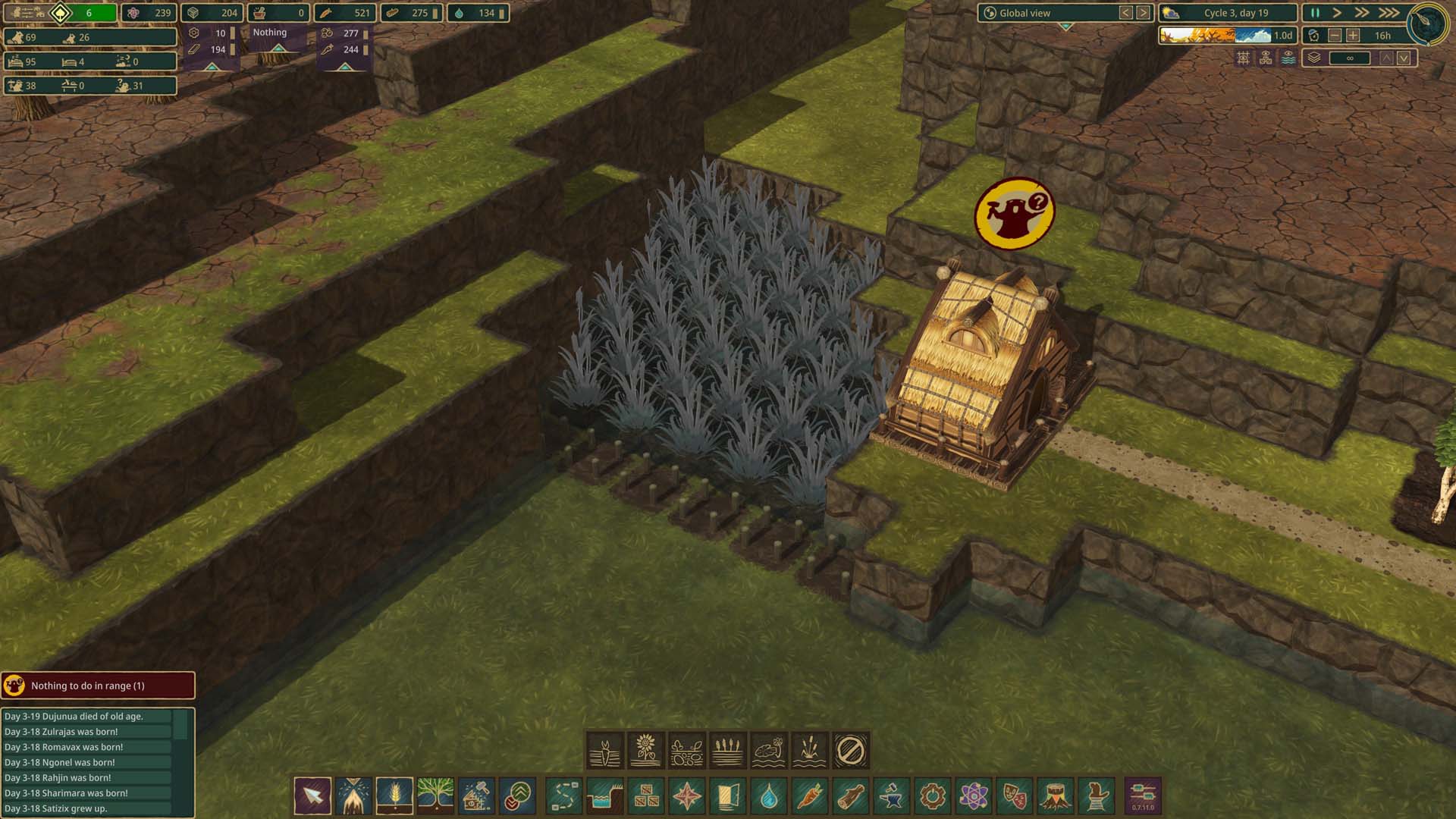
Unlike crops such as carrots, you must process cattail and spadderdock before they become food sources. Cattail must be processed into flour before it is made into crackers, while spadderdock must be grilled. These buildings must be researched before you can create them. It’s easier to build a Grill for spadderdock since you can also grill other items such as chestnuts. Creating a Grinder and a Bakery for Cattail seems excessive, but it can also create food from other crops.
Build storage areas to keep excess cattail, spadderdock, and cattail flour. You also want storage for cattail crackers and grilled spadderdock, food that your beavers can eat. While it sounds excessive, having storage for every crop item ensures that you don’t bottleneck your supply. It might take time for processing to actually occur, but the results are worth it.
Never forget about drought
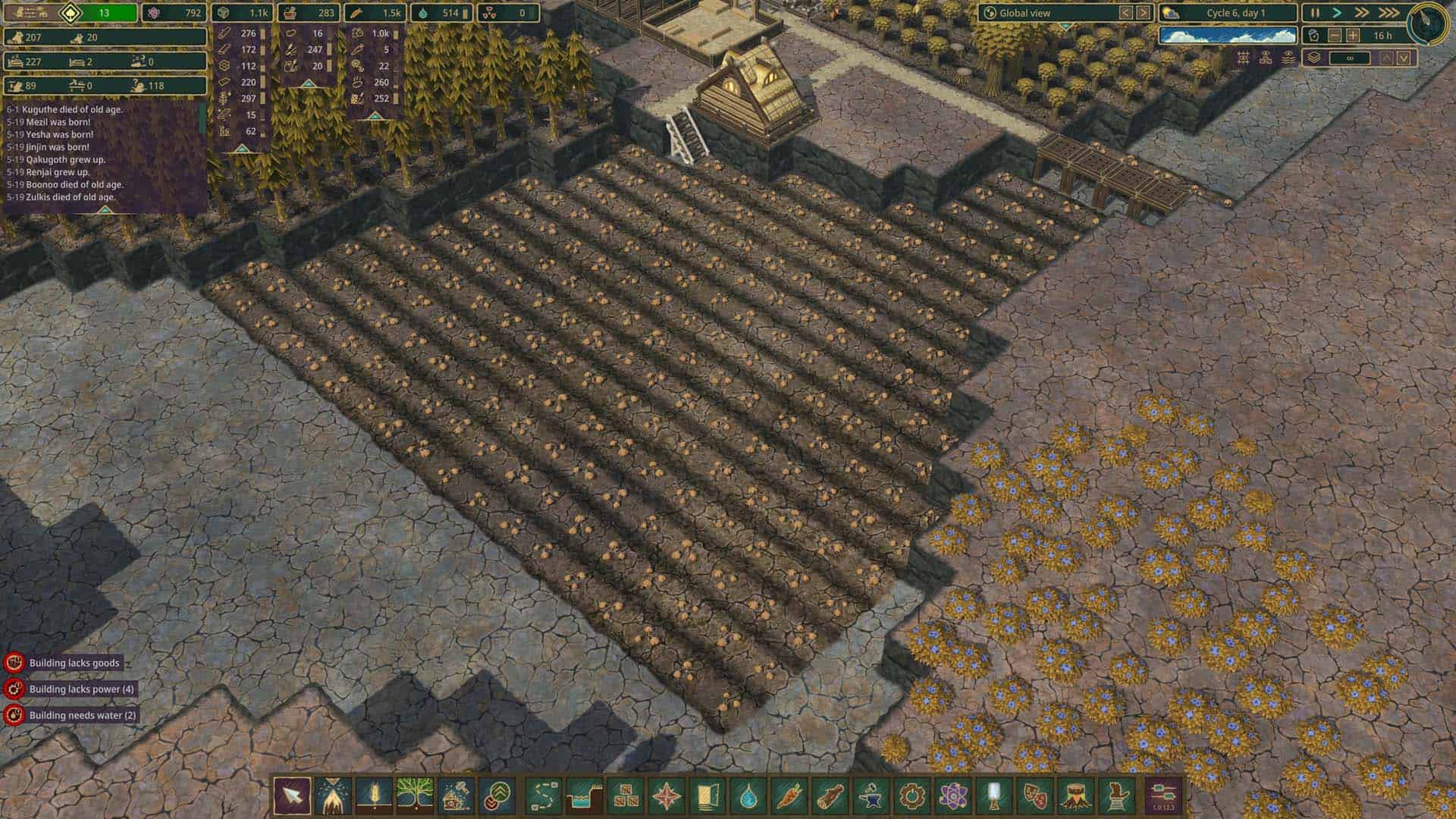
Unlike other crops, cattail and spadderdock are vulnerable to drought. While land crops can survive a few days, cattail can only survive one day of drought. Spadderdock only survives around eight hours, meaning it will perish when drought hits. That means you will likely need to replant your crops and anticipate delays whenever a drought hits. Having backup storage is essential as well, since crop deaths will hurt your supply chain.
Fortunately, once you understand how much work goes into raising aquatic crops, it’s not hard to mitigate the flaws. You can often grow cattail and/or spadderdock shortly after researching Stairs and the Aquatic Farmhouse. Finding suitable water is easy, and you can always use Dams to block off badwater until you can properly treat it. Don’t delay in growing aquatic crops, as they are a vital source of food and happiness.
For more guides on Timberborn and other games, stay tuned to GameObserver!



 ObserverCrew Picks
 bserver
 bserver