Nvidia recently revealed their DLSS 5 technology, featuring advancements the company described “the most significant breakthrough in computer graphics since the debut of real-time ray tracing in 2018.” Unlike the launch of ray tracing however, DLSS 5’s neural rendering to enhance the graphical fidelity of a game was met with immense criticism online from both gamers and developers alike, as the preview of its improvements showed telltale signs of AI generated interference, rather than just upscaling the intended image. Nvidia spoke with hardware specialist Daniel Owen and effectively confirmed gamer’s worst fears though: DLSS 5 does function as an AI filter.
The graphics juggernaut has used somewhat unclear language when describing DLSS 5, such as saying it “reconstructs lighting” and “enhances properties on materials.” This had led some, including Owen, to believe that the technology had an actual understanding of the internal geometry and processes of the game when creating its outputs. However, in a new statement to Owen, the company clarified that “DLSS 5 takes a 2D frame plus motion vectors as input […] materials are inferred.” In practice, this means the technology takes each frame as an image, uses AI to study the picture, then generatively covers up the image with its own “enhanced” reinterpretation. There is no deeper level internal understanding of the game’s technology.
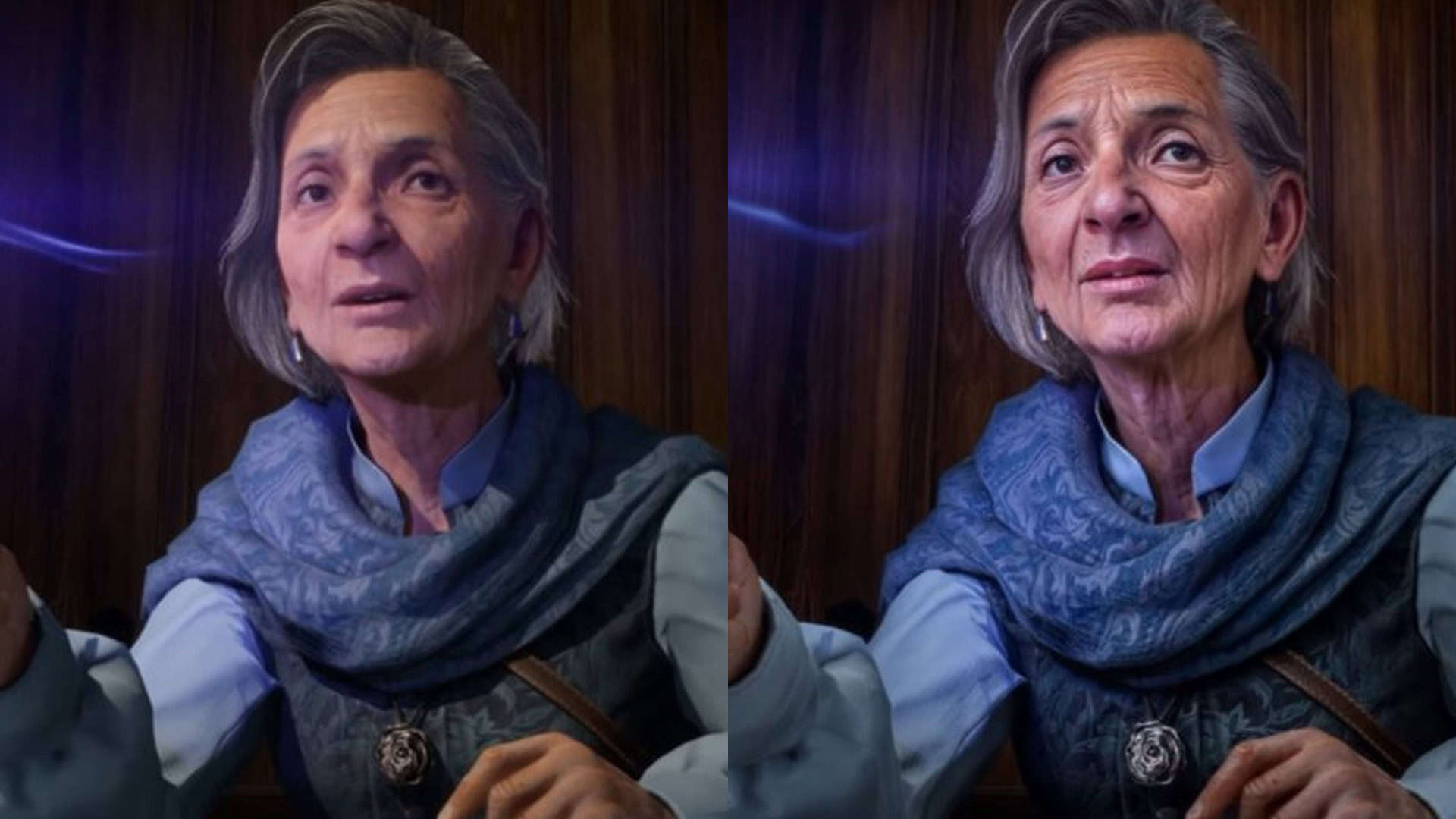
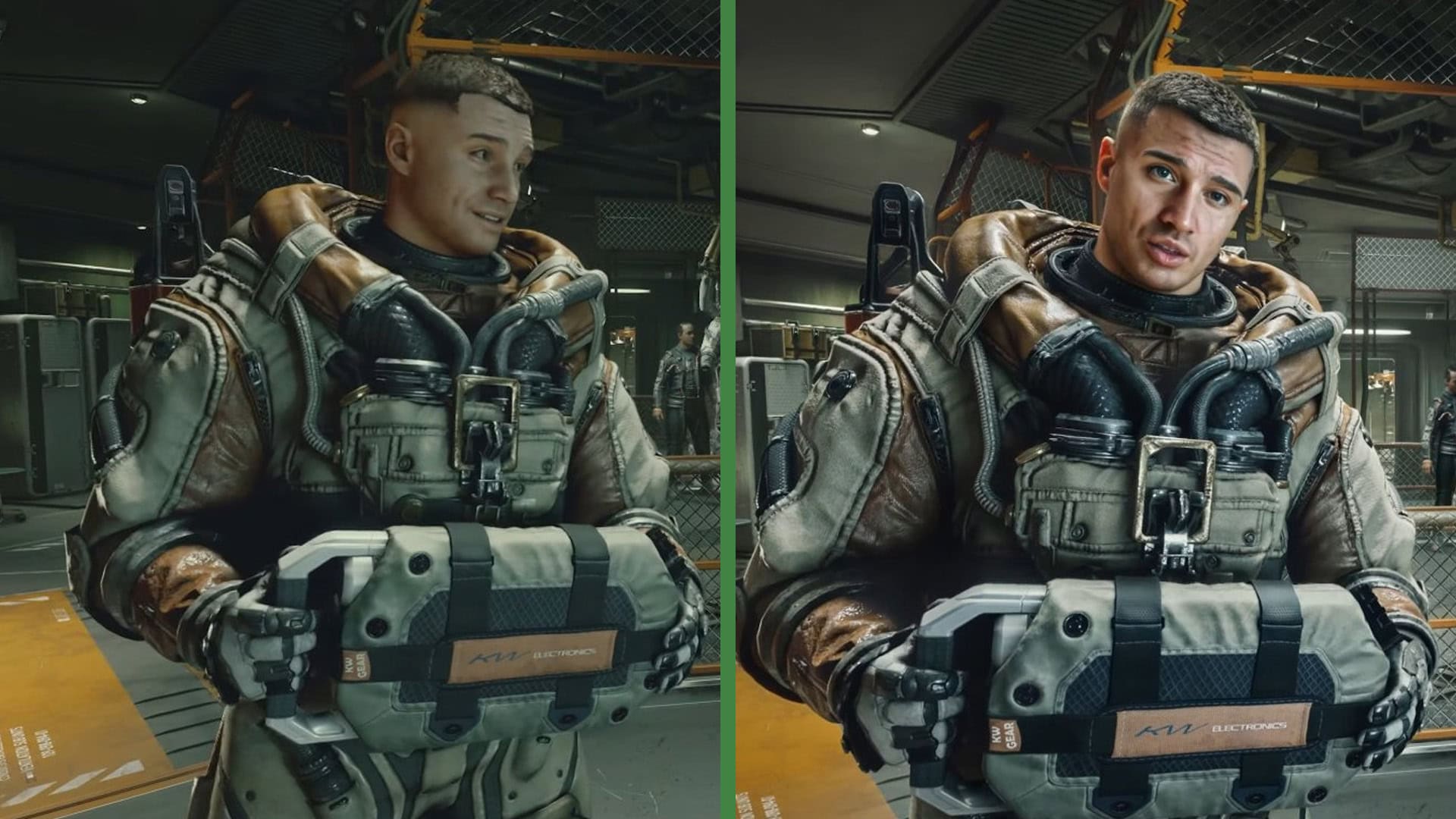
The DLSS 5 showcase caused uproar across the industry earlier this week, in particular because of how its AI-powered reinterpretations create visuals that don’t match the original input and artistic direction behind the games that were demonstrated. For example, Grace from Resident Evil Requiem appears to have clearly visible makeup with DLSS 5 enabled, whilst a male Starfield character’s hairstyle was noticably different and more conventional with the technology active.
As DLSS 5 uses generative AI to interpret each frame as an image to enhance, it’s using training data from other sources to interpret each element it reinterprets. Thus, faces of characters will likely be at least slightly distorted as the AI uses its existing knowledge to understand the face it’s presented with and transform it to a more photorealistic visual. For us though, we felt the latest DLSS 5 preview ruined any sense of realism the game had.
Nvidia stresses that DLSS 5 is early in its development, and that’s the reason for the discrepancies between the input frames and the “enhanced” outputs. For more breaking gaming news, written by humans and for humans, check back often to GameObserver.


 ObserverCrew Picks
 bserver
 bserver