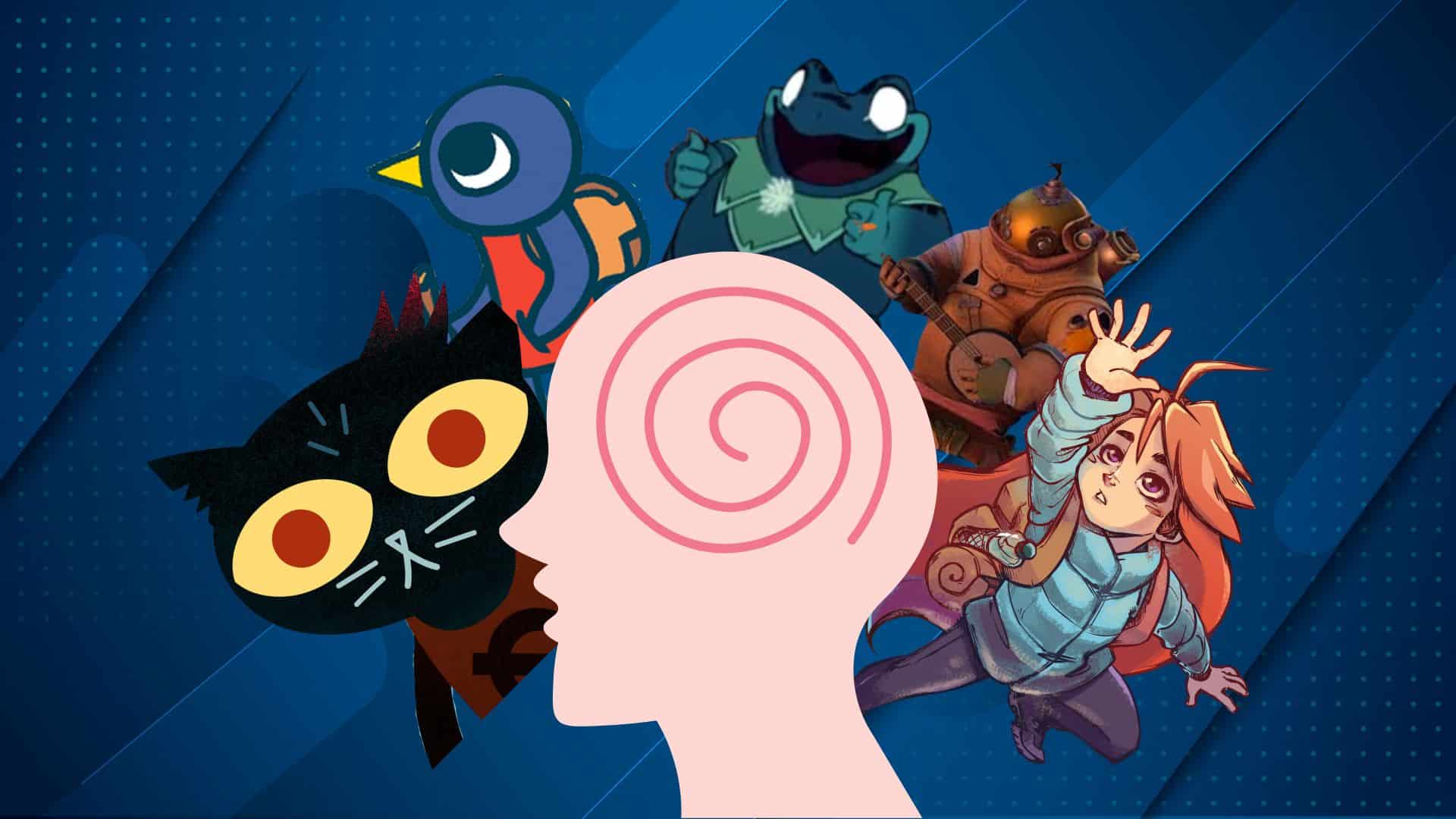
With May being Mental Health Awareness Month, it’s important that we all make a conscious effort to make space for and understand the myriad struggles that people face every day. Many people struggle in silence for many reasons: fear of judgment, shame, confusion, and much more. Spreading awareness and promoting education about the importance of mental health is more important than ever.
For many of us, video games provide an outlet with which we can escape day-to-day struggles and seek comfort, companionship, and even education. There are many games out there that depict realistic and meaningful struggles with mental health, from depression to anxiety to bipolar disorder, and everything in between. While there are many AAA titles that do this beautifully (games like The Last of Us, God of War: Ragnarok, and Hellblade: Senua’s Sacrifice immediately come to mind), there are just as many, if not more, indie games that spotlight daily mental health struggles that deserve to be recognized.
Fireside Feelings – Team Empreintes
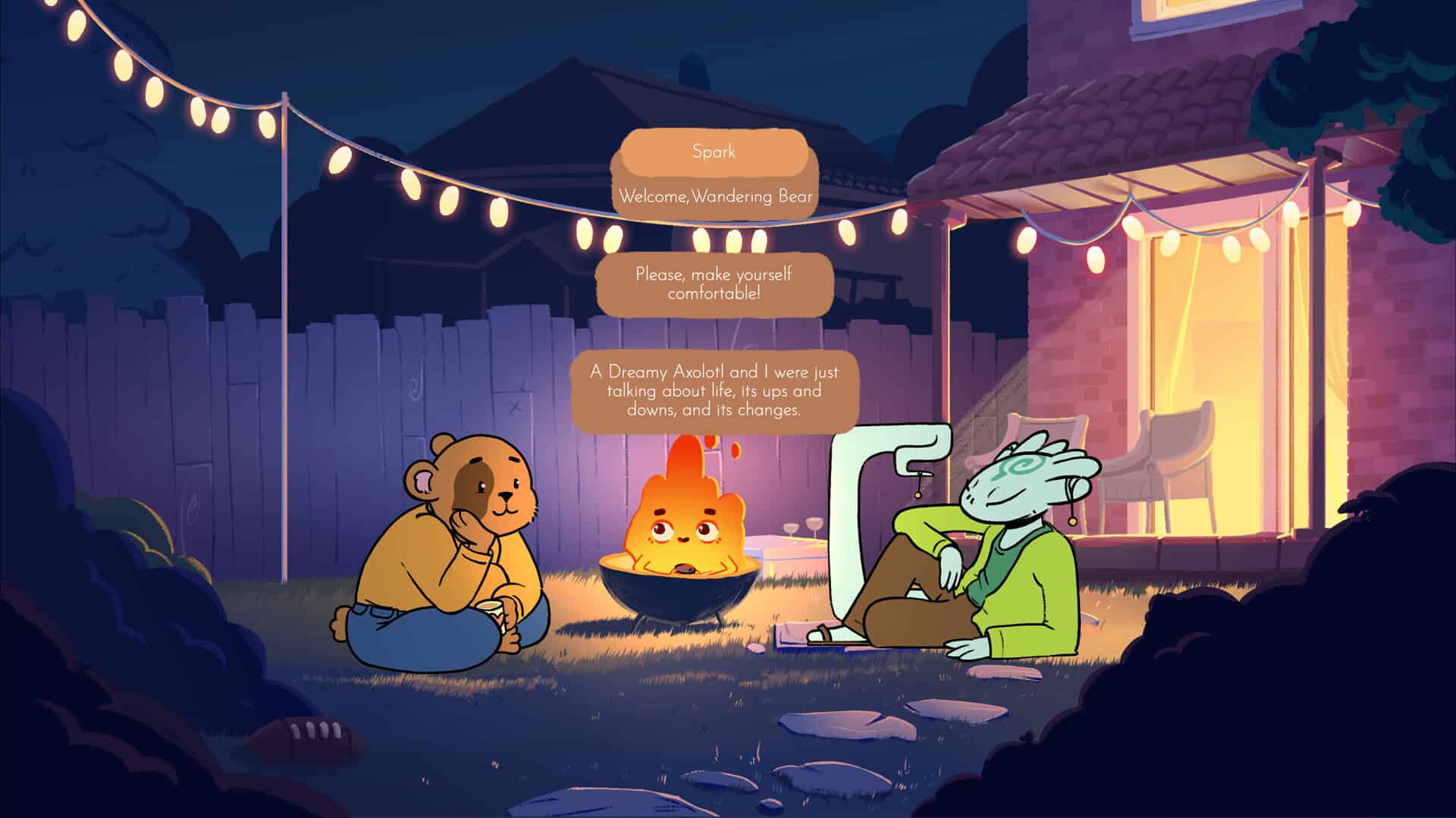
Imagine being able to scream into the void and knowing someone out there will hear it and receive it with zero judgment. In fact, the person who hears you won’t know it was from you at all. And you’ll never know the recipient either.
This is the basic concept behind Team Empreintes’ cozy little game Fireside Feelings. You provide yourself with an avatar (such as a bear, a bee, or a cat), who is burnt out from the daily grind of work, bills, and stagnancy. You then find yourself seated at a fire in the woods across from another avatar belonging to an anonymous player. Conversations are moderated by a campfire named Spark, who asks thoughtful questions that you, in turn, get to answer. Those answers are submitted, and then the other avatar shares their responses, which were shared at a different time (conversations are not live). The game monitors submitted answers to protect players and ensure everyone’s safety and comfort.
While no specific mental health issue is discussed, the game’s objective is to create a space where the player can decompress, reflect, and speak honestly without fear of being judged or recognized. It’s a great game to play if you’re feeling overwhelmed and just want to feel heard by someone in the universe.
Gris – Nomada Studios
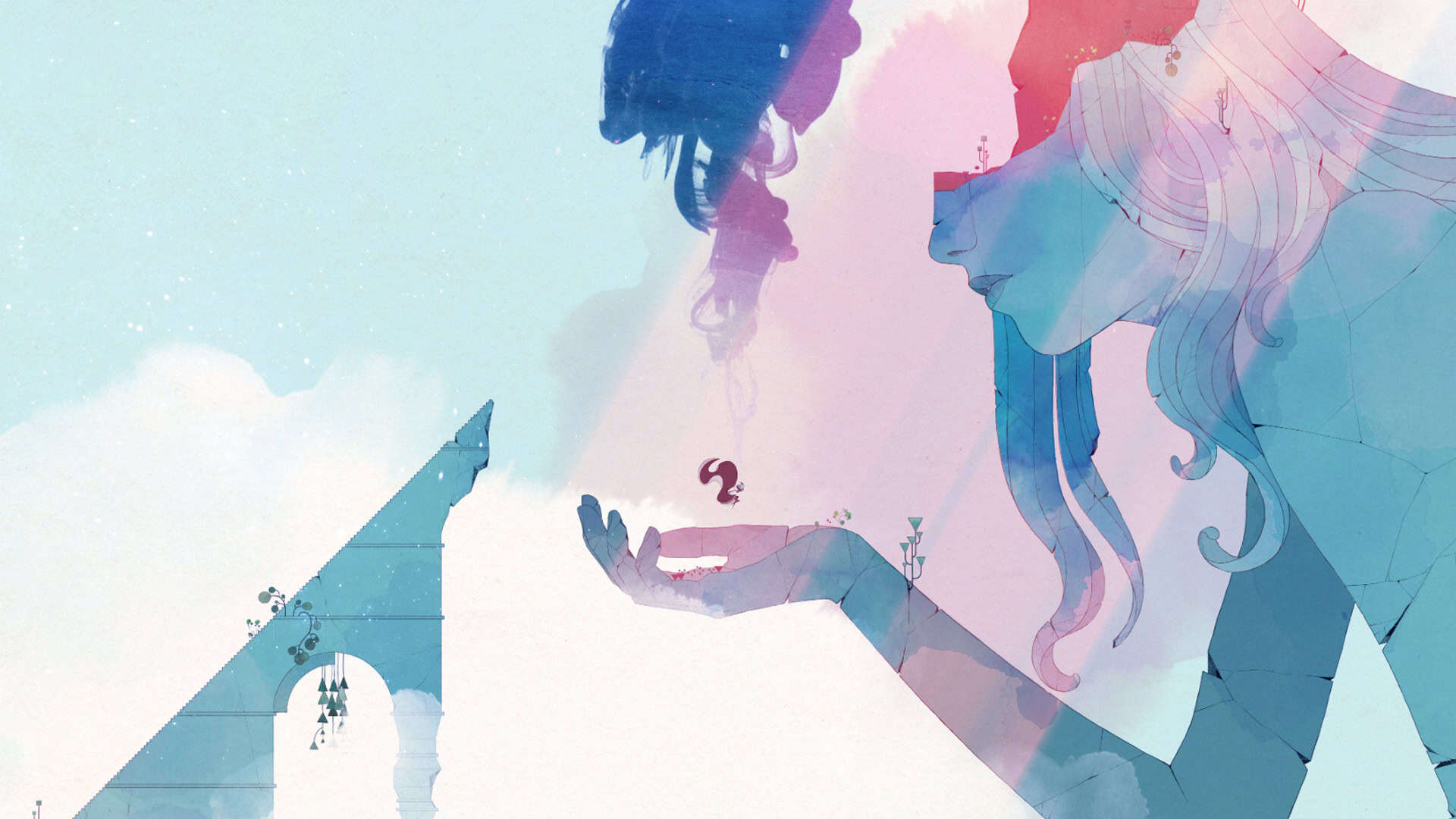
The worst thing about grief is that it is often unpredictable, and always non-linear. One moment you’ll feel fine, the next you’re overwhelmed and struggling to regain control. Nomada Studios’ beautifully hand-animated game Gris is a love letter to grief that explodes with color as the chief means of depicting it. You play as Gris, a young girl navigating a personal loss that is strongly implied to be the loss of her mother. Each sequence of the game has a dominant color, such as red to express anger, blue to express depression, and so on.
One of the most prominent aspects of the game is the fact that you’re never personally in any danger. The obstacles you face can distract or inhibit you in some way, but you can’t die or be injured, only slowed. It’s a perfect allegory to grief, which is a series of obstacles that can often feel crippling or impossible. But in actuality, it only requires time, patience, and perseverance.
At about 4-5 hours run time, Gris is a great game to play that explores the internal struggle of grief and the mental hoops we jump through to find our way to the surface.
The Beginner’s Guide – Everything Unlimited Ltd.
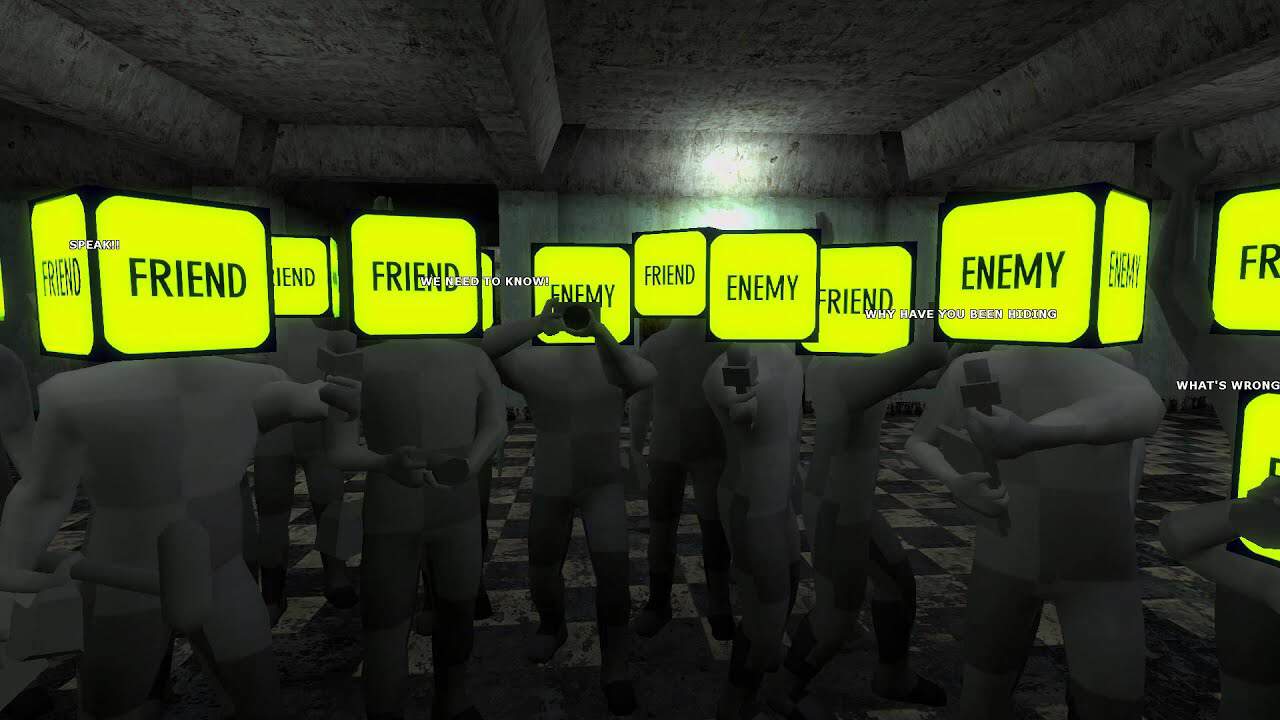
We play games to escape, to find community, and to seek comfort and validation in the characters and stories we are exposed to. The Beginner’s Guide explores the reasons why we create them, from the perspective of Davey Wreden, the creator of The Stanley Parable. The game, which plays like an educational depiction of a retired game developer, is narrated by Davey himself. Davey claims that he will guide players through the games created by his friend Coda with the goal of understanding him better.
You spend the majority of the game listening to Davey provide his interpretations of Coda’s games, and his own personal lamentations about his own career as a developer. The game deals with the struggles that come from creating games while navigating depression, anxiety, and imposter syndrome, among other things. It’s one of those games that deserves to be played twice, to really latch onto the message being conveyed.
As gamers, we often insert ourselves into the narrative without much thinking about it. The Beginner’s Guide forces the player to ask why they do that, and what the consequences can be.
Night in the Woods – Infinite Fall
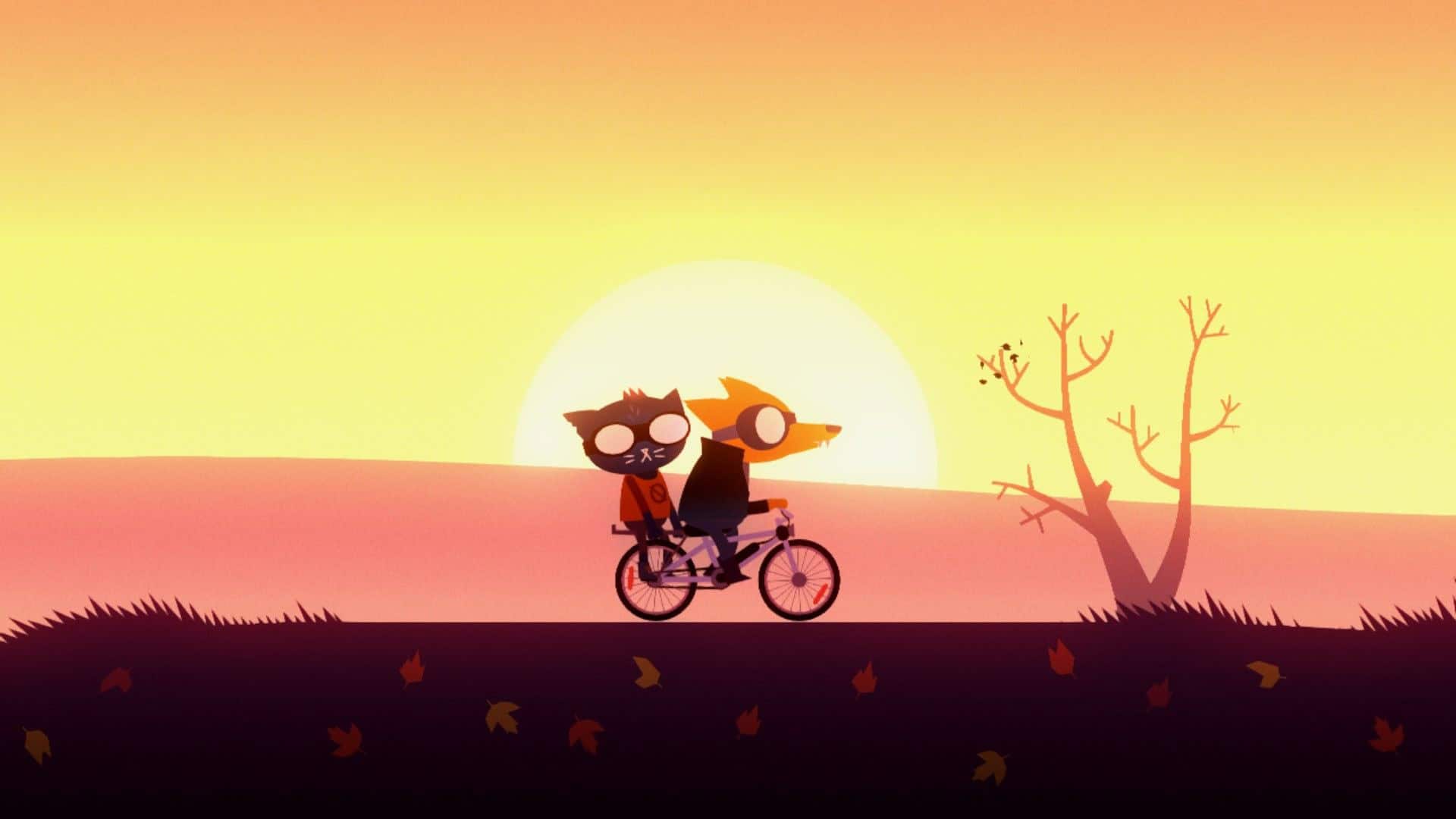
Growing up is tough. There’s no shortage of games that spotlight the angst of adolescence, but there’s something about that time in your early 20s that yields a different kind of angst. Infinite Fall’s coming-of-age story Night in the Woods spotlights this wild time in our lives with genuine empathy and a sense of self-actualization that hits close to home.
You play as Mae Borowski, a 20-year-old girl returning to her hometown after dropping out of college. She reunites with old friends and makes new ones while struggling to come to terms with the circumstances that led to her return, wrestling with guilt, shame, denial, and impulsivity to cope. It’s a highly relatable story that shines a light on a really turbulent time of life without sugarcoating how painful it can be. The characters, dialogue, and depiction of relationships feel honest and on point to this life experience, and are absolutely worth revisiting multiple times.
Spiritfarer – Thunder Lotus Games

The developers of Spiritfarer describe their game very simply: it is a cozy management game about death. No fear, no big scary adversary to defeat, just lost souls to comfort and guide on their journey to eternity. Players take on the role of Stella, a young girl, and her cat Daffodil, who are entrusted with the role of Spiritfarer: a ferryman with a giant boat to temporarily house lost souls on their way to the other side.
While one facet of the game is certainly meant to encourage a wider conversation about grief and loss, there is also much that can be said about the characters themselves, and the different struggles they encounter relating to their lives and impending end. Highlighting topics of anger, depression, suicidal ideation, and dementia, Spiritfarer aims to do something unique for its players; to comfort your passengers as a means for comforting yourself. As you at last guide each spirit to the Everdoor, the game’s passage between limbo and the great beyond, they are full of different kinds of reflection and final musings. Mental health is treated with dignity in this game, both for the player and the souls themselves.
This is just a small sample of the many games out there that meaningfully depict mental health struggles and how to overcome them. Hopefully this list provides a good jumping-off point to get started and gain greater awareness on how to care for yourself, for others, and continue learning.







 ObserverCrew Picks
 bserver
 bserver