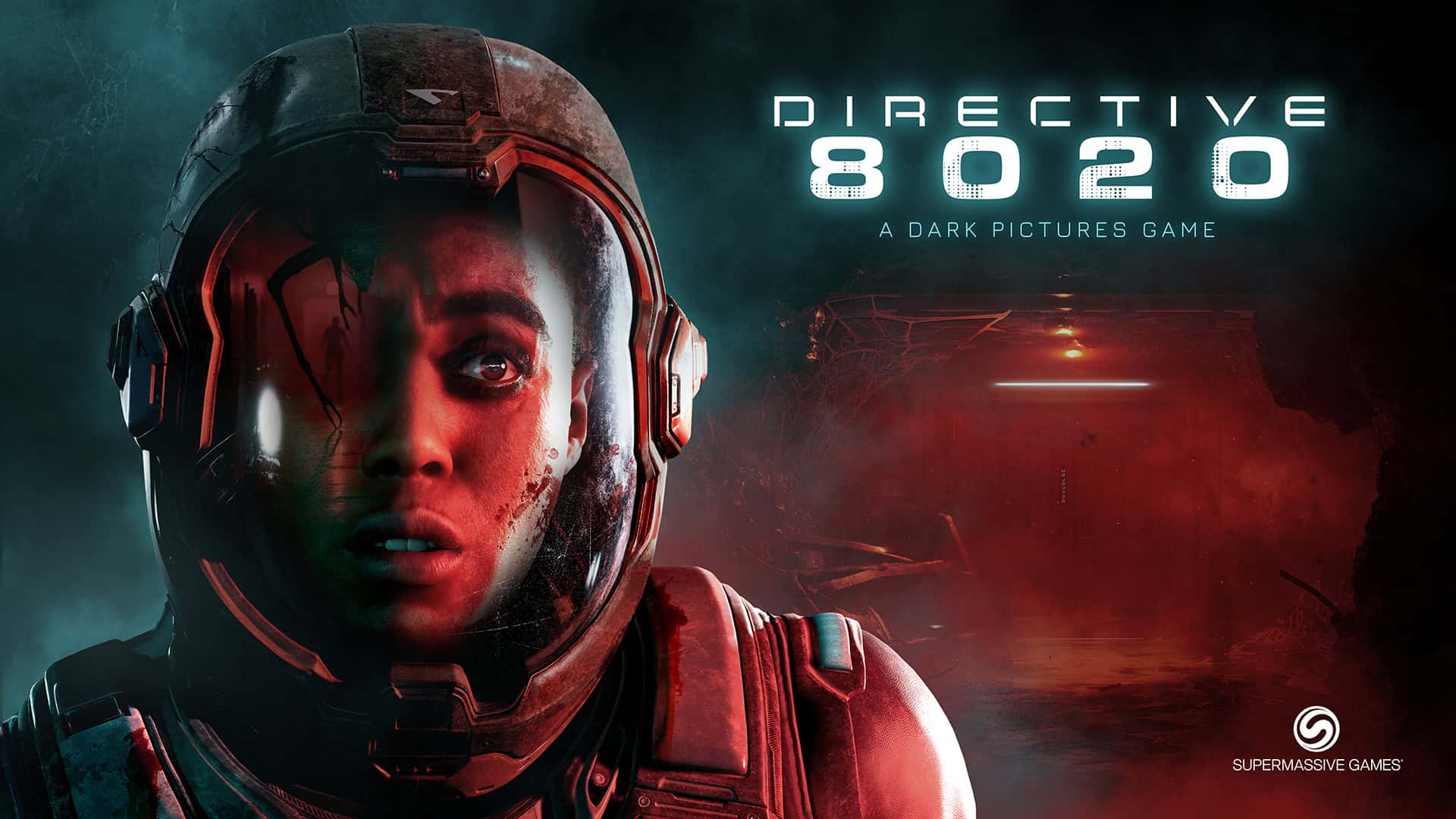
While narrative adventure games had already been around for some time, Until Dawn’s release in 2015 showed this subgenre’s full potential as an interactive movie that’s most fun to play with friends and is inclusive to all with its simplistic controls combined with the hook of an engaging story. Your friends or family who haven’t played a video game before could give it a try, its multiple endings and story avenues made it heavily replayable for trying out with different groups, and the shocking realisation that, unlike most movies, there really is no character in this game that’s immune to a brutal death made it an intense playthrough despite the minimal input required by the player. Until Dawn is where it all started for Supermassive Games and their signature narrative adventures, and unfortunately Directive 8020 has made it all the more clear (in case this wasn’t already becoming more prevalent with each disappointing entry) that Until Dawn is also the best it’s going to get.
The Dark Pictures anthology seemed like a fantastic way to utilise Supermassive Games’ style through the way of short anthology stories that can be completed in one or two sittings. Covering different genres of horror, coming up with new, creative stories that often possess an exciting twist to look out for, and featuring at least one star-studded cast member to give it that true movie feel, The Dark Pictures anthology had everything going for it in terms of foundations. But unfortunately, the heart has never been there in the same way it was with Until Dawn. While Man of Medan and House of Ashes sufficed and offered that glimpse of where the series could go with its full potential, every other entry in this series and also Supermassive Games’ other adventure entries, The Quarry and The Casting of Frank Stone, have miraculously gotten worse despite the relatively simple premise.
Cue Directive 8020, which was supposed to be the fifth game in the eight-game Dark Pictures series. Then it became the first game in the second season of The Dark Pictures series. Now, after several delays and a prolonged development period to move it to the Unreal Engine 5 and introduce some new gameplay mechanics, Directive 8020 marks a new direction for Supermassive Games, moving on from The Dark Pictures anthology to stand as its own title… and it’s still just as unimpressive as ever.
When Earth is dying, humanity finds a new home on Tau Ceti f, 12 light-years from home. The crew of the Cassiopeia is sent on an eight-year mission to scout the planet ahead of the arrival of the colony ship, Andromeda, which carries the next generation of humans who will settle down on the new world. But as the ship nears Tau Ceti f and the crew is woken up from cryostasis, a meteor hits them, carrying on it a mysterious life form with the ability to mimic people.
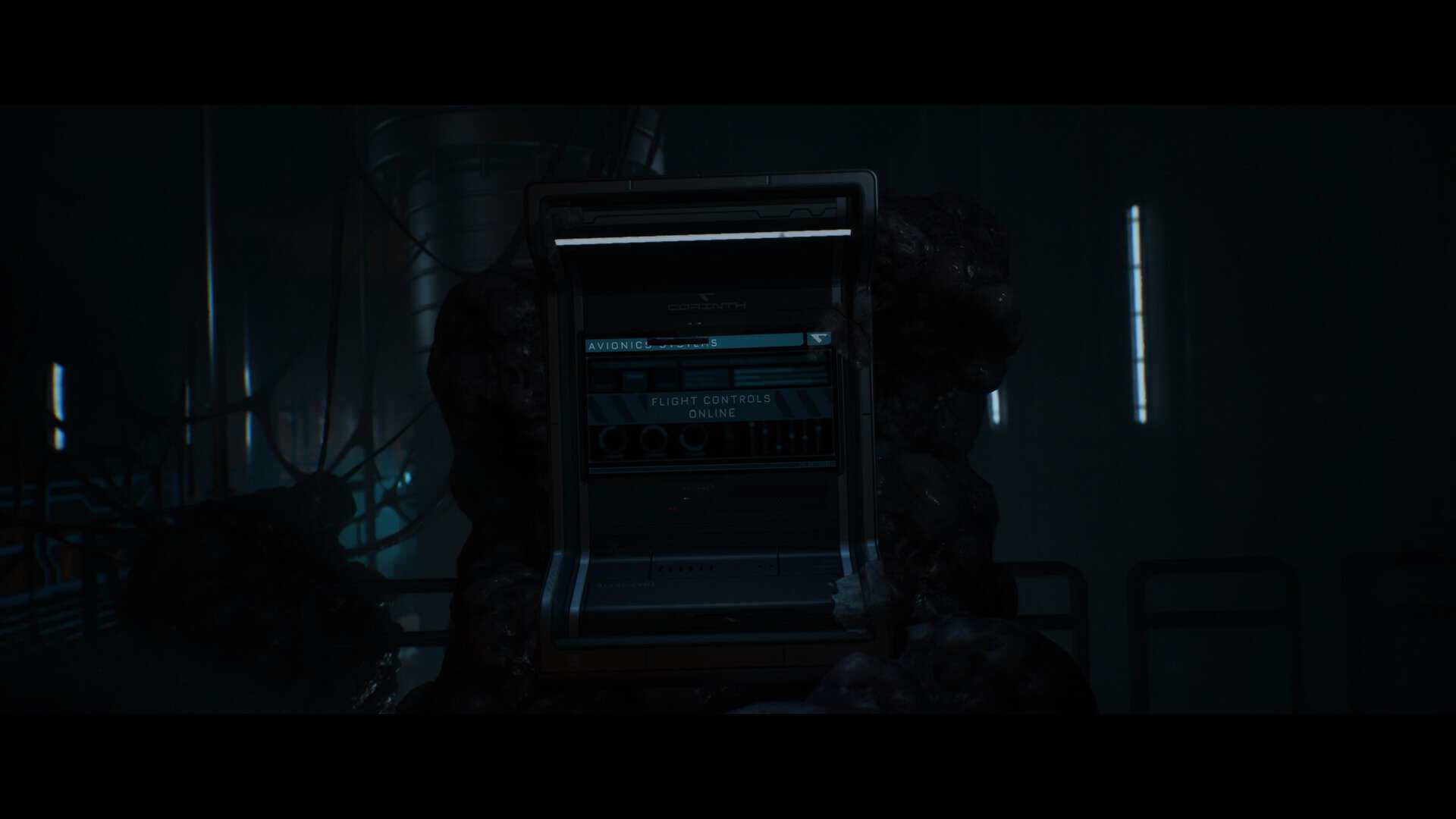
Directive 8020 is the combination of two different sci-fi Dark Pictures game ideas, and this is glaringly obvious, with the story being an amalgamation of three different sci-fi movies (most notably The Thing) while somehow completely failing to understand what made these movies good to begin with. It instead strips their identity and offers a shallower experience, resembling these movies by face value only. In fact, with Directive 8020, it’s become abundantly clear that not only have Supermassive Games failed to recognise why these movies were so popular, but also why their own game, Until Dawn, was so popular.
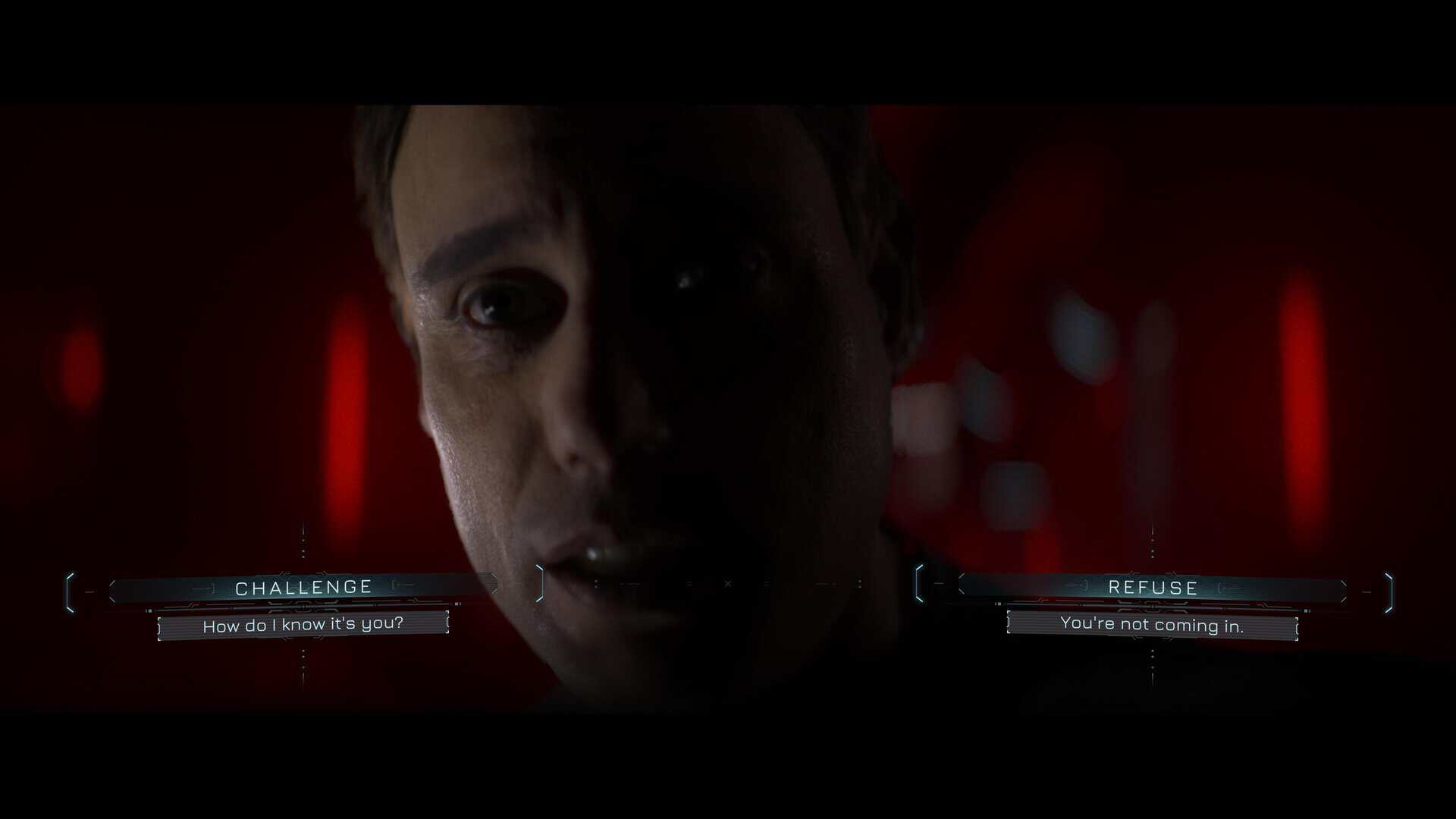
While, yes, there are plenty of branches that can happen within a playthrough, there are only two ending variations, and both of these are hugely underwhelming considering the amount of time we spend with this story. In fact, this has been an issue that I’ve found that each of Supermassive Games’ stories have suffered from since Until Dawn, with The Quarry removing the post-game character interviews being the biggest slap in the face of this. We don’t find out how our decisions impact these characters post-credits; hell, in this case we don’t even see how our decisions affect these characters at all. While, again, at face value it seems like our choices are having consequences, there were way too many times where a decision I had made was overwritten because that’s not the direction the game wanted to go in. I had a choice of whether to enter a room containing some alien growth that, for all we know, could contaminate everyone, yet when I obviously chose not to do this because I have watched a movie before, I was told we had to do so anyway – then why give players that option? Characters have traits and destinies that are developed depending on your choices, which seems like a fantastic way to build a story, but only the traits of one of these characters actually matter towards the ending. A character lost an eye because I failed a quick time event, I was told this was a consequence for my actions, yet her missing eye never gets brought up again despite being a physical inconvenience.
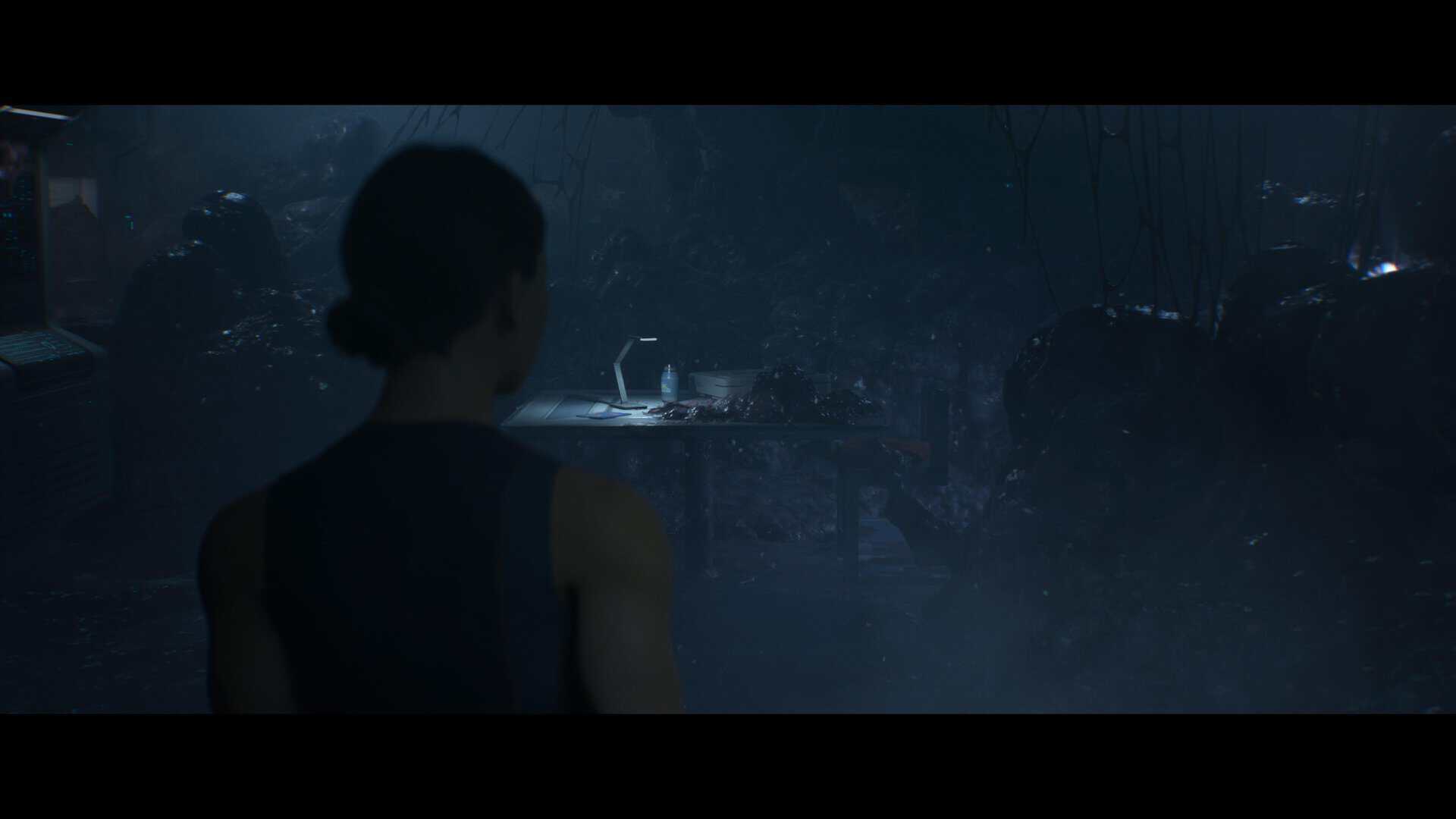
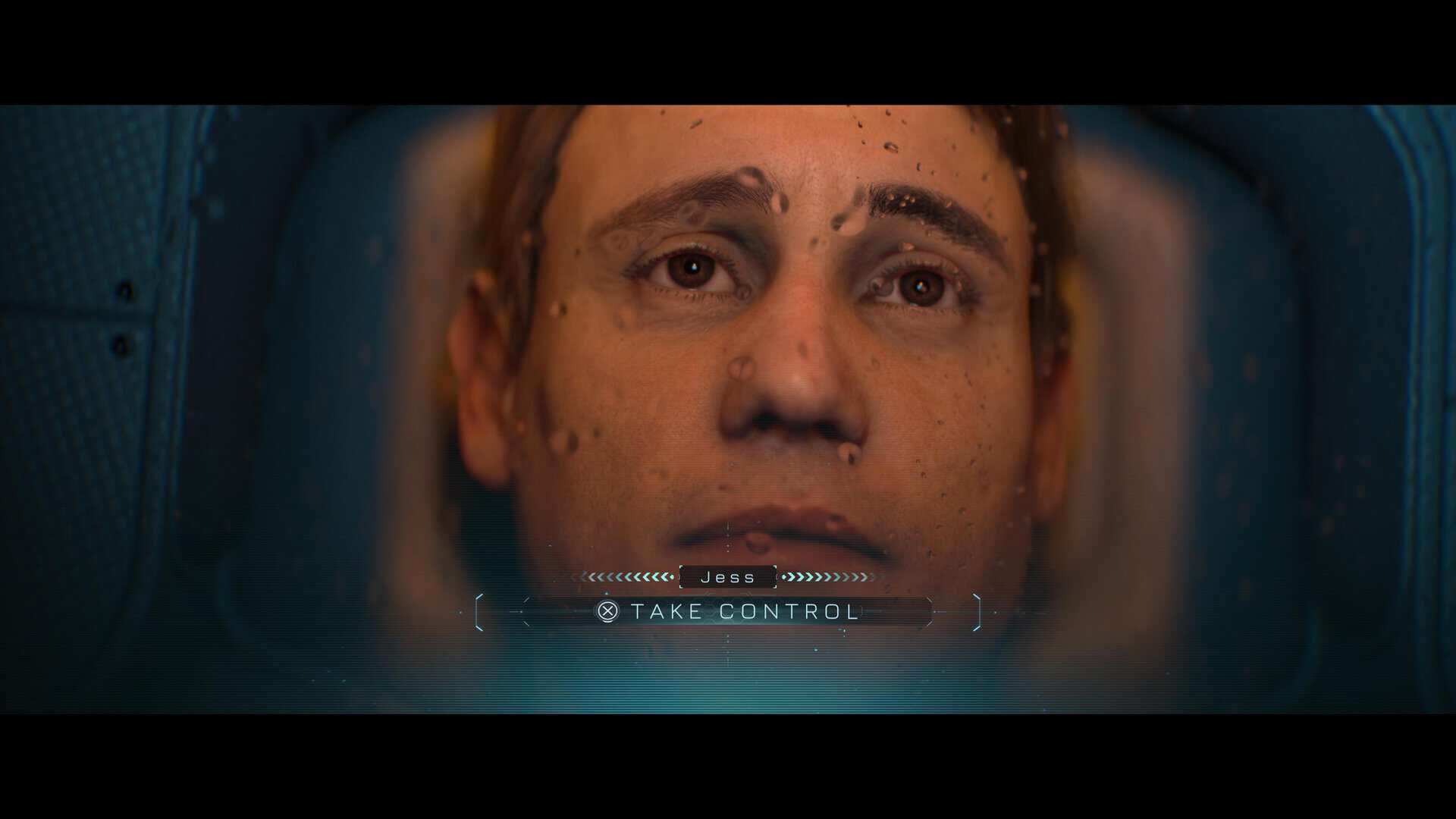
Directive 8020 is a lot less harsh than the previous Supermassive Games in terms of solidifying your choices, offering players an easy way to rewind on their mistakes via the Turning Point system. This is a web of all the decisions made in a playthrough, marking where the Turning Points are in the story. When playing on ‘Explorer’ mode, the player can easily rewind decisions and correct mistakes at any point in the story, even reversing character deaths. In ‘Survivor’ mode, you are stuck with your decisions and can only use the Turning Point system once you have completed a playthrough. Directive 8020 is also more inclusive than ever for your friends or family who don’t play many video games, offering a choice of different difficulty settings for each player.
Thankfully, after it being very much missed in The Casting of Frank Stone, multiplayer is back, offering both online and couch co-op play. There are also two different multiplayer modes, steering away from the usual ‘pass the controller between characters’. Now, you can either play as specific characters, and these choices can be changed at any point in a playthrough, or the game will randomly decide when players hand the controller over. Unfortunately, while a nice idea, as this erases the issue from the previous Supermassive Games where inevitably some characters have more screentime than others, neither of these options work very well. The chosen characters option constantly failed to work, often prompting us to hand the controller over to players who hadn’t been assigned to that character. And in general, the character swaps could really take the player out of a scene too, pausing a cutscene to prompt the players to swap the controller mid-conversation, rather than having a more structured approach as in the previous Supermassive Games where there were clear breaks in between character swaps. There were also way too many times where we would be prompted to swap the controller, only for that player to have only one dialogue decision to make before having to swap again – sometimes nothing at all!
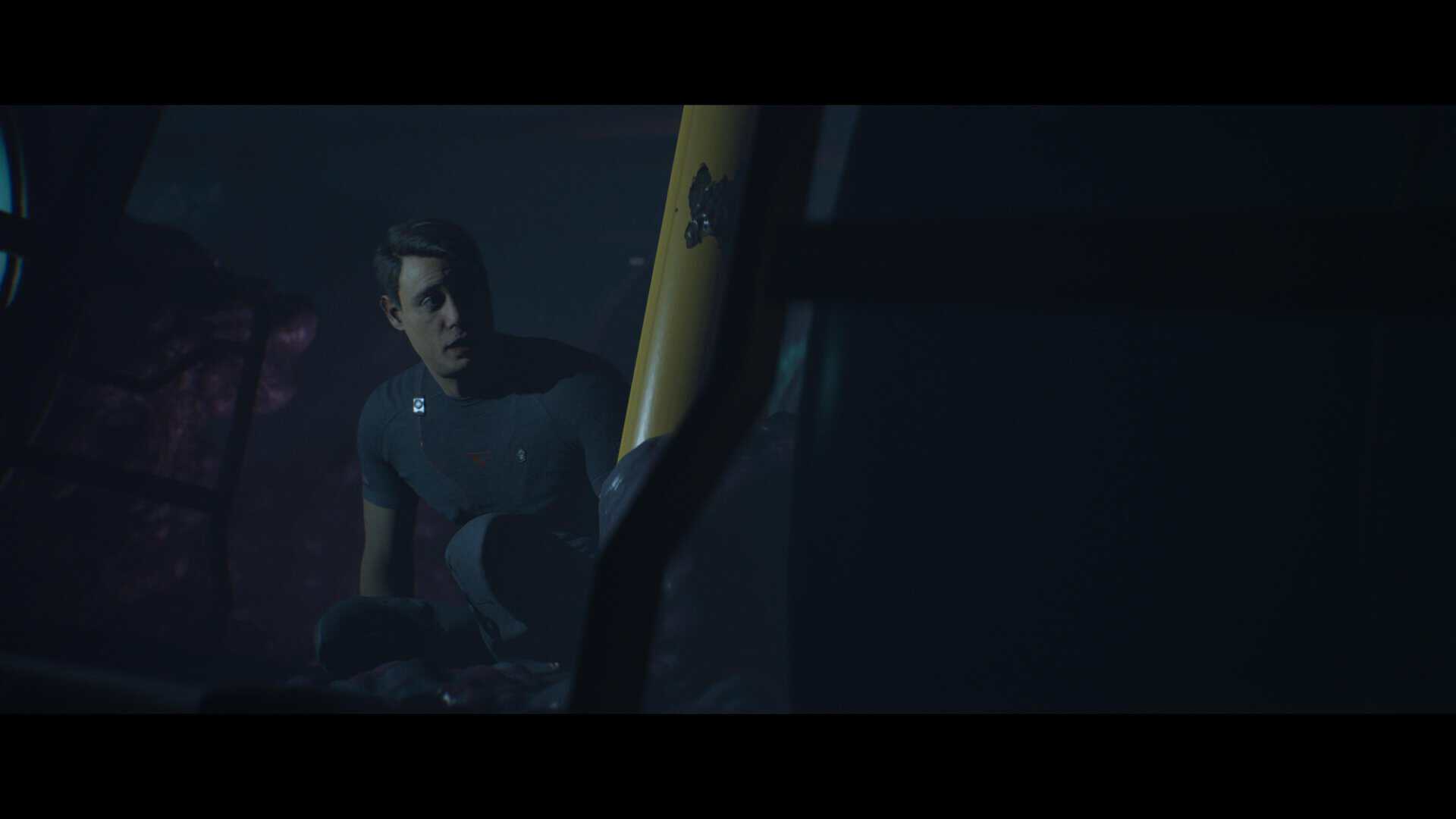
Unfortunately, Supermassive Games has made yet another attempt to introduce some form of gameplay to avoid that ‘interactive movie’ label. Apparently this was to help break up story moments, but all it does is slow down the pacing with some god-awful stealth sections. Later on in the game, the alien life forms begin to resemble clickers from The Last of Us, and they have the same blindness too (not intentionally). There were plenty of moments where I messed up and accidentally walked directly in front of one, only for the painfully bad AI to fail to spot me. It would simply stumble around its very simply scheduled route, often getting stuck staring at a wall or door for several minutes. Stealth feels like something that the developers felt obliged to add into their game, not something that they were genuinely passionate about. And the same can be said for the way the story itself is delivered; it completely fails to add even a little bit of creativity to the doppelganger situations, swapping out what could have been very creepy infiltration scenarios for spending the majority of our time avoiding the doppelgangers that often immediately make themselves known. Tension is further evaporated from the stealth sections once the player works out that being caught actually has no real consequences, unless you fail the QTEs.
Exploration is dumbed down to finding crewmate tablets lying around the ship, with confidential messages already open, revealing classified mission secrets – bear in mind, all but two of the crew have been asleep for four years! And if that wasn’t enough to breach some employer/employee confidentiality, the crew’s personal messages sent to family from months ago are being pinged to the screens in the communal areas for some reason!
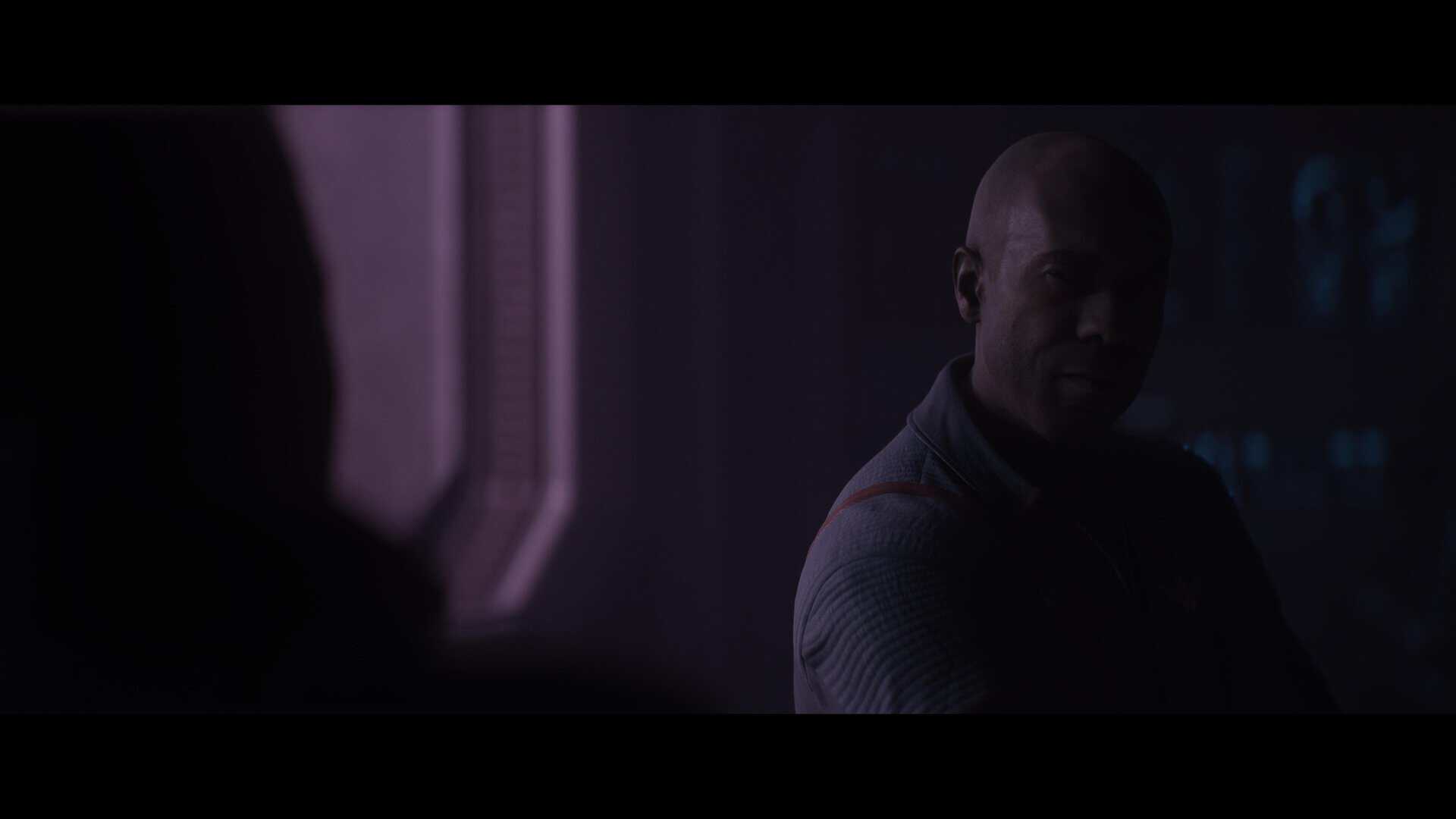
The story uses a non-linear timeline, giving us flashbacks showing Young signing up for the mission, and flashforwards giving us glimpses into how the situation pans out for the team. While the flashbacks are relevant to the plot, all the flashforwards achieve is killing any tension for the present-day scenes, as we know the characters featured in the flashforwards are going to be safe up until that point. It’s as though the writers were concerned that having any form of build-up to the later events would kill the pacing, when in fact it just introduces the meat of the story too soon and makes these scenes less impactful later on.
Dialogue is a surface-level exposition dump which fails to delve into some of the ethical and philosophical questions that should have been raised during certain plot reveals. Characters have unnatural and, quite frankly, odd reactions to dire situations – such as completely lacking empathy when finding a crewmate dead. They feel one-dimensional, with there only being a couple of characters who we genuinely liked. The rest were just boring, having some kind of “quirky” trait as a way of giving them some form of personality. We both actually laughed when the ‘personality manifested’ notification appeared on screen for the first time, accurately marking these characters as personality-less husks waiting to be filled with traits. It’s like the writers themselves were copied by aliens who haven’t spoken to another human being before. Characters feel like they’re not on the same page as the plot, often failing to recognise the existence of the doppelgangers despite having countless pieces of evidence pointing towards them by that point. And not to mention that they irritatingly keep breaking every horror movie rule in the book, even when other characters comment directly on not doing these things. Entering a room full of mysterious alien growths with no protective gear whatsoever? Check. Constantly splitting up even though the existence of the doppelgangers relies on them doing so? Check. This crew is supposed to be the best that Earth has to offer, yet there are very few moments, where this is actually shown – this ragtag bunch is definitely more suited for Prometheus than Alien.
While Directive 8020 is undoubtedly the best-looking Supermassive Games title yet, being developed on the Unreal Engine 5, there was also a lot of inconsistency with the mocap detail between characters – with some characters having far more detailed facial expressions than others. Similarly, the audio also failed to bring each scene to life – coming off as very flat when, as a sci-fi game, this should really have been a strength. The music also feels completely absent during particularly intense moments, making these scenes come off as awkward and incomplete as a result. The title card music was fun, and I wish this had been more prevalent throughout the game.
The Thing grew its tension from the unknown. Audiences were left guessing alongside the characters who were real and who was the thing, with it only revealing itself once it had been discovered. Directive 8020 misses this entirely, opting more for a bad slasher fic presented through the absolute bare minimum stealth sections that the developers could have designed. The cast of characters are complete idiots, despite the game telling us that they’re supposed to be Earth’s best, and the majority of them lack the personality or backstory to even try and make us care about them. But to make matters worse, all of this works towards an ending that is completely undeserving of the amount of time spent working towards it – ensuring that this will be the last Supermassive Games title that I’ll play.
Jess reviewed Directive 8020 on PlayStation 5 with a provided review code. This review is based on the version of the game available at the time of writing and our score will not be changed.
- Score
- 5/10 It's Fine - GameObserver Does Not Recommend
- Summary
-
Jess says: Supermassive Games takes inspiration from some of the best sci-fi horror movies for Directive 8020, but fails to understand what made them so great, and even what made their own game, Until Dawn, so great. Opting more for a bad slasher fic presented through the absolute bare minimum stealth sections that they could have designed, Directive 8020 can't even fall back on its personality-less cast of characters that don't even try to make you like or care about them. All of this results in a lackluster ending not worthy of the time spent working towards it. If The Devil in Me and The Casting of Frank Stone weren't giving clear enough signs that whatever Supermassive Games is currently doing just isn't working, then Directive 8020 certainly is.
- More
- GameObserver's Review Policy


 ObserverCrew Picks
 bserver
 bserver