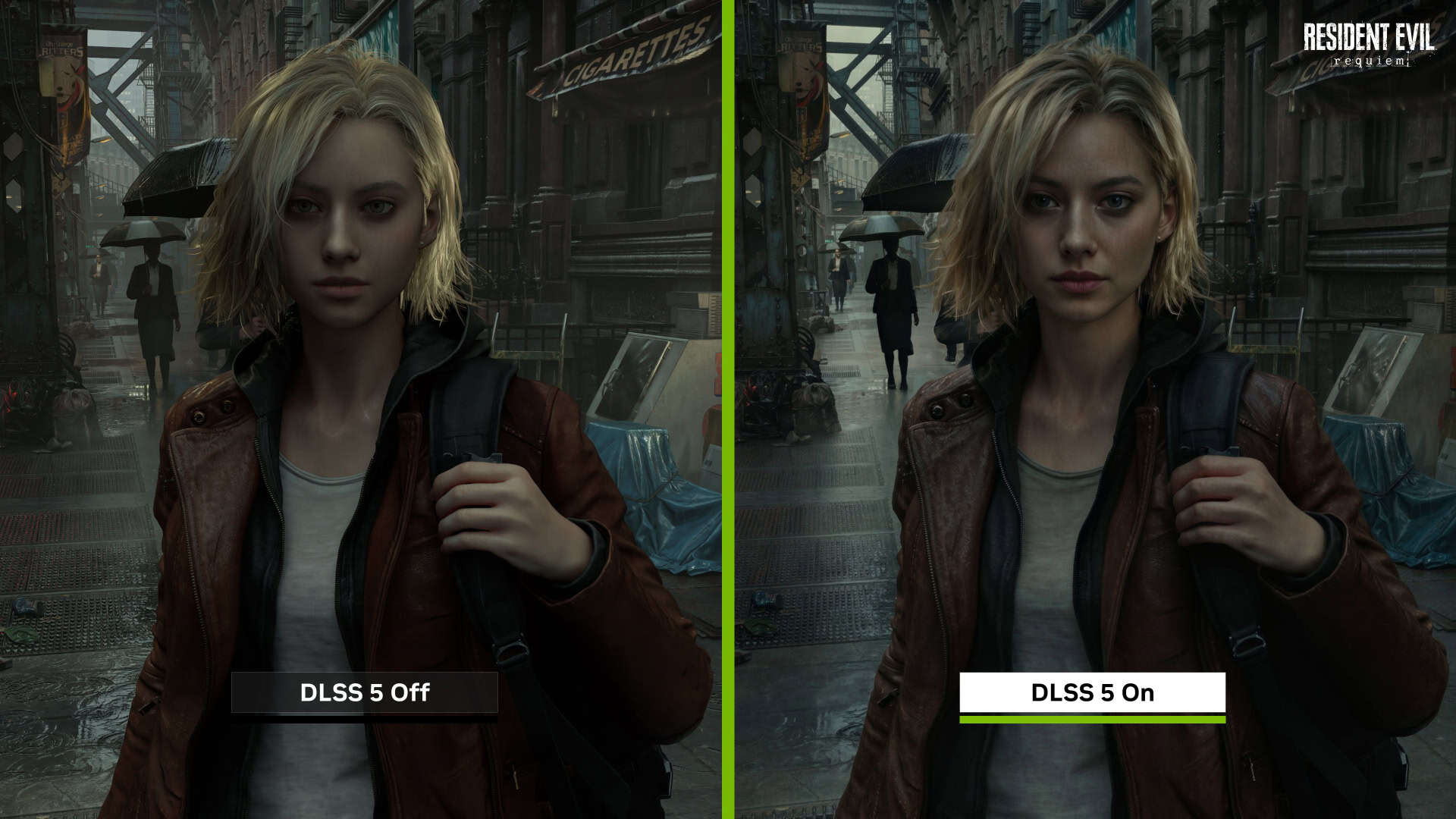
I assume you’ve seen some video about the upcoming Nvidia DLSS 5, set to release this Fall, or at least seen screenshots comparing the before and after. Understandably, it caused quite a stir. Everyone but the people involved is talking about just how uncanny it looks, specifically the characters’ faces. Many people loudly claim that there is no way this is just a change in the lighting. Based purely on what I saw, I do genuinely believe that no geometry was changed, though I wouldn’t be surprised if, at some point it’s revealed that the presented footage was more than just a lighting change. But it’s not what I think the focus should be in this conversation.
If you aren’t convinced, then only for the sake of the argument, assume that this truly is just a strictly smarter, better graphical simulation. Would that change how you feel about it? Does it make these faces look any better if you hated the new look? No, of course not. But if this truly is the vision signed off on by the creators at Bethesda and Capcom alike in their pursuit of realistic graphics, as seen in the quotes given to Nvidia, then why does it still instill in us such strong negative reactions?
I fully believe the answer lies in the commercialization and commodification of genAI images and videos. Previous DLSS iterations have never faced such backlash, but now that the visuals look just too much like the ads for AI chatbots, it activates the same reaction as seeing a company use AI in promotional material: it’s cheap, fake, unrealistic, and ugly. DLSS5 accentuates every detail on a face in a way not seen in video games. The details may always have been on the model, but we simply would have never known without this technology putting them at the forefront.

The presented comparisons, especially in motion, do not inspire awe or a sense of realism. It’s not on the level of a hyper-realistic AI video, the kind that genuinely tricks people. It’s merely on the same tier as the meme your aunt shared on Facebook. You know, the one about animated characters in real life, where all the women have unexplainably gotten brand new features inspired by the millions of people who previously asked the same genAI for spicy pictures of fictional women. Or that Balenciaga trend from back when genAI was beginning to grow popular. It’s a common sight, while also feeling very dated.
We may eventually reach that realistic look, or maybe we won’t, as other fields outpace gaming. Regardless, in what I can only call a transitional stage, I believe now more than ever, it’s worth contemplating whether the deeper reflections in the eyes, shadows underneath the nose, or a more detailed simulation of lips and wrinkles are truly worth pursuing. Judging from the reactions, the answer is overwhelming: no, they aren’t. Everyone is rejecting what the industry claims is the closest we have to realism. They can tell us that the new DLSS is undoubtedly the way to play, but it does not change the fact that, for once, nearly everyone agrees that older graphics look better.
We have passed the acceptable levels of realism. Turns out, celebrated visual styles in the AAA space, like The Elder Scrolls IV: Oblivion Remastered or Resident Evil Requiem, that truly stand at the forefront of technological innovation of their respective engines, were actually beloved because of their stylized touches. The uncanny valley look of old Elder Scrolls that remained in the updated visuals has proven universally preferable to something the industry tells us is objectively greater.
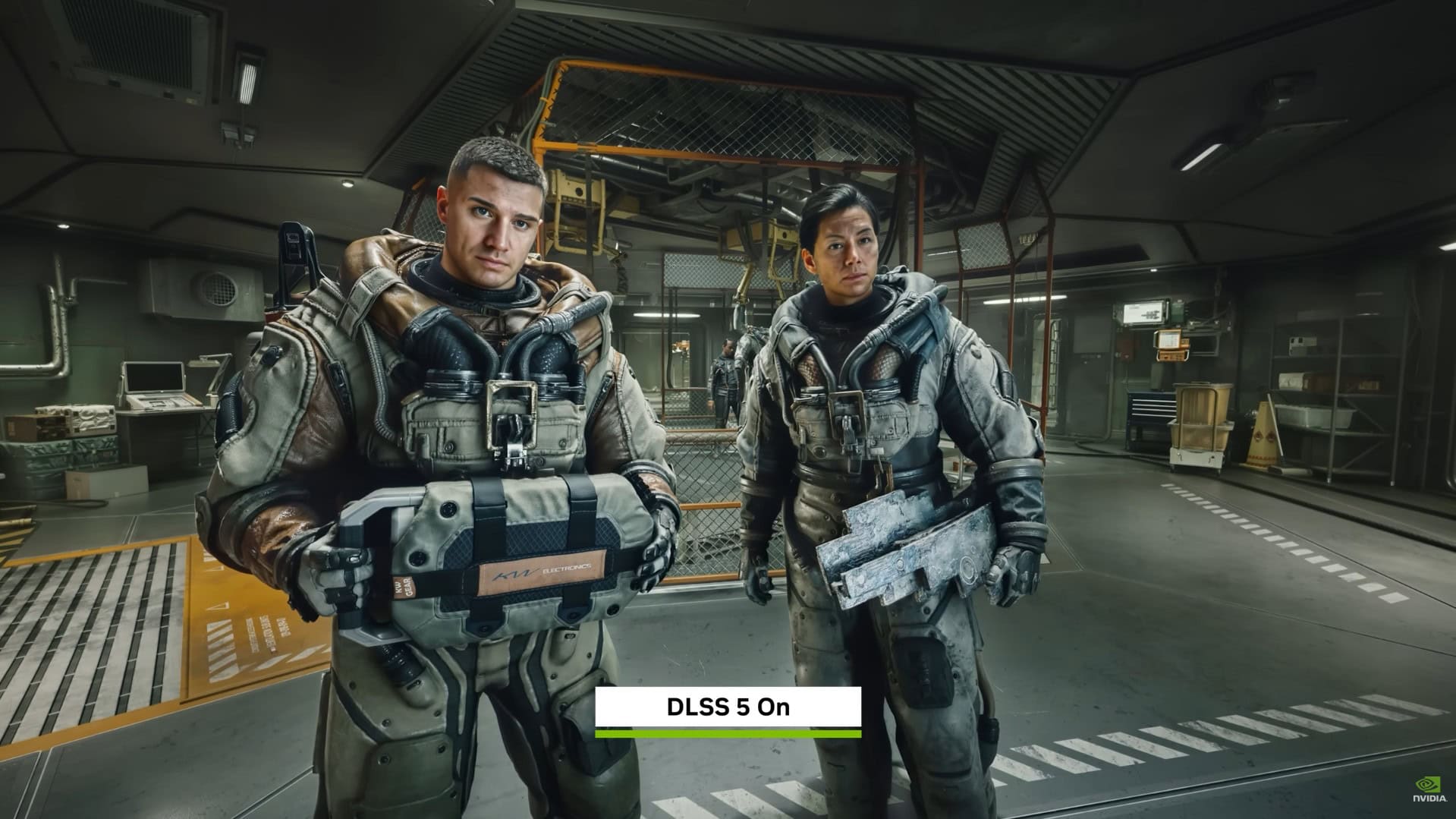
The conclusion? Video game graphics are, and always will be, a human-made art. No amount of money, calculation, or generation will convince this audience if the difference between an option being on and off is too drastic. Those who might not know the difference would likely never even look in the menus for a way to activate DLSS if it isn’t on by default. Yet, an echo chamber of people who don’t view the AI-like look as a strict negative, who are still trying to convince themselves there is something to be squeezed out of the fakeness thoroughly rejected by the people, is trying to tell you that you totally want your games to look like your aunt’s Facebook memes.
I have no doubt there will be games built with this technology in the future that will look good, and none of us will be the wiser. But if this truly is just a difference in the lighting activated at the press of a button, then I don’t think there ever was a louder moment in gaming history in favor of the human touch in the tech space. For stylization in even the tiniest corners, AAA’s never-ending pursuit of realism. If this is the most realistic we can get, then the next wave of realism is destined to be mocked and discarded. What then? Do we continue chasing it? Or do we finally wake up to the artistry, hiding beneath, and look for games that strive for something different?
If you’re looking for spaces where stylization reigns supreme, stay tuned to human-only sites like GameObserver for the coolest-looking games each month!




 ObserverCrew Picks
 bserver
 bserver