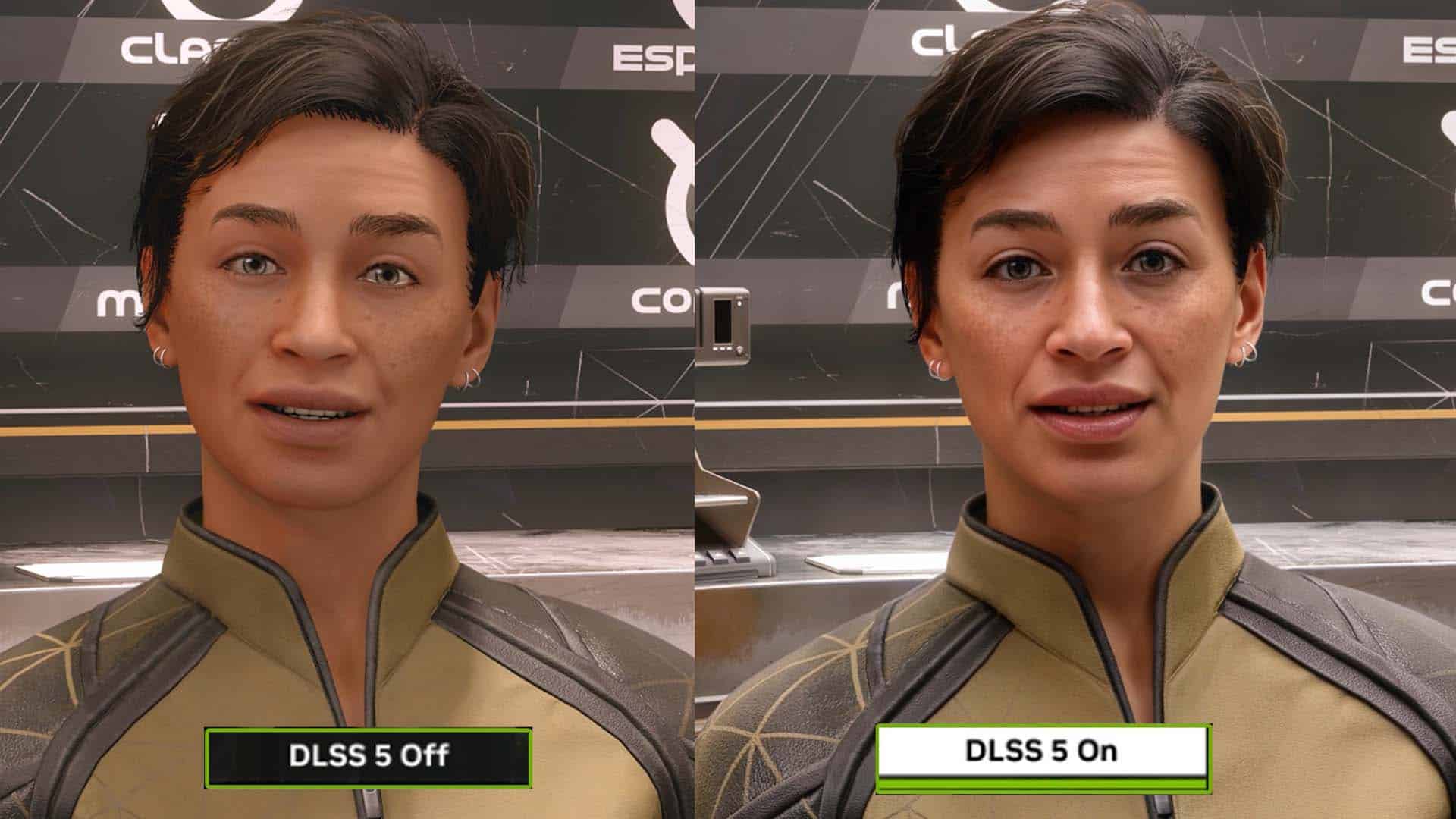
NVIDIA CEO Jensen Huang is once again trying to defend DLSS 5, a technology that has received a lot of criticism since it was announced. Many players and even developers were surprised by its reveal, and reactions have not been very positive so far. Huang believes he understands where the criticism comes from, and he even admits that he is not a fan of what some people call “AI slop.” However, he still wants to explain why DLSS 5 is different.
Speaking in a recent podcast with Lex Fridman, Huang said, “I think their perspective makes sense and I could see where they’re coming from because I don’t love AI slop myself.” He added, “You know, all AI-generated content increasingly looks similar, and it’s all beautiful, so I can understand and empathize with what they’re thinking.”
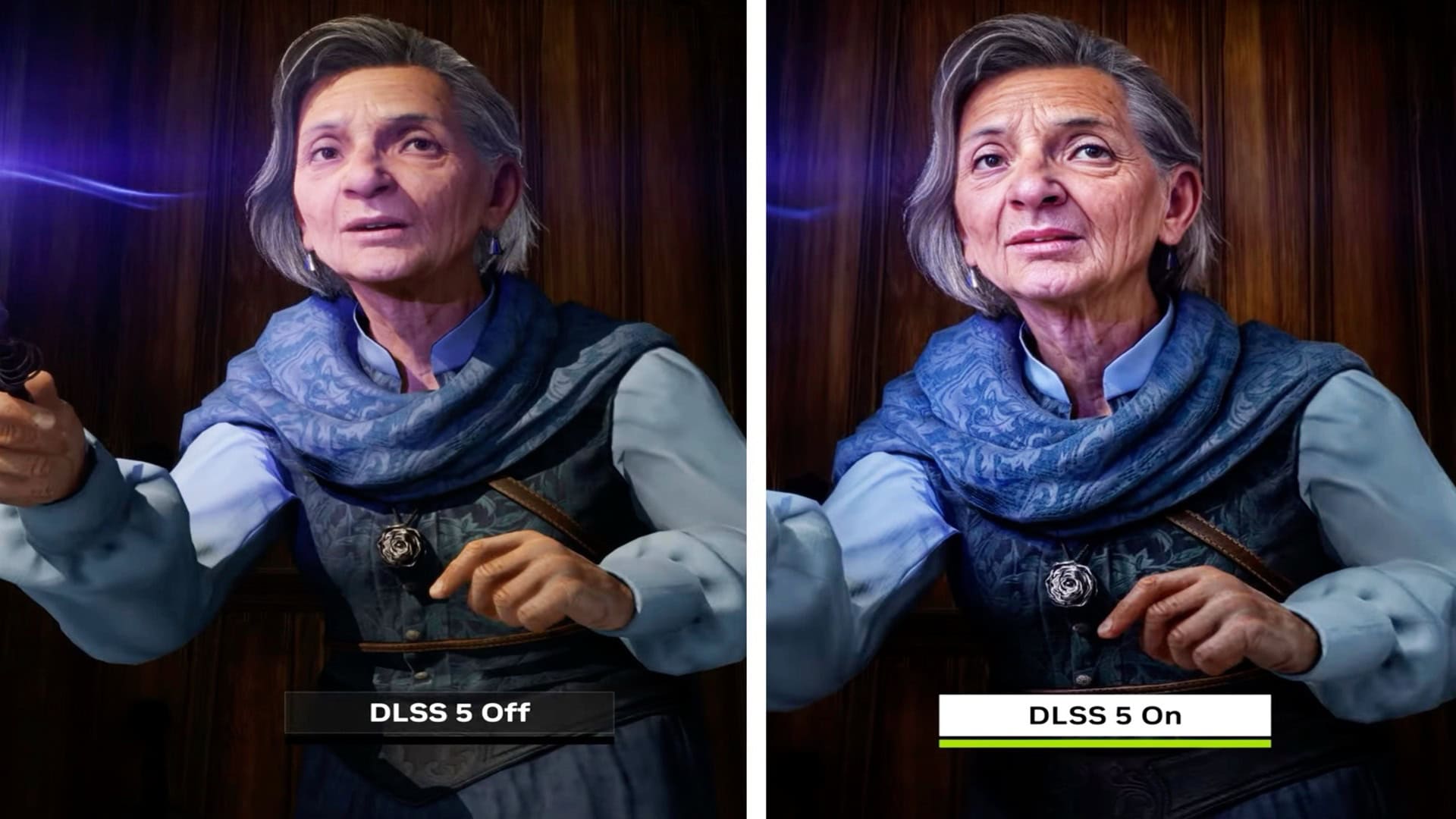
At the same time, he pushed back against the idea that DLSS 5 is just a simple filter that ignores the original artistic work. He explained: “That’s not what DLSS 5 is trying to do. I’ve shown several examples of this, but DLSS 5 is conditioned and guided by 3D information.” He continued that it is based on real structure data and guided by 3D information, meaning the artist defines the geometry and the system stays true to it, maintaining it in every single frame. According to Huang, the system also respects textures and artistic work, stating, “It’s conditioned by the textures, the artistry of the artist. And so, every single frame it enhances but it doesn’t change anything.”
He also said DLSS 5 is flexible, since “the system is open,” so developers can train it and, in the future, guide it—like making a game use a toon shader style instead of realistic graphics. In addition, he believes critics misunderstand DLSS 5, thinking the game is finished first and then it is “post-processed,” when in reality it works alongside the artist from the start.
Finally, he made it clear that developers will have control over whether they use DLSS 5 or not: “DLSS integrates with the artist, it’s about giving them the AI tool, the gen-AI tool. They can decide not to use it, you know?” Even though NVIDIA continues to say that DLSS 5 is part of the artistic process and not just post-processing, many people still find it hard to see the difference based on early demos. For now, Nvidia keeps defending the technology and insists that developers will decide how and when to use it in their games.




 ObserverCrew Picks
 bserver
 bserver