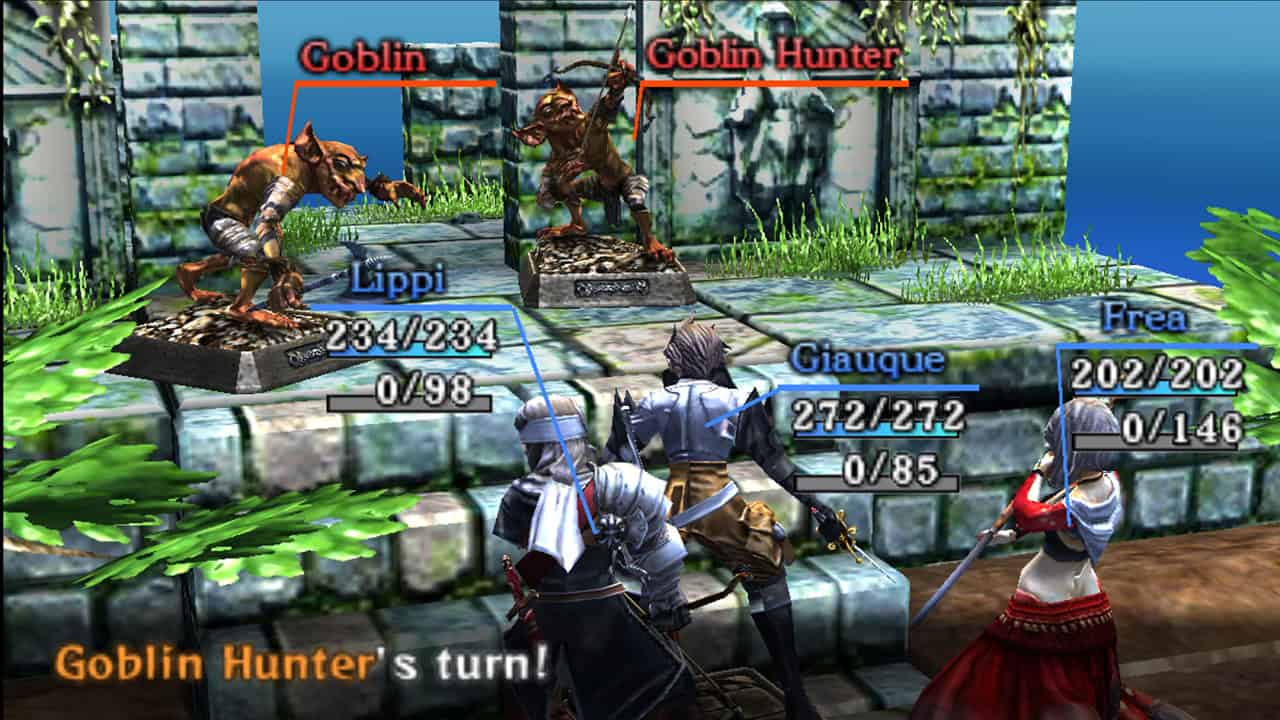
For the past few years, in my off-time, I’ve been trying to figure out my video game tastes, examine my biases, and work out why exactly I feel a certain way towards certain things. Two years ago, I studied a bunch of western RPGs—lots of BioWare titles, but also Planescape: Torment, the first two Fallout games, Divinity: Original Sin II, and others. This year, I set out to do the same with the Eastern counterparts in the genre, and the first one on the list has already stumped me.
I think we all have certain preconceptions when it comes to the Western vs. Eastern RPGs. One of the reasons I always gravitated more towards the Western titles was their reactivity. I started my RPG adventures with BioWare games, a studio that exemplifies the very best of it. I think back to Mass Effect 3, and how after every mission, story, or optional, you could travel around your ship and hear everyone’s thoughts on the last excursion, some situation from a different part of the universe, or a quiet moment of self-reflection. Characters would travel from one floor to another to chat, celebrate victories with others, or mourn the lost. To this day, it’s a game that, to me, feels the most alive. Or, rather, it was.

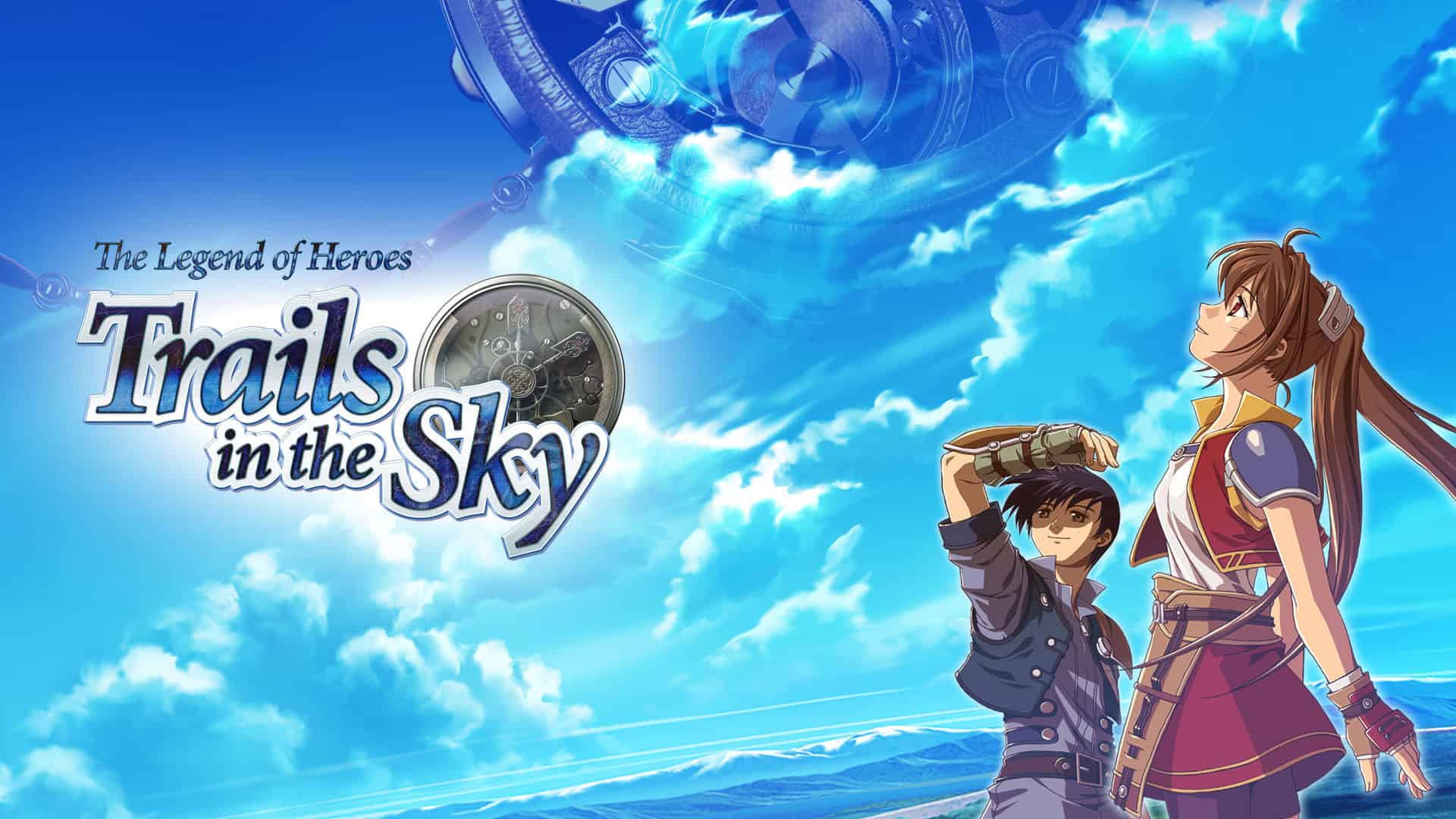
The Legend of Heroes: Trails in the Sky is a bit of a complicated place to start a series if you look a bit deeper into its history. It’s the beginning of the “Trails” series of games, and the sixth title in the The Legend of Heroes series, the first game of which, Dragon Slayer: The Legend of Heroes, is, in turn, the sixth game in the Dragon Slayer franchise. A lot to take in, I know. Yet, even someone as rigorous when it comes to playing games in release order has to draw a line somewhere, and I’m very glad I did.
Despite the recent remake, that devotion to the release order still got the better of me, and I picked up the PC port of the original. Having now finished it after 80 hours, I can confidently say it has completely broken the glass ceiling of what I thought was possible for video game reactivity. Trails in the Sky is the warmest, most real-feeling RPG I have ever played.

Two young fighters—Estelle and her adopted brother of five years, Joshua—set out to earn their spot in the Bracers Guild: a group of people dedicated to helping the local communities in various, primarily combat-related tasks. To do this, they have to travel the kingdom of Liberl and gather recommendations from each branch. Though they could travel via an airship, the two decide to travel on foot to better familiarize themselves with the people they strive to be the protectors of.
As a result, the game, like its two protagonists, is entirely dedicated to its own world. You can see this from the very first moment you enter any hub. Each one will have one or several signature dishes you can eat and learn to gain combat upgrades in the future. To craft them, you’ll need to visit the local general goods store. There, you’ll find the newest newspaper that’ll cover the most important events around the kingdom, including your team’s adventures. To supply the general goods store with healing salves and various antidotes, the local church works on new recipes to help their community.

This logic for each location is not even the best part. Each vendor and other NPCs have new lines of dialogue following each story event, totaling dozens of lines each. And there’s a whole bunch of these characters! Just like the main characters, by the end of a chapter, each one will have undergone some sort of little story of their own. Big, local events have a palpable effect on everyone in the community—seeing the vast range of reactions left me completely shocked. I’ve simply never seen NPCs I’d typically talk to once and never again be so reactive in an RPG before. I was initially overwhelmed by trying to listen to all their stories, but eventually settled into a groove of only checking on my favorite people in each town. Otherwise, I’d have to put at least 20 more hours into the game!
The people you meet in one location may also appear elsewhere! Not just the major ones, but also those without a unique model. A flight attendant you rescue in the second chapter will pop up later, taking a break from her work to celebrate with her child, commenting on how she can’t remember the last time they played this much. You get to see how the event influenced her, as she realizes that her work cannot be more important than spending time with the little bundle of joy. A fisherman you also meet in the same chapter will mention a fishing guild and, sure enough, when you finally reach the capital, you’ll find him there, alongside other enthusiasts. They’ll have an entire arc of their own, alongside a local couple, where the husband’s fishing obsession is causing a marital spat.

Side quests can occasionally be found by being in the right place at the right time, or by talking to someone out of the way. A guard standing in a location you barely visit during the chapter asks you to deliver a letter and a present to his girlfriend. You have to figure out where to find a present in the first place, once again pushing you to interact and better understand the local community. Characters from side-quests will pop up in future ones too, like a merchant who risks too much to find rare ingredients, eventually becoming overzealous to the point where his relative asks for the guild’s help.
Each character, each location, has its own story, and Trails in the Sky does its absolute best to push you towards truly caring for them all. Each person with dreams, ambitions—a world you want to protect. Even with its major twists and turns (and a few uncomfortable moments) along the way, I was thoroughly captivated by how down-to-earth the whole experience is. If a game this big from 2004 can be this enamored with its own world, why won’t others?

It’s fascinating, thinking back to how RPGs tackled this problem. One game that comes to my mind immediately is The Elder Scrolls III: Morrowind, where most NPCs would have their general set of questions you could click on inside their responses or via text boxes on the side, but, on special conditions, could have unique interactions depending on the player’s affiliations or even their health. Even looking as far back as the original Dragon Quest, where the player character carries a rescued princess back to the game’s starting castle, NPCs would have unique dialogue if you talked to them during the process.
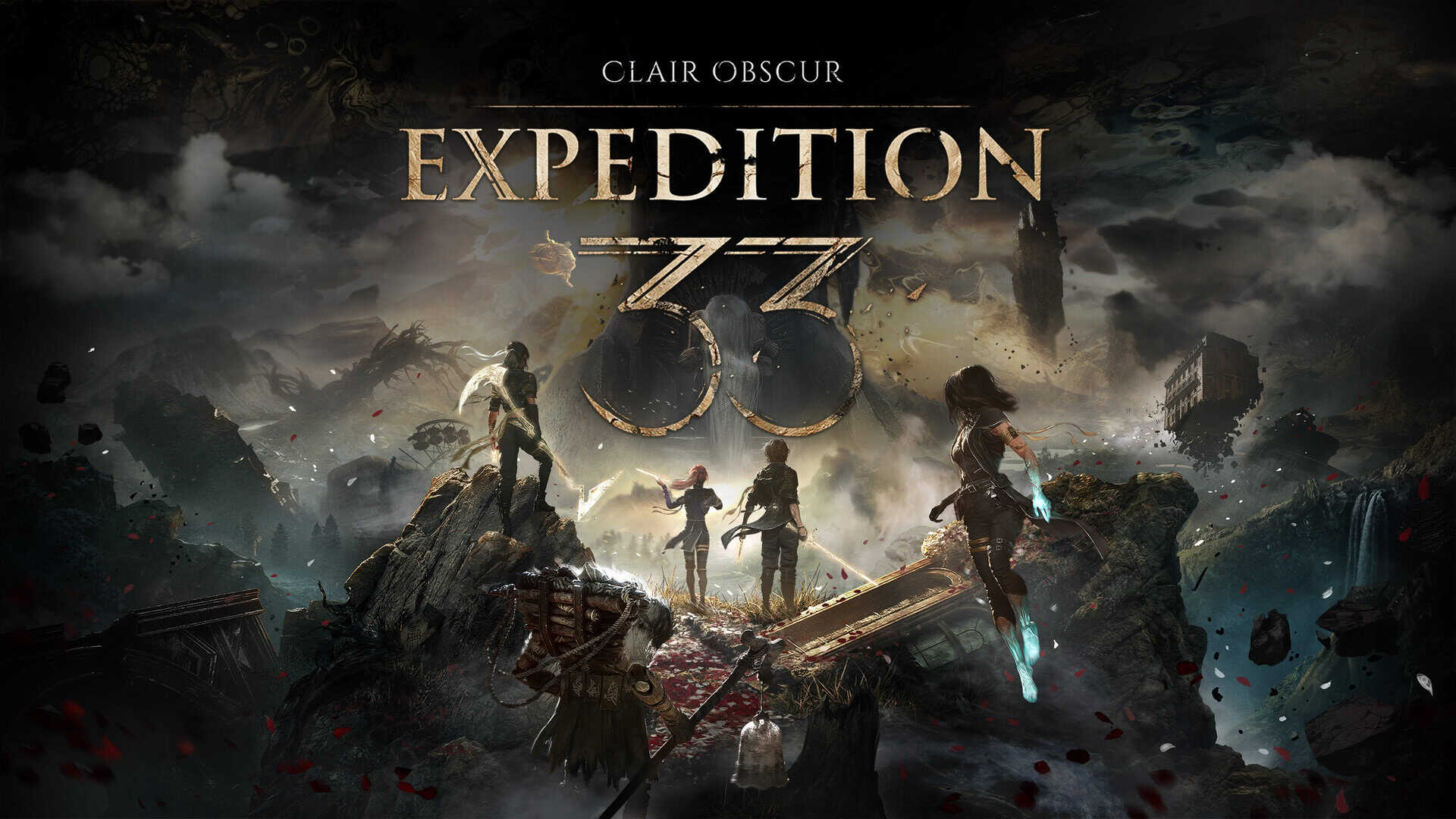
So much of this warmth continues to be lost the more we move away from chaptered, text-based stories and towards massive hubs, voice acting, and motion capture. Even in the few that do adapt an old-school style, there’s often so little reactivity. Last year’s GOTY, Clair Obscur: Expedition 33, features a structure not dissimilar to the Eastern classics, while adapting the camp-companion dialogue of something like a BioWare title. Yet, all interactions are queued up at the beginning of chapters, meaning you’ll likely run through them all at once and then hear nothing from your companions for hours at a time (other than “Parry it!” of course). The few social hubs, like the Gestral Village, are also largely static, without anyone acknowledging major story events. Even the modern genre titans still have a lot to learn, it seems.

Back when I knew only BioWare and Bethesda’s styles of reactivity, I could justify to myself how most RPGs lacked in that department. Not everyone wants to focus on the people, the world. Many RPGs focus on characters and advancing the plot. But the more I play, the more I realize just how underappreciated all these optional bits of dialogue truly are. If you’re going to have multiple companions, social hubs, and world-changing events, is ignoring the voices of the people really worth making the game bigger? But now I know that Trails in the Sky could manage it in spite of its massive size and being released in 2004.
Each time I saw any one person appreciating their life or taking a step forward in Trails in the Sky, I felt the game transcending a barrier I thought unbreakable. It felt properly real. In a style of game I’d never expect to care this much for reactivity, no less! I have to wonder just how much this one game will impact future interactions with my favorite genre. Can I expect any less from video games twenty years later?

As a beginning to an epic series spanning over a dozen entries, nay, as an RPG, I cannot imagine a greater success than The Legend of Heroes: Trails in the Sky. If you’re looking to get started, the first games are currently being remade by Nihon Falcom, with the second chapter (the original is often considered to be the best game in the series) set to release this year. There won’t be a better time to jump in, and if you want to see what this reactivity stuff is all about, you absolutely must give the series a shot. I think this just might be what an ideal RPG looks like.

 ObserverCrew Picks
 bserver
 bserver