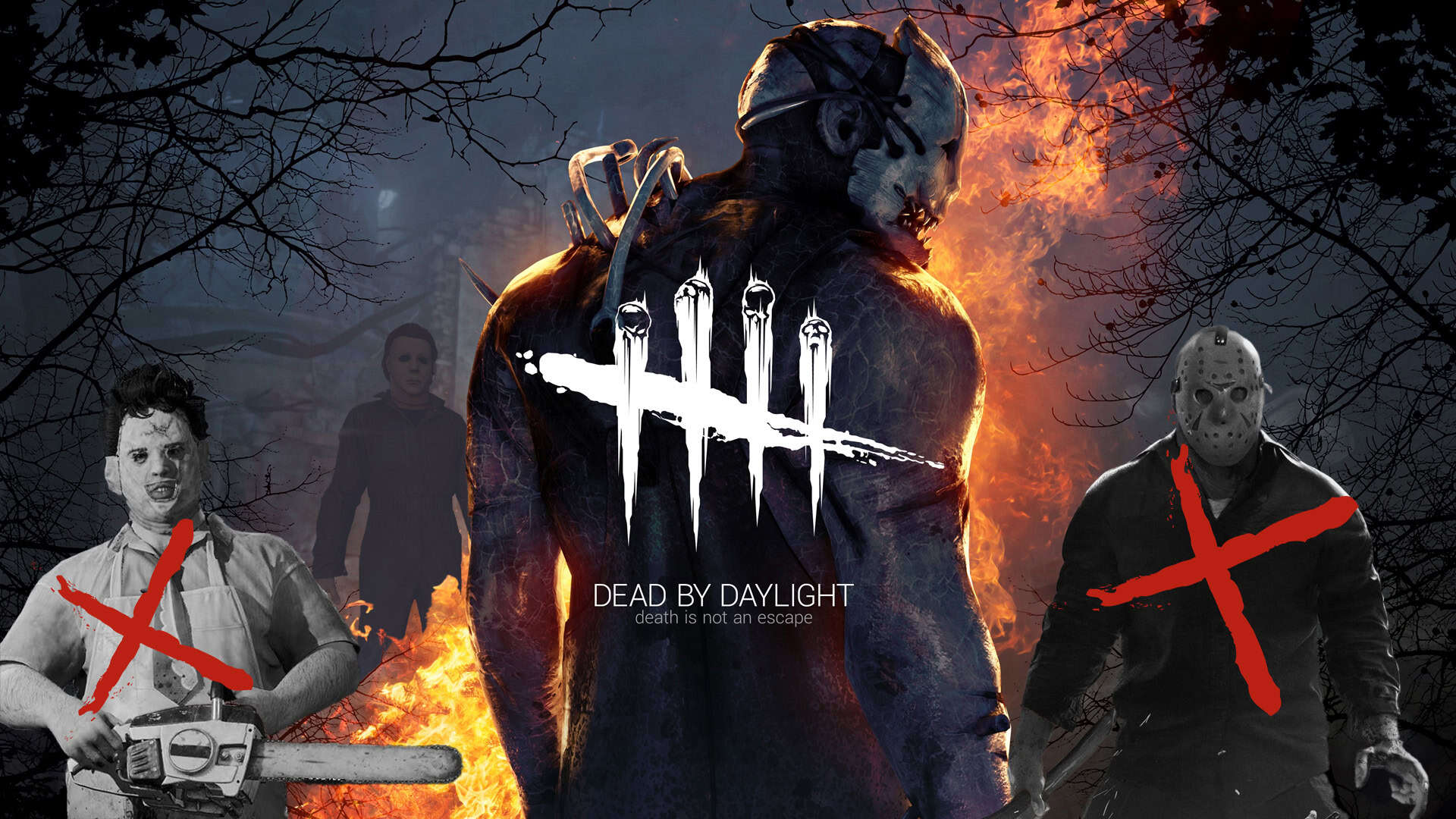
2025 is almost over, and it feels like every year the horror genre is expanding and getting more popular, even in the gaming space. If you’re into horror games, then chances are you’ve heard of Dead by Daylight, the online multiplayer horror game in which four survivors compete against a single killer, where teamwork is key to complete tasks, escape, and live another day. Dead by Daylight has a giant fanbase, but with it losing several licences this year and the fanbase experiencing a sense of turmoil unlike ever before, we feel like taking a look back and reflecting on the journey here.
Dead by Daylight has cultivated a loyal fanbase of its own and has strung other audiences along the way, as the trick under this game’s sleeve is including some of the most iconic faces of horror such as Halloween’s Michael Myers, Chucky the Good Guy doll, Alien’s Xenomorph, and many more. But something about Dead by Daylight is different to many other games. Contrary to most other successful live services, this Fortnite doesn’t have its PUBG. It’s a Call of Duty without a Battlefield. You could go so far as to say this Jason hasn’t found its Freddy to versus yet; as over the years the barrage of attempts at competing against Dead by Daylight have fallen victims to the Entity, leaving it standing as the final girl in asymmetric horror games. But why?
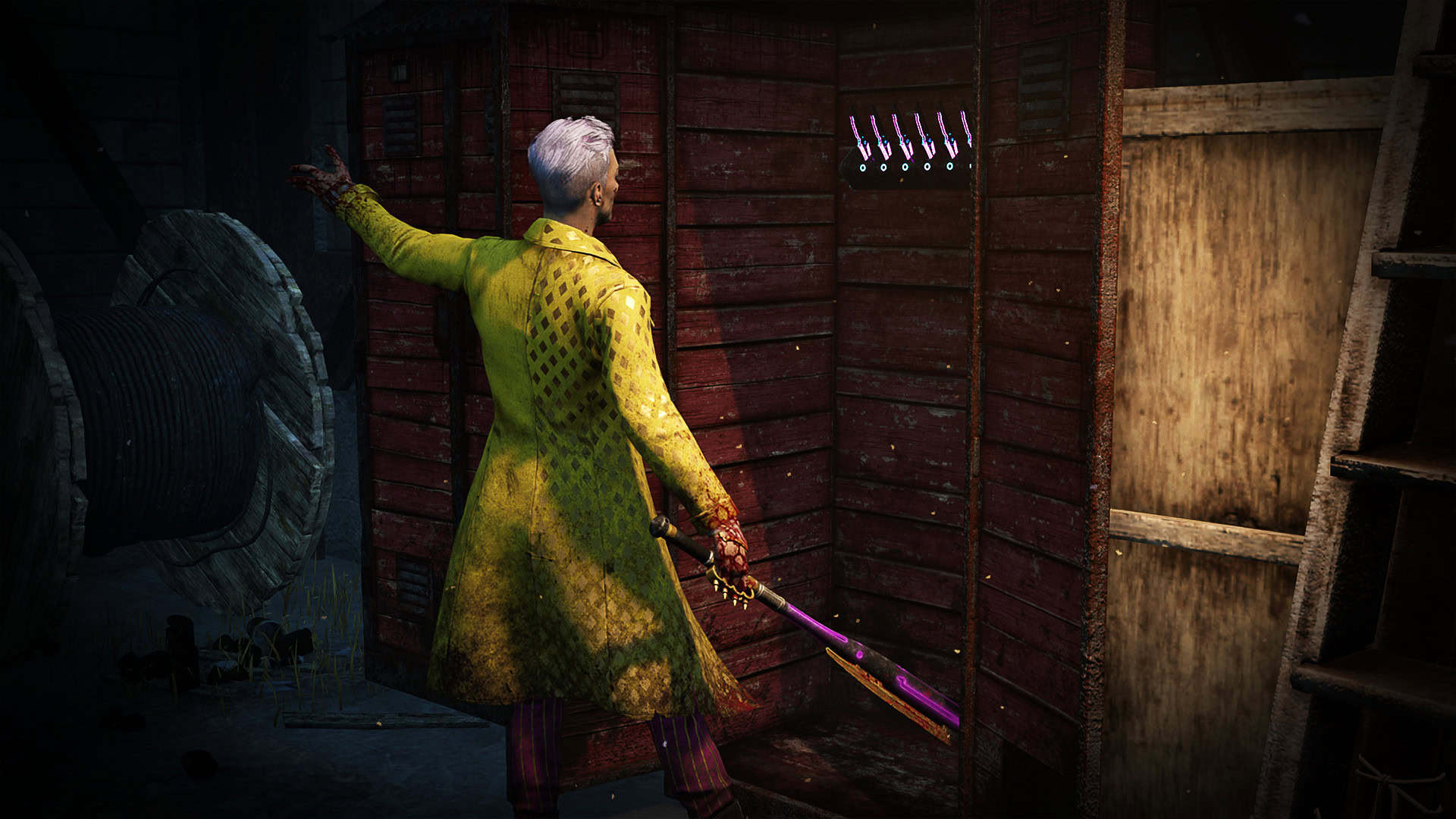
For the uninitiated, Dead by Daylight first released on PC in June 2016 from the creative and macabre hands of Behaviour Interactive. It made its name on a single game mode that keeps fans returning year after year: the asymmetrical multiplayer. One player (the killer) goes against four others (the survivors) inside a closed map, where survivors have to repair generators randomly scattered throughout the map to power the exit gates, all whilst being hunted by the killer. For the killer, the main goal is to capture the survivors, preventing them from powering the gate and placing them on hooks to get eventually consumed by ‘the Entity’, the manifestation of evil that has trapped both killers and survivors to feast on their fear. If the survivors are successful at opening the exit gates, they can escape the trial, reap the rewards and return to the campfire to await the next trial.
It’s a fun gameplay loop for sure, but possibly the most attractive feature of Dead by Daylight for many is its ever-expanding selection of killers, where each has a unique ability (power) to injure and capture survivors differently. Over the years, “DBD” as the fans call it has added many of horror’s most iconic faces to its roster, reaching an envious amount of licensing deals reminiscent of the likes of Fortnite.
This all started with the Halloween DLC which included Michael Myers as its killer and Laurie Strode as the survivor, a mere three months after the game’s launch. This set the blueprint for how Behaviour would move forward with the game in future, as after every couple of original chapters – DLCs which bring new killers, survivors, maps or seasonal content – comes the introduction of a recognizable franchise’s characters. These existing IP-based chapters bring already existing fans of said franchise to Dead by Daylight for the first time, and hopefully for Behaviour sees them catching on to it longer term.
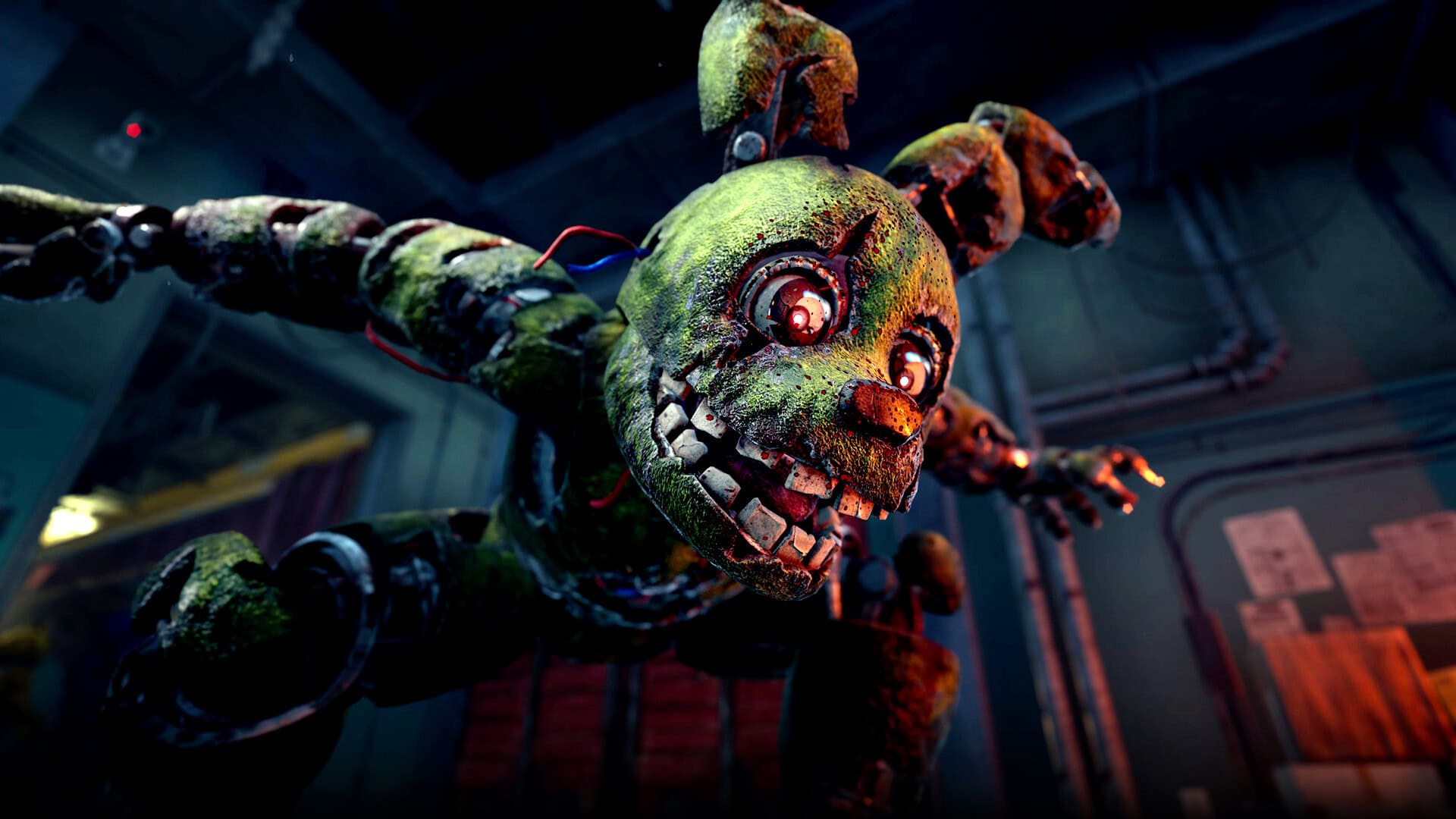
By now almost a decade on from launch, there are plenty of original killers to choose from. Yet, player data shows that every time the game has peaked in popularity over the years has been due to franchise crossovers like Resident Evil and Five Night at Freddy’s coming to the game and bringing in new audiences. Take for example this past summer in 2025, when the Springtrap from Five Nights at Freddy’s came to DBD in a chapter blowing the player count to over 126,000 concurrent players. This is what sets Dead by Daylight apart from most other titles, its versatility.
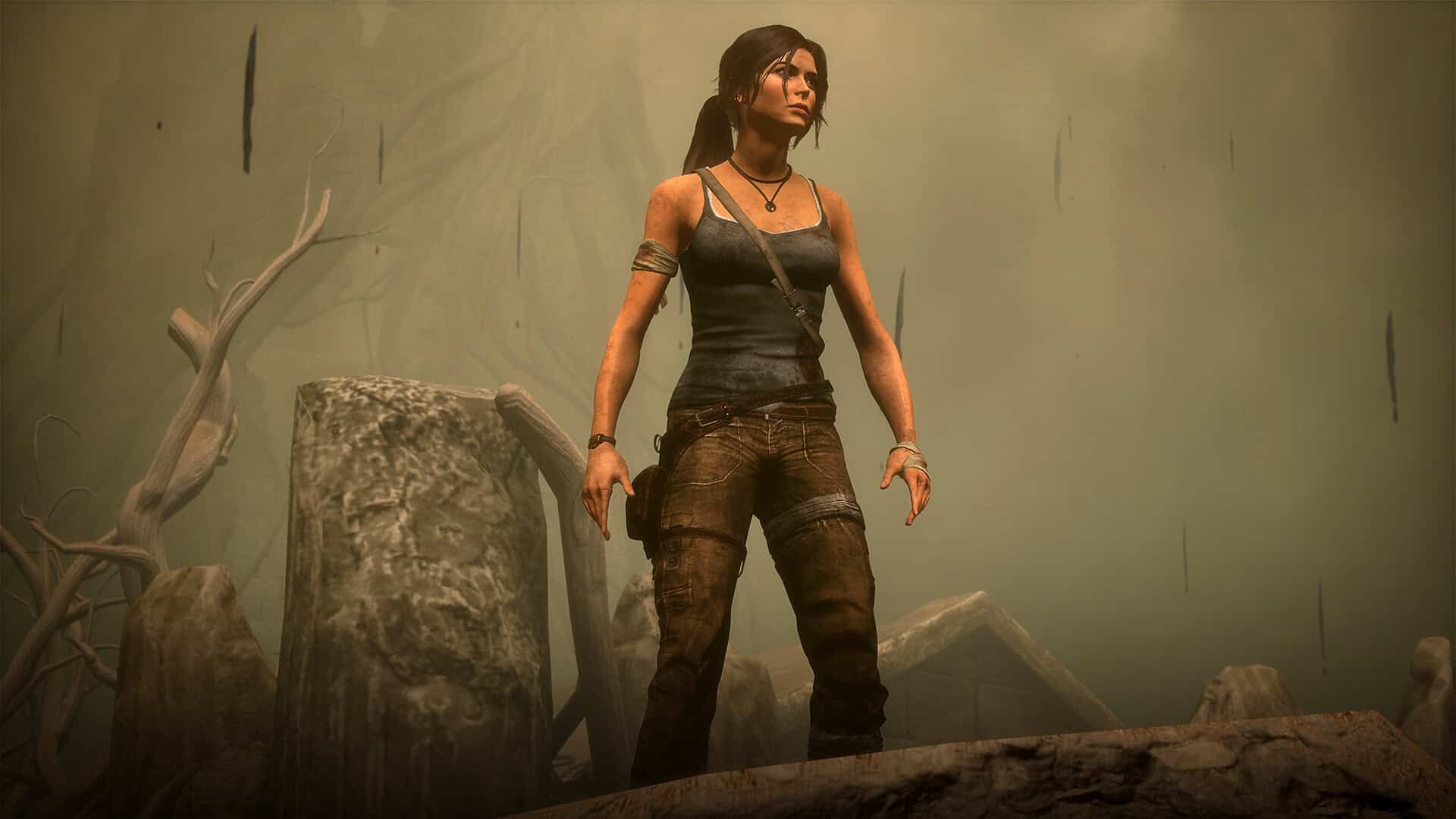
This multiversal, franchise-based model is the same that some of the most popular games in the industry have followed in recent years, such as the aforementioned Fortnite, which gives Dead by Daylight an upper hand. You see, many of the former competitors to the horror game behemoth have been shockingly limited in their range. Take, for example, Friday the 13th: The Game or The Texas Chain Saw Massacre game. Sure, they’re very iconic series with instantly recognizable characters, but notably they only have one each. They’re still hugely popular, but so are Ghostface and Dracula and Springtrap and the Demogorgon – which Dead by Daylight has the rights to use them all in a single game. This is probably a key part of the game’s longevity, because it’s easy to feel both new and refreshing and familiar and exciting when you’re able to reinvent yourself around a different massively popular franchise every few months.
So we’ve established that many have tried to stab their way to the spotlight but most have failed, and that the lack of recognizable IP may be a key reason. However, sometimes the use of an established franchise has also been the reason for the downfall of Dead by Daylight’s competitors. Let’s break that down further. One of DBD’s biggest competitors was 2017’s Friday the 13th: The Game, which saw iconic hockey mask killer Jason Voorhees as the lead role in his own asymmetrical multiplayer experience. The game wasn’t as popular as Dead by Daylight but it was a good time. It was different, and variety can be fun, so players were having a thrilling time fighting as (or against) Crystal Lake’s camp counsellors – and then it all came screeching to a halt. Due to a lawsuit for the rights to Jason’s character just a year after launch in 2018, Friday the 13th’s developer Gun Media was forced to stop all further updates and support of the game, until eventually the servers shut down permanently in December 2024. This is a clear example of a problem that plagues video games using characters from existing IP, and the critical error that comes in revolving an entire game around just one of them.
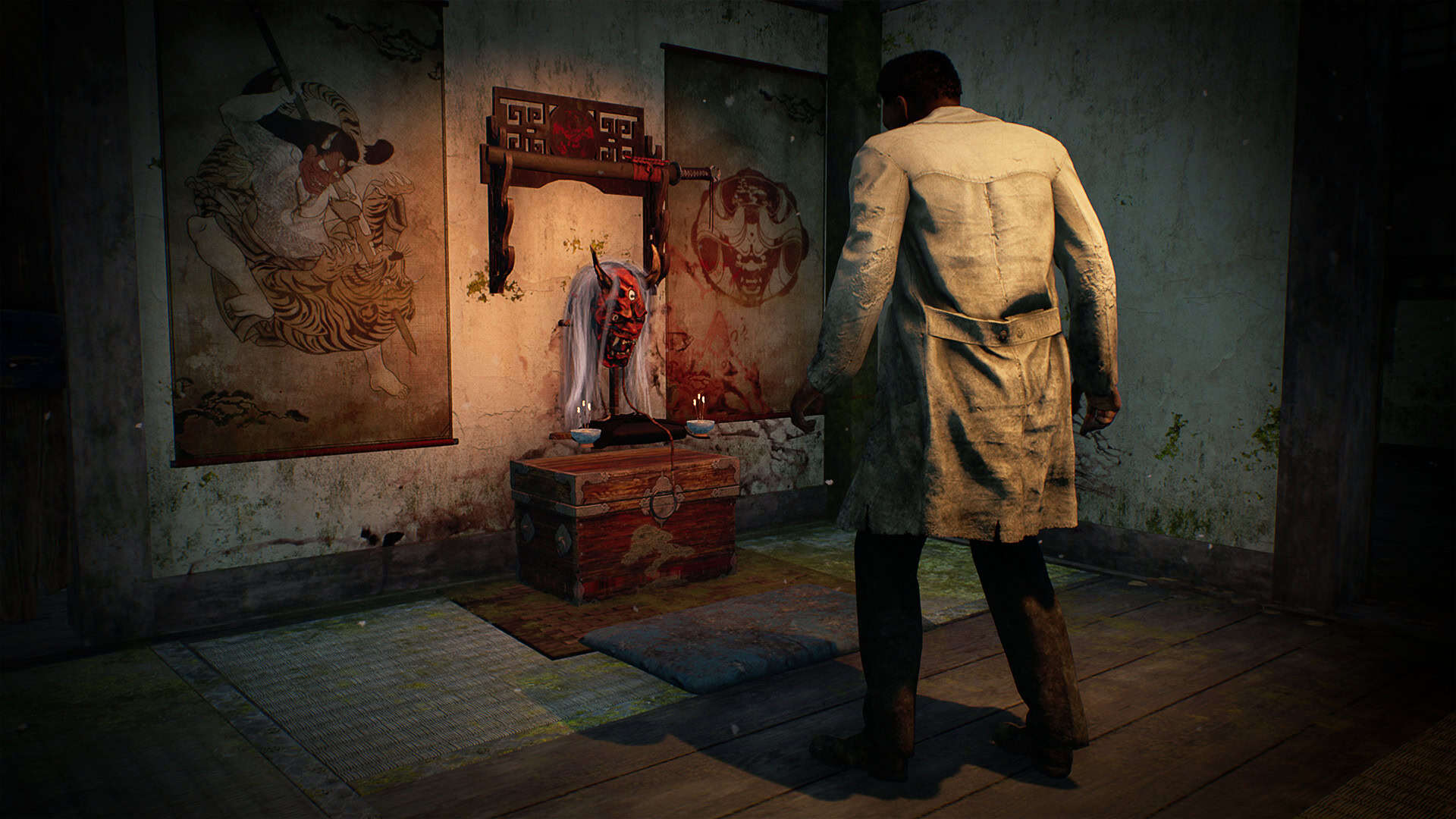
Games that rely on older IP have an inherent disadvantage thanks to all the trademarks and copyright disputes that surround them, because the rights to many of these more historic franchises are ambiguous and have gone through many hands before, making the possibility of a dispute for copyright eventually likely. Examples include Chucky’s original copyright split between Universal and MGM Studios, Freddy Krueger’s being split between Wes Craven’s estate and Warner Bros, and the rights over Jason Voorhees that killed the short-lived Friday the 13th: The Game.
This issue is comedically common in horror, but it’s somewhat dodged by Dead by Daylight because they don’t rely on a single franchise or character to do the heavy lifting. Although the game’s popularity has never peaked by the addition of an original character, all of them together are able to support the longer term life of the game, which creates a boundary on how much any foreign franchise can affect the game when the copyright is lost. Even if every licenced character somehow disappeared tomorrow, there would still be 18 original killers and 28 original survivors.
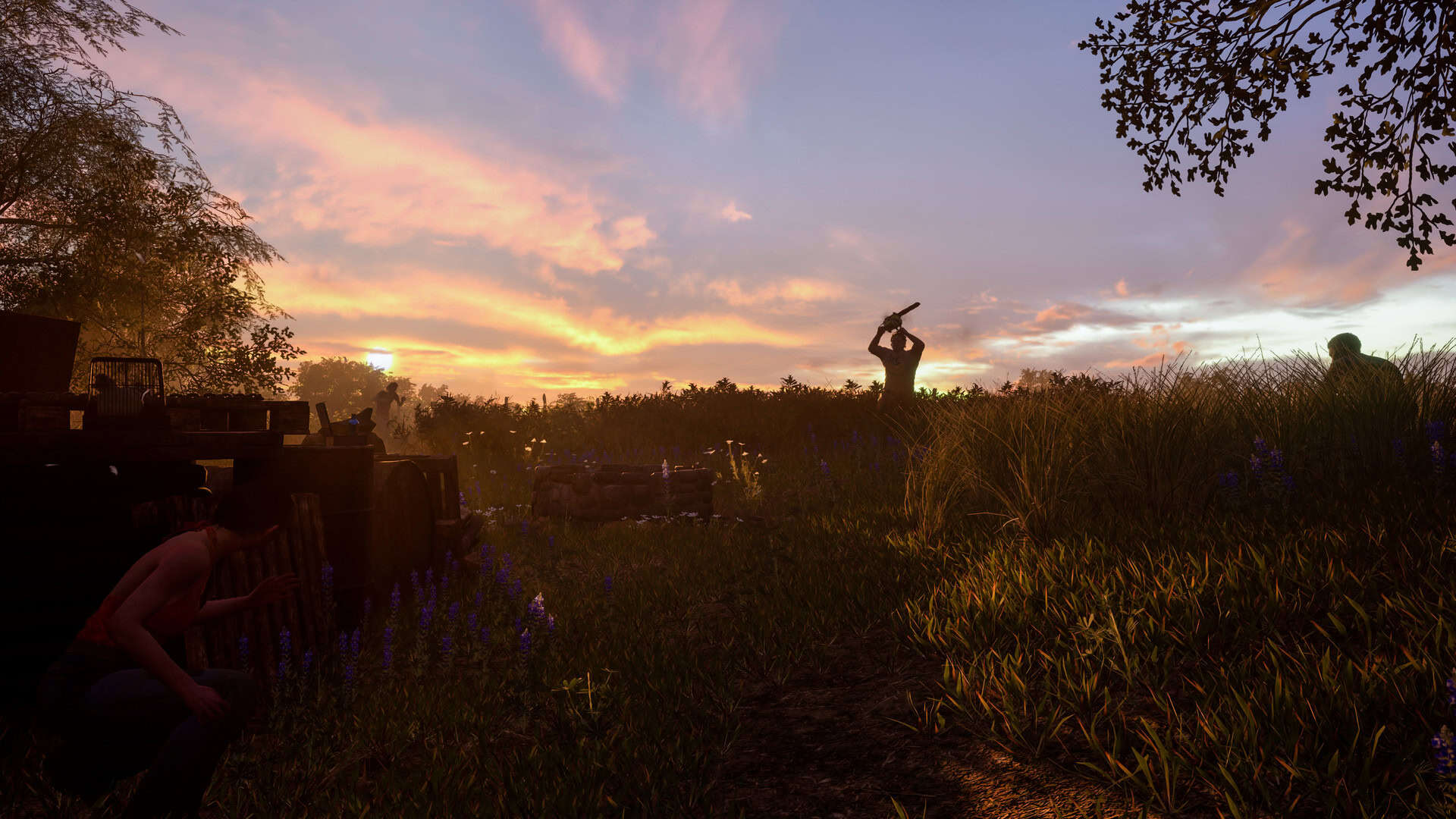
We know this is true because we’ve seen it happen multiple times before! The Hellraiser chapter left Dead by Daylight in April 2025, removing the iconic Pinhead as a purchasable character. What happened a few months later once Five Nights at Freddy’s joined instead? A new all-time concurrent player count record. It goes even further back, with the extremely popular Stranger Things collaboration which saw Steve Harrington, Nancy Wheeler and Demogorgon delisted from the store as well back in November 2021. Although it would eventually come back to the game, the impact from the Netflix mega franchise leaving the game was not long-lasting or caused a significant loss in player count or game popularity. So, not only does Dead by Daylight’s platter of both original and licensed characters offer a diversity of choice to their audience to increase its size, it also protects it from the great horror genre killer – copyright disputes. It may not feel good when one character leaves, but there’s many more to enjoy and even more to come in future, leaving Dead by Daylight standing.
With competition comes comparison, and DBD’s competitors failed to win these on their own merits in most cases also. 2023’s The Texas Chain Saw Massacre game featured the skin-lifting leatherface who’s also in Dead by Daylight as a purchasable character, practically encouraging the two to be compared. However, the variety in gameplay Dead by Daylight offered eventually made Texas Chain Saw Massacre look much smaller, demotivating players to play it when they can easily have a similar experience with a similar gaming loop in a much more diverse and popular game. This was a big reason why the Chain Saw title failed to sustain a player base long-term and fell off the radar, and thus why it failed as a Dead by Daylight competitor.
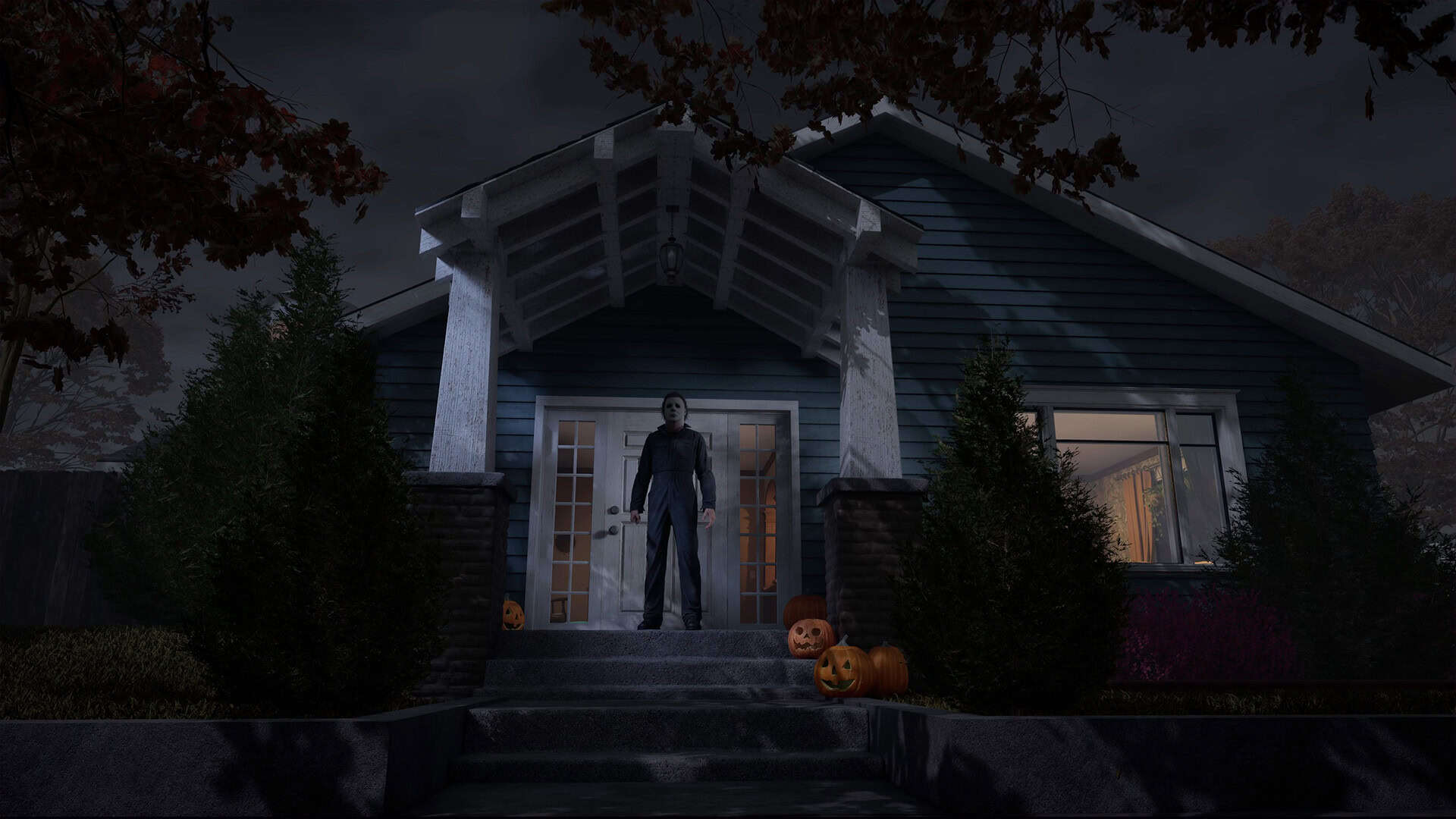
Perhaps that’s Dead by Daylight’s ultimate weapon, its consistency. Ever since the Halloween DLC in 2016, it’s been a non-stop showcase of original characters made by Behaviour’s talented creatives and licensed icons from the greatest minds in horror. All offering completely new gameplay experiences, encouraging the hype cycle players grew accustomed to, rewarding it with new content, and most importantly, it delivers on the Behaviour promise – not leaving players waiting. The horror gaming juggernaut fights off the possibility of becoming stale with its only game mode through constant innovation, which other titles failed to do. The rivals to Dead by Daylight didn’t stray far enough with their theming or mechanics to create an identity of their own as a video game rather than just a tribute to an existing franchise, and thus was their downfall.
Despite the many attempts, most games are failing at recreating what Dead by Daylight did, trying to catch an audience with a similar concept, but not grasping onto what makes it last. DBD is not just a game that wants to remain within the bubble it created, but it seeks to aggressively expand to new limits beyond the conventional within the genre, and with an already strong fanbase, popularity and franchises you might already be attached to, Dead by Daylight has become the apex predator in multiplayer horror games.
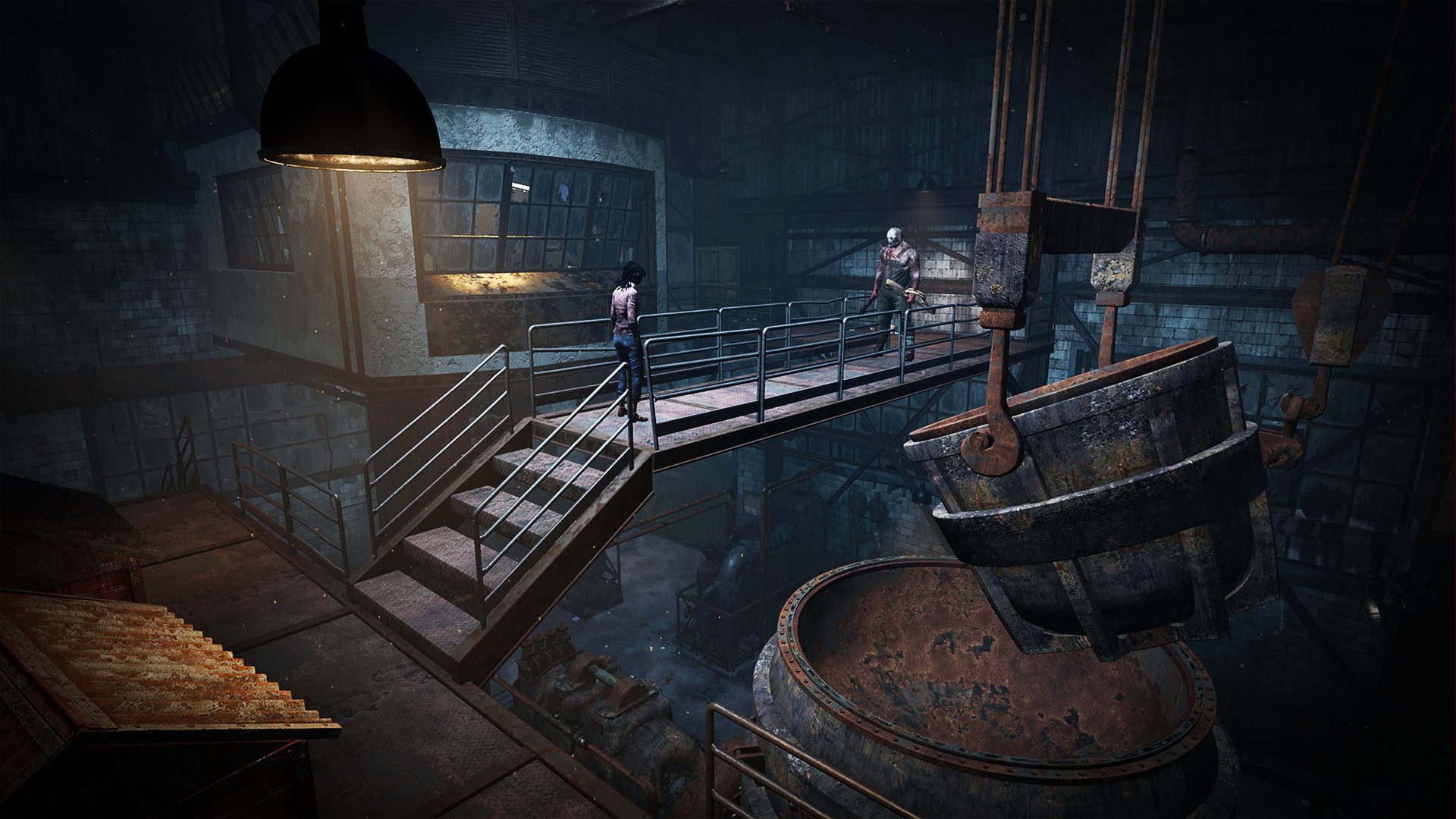
The game thus still remains undefeated or challenged currently because it doesn’t just offer you a solidly made and engaging original game, it offers a reconnection with the franchises you probably already love as well. It’s not all sunshine and roses for Behaviour though. Nothing ever is in the Entity’s realm. So whilst they dominate with the leading horror multiplayer game now, refusing to listen to fans and damaging the reputation the game has could result in them losing their status as quickly as they gained it. They rule the game now, but the fans towards the later half of 2025 have been relentless with their rage on social media towards the game they love. Hopefully Behaviour can turn it around Dead by Daylight and keep proving this article right with their domination in the genre, because an unhappy fan base is deadly, and death is not an escape.

 ObserverCrew Picks
 bserver
 bserver