Soulslike with a tinge of Celeste. A mix between Donkey Kong Bananza and Clair Obscur: Expedition 33. The movement of Super Mario Odyssey with the story of The Wolf Among Us. A soulsvania. A Persona-like. Outer Wilds, but Grand Theft Auto. Oh, sorry, I was just scrolling through my social media looking at articles about new indie games. That last one looks cool. Let’s see. Oh, it’s just a driving simulator in space where you’re a criminal with a spaceship, but it plays nothing like the two and more like a racing game. Eh.
The problem of lousy video game comparisons in gaming media is real. It has infected the way everyone speaks about games, and I doubt there is any coming back from it. Think really hard about what makes a Soulslike. What makes a Dark Souls? Scratch that, go back to Demon’s Souls. Wait, what about Demon’s Souls? Obviously, since it is not as popular, it does not matter. Why examine the context in which the formula was created? Why examine the previous FromSoftware games and see how much of the formula existed there? Or in other games? It’s Dark Souls, baby! Everyone knows what is and isn’t Dark Souls, right?
Though one of the youngest mediums, video games are quickly facing a profoundly sad anti-history sentiment. Part of it is undoubtedly the lack of preservation efforts in its early history, with games being discarded by their creators and having to be remade from scratch decades later in the form of remakes that, on the surface, often seem overpriced. How can a game from 20 years ago cost $40? Well, it’s because it’s a new game! Nothing about the original is there. Obviously, this is not always the case, but there can be plenty of other reasons. New games can often be funded thanks to ports and remakes, but without proper marketing, the average player will struggle to find their value.
Second, the push to justify the costs of technological innovations. New games need to make money so that new consoles can be made. Thus, old games must not be worth playing anymore, or there is no point in buying new ones. There are already millions of video games that have been made; if even a fraction of them are excellent, then we are still left with thousands. To keep some companies afloat, there must exist a sentiment that old graphics and game design are obsolete. That we have learned to move past them.
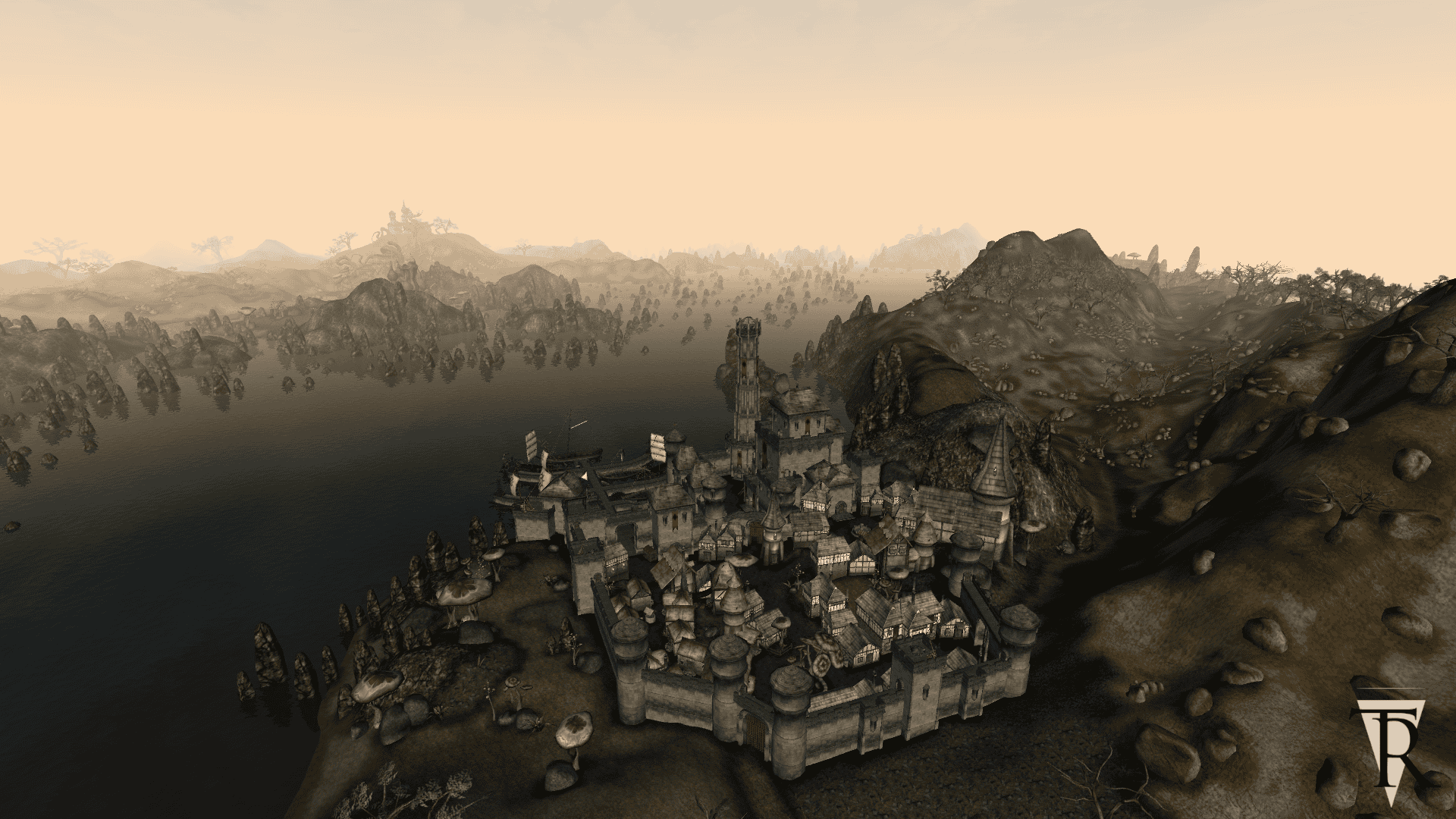
In reality, games are proving that each title is its own genre, with infinite possibilities. Fan games, expansions, mods, and romhacks are building off the legacy of masterpieces. A project like Tamriel Rebuilt for The Elder Scrolls III: Morrowind, in the works since before the game even released, has people developing it for at least twice as long as its original creators. They understand and mimic the philosophy of the original thoroughly, but they are not the only ones working on it. Like any game with a modding community, there are infinite visions of what Morrowind can be. And that’s just one game.
How come, then, even though so many games have such dedicated communities, so much careful and masterful examination of classics and fringe titles alike is being conducted daily, that each new RPG is being compared strictly to Baldur’s Gate 3 and Clair Obscur: Expedition 33 after their respective releases? Why are small, slow, exploratory games with environmental destruction being mentioned in the same breath as Nintendo’s multi-million-dollar-backed, endlessly replayable, and fast-paced Donkey Kong Bananza?
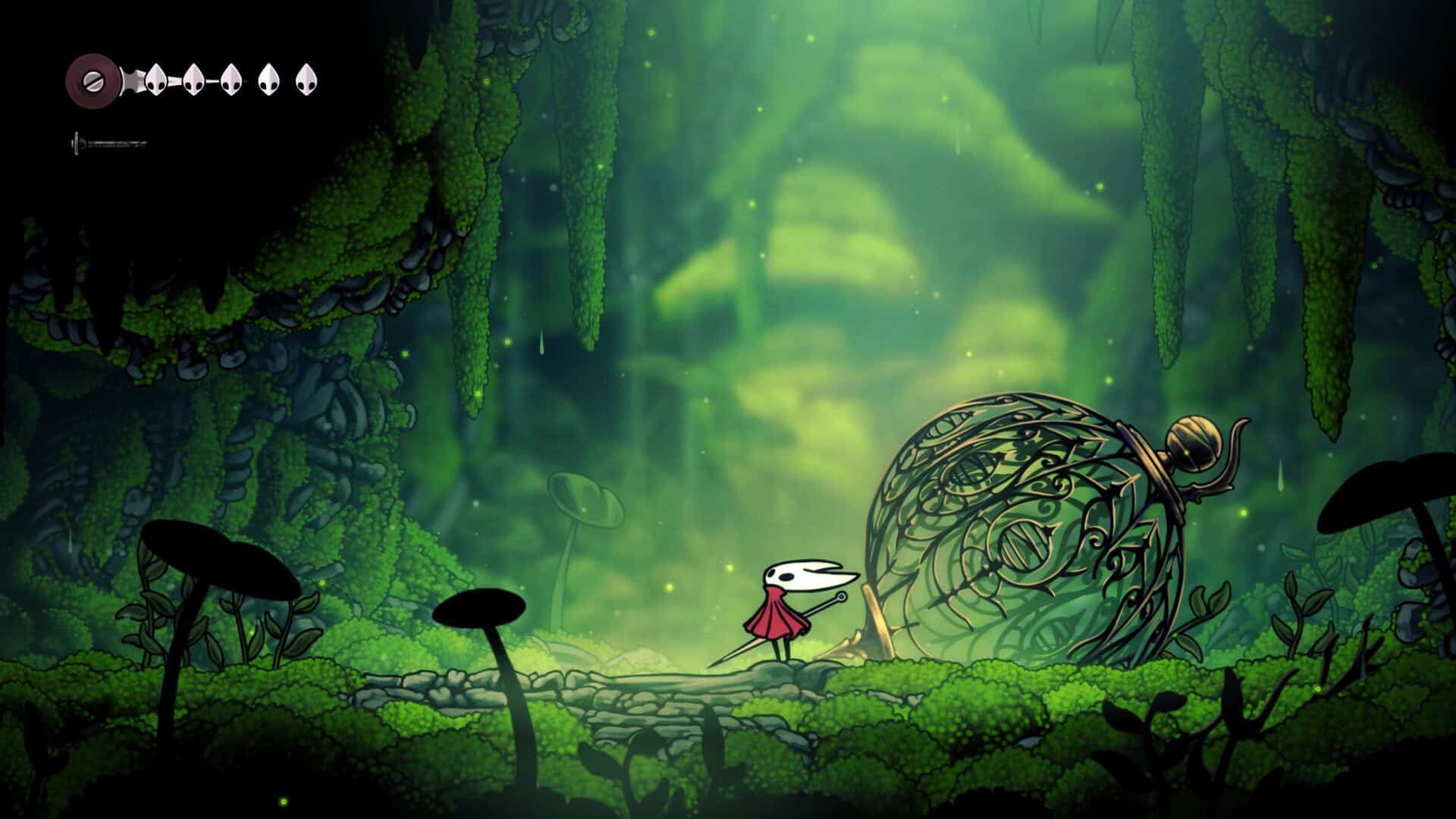
Having spent time in the field, I understand how much of it is about clicks. Games that grab attention can be used to bring up topics that could otherwise fly under the radar, but… did we seriously need to bring up Hollow Knight: Silksong when discussing… the cancellation of Hytale? Did we need to stir up the pot one last time about a game that was very clearly approaching release? At least both of those stories had a happy ending, with Hytale nearing release after being bought out by the original creator and Silksong releasing to much applause, including winning several of our own awards.
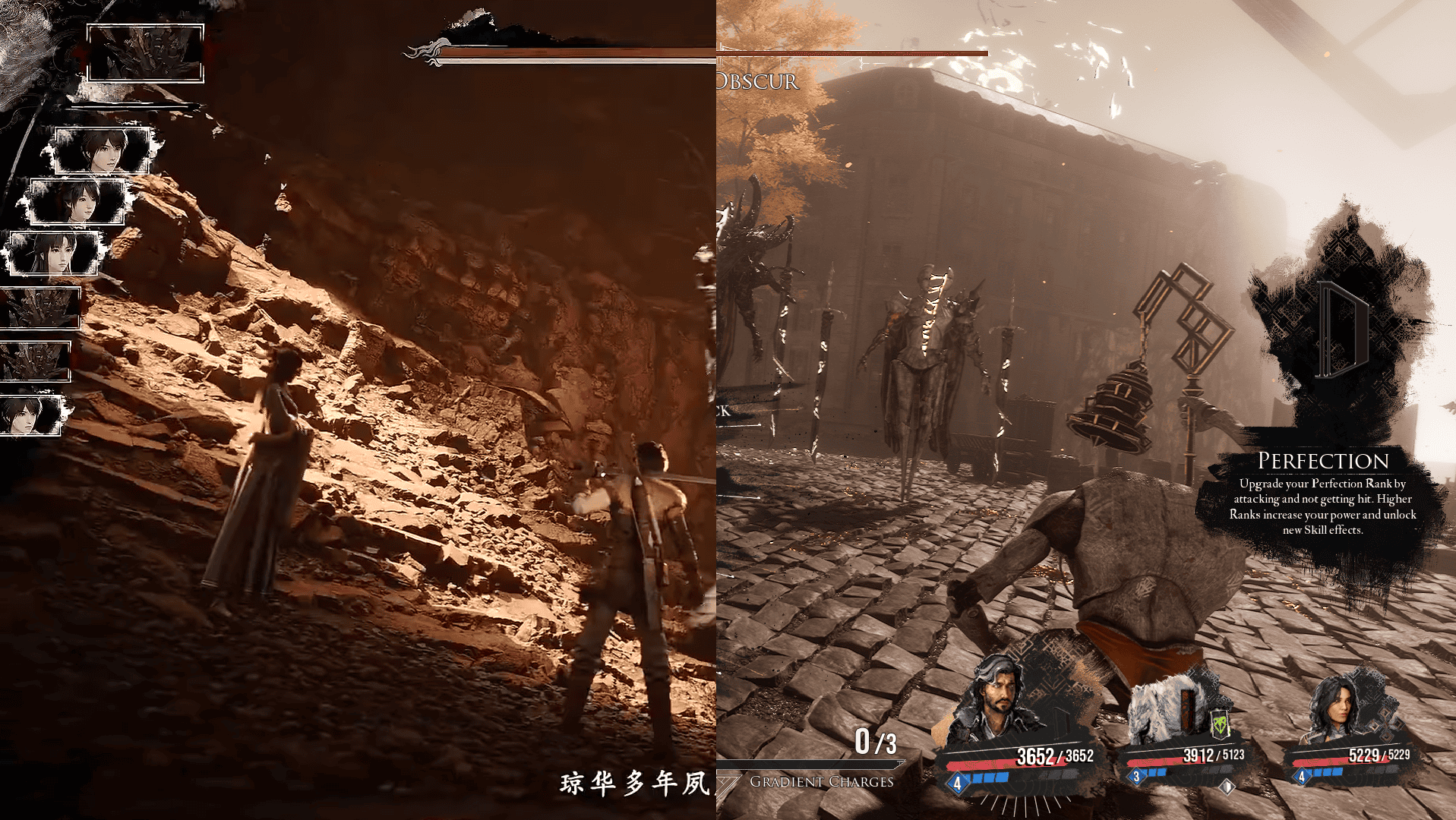
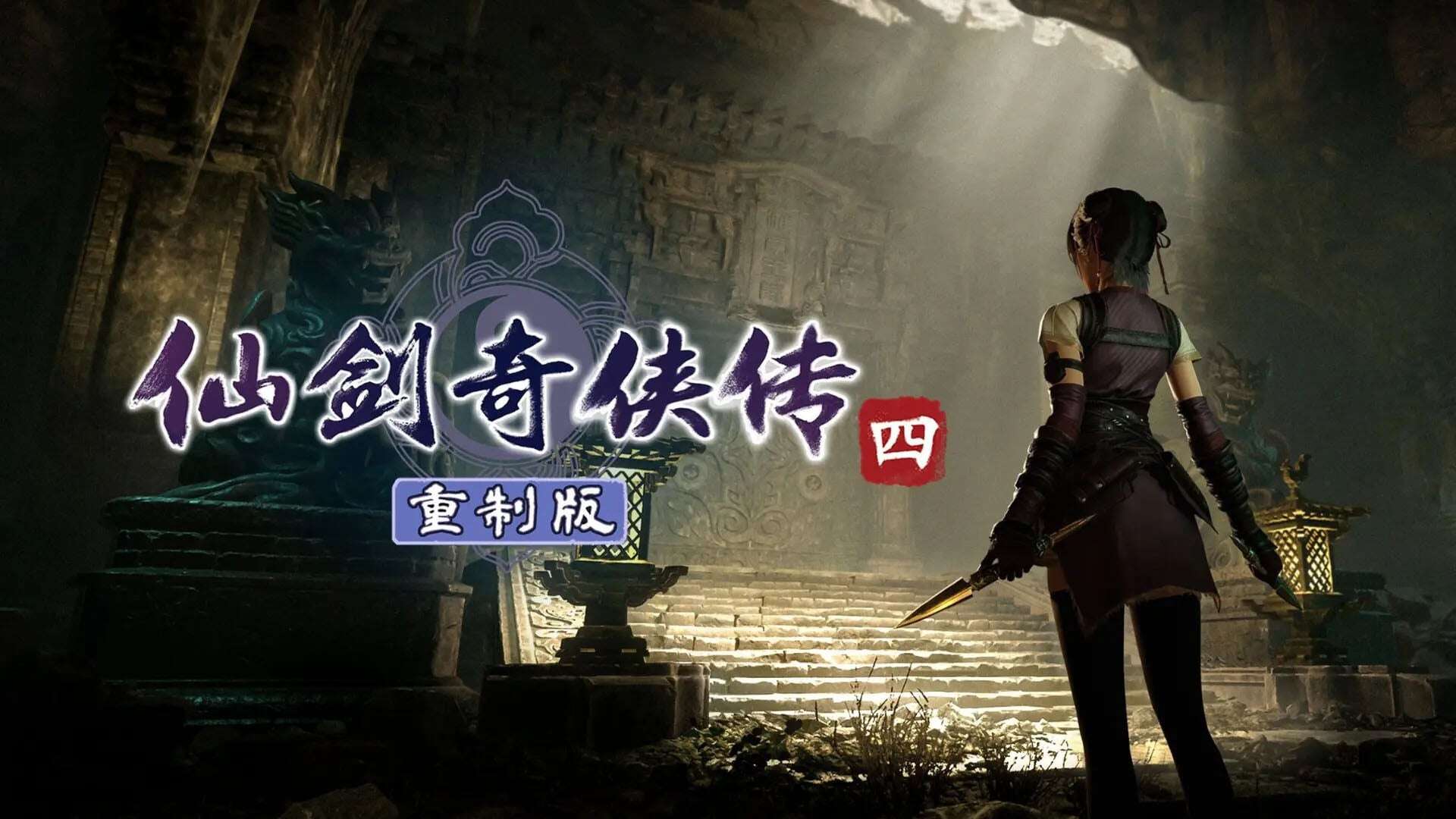
Recently, one of China’s long-standing RPG series, The Legend of Sword and Fairy, saw a trailer be released for a remake of the fifth mainline game, The Legend of Sword and Fairy 4 (the third had its own sequel just like some Final Fantasy installments do, and thus the game with a number four is actually the fifth in the series), and many commenters saw fit to compare its battle UI, visuals, as well as the inclusion of parry and QTEs, as inspired by Clair Obscur: Expedition 33. Fair enough, I think. Obviously, it’s easy to point out how much of Clair Obscur’s UI or combat is inspired by other JRPG titles, but I don’t think there’s anything inherently wrong to compare the two styles at all.
That being said, seeing gaming outlets immediately take this story and cover these reactions in the form of calling it a “first Clair Obscur-like” is pretty wild. Not only did this series see little to no coverage in the west before this (including the reveal trailer which had the same art style), meaning its biggest story ever among English-speaking fans is one of the games being reduced to a clone, but also, what even is a “-like” at this point? Are we creating subgenres so granular, so specific, as to limit them to “a turn-based RPG with QTEs and zoom-ins during combat?” Is it just the visual style? Is that all it takes to be a video game genre now? Which game should each visual element be attributed to exactly? All goes to Clair Obscur? It’s important to think about, we’re all the ones shaping the conversation for years, possibly decades to come!
Other articles instead take the angle of commenting on “online discussion” by “fans.” It’s those nebulous fans—faceless online masses that write up their first reactions—that are comparing the two! Well, why give them our own face? With whatever knowledge we possess about the medium, a little research, and a space to present our thoughts, we can offer pushback or present alternate angles, rather than just quoting hot takes from either side of the argument without comment or any additional info. “This commenter said this, while another said…” How about we check on what the people who played the Sword and Fairy games have to say? Well, turns out some, like Felipe Pepe, author of The CRPG Book and Before Genshin Impact: A brief history of Chinese RPGs, are not keen on the comparison. If you want to learn more about Eastern RPGs that Western media often does not report on, he’s definitely someone worth following.
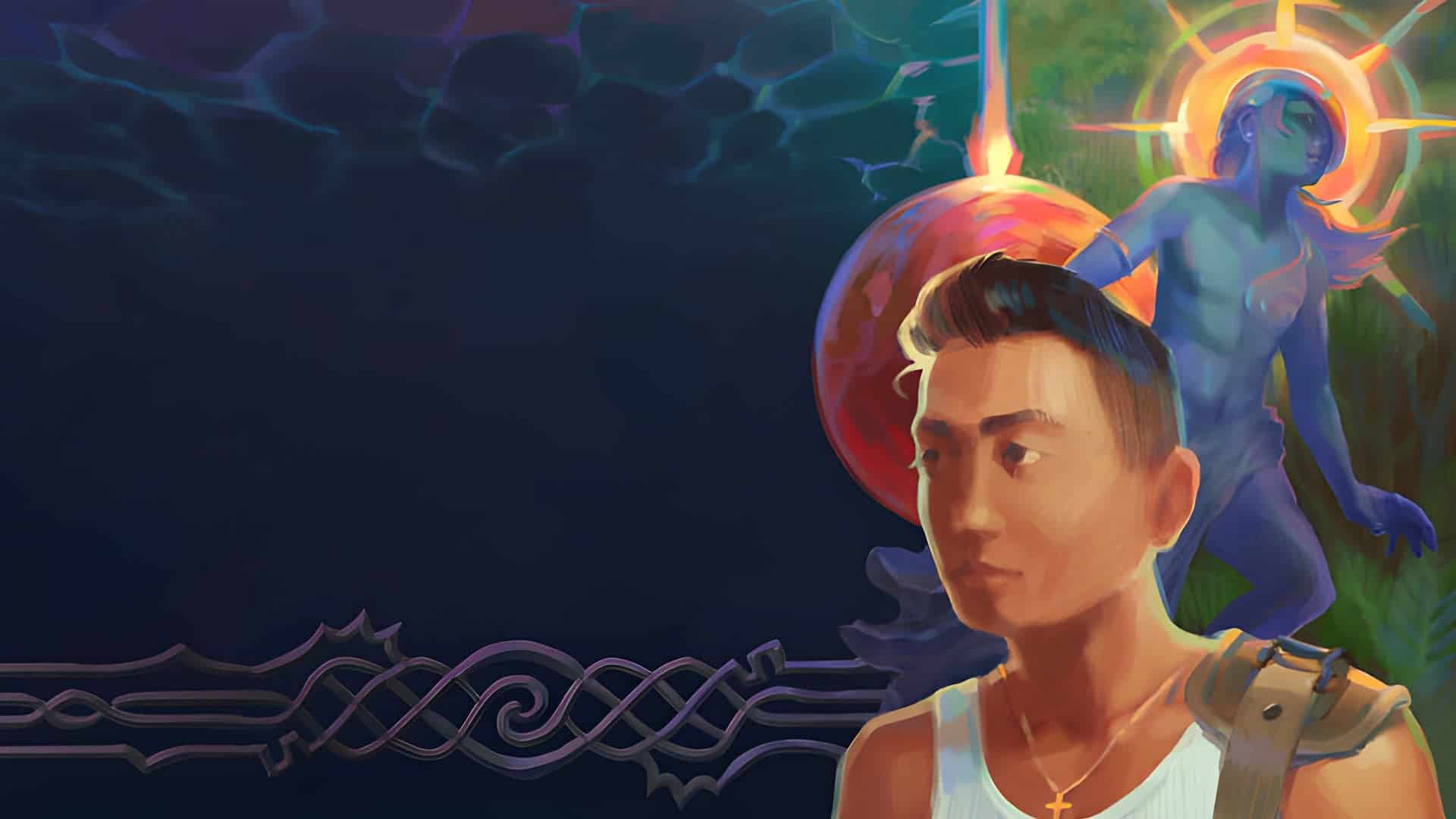
Though our time at GameObserver is only beginning, I would like to think that all of us are aware of the fact that spreading the word, especially about indie games that need it most, can bring comparisons that can elevate the game, but they can just as well warp perceptions. We need to better understand and highlight the length of development cycles, research whether or not the creators spoke of their inspirations directly, and always strive to enrich our knowledge of the medium’s history. One wrong move and any one of us can send a mob of people at something like The Time I Have Left, with a combat system similar to that found in Clair Obscur, and thus a recipient of many hyper-specific expectations and wild copycat claims… despite it being revealed two years before it.
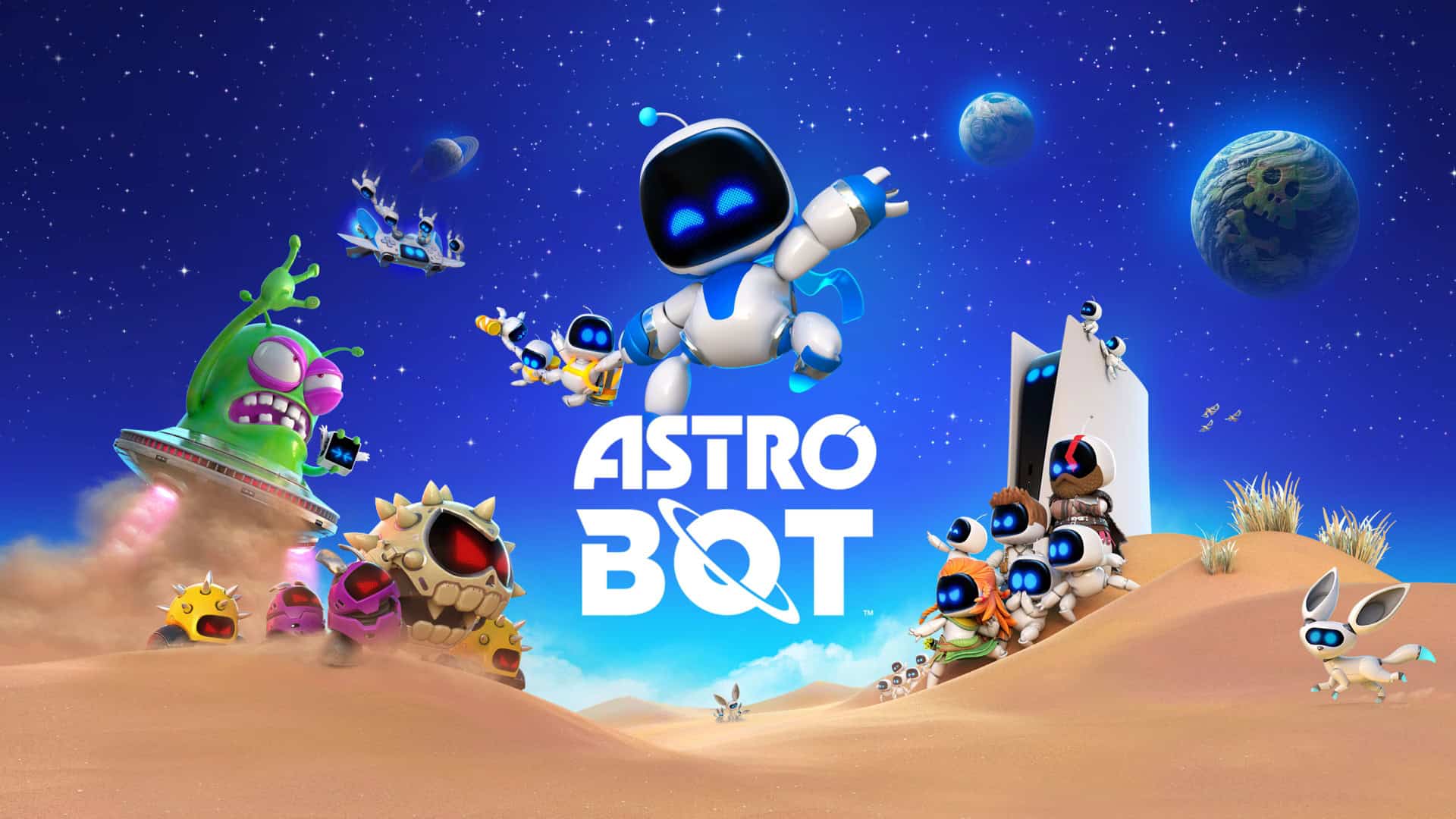
Discoverability is hard to come by in a field with new, truly excellent titles being released on the daily, but it can become easier if we do our best to not disappoint the fans of, say, Clair Obscur with a frivolous comparison just because there’s a French turn-based combat game, when in fact it ends up playing way more like Final Fantasy VIII or Paper Mario. See, for example, how little talk existed about the slew of utterly delightful 3D platformers like A Hat in Time or Demon Turf back when Astro Bot won GOTY. It was all Mario comparisons! Not even a Kirby and the Forgotten Land in sight! That was Nintendo, too, you know? I get it if you haven’t played any of the indie ones, but that’s a big one.
Or do I? Do I get ignoring nearly seven years in the time between Mario Odyssey and Astro Bot, with several amazing titles that have influenced the genre in various different ways? Is that the history we want to write? Do we want to be dooming games by setting false expectations through surface-level comparisons? Do we want our legacy to be a slew of (insert game here)-likes in contrast to the vast world of genres found in other mediums? Do we want to downplay amazing achievements by smaller creators in favor of letting already massively successful corporations fully overtake all conversation?
The expectation here is not to never make comparisons while talking about games. They’re long; we all only have so much time. We play and review games we were not always prepared for, but we all have to face the fact that we might have ruined any one game for who knows how many people, be that via a social media message, a written piece, or a shared YouTube video. The first thing that pops to mind when looking at any one part of a game is not always going to be the best way to sell it to someone. We could even let the game speak for itself without the constant need for comparison between two to four games at once sometimes. Just throwing it out there.
I brought up a bunch of popular games here (hypocritical much?), but this can especially hurt indie titles. If we mess up during a game’s release window and misrepresent its contents, it makes it so much harder for people who would be interested in it to find it. Instead, people expecting something they won’t get will pick it up, be disappointed, and any buzz surrounding it may stall forever.
All of us are building the backbone of gaming’s future. Our parents were alive for the creation of the medium, and it is up to us to create something, anything, for it to build off of. Let your theories run rampant, speak your truth always, but never forget the weight each comment can have on any one title. Really zone in on what makes a game similar to another. I would love to see fewer “popular game meets popular game” comparisons and more genuine opinions from fans of either one. Does this game remind you of your favorites not just on the surface, but in the feel, mechanics, and ideas? How so? Let that be challenged and discussed on all sorts of forums. Let’s grow together. “For those who come after,” as a famous actor in a video game role once said.
And for the sake of everything holy, let’s do better than calling everything a -like at the very least. Although is “friendslop” any better? Maybe video games are just doomed…


 ObserverCrew Picks
 bserver
 bserver