Deckbuilding games have been one of my favorite genres for decades now. From classic card collectors like Magic: The Gathering Arena and Hearthstone, to indie roguelites like Slay the Spire and Balatro. If I add up the hours I’ve spent in these games, they will likely take up most of my gaming time compared to other genres. I’m also a recent fan of Soulsborne and Soulslike games since Elden Ring, going back to play most of the popular titles in the genre ever since. So, a game that combines the two genres, such as Death Howl, would be of particular interest to me.
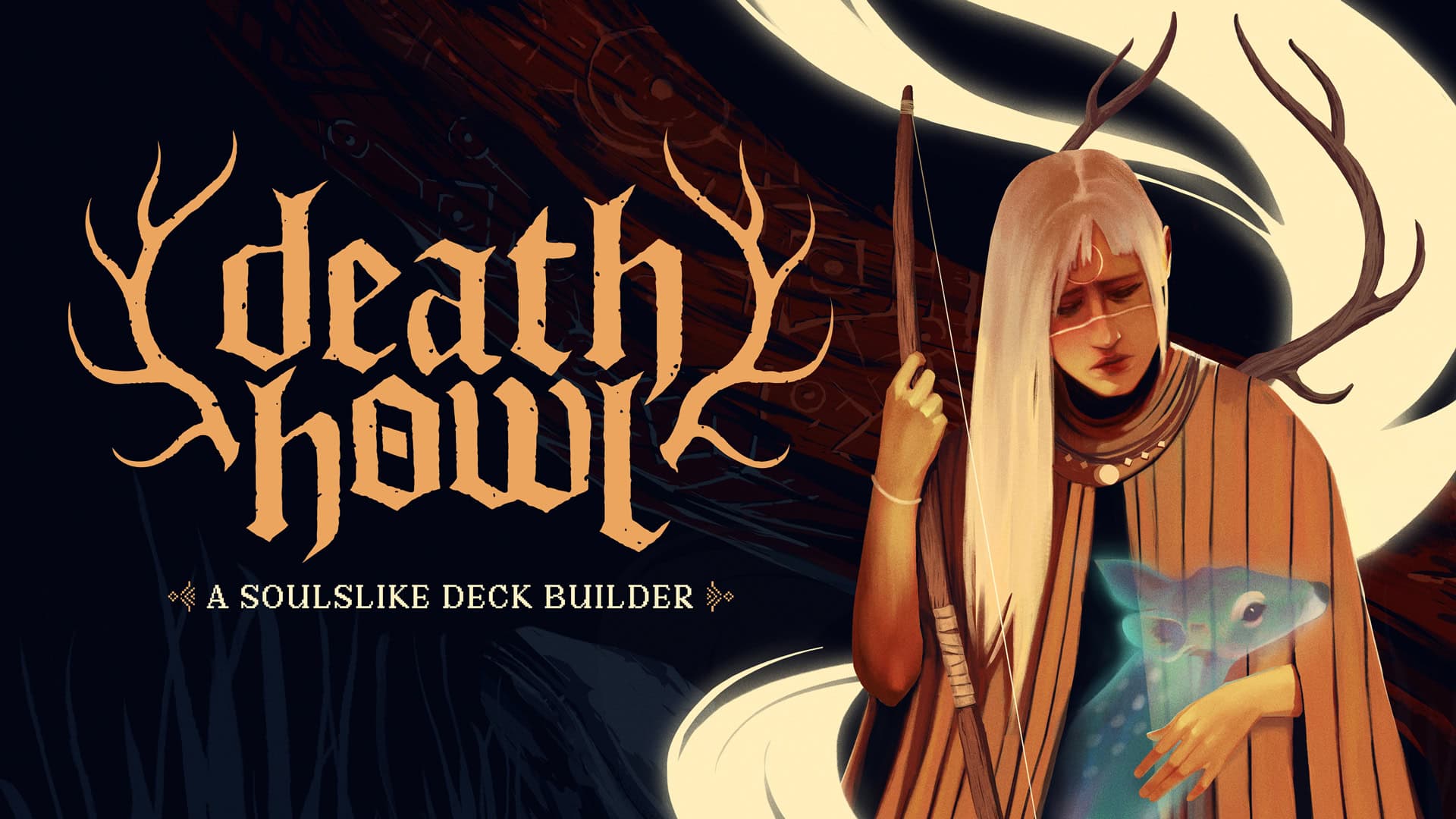
Death Howl, developed by The Outer Zone and published by 11 bit studios, is a deckbuilding game with an open world, tactical grid-based combat, and soulslike progression. Death Howl offers an engaging world and story with a stylish visual design, but the gameplay tries to balance between several progression and combat elements that struggle to provide an optimal experience.
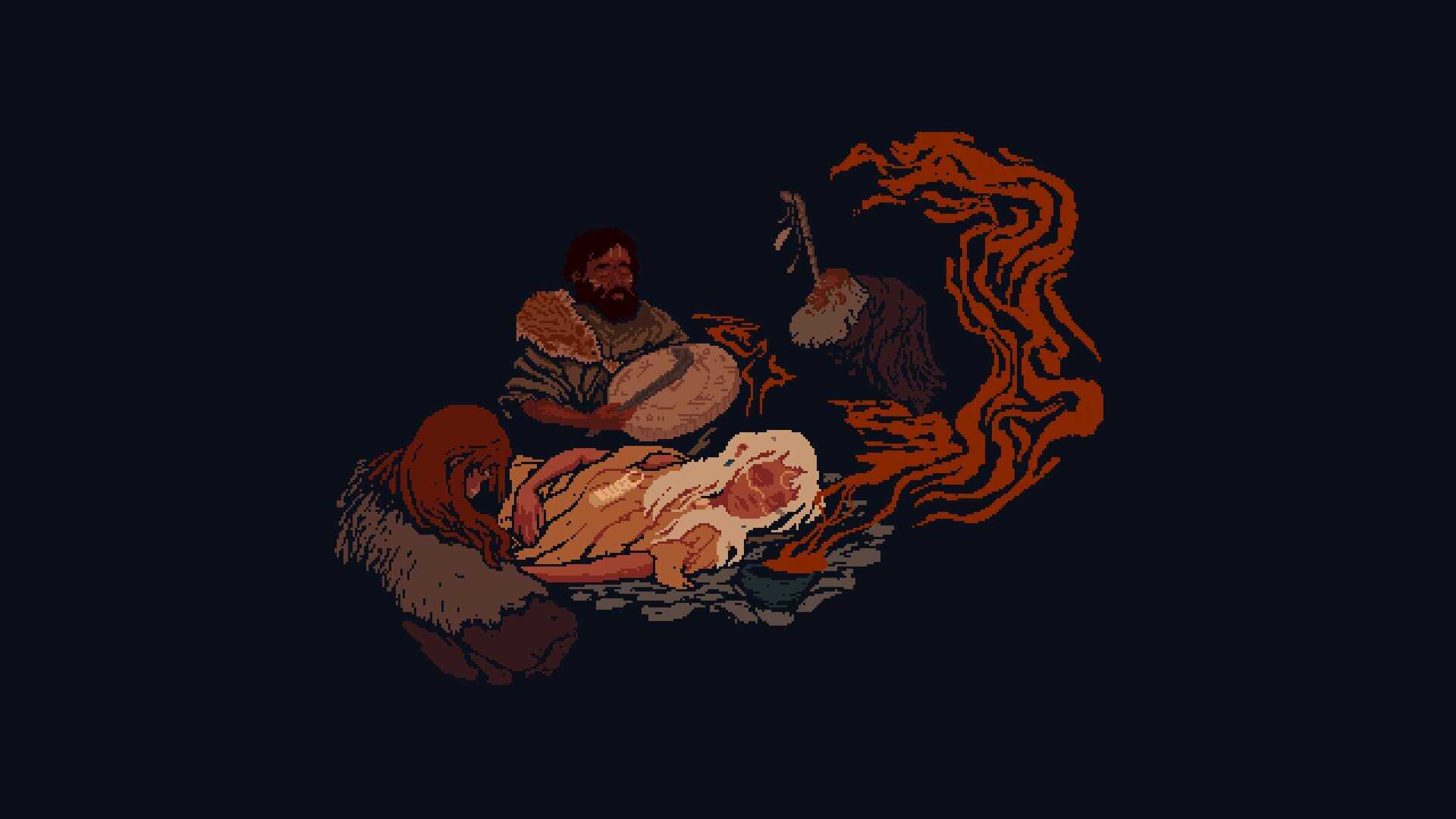
Death Howl tells the story of a grieving mother who travels to the spirit world in order to find her son and bring him back to life. She has to explore the different regions of the world and beseech the help of the elder spirits in her quest. The story was captivating from the start, told through dialogues with different creatures, environmental encounters, and short cutscenes. There are quests that we can encounter in our journey, which add a little more immersion to the world and its inhabitants. They also have a noticeable impact on gameplay, both during the quest and once we get a reward that we can use to enhance our abilities going forward.
What complements the story is Death Howl‘s art style. The design is pretty minimal, with muted color tones and a mostly dark theme. This creates a visual that enhances the tragic nature of the world and story, and it looks great for the most part. As with any deckbuilding game, the cards’ art is an important aspect of the game’s design, and the cards in Death Howl all have distinct and impressive artwork that helps with remembering each card and its ability. The only gripe I had with the visual design was the UI, specifically the card crafting and collection menu. The dark background and mostly dark color theme and UI elements made navigating the menu and reading the cards a bit hard on the eyes. In general, the UI design felt unintuitive, and it took me a while to get a hold of all the different sections. But these UI flaws didn’t take away from the gameplay experience. The gameplay was hard to get into on its own.

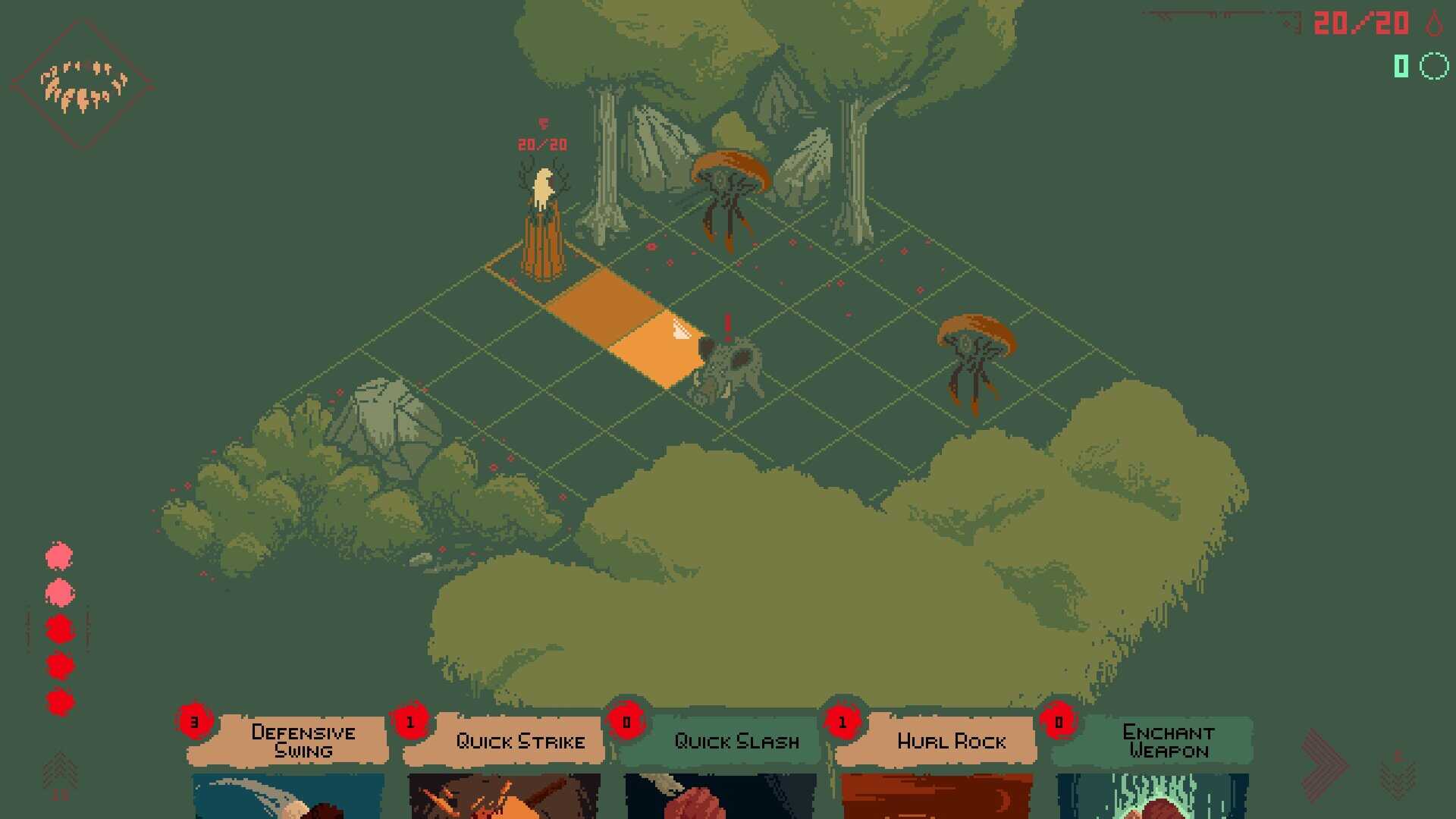
Death Howl‘s gameplay is pretty straightforward on the surface. We start with a deck of basic cards in our first combat. The card mechanics are clearly explained, and tooltips will provide additional information about highlighted keywords. Combat takes place on a grid, and both cards and our movement spend our mana. Some of our attack cards have range, so we can use them from a distance, while others are melee, and we would need to use our resources to close the distance on our enemies.
When we defeat enemies, they drop crafting materials and “souls”. We can use the materials to craft new cards, allowing us to prepare new strategies and combos for combat. The souls can also be used to unlock and upgrade special abilities. If we lose in combat, we will lose our collected souls, and we can heal up and use our souls to level up in rest sites. This is the main soulslike element of Death Howl. The fights are hard, and unlocking new cards and leveling up takes effort. We also find totems as we progress, which give us certain features when we equip them.
There’s a lot of opportunity for different strategies and combos, with cards, totems, and abilities. If we get to use them. Very early on, I started to feel Death Howl‘s progression was slow. Even though I enjoy the deckbuilding and soulslike mechanics, there was something that didn’t click for me. Ultimately, I didn’t really enjoy Death Howl‘s gameplay, and initially, I couldn’t figure out why.
Deckbuilding games revolve around strategizing and synergizing between different cards and abilities, and ultimately, waiting for the right time and place to execute the perfect combo. The nature of the genre introduces an element of chance, as we have to draw the cards at the right time. On the other hand, the soulslike progression is all about grinding and preparing, learning the fight, and the satisfaction of defeating a tough fight. My problem with Death Howl is that I think these two core concepts are at odds with one another.
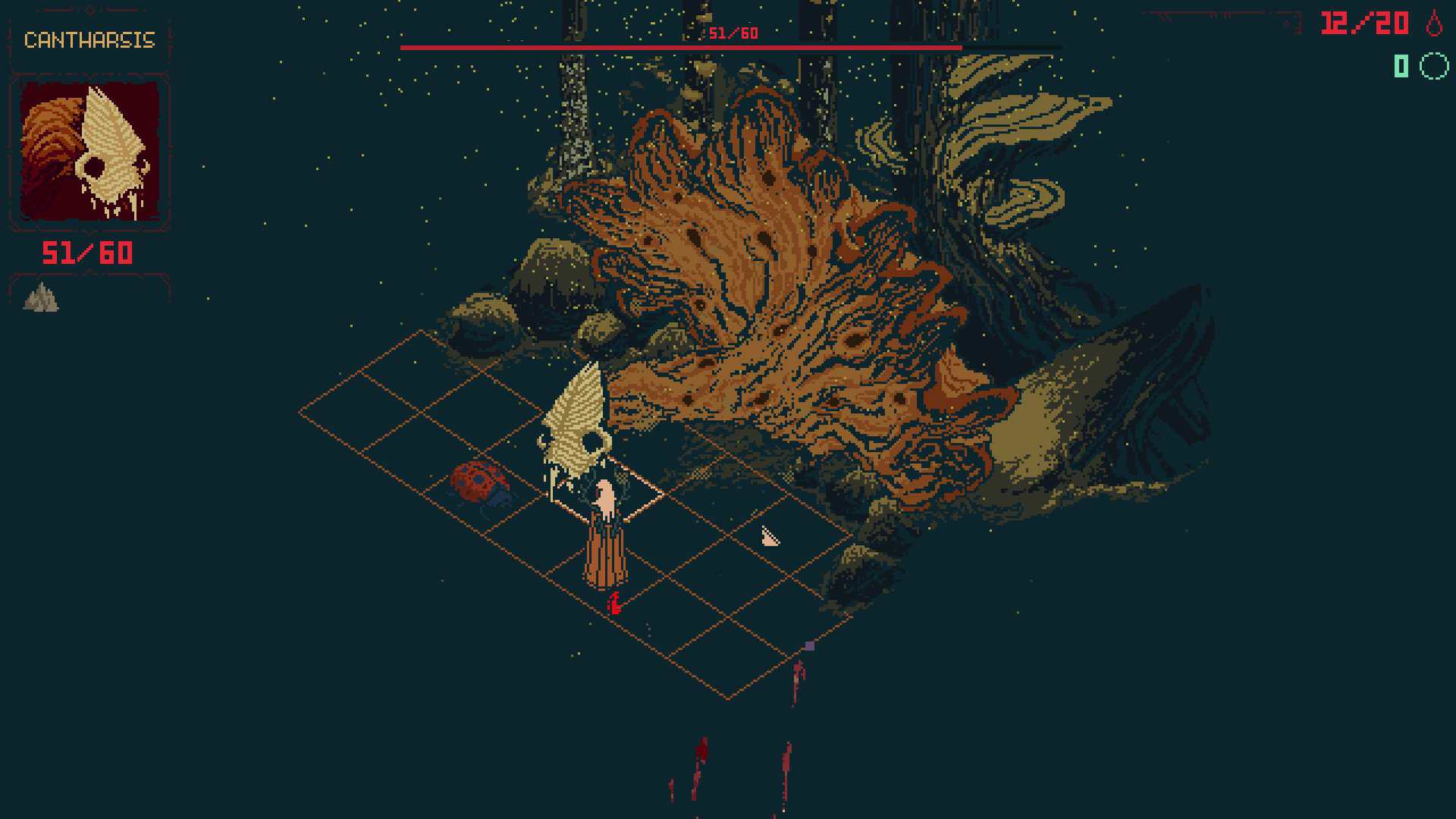
The ability to unlock and craft the perfect deck and enjoy the results was locked behind a soulslike progression. And what makes the soulslike grind enjoyable is the satisfaction of putting in the effort and getting the result, which is now also dependent on the luck inherent to the deckbuilding nature of the game. It sucks to have the perfect deck for the fight, know every move the enemy can make, and still fail because you didn’t draw the cards that you needed. The result was that I didn’t get to enjoy either gameplay mechanic to its fullest.
I still appreciated the immersion of the story and the art style in Death Howl, but the gameplay, the aspect of the game that I was most excited about, was disappointing to say the least. The combat is not awful, so I think players who prefer a dark and gritty game with a tragic story can still enjoy Death Howl, but if you are looking for a deep and innovative combination of deckbuilding and soulslike genres, this might not be the game for you.
Nima reviewed Death Howl on PC with a provided review code. This review is based on the version of the game available at the time of writing and our score will not be changed.
- Score
- 5/10 It's Fine - Nima Cautiously Recommends
- Summary
-
Death Howl offers a dark and engaging world with a tragic and relatable story and beautiful visual design. However, the gameplay experience and the effort to combine the deckbuilding mechanics with a soulslike progression system falls flat.
- More
- GameObserver's Review Policy

 ObserverCrew Picks
 bserver
 bserver