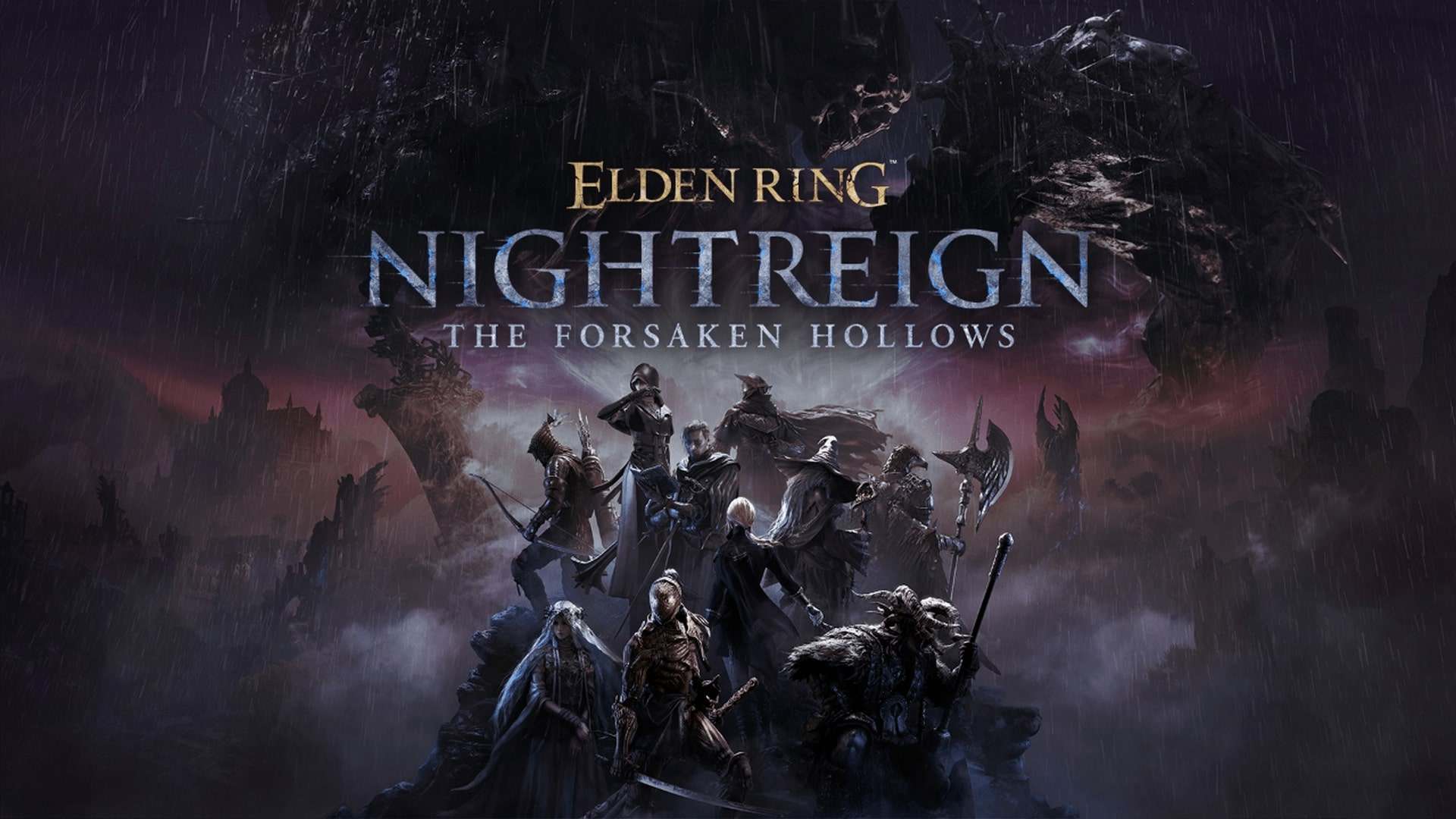
It has been seven months since the launch of Elden Ring Nightreign and the birth of my obsession with its bite-sized Elden Ring experience. As of writing, I am sitting at around 400 hours split between my tight-knit team with whom I played through most of it, a solo experience where I challenged myself to defeat every boss at least once, and the many runs with random players whenever I felt like playing a bit of Souls for a change.
Plenty of particularly difficult content has been added since the game’s release, be that the Everdark boss variants or the Depth of Night mode (still trying to reach Depth 5 over here) that I have grinded for hours to get good at. All this to say I’m not just a Nightreign fan, I’m a fanatic, so to be brought back to the beginnings of my time with the game thanks to Elden Ring Nightreign Forsaken Hollows is a wonderful feeling. I find myself once again enamored with the sense of discovery and the wondrously obtuse design of FromSoftware.
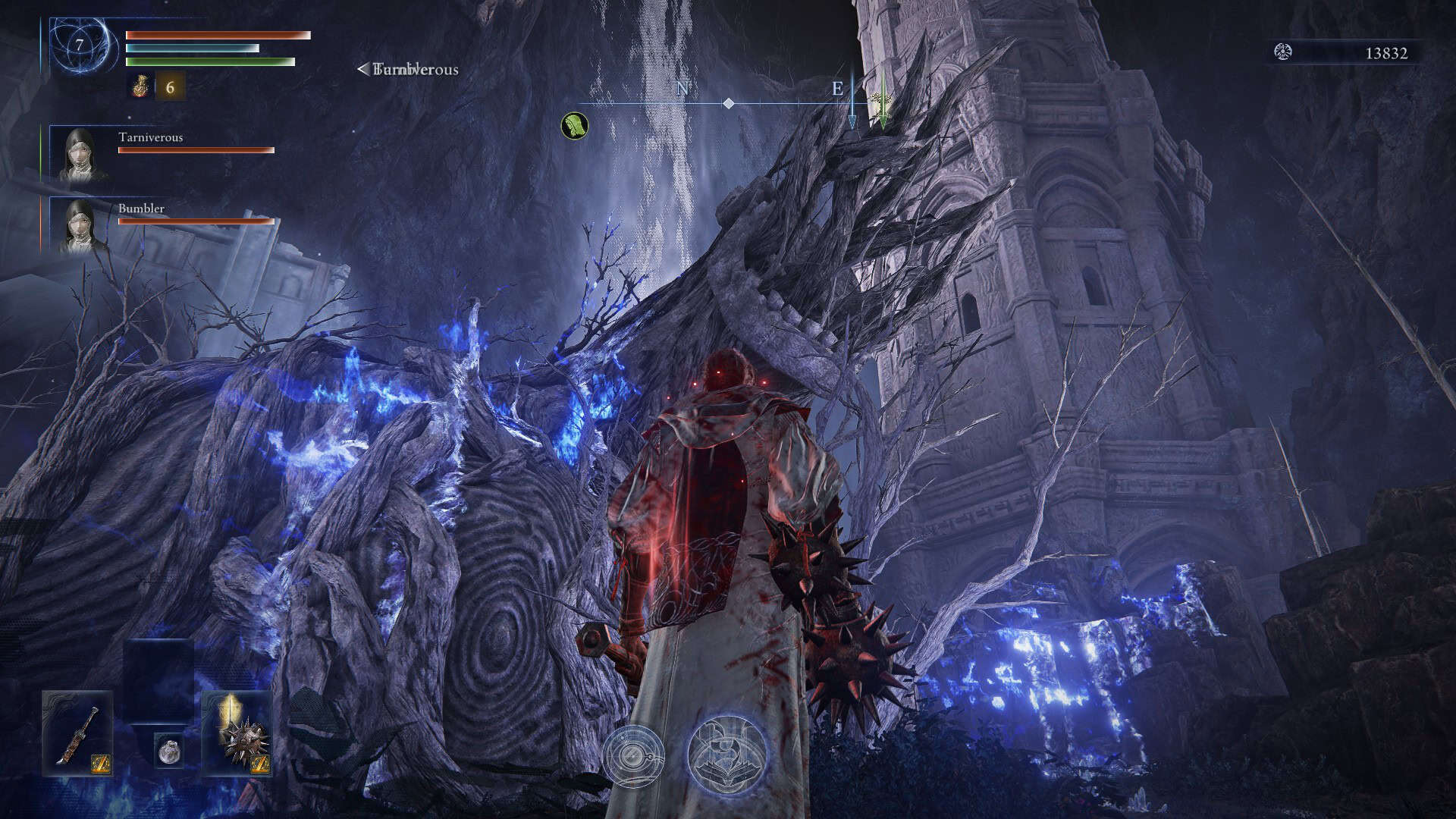
There is a nugget of truth hidden among the biggest divides that FromSoftware’s design creates, and I am still trying to find it by going back and experiencing their older titles, way before Hidetaka Miyazaki even joined the studio, because Nightreign, though based on his works, is helmed by Junya Ishizaki. And just like Miyazaki took from Natoshi Zin and his work on King’s Field, as well as other previous leaders at FromSoftware, there is something the company itself draws forth that is more so its own than any one person’s. I think this is especially apparent in their DLCs or the many side-entries in the Armored Core franchise.
The Forsaken Hollows, like those, is an expansion that zeroes in on the experience and delivers the punchiest version of this iteration of FromSoft’s philosophy. Everyone’s number one complaint with Nightreign on release was a lack of maps, but by the time the DLC was announced, I think the playerbase grew to accept Limveld as their exclusive playground. The footage did feature a new location, but I, and I think many others, had assumed this was a Shifting Earth: a major, though not massive event that changes a corner of Limveld. Instead, the tricksters made their first shifting Earth, which fully changed the entire playing field. Launching into it for the first time was an unbelievable moment.
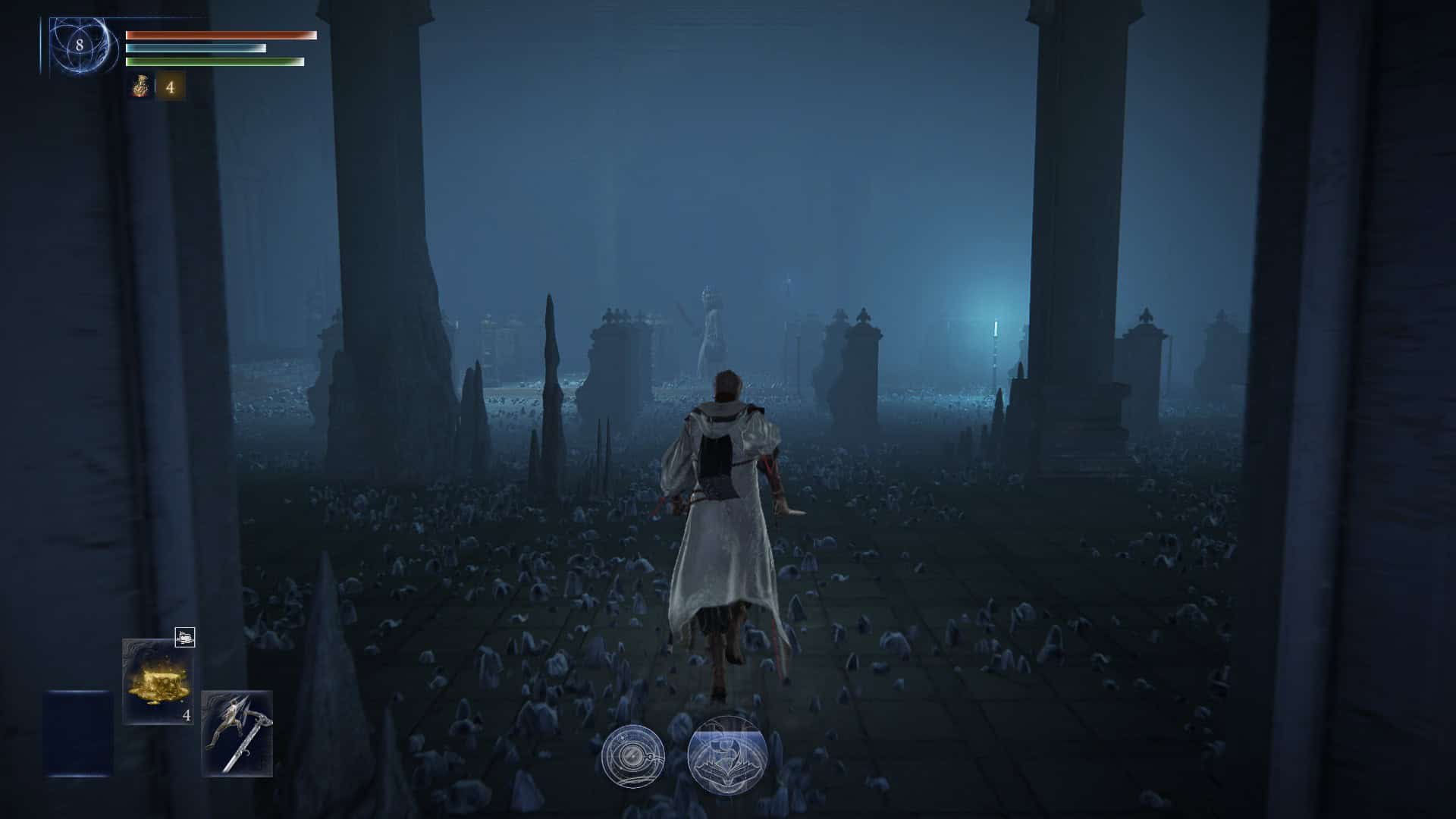
The Great Hollow has everything that I loved about Nightreign’s base experience: each location is layered, the fights are as enjoyable as they are annoying, given the timer, and I do not tire of its gimmick even after dozens of runs. Easily the biggest difference here is the verticality; the traversal here is much more convoluted than the mostly straight areas of Limveld. The number of times my friends and I jumped to our doom, thinking that SURELY there’s some ground beneath, made up some of the funniest moments I had with Nightreign. This truly is a larger Shifting Earth, filled with secrets and shortcuts that you will discover only after several runs where you struggle to reap its rewards. Don’t forget to check the corpses this time around, Shifting Earths have better drops from those.
The intensity of combat is also higher, with the main challenge being two coliseum-like structures featuring a set of three night bosses before obtaining their unique buff. They take off half your HP too, unless you first activate four (three in solo play) minor crystals that are only marked on the second night, though they can be activated from the start, and collect the power of the massive crystal menacingly looming over the whole area from the middle of the map. Learning their placements is a major part of mastering The Great Hollow, though it is only the beginning.
Certain spots are very boss-heavy, sometimes up to three in very close proximity, all leaving a buff, so the area greatly benefits those who know how to dispatch the likes of the Red Wolf or the Runebear—minor, but agile bosses the likes of which you often end up avoiding on normal expeditions in high-skill lobbies due to the time commitment of chasing them down.
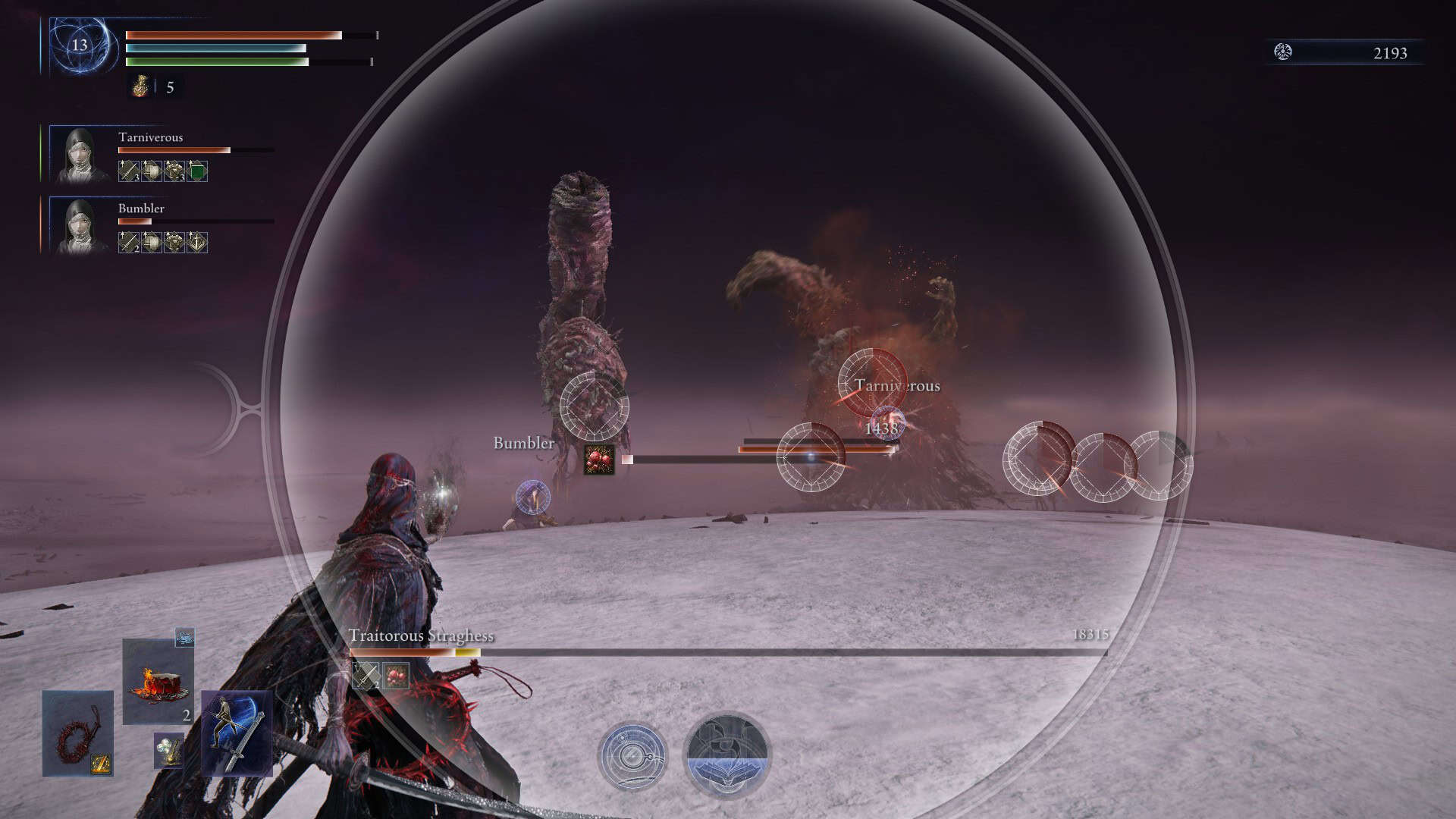
Then there are, of course, the new Night Bosses and Night Lords. The Everdark bosses set a really high bar for new boss encounters, yet even with only four of the former and two of the latter, I was more than happy with what I got. In the reveal trailer for The Forsaken Hollows, you may have seen Artorias and Dancing Lion, and while those are indeed a joy to fight with all the tools Nightreign provides, my favorite is by far one I dare not spoil. All are accentuated with returning, stellar soundtracks from their original appearances or the fresh approach to music and presentation that Nightreign brought to its unique encounters.
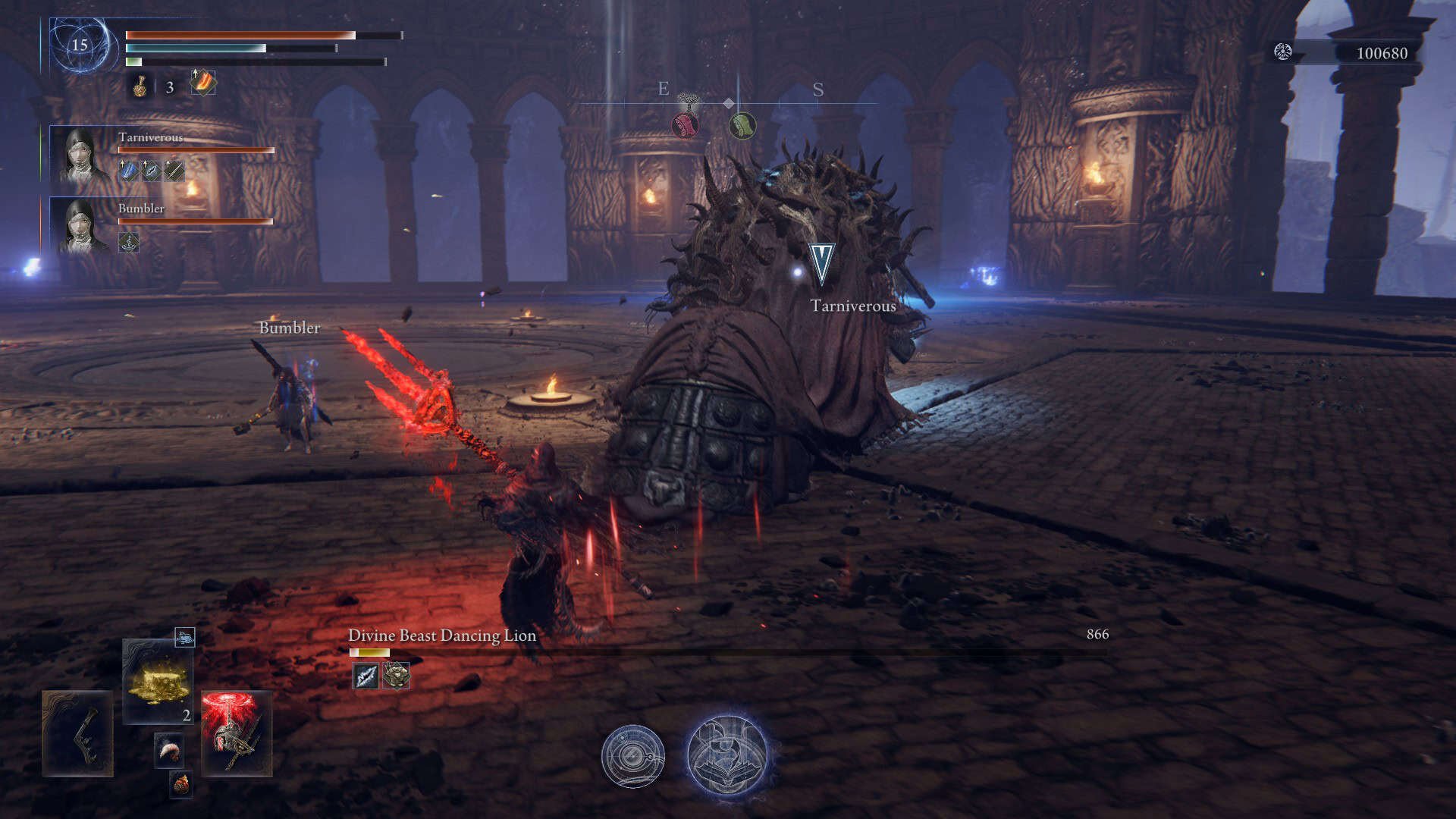
It’s clear that these bosses lean into the strengths of the new Nightfarers: The Scholar and The Undertaker. I spent most of my time playing the former as a support main, applying status effects, buffing allies, spreading damage (a must-have for the Balancers boss), and utilizing consumables, but Undertaker is undoubtedly the star of the show. Her Ultimate Art allows her to fly through the sky a considerable length before smashing into an enemy using a horrific, jagged weapon she rips and morphs from inside her body.
This ultimate is a gnarly and hard-hitting attack that can be reused whenever an ally uses their own Ultimate Art or after executing a perfect dodge of an enemy’s grab. This means that with a team composition of three Undertakers, you can set up a chain of nine ultimates, staggering a boss for up to six times if timed right. On top of this, her skill allows her to auto-dodge an attack that would take her down while active and lets her run faster without spending any stamina while also regenerating the resource way faster. Just an all-around top-tier character that is sure to find her place on many teams.
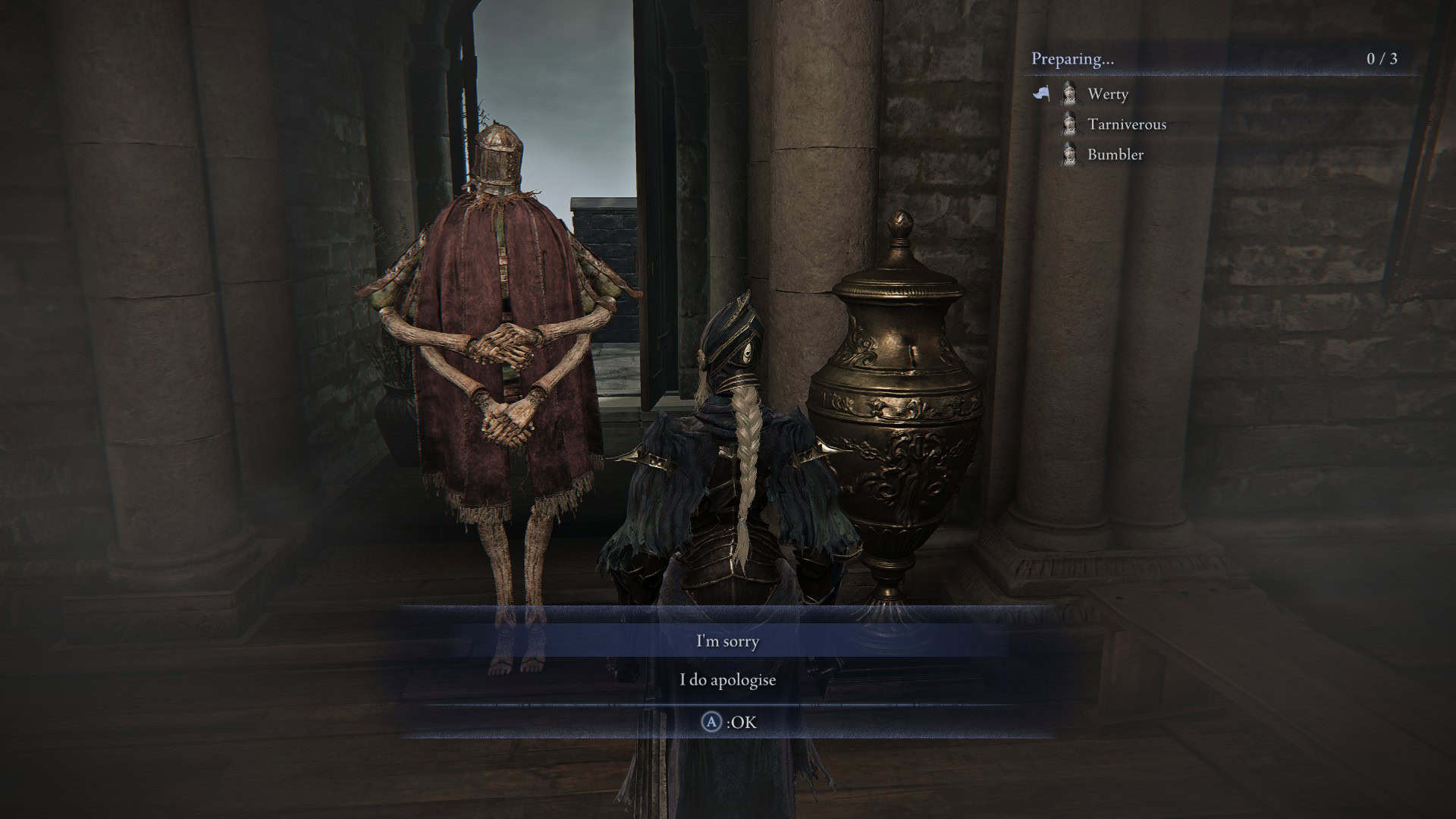
Their stories shake up little in the grand scheme of Nightreign’s plot, but introduce a bunch of cool ideas into the universe. The two are intertwined with each other and the final boss of the DLC, the Dreglord, and their paths intersect throughout their individual questlines. Scholar’s is more straightforward, calling back to the story of the Albinaurics and perhaps even to the Mimic Tear storyline cut near the release of the original Elden Ring; meanwhile, Undertaker’s is more mysterious, to the point of the requirement for finishing it being perhaps the most obtuse one in the entire game. Never change, FromSoftware.
With Shadow of the Erdtree content confirmed to arrive in a future update, Elden Ring Nightreign is likely to reach its final form sooner rather than later. The changes this DLC makes to the base Limveld map are welcome, though not substantial enough at this moment to otherwise warrant a paragraph at this time: two new structure types and a few events. The Forsaken Hollows, though not a final send-off many of us expected it to be, is a stunning addition that feels like a culmination of an already incredibly compact Souls experience. Here, you will find all the weird pathing, gimmicks, and fresh approach to boss presentation that kept my imagination active this whole time, with the top-notch fights that keep me coming back for more. This DLC being as good as it is means I am probably not stopping anytime soon. See you in Limveld.
Mateusz reviewed Elden Ring Nightreign The Forsaken Hollows on PC with his own bought copy. This review is based on the version of the game available at the time of writing and our score will not be changed.
- Score
- 9/10 Outstanding - Mateusz Recommends
- Summary
-
The Forsaken Hollows is a focused vision of Nightreign's greatest strengths with just a bit of that bizarre FromSoftware goodness to keep you guessing. Great fights, great characters—a classic FromSoftware DLC
- More
- GameObserver's Review Policy

 ObserverCrew Picks
 bserver
 bserver