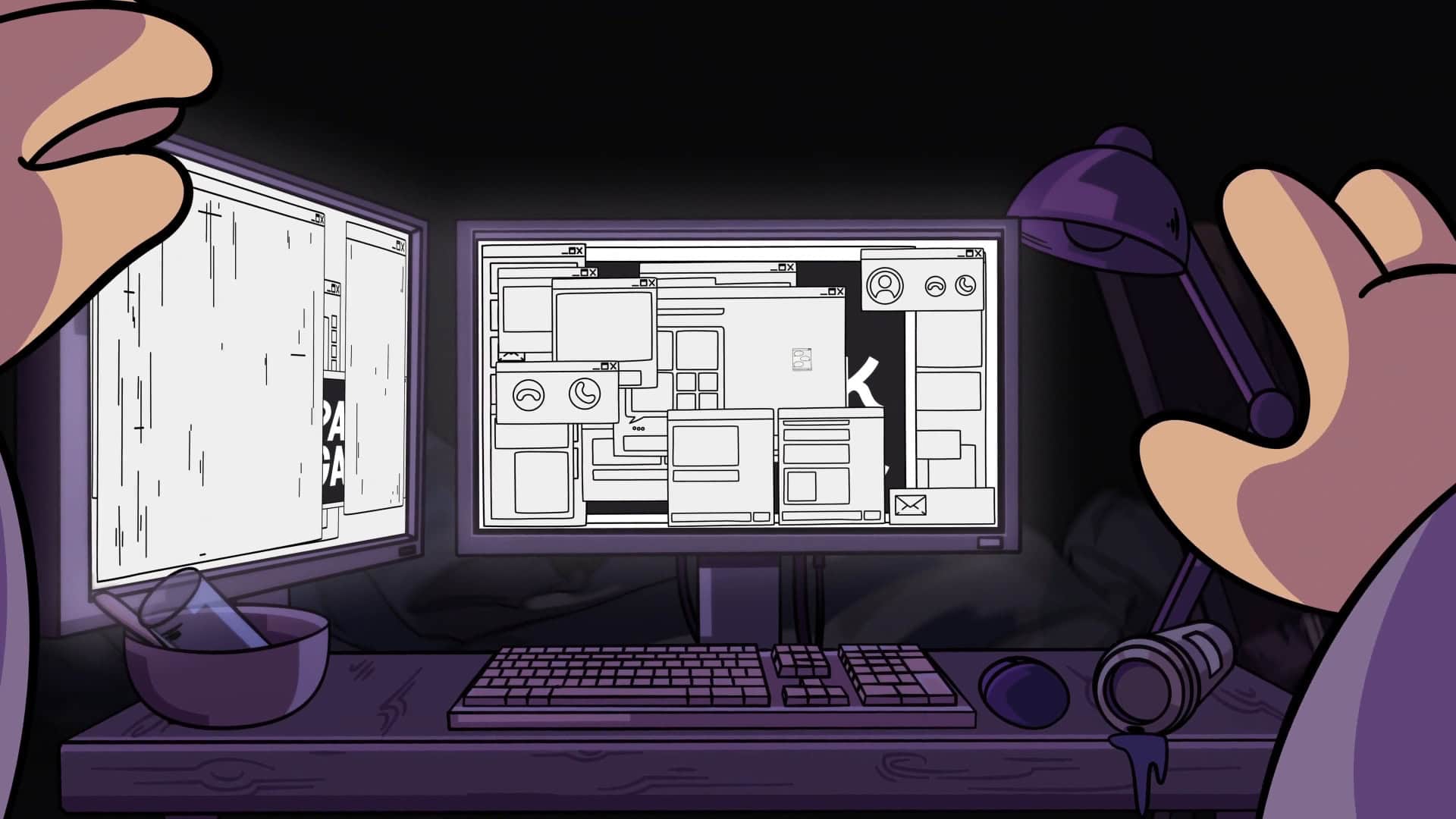
Constance is an overworked, overwhelmed, young artist who’s burnt out and barely holding on to her motivations, her friends and family, and to her sense of self. Shortly after an extremely stressful workday, she falls asleep and awakes in the inner world, a mixed up fantastical land that is a not-so-secret metaphor for her own mind, and finds it’s in a terrible state. In her quest to get home she learns of a train that can take her out of the inner world, but it’s wrapped in powerful strings, and the only way to cut them is with the power of the four Tears held by the four Mentors of the world. Each of these mentors is, of course, dealing with their own problems and it’s up to Constance to fix them like any good platformer protagonist would, as well as the problems of everyone else she meets along the way.
btf’s Constance is a Metroidvania with a pretty heavy emphasis on precision platforming as both a traversal and combat mechanic, but also with a major focus on an ink-themed stamina mechanic, which is fitting for the game’s themes of burning out.
Constance begins the game purely with the ability to jump, but gains her main weapon and tool, her trusty paintbrush, right after the introduction, and the ability to perform paint dashes soon after. Paint dashes allow Constance to avoid damage from most enemies and hazards, to squeeze in small places, and to get a little extra horizontal movement in her jumps. But each use of paint dash and other similar abilities drains her paint meter. Now, in other games draining your stamina would mean you can’t use your abilities. Not so in Constance. Instead, it means you go into a drained state where Constance loses all of her color and using paint based abilities eats into her health instead. While there are tools to mitigate this state, avoiding it and being patient while your paint recharges is something you need to be aware of throughout the game.
Partly this is because one of the first attack upgrades, the Paint Stab, is incredibly useful, given it can attack above and below at extended range compared to standard brush swings, remove corruption that otherwise even hurts to touch, and activate switches to open up new areas of the map. It can even be given upgrades like range boosts and lifesteal through inspirations.
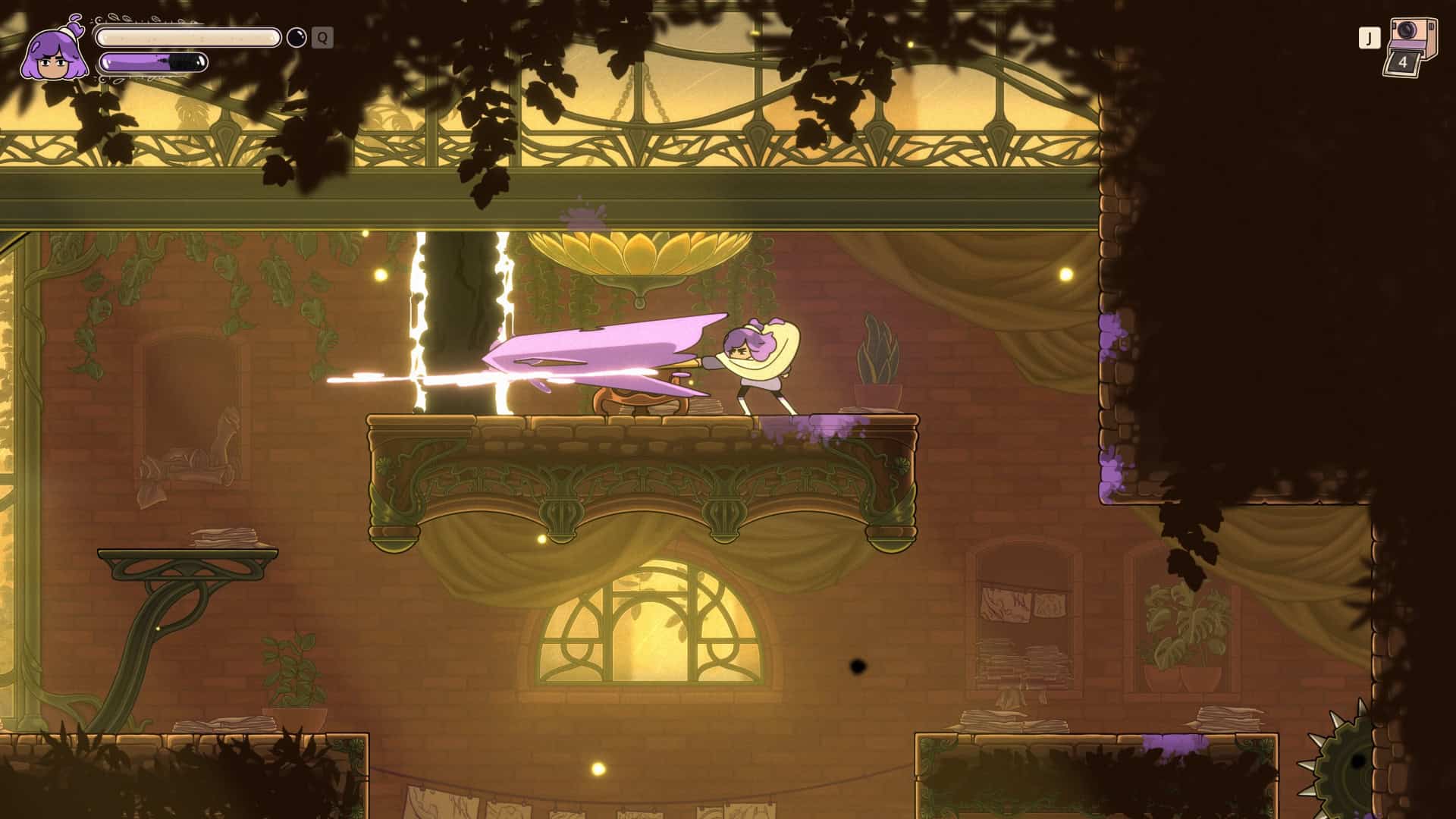
Paint Techniques are the game’s core upgrades, and in addition to the paint dash and stab include a double jump, a dive attack, Paint Stroke, a flash cut technique that can be used for platforming as well, Wall Dive, a wall jump technique that actually makes Constance merge into and ride up the wall a short distance, and an exploding paint clone technique I actually managed to completely skip over in my first playthrough (oops). These are always available once you get them, and several of them require paint to use.
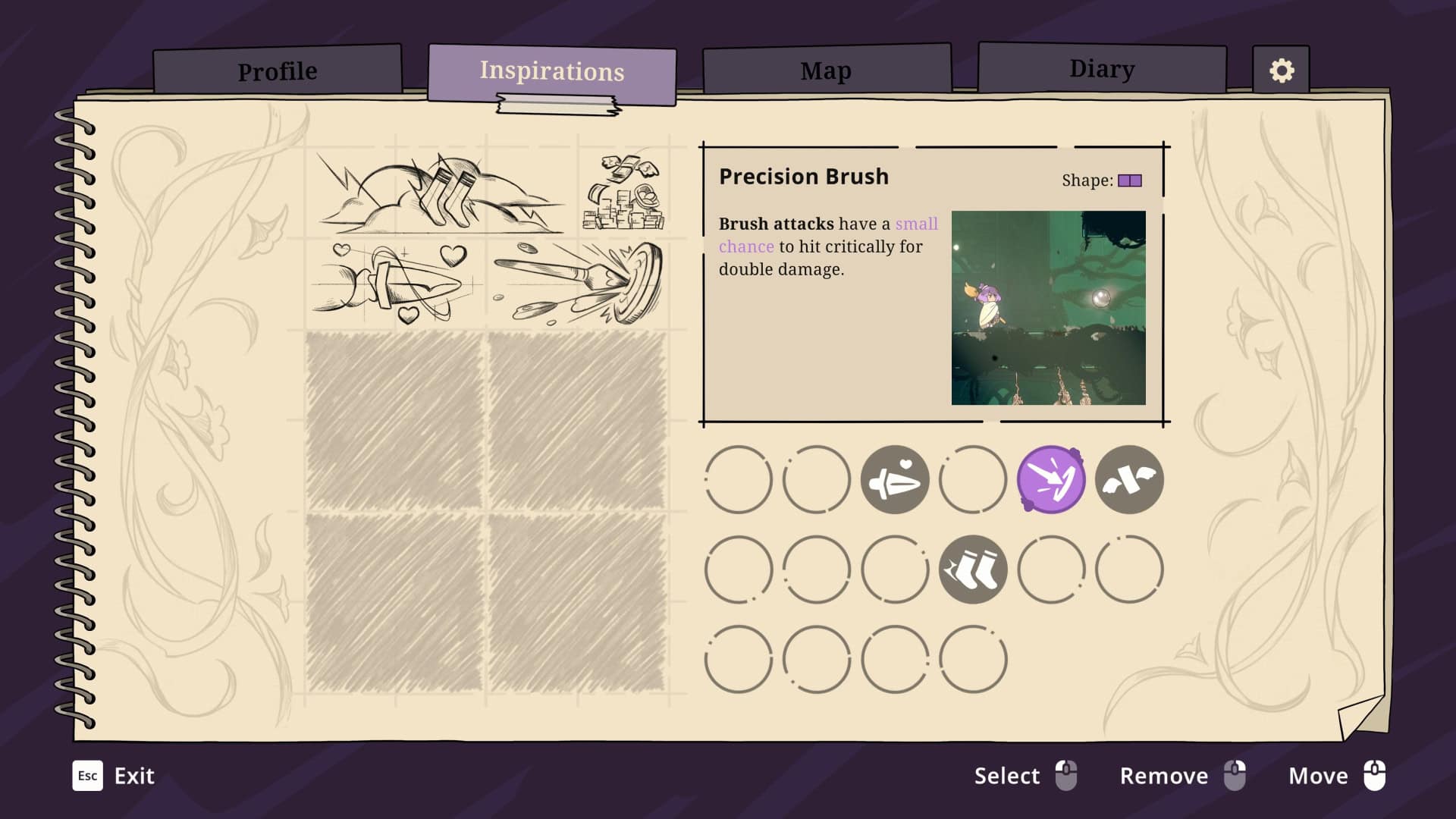
Inspirations, the game’s equippable items, mostly provide buffs to Constance’s paint, attack and defense, or modify existing techniques, like adding a projectile to the aerial paint dash, adding a damage effect to the double jump, or allowing teleporting to the paint clone on explosion. These are equipped by placing them on a sketch page, each of them has a specific shape and getting them all to fit on the available page is part of the trick of using them as you get too many inspirations to fill the equip page, even after finding all the erasers to expand it.
Constance is expertly crafted, every room, every enemy feels very deliberately placed to make the game a challenge without being a chore, and part of that comes in the game’s unique way of handling dying. Instead of simply respawning at the last save point you checked in at, you can also choose to push on on from the same room with a penalty that makes enemies stronger, tougher, and have an outline that deal damage on contact, even with a paint dash. This effect lasts until the next time you rest at a save point, but has the unexpected benefit of making all enemies always drop health when destroyed. Each boss and miniboss has a unique attack pattern that helps you learn and master new skills and movement techniques. One boss actually has no health bar and is instead a long autoscrolling platforming sequence you must merely survive.
The story is excellent. All the characters, even for the short time we meet them, are evocative. They reflect some aspect of Constance as the inner world she’s in is her inner world, her own mind, so everything represents her and her inner struggles in some way. The game even switches to completely different gameplay for a short segment after each boss to help contextualize what each of the Tears represents to Constance which is a nice touch. I also want to applaud Constance for saying that Constance should seek help and framing the asking for it as a victory. That’s a good message for all the overworked and overwhelmed among us.
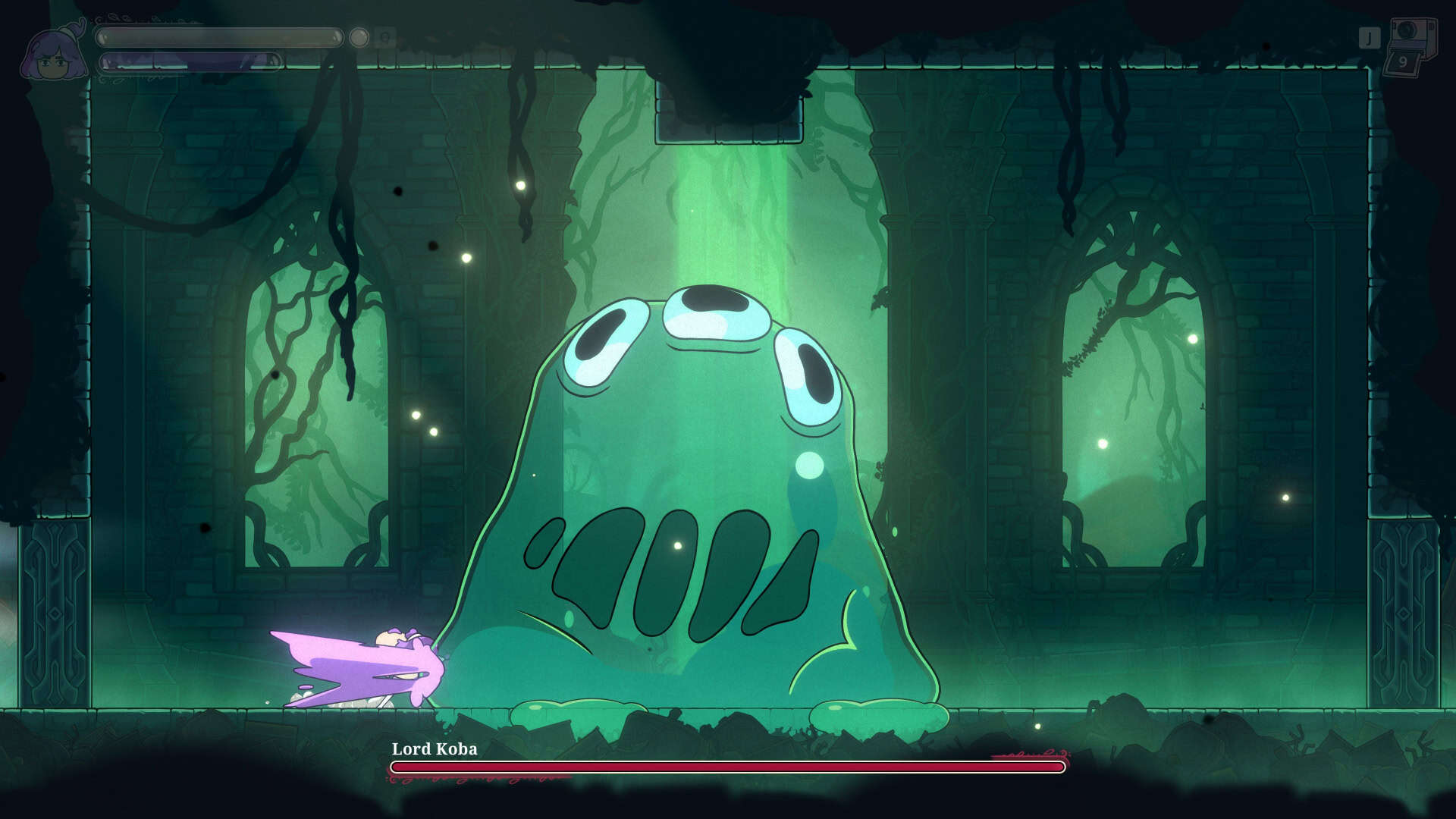
My biggest complaint about Constance was the length. It felt like it needed a little more plot after the four Tears. Of course, the game is meant to be speedrun, with achievements for beating it in under six and three hours, and for performing a 100% run in under eight, so you can get a little extra longevity out of the game. Mostly though, I just felt I could use a little more time with the world before the end.
Tim reviewed Constance on PC with a provided review code. This review is based on the version of the game available at the time of writing and our score will not be changed.
- Score
- 8/10 Excellent - Tim Recommends
- Summary
-
While sporting excellent mechanics, very well-crafted levels and a hard-hitting emotional story, Constance's brevity makes it feel like there's a missing final piece to make it truly shine.
- More
- GameObserver's Review Policy
 ObserverCrew Picks
 bserver
 bserver