Getting a franchise off the ground is maybe one of the harder things to make happen in the video game industry. Getting one game out the door is hard enough already. Having a series of games connected by a shared cast of characters, a world, themes, and getting an audience invested enough to continue to buy for decades to come sounds nearly impossible.
A successful first game is a good start, but the second game is almost more important. You either have to take an already big success and try to make it better. Or you have to take a game that maybe had a great proof of concept or a solid foundation that was a little too rough around the edges and, find a way to fine-tune it into something bigger and better. Something memorable.
Not every game can recover from a misstep if a second game fails to match the first. No game really gets a third chance at success if a sequel fails to make wholesale improvements on a flawed but interesting idea. To me, a second release is a massive fork in the road situation for a game and the people making it. If you succeed, you and your studio could be set for the next decade plus, remembered as a franchise and not just a game with a single sequel. Sometimes the second game in a franchise’s history is the peak, other times it’s just the final necessary foundational piece that sets the franchise up for critical success in and out of the video game industry.
Because of this, I wanted to strictly focus on the second games in a franchise, not third, not fourth, not fifth. The second game that really had a big impact on the franchise. Whether it’s improving something that seemed beyond improvement and pushing a series full-speed into the highs it would hit, or something that had a massive impact on the industry overall, or something that completely shifted the trajectory of a game and single-handedly turned it from a forgettable first title into the iconic and important franchise that it would become. Here are just a few.
Super Smash Bros. Melee
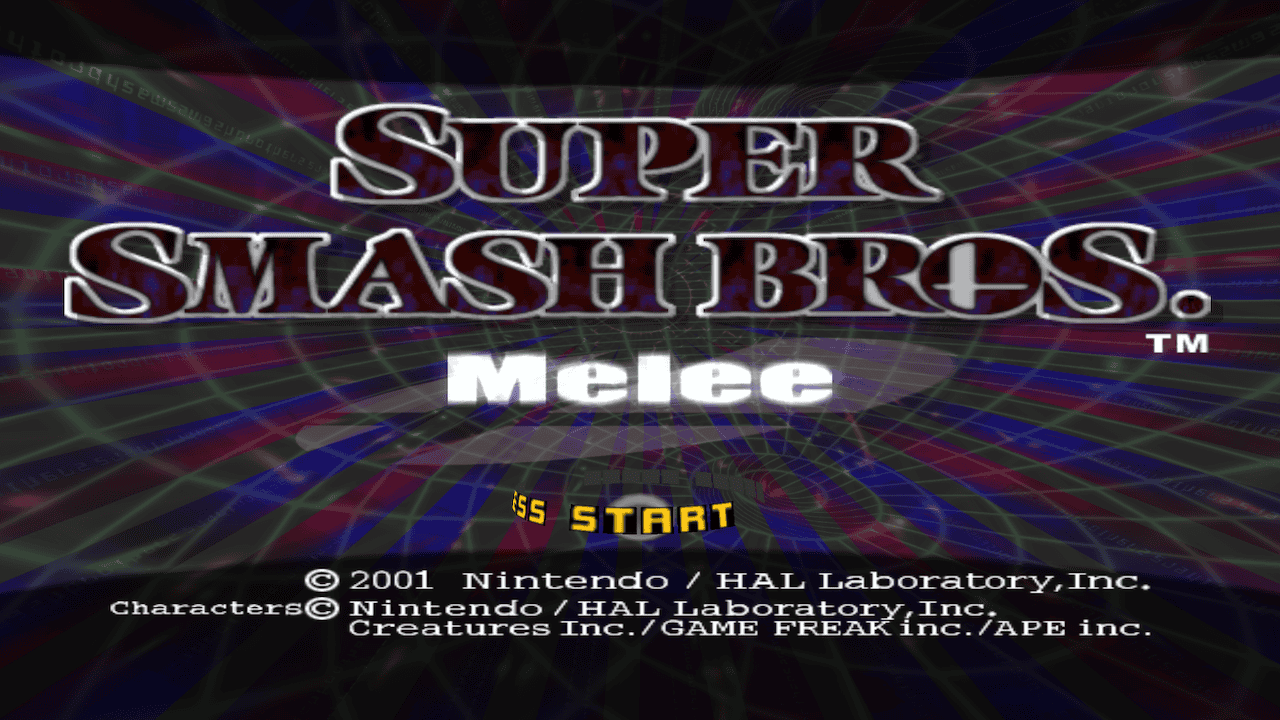
I was a massive Nintendo fan as a kid, so the general concept of a fighting game based solely around Nintendo mascots was an easy sell to me. Even before the now infamous commercial first entered my brainwaves, I remember seeing a page in probably a Nintendo Power magazine for the game, and knew immediately I was going to be begging to get it.
The original Nintendo 64 release was good, but Super Smash Bros. Melee took this franchise to another level. Melee does everything that the original conceptualized with the levels, the secret characters, the battle items, and expanded on it all to massive success. I put a ton of hours into the original game battling with friends, but it’s nothing compared to the amount of hours I probably put into Melee just by myself playing Vs. Matches. Super Smash Bros. Ultimate is definitely the full realized, ultimate version of this franchise, but Melee is what showed that this concept could work.
Silent Hill 2
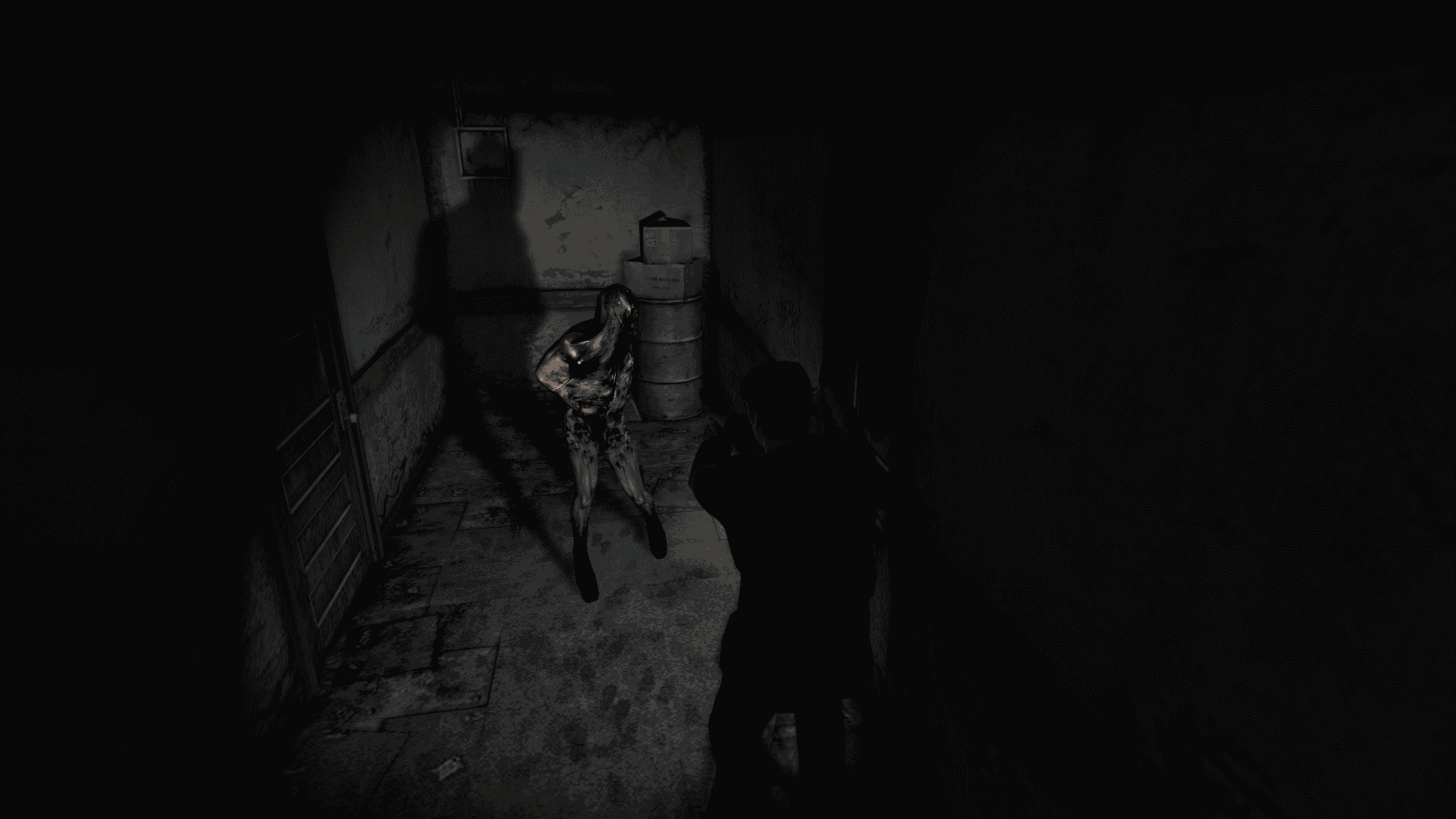
The original Silent Hill is a very cool horror game that does a great job of building a tense atmosphere. The game’s story surrounding Harry Mason and his missing daughter is good, but Silent Hill 2 does all of it so much better.
The story in Silent Hill 2 is the best in the franchise’s history and one of the best in the horror game genre overall. The atmosphere is still tense and uncomfortable, much like the first. It also introduced Pyramid Head, probably the most iconic enemy in this franchise. Silent Hill as a whole has had some rough spots for sure, but this series, now eight games and three movies deep, doesn’t exist without Silent Hill 2 and the improvements this game brought.
Assassin’s Creed 2
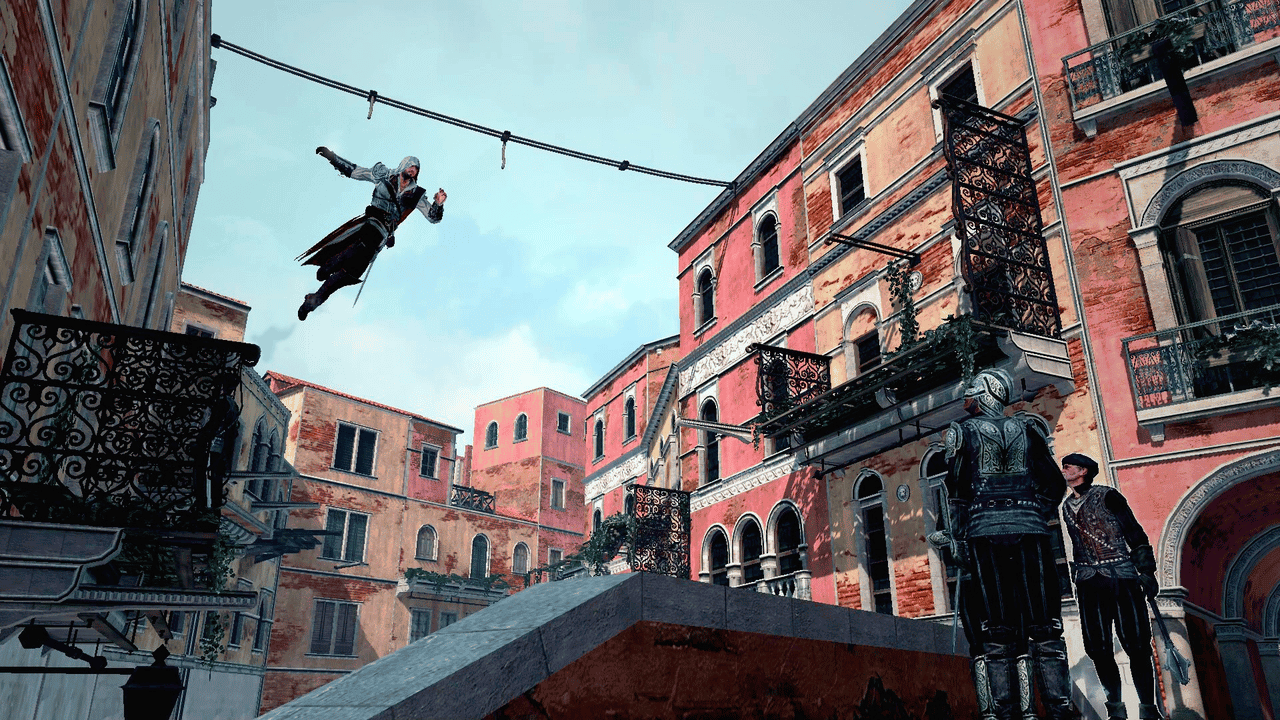
The original Assassin’s Creed is a very cool but flawed game. The idea of a modern-day Templar organization trying to use technology to travel to the past in order to find a powerful lost treasure was a good story idea. The original game, though, is incredibly repetitive. The nine main assassinations, the missions you have to do to find information on your targets, and the combat are very limited and laid out very similarly each time.
Assassin’s Creed 2 takes many of those flaws and improves upon them exponentially. I have a soft spot for Altair, the main character of the first Assassin’s Creed game, but to me, Ezio Auditore is the character that I think about when I think about this franchise. The missions have a better variety, the combat is much improved, and the story is better. I have problems with this franchise and its current iteration, but after 20 games, a movie, a Netflix TV show on the way, and as one of the few franchises that Ubisoft still cares about, the series is a massive success. I don’t know if it reaches that level without Ezio and Assassin’s Creed 2.
Uncharted 2: Among Thieves
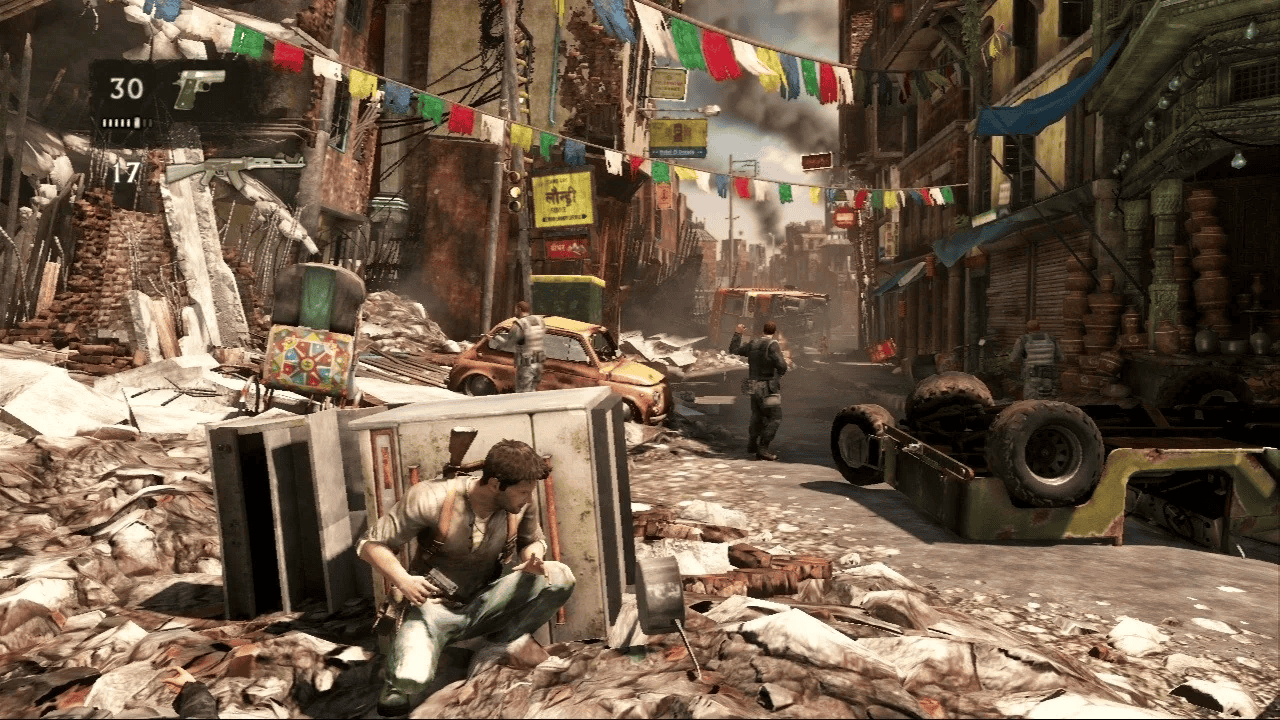
Much like Assassin’s Creed, the original Uncharted was a 2007 release that was a cool but flawed idea. A Tomb Raider-esque action-adventure game that featured Nathan Drake, a charming yet goofy character who always seemed to have a plan, even if it wasn’t completely thought up at the start of a job. He was an interesting enough character, the locations and action set pieces were solid, and so were the story and the atmosphere. It was a serviceable experience, especially for its time.
Uncharted 2: Among Thieves though was really what kickstarted this series into the franchise it became. Nathan Drake is fleshed out and developed further, becoming more than just a goofier Indiana Jones. We get the introduction of Chloe, someone from Nathan’s past who is a great foil and an interesting contrast to Elena. The train car set piece that is featured on the cover and was in so many screenshots and trailers when this game first came out is still one of the best set pieces in a modern-day action-adventure game. Uncharted 4: A Thief’s End is probably my favorite in this franchise, but a lot of the character and story development that makes A Thief’s End a satisfying finale is established in Among Thieves.
Street Fighter II
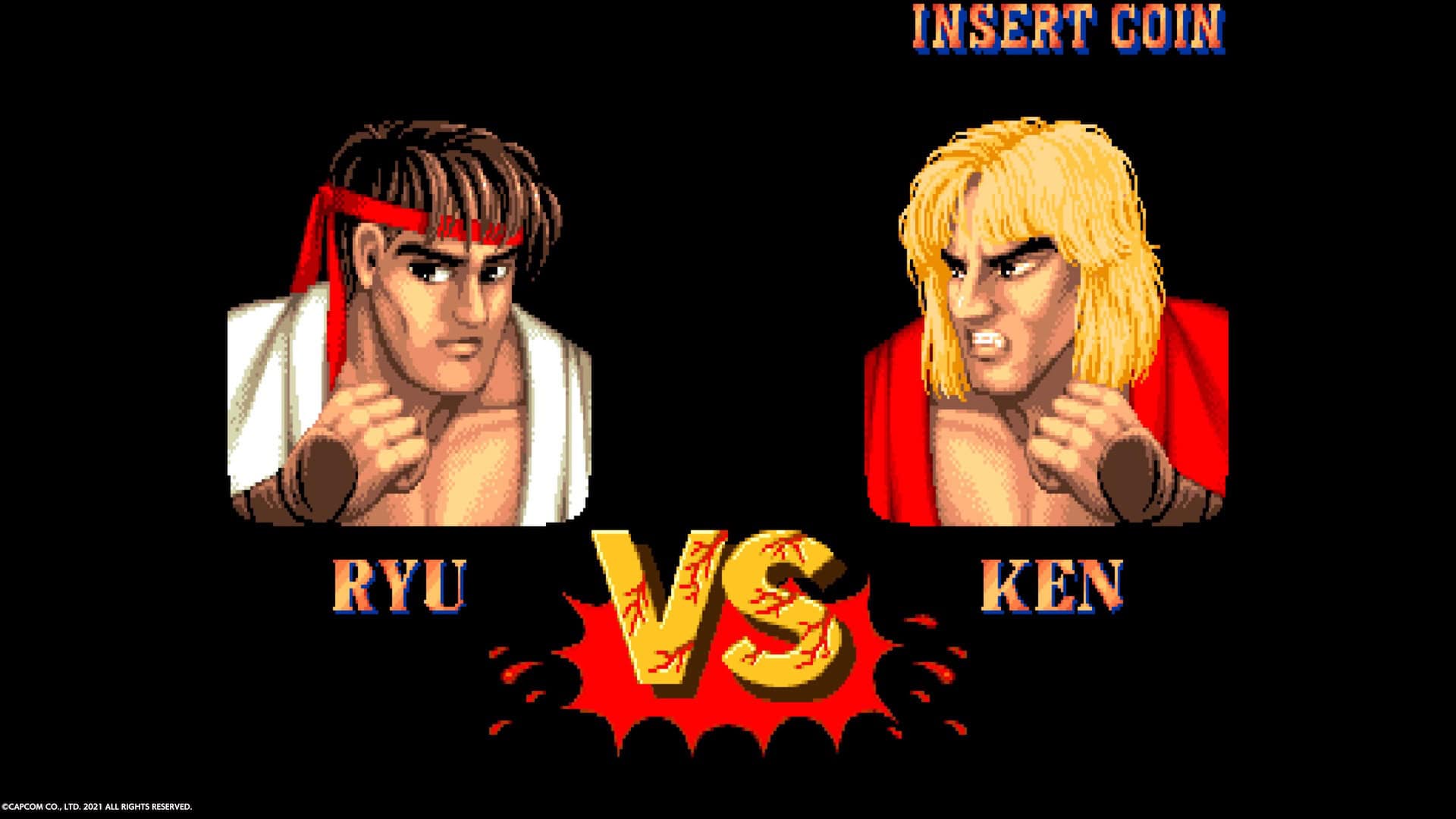
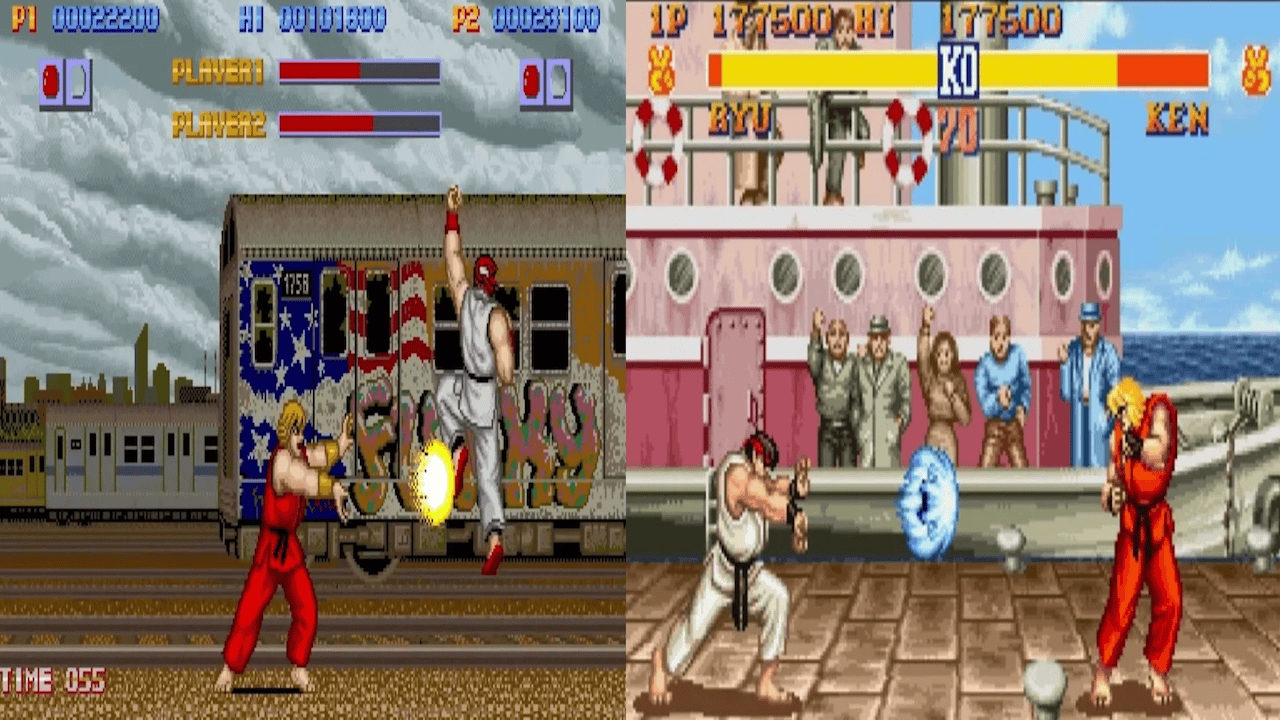
Street Fighter II is one of the most influential fighting games of all time. An arcade staple even to this day. If you have an arcade, a bowling alley with some games, a barcade, a Chuck E Cheese perhaps, anything really that has a series of arcade cabinets, this is a game that you probably will find amongst the cabinets. The original Street Fighter is a forgettable game that is only recognizable thanks in part to the sequel. There are parts to the original game that would become staples to this series; the backgrounds are pretty detailed, Ryu, Ken, and Sagat are all in it, and their move sets have similarities to their iconic attacks as well. It just isn’t a good game. The worst thing about this game might be how it sounds. Arcades would’ve died out much earlier if this game had been in cabinets all over the world and subjected people to the sounds of this game.
Street Fighter II looks better, it plays better, and the character sprites are all really well done. There’s a reason this game took off, it’s just well-made top to bottom. The shortcomings of the original game make the Street Fighter II glow up and make what this franchise would become even more impressive. It’s truly a night-and-day difference.
Ms. Pac-Man
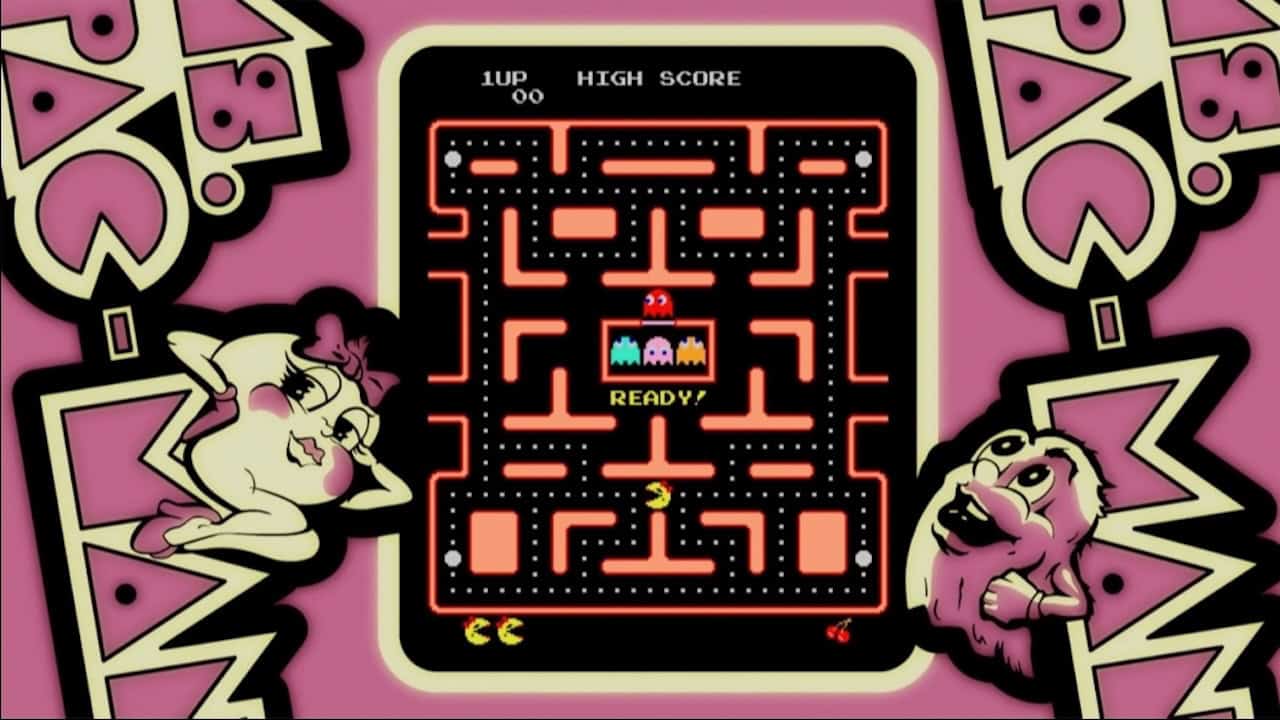
The original Pac-Man is an arcade classic. It’s nearly a perfect arcade experience that’s really only beaten by its superior sequel: Ms. Pac-Man.
Ms. Pac-Man takes the Pac-Man formula and manages to improve on it across the board. The game is harder, there are more stages, and the ability to warp between parts of the stage is a pretty substantial addition as well. Despite it being touted as a sequel, the game wasn’t actually made by Namco. Instead, it was an enhancement pack of the original Pac-Man made by a completely different company at the time. This enhancement pack would eventually be acquired by Namco, but the origins of this game have resulted in lawsuits throughout its nearly 45-year history, with one just as late as 2020.
Drama aside, Ms. Pac-Man has aged so much better than the original Pac-Man because of the small changes to the gameplay. The character is just as iconic as the original Pac-Man, maybe even more so, given the fact that Ms. Pac-Man is one of the first female characters in a video game. For me, it’s the perfect arcade experience.
Pokemon Gold & Silver
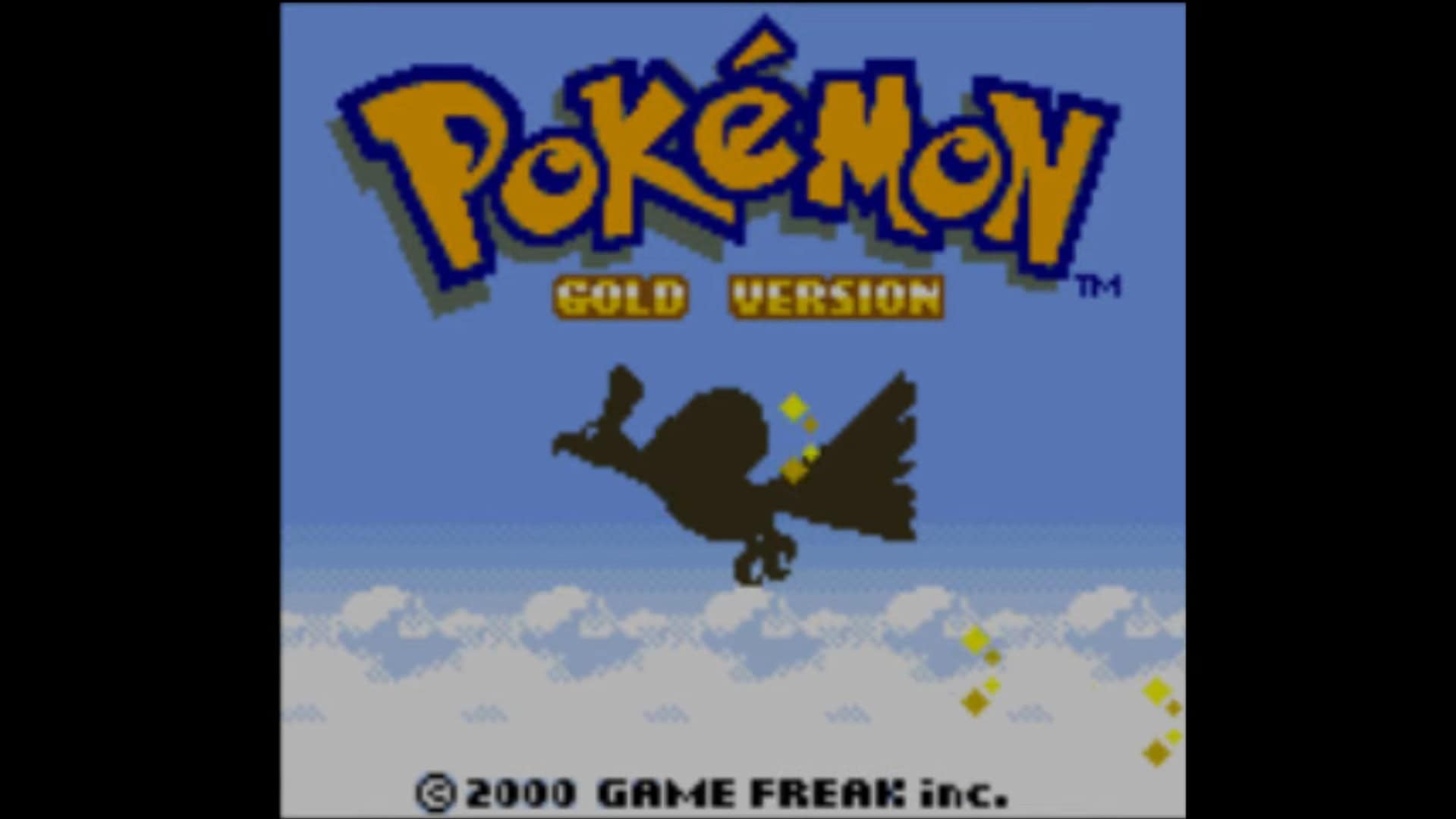
Pokémon Red & Blue were game changers in my life. I was the perfect age when these games started to make their way over, and I was hooked day 1 on all of it. The games, the show, the cards, basically anything I could get my hands on. Pokémon Gold & Silver were no different when these arrived stateside two years after the original games made their way over. More Pokémon? In color? Day and night cycles? The shock and excitement I got from Gold & Silver after beating the Elite Four and my rival, leading to unlocking the Kanto region, the location of the original Red & Blue, is something that still sticks with me. A truly unexpected reveal.
This game improved on everything I wanted from a Pokémon game at that time. While the chances are strong that this series would’ve eventually caught on and become the franchise it transformed into, with or without Gold & Silver, the second games in this franchise are still incredible in their own right. Bringing a lot of the improvements that would become standard in the handheld versions of these games
Halo 2
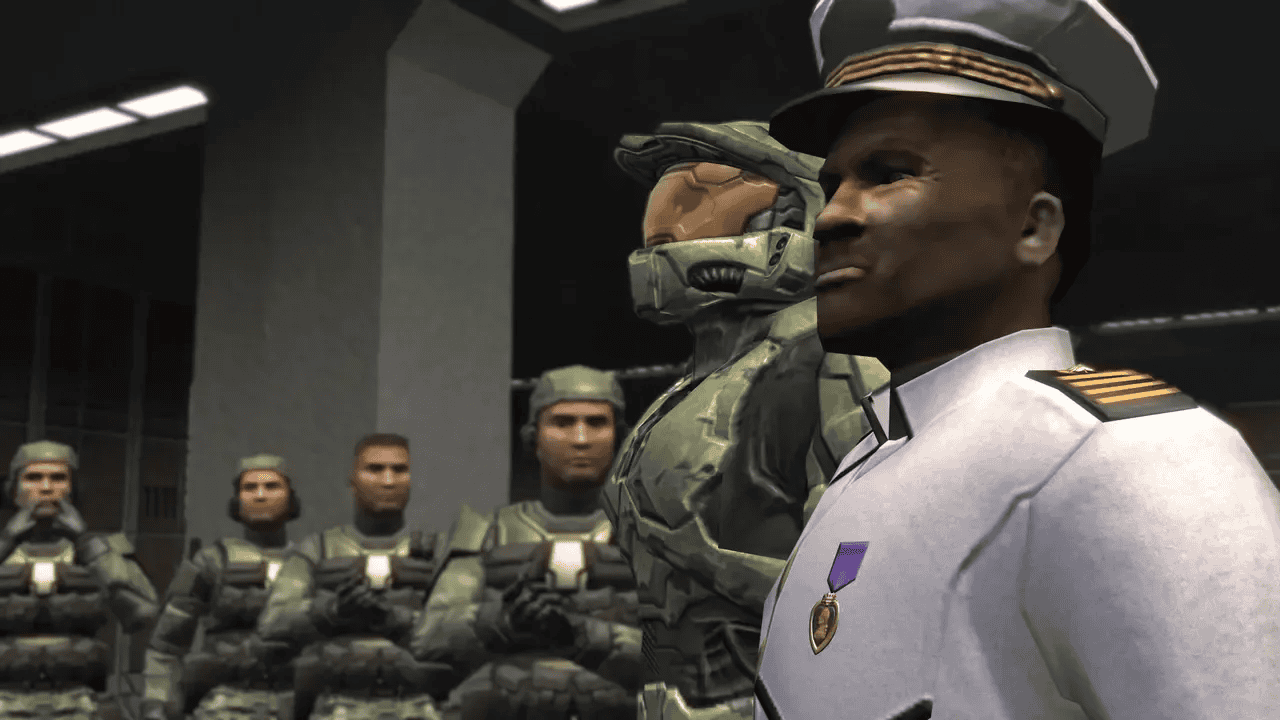
The original Halo was a really good first release for this franchise, but Halo 2 was bigger across the board. A story that was told from the perspective of both Master Chief and a character called Arbiter, Halo 2’s single player built out a decent amount of the world, had some memorable missions, but more importantly, it’s really what put console multiplayer on the map. Xbox Live released two years before Halo 2, and while it wasn’t the first game to take advantage of the online capabilities, Halo 2 was the first time I had friends talking about it and using it.
I played a ton of Blood Gulch with friends when the original Halo was released, but being able to play online against friends or other players at any time was a completely foreign idea for most console owners, and it completely changed how most people played video games, for better or for worse. Being such a key factor to Microsoft’s console plans, I’m sure we would’ve gotten a third Halo regardless, but without the online multiplayer aspects of Halo 2 catching on, it’s hard to tell what this franchise would’ve looked like. It was that much of a game-changer.
Mega Man 2
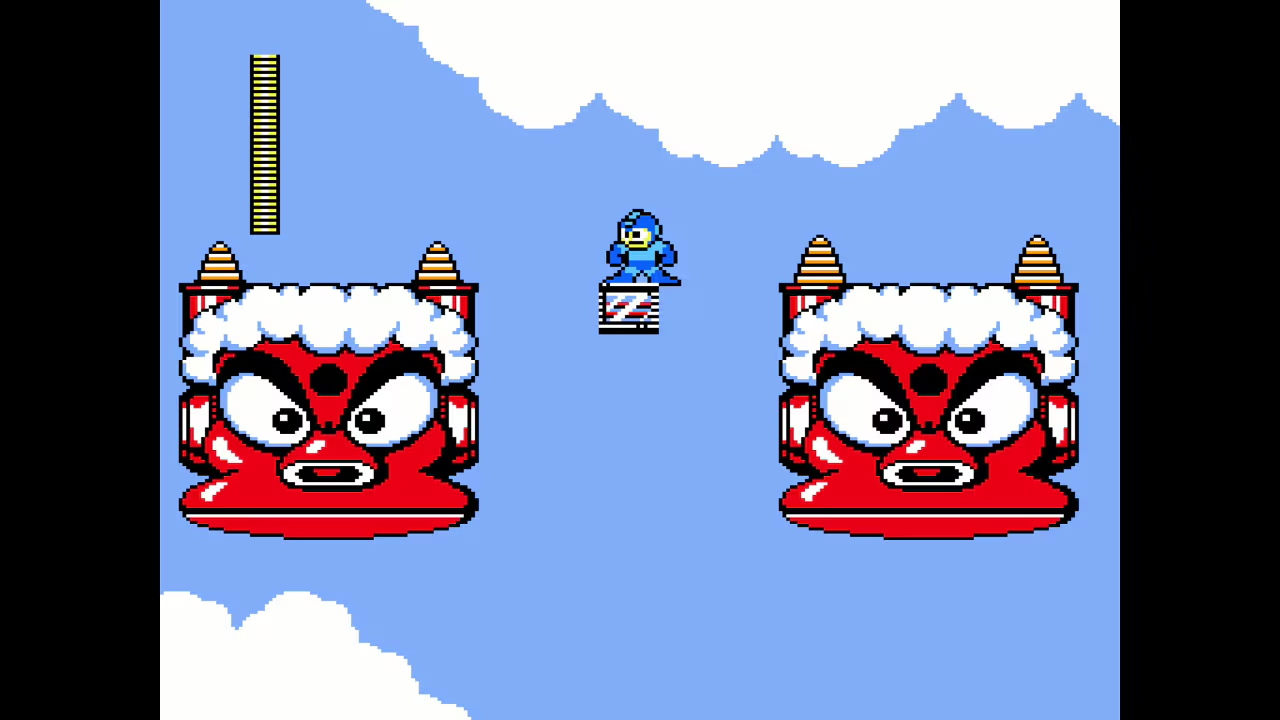
Mega Man was a great initial concept of what would become the formula for this franchise in the NES era. Some of Mega Man’s iconic enemies would appear in this game, from the yellow hard hat enemies known as Mets to robot masters like Cut Man and Guts Man that would appear in a ton of follow-ups. This first game sets up a solid foundation that would be massively improved on in Mega Man 2.
Mega Man 2 moves better, it introduces the password system that would let you “save” your progress to improve your chances of reaching Wily’s Castle. The soundtrack to this game is also still really good, with a lot of the music tracks becoming staples for this franchise. Mega Man 3 would introduce the slide mechanic and a few other mechanics that would become a core part of the series, but the leaps that Mega Man 2 made from the original game are the biggest leaps in improvement this franchise would see. Without them and the sales success of Mega Man 2, we probably don’t get the third, the X series, or the Battle Network series, which would all spin off from this original concept.
Red Dead Redemption
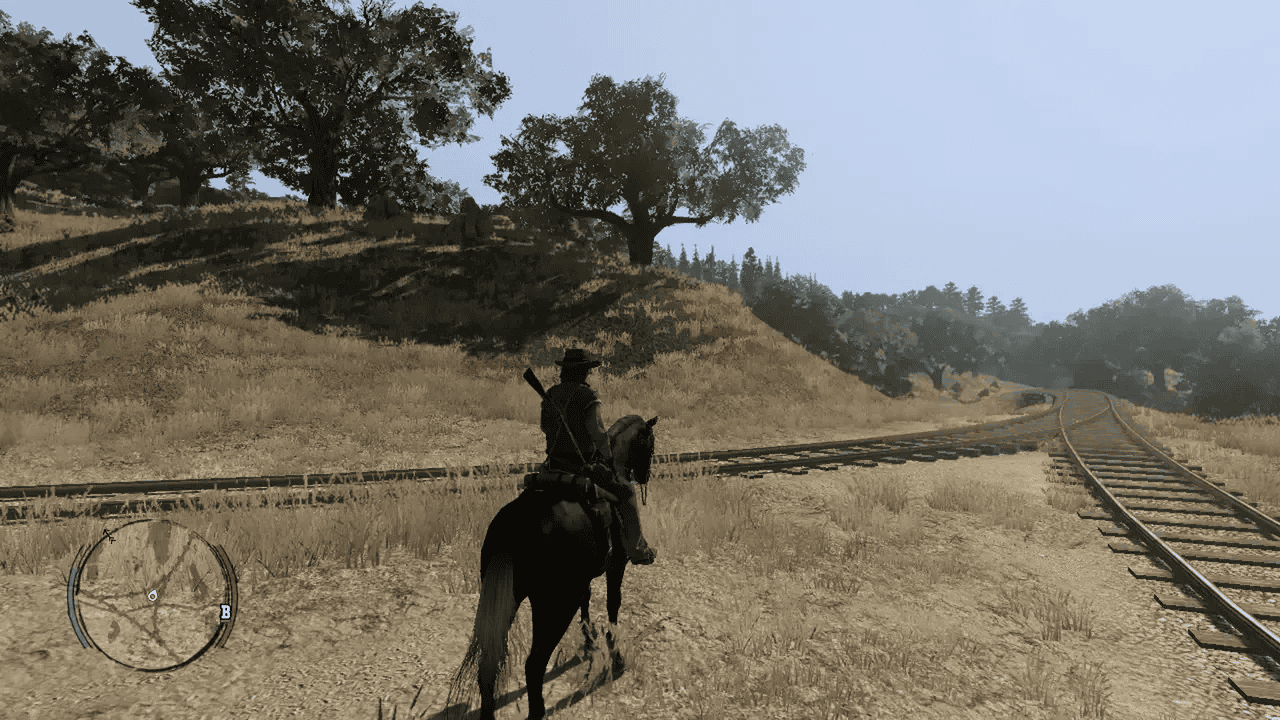
While the game monikered as the second game in the franchise is hit or miss with fans, that is actually the third game in this franchise. Red Dead Redemption is a follow-up to 2007’s action-adventure game Red Dead Revolver. Red Dead Revolver was a game originally developed by Angel Studios and funded by Capcom. After rocky development, Rockstar would acquire both the studio and the game. There is not a lot that connects the first two games in this franchise. Revolver is level-based with boss battles at the end of most stages, not open world at all. The Dead Eye slow-mo ability does carry over into Red Dead Redemption, and there are Tall-Tale-esque campfire stories told by some NPCs in the Redemption games that make references to some of the Revolver characters, but that’s about it.
Redemption is a massive improvement to the franchise. The action-adventure Revolver was fine for what it is, but lacked an interesting story and featured some fairly uninteresting gunplay. Meanwhile, the story of John Marston in Red Dead Redemption is one of my favorites in any Rockstar game. The Rockstar open-world aspects fit this franchise like a glove and completely transformed it. There is no Arthur Morgan, no additional development of John Marston, no iconic zombie DLC without the massive success of Redemption.
For more features and news on upcoming sequels, keep checking GameObserver!

 ObserverCrew Picks
 bserver
 bserver