There are few things I’m more passionate about than movies and games. As far back as I can remember, the two have been focal points in my life. While I can appreciate and enjoy a game that just feels great to play or some competitive multiplayer experience with friends, I’ve always gravitated towards games with compelling stories and an interesting or satisfying world to explore. For me, the ability to get lost exploring some place in a video game is something I can’t really get in a movie. Whether that’s something unlike anything I’ve seen before, like The Lands Between in Elden Ring, or something closer to reality but brimming with so much personality and intrigue, like the Finch household in What Remains of Edith Finch. This combination of world-building and story in film is something I really only get in Studio Ghibli movies with any consistency.
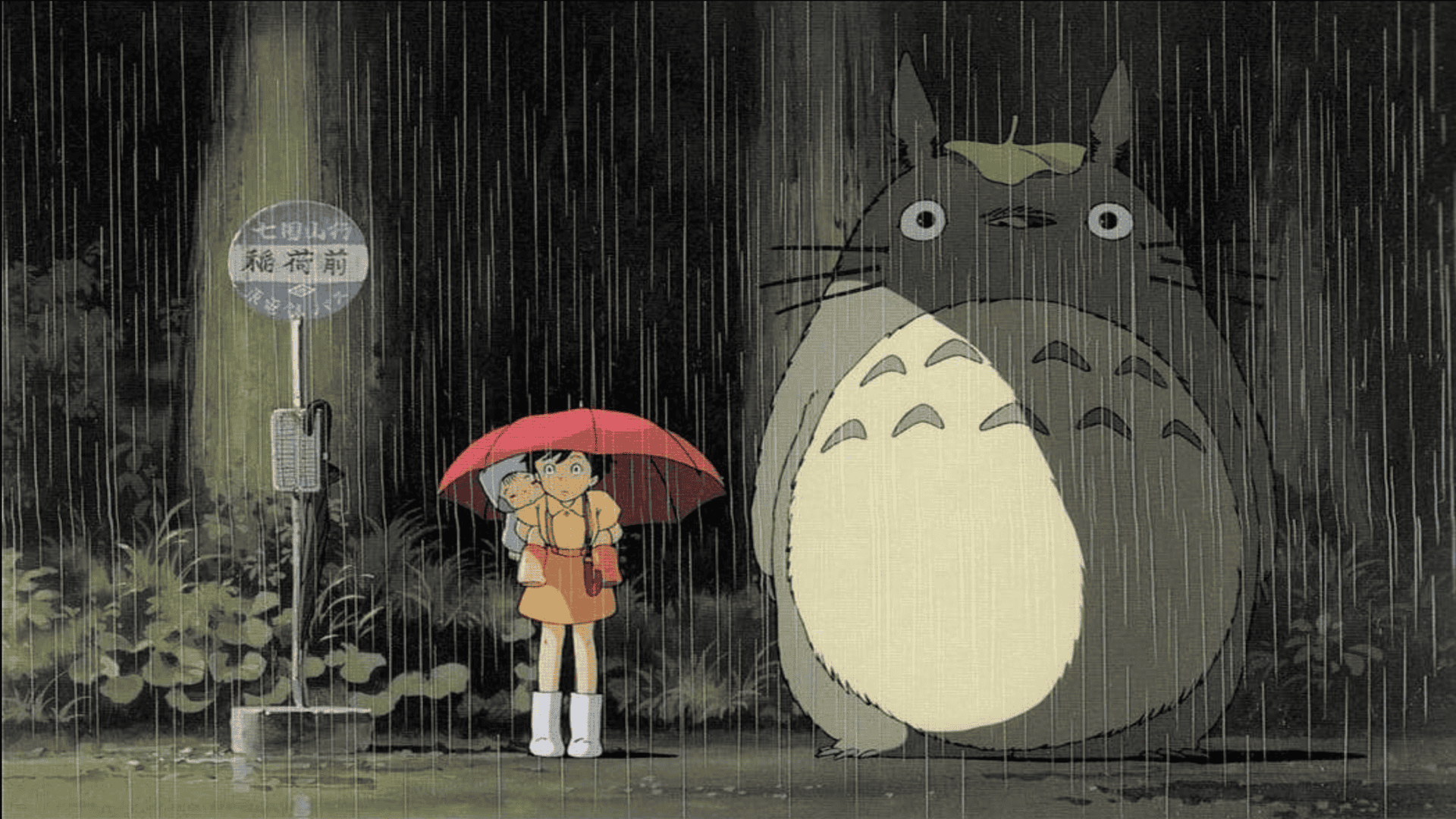
Some of my favorite films come from the studio. Having been around for over 40 years at this point, their influence across all visual media continues to this day. Even in the world of video games. There are a few games that are based directly on Ghibli films. However, most of these are very bad games made in the NES era. It’s rumored that these early games soured Miyazaki on licensing them out entirely, which is why it’s never happened since. Even with very few direct connections between Studio Ghibli and the video game industry, the amount of influence Ghibli has on games is much more vast. From visual style, themes, or just a vibe, Ghibli has indirectly had an effect on so many games. Here are just some of the games that are Ghibli-like in one way or another.
Ni no Kuni: Wrath of the White Witch
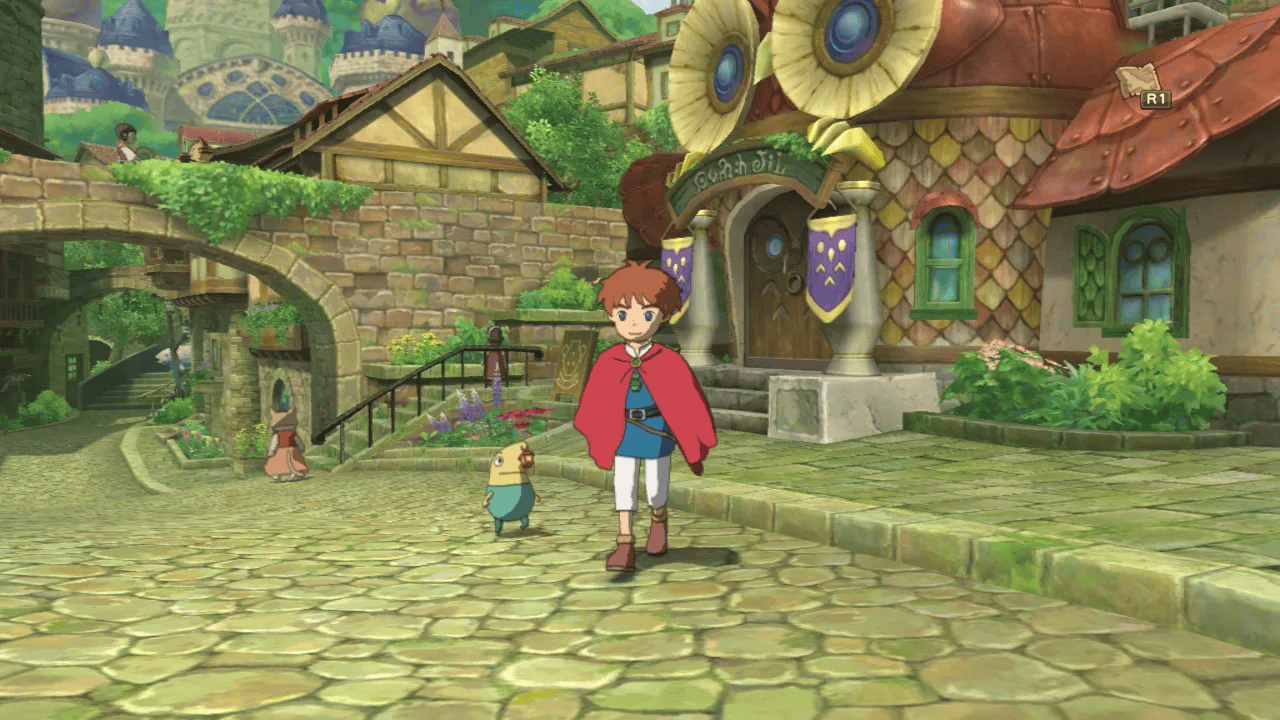
Might as well address the giant Catbus in the room first and foremost. Ni no Kuni: Wrath of the White Witch is one of the few games to have a direct connection to Studio Ghibli. Ni No Kuni: Wrath of the White Witch‘s overall look and cutscenes were created and animated by the studio itself, the only game Studio Ghibli has done this for. Joe Hisaishi, who has composed music for 11 different Studio Ghibli movies, did the music for Ni no Kuni: Wrath of the White Witch as well. Hisaishi’s only video game contributions are this game and its sequel.
Direct connections aside, the story of this game feels very influenced by Ghibli movies as well. Wrath of the White Witch is about Oliver, a young boy who journeys to a strange new world in hopes of finding a way to bring back his mother after a tragic accident kills her in his world. The idea of monsters and humans living together, the heartfelt story about Oliver and his journey to save his mom, and the general idea of a hidden magical world within a “real” world are ideas seen in many Ghibli films, including Spirited Away, Ponyo, My Neighbor Totoro, and The Secret World of Arrietty.
Legend of Zelda: Breath of the Wild
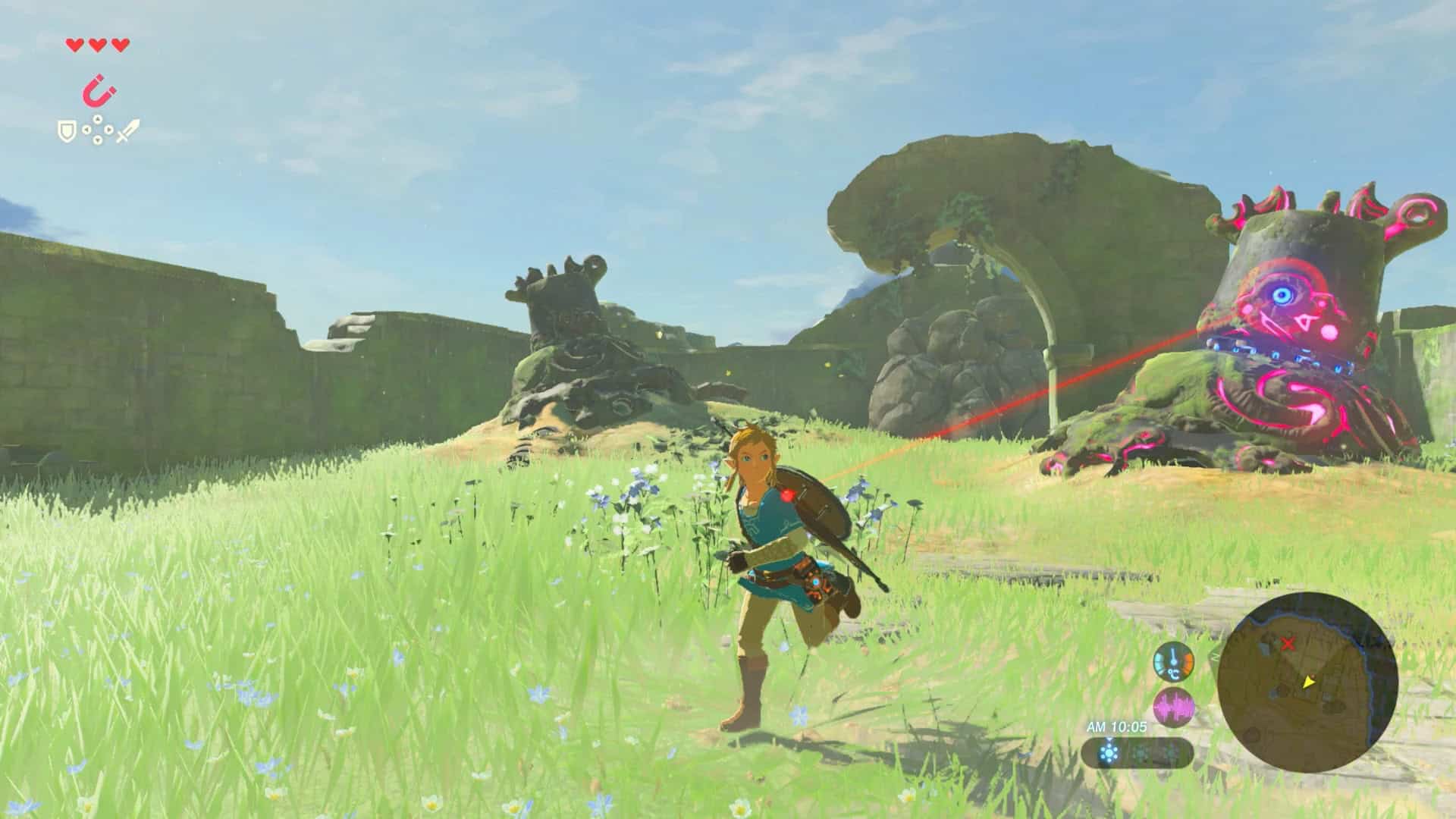
The 19th installment of the Legend of Zelda franchise, Legend of Zelda: Breath of the Wild takes a lot of Ghibli tropes for the setting and overall story of the game. The relationship between nature and technology that is common in films like Princess Mononoke and Nausicaa of the Valley of the Wind is a key aspect of Breath of the Wild.
The open-world aspects add so much to the experience. Just walking through the rich forests and running into Koroks or other various creatures, or looking up and seeing a dragon flying over you, it all feels like you’re walking through a world created by Miyazaki. How Ganon’s corruption is visualized in Breath of the Wild is very similar to the black, sludge-like substance in Princess Mononoke. Even Link’s arm being corrupted by Malice feels very similar to what happens with Ashitaka’s arm.
Kena: Bridge of Spirits
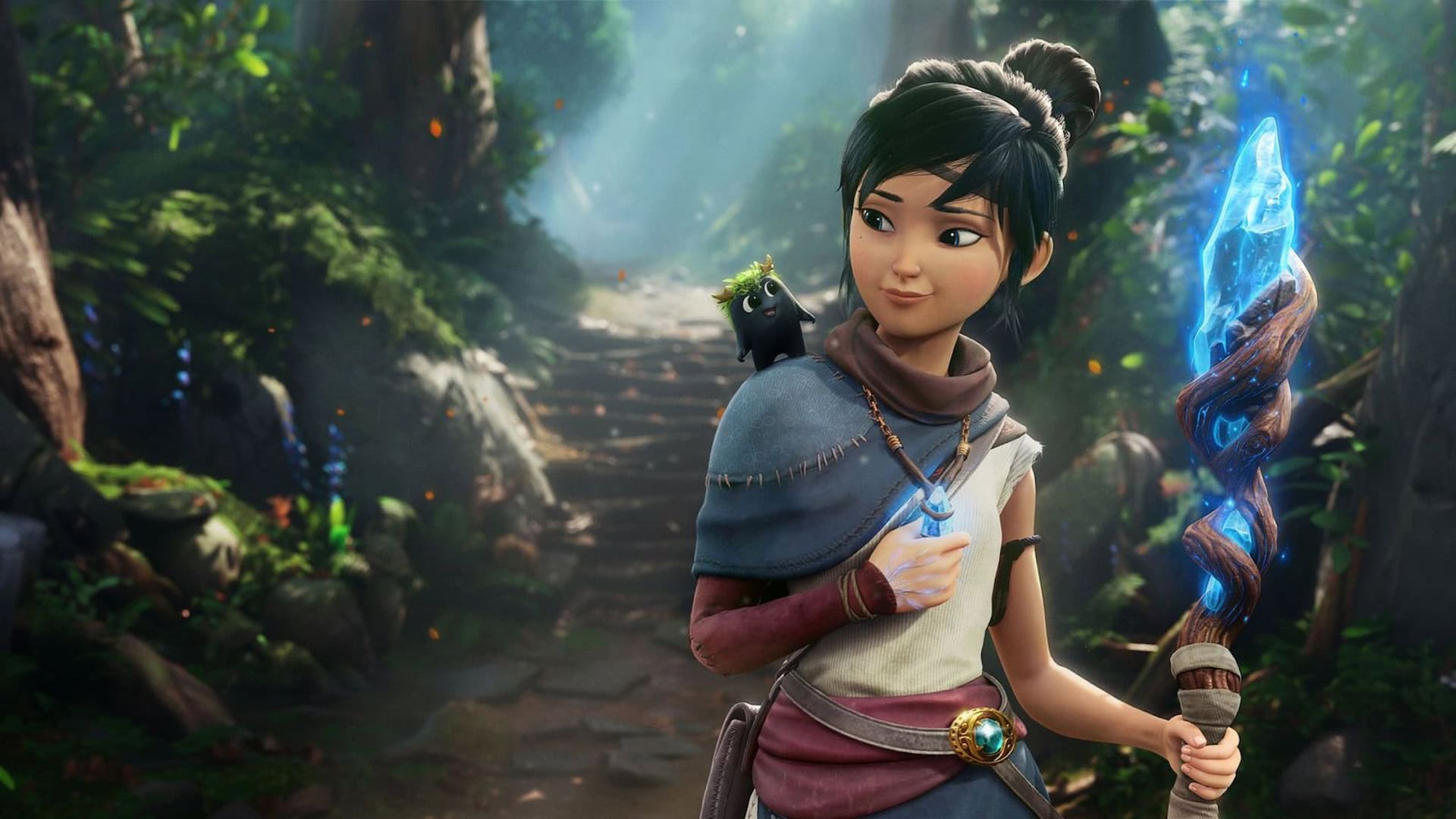
Kena: Bridge of Spirits is filled with so much darkness, magic, and wonder. You play as Kena, a spirit guide who travels to an abandoned village to try and help spirits move on to the afterlife. Along your journey, you run into a powerful, corrupted spirit that is causing harm to the surrounding forest, which you must defeat.
On top of the very Ghibli-like story, you will run into these creatures called the Rot that decide to help you in your cleansing mission. These adorable little creatures are very much in the same vein as the Susuwatari creatures found in movies like My Neighbor Totoro or Spirited Away. The Ghibli inspiration pours out of this incredibly animated game, and I’m sure the 2026 sequel won’t be any different.
Spiritfarer
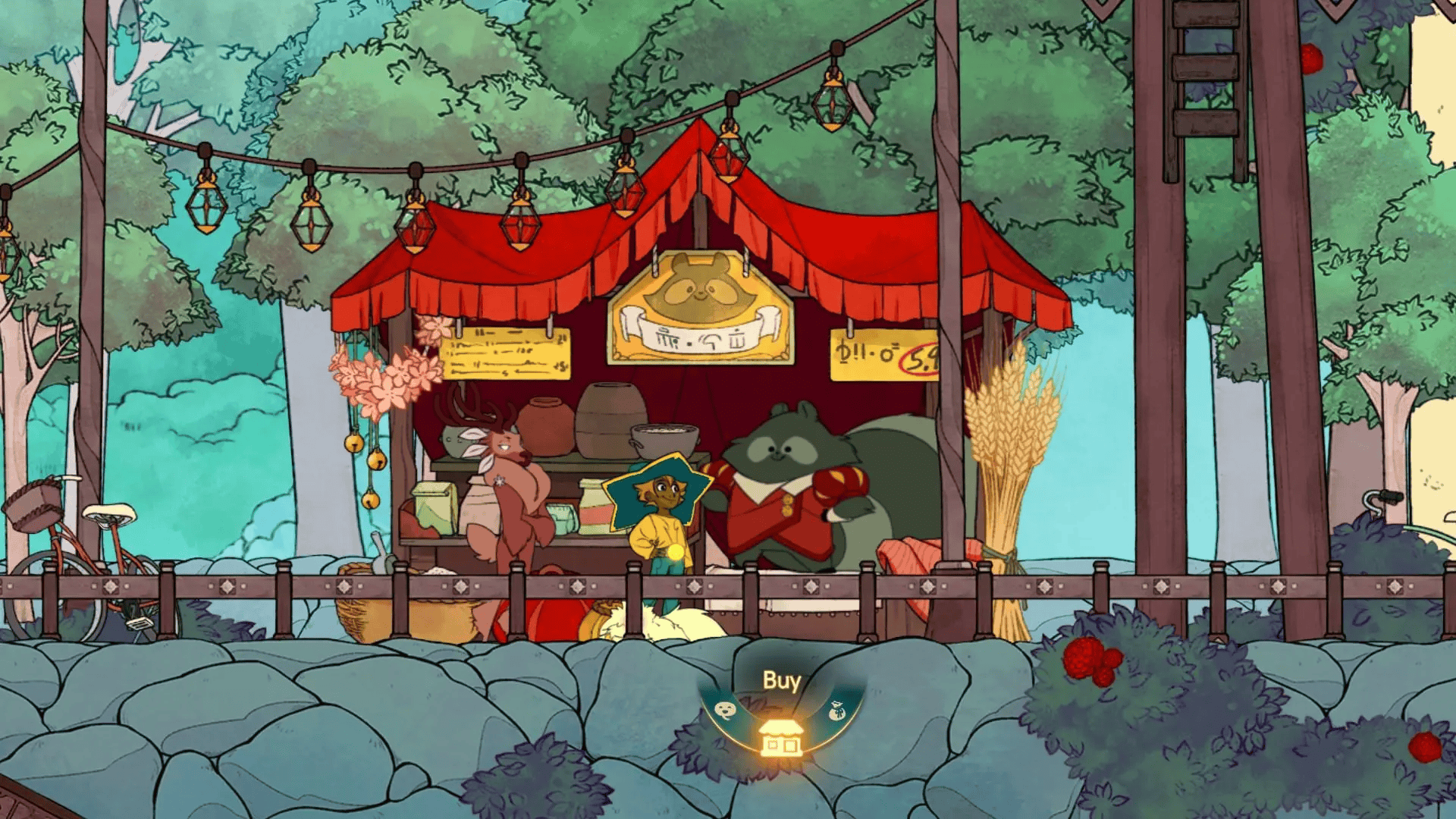
Spiritfarer is another game that uses a lot of Ghibli-like themes of death, magic, and darkness to tell its story. Underneath this management sim lies a really beautiful and sad story of processing death and grief.You play as Stella, a ferrymaster in a world between life and death tasked with picking up spirits of the recently deceased, bringing them onto your boat, and helping them accept their fate. These spirits take the form of various animals, and once they are guests on your boat, you’ll need to help take care of them and make them feel comfortable by improving their temporary living conditions, making sure they are fed, all while generally getting to know them. As they warm up to you and accept their fate, these spirits will start to tell you what they were like when they were alive, the regrets they may have, and the actions that may have brought them to this fate of death.
Eventually, these spirits will accept their fate, and it’s up to Stella to bring them to the Everdoor: the door that leads them ultimately to the afterlife and helps them pass on. Spiritfarer deals with death and an afterlife in ways often seen in Ghibli films, especially in how Spirited Away deals with death as a transitional period and a journey. The developers themselves have even credited the film as a direct inspiration for the game.
Season: A Letter to the Future
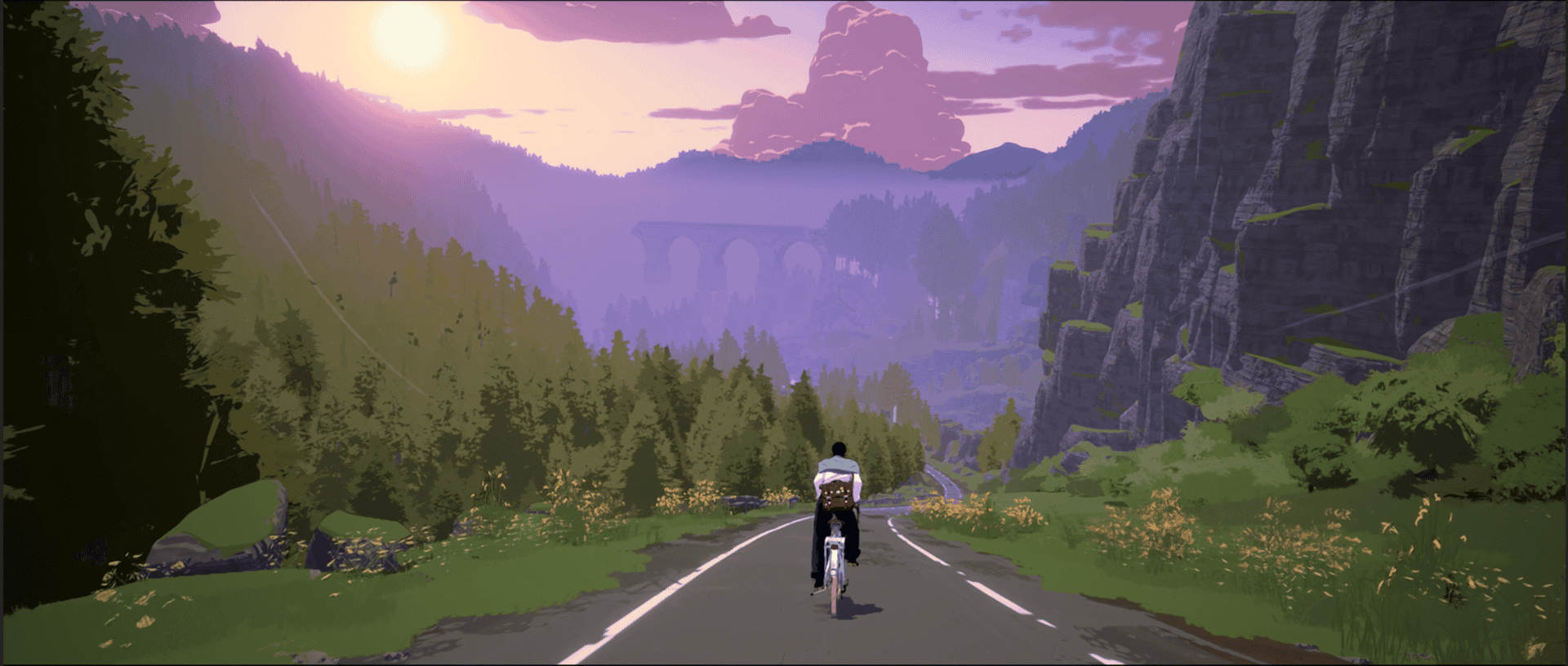
Season: A Letter to the Future takes you on a journey to record the people, places, and things of your small village before a mysterious cataclysm brings an end to it all. You will ride around on your bike to visit various parts of your world, as you take photos and record audio in hopes that something will survive and tell the story of your part of the world.
Its thought-provoking, meditative, sad, and just a really beautiful experience that feels on the same wavelength as a Ghibli movie.
Trying to find the beauty of a sad and devastating situation is the ultimate goal in Season: A Letter to the Future, and that’s really what you get from so many Ghibli films. Pre- and post-apocalyptic outcomes are a regular setup for these movies, whether that’s Nausicaa’s setting of a land 1,000 years after a deadly war, Ponyo and the moon threatening to submerge the world, or Castle in the Sky and a floating civilization on the brink of destruction.
Planet of Lana
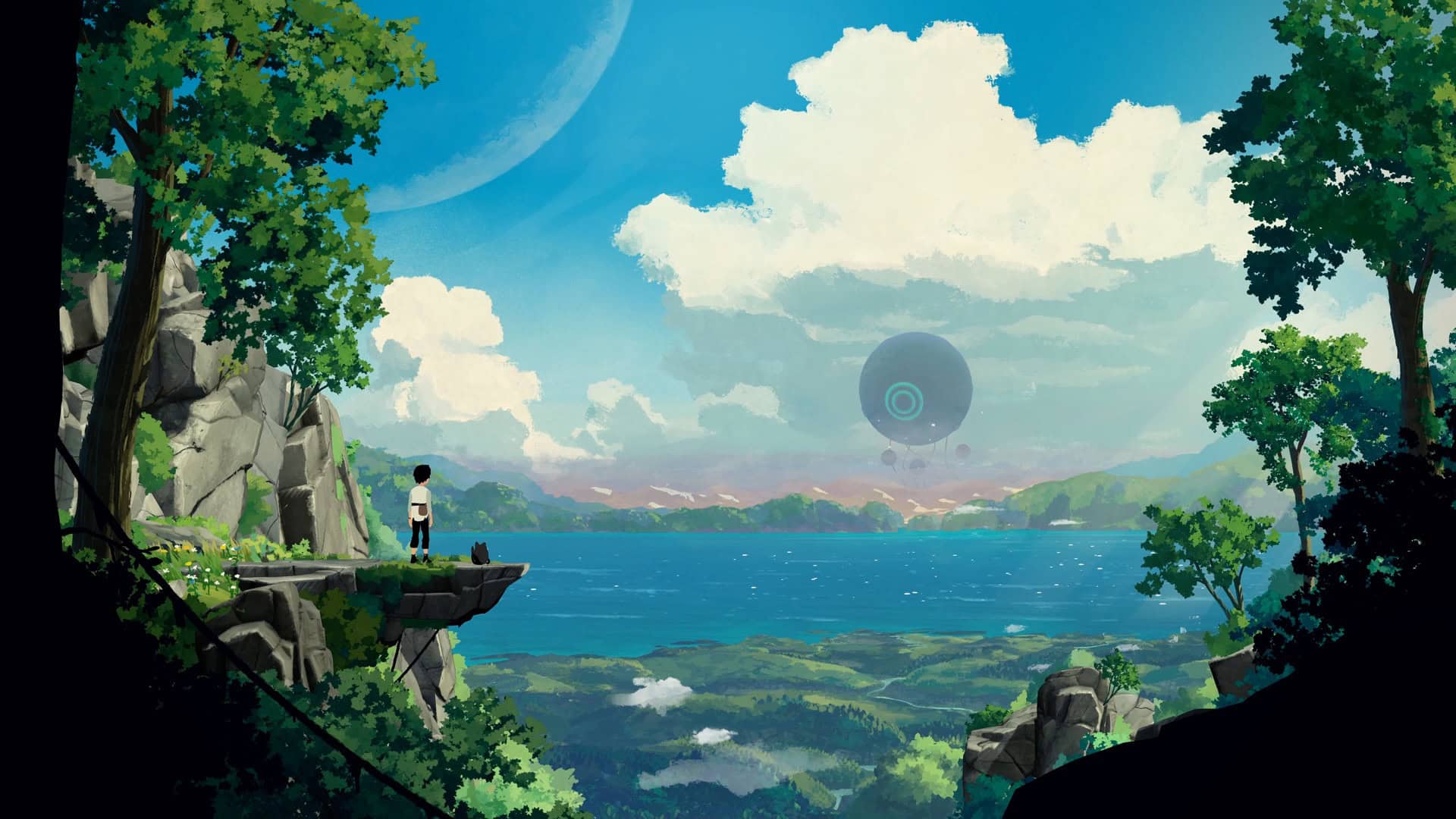
Planet of Lana is what you get when you combine the game Inside with Studio Ghibli inspirations. You play as Lana, an 11-year-old girl from a small fishing village who, along with her cat Mui, goes on a wild adventure after aliens appear and take all of the villagers. Lana and Mui must explore the island and find a way off of it so she can get back her friends and family.
Adam Stjärnljus, one of the directors behind Planet of Lana, has said that Studio Ghibli was a big inspiration for the visual style of the game. Mui and a lot of the creatures that inhabit the planet are the most obvious examples of that visual inspiration. How Ghibli blends old, small locations with the budding of new and foreign technology is also at the heart of Planet of Lana’s visual storytelling and, really, its story by the end.
Tchia
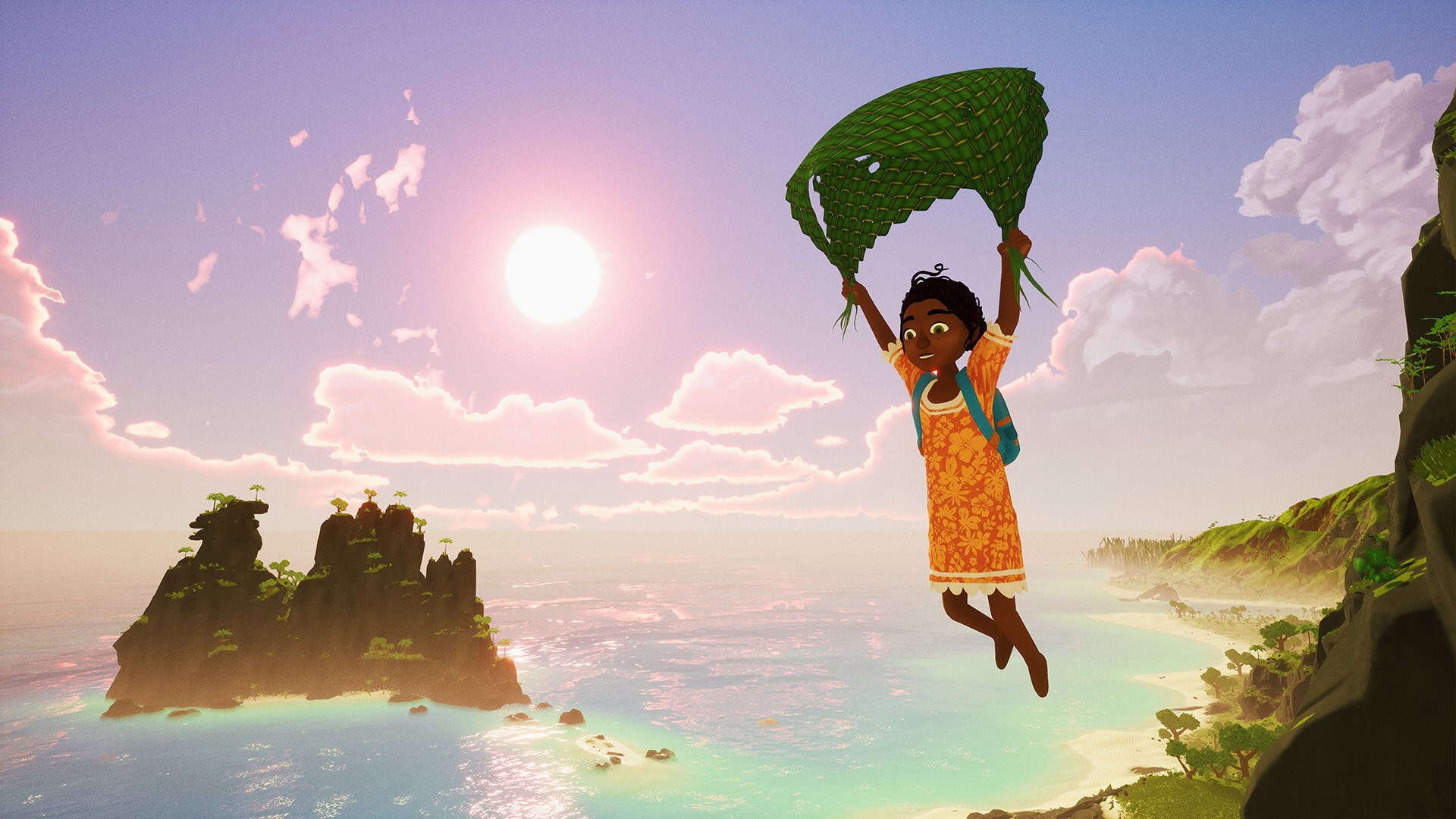
Tchia is the story of the titular small girl who discovers on her 12th birthday that she has a unique ability called soul jumping that lets her possess creatures and other inanimate objects. She must use this newfound ability to help rescue her father, who has been kidnapped by Pwi Dua, a stranger to Tchia, who arrives on their island on a big airship. Phil Crifo, co-founder of the dev team behind Tchia, has said that they looked at how Ghibli films infuse their stories with Japanese culture as a way of approaching Tchia, which takes place in New Caledonia, a real set of islands off the coast of Australia.
The child main character, the magical ability that Tchia possesses, the small village, nature, and water are all key for the people of this small village, all the bells of a Studio-Ghibli-like movie on top of this story approach that really gives it the vibes of a Ghibli movie.
Neva
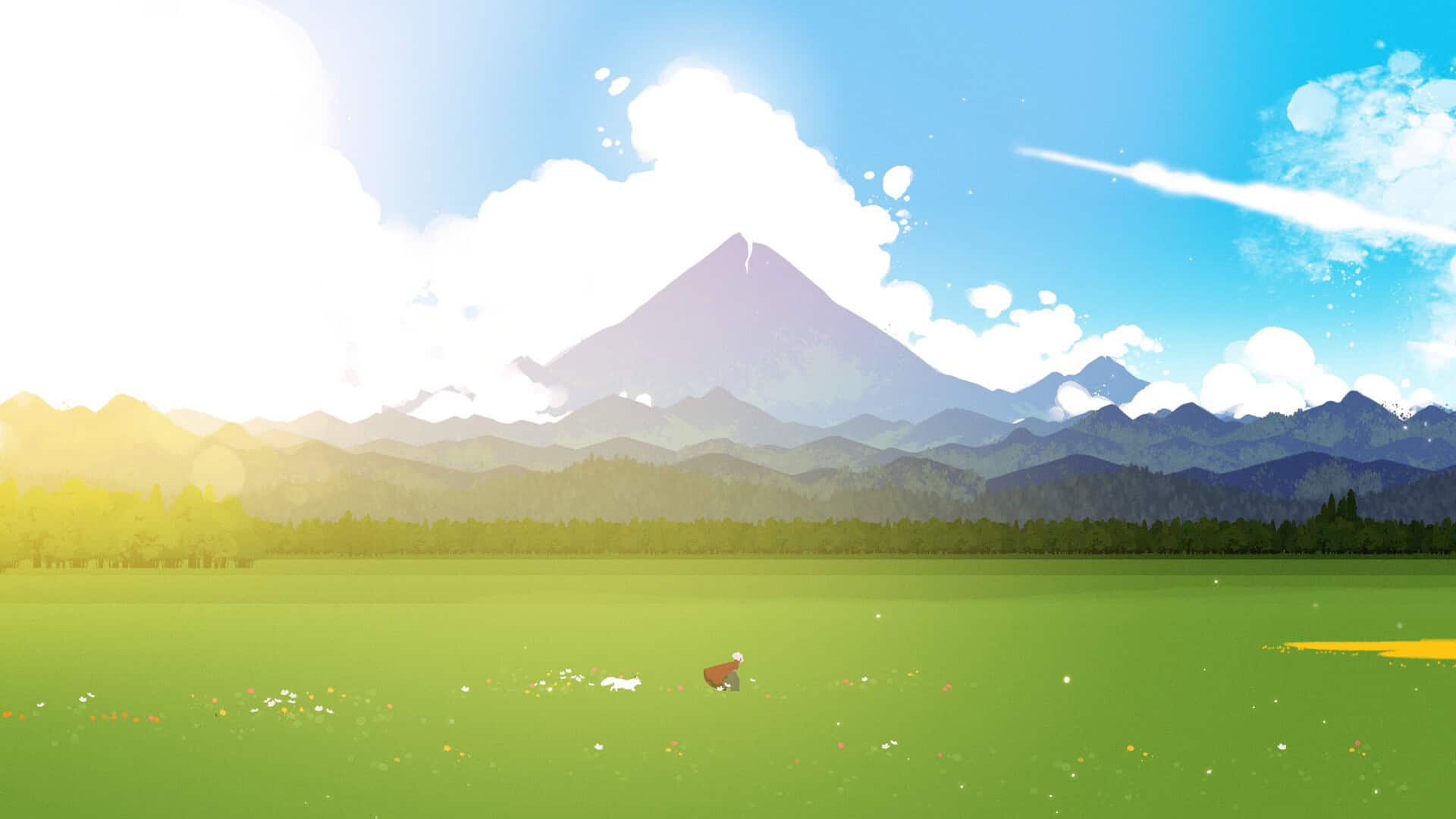
This puzzle-platformer tells the story of Alba and her wolf companion, Neva. Neva’s mother is killed by a mysterious dark force, but after Alba rescues the young cub, the two begin to bond as they look to rid the world of this darkness. Neva uses seasons as a way to show the passage of time, with Neva going from a young cub to a full-grown adult as the game transpires. You’ll see how Neva’s evolution changes the relationship between the two and how that ultimately affects their journey.
The relationships between human beings and animals are found in a lot of Ghibli work, but with the wolf and female hero relationship in Neva, along with the conflict of a dark blight infecting the world, Princess Mononoke is the easiest comparison to this game. Especially with the boars in this game having a lot of similarities to the ones found in this film. The game is stunning to look at, with all four seasons having very distinct, gorgeous looks to it. It’s got a lot of heart and emotion behind it as well.
The Last Guardian
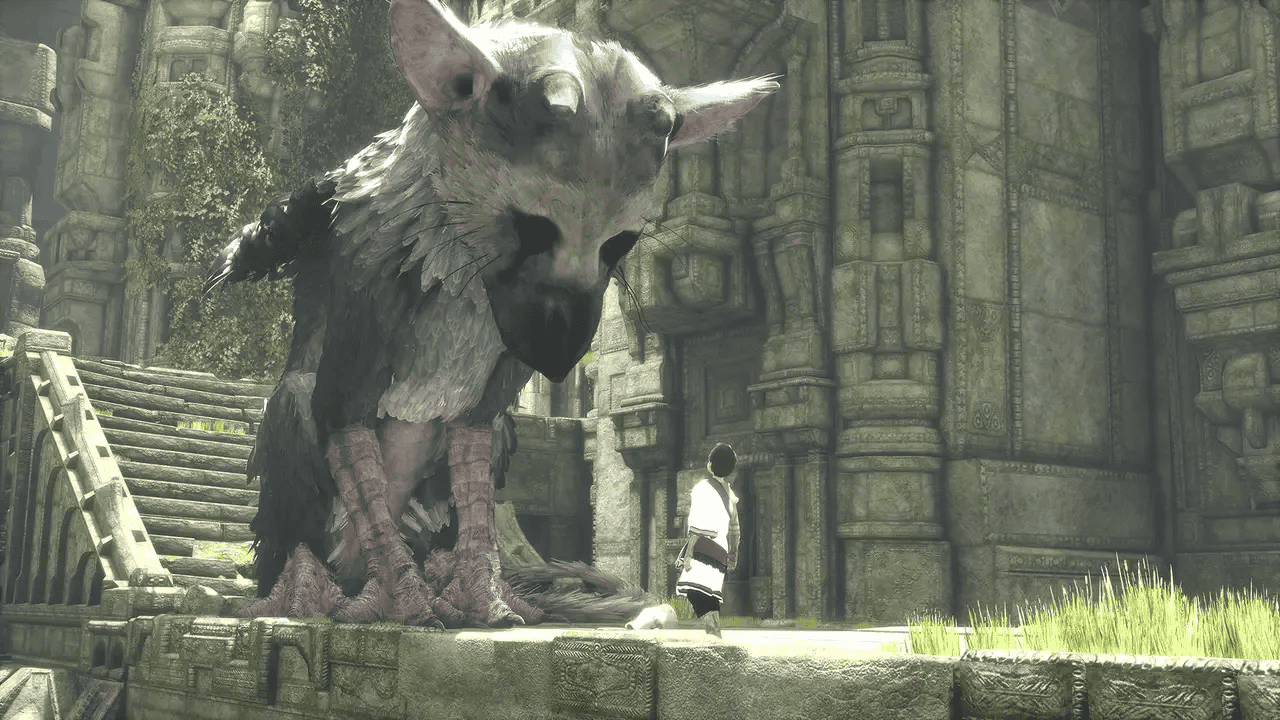
The Last Guardian shares a lot of similar ideas to Ghibli films. The game tells the story of the unlikely relationship between Trico, a dog-like creature, and a boy from a small village. The boy wakes up in a cave next to Trico, who is chained up and hurt. You’ll learn about the origins of their unlikely relationship, what brought them to the cave, and the evil entity known as The Master of the Valley.
How the story in The Last Guardian is told, and the unconventional friendships between children and animal-like creatures, are very much a Studio Ghibli staple. Dark evil characters, human ignorance, along with some of the strangeness that comes with the evil creatures that The Master of the Valley summons, are all found in many Ghibli films.
Ori and the Blind Forest
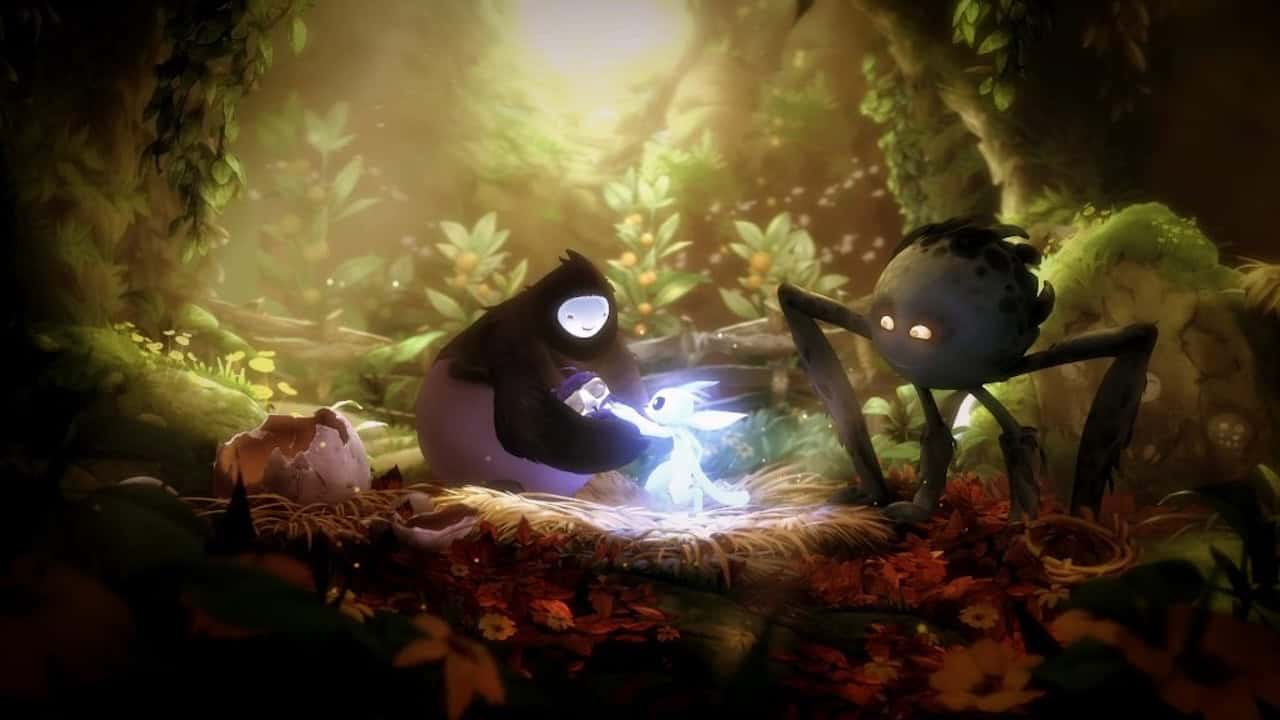
Ori and the Blind Forest is another game about unlikely friendships, this time between Ori and Naru. Ori is a guardian spirit that falls into the forest and is discovered and raised by Naru. The forest, though, starts to wither away and after Naru dies from starvation, its up to Ori to find a way to save the forest and learn more about where he comes from along the way.
The typical unlikely relationship between creatures, the focal point on nature being destroyed and the bad outcomes that come from that are all prime Ghibli features. The story itself mixes darkness, sadness, and light-heartedness pretty nicely, much like a lot of Ghibli movies, whether that’s something like a Spirited Away or My Neighbor Totoro.
Keeper
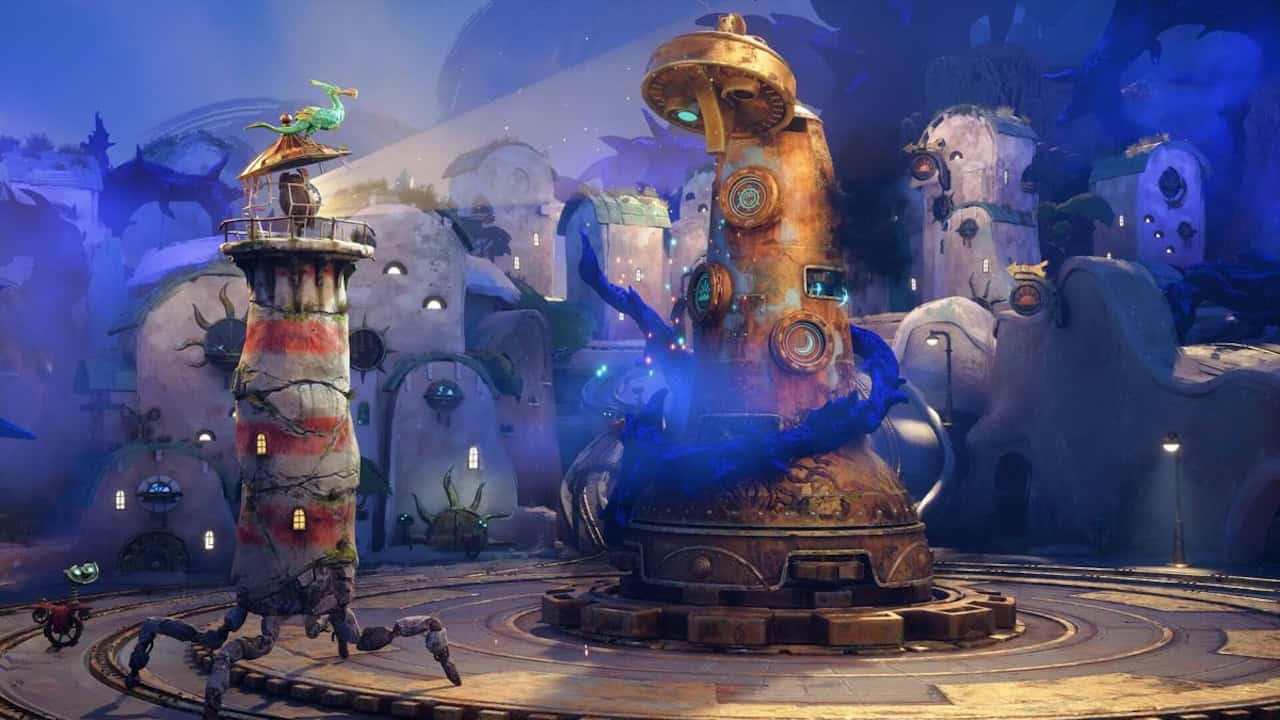
Much like the previous two games mentioned, Keeper is another game about an unlikely relationship, though this one is a bit different. The unlikely relationship this time is between a lighthouse and a bird named Twig. Twig is separated from the rest of its flock after an attack from a parasite-like species called The Wither and takes refuge on an old lighthouse. The lighthouse is actually alive, and manages to save Twig after The Wither discovers the lighthouse and Twig’s location. From there, the unlikely friendship begins, and the two must travel together to help reunite Twig with the rest of its flock, discovering more about the world, the lighthouse’s origins, and much more along the way.
The movement and look of the lighthouse remind me a lot of the house in Howl’s Moving Castle. The Wither, this dark entity that can only be defeated with light, feels ripped from Ghibli films, along with the strange journey that Twig and the lighthouse go on. The locations you travel through, creatures you meet along the way, all feel similar to a lot of the world-building you’d find in those films as well.
Journey
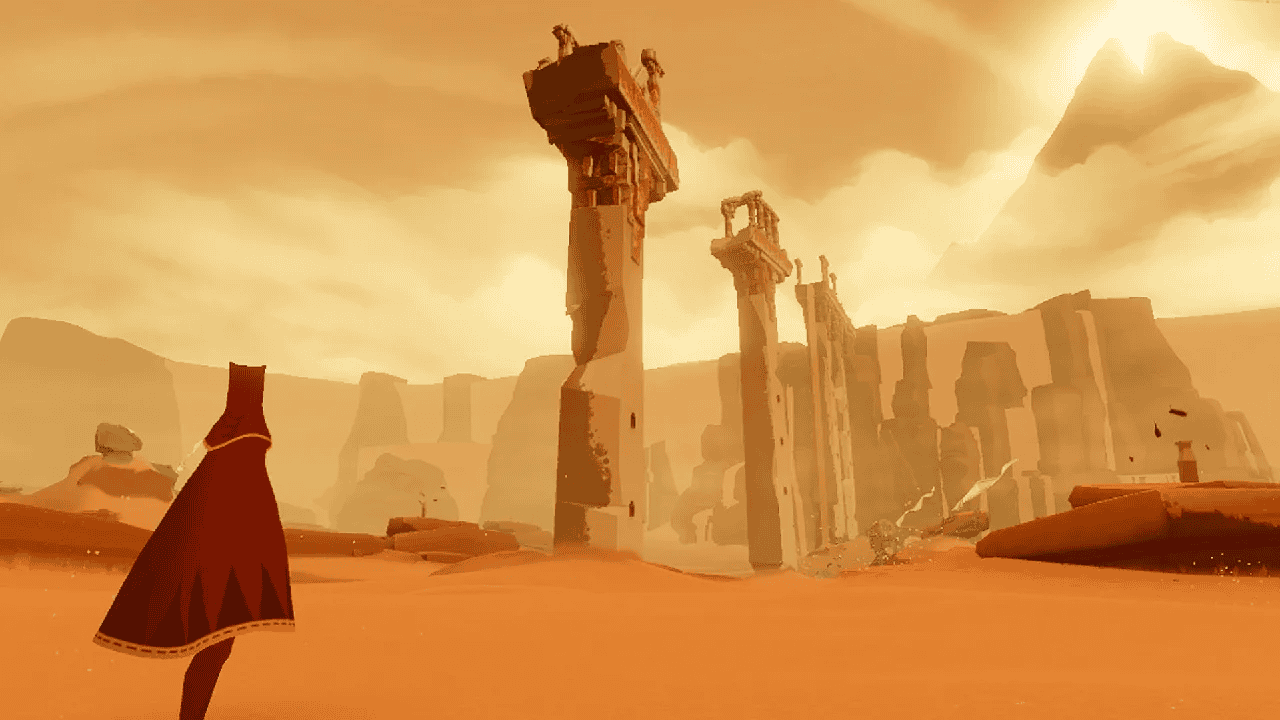
In Journey you, well, go on a journey through a vast desert and, eventually, a once great civilization destroyed by machines. You play a nameless, silent protagonist called The Traveler. No words are ever spoken, as you travel across this eroded kingdom, you learn about what happened through the items you stumble upon along the way, from the faded art left over or the dangerous weapons that are still active.
The negatives to technology and the fighting that can come from it are prominently featured in this game and Ghibli films such as Nausicaa. The game’s composer, Austin Wintory, updated the music on the game’s tenth anniversary and, in an interview with Screenrant, spoke about how he used Ghibli and Joe Hisaishi’s music as inspirations for the updated tracks.
The Wild At Heart
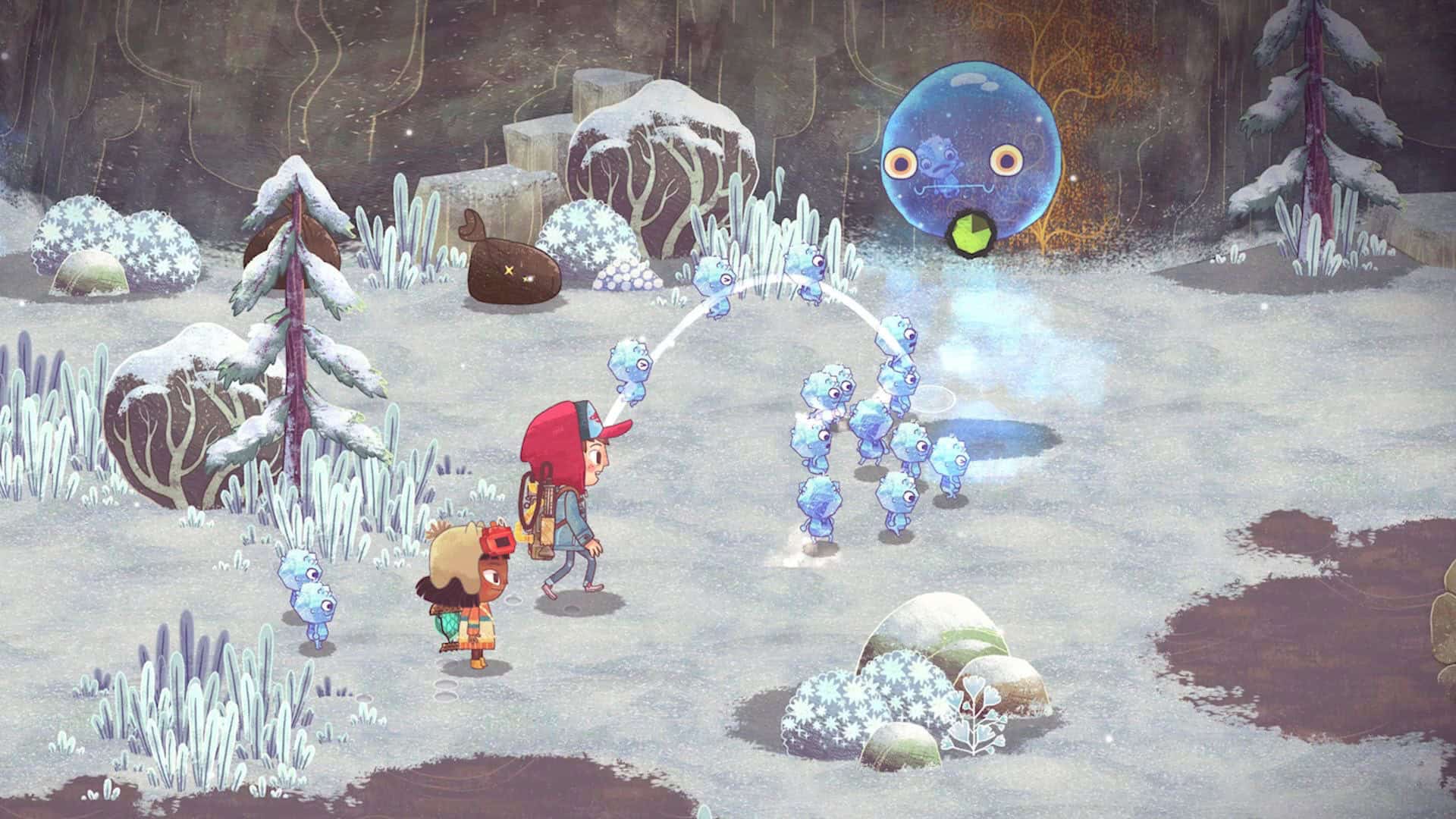
The Wild at Heart, an indie adventure game from developers Moonlight Kids, is about Kirby and Wake, two kids who run away from home and embark on an adventure into the forest behind their houses. When they enter the forest, they stumble upon The Deep Woods, a hidden realm filled with magical creatures called Spritelings that help the two adventurers navigate the forest and defeat The Never, a dark entity that threatens the people of The Deep Woods.
The game has a lot of goofy characters and an offbeat vibe, but is grounded with a lot of emotional plot points. Moonlight Kids has credited Studio Ghibli as one of the inspirations for the art style, but the story definitely has notes of Ghibli inspiration as well.
Concrete Genie
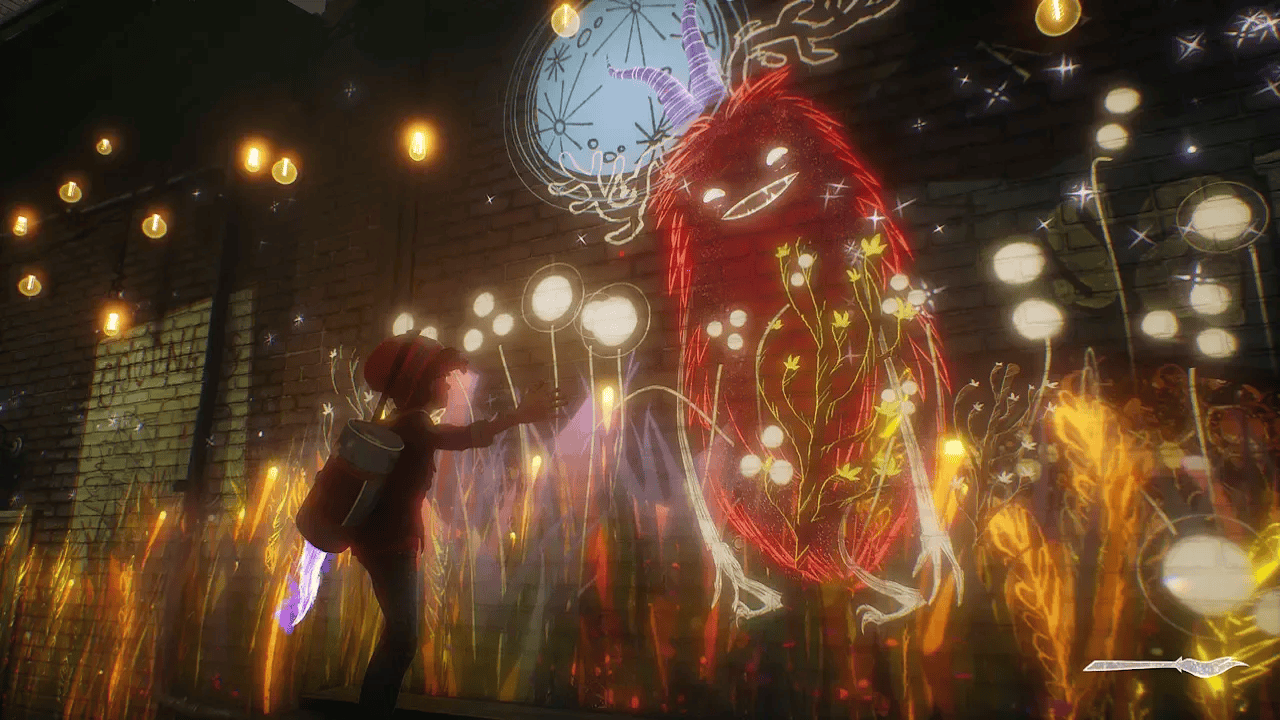
Concrete Genie, the 2019 action-adventure game from Pixelopus, has a lot of similar Ghibli tropes. You play as Ash, a kid with a huge imagination from the fictional city of Denska, a city that was once thriving, but after an oil spill, finds itself nearly abandoned and overrun by a force called The Darkness. Ash loves to draw, and after bullies rip out pages of his sketchbook, he finds himself inside Denska’s lighthouse trying to recover the pages. One of those pages suddenly comes to life, and he’s given a magical paintbrush to bring more and more of his creations to life. Each magical creature that you will bring to life represents something deeper within the story and helps Ash on his adventure.
Mixing those deeper themes with environmental issues and other darker tropes, along with the magic, childlike wonder really gives this game the Ghibli-like vibes that a lot of the games on here also feature.
Sable
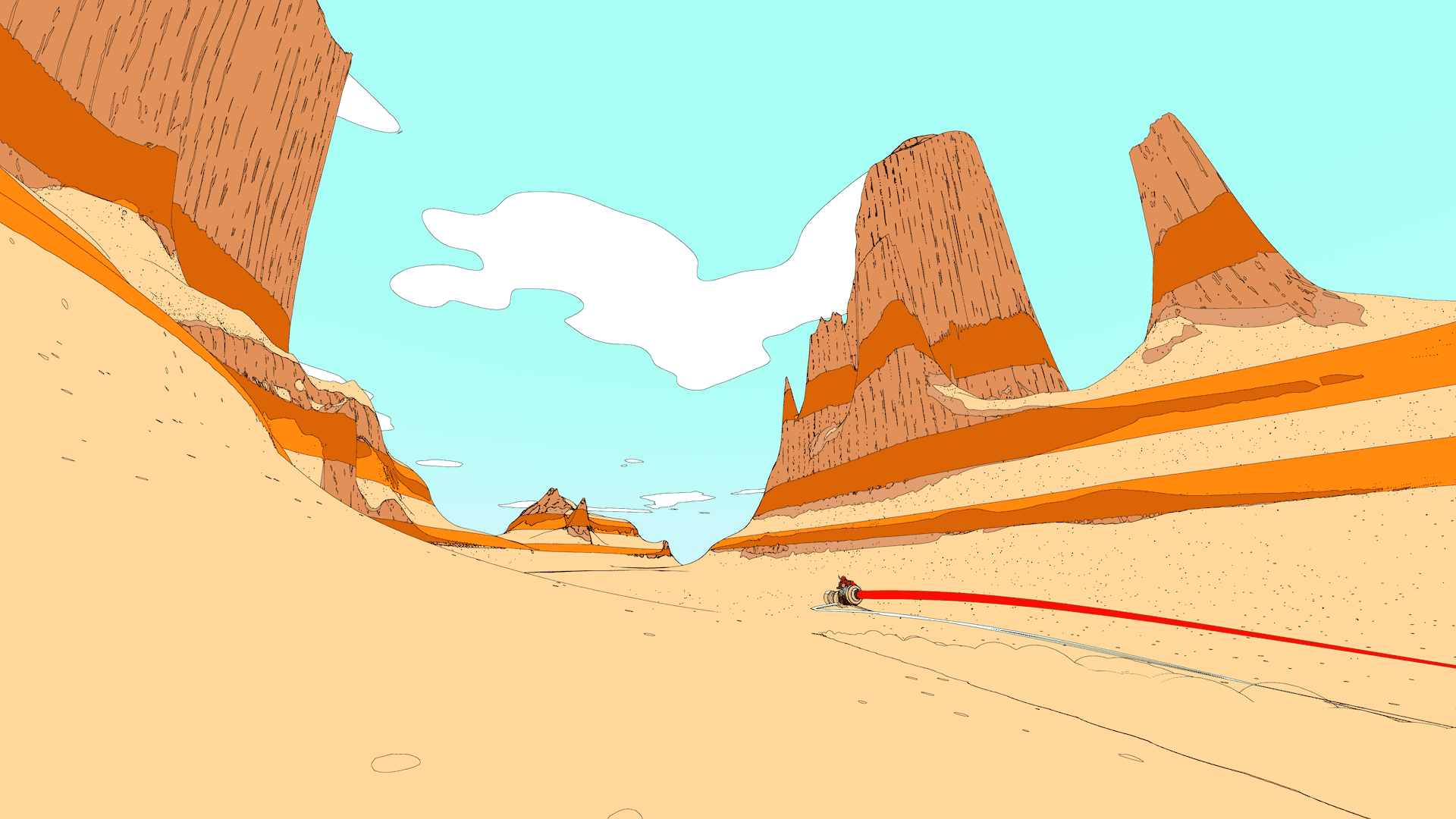
Sable is a very vibey exploration experience. You play as Sable, a young girl who begins a rite of passage called The Gliding. Sable must adventure out of her camp using a hoverbike and collect a mask that will represent her future role inside the camp. There are different masks that you can go after, all representing a different role, so you, as the player, do have the ability to pick for Sable. These masks can be earned through various tasks as you explore parts of the world outside of your camp.
The game’s visual style was inspired by Studio Ghibli, according to Shedworks, the devs behind the game. Sable is definitely more of a feel than something connected thematically that gives it the Ghibli-like moniker for me. The game just feels plucked from a Ghibli movie, with the whole nomad desert clan, coming-of-age rite, all the ancient ruins hidden amongst the desert spaces, and the unique look and feel of the various locations you can visit.
For more lists like this, keep reading GameObserver!



 ObserverCrew Picks
 bserver
 bserver