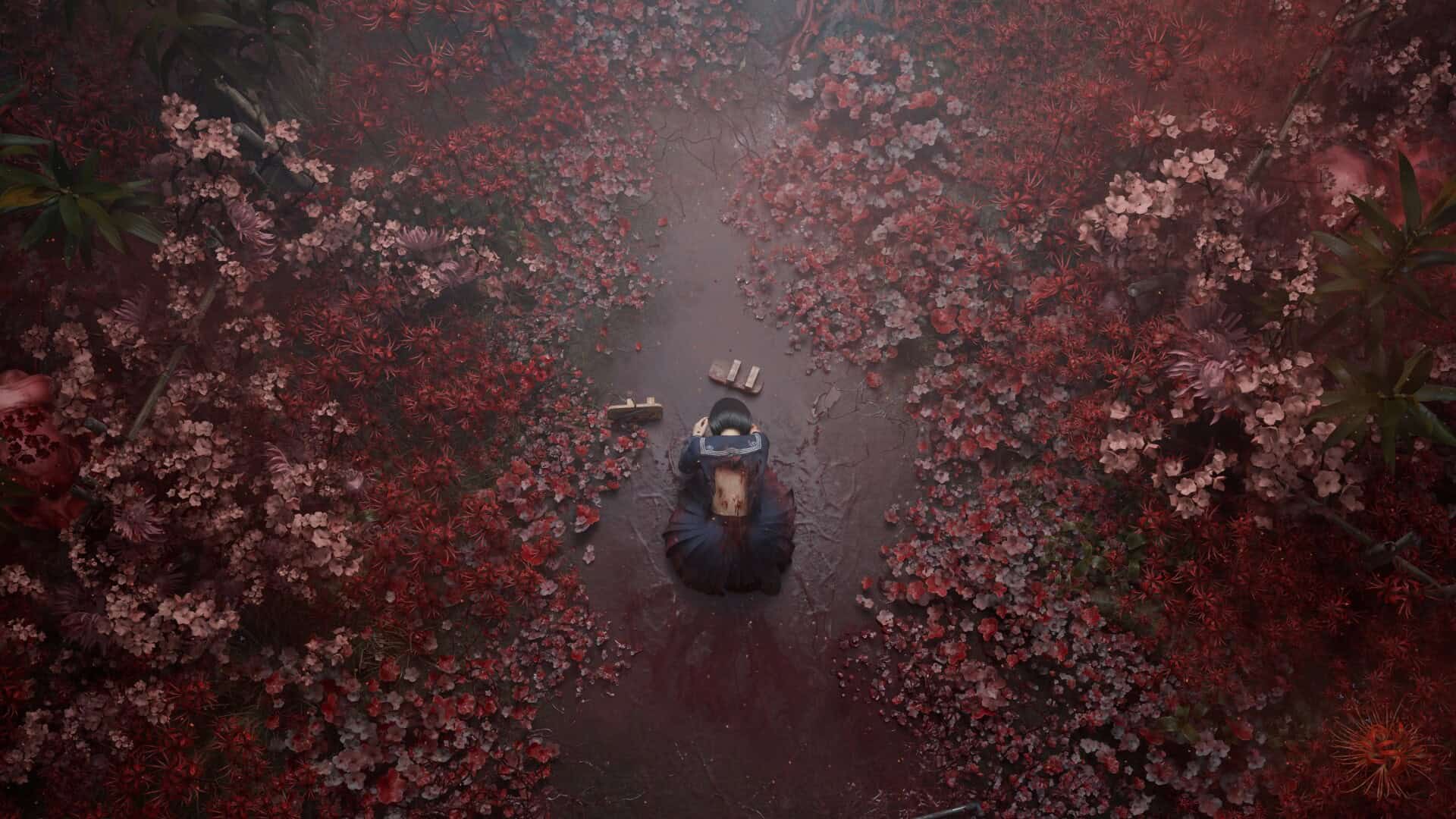
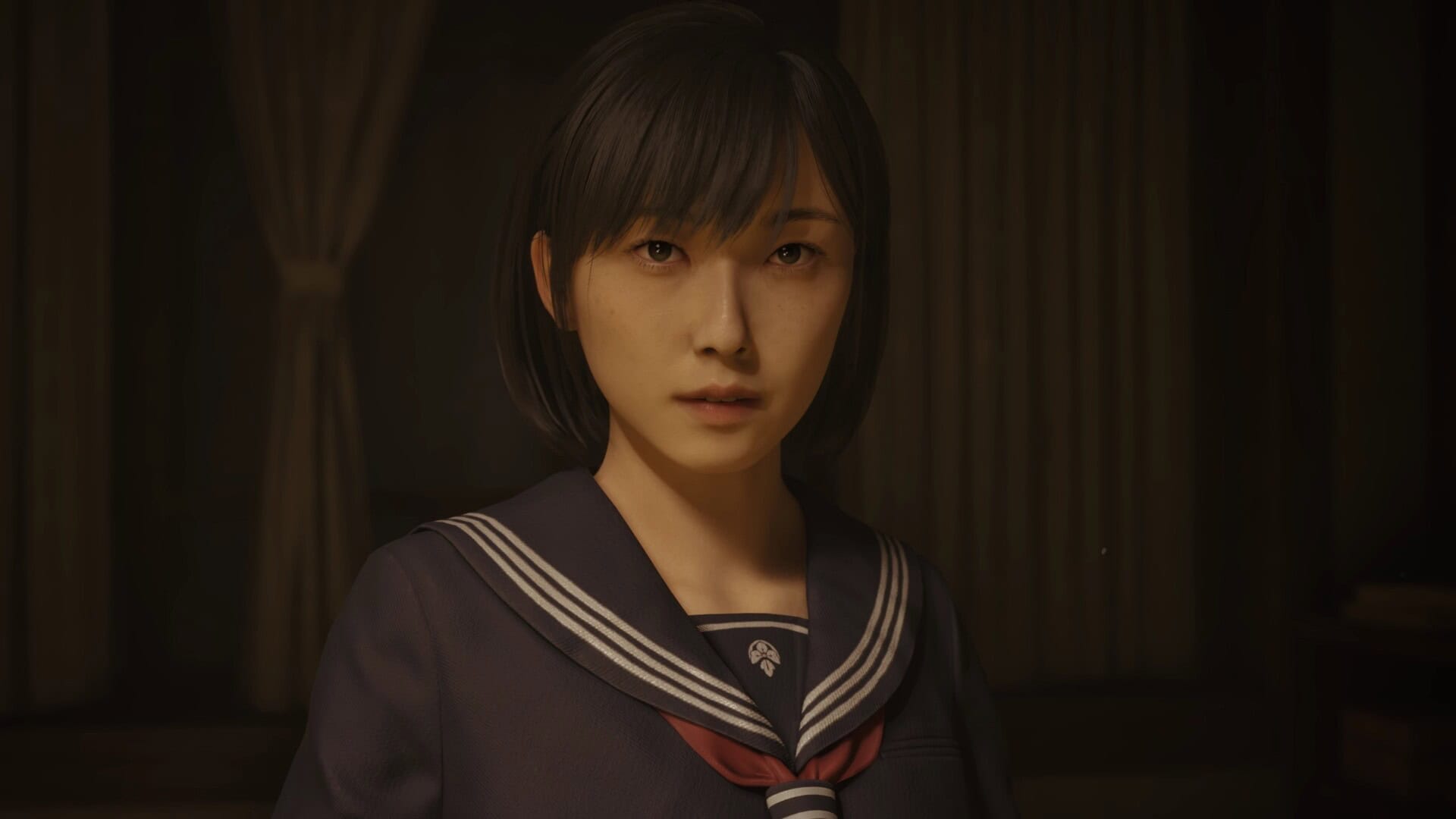
Silent Hill f is undoubtedly is one of the most talked-about horror games in recent months, with strong reception from critics and players. The game has also seen major commercial success, selling over a million copies within just one day of its launch. Much of that success comes from how the game presents its main character, Shimizu Hinako, and the way her fears are explored throughout the experience.
Silent Hill f‘s story takes place in a rural Japanese town in the 1960s and focuses on themes such as women’s rights, arranged marriage, and personal freedom. During a GDC talk, director Al Yang said he relied heavily on the perspectives of women developers to authentically portray Hinako’s fears, as he did not feel qualified to define those experiences on his own. He said, “We have a lot of female members on our team, and you’d always ask them questions regarding the fears Hinako had, and the monsters that represent them.”
Instead of making his own assumptions, Yang worked closely with female staff and gathered feedback from team members at different stages of life. This included developers who had just finished their studies, as well as others who were married or had children, helping bring a wide range of real experiences into the game.
This approach directly shaped the design of the game’s monsters, which represent Hinako’s fears in a more personal way. One example is a creature tied to the fear of pregnancy, built from different ideas shared within the team and designed by a female concept artist.
He explained, “So with the monster that [represents] Hinako’s fear of pregnancy and whatnot, there was a lot of feedback from our team members, and it was drawn by one of our female concept artists too. So there’s a lot of details, this is your own personal nightmares, or the nightmares of people who’ve had children. And again, talking to our younger staff members, if they’re afraid, what are they afraid of?”
In other horror game news, Bloober Team has officially confirmed that it is working on seven horror titles, which are in various stages of production.
 ObserverCrew Picks
 bserver
 bserver