With the release of Directive 8020, The Dark Pictures Anthology has a new addition to its repertoire. But how does the latest entry compare to the rest of Supermassive Games’ smorgasbord of choice-based horror? In light of Directive 8020‘s release, this retrospective will cover the good, the bad, and the downright ugly in The Dark Pictures Anthology so far, and we’re not just talking about the monsters!
The Good
The good news, for both fans of the series and for Supermassive, is that Directive 8020 has been a return to form. At the time of writing, Directive 8020‘s mixed Metacritic score is sitting joint with House of Ashes for the anthology’s best-rated entries. So, what makes these two titles stand out amongst the others? And how can Supermassive recreate and improve these recipes for success?
Characters and relationships have room to develop
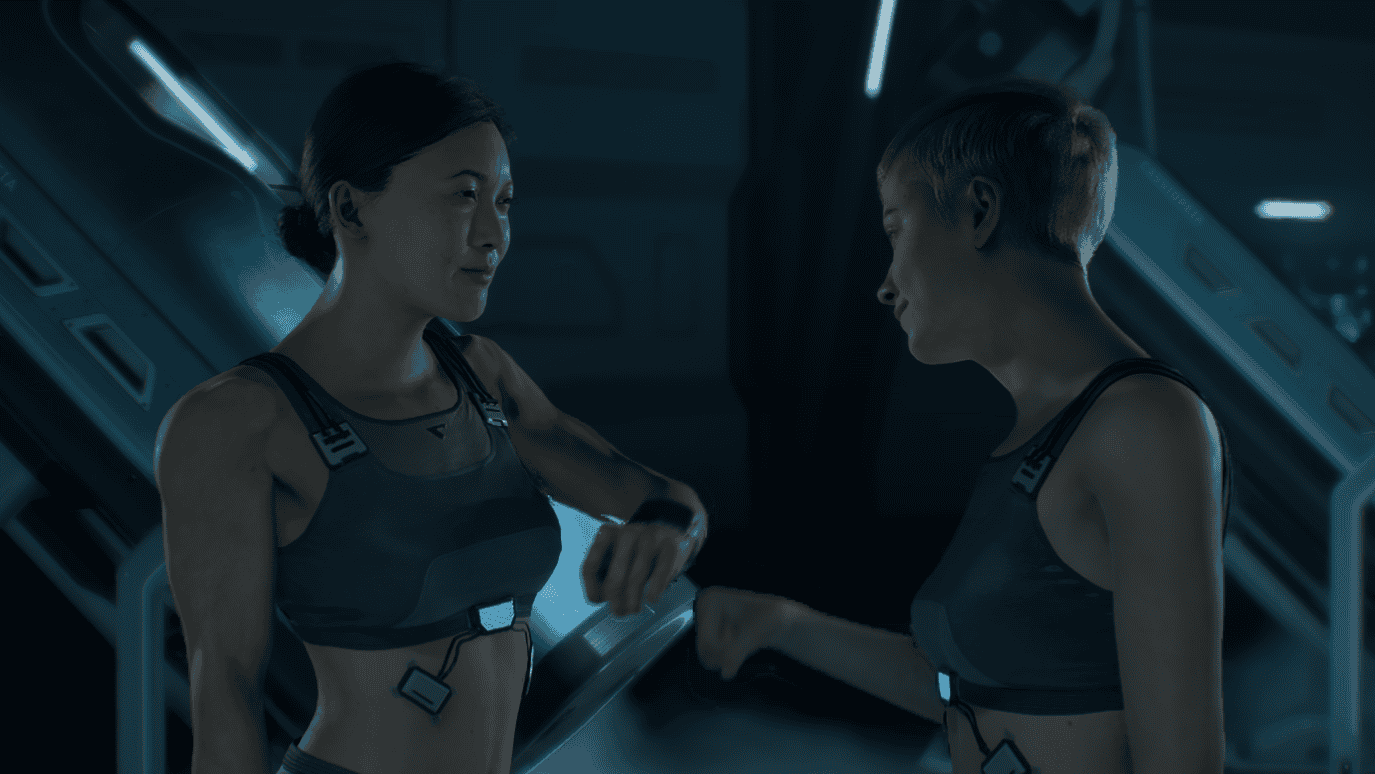
Between the two highest-rated entries, House of Ashes is still the most enjoyable to me. Primarily, I put this down to the relationship between Jason and Salim. Whenever I return to it, I can’t help but root for Jason to overcome his prejudice and to see their relationship shift from enemies to reluctant allies, to friends. Having this room for characters to grow is essential for players to care about them.
While I don’t feel any of Directive 8020‘s cast left this much of an impact, they did shift a character formula, which I was pleased to see. House of Ashes included multiple side characters that were just as engaging as the main cast. Unfortunately, they were all doomed to die as cannon fodder! In many a streamed playthrough, players lamented being unable to save them. Perhaps learning from this, Directive 8020 also features a cast of likeable side characters, all of whom can be saved (with the exception of the intro pair, as standard).
But I would argue that some of the other entries have characters with more room for development than Directive 8020‘s accomplished crew. Man of Medan‘s Conrad can grow from douchebag to hero, while Captain Fliss can get less uptight the more she bonds with him. Heck, the whole gimmick with Little Hope centers around improving the personality traits of its core cast. So, if characters with depth aren’t the only requirement, what else can make or break a Dark Pictures game?
Plot twists deepen our understanding of the narrative
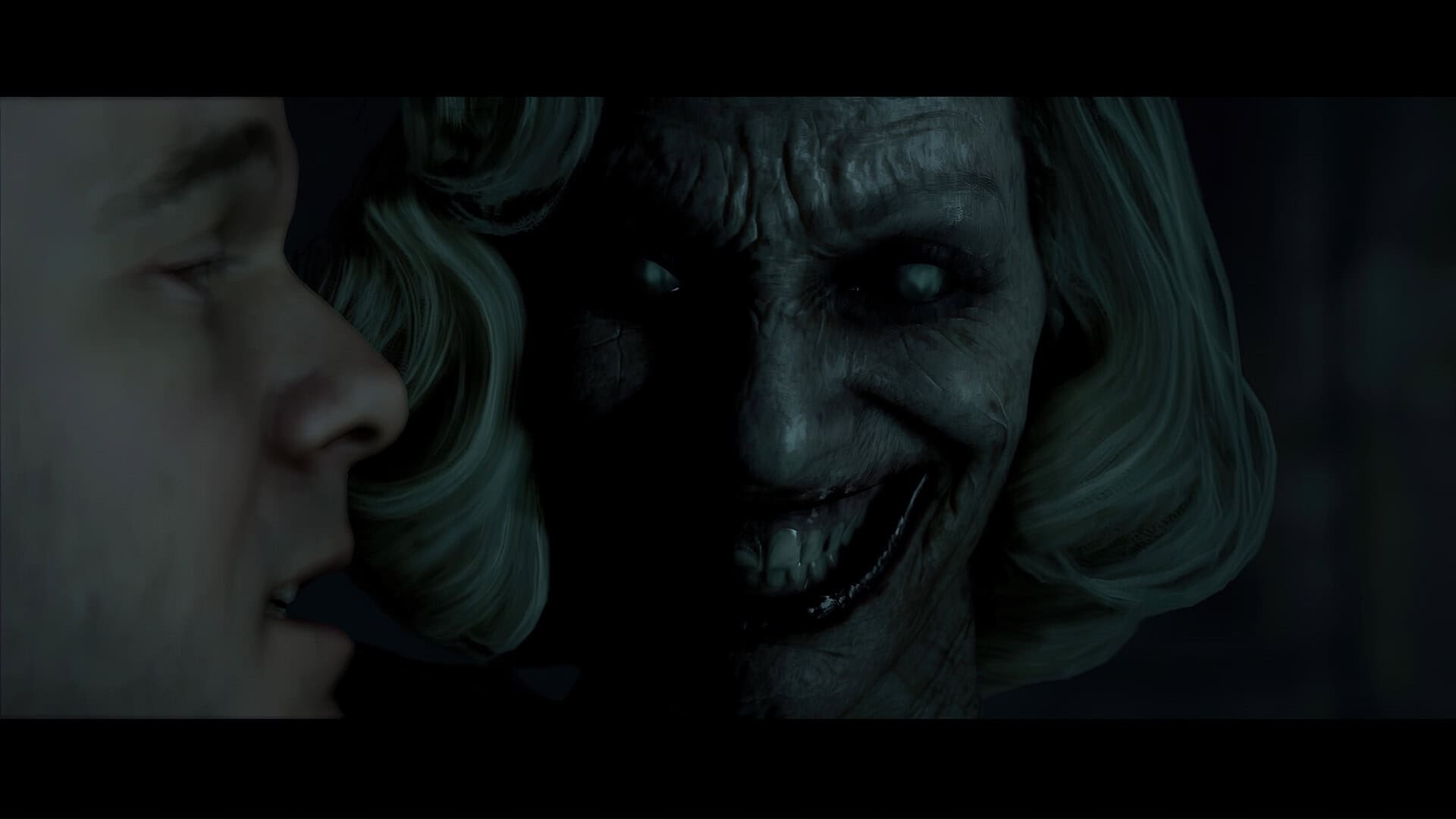
Another common thread between the Dark Pictures games is their twists, usually uncovered towards the climax of each game. What makes a good twist? Well, without spoiling them, the commonality between the reveals in Directive 8020 and House of Ashes is that it deepens our understanding of the threat, while also touching on some existential topics.
Now, it could be argued that both Man of Medan and Little Hope aim to achieve this with their endings, but they suffer from a different problem. I will be as vague about their endings as possible, but cannot discuss the flaws in their reveals without spoiling them somewhat, so feel free to skip this next paragraph if you wish to remain unspoiled.
When you pick up a Supermassive horror romp, players expect to be making life-or-death choices in the face of supernatural terror. What happens when that supernatural terror is revealed to be grounded in reality and a trick of the mind? Disappointment, of course, is a natural reaction when player expectations are not merely subverted but entirely denied. This leads onto my final ingredient for a successful Dark Pictures game.
Dark Pictures games work best when they respect player agency
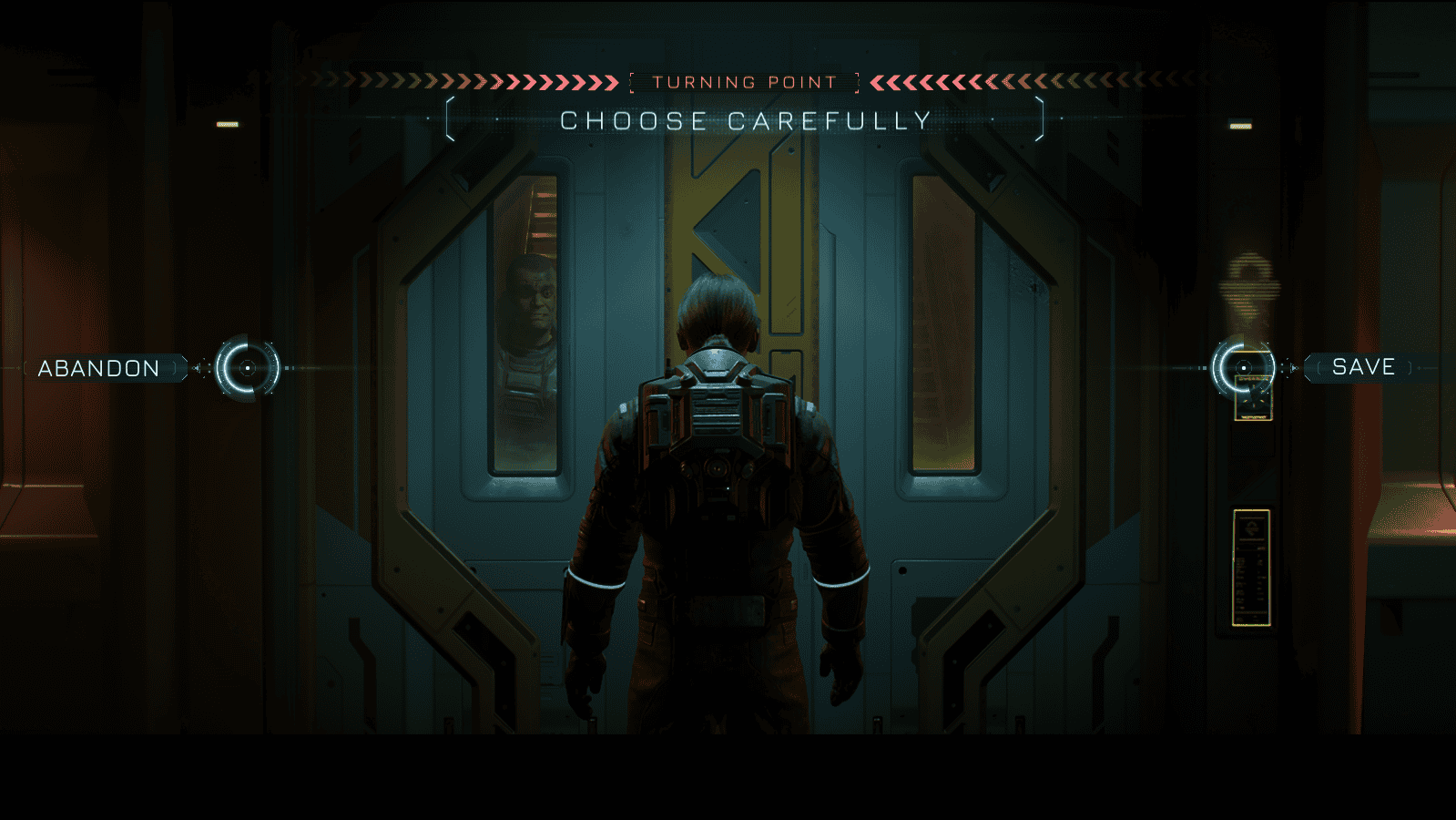
One of the big complaints The Devil In Me received was the lack of player agency behind a lot of the choices, often based purely on luck rather than any reasoning the player could have made. Man of Medan and House of Ashes showed more respect for their players’ decision-making. Directive 8020 took an interesting approach, though, especially when compared to Little Hope.
In Little Hope, the survival of each of the main cast relies on overcoming their ‘Locked Traits’, negative vices associated with each character. If a character has even one of these Locked Traits during the end conflict, they will perish, regardless of any immediate decisions or Quick Time Events. Some players reacted to these outcomes as if their agency had been denied. While their decisions affected the characters’ personality traits, it could feel distant enough from the end confrontation that they ultimately felt out of control of their characters’ fates.
Interestingly, the branching narrative in Directive 8020 also takes this approach, emphasizing the importance of shaping a character’s reactions to scenarios through their dialogue choices. This may have been better received in Directive 8020 thanks to their new Turning Point mechanic, allowing for clearer demonstration of the cause and effect.
That being said, I still found myself preferring the conventional choices, where intelligent player understanding of cause and effect feels actively rewarded, rather than passively punished. My favourite choice in Directive 8020 came when I had to choose between saving two crewmates. I remembered an earlier decision that influenced my choice and, thanks to that, was able to save both characters. These types of choices should, I feel, always be at the core of The Dark Pictures Anthology.
The Bad
Unfortunately, despite being five titles into their originally eight-game anthology, there are still some glaring flaws that crop up in every Dark Pictures game. And, despite having a devoted fanbase that consistently enjoys their games, every entry is currently sitting at a Metacritic rating of ‘Mixed or Average’, unable to achieve the coveted ‘Generally Favorable’ of Until Dawn and The Quarry. What needs fixing?
Flat interactions prevent connections with characters
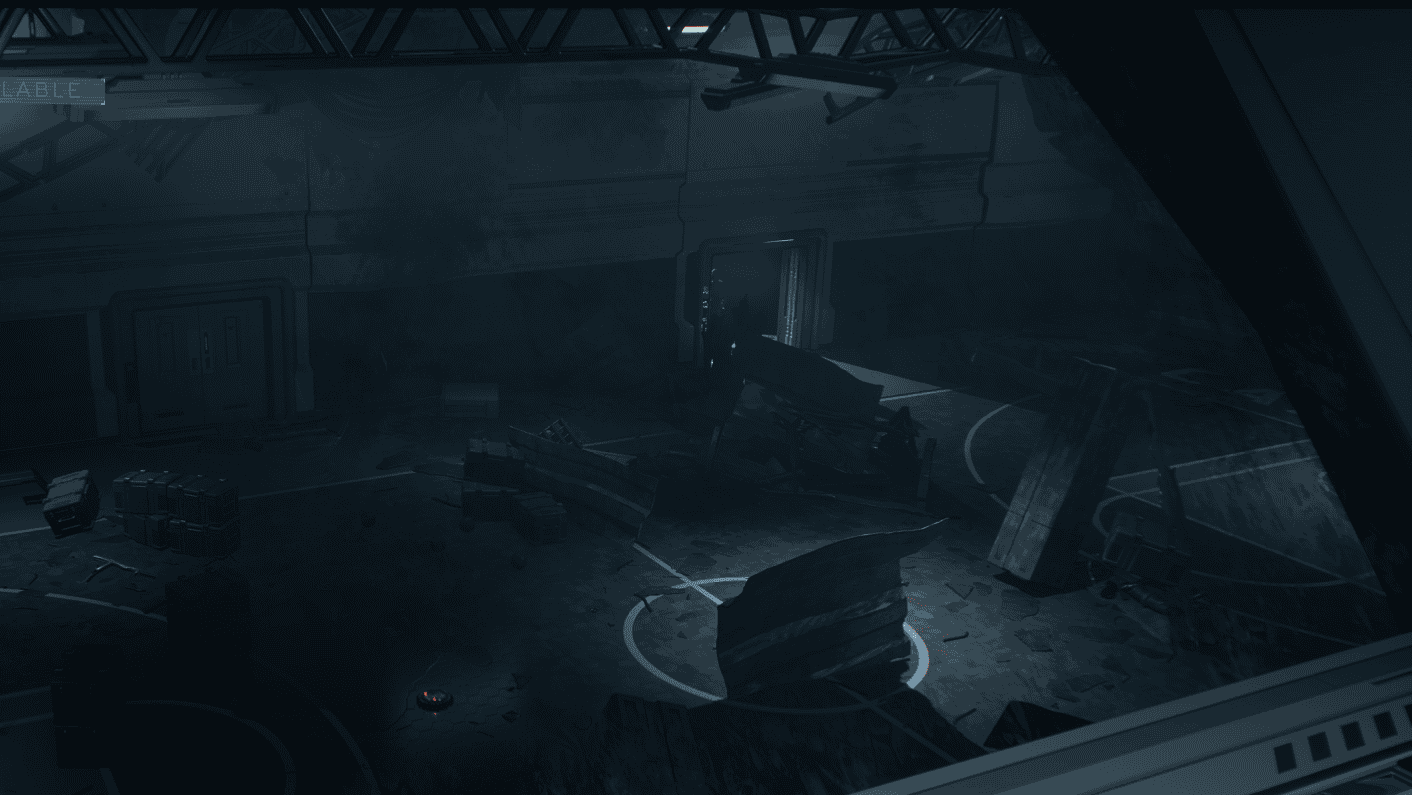
To be perfectly clear, I’m not talking about the oftentimes cheesy voice acting and dialogue. You’ll find plenty of that in Supermassive’s darlings, Until Dawn and The Quarry. At the end of the day, if you’re not keen on a little cheese on your platter of horror, Supermassive’s titles probably just aren’t for you. What I’m talking about are the interactions, or sometimes lack thereof, that kill any kind of connection the player is fostering with the characters.
Since these moments lurk in all the Dark Pictures titles, I’ll focus on moments that bothered me in Directive 8020. While I couldn’t tell you the reason, there seemed to be a noticeable difference in voice acting quality between cut-scenes and action segment bark lines. The characters may sound terrified in cut-scenes, but their bark line calls of ‘hold on’, ‘don’t panic’, ‘I’m on my way’, etc, fell completely flat. How am I supposed to feel like I’m in danger when my friend sounds like they’re out for a casual stroll?
Similarly, there are moments that warrant responses that don’t get them. I couldn’t tell you how many times a crew member would see something unsettling on the cameras and deign never to mention it. Likewise, there is a section where I could wander freely and speak to each character…except the character I was controlling never responded to them! Moments like these really get in the way of the all-important character development that Until Dawn and The Quarry nails. While The Dark Pictures Anthology entries are, naturally, far smaller projects, they would benefit from just as much attention to detail when it comes to character interactions.
The Dark Pictures Anthology still hasn’t found its mechanical identity
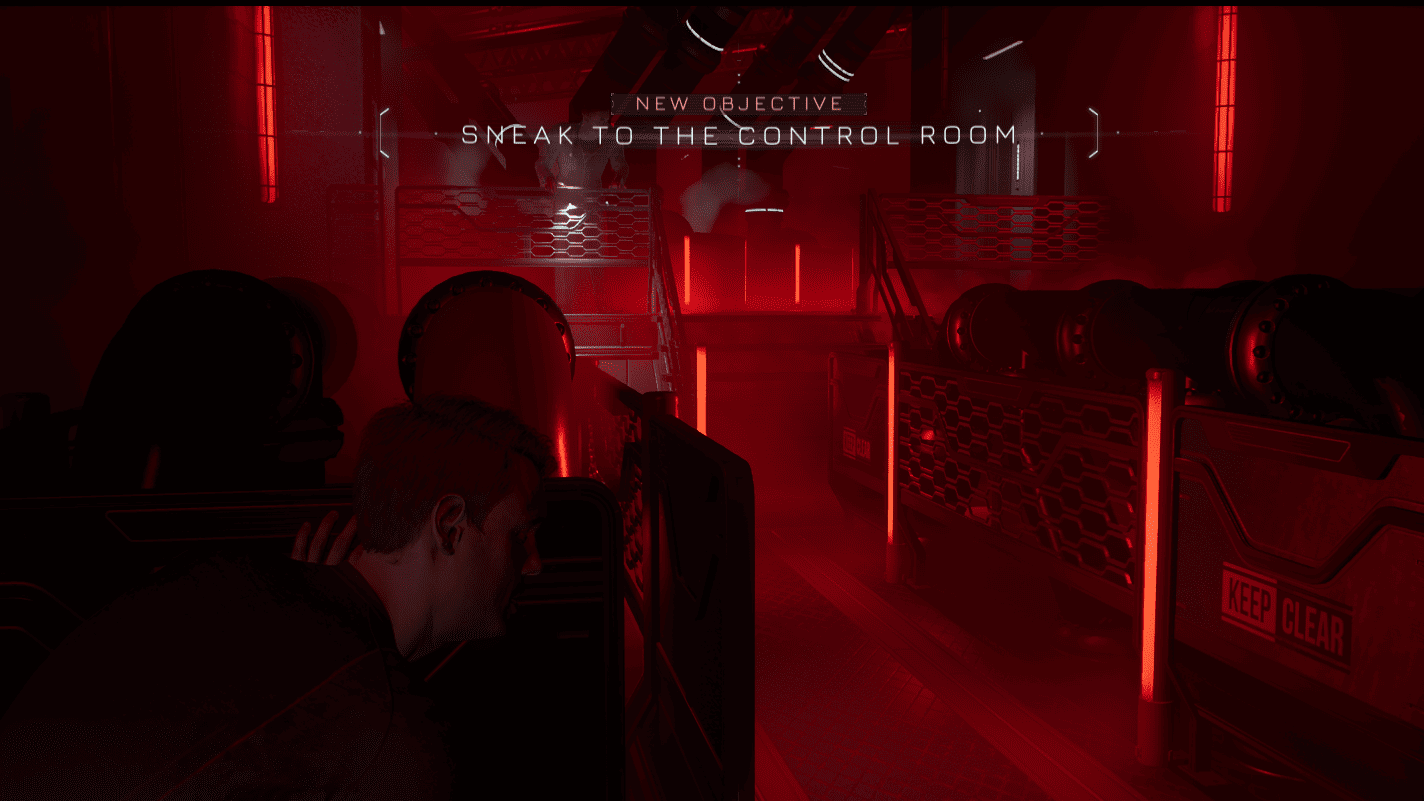
Directive 8020 was meant to mark a turning point (pun intended) in the direction of The Dark Pictures Anthology. In particular, they drew great attention towards the stealth gameplay and utility items available to crew members. Unfortunately, the shoehorning of the stealth segments felt comparable to The Devil In Me’s sloppy attempt at incorporating platforming and personal inventories. These two most recent entries seem to mark a trend in Supermassive attempting to forge a unique identity with their mechanics.
There is a lot I admire about this, particularly thematic considerations. Directive 8020 has lots of tech and tools appropriate for a futuristic spacecraft; The Devil In Me has unique equipment for a film crew; House of Ashes seems to have extra shooting Quick Time Events, suitable for a military crew; and Little Hope’s psychological romp focuses on character self-improvement. But, the more The Dark Pictures tries to reinvent the wheel, the further it seems to get from its mechanical identity.
Ironically, that’s because its identity is right there. It’s a choice-based, interactive horror movie. Sometimes, playing Directive 8020 felt like playing an average stealth action game that would suddenly remember it’s meant to be giving you choices. Even breaking up some of those long stealth segments with a choice here or there could have helped to preserve its identity. Because, ultimately, when the few big choices did come up or when we finally reached the Quick Time Event-heavy finale, those were the moments when I finally felt a rush of warmth and thought ‘I’m playing a Dark Pictures game!’
Big boots and no desire to fill them?
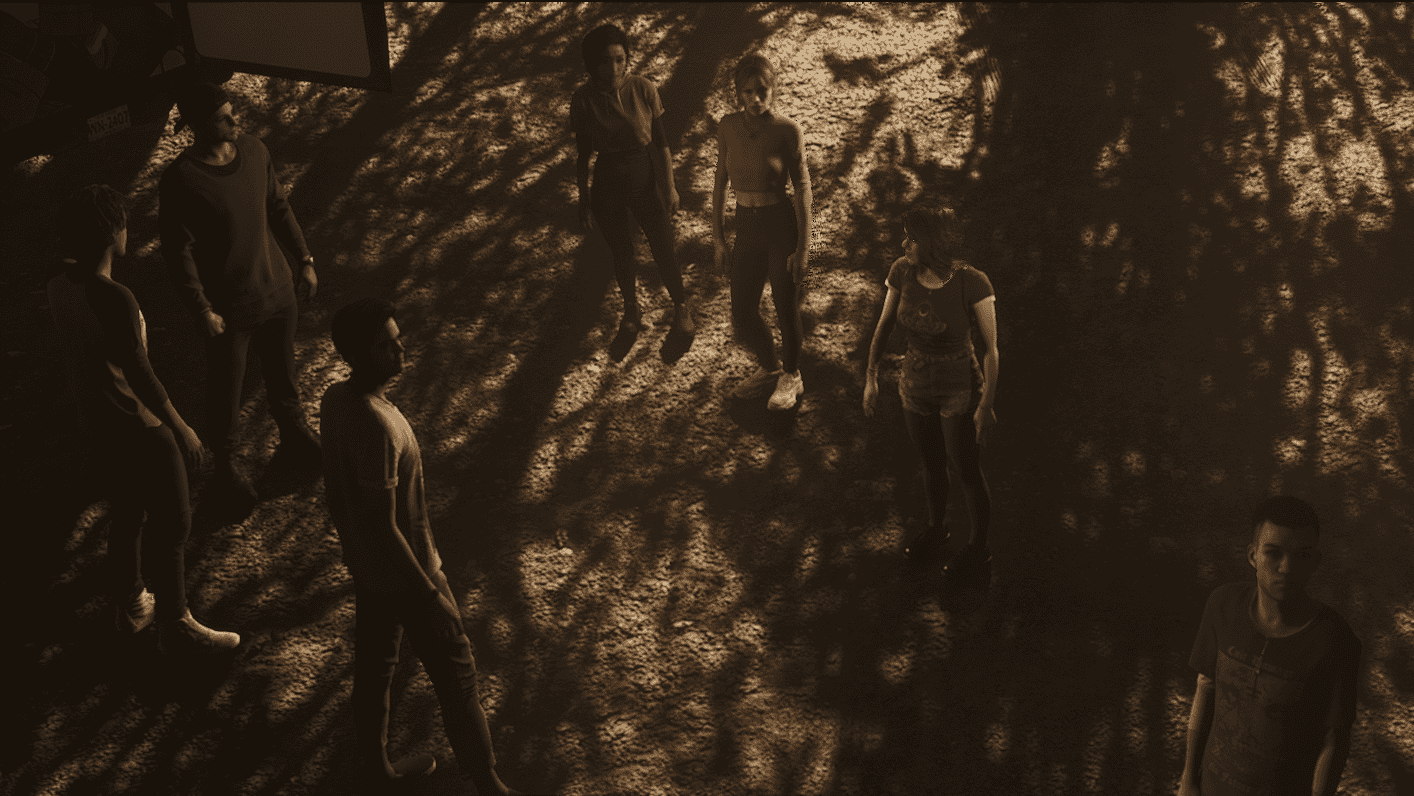
For all their desire to innovate mechanically, The Dark Pictures Anthology has been unable to reach the heights of Until Dawn and The Quarry. Now, they’re some big boots to fill, especially for titles that I know are smaller in scope. Unfortunately, they seem to be trying to reach these heights in all the wrong ways.
Instead, The Dark Pictures Anthology needs to innovate with their narratives. While each installment is designed as an homage to a certain genre, if they really want to innovate, then they need to go above and beyond pure homage. Until Dawn may have been a teen ‘cabin in the woods’ horror, but its twists innovated on the genre. Even The Quarry had interesting takes on its horror sub-genre and setting.
Worse still, the horror in this horror anthology is beginning to wane. While they may have been full of jumpscares, Man of Medan, Little Hope, and House of Ashes put their horror front and center. Little Hope in particular, until their reveal, should have been the most terrifying installment yet. But The Devil In Me’s DuMet was critiqued as being a dull serial killer, and Directive 8020’s somewhat tame body horror didn’t land for many.
The Ugly
While there are highs and lows in the series, there is a foul monster that plagues each entry. If Supermassive aren’t careful, it could taint the anthology they are investing their time into curating.
The Dark Pictures Anthology is a buggy mess
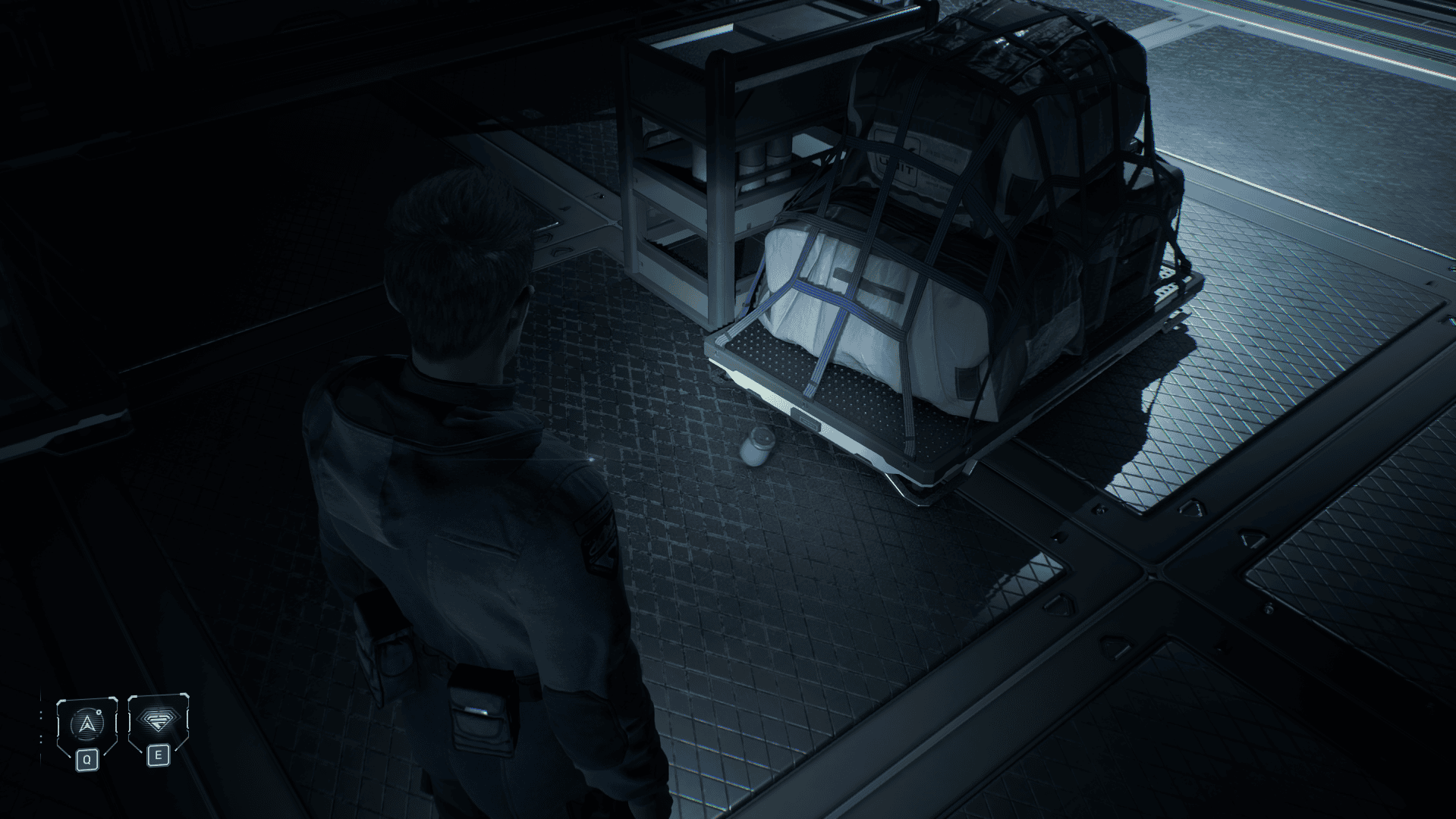
For all its highs and lows, one of the biggest issues within The Dark Pictures Anthology is the number of bugs that crop up. Worse, they seem to be getting more prevalent over time. I don’t recall it being too much of an issue when I first played Man of Medan or House of Ashes, perhaps some good luck on my end.
However, I am aware of many bugs for Little Hope, some of which are game-breaking at critical moments after having invested hours into a playthrough. Similarly, I played The Devil In Me at launch, following on from the high that was House of Ashes. I encountered a game-breaking bug towards the climax that forced a restart. Down the line, I still see players encountering this glitch.
Unfortunately, their latest installment, Directive 8020, doesn’t seem to have escaped this parasite, either. Bugs that I encountered ranged from the laughably immersion-breaking (a cup spinning in mid-air, eventually vanishing through the ceiling) to the downright unplayable (gameplay stuttering and the game pausing itself repeatedly).
Of course, bug-fixing in a game with this many variables must be a monumental challenge, but it’s one that must be stepped up to for the sake of the genre and the players that love it.
What Do We Want From Future Dark Pictures Games?
Primarily, characters are the core of Dark Pictures games. Make us care about them, make us care about their relationships, make us want to see them grow. For the love of everything, make their interactions interesting, even if that comes with a healthy serving of cheese! Find a twist that adds to the genre, and makes us consider our threats in a deeper regard without disregarding them. Remember that, at their core, they are a game about making choices. Those will always be at their most impactful when players can clearly feel their cause and effect.
The Dark Pictures Anthology has a cult following of devoted fans, and they deserve for Supermassive to try and up their ante every time. Not by bogging us down with clunky mechanics, but by delivering more and deeper of what we love. Make us laugh at cheesy characters again, make us root for them, and then I dare The Dark Pictures Anthology to really scare us silly again.
Share your thoughts on The Dark Pictures Anthology in the comments below! Unsure whether to give the latest entry a try? Check out our Directive 8020 review!

 ObserverCrew Picks
 bserver
 bserver