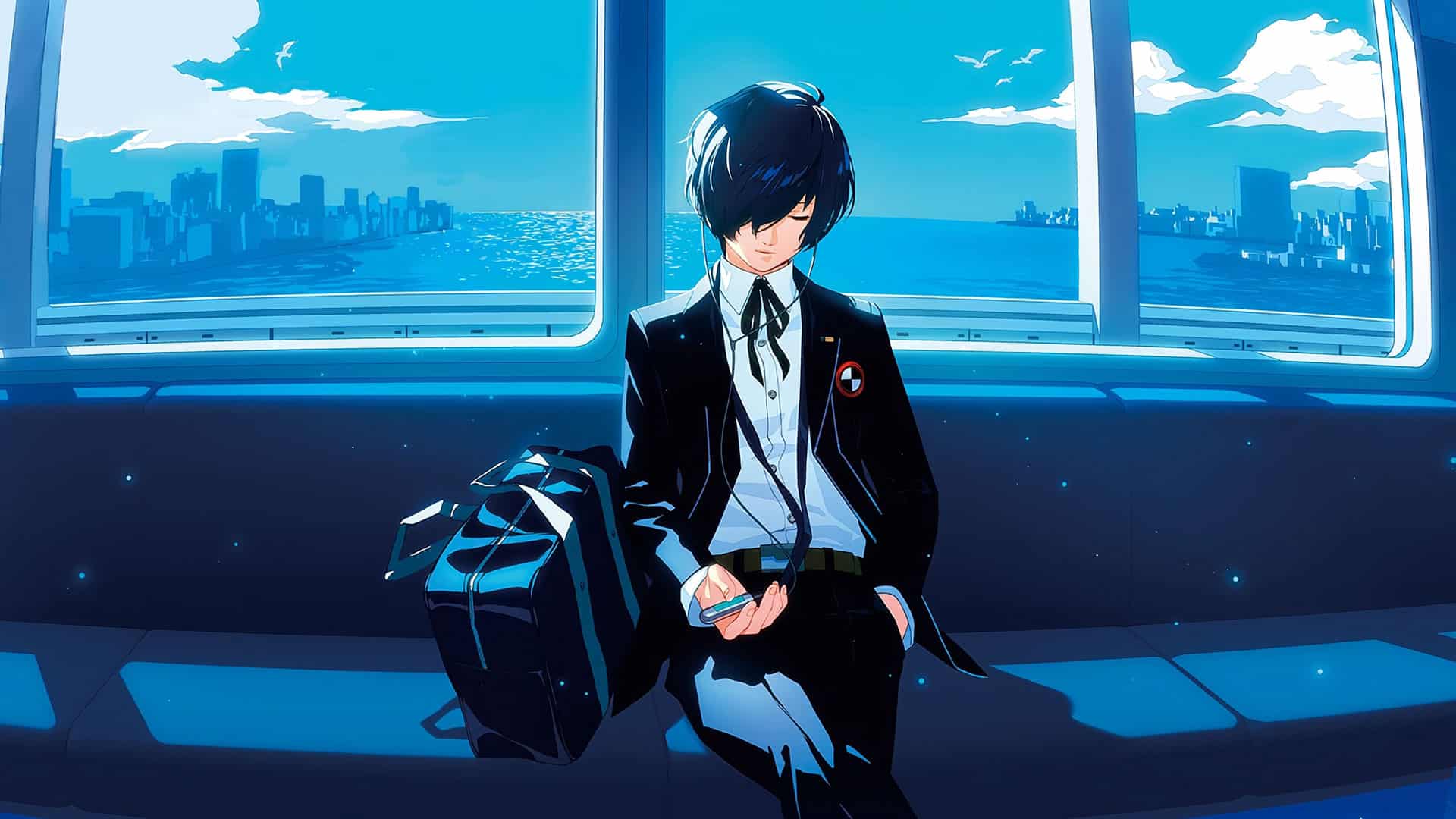
Few RPG franchises have reinvented themselves as successfully as Persona. What began as a spin-off of ‘hardcore Pokémon‘ Shin Megami Tensei, it eventually grew into one of Atlus’ biggest global brands — even overshadowing its dark and dramatic roots. However, according to the Persona chief director himself, there was a time when the whole series was in genuine danger of disappearing altogether. This was revealed in the Japanese magazine Famitsu issue No.1953, where director Kazuhisa Wada and Tales producer Yusuke Tomizawa met up for both series’ 30th anniversary.
In the Famitsu interview, Wada revealed that after Persona 2, there was a time when Atlus had no plans for making any sort of continuation. The future looked so uncertain that the team feared Persona could simply ‘disappear.’ “It was almost at the point where it seemed like Persona itself might disappear. […] The Megami Tensei and Persona games we had were, of course, interesting, and the people who liked them really loved them,” he said. “However, Atlus’s image itself had become associated with being ‘for hardcores.’ We needed to dramatically change that.”
To help broaden the spin-off series’ appeal, Wada explained that the team looked at other successful RPGs for inspiration, including Bandai Namco’s Tales. The fantasy game was seen to be able to portray a sense of adventure and camaraderie, especially through its skit events, which ultimately shaped many of Persona 3‘s biggest changes to the series. “I was in charge of design, and I was given a fair amount of freedom,” Wada continues. “But mentally, it felt like we had our backs against the wall. We were right on the point of whether the series would continue or not. Because of that, we didn’t hesitate to make changes.”
One of those risks was Persona 3‘s extremely stylized UI that’s now synonymous with the series. Surprisingly, Wada explained that the decision to create such eye-catching and iconic menus was driven by limitations instead of pure artistic choices. “The reason we focused so much on the UI was that we didn’t have the budget to significantly improve other parts,” Wada disclosed while laughing. “By focusing on the UI, we thought we could create a sense of unity and elevate the work as a whole.”
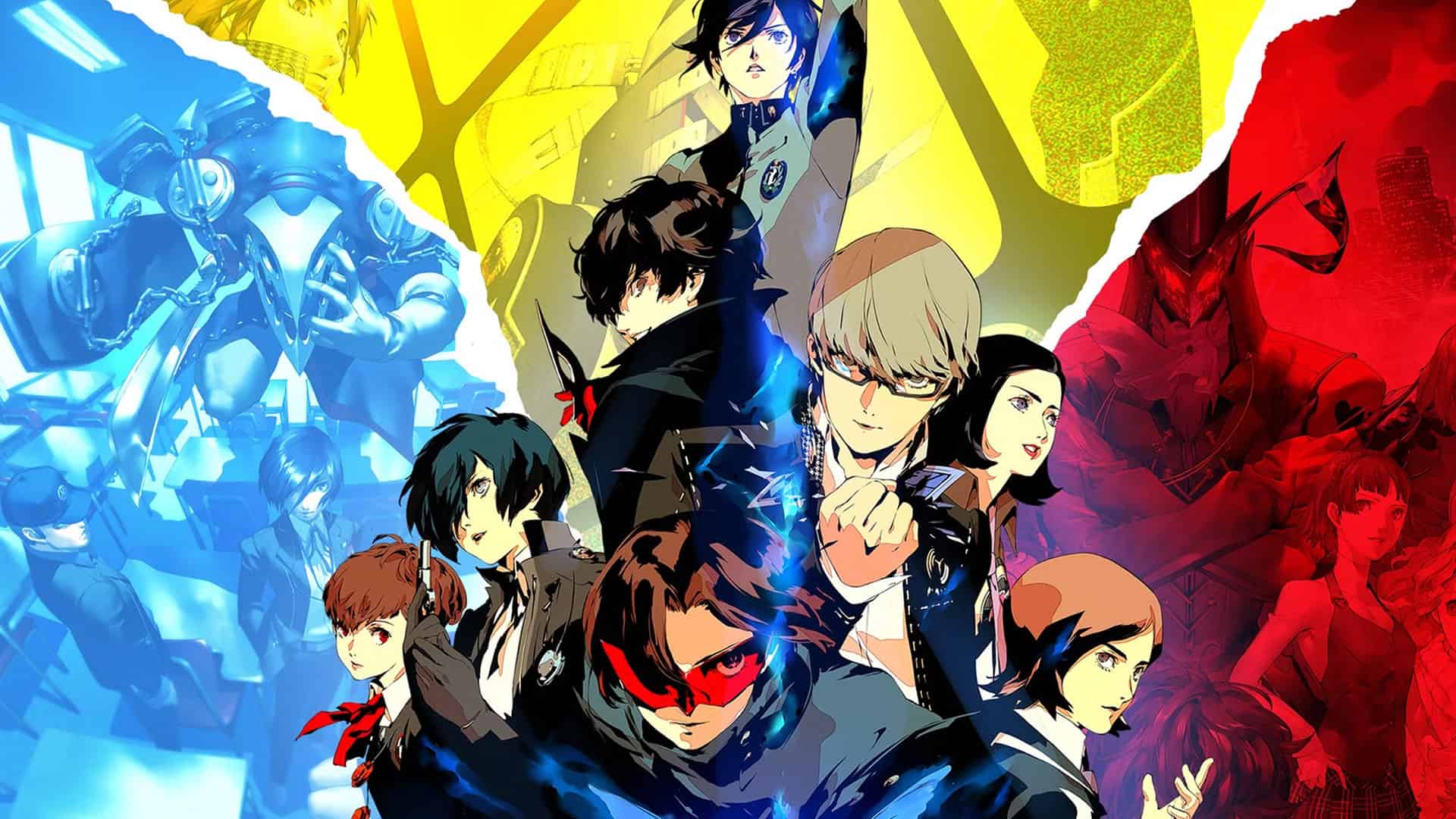
The team continued pushing that philosophy with the sequel. “[For Persona 4,] we decided to completely reverse the direction of the UI from cool colors to warm colors,” said Wada. However, that decision wasn’t exactly popular in the company despite the previous game’s success, amassing more than 120,000 copies domestically in its first week. “At first, we got opposition from many different places,” he recalled. “But we felt that we really needed to stand out.”
Tomizawa praised the studio’s radical approach, saying, “When you say ‘the UI is the star,’ Persona is probably the only series where people see that as a positive; no other competitor can really follow that direction.” Wada replied with a laugh, adding that the strategy seemed to have created its own problems behind the scenes, “It was a method we used to cut costs, but now it’s actually costing us more…”
Looking back, Wada believes the modern Persona formula — blending everyday life with extraordinary events — ‘solidified’ during the Persona 3 and Persona 4 era in 2008. With its first concerts and the Persona: Trinity Soul anime released around the same time, the series managed to expand into the global phenomenon it would eventually become. And with Persona 4 Revival scheduled for 2027, fans are more than ready to reach out for the truth all over again soon enough. Stay tuned to GameObserver for more gaming news and interviews.






 ObserverCrew Picks
 bserver
 bserver