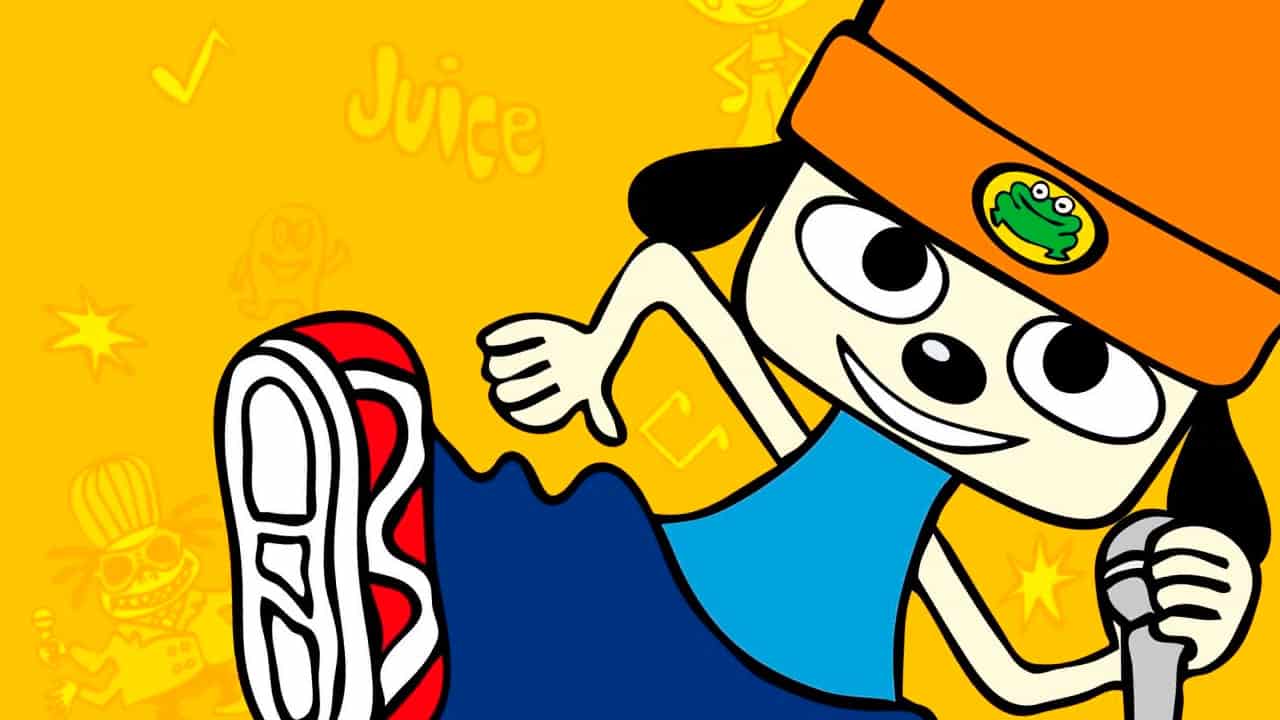
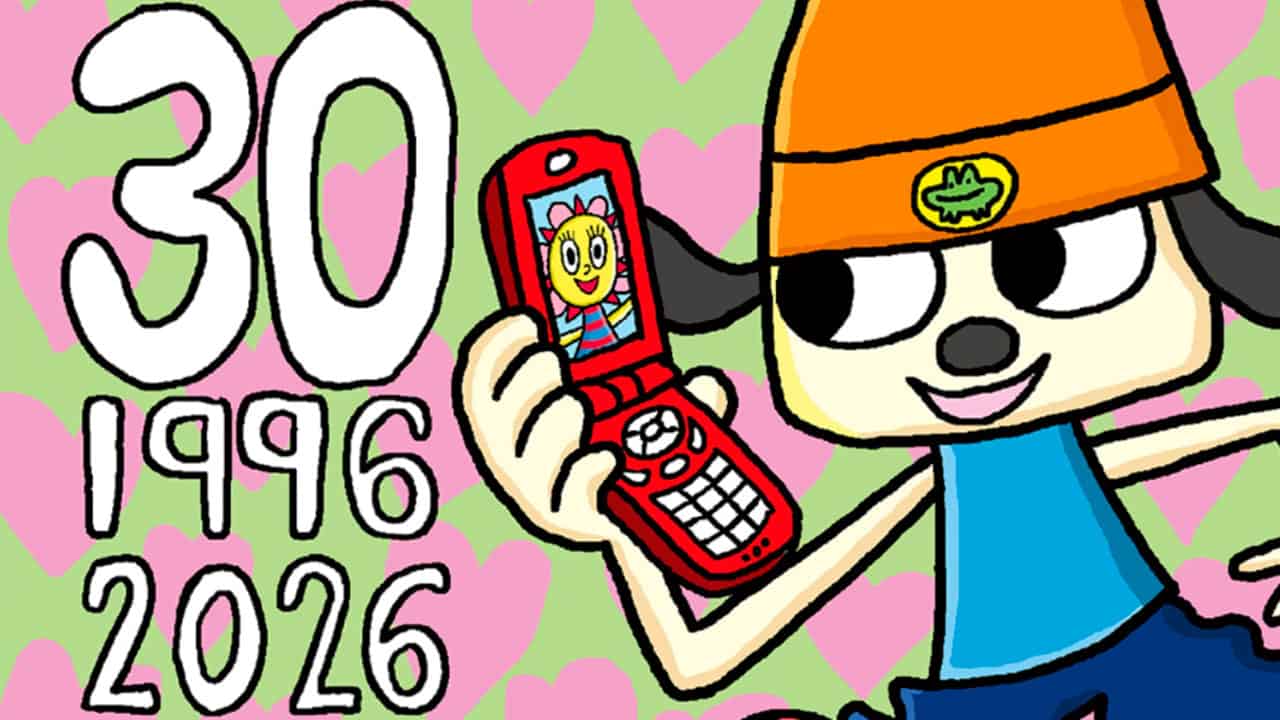
Long before Guitar Hero, Hatsune Miku, Rhythm Heaven, and countless arcade, mobile, and indie rhythm games, PlayStation’s PaRappa the Rapper helped define what the genre could be. In a recent interview celebrating PaRappa the Rapper‘s 30th anniversary, Japanese magazine Famitsu issue No.1952 reunited three key figures behind the cult classic — MC Ryu Watabe, creator Masaya Matsuura, and writer Gabin Ito. While reflecting on how the rhythm genre has evolved, they believed many modern games have lost track of what made PaRappa and the genre unique in the first place.
Ito argued that popular rhythm games today have settled into a basic formula that prioritizes visual prompts over musical expression. “[…] Nowadays, although the format has changed, [rhythm games] are about players simply reacting to icons on the screen or reproducing the sounds. Don’t you feel a sense of frustration with this?” he asked. “In the genre now called ‘rhythm games,’ only the elements that were different from what I originally wanted ended up remaining,” Matsuura replied. While he admitted that he came up with a scoring system in the first place, he added that, “[…] Music isn’t something that should be scored.”
Matsuura explained that the mechanics they built for PaRappa were designed differently from many modern rhythm games. Rather than rewarding strict timing, the game’s system allows players to exceed the score of the example performance by creating ‘their own valid rhythms.’ PaRappa breaks each music into small timing windows and checks which of four possible rhythm patterns the player performs: hitting both beats, hitting only the first beat, hitting only the offbeat, or not playing anything at all. “The score is determined by which of those four patterns was performed,” he explained.
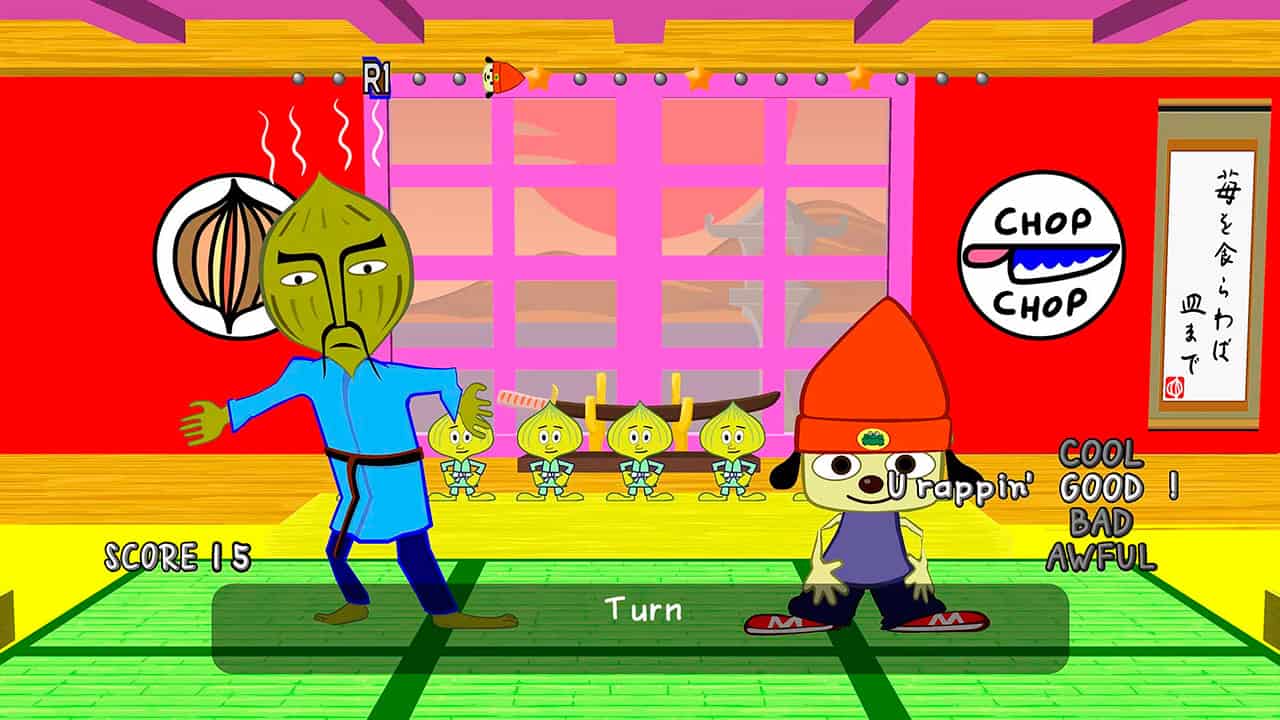
“So, if you perfectly replicate the example, you’ll only get the same score,” Matsuura said. However, you can easily achieve Cool by not following it closely. “If you deviate from the example, you might achieve a score that exceeds it.” In other words, players are encouraged to improvise rather than blindly press the button that appears on screen.
But the most surprising aspect is that, apparently, silence can be worth the most points. Matsuura revealed that he assigned the highest value — 48 points — to ‘playing nothing at all.’ Although this score applies only under specific conditions where players have already demonstrated multiple rhythm patterns. “That’s why in PaRappa, you don’t actually have to keep pressing buttons all the time,” he explained. “Truly skilled players don’t just mash buttons — they know when to rest. If you never rest, your score won’t go up.”
For Matsuura, that idea was central to the game’s design, adding, “But, what mattered the most to me was resisting the very idea of ‘scoring’ music.” The mechanic was intended to reward musical expression and creativity. Definitely a stark contrast to the formula that would later become standard across much of the rhythm game genre.
“Matsuura created it through repeated academic research while visiting corporate research labs and studying the subject deeply,” Ito explained. “I sometimes wonder if those ideas weren’t adopted by other games because they were things only Matsuura could have created.” Ryu also chimed in with a surprise, laughing, “I never knew that, even after 30 years!”
PaRappa the Rapper helped bring rhythm games into the mainstream and paved the way for countless successors. Nevertheless, for the creator of one of the genre’s most influential titles, simply reacting to prompts and chasing perfect scores may not be what rhythm games were supposed to be about in the first place. Do you agree with these rhythm game veterans? Let us know, and stay tuned to GameObserver for more gaming news and interviews.




 ObserverCrew Picks
 bserver
 bserver