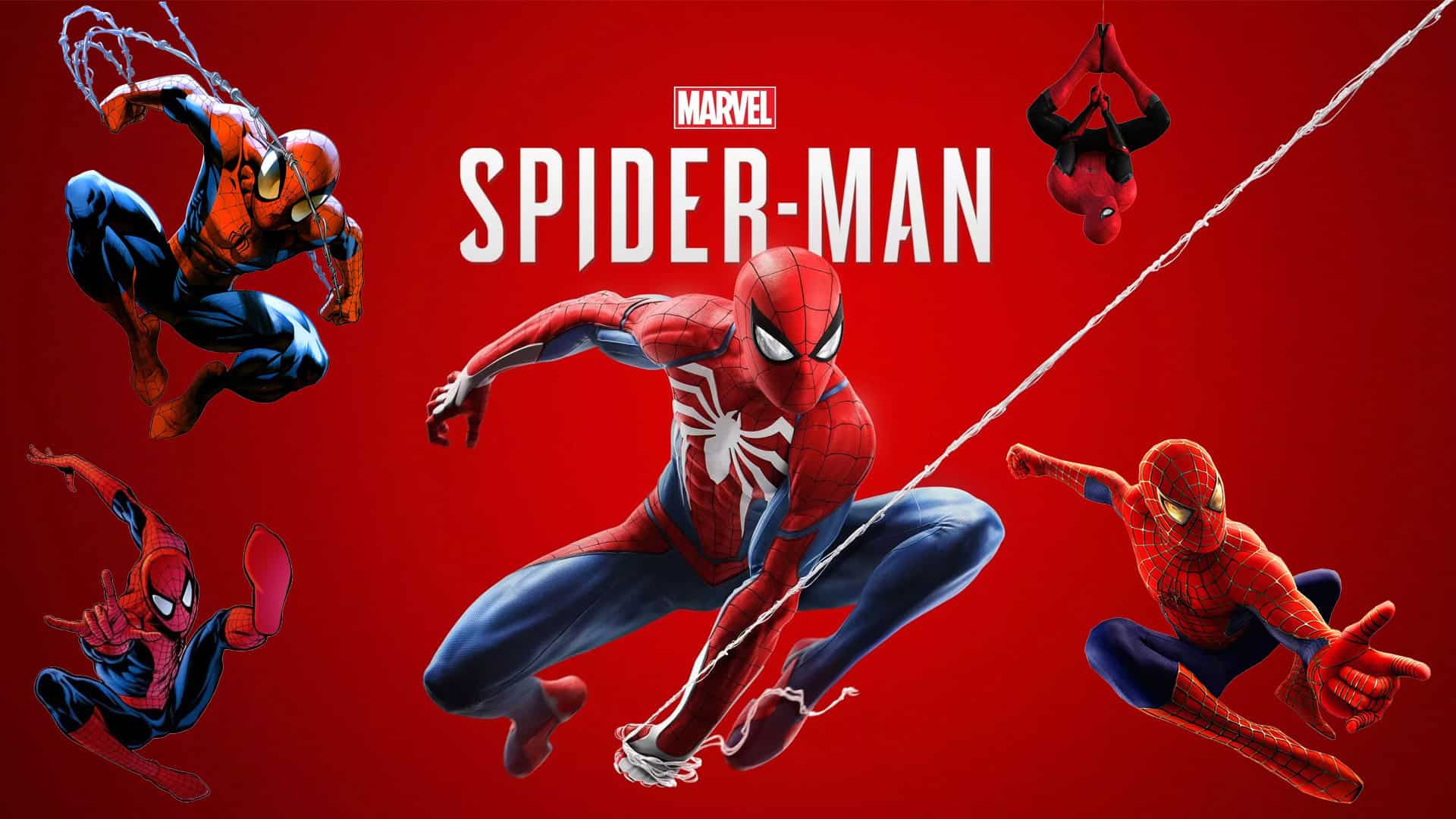
Marvel seems to be in a bit of a swing lately with their video game offerings. There are games of all flavors from Guardians of the Galaxy to Marvel Rivals, and the upcoming Marvel Tokon: Fighting Souls and Marvel’s Wolverine, amongst many others, but the clear victor for me of superhero video games this past decade has to be the 2018 instant classic Marvel’s Spider-Man from Insomniac Games.
It’s not often that a superhero game manages to dominate the conversation across gaming media, but Marvel’s Spider-Man did so effortlessly, webbing up not only the wall-crawler’s most radical fans, but an entire new audience in video games who hadn’t seen a title from Marvel’s crown jewel worth a playthrough since their childhoods, if ever. Whilst superhero games used to be plentiful but overlooked in industry conversation, Marvel’s Spider-Man became a system seller for the PlayStation 4. But what makes this adaptation of Spider-Man different from all others? What made this story, gameplay and design so great where every other one failed? The legacy it was built on.
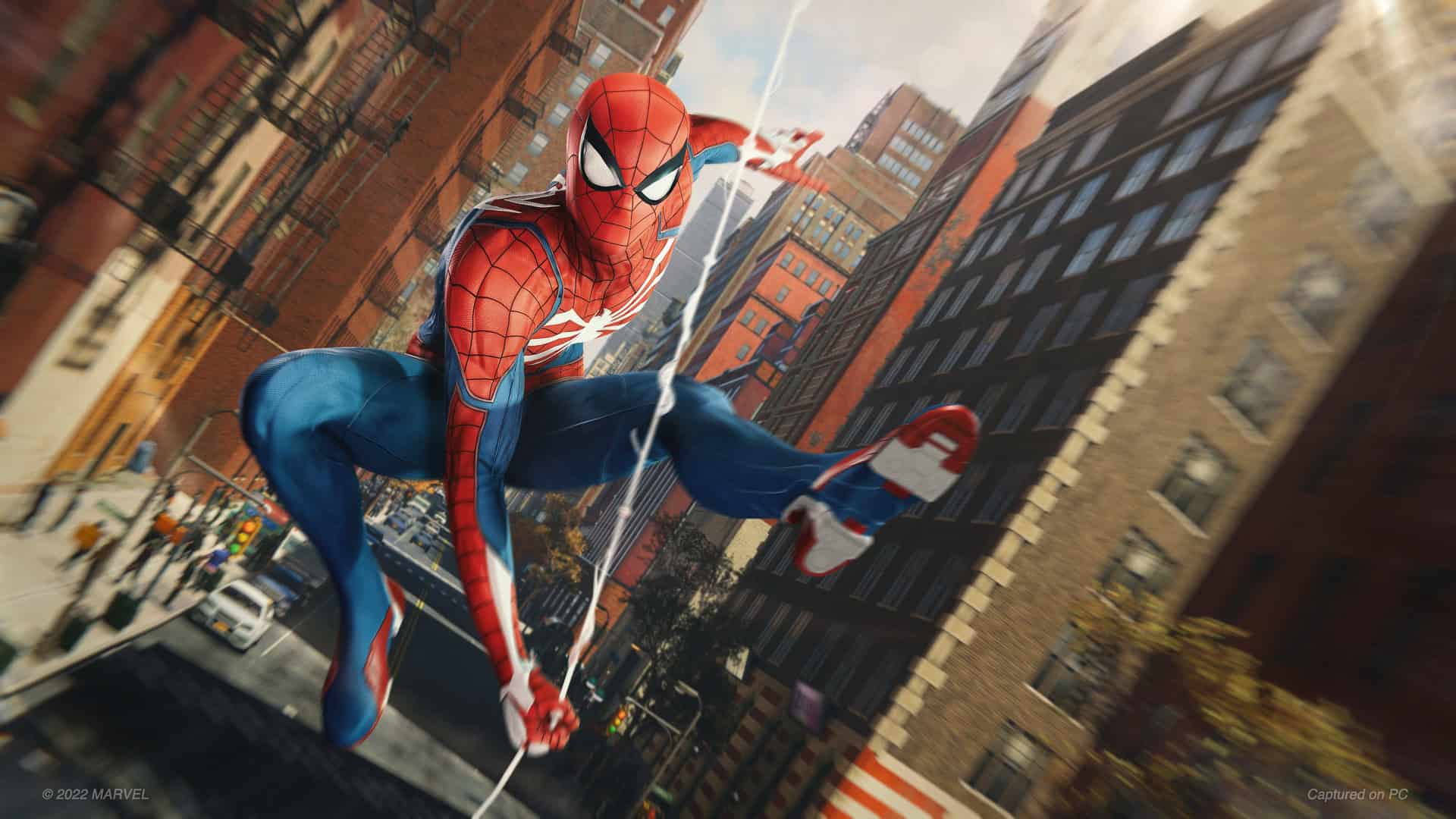
It was on June 13 at the monumental E3 2016 when it was first revealed to the world that a new high-budget video game based on Spider-Man was coming as an exclusive to the PS4 from the hands of Insomniac Games. A childhood favourite studio of mine thanks to Spyro! This was just two years after 2014’s The Amazing Spider-Man 2 which, alongside its movie counterpart, was a swing and a miss. It’s a deeply flawed game that alongside its well deserved critiques also showcased a severe creative fatigue from Activision, who had been publishing Spider-Man games ever since his first ever 3D gaming experience for the PS1 way back in 2000. Activision published around 15 individual titles during their time with Spider-Man.
Marvel wanted a new partner for their Spider-Man games, as they shifted their focus away from tie-in movie games as Spidey made his debut in the Marvel Cinematic Universe. Insomniac was left then to create something original and different from the movies yet still captivating and familiar with an audience who most likely know Spider-Man from his on-screen adventures. So what did they do? In my opinion, everything. They saw every major adaptation from the superhero as having something worth taking notes from for every aspect of the experience, from the suit, to the story and gameplay, everything that had been great about other multimedia adaptations were coming together to create something truly new. And the end product is my definitive Spider-Man.
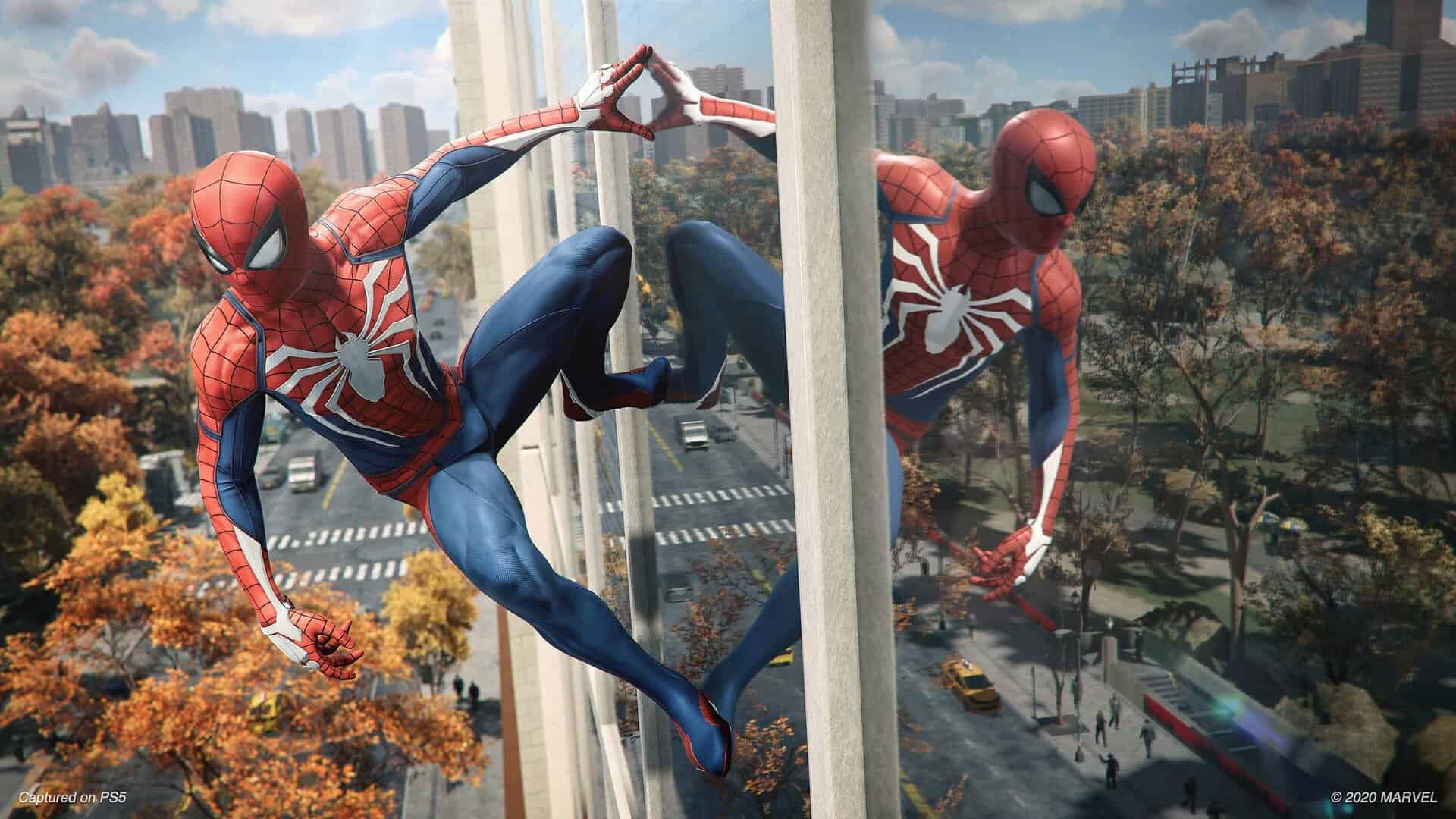
Starting with the gameplay, it’s almost too on the nose the inspiration that Marvel’s Spider-Man borrows from Batman’s Arkham games, with a combat loop based on attacking enemies and dodging attacks in real time with help of gadgets and special moves to build combos and finish enemies off. The game is all the better for it, as it’s great. To be fair, it would have been difficult for anyone in the development team to not take notes from these games, as the Arkham series created a combat system widely seen as the definitive superhero combat style in gaming. Nonetheless, as good as the action was, the real story as to what made Marvel’s Spider-Man so great is the defining gameplay mechanic that makes Spider-Man himself who he is: the web-swinging.
Spider-Man games have always been wildly varied regarding the way webs worked. Open-map Spidey games such as 2004’s Spider-Man 2 would use web-swinging for traversal, whereas level-based games like 2007’s Friend or Foe would use it as an attack move. Insomniac took inspiration mostly from the former, a tie-in video game to the movie of the same name, with mechanics that revolutionized traversal in gaming. Activision’s Spider-Man 2 featured momentum-based web-swinging, which allowed Spider-Man to swing faster and slower, to cover shorter or longer distances depending on player input.
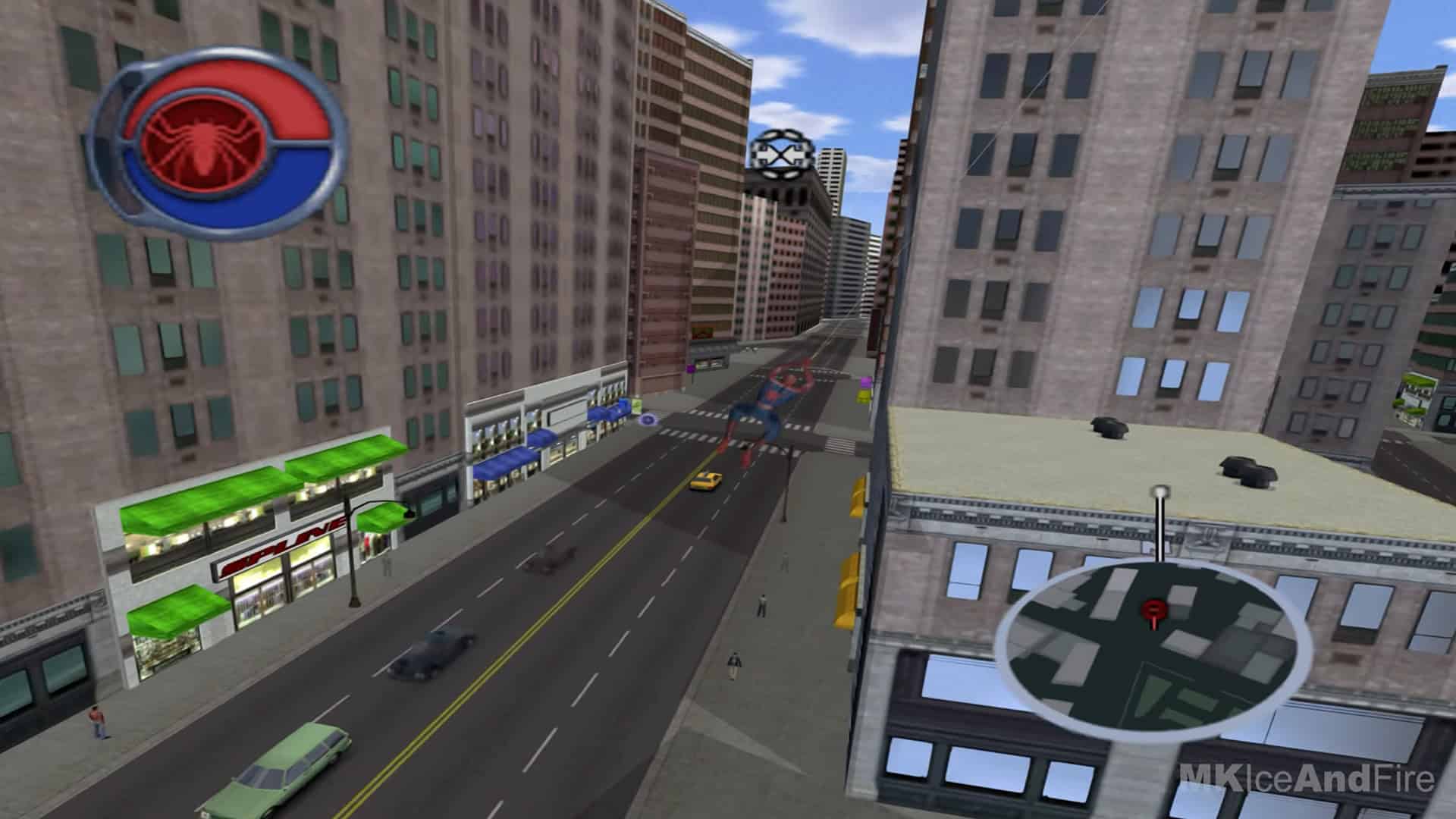
Insomniac took inspiration from this to create its own swinging mechanics, with physics also based on momentum – but adding their own touch to it with versatility and variety in the swinging animations and interactions. Every time Spider-Man swings he will do a different pose, with his body movements influenced by user input to add an additional layer of immersion and control over the hero. It’s doing something new, something that takes the best features from its predecessors and adds unique things to distinguish itself and bring it up a notch.
With great web-swinging must also come great wall-crawling, another of Spider-Man’s most popular abilities. Previously in Spider-Man titles, wall-crawling was treated as an underbaked addition to the game and largely overlooked, being left as a tool for basic stealth missions such as in 2012’s The Amazing Spider-Man. However, in Insomniac’s case, wall-crawling is multi-purpose. Whilst it’s also used in stealth missions to secure takedowns, it’s integrated into the web-swinging to allow for seamless transition from swinging to climbing or running sideways through a building without losing speed or momentum. Thus, if Spider-Man ever hits a wall, you never feel clumsy while controlling the character, you feel like a hero that’s been on the job for eight years.
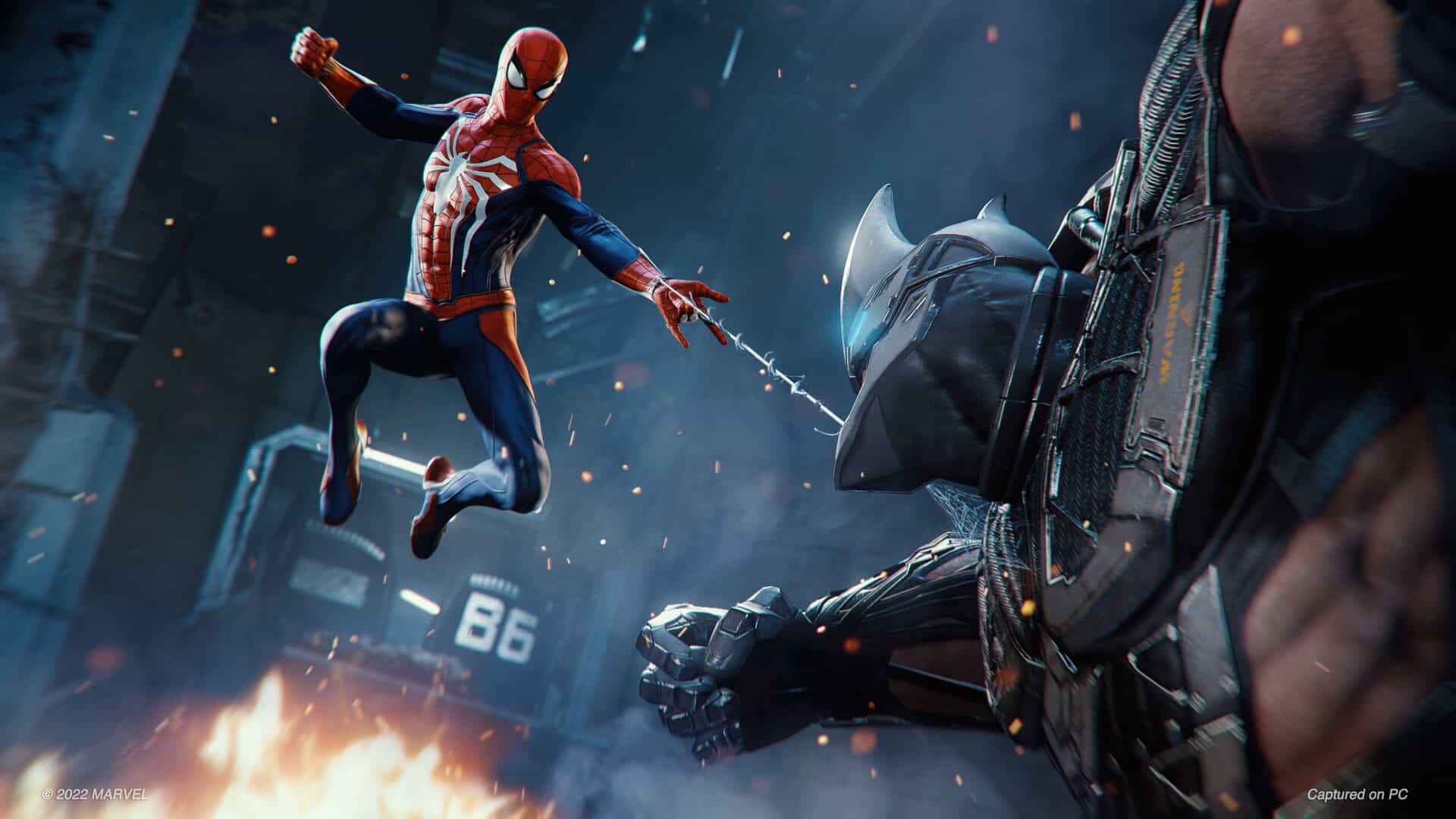
An expressive character through his swinging and crawling, the web-head needs a combat system that allows him to show off his trademark personality. He has many tools to use and one of Peter Parker’s biggest assets is his quick thinking, often being able to pull moves that incapacitate enemies in groups or isolate them so he can take care of them one by one. Insomniac’s way of portraying this is a mix of hand-to-hand combat and gadgets similar to the Arkham series, but also including unique features like air combat and ‘focus’. Focus is a system in Marvel’s Spider-Man that gradually fills a power bar as you attack enemies, and after one bar is filled, you can use it to restore your health or finish enemies off in countless different ways.
Air combat then is a feature that allows Spider-Man to punch or thwip enemies into the air, continuing his combos whilst airborne. It’s also a quintessential Spider-Man way to fight. This is reminiscent of 2008’s Web of Shadows, which is another popular Spider-Man game that allowed you to combat enemies mid-air. If these are not enough though, you can expand your personal combat style even further with suit powers, abilities unlocked with each of the alternate suits Spider-Man can wear that give you a unique advantage that recharges over time. Some abilities include building extra focus, disorienting enemies, even playing a guitar that will knock enemies back with a shockwave, or the most useful of them all: quipping enemies to lower their self esteem, as any good Spidey does.
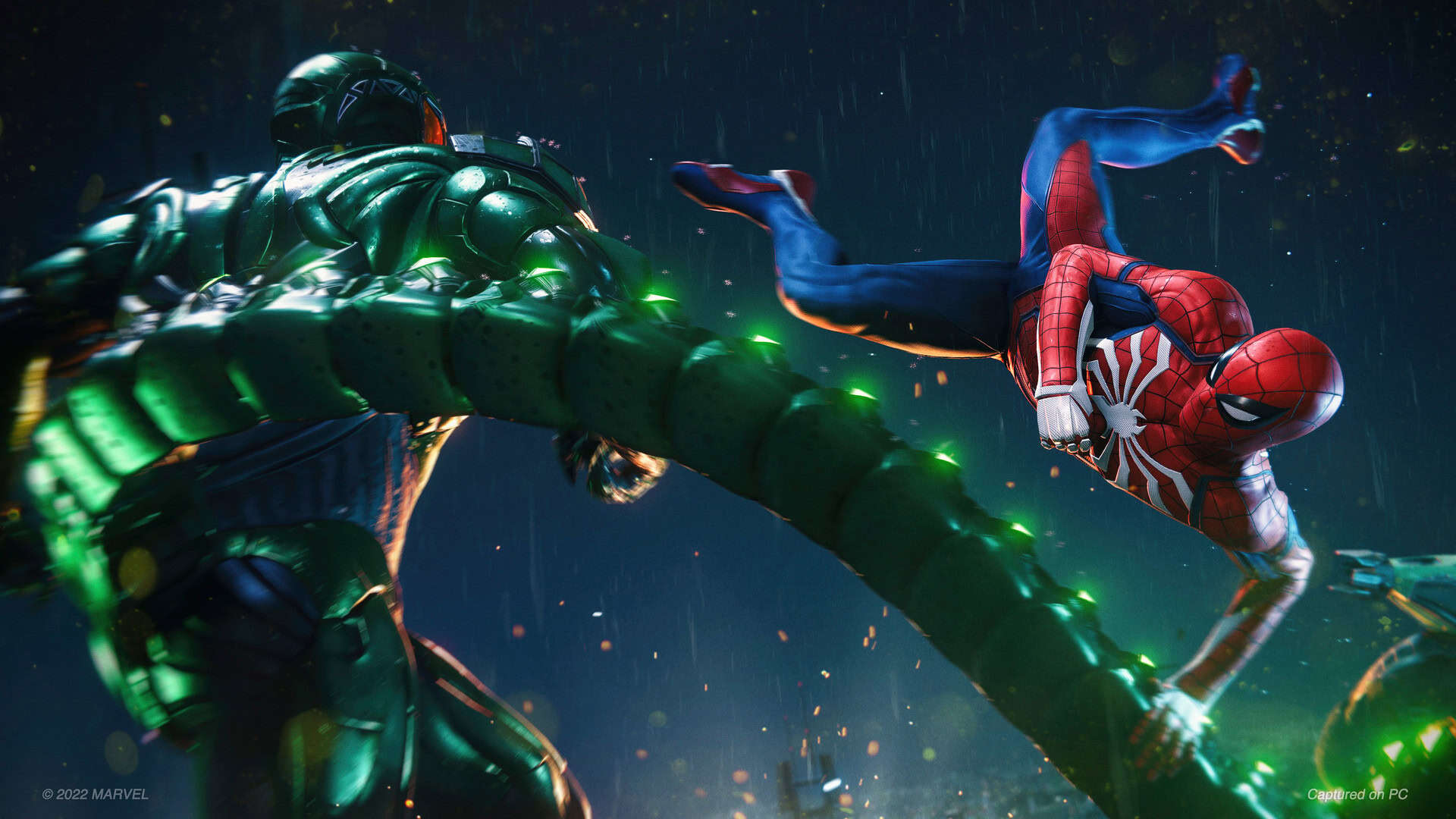
Getting to the story, it has a relatively straight forward plot: Spider-Man has been operating as a hero for eight years, battling lots of his iconic adversaries along the way when Martin Lee, a seemingly normal person who worked at homeless shelter F.E.A.S.T., turns out to be the result of a failed experiment, turning him into a villain capable of infiltrating people’s minds. Meanwhile, Peter Parker works alongside a mentally decaying Otto Octavius who eventually falls victim to his illness and becomes the incredibly vicious Doc Ock, uniting five of Spider-Man’s deadliest foes, including Martin Lee (Mister Negative), to take control over the city with a deathly virus and take down Norman Osborn, his sworn enemy. Spider-Man has to let go of his personal bond to Otto to defeat him and bring peace back to New York City.
For some, this story might remind them of 2015’s Arkham Knight, which saw Batman fighting Scarecrow amidst a deadly virus contaminating the city. Spider-Man takes a similar premise and makes it its own by mixing in the story of Martin Lee, a traitor to the city, and the Sinister Six, a group of villains united for the purpose of defeating Spider-Man that has terrorized the hero since his early days in the comic strips. The virus presented in the game, ‘Devil’s Breath’, is a result of experiments from Norman Osborn trying to cure his late wife and his son Harry, which resulted in a virus capable of exterminating entire cities at a time if left untreated, which is exactly why it’s later used by Doc Ock and Mister Negative to get NYC in their control. It’s a situation of good intentions being weaponized to terrorize people, and it’s a mash-up of plenty of prior Spider-Man stories. For example, 2002’s Spider-Man features a Green Goblin seeking revenge against those who did him wrong, much like the game’s Doc Ock against Norman Osborn. Another example would be 2014’s The Amazing Spider-Man 2 and how it characterizes Electro as an outsider that falls into a power trip after his exposure to his newfound abilities, again reflected in Otto’s story in Marvel’s Spider-Man. It’s a story built on legacy and influence to become its own thing.
Marvel’s Spider-Man also features a young Miles Morales, seen before obtaining his powers, who now is included in the story at the same time as Peter Parker, even serving as a playable character for sections of the game. In the original comics where Miles Morales debuted, he became Spider-Man following Peter Parker’s death in the ‘Ultimate’ universe. But after 2015’s Secret Wars comics, Miles now lives in the same universe as classic Spider-Man. This is seemingly another dynamic that could have served as inspiration for Insomniac when developing their game, having both versions of the character co-exist at the same time. This dynamic would be explored in even deeper detail in the game’s sequels, Marvel’s Spider-Man: Miles Morales and Marvel’s Spider-Man 2.
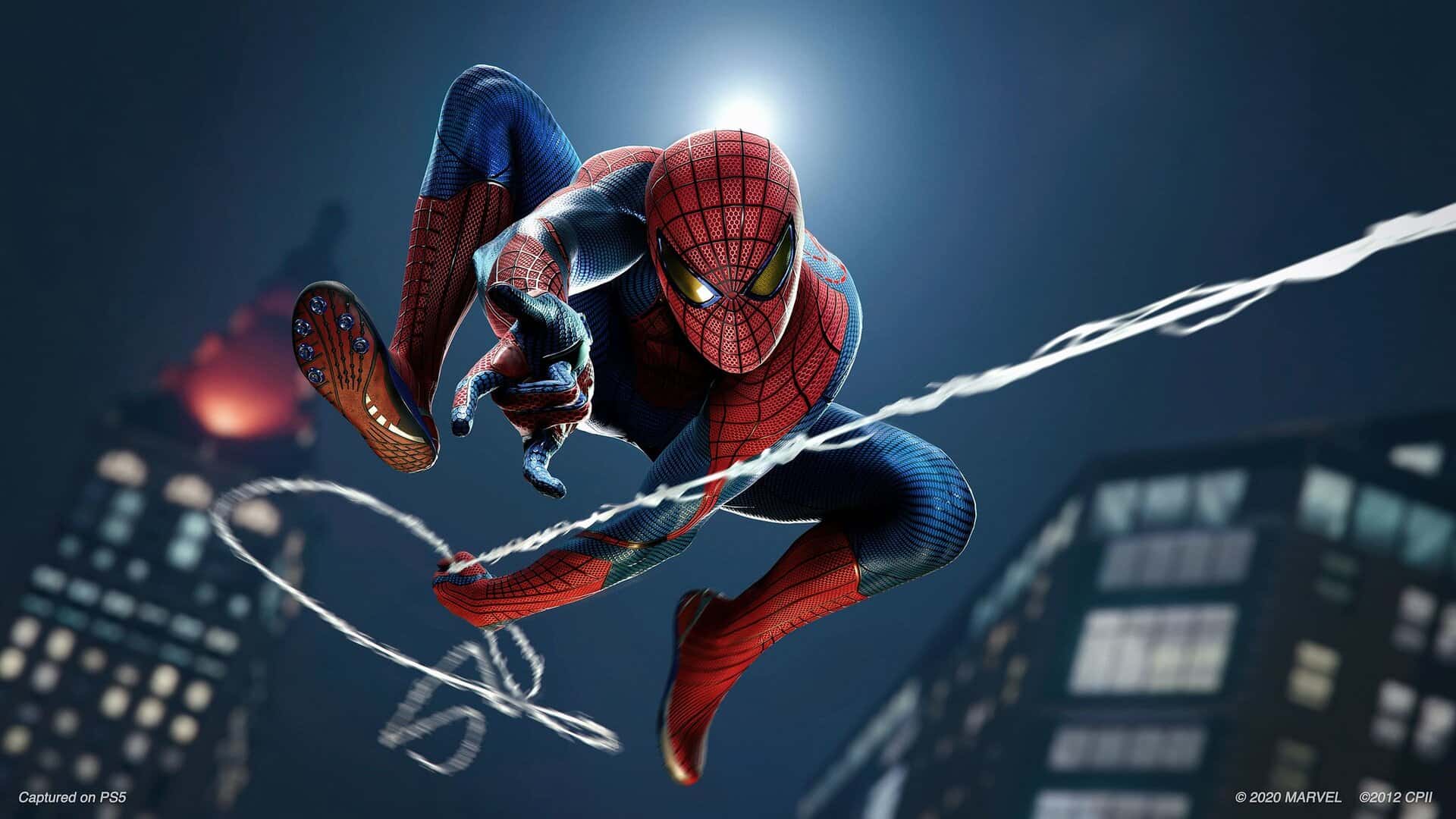
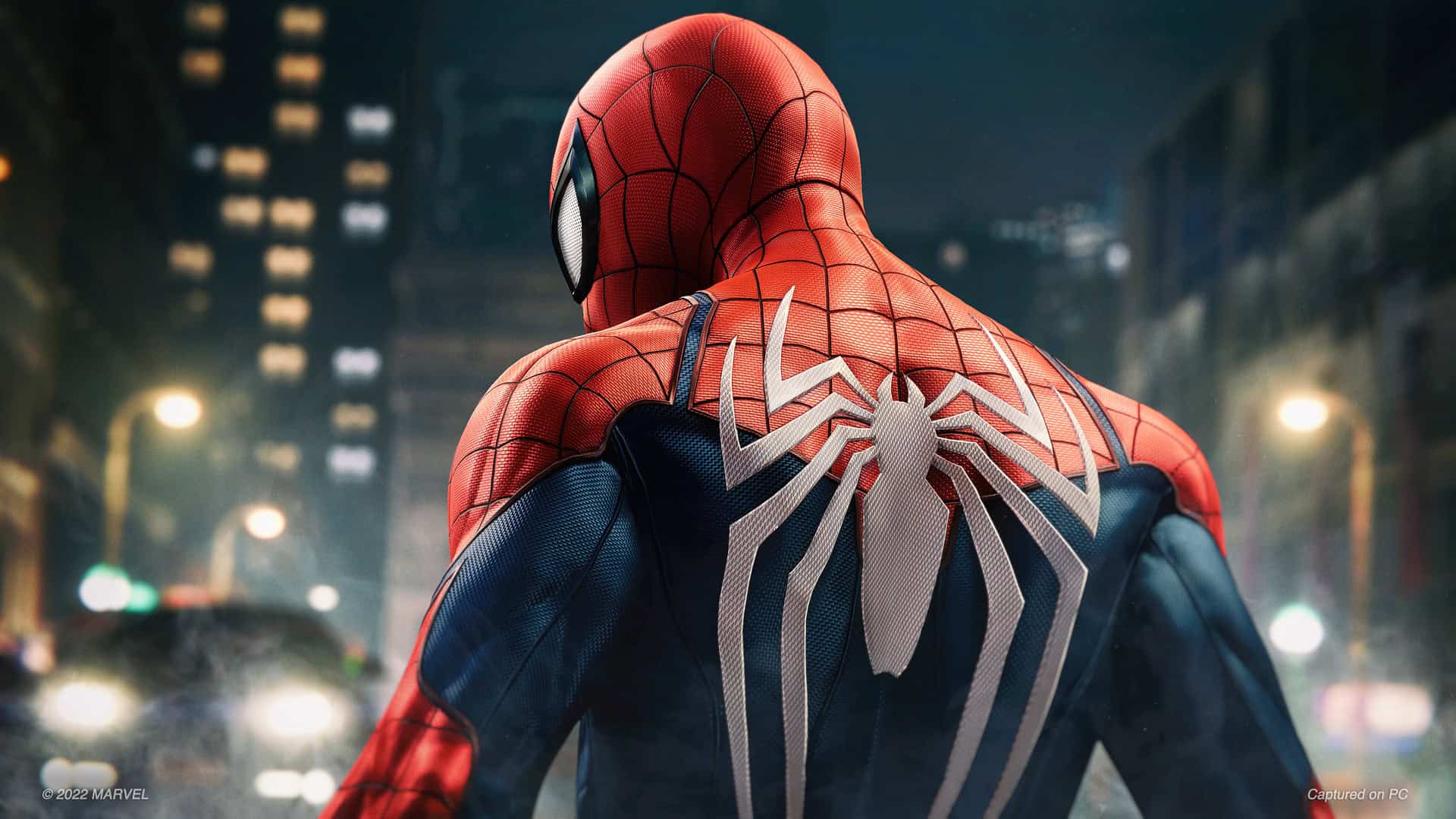
As a final point, similarities to the live action version of the superhero continue with the suit Spider-Man sports in the game. Although the hero starts off with an instantly recognizable red and blue suit, he upgrades to a version of the suit with white detailing including a large spider logo, after Otto Octavius seemingly discovers Peter works for Spider-Man and suggests some upgrades for the suit. White outlines cut through the red and blue sections, giving it a more updated look, ‘Greater’, as the game’s slogan suggests.
The giant spider symbol instantly reminded me of The Amazing Spider-Man movie, which also used a big spider symbol on the hero’s suit. The lenses Spider-Man sports in-game are also very reminiscent of the Marvel Cinematic Universe version of the character, with mechanical lenses that expand or retract to allow Spider-Man to be more expressive, like he is in the comics. Even the beginning of the game showcases a mask flipped inside-out, revealing circuit detailing along the inside just like the suit featured in 2017’s Spider-Man: Homecoming.
All in all, Insomniac Games took notes from different Spider-Man media across the hero’s 60+ year history, collecting specific characters, plot points, game mechanics and design concepts then adding them to a brand new offering capable of making fans feel an instant connection with Insomniac’s iteration of the iconic character. This, to me, makes Marvel’s Spider-Man feel like the ultimate adaptation of the web-head. It includes something for everybody, from long-time Spider-Man gamers, to newcomers who only know the movies, and even new gamers unfamiliar with any of Spider-Man’s past adventures.
Whether you like the movies, comics, or previous Spider-Man games, you will find something in Marvel’s Spider-Man that will take you back, and it’s just enough so you can appreciate the thought and legacy that went into the creation of this game, without overdoing one same thing for nostalgia or straying too far from the essence of the character. “With a great power comes great responsibility” is a phrase Insomniac Games got right. They treated the legacy of Spider-Man with responsibility and respect before they even knew the power they held at making Marvel games. I can’t wait to see what they do with Wolverine.

 ObserverCrew Picks
 bserver
 bserver