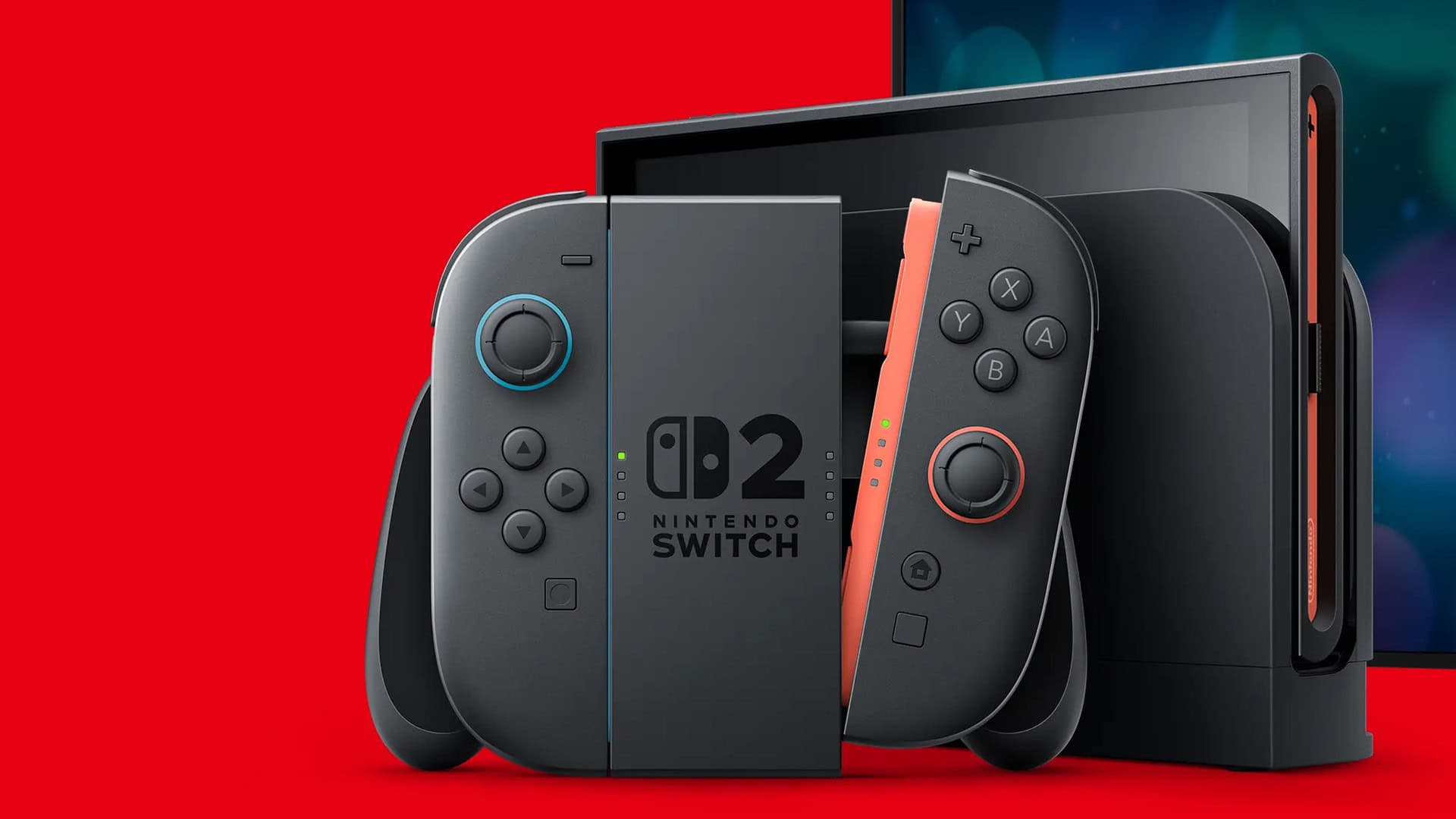
Nintendo has reduced the production of the Nintendo Switch 2 by 30% during the current quarter to adjust to lower-than-expected demand in the United States, according to a report by Bloomberg. The report, written by Takashi Mochizuki, says that Nintendo will produce 4 million units instead of the 6 million originally planned for this period, and this lower production level is also expected to continue into April.
While the console has been very successful in Japan, where it has even faced stock shortages at times, sales in other regions have slowed down after launch. In the United States, sales during the holiday season were 35% lower than the original Nintendo Switch in its first year (2017). Despite this slowdown, the Nintendo Switch 2 is still not considered a failure and remains the fastest-selling console in history, with more than 17 million units sold in its first seven months.

However, some worrying signs appeared during the holiday period, as Switch 2 sold more than the original Switch in Japan (2.43 million vs 1.77 million units) but less in the United States (2.3 million vs 2.82 million) and the rest of the world (2.27 million vs 2.64 million). This slowdown may be due to the higher price, economic uncertainty, and a lack of strong exclusive games. Even the success of Pokémon Pokopia, which received positive reviews and strong sales, has not changed Nintendo’s strategy, as the company appears to be waiting for more stable long-term sales.
Amir Anvarzadeh from Asymmetric Advisors also commented on the situation to Bloomberg, saying, “This hardware shortfall in its first year, during its big holiday season, is awful news. Clearly the software lineup has been poor, at least until most recently with Pokémon showing some hope.” It is also worth noting that this decision is not related to rising costs of components like RAM, as Nintendo president Shuntaro Furukawa previously stated that the company has a stable long-term supply and no plans to increase the console’s price.






 ObserverCrew Picks
 bserver
 bserver