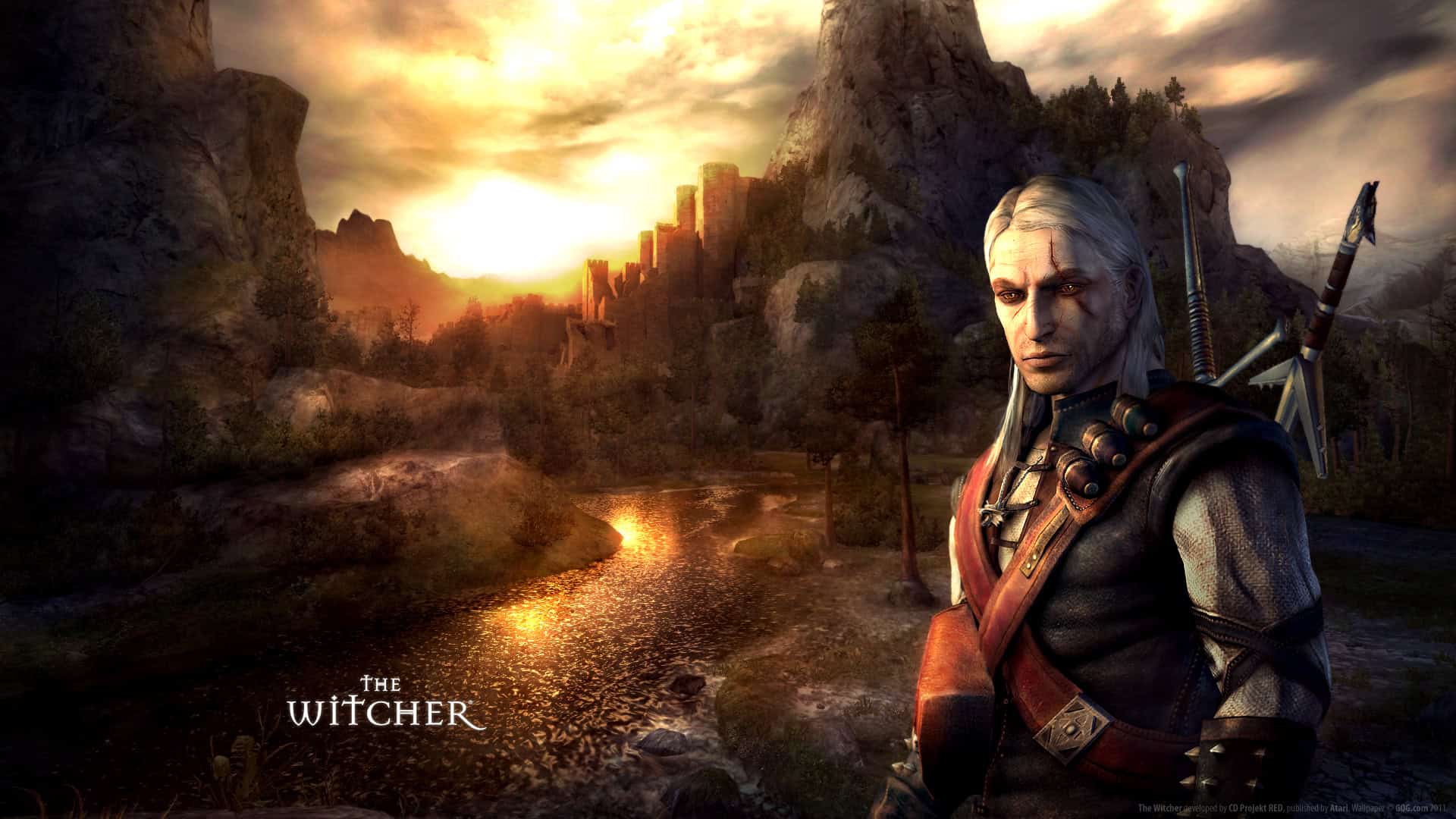
In an interview with Mateusz Łysoń for CHIP, Artur Ganszyniec—the lead story designer of 2007’s The Witcher—answered a couple of questions about the classic that began a generation-defining saga. It was always a kind of dark horse of the Geralt trilogy: built on an engine not entirely fit for the kind of game it is, and with many aspects that loom over it to this day. Ganszyniec provides plenty of valuable info on its development, as well as its most controversial aspects. We’ve translated the original interview from Polish.
With the already announced The Witcher Remake by Fool’s Theory (The Thaumaturge) in collaboration with CD Projekt Red, anyone who played the original is likely aware of how much could be improved. Ganszyniec himself says:
“With all due respect to the work of everyone involved, but in some aspects, it was basically a modding effort. We were a group of enthusiasts fighting against an engine in hopes of squeezing something new, something we wanted to create out of it, something for which we did not have a big budget.”
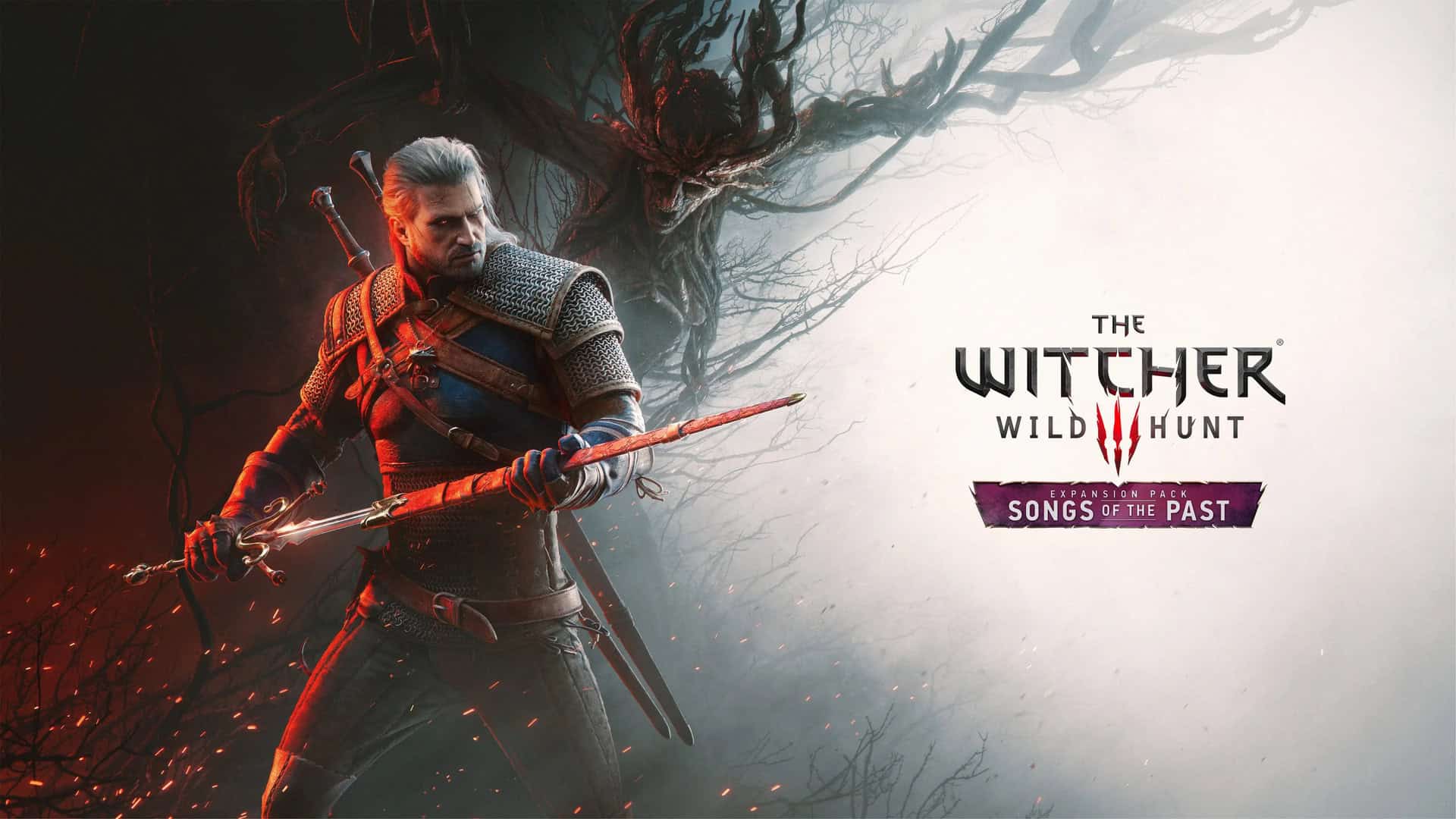
In an ideal world, the project would look a lot more like The Witcher 3. He says, “The Witcher 3 is spiritually closer to The Witcher we would have made if we had the time, money, technology, and skills. We didn’t have all that. We had Aurora, so we did all we could.” For those uninitiated, Aurora was an engine created for BioWare’s Neverwinter Nights and was licensed by CD Projekt Red to create The Witcher. It was legendarily difficult to work with for CD Projekt Red, and parts had to be rewritten for the purpose of the project.
If an ideal version of The Witcher is just like The Witcher 3, one might think that that’s clearly the best place to start with the remake. Well, it’s never that easy. The Witcher is defined by the circumstances of its creation, and, as a result, is designed in a way that would not mesh with open-world design without significant changes. According to Ganszyniec:
“If we opened the locations up, there would be more space, and if there’s more space, there needs to be more content. Immediately, the tempo and the scale of the project would be shifted. In The Witcher, many things worked because we knew exactly where the player would be at any given time. We could set up a trigger, fire up a scene, and make it so Alvin appears between the fields and the village. In an open world, we’d have to approach that completely differently.”
So it’s not as simple as turning The Witcher into an open-world romp. Indeed, as those who finished it might know, a lot of the game could be skipped simply by traveling to specific locations outside the city of Vizima. “In the fifth act, when the map revolves around Lake Vizima, one could ask a simple question: if it’s an open world, would I not have a boat? What’s stopping me from hopping on a boat on the outskirts of Vizima and swimming directly to the old manor?” Ganszyniec adds: “It might be exciting from the point of view of a player, but as a designer I can already feel my hair turning gray.”
An interesting dilemma that The Witcher Remake developers will have to face is the game’s status as an introduction to the character. Nowadays, The Witcher is omnipresent, so the idea of adapting the first game’s story, which focused so much on introducing the franchise to the world, is sure to prove an interesting challenge. Ganszyniec mentions that they could not have fully explored the characters of Ciri and Yennefer as a result, as well as due to budget constraints. This creates a confusing experience for book readers to this day, as characters from Geralt’s past just never bring up the two most important people in his life.
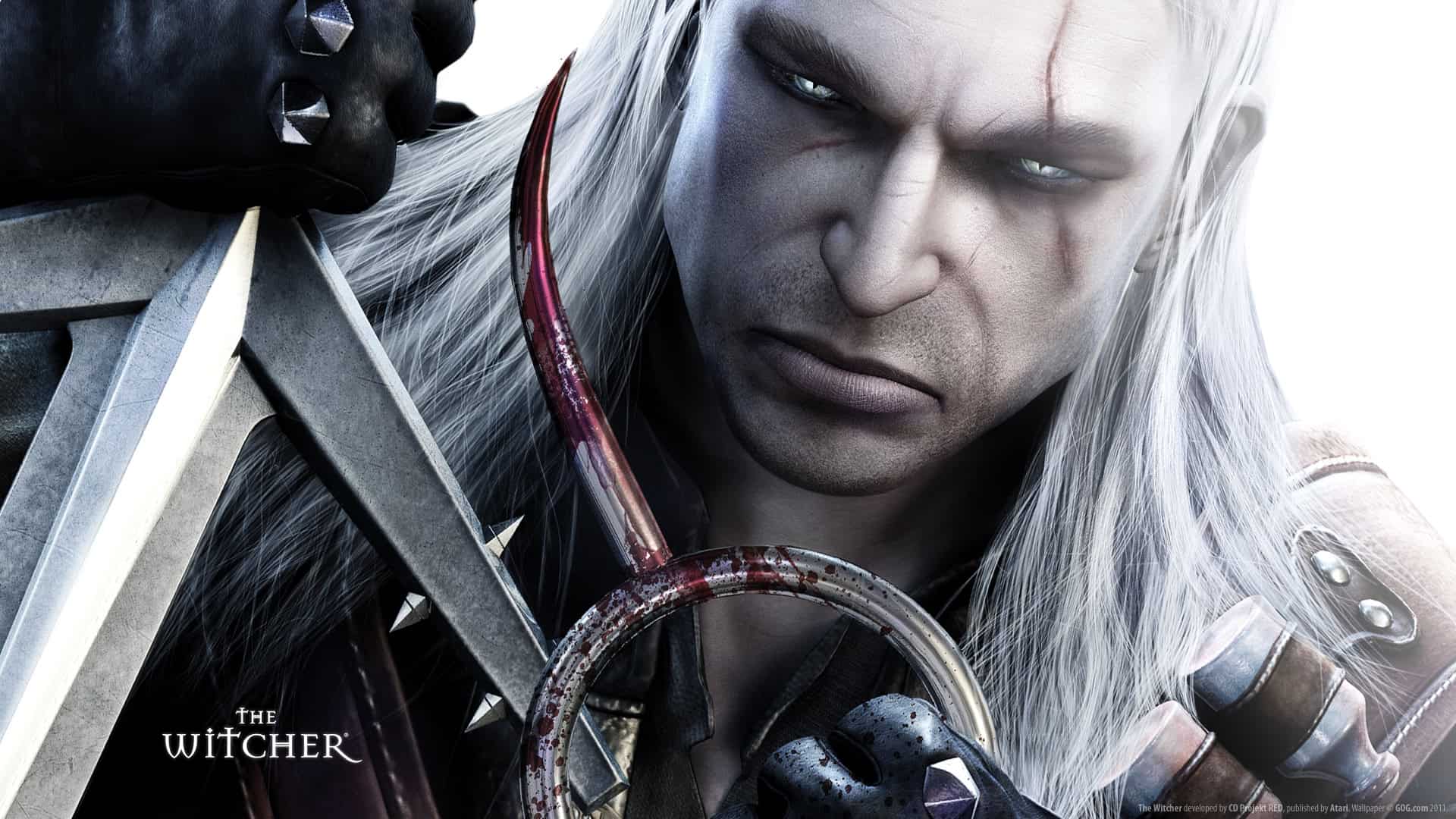
Clearly, the developers at Fool’s Theory have their work cut out for them if they were to try to capture The Witcher 3’s audience. Whether The Witcher Remake sticks to the original as closely as, say, the warmly received Gothic 1 Remake or deviates into the style The Witcher 3 players are accustomed to today remains to be seen, but it’s difficult to disagree with Ganszyniec on the fact that both have their own challenges. He says:
“It depends on the kind of story you want to tell. I see a slider between intense, cinematic action and a sandbox in the style of Baldur’s Gate, based around specific places and episodes. It all depends on the kind of game you want to make.”
“I like exploration. I like to walk around in games, see the world, spot a beautiful location, and try to reach it. In The Witcher 3, this kind of tourism is great. But if I get a solid story, great characters, solid dialogue, and engaging combat, I won’t miss the fact that I can’t go sightseeing. It’s just a different kind of fantasy”
Under a video for his playthrough of the game on his YouTube channel, found here, Ganszyniec describes the things he’d want to see in the remake as a player. He thinks removing the infamous romance cards would be a plus, would like to see better level design, a redo of combat with an inclusion of crafting, improvements to the most rushed parts of The Witcher. One thing he wouldn’t change is the story. The aforementioned circumstances surrounding the lack of key characters within the universe allowed something unique to take shape, something that’s undoubtedly worth revisiting. He’s very aware of the faults of the original game and is clearly hopeful for the remake. His unique point of view allows for a look into the key areas that the remake should tackle.
To get the latest news on The Witcher franchise and the first game’s remake, stay tuned to GameObserver.


 ObserverCrew Picks
 bserver
 bserver