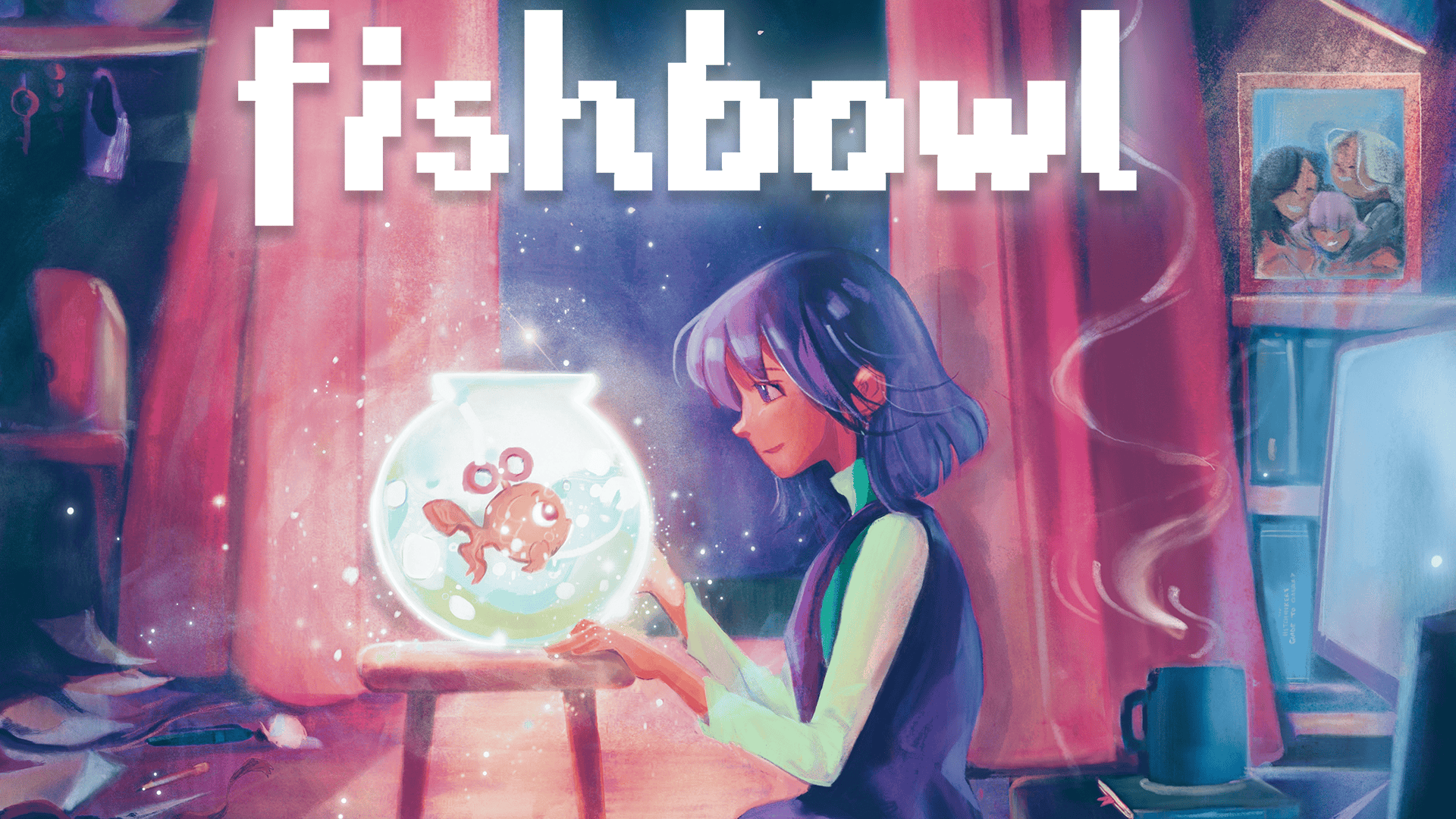
Fishbowl is an interactive visual novel developed and published by imissmyfriends.studio. You are Alo, a young woman who has recently lost her beloved grandmother. Living in an unfamiliar large city and forced to work from home due to a pandemic, Alo is struggling to deal with her feelings. Her mother is sending her packages with items belonging to her grandmother, with one item being a toy fish named Paplet. With Paplet’s help along with Alo’s friends, family, and co-workers, she slowly regains a positive outlook on life.
Alo must deal with a new work environment with colleagues she’s barely met due to social distancing rules. She also carries great self-doubt after attending college and only getting her current job offer after countless rejections. Coupled with the loss of her beloved grandmother, Alo enters the workforce with significant unease. Fortunately, she’s not completely alone as her mother and best friends check in regularly. Alo’s colleagues also offer their support while helping her adjust.
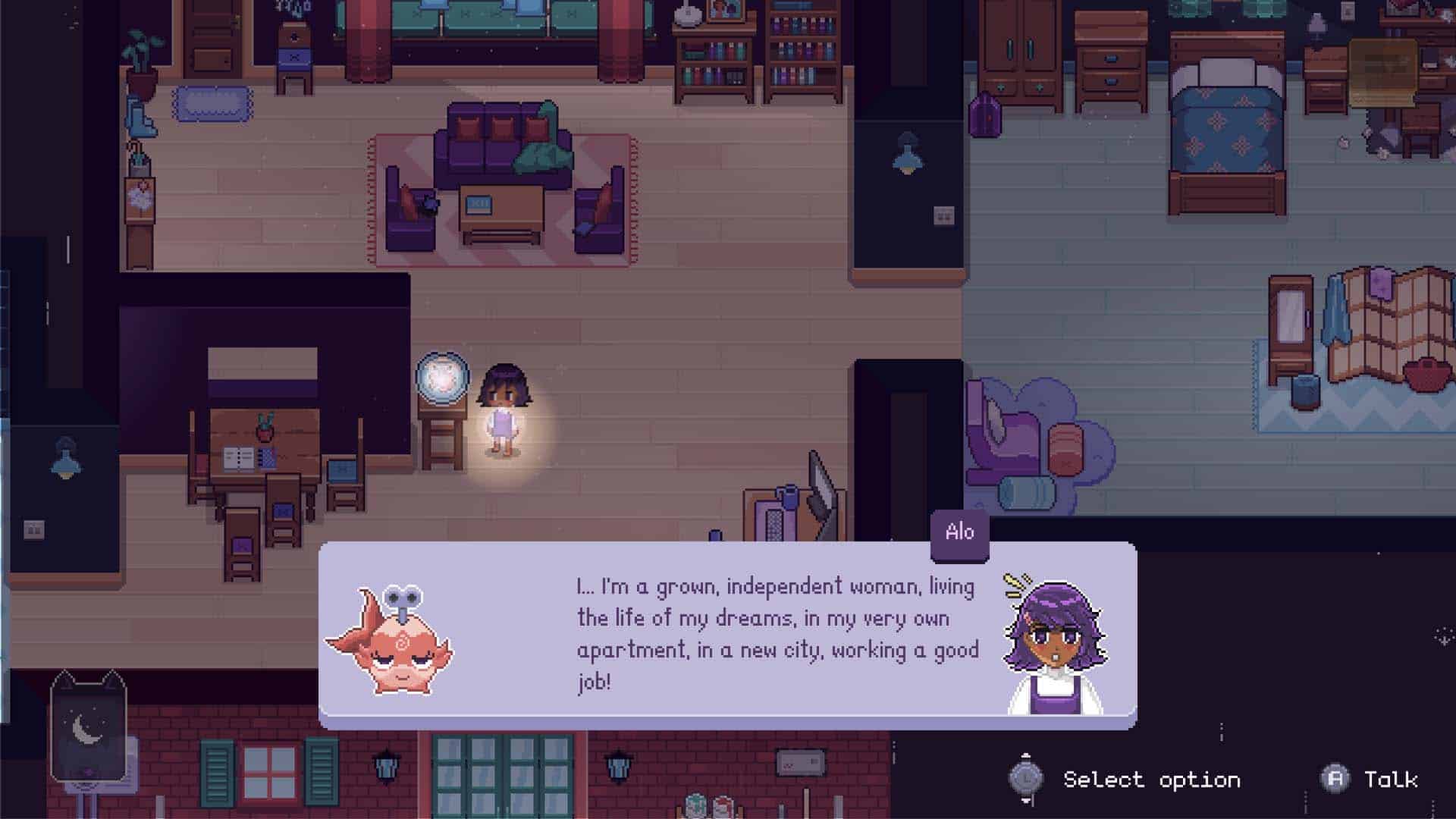
Fishbowl deals with sensitive content related to grief, isolation, loneliness, and the death of a loved one. It doesn’t hold back on the emotional punches, with Alo struggling to find any joy in her life. Her family, friends, and colleagues are also dealing with problems of their own. It’s not until Paplet arrives that Alo can attempt to regain her footing and rebuild her life. Or she can give in to the negativity and stumble along the way before she even finds some optimism.
Anyone who has been in Alo’s shoes can sympathize with what she’s going through. From losing a family member who’s been a big part of your life to constant job rejections, these events hit hard. Fishbowl does a fantastic job of showing the emotional troubles Alo is going through, making her wonder if she will ever get better. When you get to know other characters and their troubles, you can relate to some of their struggles as well. This helps make the story more immersive as you realize everyone’s got their own problems and deals with them realistically. No one has a magic answer but they do what they can with the situation given to them.
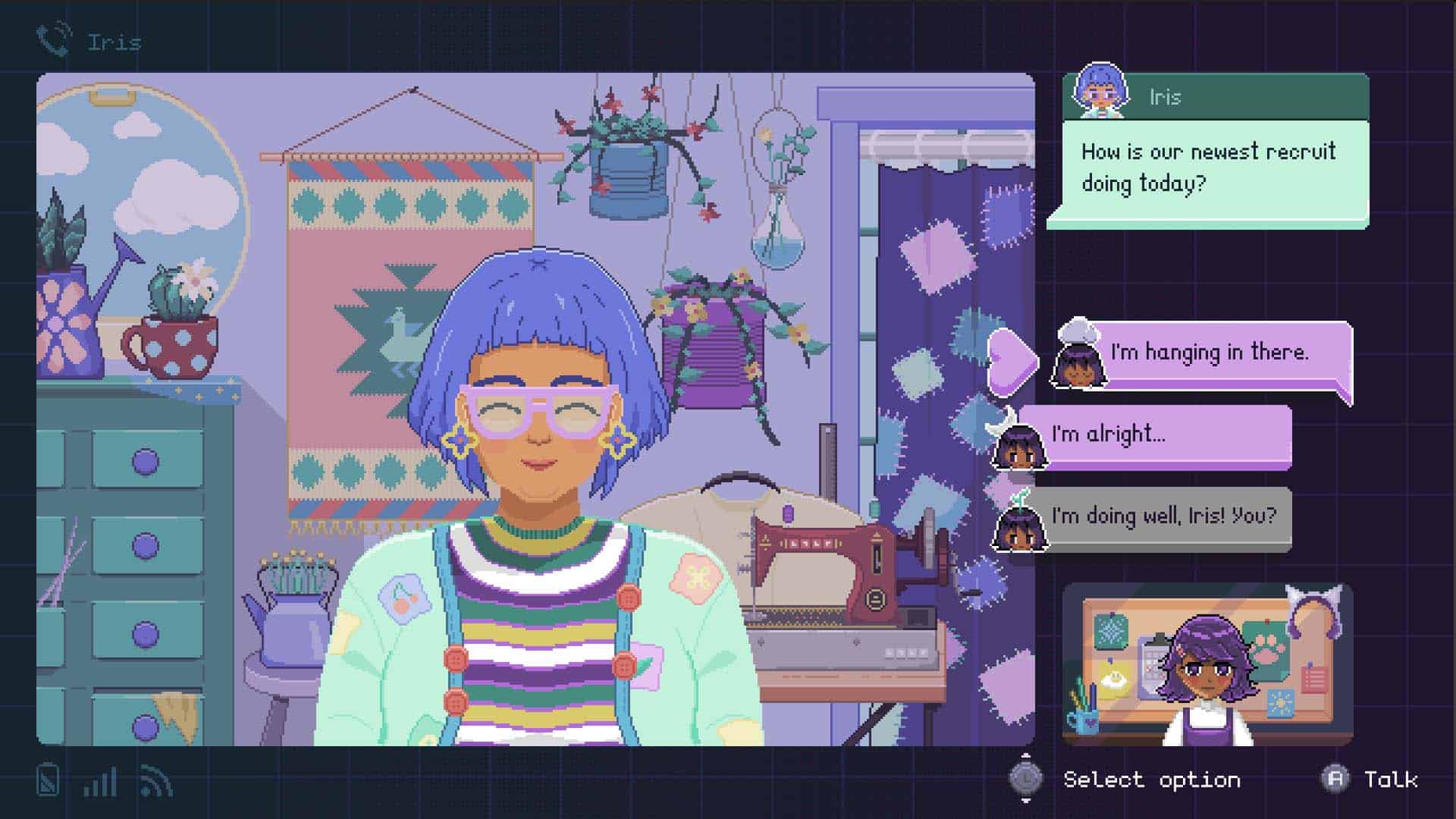
There are no bad endings, but what actions you perform influence the outcome. Alo starts the story bordering on the negative side but she’s still got some optimism. Depending on your choices and actions, Alo can embrace Paplet’s help and start to become more positive. But you can also make Alo struggle to find any happiness and Paplet also struggles to help her. This isn’t meant to make you cruel, but rather investigate different outcomes depending on Alo’s well-being.
For example, the game won’t let you pick optimistic or confident choices in the beginning since Alo’s too upset. But you can help her take care of herself, treasure memories of her grandmother, and accept Paplet’s assistance to be happy. This unlocks those confident choices, showing how Alo is recovering. Conversely, you can select negative options and forgo Alo’s self-care to simulate someone struggling to come to terms with everything. This traps Alo’s choices into neutral or negative, preventing her from properly assisting her friends or seeing any happiness.
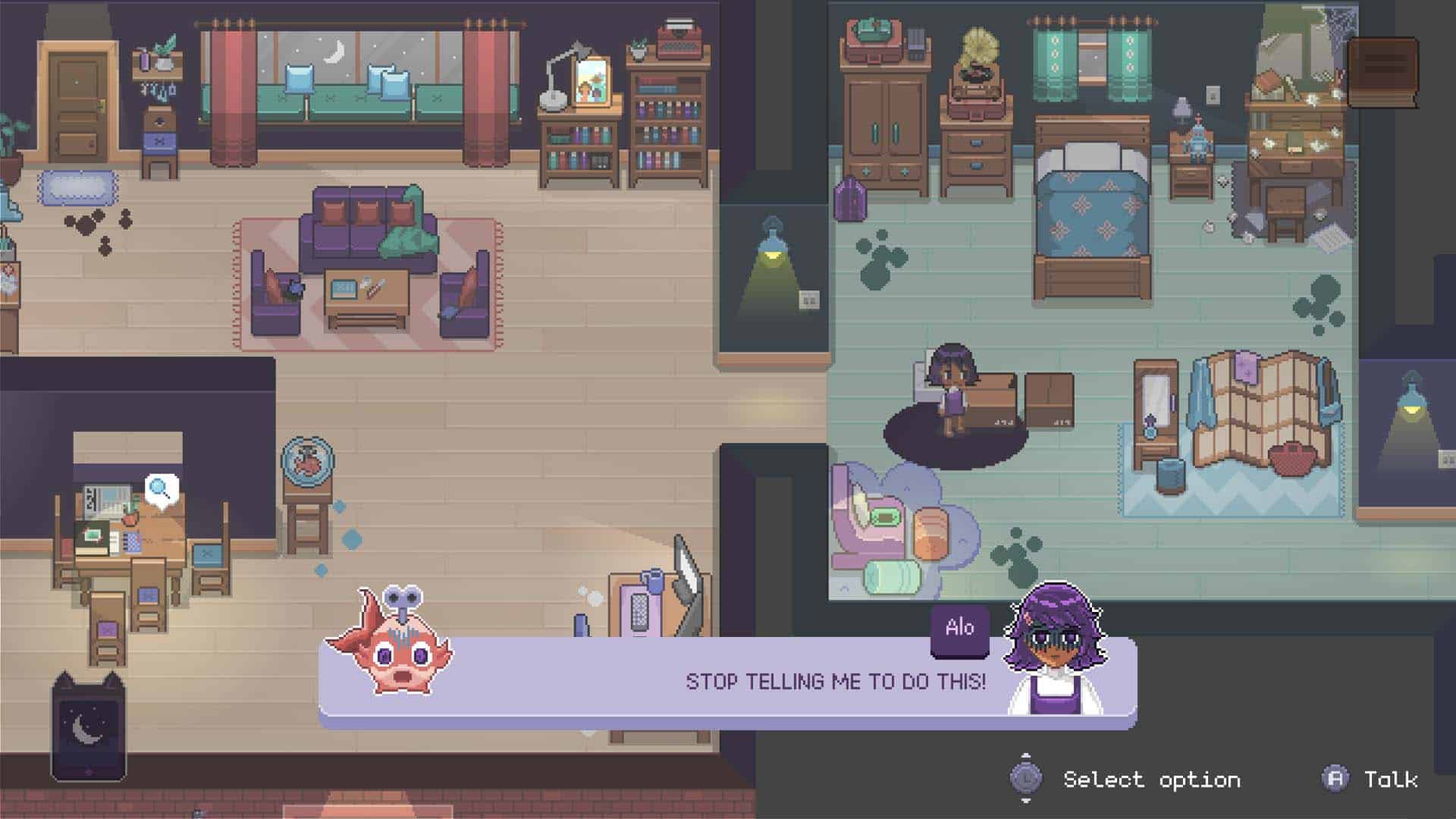
No choice is incorrect even if you feel like forcing Alo to be negative takes deliberate work. It’s a chance for you to put yourself in Alo’s shoes and dictate how she would react, boosting the immersion. Alo always recovers but deciding how she regains her self-confidence drives will your interest in the story. Even at her worst, you can’t help but hope that she finds some way to improve.
Other characters also get a chance to shine, especially Alo’s mother and best friends. Even Alo’s colleagues are going through struggles of their own that many people can relate to. Characters revealing their insecurities and struggles over time fleshes them out and makes them relatable. Alo even has the chance to help either by being a good colleague or assisting her friends. It reinforces the idea that everyone has their own circumstances, but they still want to help each other.
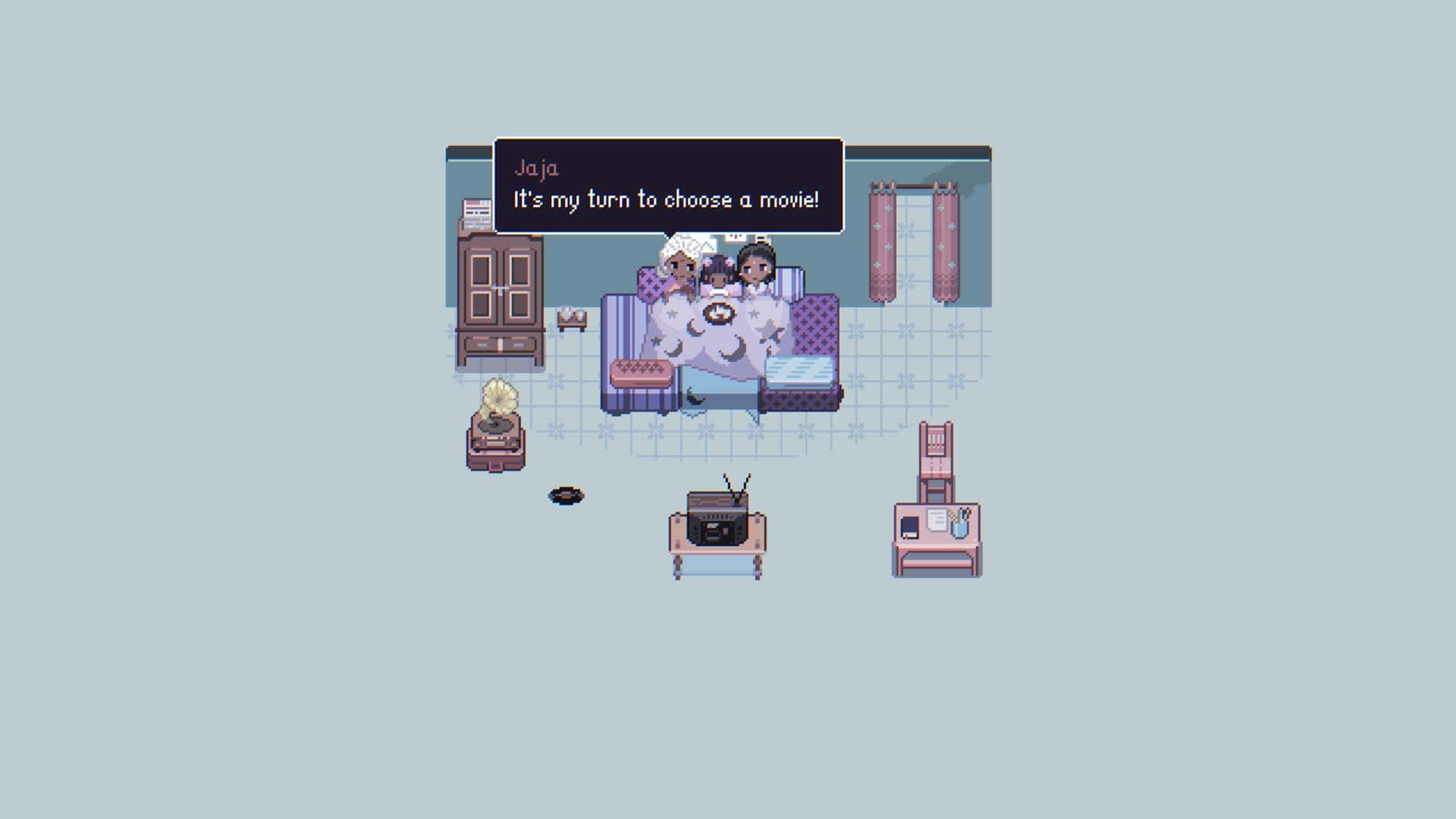
The story does have one weakness and that is the repetition of Alo’s actions. While diving into memories and speaking with others is appealing, most of Alo’s life quickly becomes routine. If you are helping her develop good habits, you repeat the same actions day after day. Even doing your job becomes repetitive as it’s performing the same actions and sometimes editing multiple clips. You don’t have much to break up the monotony until about midway through the story and even that isn’t much. While the story is powerful enough to keep you playing, the repetition is noticeable towards the middle of the narrative.
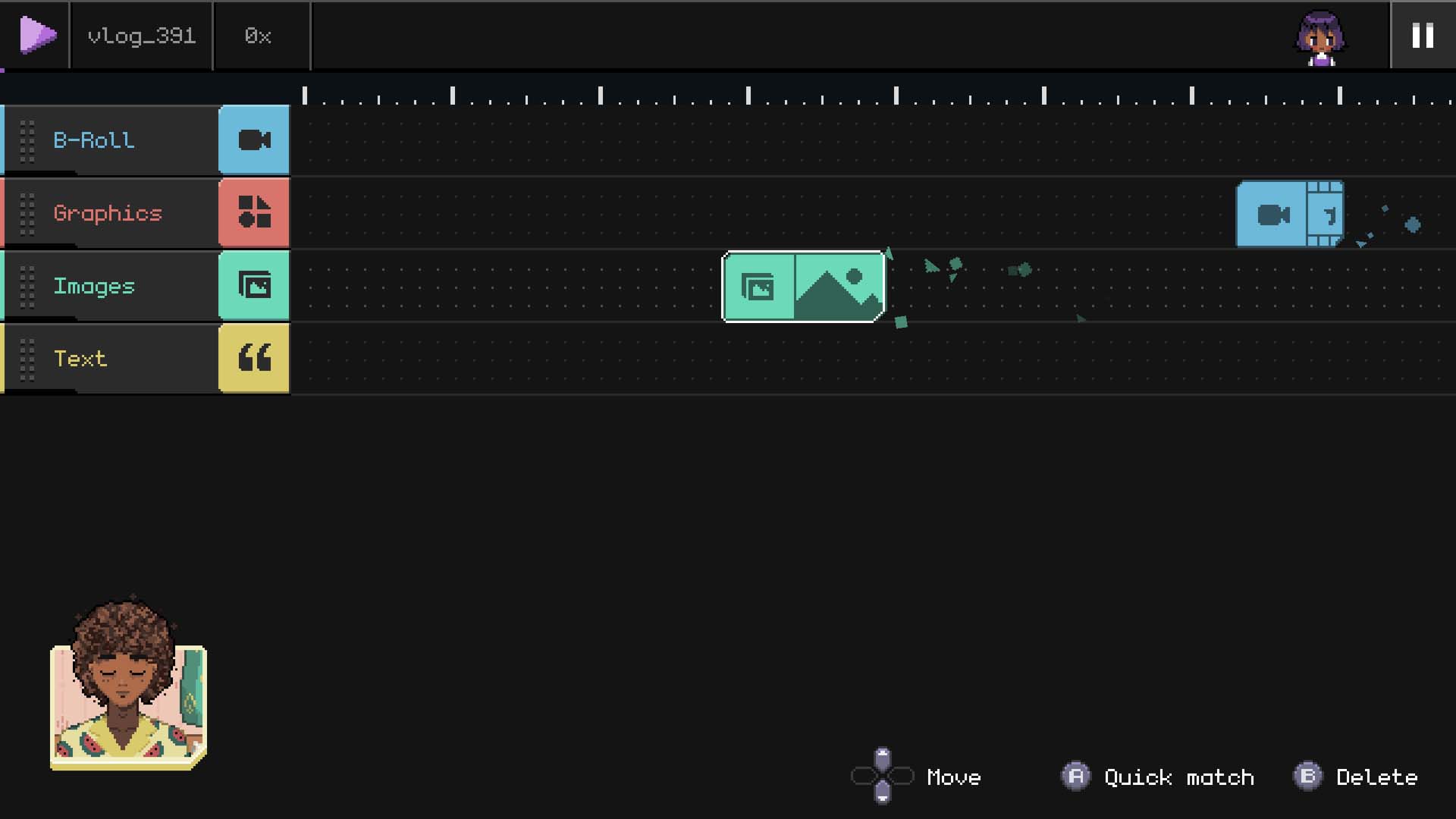
You follow Alo’s life over a month as she manages probation at her new job while trying to support herself in a world of social distancing. She’s a junior video editor and your task is ensuring file types are matched into the right slot. Her success at this mini-game influences her job prospects and her mental state, along with her colleagues’ success. It’s not difficult to learn and there are several “abilities” you gain as the story progresses to make it easier.
Alo also gains several packages belonging to her grandmother that she sorts through. They contain memories and belongings that Paplet uses to spark reminders of happy memories. It’s a sorting puzzle where you must move items out of the way to reveal something buried underneath. None of the puzzles are difficult and there’s plenty of room for mistakes. You can also adjust the settings to slow down the video editing or remove the sorting puzzles, which may help to keep your focus on the story without stressing you out.
Unfortunately the puzzles also fall into the repetition trap as there is a lot of video editing and unpacking. While you can remove the unpacking puzzles, you must still edit videos because they are vital to Alo’s well being. That’s a lot of chances for Alo to prove herself to her superiors at work but it eventually becomes monotonous. Alo developing a routine is a positive, but the lack of puzzle variation may damper your interest in the story.

The story’s emotional narrative tugs at the heartstrings as you may relate to Alo’s loss and her struggles. Choosing different options and actions lets you influence her journey, seeing different ways of encouragement and support. Seeing everyone’s struggles and decisions gives them more nuance and involves you in their life. However, there’s repetition from daily activities and puzzles that may damper your interest in the story. However, Fishbowl provides an emotional and relatable journey that stays with you long after the game ends. You shouldn’t miss this story if you can help it.
Victor reviewed Fishbowl on PC with a provided review code. This review is based on the version of the game available at the time of writing and our score will not be changed.
- Score
- 9/10 Outstanding - Victor Recommends
- Summary
-
Fishbowl is an emotional and relatable journey that lets you know that your feelings in hard times are valid.
- More
- GameObserver's Review Policy




 ObserverCrew Picks
 bserver
 bserver