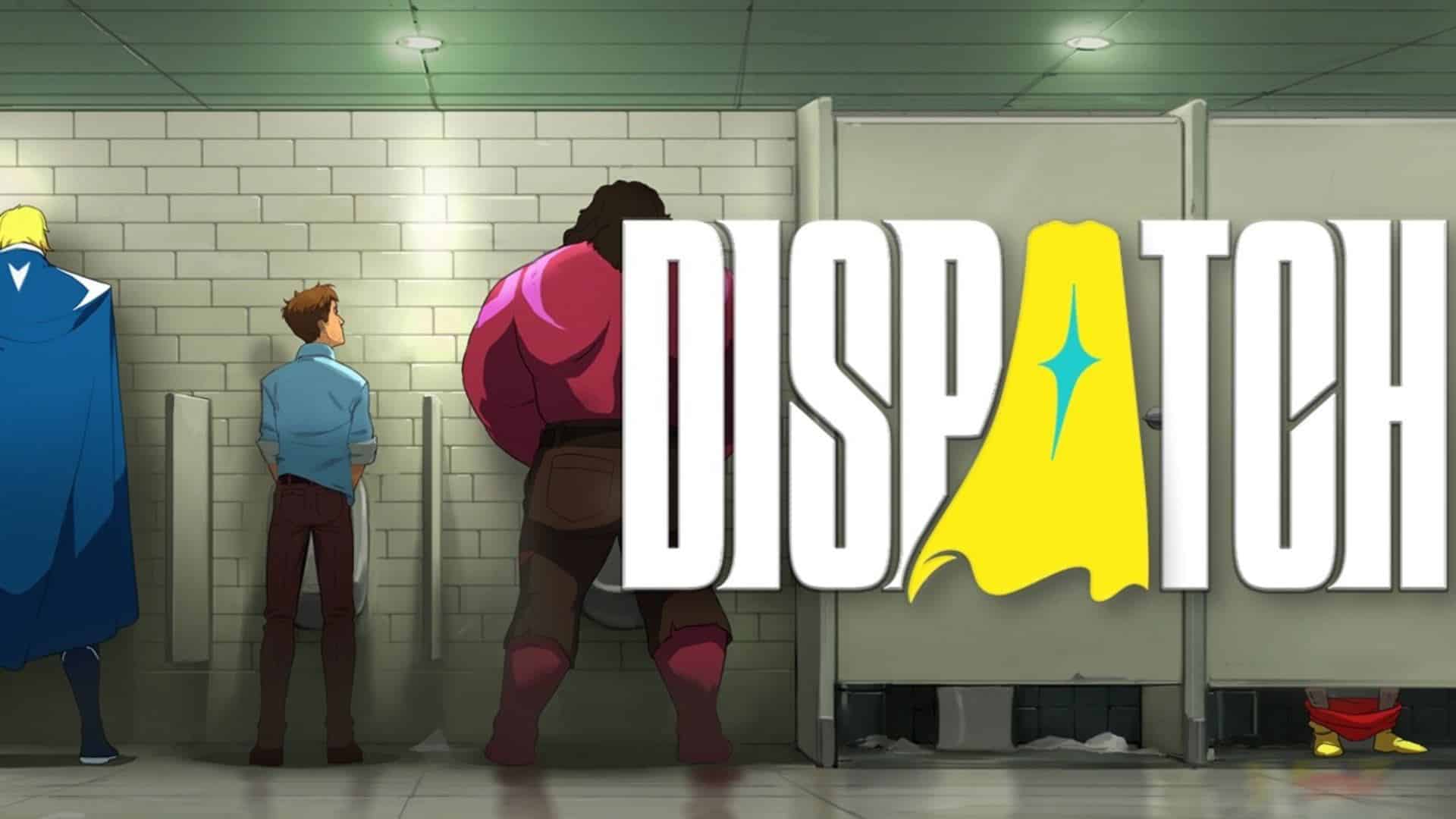
The month of Dispatch’s weekly release was one of my favorite times on the internet in many years. See, the rise of gaming video content as we know it is inexplicably linked to the style of game Dispatch is part of. In particular, Telltale’s The Walking Dead, which Dispatch‘s directors, Nick Herman and Dennis Lenart, worked together on at Telltale, along with The Wolf Among Us and Tales from the Borderlands. Since the days of forums are long gone, gaming communities primarily coalesce around competitive environments. You, of course, get a booming singleplayer title, but it is hard to feel like part of the moment when you jump in a week late, and half the people you talk to have already beaten it.
Telltale games, with release schedules that had you waiting months, certain that more is to come, naturally grew communities based on shared experiences, on reaction content that is now so popular. By the end of a season, you may have watched a dozen reactions to any one choice or outcome. Seeing the modern toxicity of social media and in-game communications, we were owed a Dispatch. Good thing it’s here, and good thing it’s good.
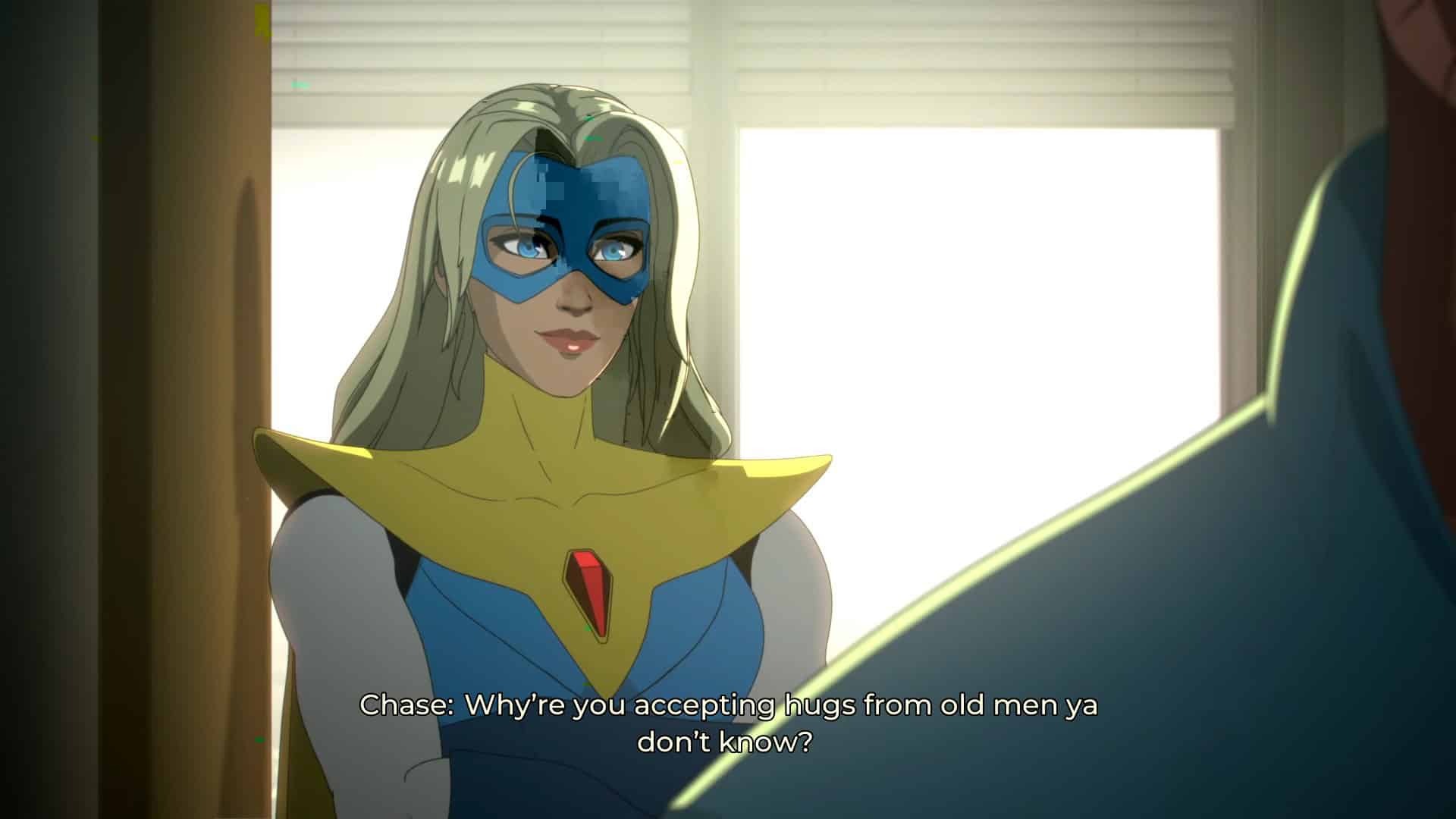
Developed by AdHoc Studio, Dispatch is one of my favorite games this year, but it is clear as day that the final version ended up quite compromised. How exactly and how much is unclear, but, for example, in the first two weeks, I faced severe artifacting in the form of these huge green pixels. Turns out that the cutscenes in Dispatch are all just video files being played as opposed to animated in-game models. The only game to speak of is the titular dispatching.
Robert, a hero who went by Mecha Man, loses his suit chasing his father’s killer. In order to get it repaired, he takes up a job at SDN: a company responsible for assisting its subscribers in tasks ranging from rescuing a cat from a tree to stopping a giant monster from rampaging on the local beach. His team consists of villains who signed up for a rehabilitation program, each specializing in one of five stats.
Dispatching replaces Telltale’s signature point-and-click exploration. This simple management sim has you make decisions based on keywords in the description of each situation and leave the rest up to chance. Results can be influenced by guessing what kind of character would work best, as well as sending out heroes whose signature skill can singlehandedly take care of a situation. Largely up to chance, but with enough involvement to feel satisfying for those paying attention.
As a result of all this, Dispatch is a lot shorter as well as snappier—a good decision given the fact that the team clearly wanted to keep it short. On release, there were quite a few possible issues that could arise, from softlocks during the occasional hacking minigame to improperly activating special abilities, making it once again clear that Dispatch barely reached that finish line. Still, that length makes the game feel more like a TV show on your first playthrough, wrapping up in a nice eight to 10 hours. This approach also, however, leaves plenty unexplored.

The short length makes for a rare, genuinely enjoyable replay of a narrative game from a gameplay standpoint. The choice to make each one reveal certain plot points or motivations earlier than others makes for a great, cohesive feel that makes these characters feel just a tad more independent. There are still plenty of holes to poke at, and this becomes especially apparent on that second playthrough. The more you play, the less interesting it is, until all that is left is its comedy angle. Still, there are also moments of newfound appreciation for even making this work. In a way, all this results in Dispatch retaining some of that non-AAA weirdness and scrappiness that I find appealing, perhaps to a fault.
Telltale is mostly known for its drama, where you have to decide on the spot as the timer runs out. Dispatch, instead, leans way more into a comedy angle, with mostly light drama choices. There are major decisions to be made, but you rarely get to see their aftermath in a way that one may want while reminiscing about the best work of the people involved in making it. You have directors of some of the best this genre has to offer, and in the second half, the game just screams to let these characters have more room to breathe.
It does excel at highlighting the genre’s best approach and countering its biggest criticisms in the past. Though fondly remembered, the most common complaint you’d hear about these games is the “illusion of choice.” With a shorter runtime, Dispatch actually manages to make its biggest choices feel quite meaningful by introducing the repercussions fairly soon. The combination of these choices leads to scenes that, although often clearly crafted in a way where two scenarios are possible, feel more impactful than some big deviation points from titles of the past.
More importantly, however, Dispatch highlights the value of roleplaying a pre-existing character within a limited playground. You can play as different “types” of Robert, but ultimately, it is just Robert, who operates within two or three possible scenarios he’s comfortable with. The tension between a player and the character they are trying to steer in the right direction is an enriching experience of its own, as long as the player allows it to be a genuine part of the whole thing rather than an inherent fault it is often made out to be. The best part is watching the universe react to the personality you choose to go for, rather than shaping the universe through one character’s simple choices, even if they are your character.
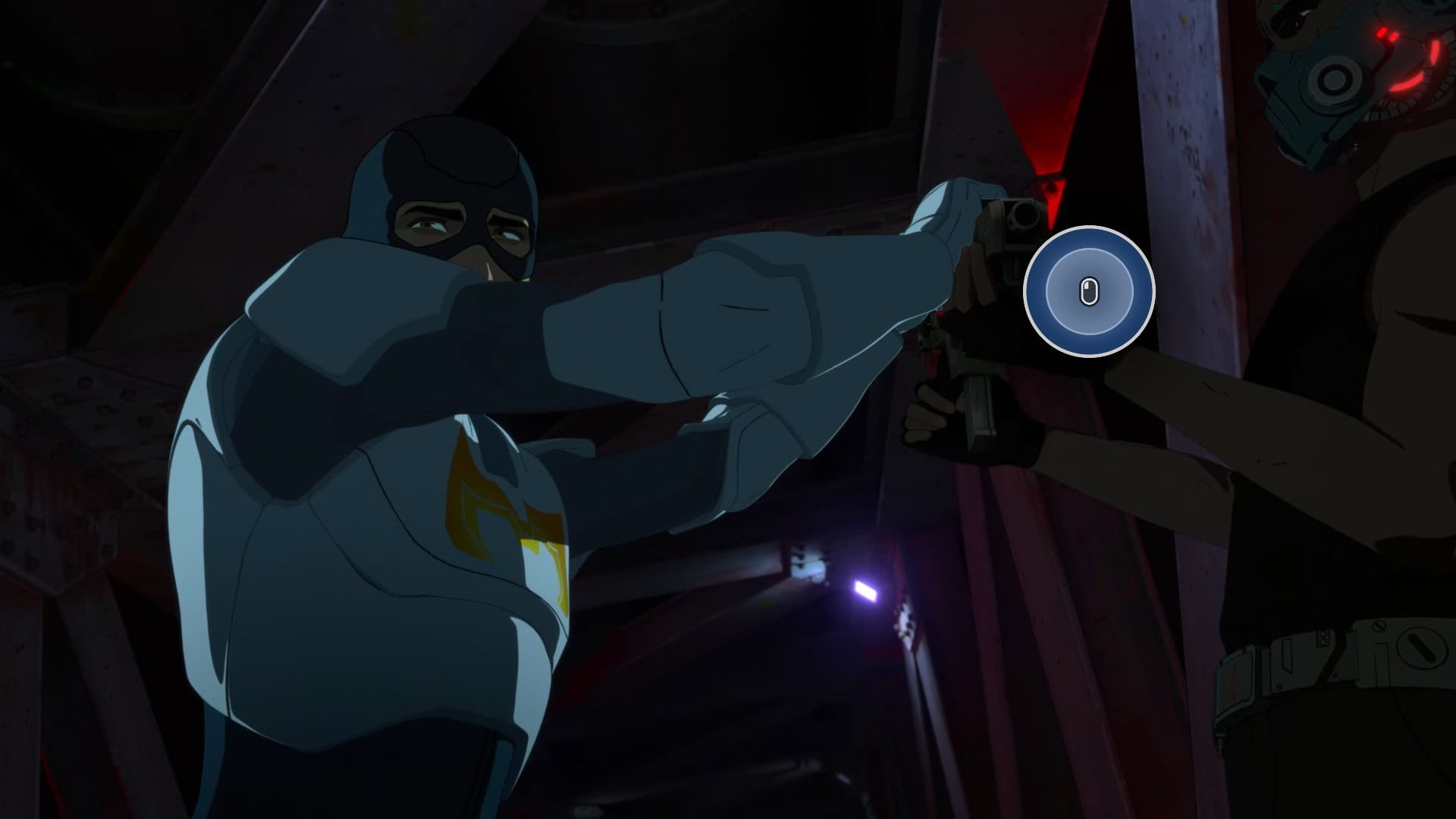
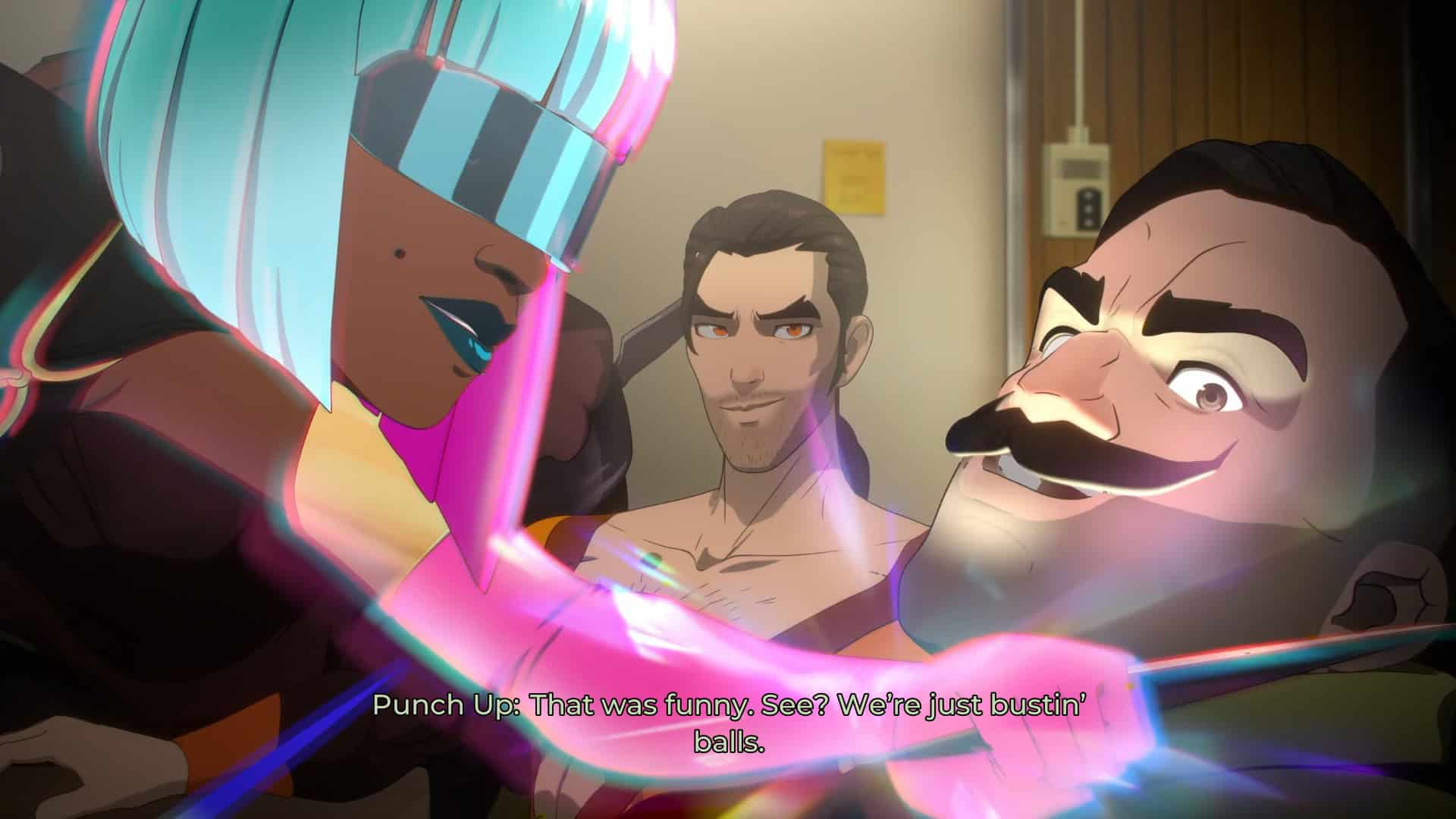
This, you will get here in overabundance. I may have issues with the script, but Dispatch completely overdelivered when it comes to its presentation. Everyone nailed their character here, with a wild mix of celebrity, professional, influencer, and debut voice actors that are all providing the most charismatic performances you will hear all year. Excellent timings, perfectly silly inflections. It shows that these roles meant a lot to a lot of people, and that voice direction was always at the forefront of the project. Even this type of crude, quippy humor, which I grew to abhor in the past years, can be a great boon for a game as long as the dedication is there. A lot of moments that would be low points in other scripts ended up as my favorites of Dispatch.
As much charisma as there is, it does feel like Dispatch is unsure whether people would be interested in it enough to dig deeper. It comes off as if it intentionally kept fundamental issues within the setting hidden very far in the background because it knew it could not do them justice, and instead banked on the voice performances to keep you engaged. And honestly? It surprisingly worked. The audience that loves Telltale or these kinds of comedies is all over it, even some who have long abandoned hope for either are singing its praises. Count me as one of them, and I have high hopes that people who brought us some of the most devastating stories of the past decade can do more with all this in the future.

Dispatch feels like a miracle in some ways, and a disaster in others. With some time behind us and the game receiving all the praise and accolades it hopefully needed in order for AdHoc to gain the moment required to keep going, I think it is fair to say that what Dispatch desperately needed more of is more Dispatch. With such a short runtime and so many plot points glossed over, it remains an incredibly charismatic workplace comedy, but what feels like an unintended, compromised state of the final release ultimately removes it from the conversation of all-time greats.
Mateusz reviewed Dispatch on PC with a provided review code. This review is based on the version of the game available at the time of writing and our score will not be changed.
- Score
- 7/10 Solid - Mateusz Recommends
- Summary
-
Dispatch is a great workplace comedy that cuts itself short by putting its world and many characters on the back burner, focusing instead on its incredibly charismatic voice cast. Surprisingly though, it works.
- More
- GameObserver's Review Policy