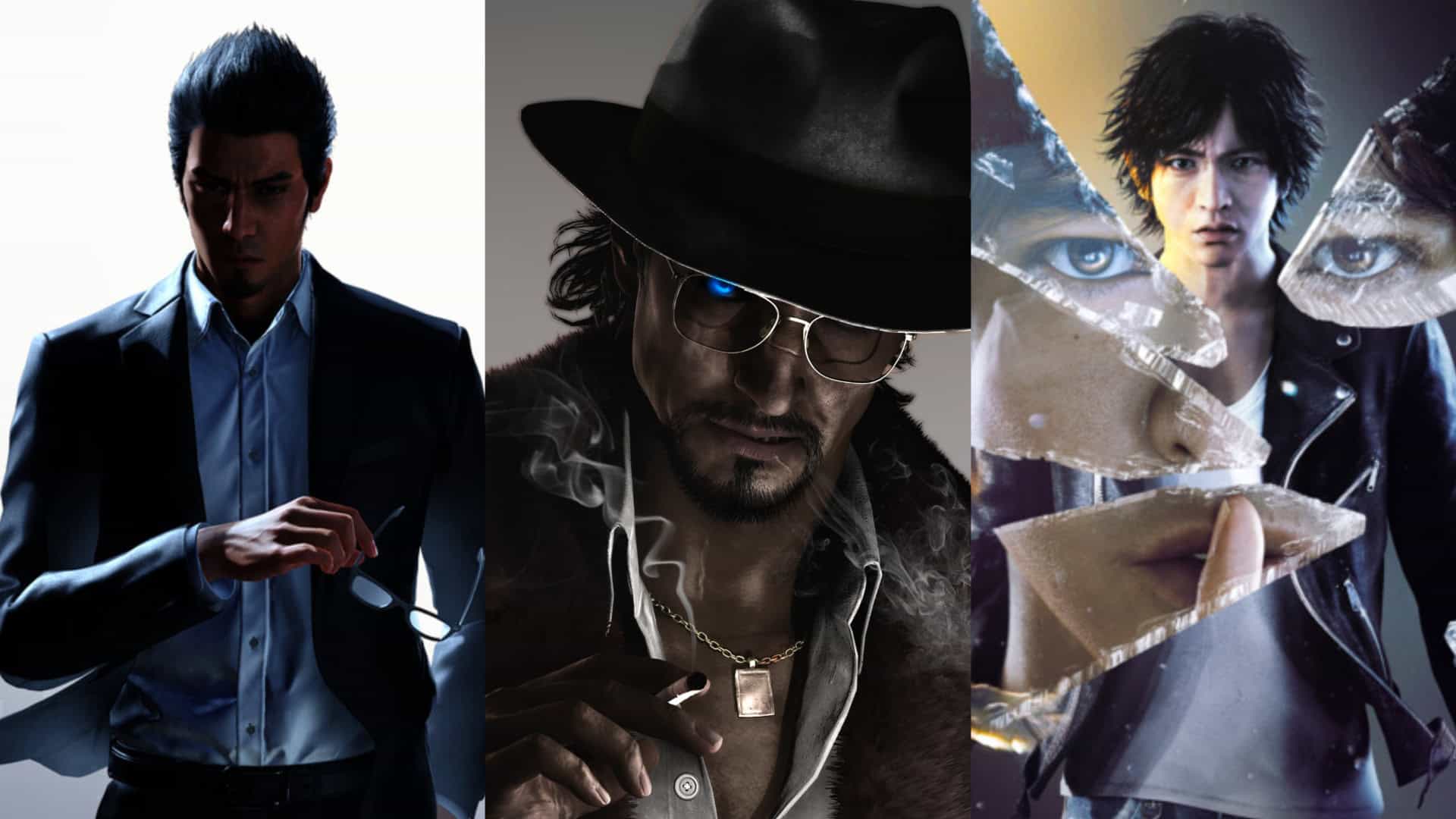
There’s a certain mood that only a Yakuza game can replicate: the lively streets of Japanese cities, the uniqueness of Japan’s countryside, and the melancholic moments of a protagonist smoking and drinking whisky at a Japanese jazz bar. The Yakuza games have many powerful moments in these settings that stay with you forever, and they are memorable because of how well-crafted they are. These qualities can be found in even greater abundance in the series’ spin-offs, such as the Judgment games, and especially in Like a Dragon Gaiden: The Man Who Erased His Name.
Other spin-offs, however, such as Like a Dragon: Pirate Yakuza in Hawaii, or the most recent remake, Yakuza Kiwami 3, didn’t achieve that goal of having those memorable moments. Yakuza Kiwami 3 even had a lot of content cut from the original, clearly to ensure the game was ready in time for SEGA’s yearly release mandate. After these entries, I started to feel burnt out on the franchise, and I hoped SEGA would give RGG Studio a break from the series so it could come up with fresh ideas. So, when the latest showcase trailer for Stranger Than Heaven opened by mentioning the Tojo Clan, I was a bit disappointed that this wasn’t the case. But by the time the showcase was over, I was convinced that this is exactly what I had been wanting from the franchise, and what it needs, because it takes the strengths of the series’ best spin-offs and pushes them to new heights.
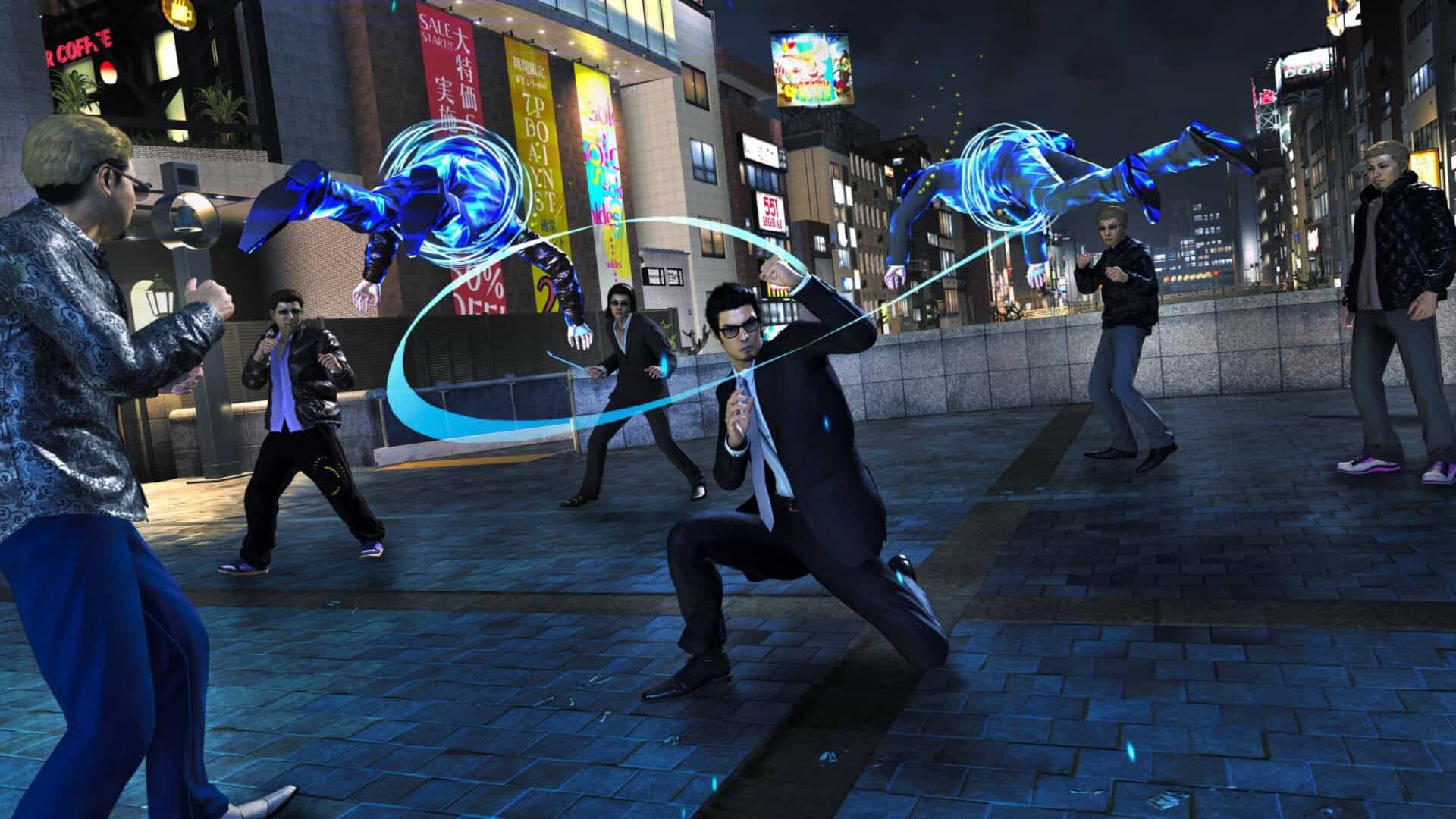
From its intro alone, Like a Dragon Gaiden: The Man Who Erased His Name sets its tone clearly: darkness, mystery, and melancholy. Everything about the opening cutscenes establishes the dark themes explored throughout the story. It also introduces new gameplay features, such as customizing the protagonist’s appearance, that feel unique to this game. Pirate Yakuza, on the other hand, while fun, completely ditches the traditional Yakuza atmosphere. Like Kiwami 3, Pirate Yakuza borrows too much from Ichiban Kasuga’s games, both in gameplay elements and tone. You can feel that it was made somewhat in a rush because of how heavily it relies on concepts from other entries. Gaiden took the smarter approach: while it moves away from the Yakuza business itself, it still feels familiar in both gameplay and story.
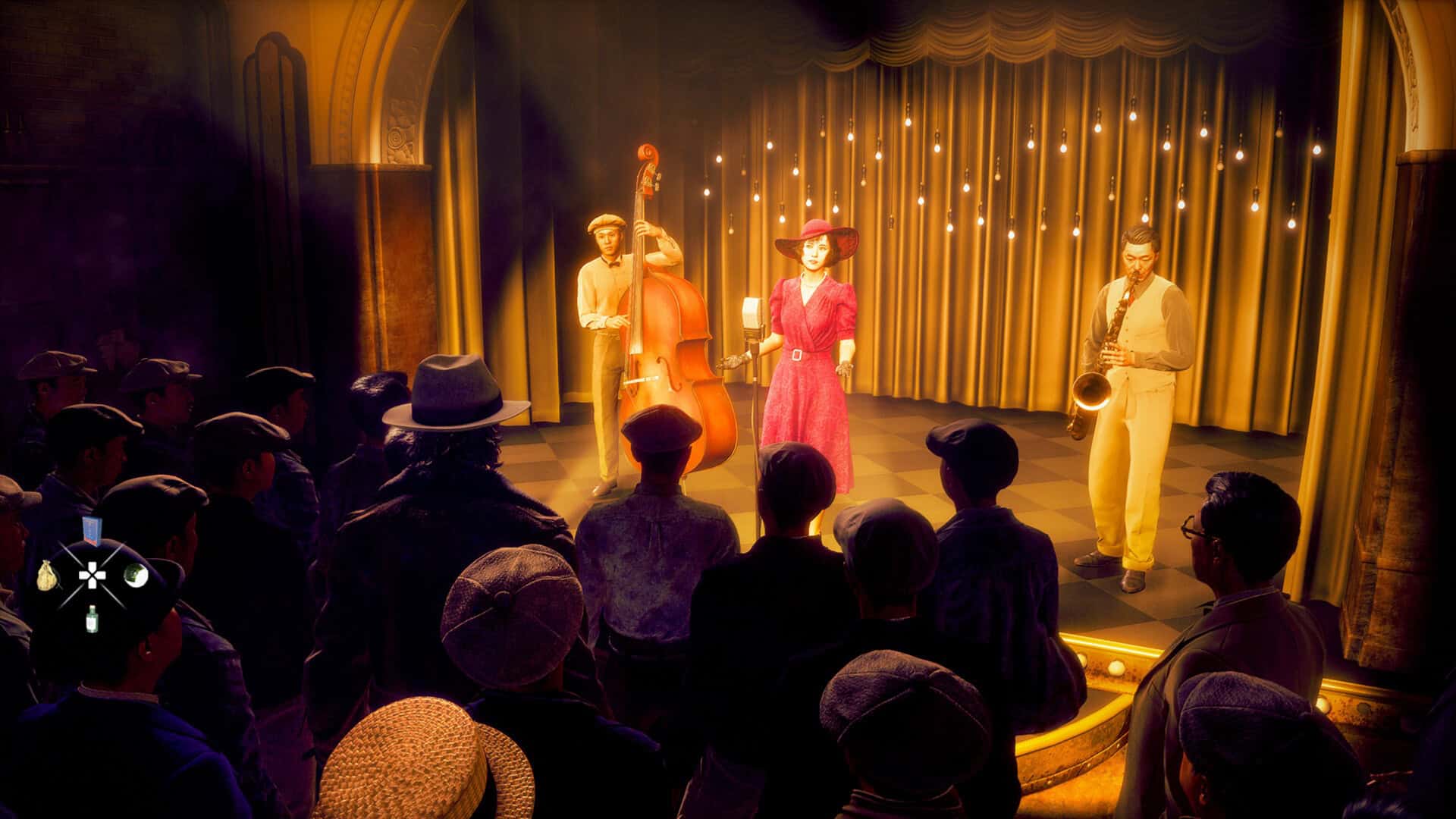
Stranger Than Heaven seems to be taking Gaiden’s approach to the franchise by embracing even more of the atmosphere of the early Yakuza games. It’s impossible to ignore the music, which is the best place to start. Like Gaiden, this title promises an incredible soundtrack right from the beginning, featuring musical collaborations with Snoop Dogg and ADO. Since Like a Dragon: Infinite Wealth, the series’ soundtrack has consisted of many electronic-style tracks, which I think were a great fit for Infinite Wealth’s themes. But each title needs its own unique musical identity, and Stranger Than Heaven seems ready to finally break away from that style. Not only does it introduce a new upbeat jazz sound that perfectly captures the drama of its world, but it also brings many variations of that style, since the game takes place across multiple eras.

Strong storytelling and memorable characters have always been staples of the Yakuza games. Excellent character writing helped cement Kazuma Kiryu’s reputation as a legendary figure in the world of video games. There’s nothing more exciting than watching Kiryu confront a boss, seeing names appear in that iconic Yakuza-style font, and then witnessing an incredible fight. Of course, those moments only work as well as they do because of the strong writing and buildup behind them. However, that level of character writing hasn’t been at its best in the latest couple of entries. Side characters and antagonists in games like Pirate Yakuza lack the motivation and impact on the protagonist’s journey that make them truly memorable.
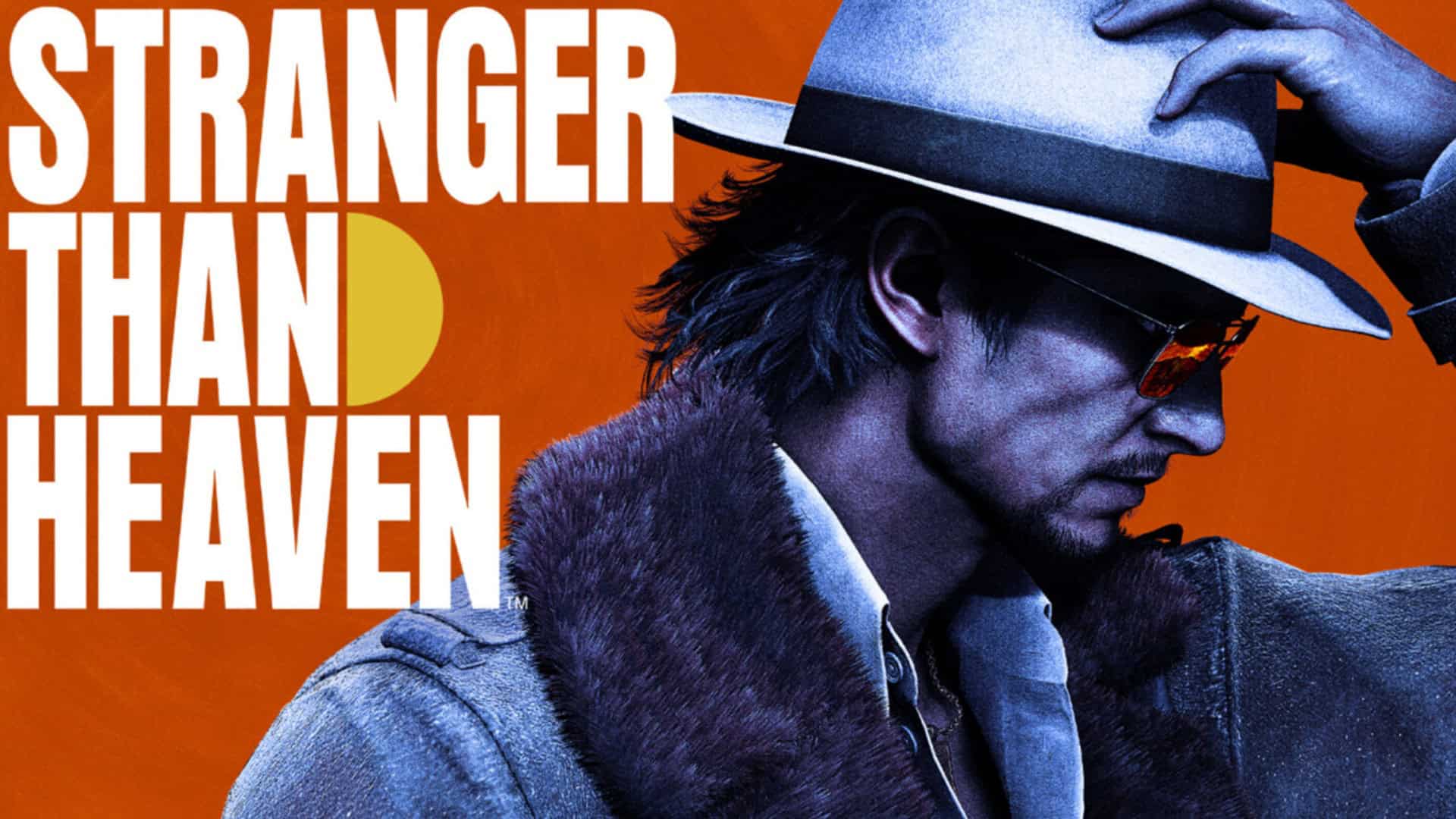
Since its first trailer, Stranger Than Heaven has intrigued everyone with its protagonist. “What’s with his blue eyes?” “Is he time-traveling?” “Is he yakuza?” are just some of the questions people have been asking after each new trailer for the game. In the latest showcase trailer, you can already see strong character development, even through the physicality of the characters the Yakuza games are known for. This applies not only to the protagonist, but also to the side characters, who have already hinted at intriguing backstories. Even in the trailer alone, they have a significant impact on the protagonist, such as Snoop Dogg’s character Orpheus, who appears to be the one smuggling him to Japan. Their charisma was conveyed even in such a short amount of screen time.
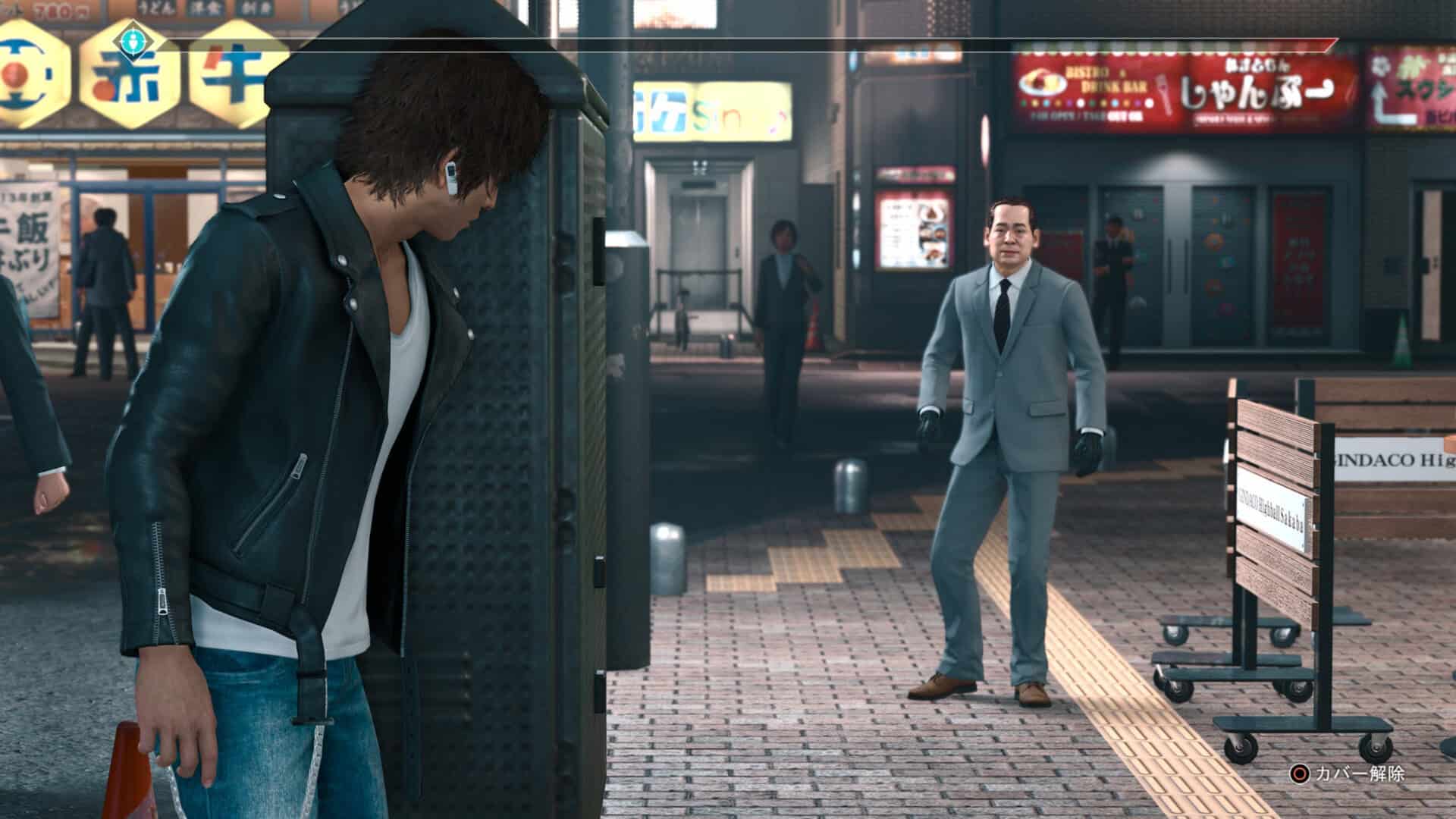
Besides its unique take on storytelling, Stranger Than Heaven is introducing new gameplay elements to the franchise, elements so distinctive that the game feels like it belongs to an entirely new IP. If it weren’t for the confirmation in the latest showcase, many people would likely have continued assuming this was a brand-new franchise from RGG, and in some ways, it still feels like one. The over-the-top fighting style has been replaced with a more realistic and grounded approach to combat. The controls also appear to take on a more realistic design, with the left and right buttons controlling the character’s corresponding sides, similar to some fighting games.
Other gameplay elements, while new, share similarities with those found in the series’ best spin-off games. In Stranger Than Heaven, the protagonist has a sixth sense for music, allowing him to capture sounds from the world and later use them in musical performances. In practice, these mechanics resemble the investigative sixth sense featured in the Judgment spin-offs, or even the Revelation moments from Yakuza 3 that were cut in the Kiwami remake. Mini-games are also an important part of any Yakuza title, so it’s refreshing to see that they are not only returning, but also seem to fit naturally within the game and the eras in which the story takes place.
With its latest entries, I felt that the Yakuza series had become somewhat stagnant and stuck in a loop. It was reusing too much content from previous games, even when it didn’t fit the themes or atmosphere. Even if its ties to the Like a Dragon games are minimal, Stranger Than Heaven provides a fresh entry point for new players into the Yakuza world. It’s also fair to point out that Stranger Than Heaven clearly had more development time than both Pirate Yakuza and Kiwami 3, so I hope this new title serves as proof to SEGA that RGG Studio needs more time to prioritize quality over quantity with each new Yakuza title. Stranger Than Heaven seems to be bringing back the freshness and sense of awe that the series used to be known for, finally feeling like a truly earned return to form.



 ObserverCrew Picks
 bserver
 bserver