It’s occasionally hard for me to believe that it’s been over a quarter century since certain games have come out. The same phenomena occurs with movies, books, and music (and nothing kicks it in harder than hearing “oldies” as background music for pharma ads), but with games it’s an extra twist of the seemingly inconceivable. Memories recalled, bemusement that a title has been brought back after all this time, wonder and disappointment in equal measure that something didn’t seem to catch on. One of those old titles was Cyberlore Studios’ Majesty: The Fantasy Kingdom Simulator. It was perhaps not entirely accurate (you couldn’t go mad and burn down your own capital while sleeping with blood relatives, for example), but it was an interesting title, and did well enough to get a sequel a few years later before quietly disappearing into obscurity. With Lessaria, the new title from Rockbee Team, you almost get that sense of recalled nostalgia, but you also get a sense that they were constrained about being able to make a legitimate sequel.
Lessaria puts you under the crown of the titular fantasy kingdom, and it’s got problems. Through an exhaustive campaign, you’ll be moved to try and stave off a curse affecting the Crown Prince of Lessaria by recruiting a lot of mercenary adventurers, then laying down various flags to entice them to fight the existential threats to the realm, not to mention their only source of pay. As you proceed, you’ll unlock new building options for specialist heroes to help diversify your ranks and tailor your approach to the various curveballs you come across through each mission.
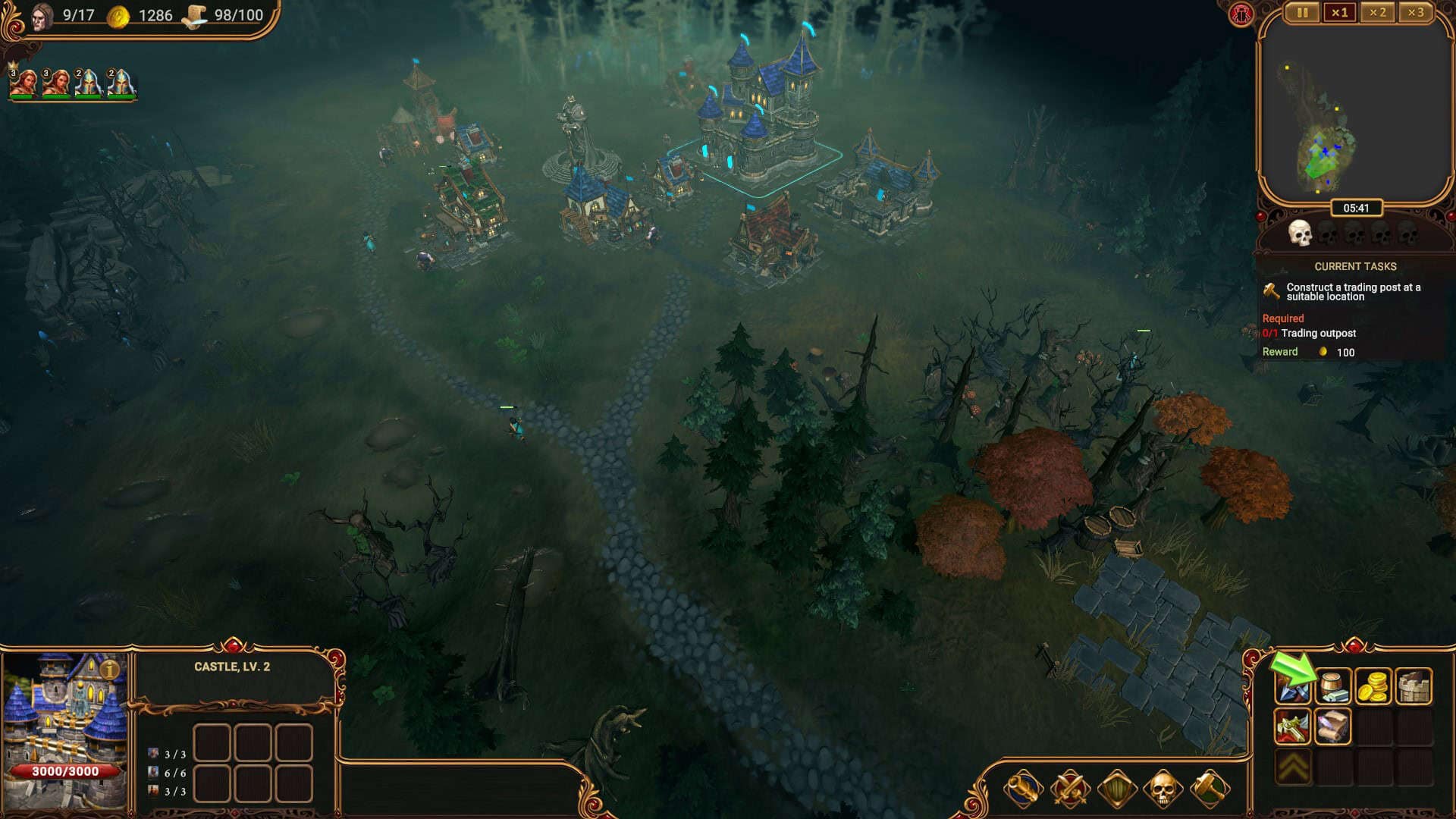
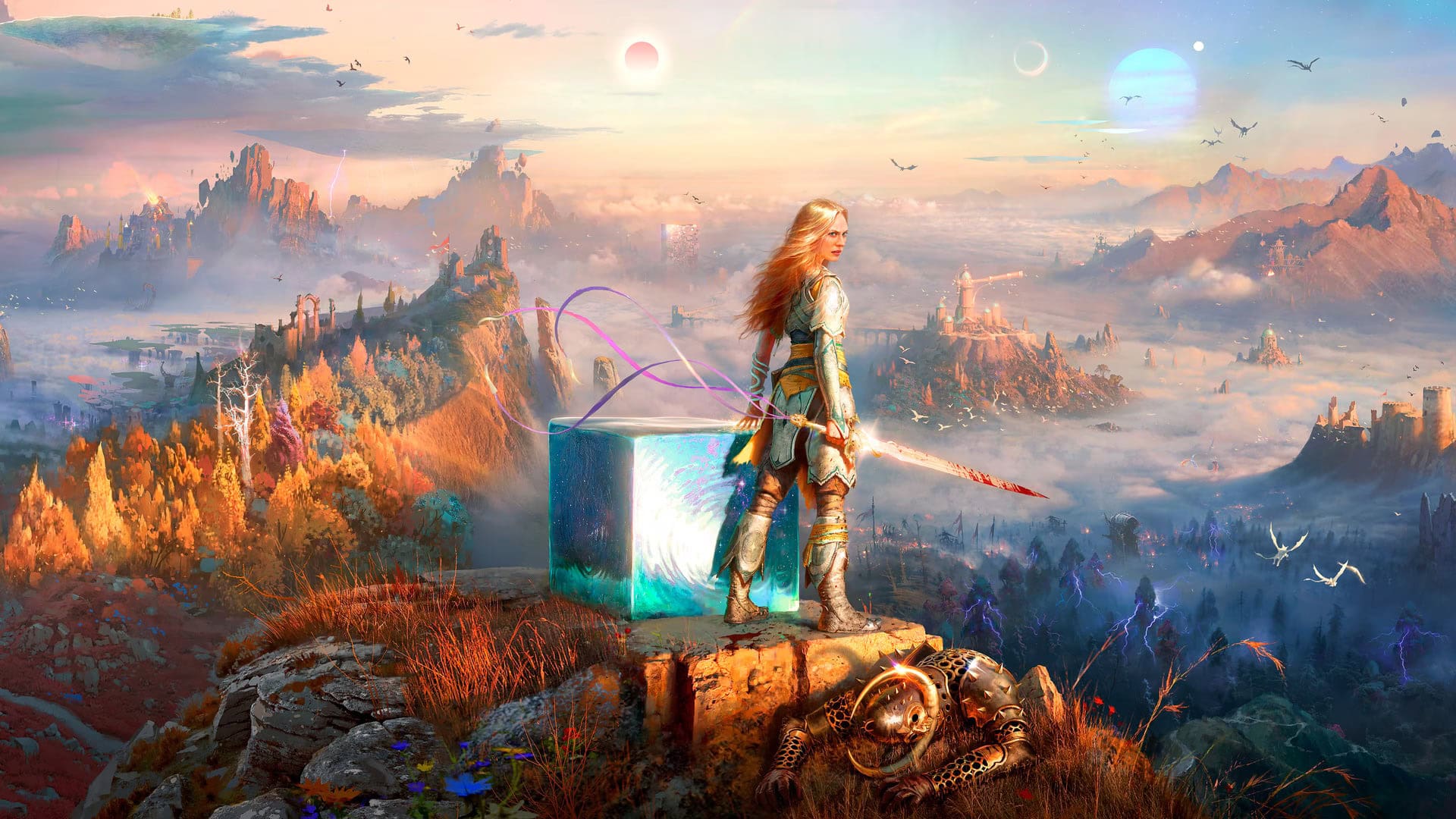
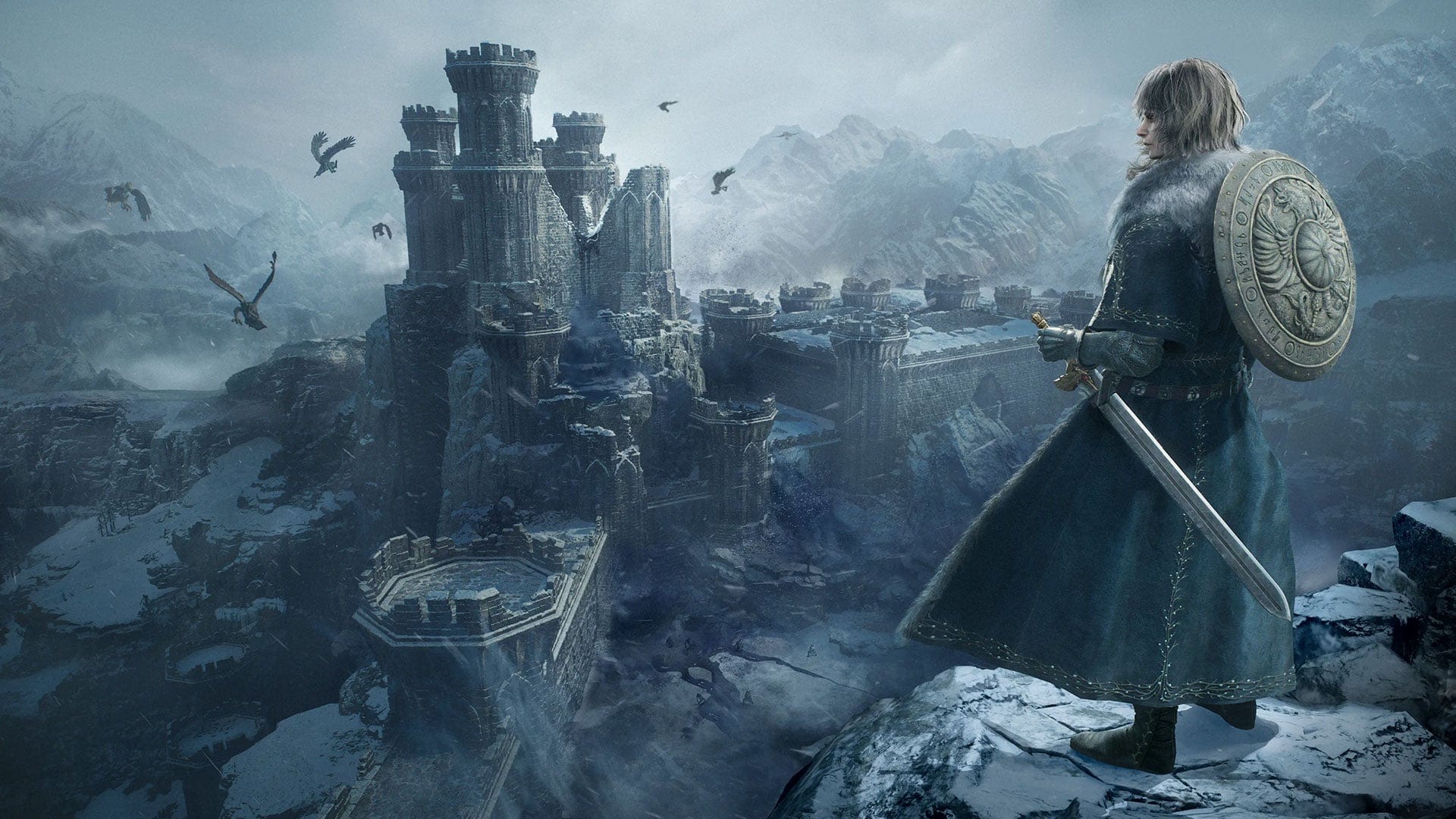
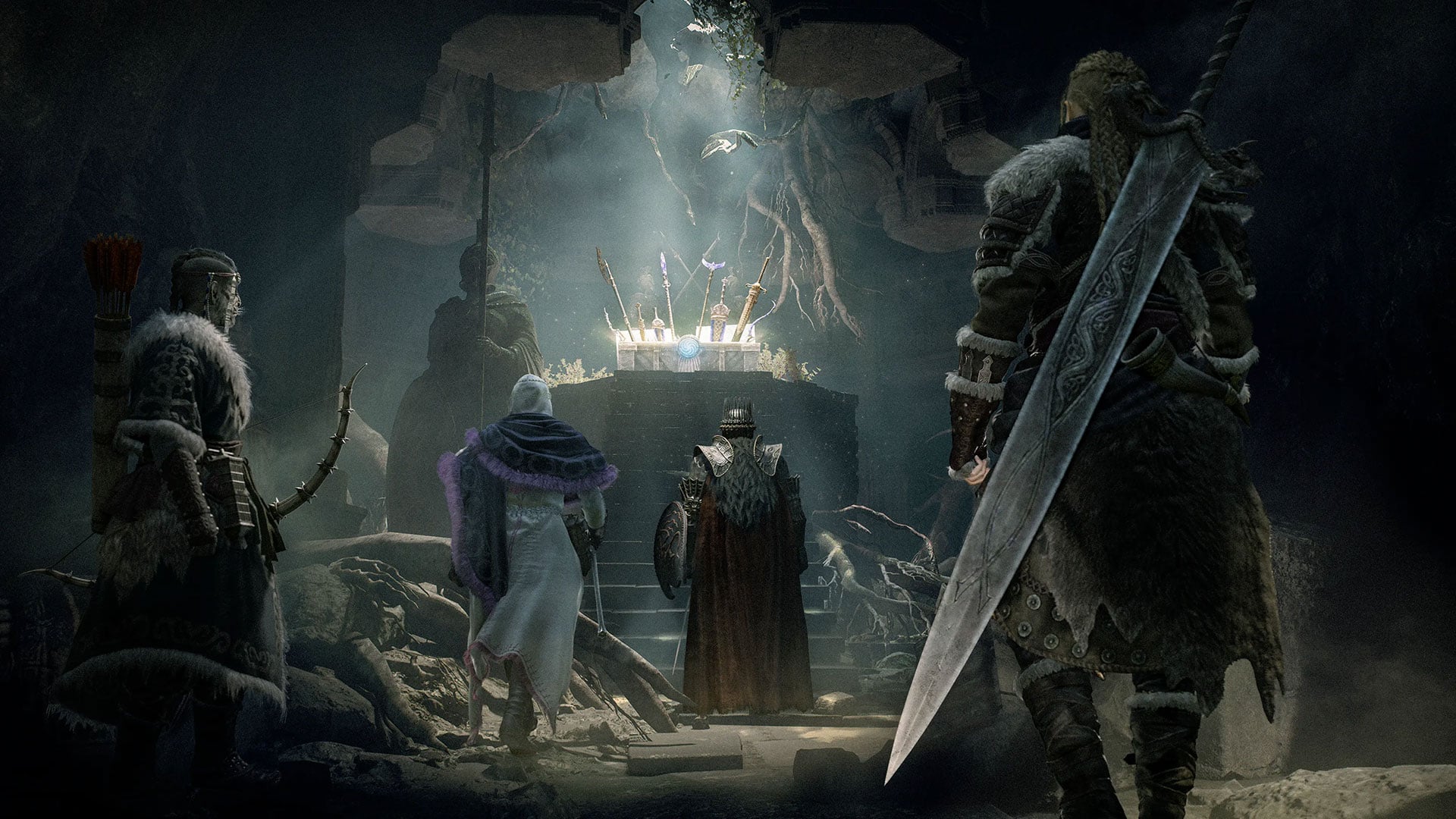
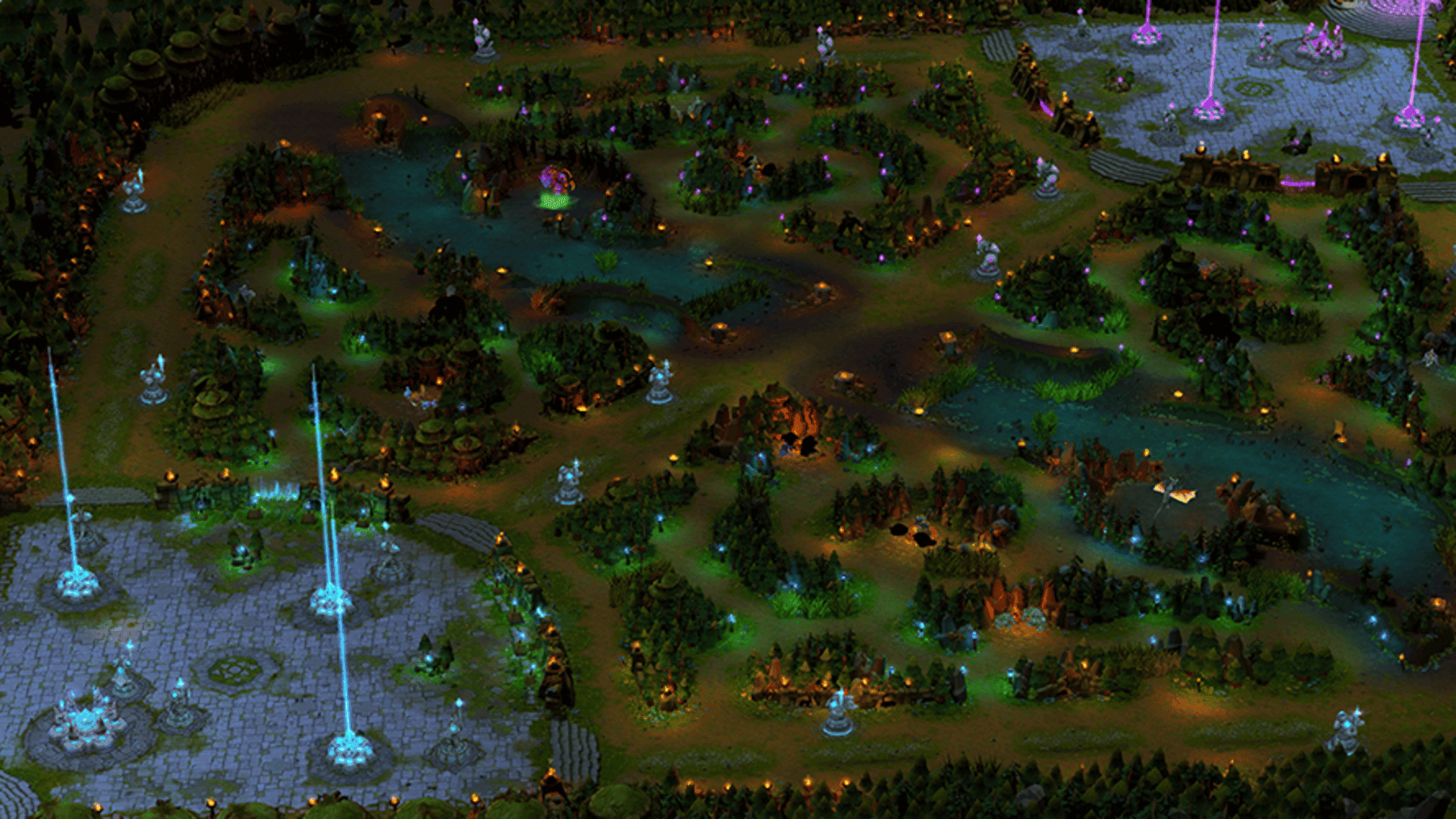
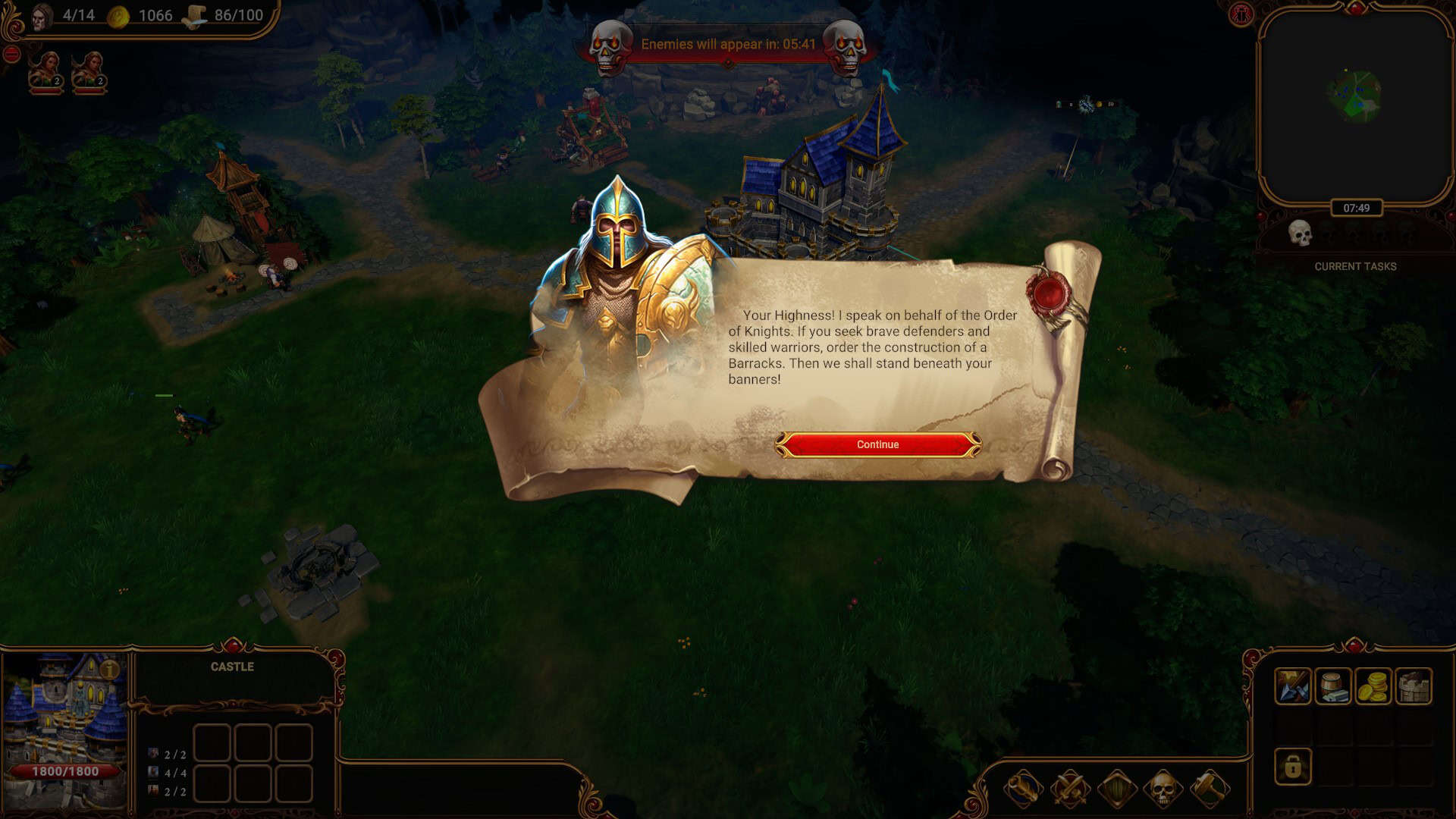
Visually, Lessaria feels like it harkens back more to WarCraft III than Majesty. Various construction options and the general layout of the UI genuinely have the feel of a Blizzard RTS rather than the original series. Buildings are appropriately thematic, from their base versions to their final forms to their ultimate evolutions. The various heroes for hire certainly lean into the stereotypes of the genre, and the different creatures you come across to fight are equally recognizable. Spell effects are distinctive, giving you the area of effect for certain spells. There are a couple complaints, however. One, the fonts used for various text elements seem a bit on the small side, and don’t feel quite like they fit the overall aesthetic. Some of them are in boldface, which helps a bit, but the narrative elements and objectives on the righthand side of the screen are not, and they’re occasionally a bit difficult to read at times. Two, the minimap’s camera indicator does not seem to be aligned properly with the angle of the camera, leading to some confusion when lots of things are happening at the same time.
The sound in Lessaria is somewhat lacking in certain key areas. Environmental audio, particularly with spell effects and such, is decently executed. The music, however, doesn’t quite seem to grab. It feels like it’s intentionally stepped down in volume despite what the setting says and doesn’t ever reach a point where it either pumps you as a player up or fades into the background to set the mood. The voice acting is the epitome of “mixed bag.” On the one hand, it seems as though Rockbee managed to snag George Ledoux to reprise his role as the “Royal Advisor” from Majesty who lets you know when things have happened, along with contributing to the narrative elements of the campaign missions. And some of the other cast members seem to be delivering their lines reasonably well, though some of them are more “emoting” than “acting.” Then you’ve got cast members who are delivering lines in such an overly stilted fashion as to absolutely leach any emotion or characterization out of the performance. The end result is a wildly inconsistent level of quality which ultimately hurts how Lessaria plays out more than it helps.
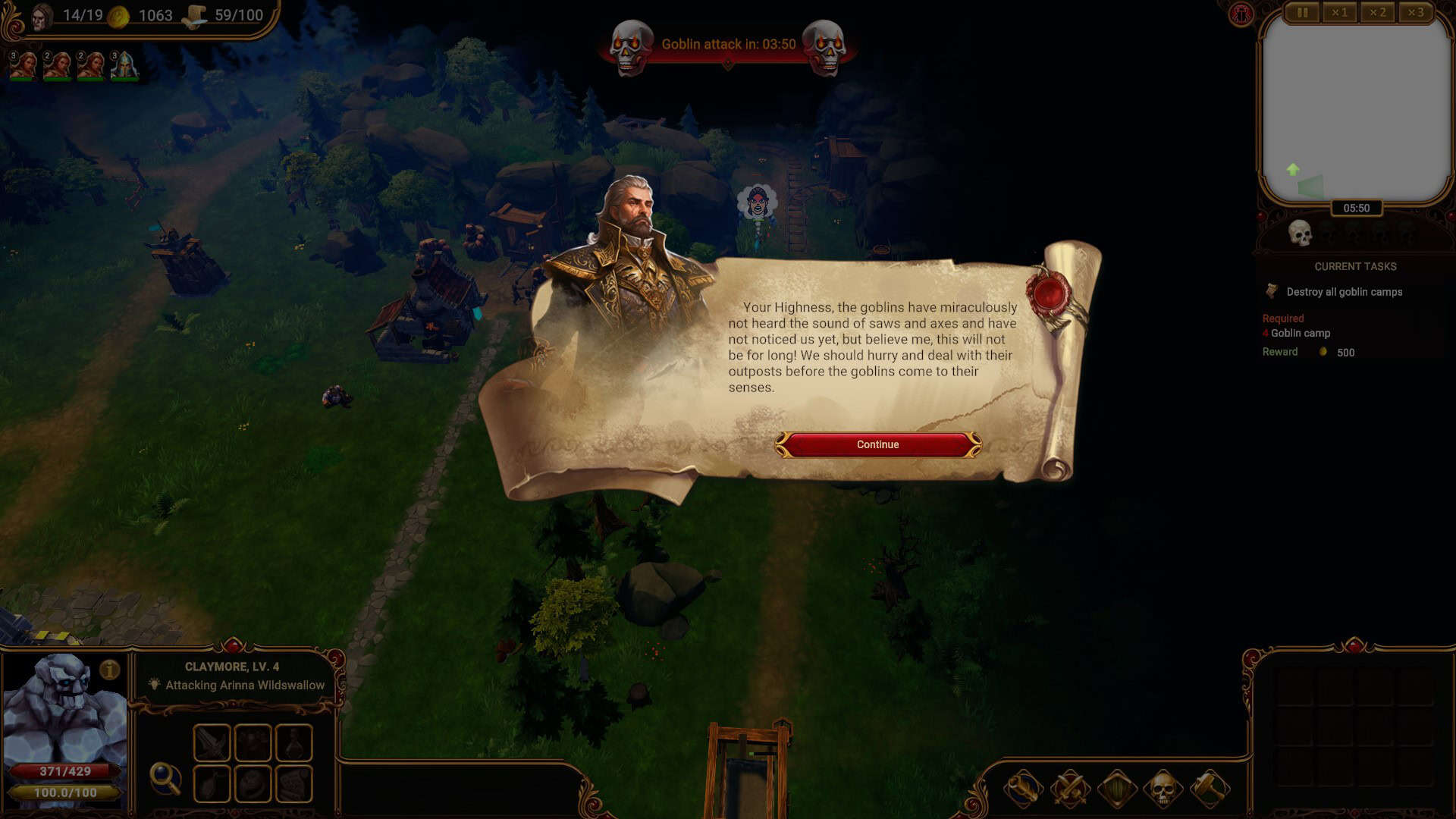
When it comes to gameplay, Lessaria duplicates Majesty to an almost slavish degree. This is not exactly a complaint, but neither is it a compliment. The gameplay loop is reasonably simple: mark a target with a certain type of flag (scouting, defense, attack), pony up reward money, and let basic avarice attract adventurers to fight monsters. As monsters are defeated, your adventurers level up and gain coin, which they then spend back in town to buy gear and buffs, as well as enjoy some downtime. Nothing particularly different from Majesty. You build various guild halls to recruit new adventurers, support structures to help with the basic cash flow, defense towers to protect the buildings making up your current outpost. Exactly the same as Majesty.
There are some functions which appear in Lessaria which weren’t present in the game which it’s trying so hard to be the “spiritual sequel” to, such as creating dedicated teams of adventurers. But the adventurers themselves are…f limsy, at least from a character standpoint. In the quarter century since Majesty first released, there’ve been more changes and improvements in the industry than I can easily list here. And yet Lessaria doesn’t seem to be trying to do anything than the smallest of changes possible. We have no investment in the adventurers we hire, no sense of what makes them tick, no information to help bring out the best in them.
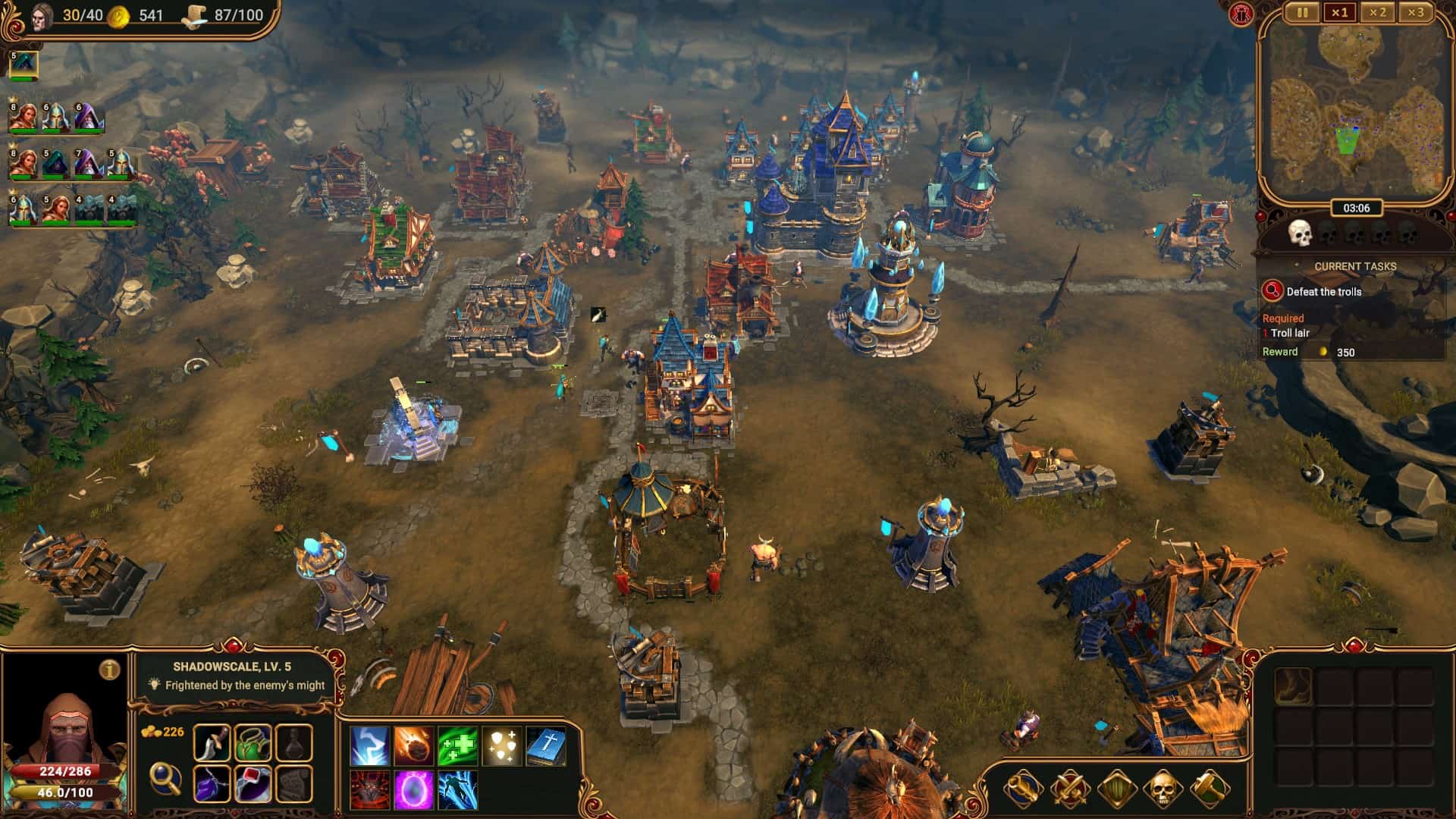
Worse, the weaknesses of Majesty carry over into Lessaria. Because the only way to get adventurers to do their jobs is to post bounties and hope they’re interested, you can’t really afford to advance the storyline on a mission until you’ve built up a sufficiently burly warchest. This quickly devolves into trying to figure out the points where the story advances in a given mission and not doing anything to trigger the next step. But, in consequence, Lessaria basically punishes you for trying to make sure you can pay for the next big fight sequence by throwing increasingly dangerous waves of random enemies at you as part of a countdown timer. This eventually ends up killing high ranked adventurers, destroying infrastructure, and ultimately screwing you over because now you have to rebuild everything. The “Royal Decree” function doesn’t seem to be nearly as effective as it ought to be to tell adventurers, “this is a serious threat that needs to be neutralized right now!”
Certain spells like Resurrection seem like a good way to preserve high ranked heroes, but they end up being a massive money sink because the body revives right where it fell, and often right in front of hostile forces. If you don’t bring them back to life soon enough, the corpse disappears forever. And we don’t have a good way to know how long we’ve got. The final twist of the knife is that creating teams doesn’t seem to have any benefit other than making sure certain adventurers notionally travel together, which they do in such a screwed up single file fashion as to ensure their ignominious slaughter.
I like old games, don’t get me wrong. I miss certain titles from my youth that I can’t play anymore because they’re lost in the mires of publishing rights disputes. The ones that I can play, they’re generally fun. But at the same time, I’m not the same person I was when those games first came out. Certain genre conventions don’t land the same way they used to, and certain mechanics borne of limitations which were once intimately tied up with earlier iterations of hardware and APIs now seem clunky in contemporary titles. Lessaria feels like they tried so hard to be a “spiritual sequel” that they forgot the “sequel” part of the designator. Good sequels don’t just rehash old gameplay, they try to iterate and improve upon what came before. They either understand where the state of the art is going and flow with it, or try to forge their own path. And Lessaria does neither of these. If you’ve been dying to get a slightly updated version of Majesty, you can certainly put some money down on Lessaria. But don’t expect it to be sufficient to summon the sort of joy you once felt.
Axel reviewed Lessaria on PC with a provided review code. This review is based on the version of the game available at the time of writing and our score will not be changed.
- Score
- 6/10 Decent - Axel Cautiously Recommends
- Summary
-
Lessaria is trying really hard to evoke the feel of the game it's claiming as a spiritual progenitor. Unfortunately, it tries so hard to do that, it doesn't end up doing anything new and fails to address the shortcomings of that progenitor.
- More
- GameObserver's Review Policy


 ObserverCrew Picks
 bserver