At this moment, I don’t see a single rage-fueled zombie. I see every screaming bigot I’ve spared along this journey, a whole army coming at me with ruthless fire and hatred in their belly…Words begin to spill from my mouth, one or two between every whallop. I don’t think about what I’m saying, just allow the feelings to pour out of me as I release every drop of pent-up guilt that remained hidden within my body like toxic sludge.
“I’m. Not. Responsible. For. Cleaning. Up. Your. Cis. Straight. Bullshit.”
– Excerpt from Straight by Chuck Tingle
Pride Month, for a lot of people, is a time for celebration. A time to focus on queer joy. And there are games that let you do just that: dating sims in all flavors, cozy games that let you farm, date, and occasionally do magic.
But we’re not here for that today.
We’re here for catharsis. I mean screaming, crying, throwing up.
Here, assembled for you, are 7 indie horror games where the gays will not be buried… if you can keep them alive.
Sorry We’re Closed
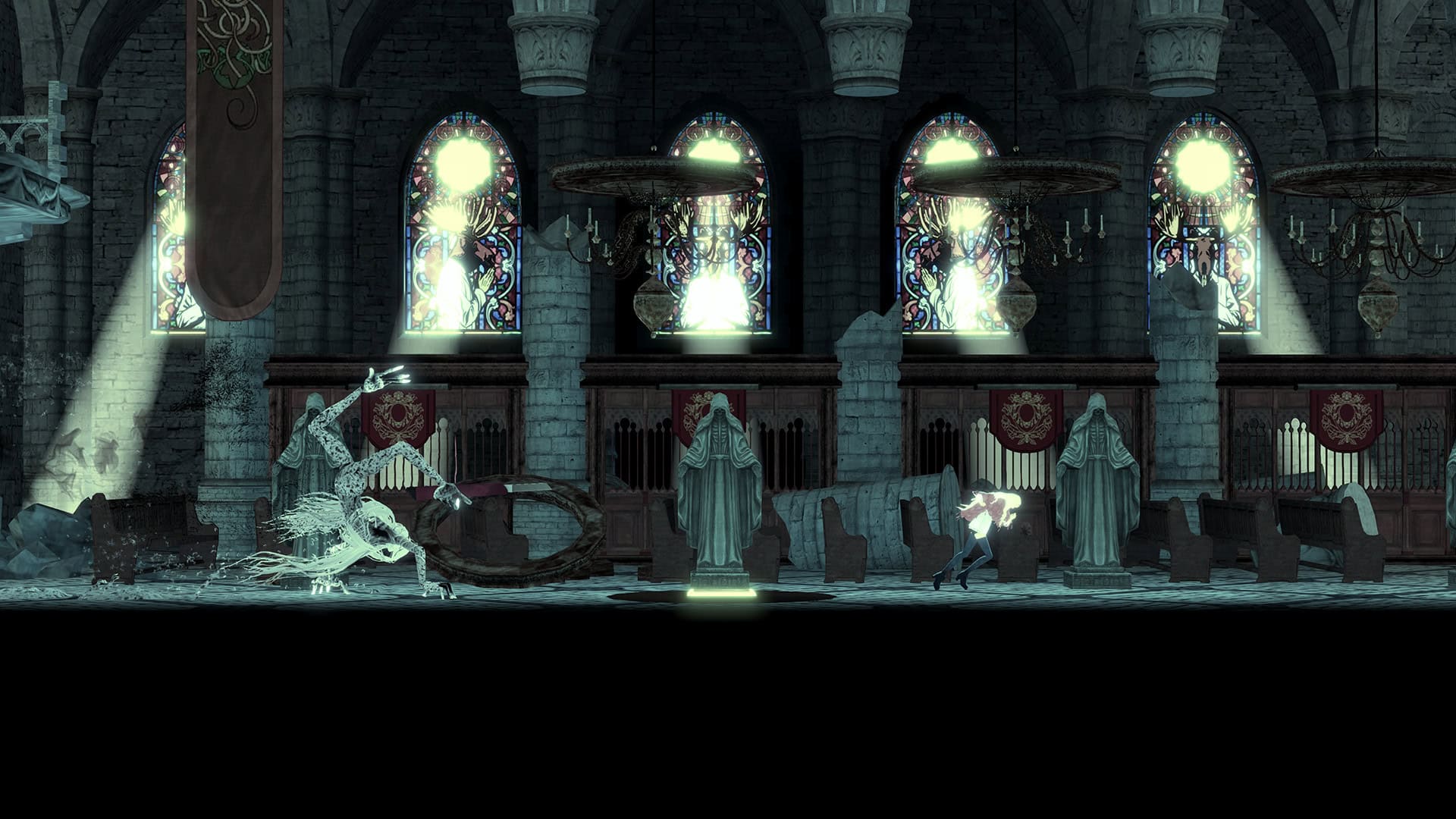
Released in late 2024, Sorry We’re Closed is the debut release from à la mode games. You play as Michelle, a late-twenty-something lesbian still recovering from her last breakup. When an archdemon known as The Duchess visits Michelle in a dream and curses her with the Third Eye, she gains the ability to see into the demonic and angelic realms. This will kill her if she doesn’t agree to love The Duchess within a set amount of time or figure out how to break the curse.
While it has been compared to Silent Hill because of its survival horror mechanics and juxtaposition of the real world with an Otherworld, the Third Eye functions as its own game mechanic, used both during combat and to solve puzzles. When not actively dungeon-crawling, Michelle does some dialogue-heavy interaction with a cast of humans, demons, and angels, a balancing act the developers referred to as the “Black Lodge to Cherry Pie” ratio in an interview on the podcast Back Log Banter. Inspired by Twin Peaks, C. Bedford of à la mode said:
…you’re in town, you’re talking with the characters, you’re having a good time, you’re experiencing fun, cute, and hilarious things, and then there’s like the other half of it which is like kind of the darker side, you know, actually doing the survival horror elements; seeing what’s happened to the people who are entrenched in the demon world.
Little Goody Two Shoes
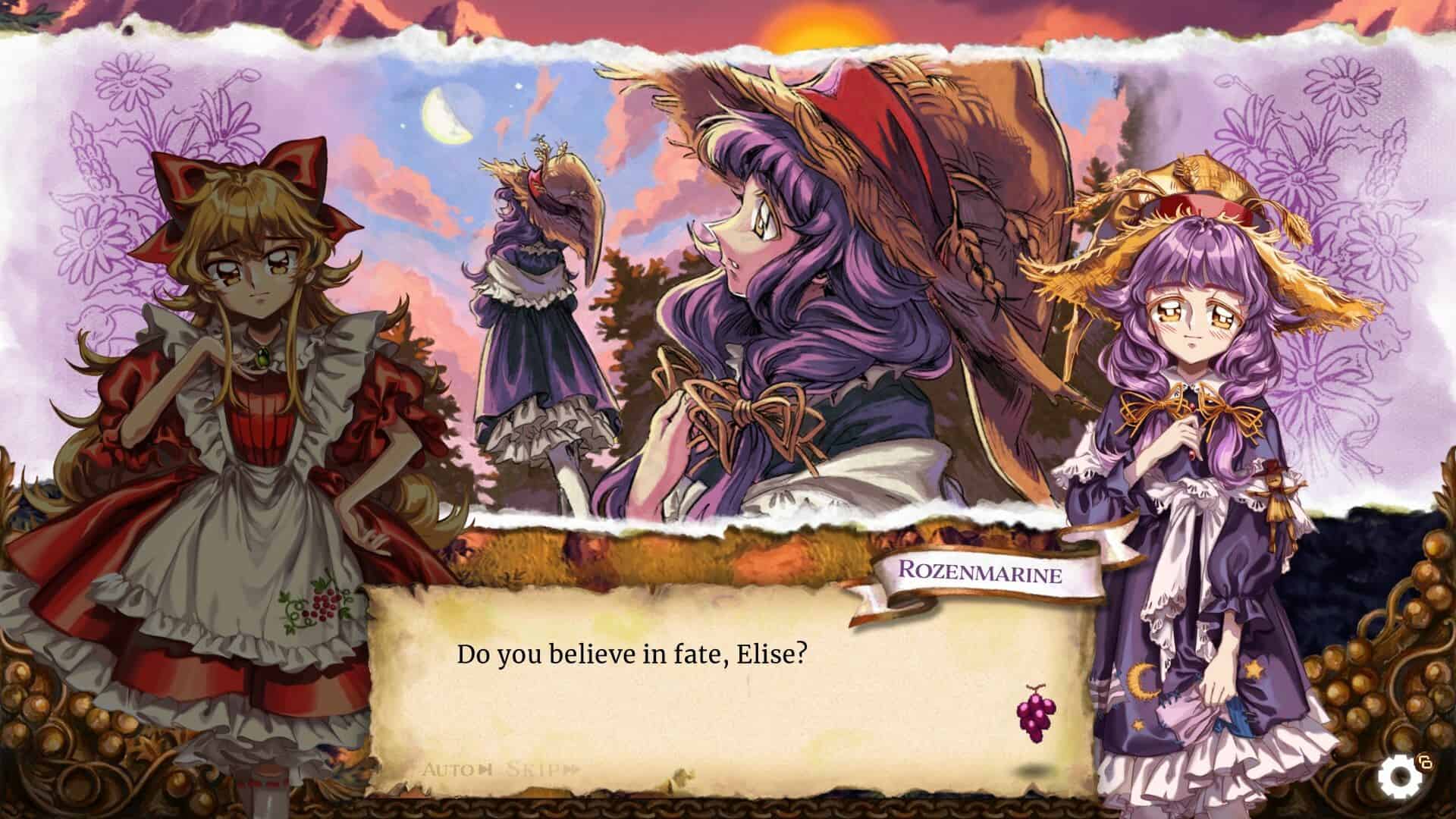
Little Goody Two Shoes is an RPG-maker style adventure game, the second from developer AstralShift, released in 2023. The titular Goody Two Shoes is actually Elise, a girl living alone just outside a rural village. Having recently lost her adoptive grandmother, Elise makes ends meet by doing odd jobs around town. While it first presents itself as a straightforward dating sim with some resource management elements, Little Goody Two Shoes slowly reveals a complex narrative drenched in psychological horror.
By day, you date one of three women and complete mini-games. By night, you battle for your sanity as you wander the woods, which are suddenly full of demons and dangers. With ten potential endings and multiple flavors of Game Over, the game’s major plotline poses explicit questions about acting selfishly versus selflessly. Creative Director António Lopes, producer Mariana Borges, and lead writer Patrícia Silva said in an interview posted on the Square Enix website that “every horror story needs a bit of light and positivity to offset and contrast with the darkness…It is by building up these relationships with sincerity that we can further strengthen the horror of Elise’s actions.”
We Know The Devil
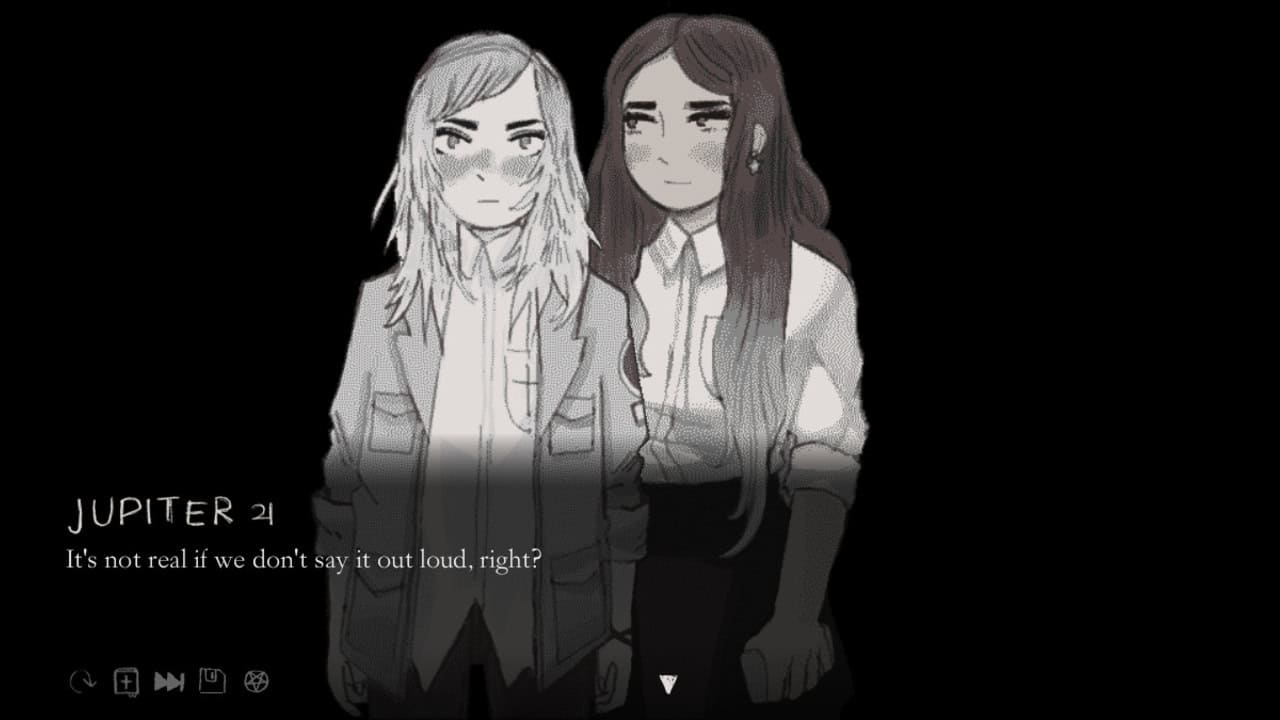
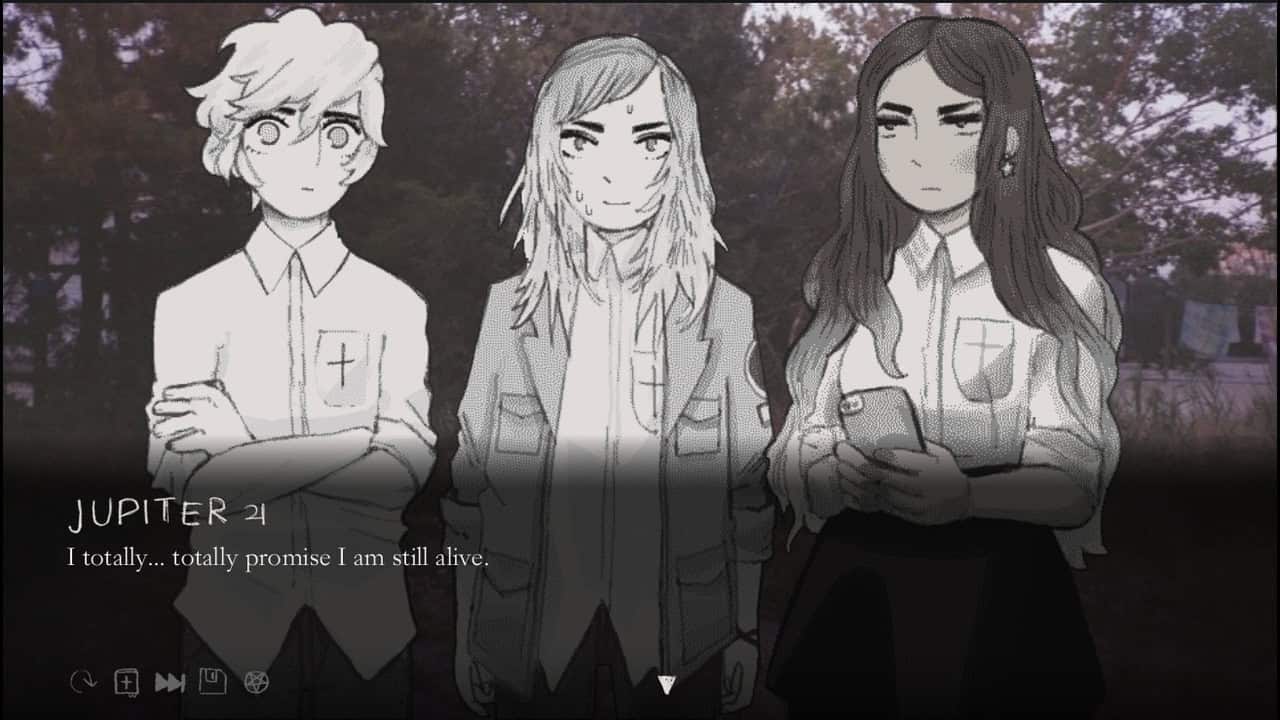
Speaking of religious horror, let’s hit everyone’s favorite trauma trigger-church camp! We Know The Devil is a visual novel set in an alternate reality where God’s voice can be heard on 109.8 FM, and the Devil lurks in the woods around the camp, waiting to possess one of the campers. The story follows three campers as they keep watch over the course of a night, attempting to repair their radio and checking the camp’s alarm systems.
There are three possible endings, depending on which of the three campers is excluded the most over the course of the night, plus a bonus ending, which is described on developer Pillow Fight’s website as both horrifying and the true ending. Although We Know the Devil was originally released in 2015, the story is timeless, with the LGBT identities of the teenage protagonists revealing themselves gradually as you get to know the characters, making the horrific possessions all the more gut-wrenching.
The MISSING: J.J. Macfield and the Island of Memories
The MISSING: J.J. Macfield and the Island of Memories was released in 2018, the debut game from developer White Owls, Inc, but not the first for its CEO, Hidetaka Suehiro. Also known as SWERY, he had a solid history working as a writer and designer on games like Deadly Premonition, mostly with spy or detective protagonists. The MISSING surprised fans with its protagonist, a teenage girl, J.J., whose friend suddenly goes missing while they are camping together. A puzzle platformer, The MISSING’s unique mechanic is that J.J. cannot die and, in fact, allowing her to be hurt, dismembered or even set on fire is often the key to solving the puzzles.
J.J. is also revealed, as the story progresses, to be trans, and you learn more about what she’s been going through by reading her text message conversations with friends, family members, and her childhood stuffed animal. With this added context, the body horror mechanic can take on a different context, especially for players who’ve experienced body dysmorphia, gender dysphoria, or suicidal ideation. SWERY said in an interview with Rely On Horror:
There are many shocking scenes in this game. However, I made sure that it always came back to this game’s central message that “this title was made with the belief that no one is wrong for what they are.”
Psychroma
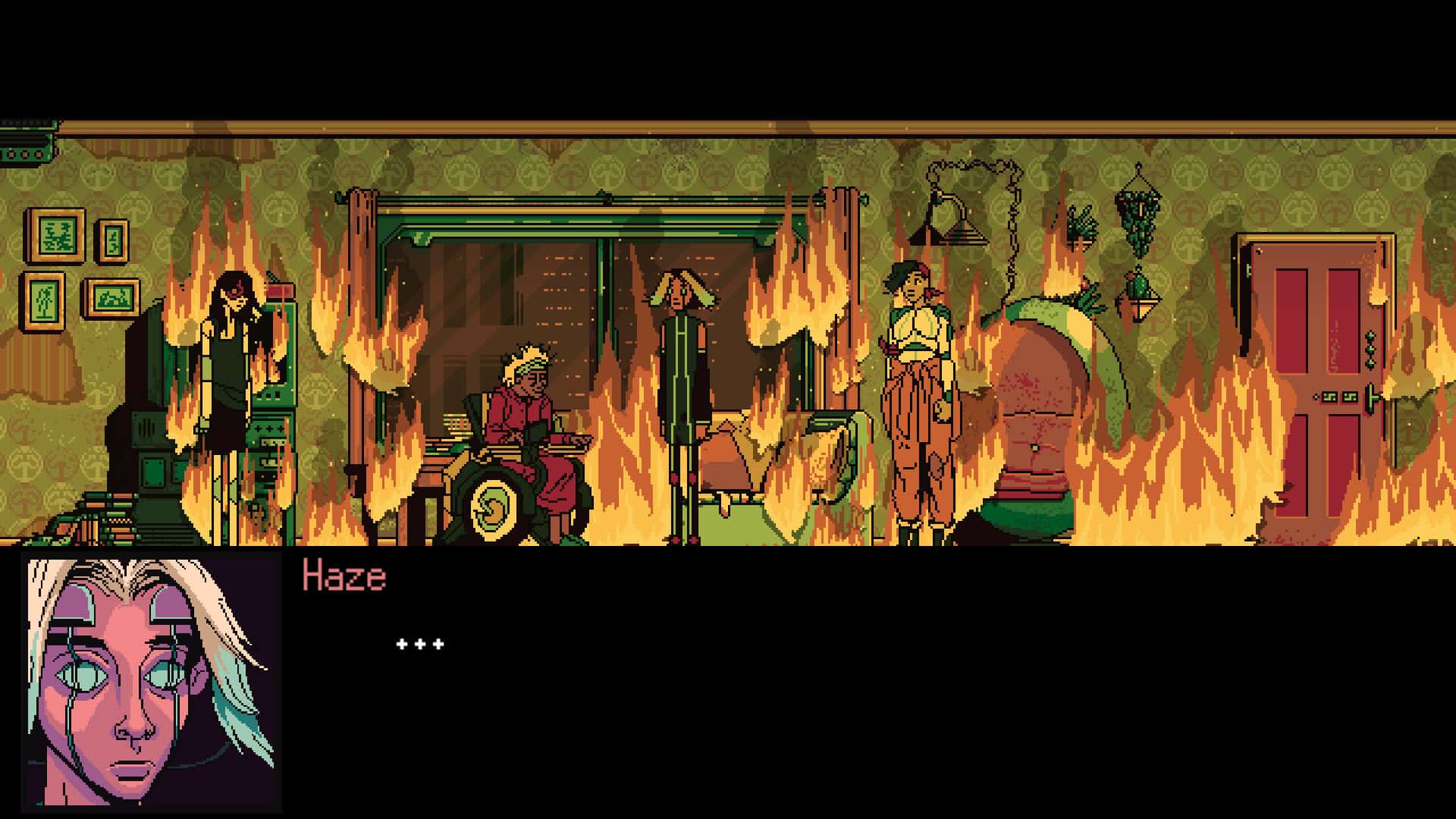
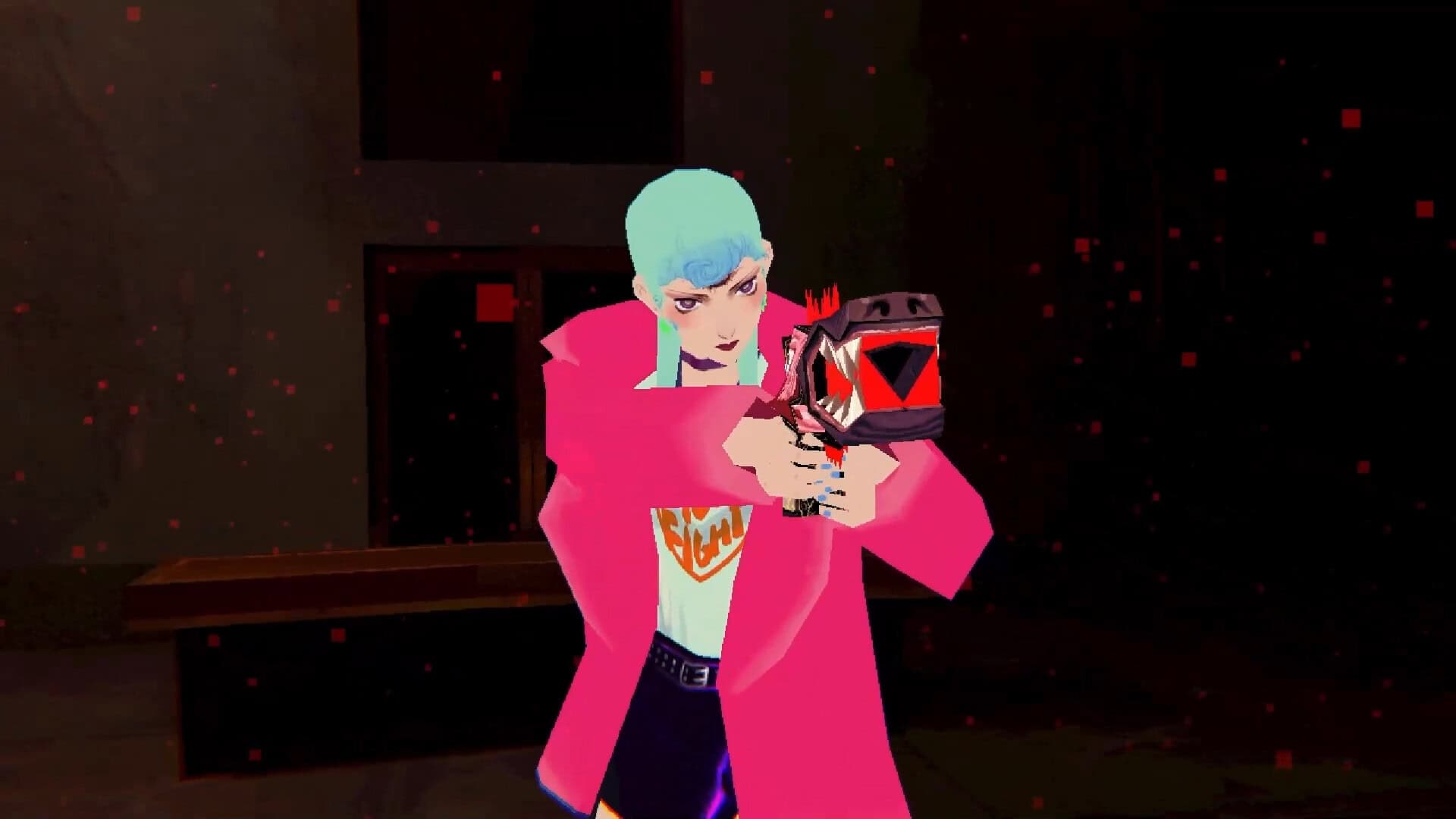
Psychroma is a haunted house story set in a cyberpunk future. You wake up with no idea who you are in a house full of people you don’t remember, with just a memory card with your name on it, Haze. As soon as you admit to your memory loss and everyone agrees to help you recover your memories, time seems to jump forward, and you find yourself alone, with the power out and the kitchen covered in blood.
Haze is an explicitly non-binary protagonist, and thanks to the game’s time-travelling memory mechanic, the game is also able to show a trans character pre- and post-transition. The team at developer Rocket Adrift made very specific choices regarding both Haze and the rest of the cast, with the context that was truly frightening was not in the phantoms or the body horror, but the concept of losing yourself. In an interview posted to the Game Awards YouTube channel, lead writer Sloane Smith said:
One of the concepts we wanted to really emphasize was identity: what it means to be who you are, and how horrific it might be if that was stripped from you.
Fear the Spotlight
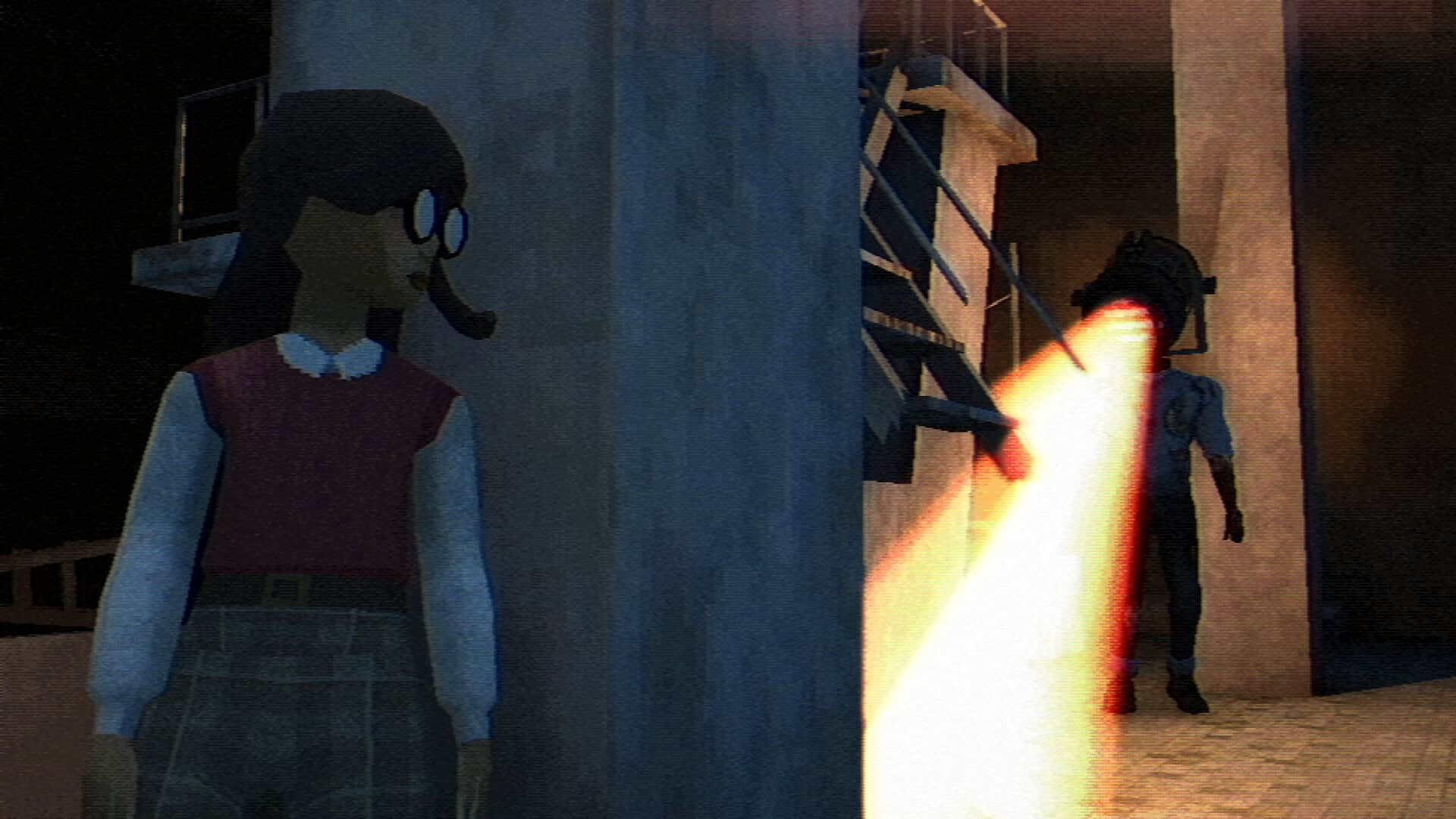
The first game published by Blumhouse and the third game from indie duo Cozy Game Pals, Fear the Spotlight draws on 90s nostalgia, both with its PS1-style low-poly graphics and its storyline. You play first as Vivian, then as Amy, as a late-night Ouija session in the school library goes horribly wrong. While Vivian’s chapter tells the story of the school’s ghosts and Amy’s chapter focuses on her childhood, the reward for getting them both through their ordeals and back to the library is a romantic confession!
Fear the Spotlight focuses more on the stealth aspect of survival horror mechanics as well as Resident Evil-style puzzle solving, with Amy’s chapter increasing both in difficulty and intensity compared to Vivian’s. Creators Bryan Singh and Crista Castro expressed that they wanted the game to be a potential gateway for new fans to the genre. In an interview with Deadline, Singh said:
Maybe this is the first horror game they’ve ever played, and I hope people play our game and realize that if they let themselves have fun with it, we’re willing to pull you along for the ride. If you’ll play with us, we’ll play with you. You can have fun with horror.
Newfound Courage
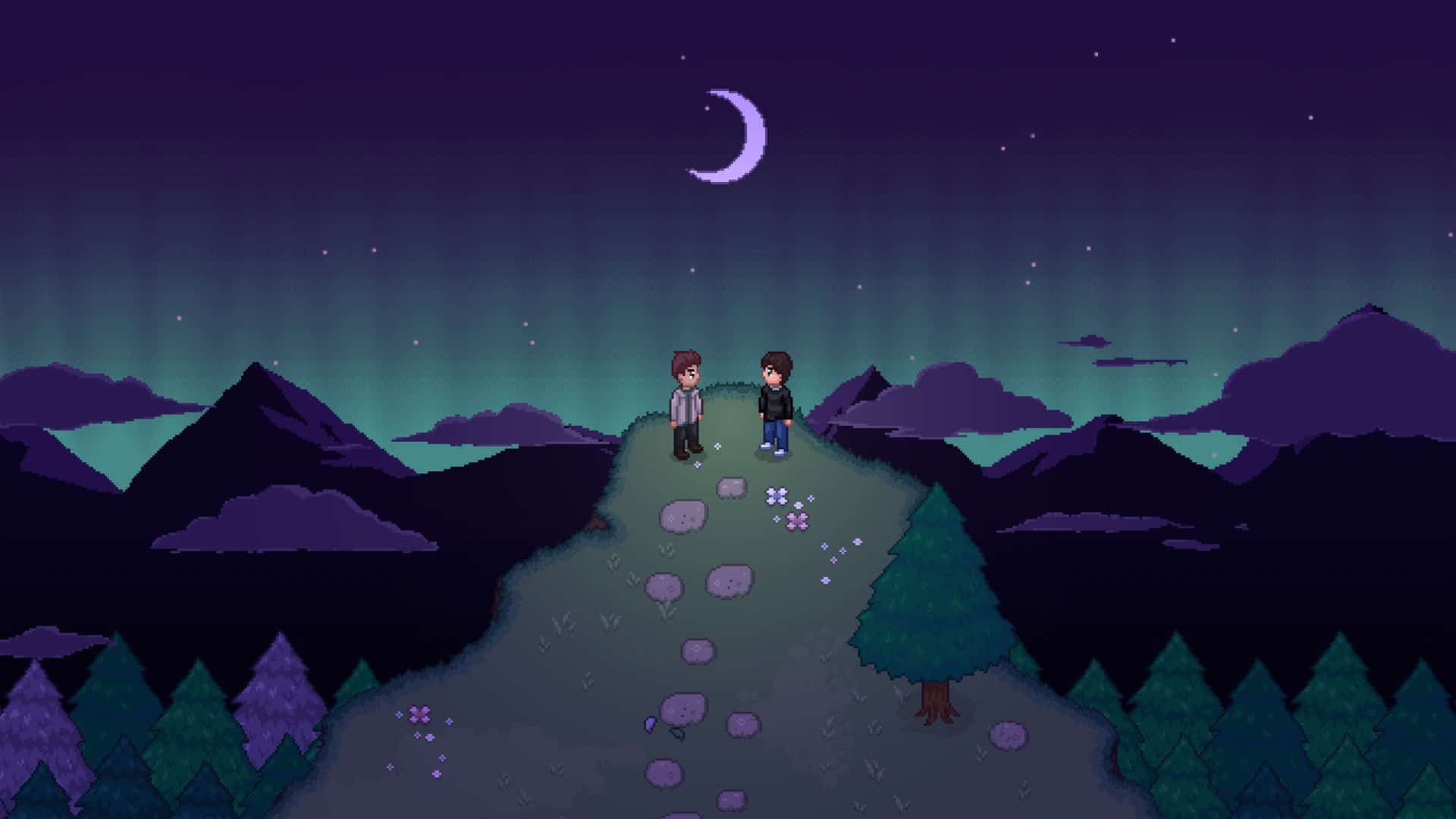
Newfound Courage was originally released on Steam in 2019 after winning the 2018 Rainbo Press Game of the Year award. A remake and Xbox port were released in 2022. In an accompanying article released on XBOX Wire, developer Curtis Campion of Cafe Empty wrote:
The art feels more alive and animated…New mechanics have been added…Everything about Newfound Courage is grander, the stakes are higher, and battling the ‘big bad’ to the death offers more satisfaction.
In the game, you play as Alex, who has just arrived in the cliffside town of Silverpine and is growing close to a local named Jake. While you try to understand your feelings for your new best friend in the Stardew Valley-esque village, you’ll also be investigating a mysterious institute that may be bringing about Silverpine’s doom. Despite being the coziest of the games on this list, you will be engaging in combat this time and even visiting the creepiest carnival I’ve ever seen depicted in pixel art.
If you think I’ve made a serious misstep in not including your favorite indie horror game, let me know in the comments. Stay proud, stay alive, Happy Pride 🏳️🌈





 ObserverCrew Picks
 bserver
 bserver