Games built around time limits are difficult to pull off and are therefore few and far between; hitting that balance of creating tension through the ticking clock and giving players enough leeway to explore and enjoy the game is no easy feat. When it does work, though, the results can be excellent. Spooky Doorway’s The Séance of Blake Manor recently achieved this, and Rebel Wolves’ upcoming RPG, The Blood of Dawnwalker, promises multiple story avenues depending on the player’s actions during a 30-day period. LBRTY games’ point-and-click horror title, Cult Vacui, attempts this on a much smaller scale, offering a compact but effective experience that can be completed in around two hours.
Cult Vacui is divided into three sections, each giving the player a certain number of minutes to complete their objective. Starting a conversation, travelling somewhere, or performing an action will consume a certain number of minutes, forcing players to think carefully about how they spend their time. With multiple endings depending on our success during each segment of the story, the game doesn’t just simply reload a save if you fail, instead it gives you the option to proceed anyway (if you’re still alive) and see how your efforts will shape the outcome.
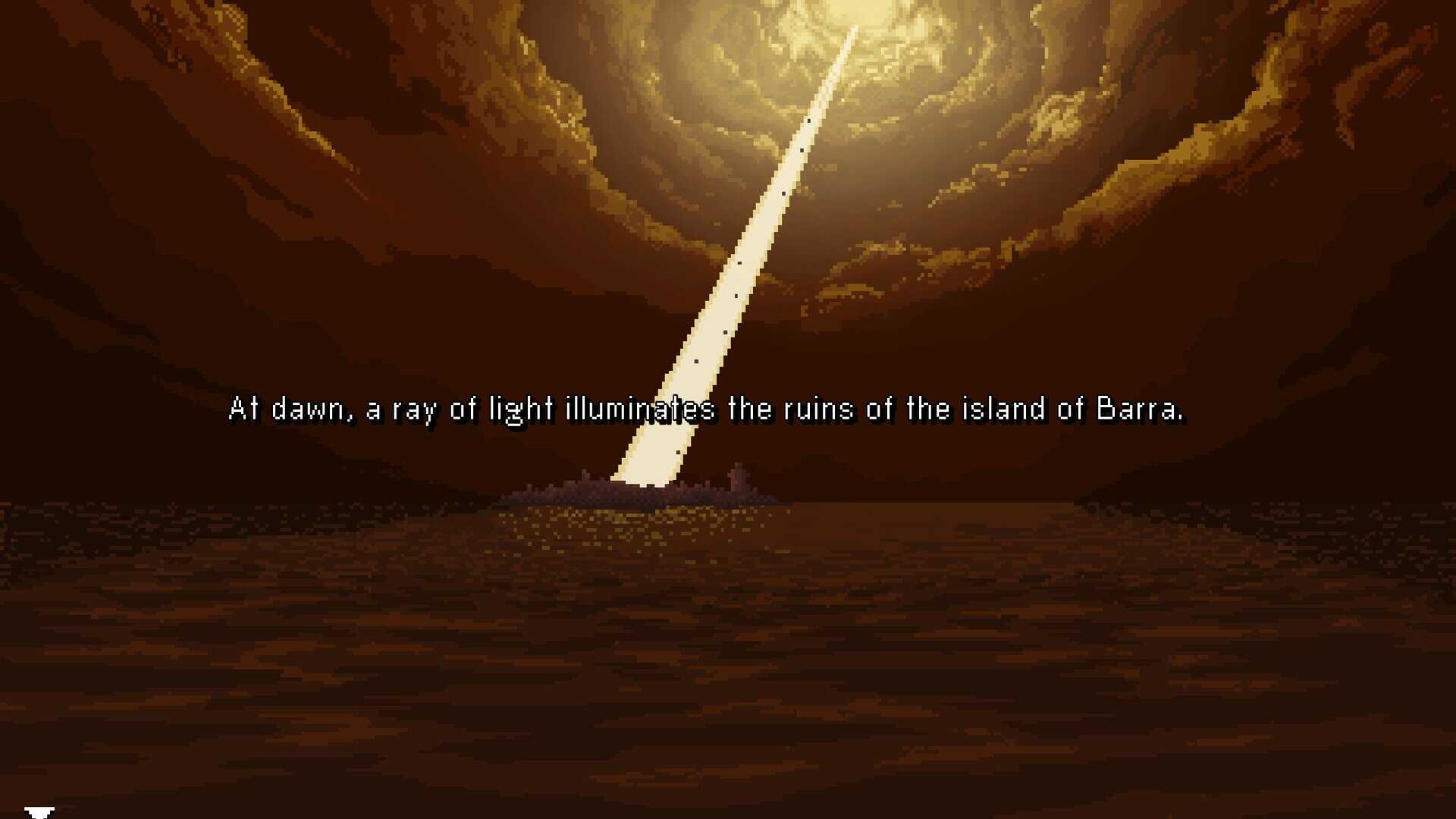
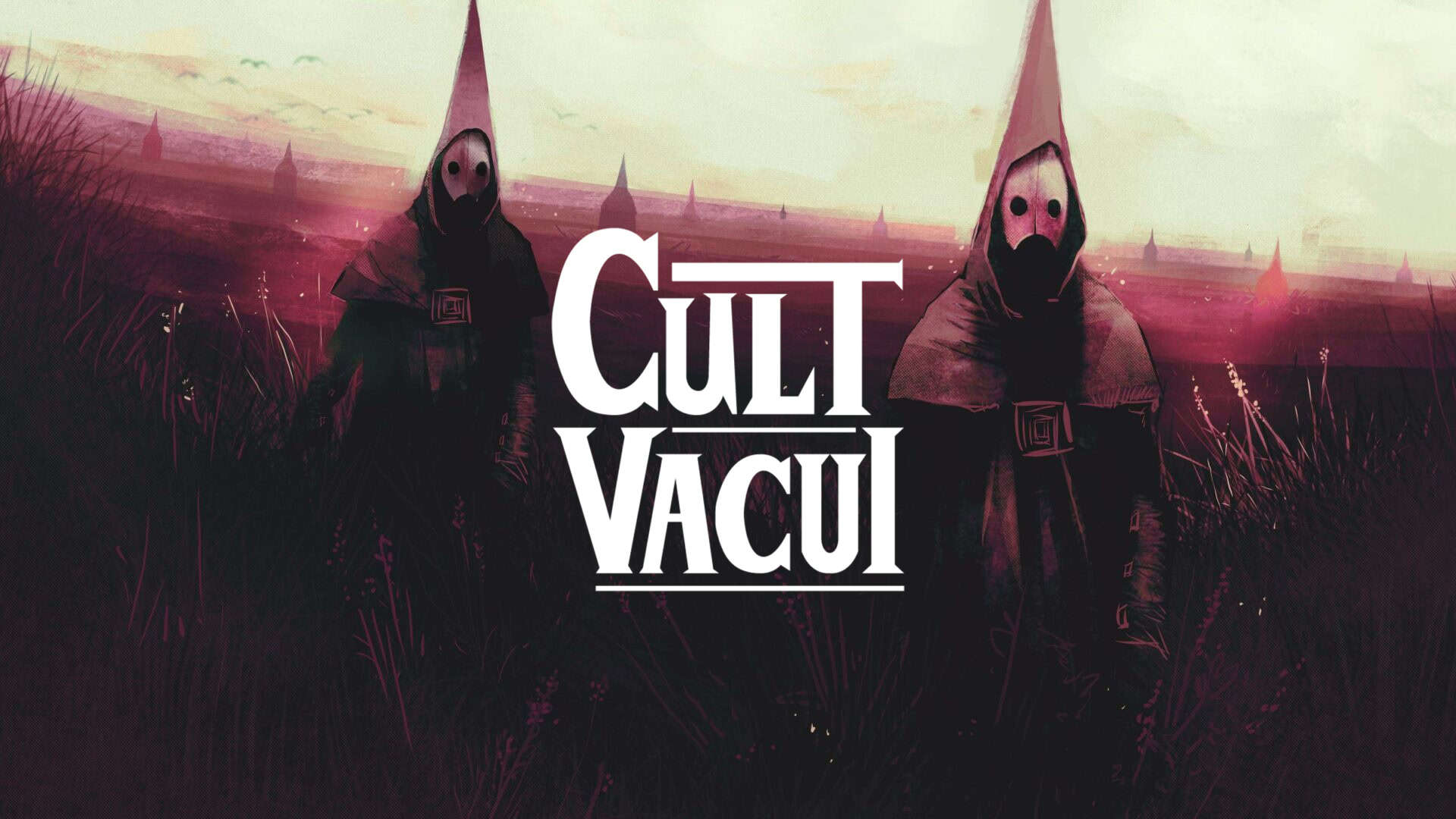
Set on the Isle of Barra in Scotland, the story centres on a satanic cult preparing for a sacrificial ritual. Players must both survive and stop their plans, using the game’s point-and-click mechanics to gather key items, resources, and information.
While Cult Vacui is built from a great foundation and has some interesting scenarios put in place to make it stand out, such as its survival horror aspects, it feels very much like an unfinished draft rather than a fully realised experience. In shorter games such as this, every moment counts and the last thing a player wants is to be left itching for more. Unfortunately, Cult Vacui ultimately feels underdeveloped in this aspect.

Its puzzles are challenging and engaging, and the story drives enough mystery that I was intrigued to explore and find out more about the cult and what their goal was. Unfortunately, though, a lot of the challenge stems from the strict time limits; not leaving enough room for trying to understand the area’s layout, working out what we’re supposed to do, or experimenting with interactions. Due to backtracking being necessary once the player has an idea of what items they need for each puzzle, it’s highly unlikely that players will successfully complete the objective in the game’s largest area on a first attempt.
Of course, the player is given the choice to reload their last save, but here’s where some of Cult Vacui’s minor technical problems come into play. Dialogue must be clicked through line by line, and keybindings can’t be customized to make this action possible from the keyboard. Dialogue also cannot be skipped, even on a replay. I did notice that pressing Esc to open the menu sometimes skipped through dialogue, but this wasn’t consistent enough to know whether it was intentional. There’s also no autosaving in between story sections, which I found odd.

The lack of any highlight or hint system to show interactable objects also turns Cult Vacui into a bit of a pixel hunt if players gets stuck; I wasted a lot of time and failed the largest level on my first try because I didn’t realise I could pick up a rock in a certain area – which again shows that the time limit is so strict that it doesn’t allow for small mistakes such as these on a first playthrough.
These issues are, of course, minimised by the short runtime, but that also becomes an issue itself. While Cult Vacui has a strong premise, it lacks a lot of depth and fails to fully explore the horror of the situation or the lives of those affected. The island is littered with bodies, yet we only uncover the stories of one or two of them. We’re given mere glimpses into the bigger picture, and with Cult Vacui’s small scale, there was more than enough room to build on this.

Out of the three sections of the game, the middle is the longest and also the most engaging, offering the best balance of time management, exploration, and puzzle solving. The third act feels rushed in comparison, lacking the impact expected from a climax. I was also surprised by how little my actions in the previous acts seemed to affect the rest of the narrative, especially as the game puts a lot of emphasis on choosing whether to progress or not after failure. And despite the short playthrough, I was reluctant to give it another go and see the alternative endings because of the issues mentioned above.
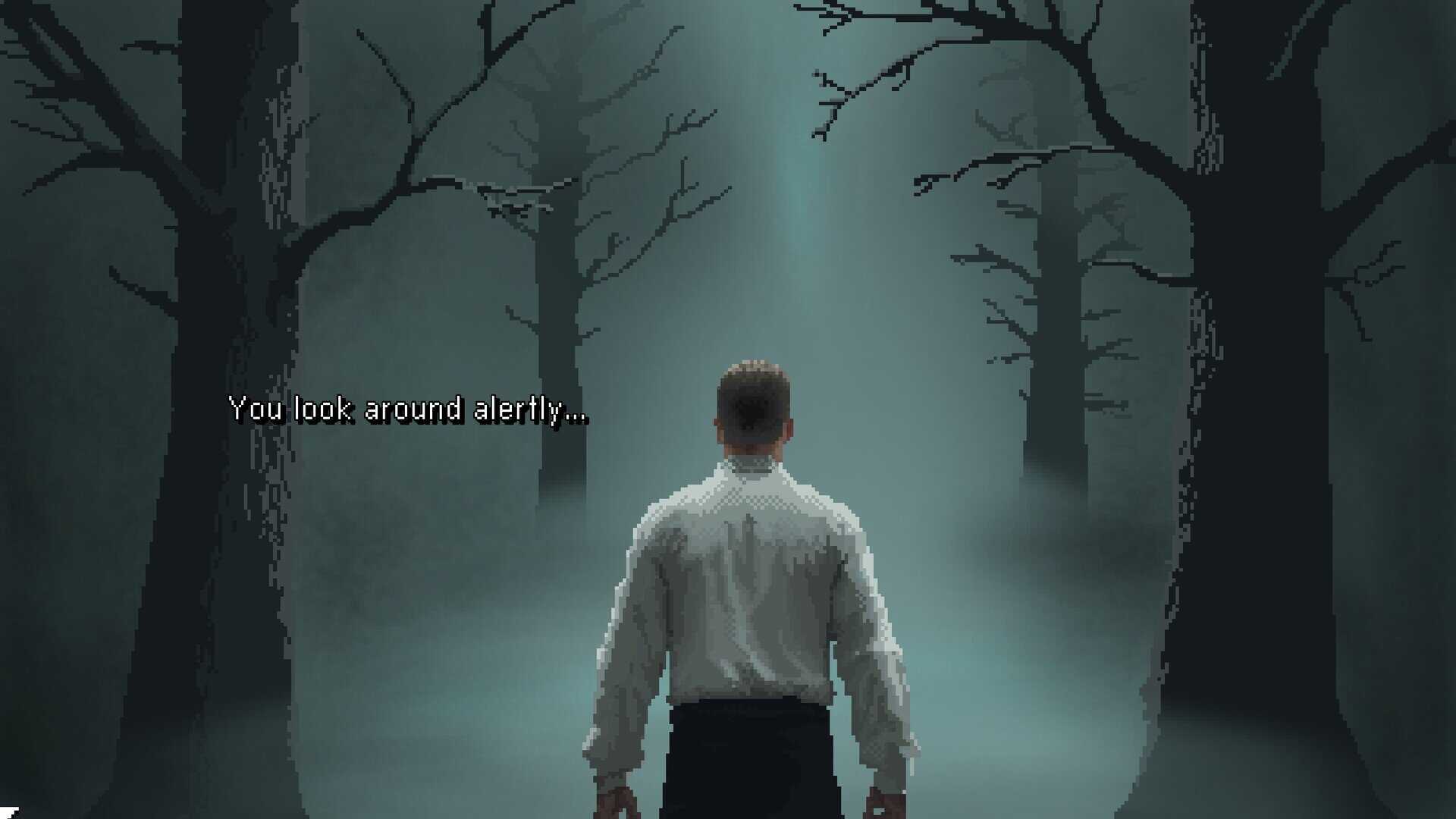
Visually, Cult Vacui is striking, using a gorgeous pixel art style that captures the Scottish countryside well. During dialogue, it will often cut to a more detailed illustration of what’s going on, adding drama to key moments. Unfortunately, while I enjoyed the soundtrack to begin with, it becomes quite repetitive despite the short two-hour runtime, and could have done with a bit more variety in tracks to help set the tone of each location and also prevent the music from becoming a disturbance while the player is puzzle-solving.
Cult Vacui is an ambitious point-and-click horror game that starts well, but unfortunately doesn’t reach its full potential. Its time-based mechanics are compelling, but with uneven pacing and a lack of narrative depth, it struggles to deliver a satisfying conclusion.
Jess reviewed Cult Vacui on PC with a provided review code. This review is based on the version of the game available at the time of writing and our score will not be changed.
- Score
- 6/10 Decent - Jess Cautiously Recommends
- Summary
-
Cult Vacui starts off well, its time-based mechanics are compelling and the story is built around good foundations. But with uneven pacing and a lack of narrative depth, it struggles to deliver a satisfying conclusion.
- More
- GameObserver's Review Policy

 ObserverCrew Picks
 bserver
 bserver