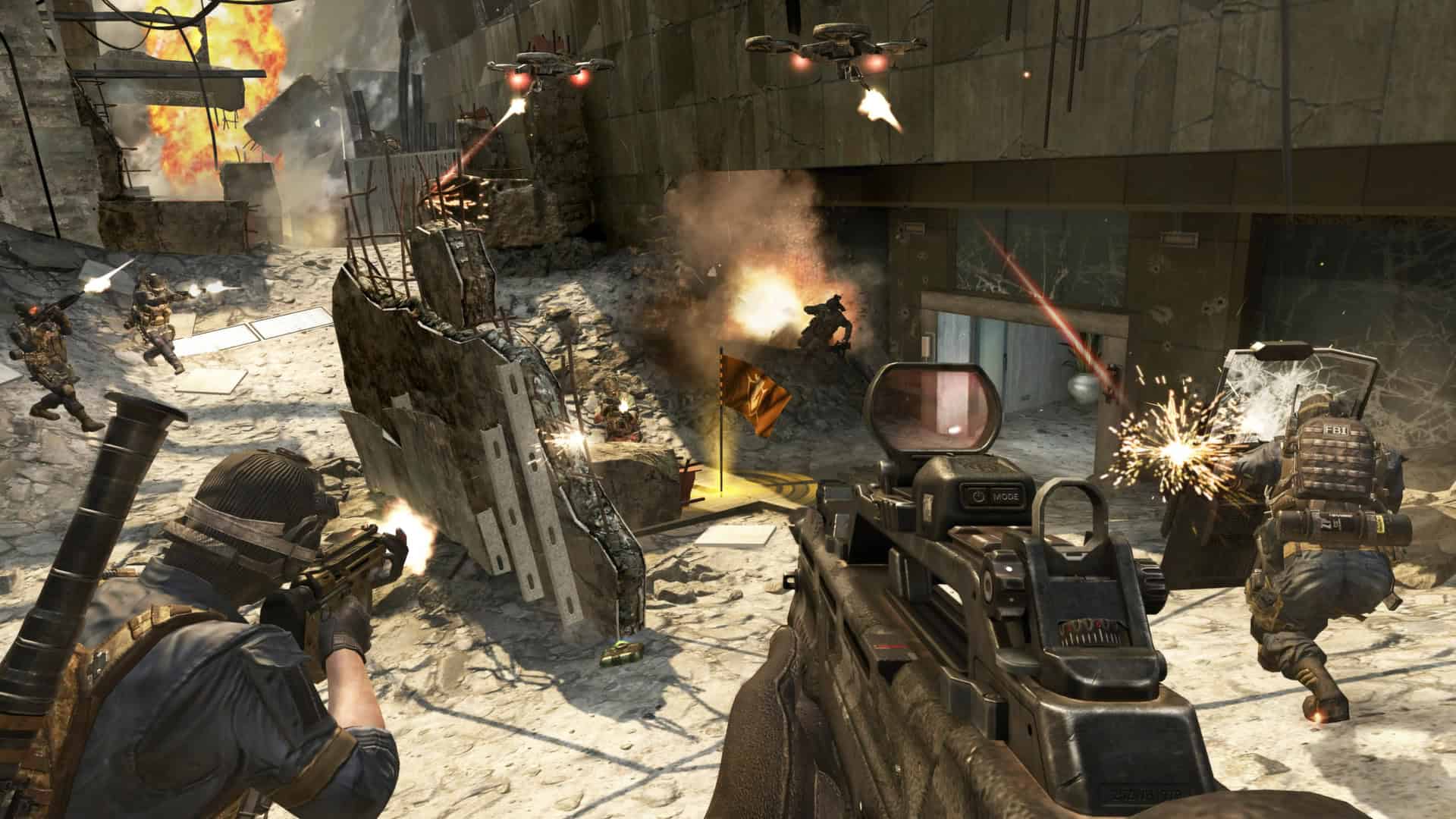
In August, Alinea Analytics reported that the remasters of Call of Duty Black Ops I and Black Ops II sold an estimated 11.2 million copies with combined sales across the PS4 and PS5 consoles. That’s an estimated $435 million in revenue for the month of July. It was a large monetary success for Activision and its parent company Microsoft amidst the restructuring that left thousands without jobs across the parent company’s gaming subsidiaries. The news made its rounds across the industry again this week when a former level designer at Treyarch, Gavin Goslin, made a post on LinkedIn expressing his mixed feelings about the success of the two remasters.
“As a developer who actually worked on both BO1 and BO2, seeing these charts is bittersweet,” Gavin said in his initial post. “If executives are getting massive bonuses off the longevity of these classics, that wealth needs to be shared retroactively.”
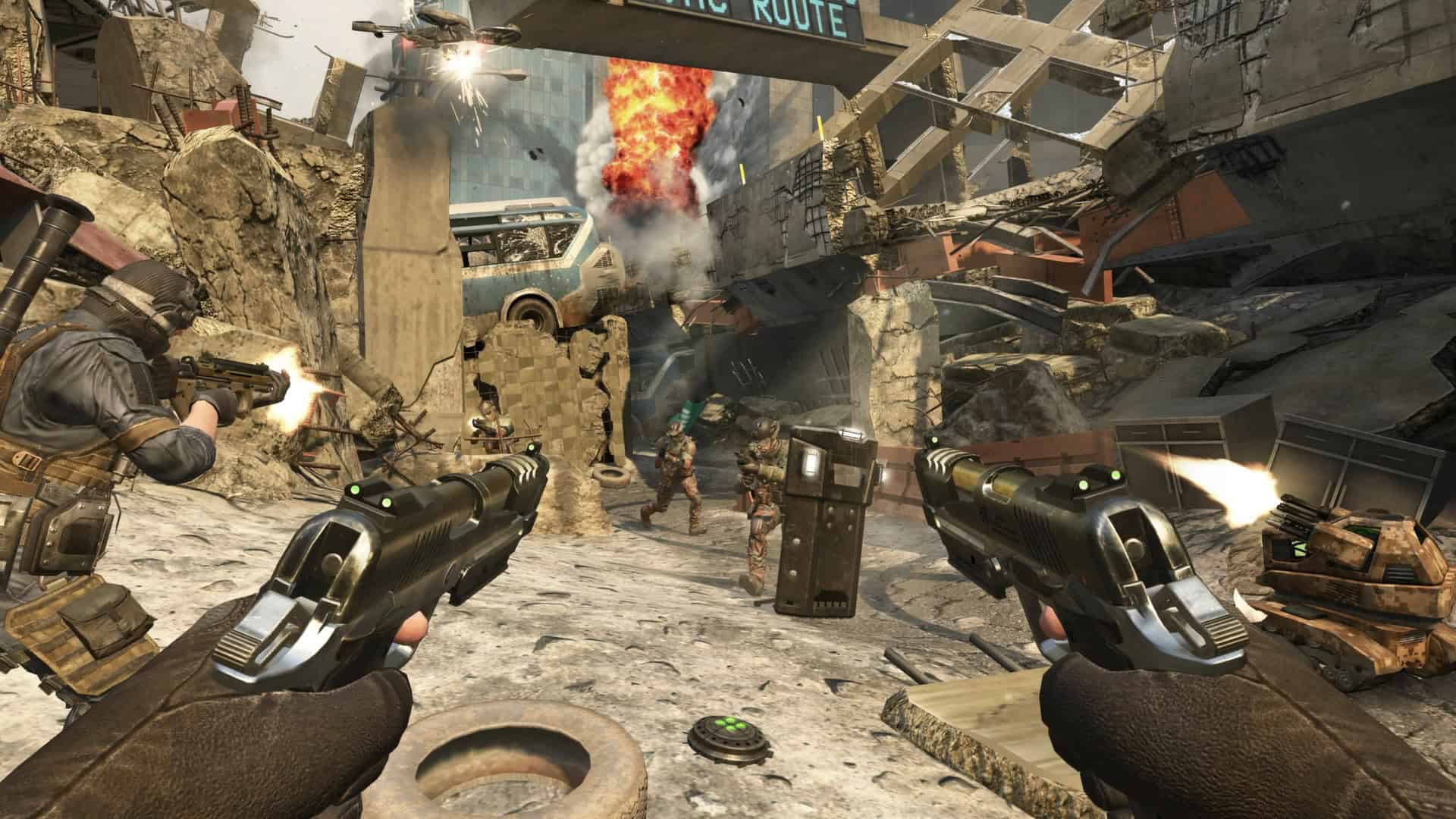
Gavin, who worked at Treyarch for 15 years, was part of the recent round of Xbox layoffs in July. In his time with the company, he worked on thirteen shipped titles stretching back to Call of Duty 2: Big Red One, to the most recent Black Ops 7. He helped develop both the original Black Ops I and Black Ops II. More specifically, Gavin worked as a level builder for the popular multiplayer maps like Hotel, Hangar 18, Drive-In, and several zombie maps on Black Ops I. His work continued in the sequel as he helped design several key campaign missions such as the final level, Judgment Day. Gavin agreed to chat with GameObserver about his recent comments, the push to have residuals for legacy developers, and his experience with crunch at Treyarch.
Retroactive Pay and Unionization
Residuals, contractual arrangements that provide compensation for continuous use of previously created or recorded work, have existed in the creative field for decades. In the 1950s, the Screen Actors Guild fought for appropriate compensation for when their work was reused in TV broadcasts. It was more than 70 years ago, and yet it still has parallels to the current state of the video game industry, with most artists, actors, and developers relying on a salary or a one-time pay out for their work. For example, Gavin is no longer compensated for his level design and input in the creation of Hangar 18, despite the Black Ops 1 remaster featuring the higher-resolution version.
Despite unions fighting for the protection since the early 2000s, residuals have not become a universal standard for voice actors or development teams in the industry. In our conversation, Gavin expressed his frustration with the stagnation and antiquated protections for developers. “Other industries like film, TV, and music figured out residuals decades ago,” said Gavin. “If a publisher is going to put out an un-updated digital drop of an old game and make hundreds of millions off it, a set percentage of that windfall should structurally go back to the original development team.” The potential of any form of retroactive pay for legacy titles does bring to light another interesting question. Should developers consider fighting for their rights to residuals on games that span for decades? What about custom skins that are designed and still sold on storefronts, like Overwatch or League of Legends, years later?
When asked if residuals should be applied to other forms outside of legacy content, such as games-as-a-service, which can see decades of success with the help of some of the original team members’ work, Gavin stated: “It absolutely should apply across the board. Whether it’s a standalone re-release or a live-service game that runs for ten years using the original code, the foundation is what keeps the cash flowing.”
It’s no secret that the industry has seen extensive layoffs and loss of talent in the past 3 years. The 2026 State of the Game Industry Report stated nearly a third of the survey respondents had been let go, a concerning sign for companies that rely on institutional knowledge to operate with existing game engines. In that same survey, nearly 82% of respondents supported the idea of unionization. Despite unions being formed to fight for worker rights and appropriate compensation at QA teams across Activision, Gavin said the developers at Treyarch had not had any conversations about unionizing while he worked there. “…we didn’t really talk about organizing or unionizing amongst the developers at Treyarch when I was there,” said Gavin. “That said, seeing what’s happening now across the industry, it’s clear things are changing. With the recent Xbox restructuring cutting loose so much talent and AI threatening regular development jobs, people are starting to realize that some form of long-term protection is becoming critical just to safeguard our livelihoods.”

The Reality of Crunch
There was a common theme that drove some of Gavin’s frustration with the lack of protection and compensation for his previous team’s work in both his posts and in our interview. Crunch. It’s a term that, as I expressed during our interview, in recent times felt more like a buzzword—so commonly used that the community might have lost sight of how it truly impacted developers. When asked, Gavin said: “You’re completely right. The word gets thrown around so much these days that people forget it means real human sacrifice.” He continued, “In my experience at Treyarch, crunch was pretty brutal earlier on.”
Gavin went on to discuss not only the impact this had on his life, but how the studio would subtly insinuate that overtime was expected. “Everyone automatically knew what it implied when the studio said they were providing dinner, it meant you weren’t going home to your family that night,” said Gavin. “It meant missing those dinners at your own table, dealing with massive burnout for months on end, and losing your personal time because there were plenty of weekends that we were asked to come in.”

On top of the overtime, Gavin stated in additional LinkedIn posts that through the years, despite the success of the Black Ops franchise, his bonuses decreased. In our interview, he acknowledged that he could not detail the conversations behind closed doors that might reveal the reasoning, but he did confirm that he continued to receive lower compensation as his career progressed. “In my final years, they did attempt to lessen the crunch hours and lift studio morale. But the compensation did not improve at all, it actually got worse.” He continued, “As the franchise grew bigger and the corporate structures shifted, the rewards for the people actually doing the heavy lifting ended up getting smaller and smaller.”
The Future Of The Industry
Gavin made it clear that he wasn’t initially trying to start a fight with his original comments, but they have sparked an important debate on how development teams are currently being compensated, and if this needs to be reconsidered, particularly when games continue to make revenue long after their release. “I understand that running a major game company comes with tremendous responsibility, and I’m not suggesting executives shouldn’t be well compensated,” he said. “But I do think the gap has become difficult to justify, particularly when the people responsible for creating the actual product have so little long-term financial security.”

Before parting ways, I asked Gavin where he’d like to see the industry go in the next decade given its current state. He reflected on his concerns about reducing creative risks, the long-term impact job instability will have on the flexibility of teams, and the importance of allowing developers to learn and grow together. He left me with one final poignant hope, “I still believe making video games can be one of the greatest jobs in the world. I’d just like to see the industry do a better job of taking care of the people who make that possible.”
There have been no public statements from Treyarch or Activision about Gavin’s comments as of this article’s publish date.







 ObserverCrew Picks
 bserver
 bserver