
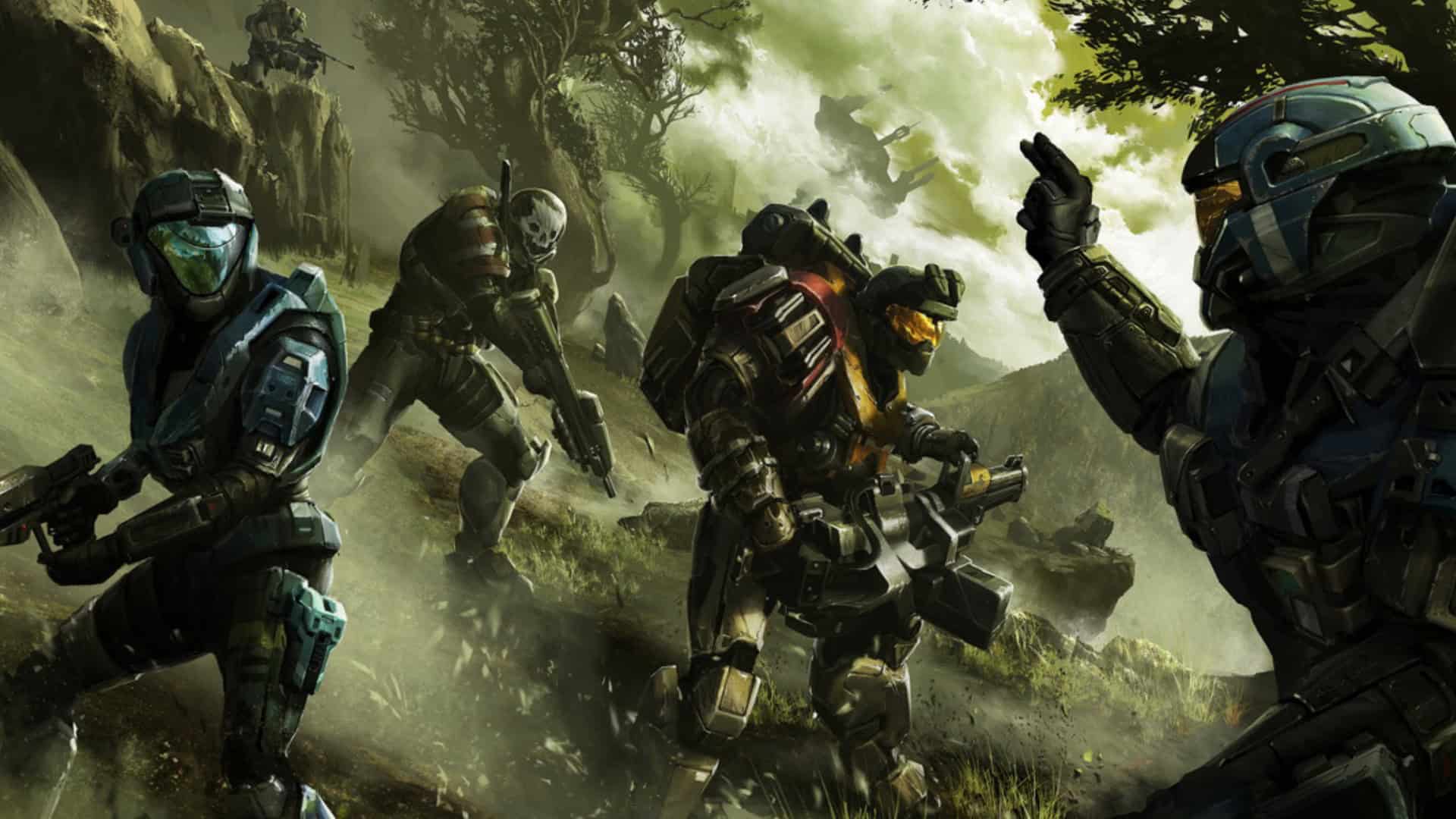
With the release of Halo: Campaign Evolved, the team at Halo Studios decided to take the Halo franchise in a new direction using Unreal Engine. While in terms of gameplay the team managed to capture some of the feel of Halo, most of the good aspects of the remake can be attributed to the original game, with the new additions ending up being a disappointment. The team created new bonus missions that work as prequels to the original story, but these are still plagued with the negatives that have accompanied the studio since they were still 343 Industries: weak writing, disjointed art direction, and lack of multiplayer content.
One of the aspects that Halo was known for was a game direction rooted in military sci-fi elements. Think Aliens, Starship Troopers, John Steakley’s Armor, etc. These elements, however, keep separating from the franchise with each new game under 343/Halo Studios. I was glad to find out that I was not the only one missing these elements in the series, since one of the co-creators of Halo and designer of Master Chief himself, Marcus Lehto, wrote a post on what his vision for a new Halo game would be: “If I were to make another Halo these days, I bet many of you would not like it. It would be a lot darker with a more grounded military feel. PvP would be the brains, PvE the heart and soul. It would not be “everyone’s” Halo.”
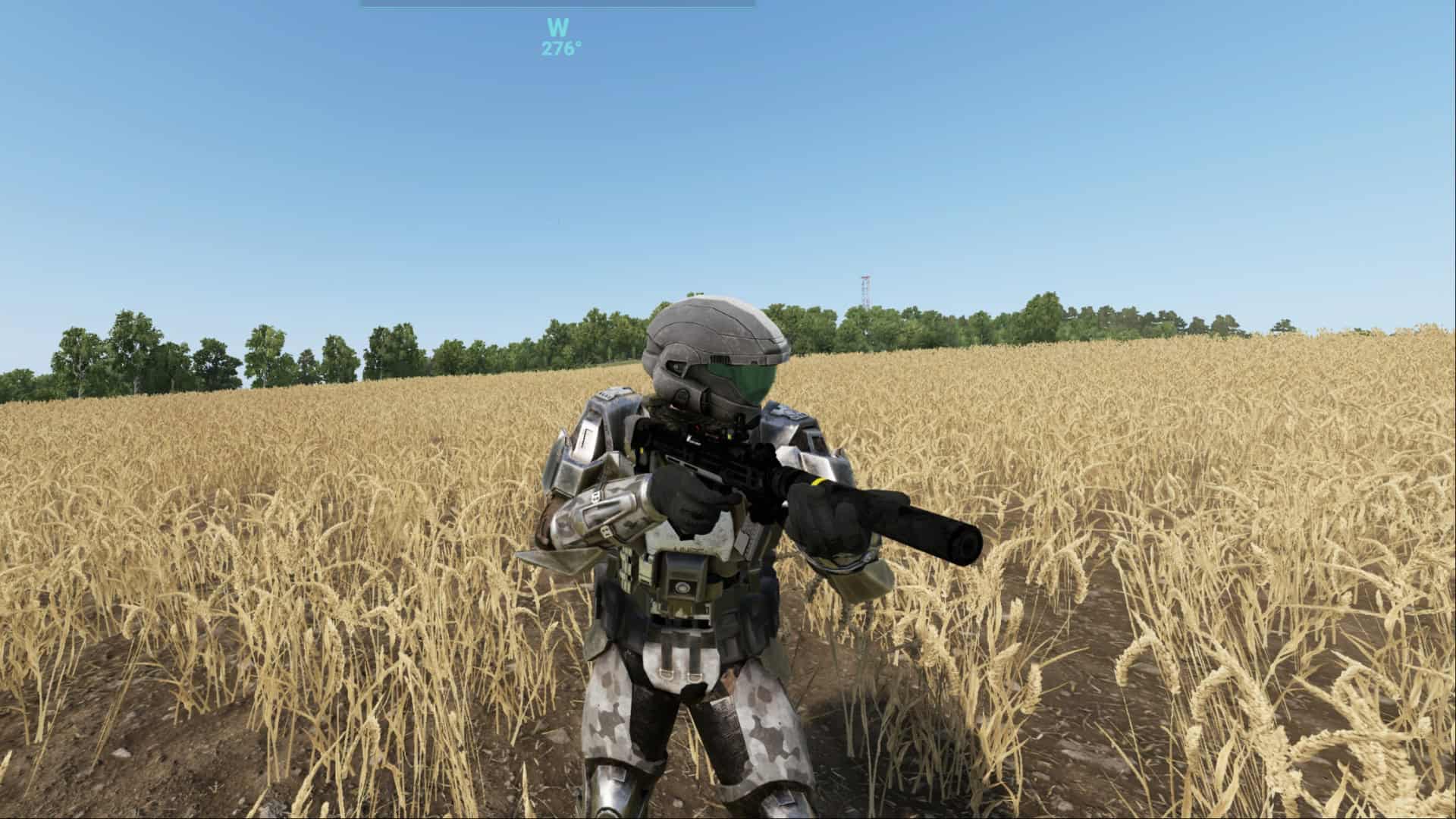
Well, I agree with everything Marcus said except for one thing; many of us would actually like that. “Grounded military feel” is exactly what has been missing from the last couple of games. I have found myself connecting more with Halo mods on other games, such as mods in Arma, than with any of the recent Halo games. Even Helldivers 2 transmits to me more the feeling of Halo than any game mode in 343’s multiplayer. Halo: Campaign Evolved didn’t even include the original’s multiplayer, which was a core element that helped elevate the game and enrich the experience.
We reached out to Marcus and asked if he could expand more on what he meant by PvP being the brains of a Halo project: “PvP is the proving ground for the sandbox, movement, new features, vehicles, and weapons, and biome locations. TDM, CTF, and BTB are core to that. I would love to explore something new as well – instead of chasing tails with extraction or BR – that will take time and lots of community involvement/playtesting.” After rumors that Halo Studios was exploring both a Battle Royale and Extraction Shooter for the franchise, it feels refreshing to hear a developer say that Halo shouldn’t be one to follow trends, and instead listen to the community’s voice.
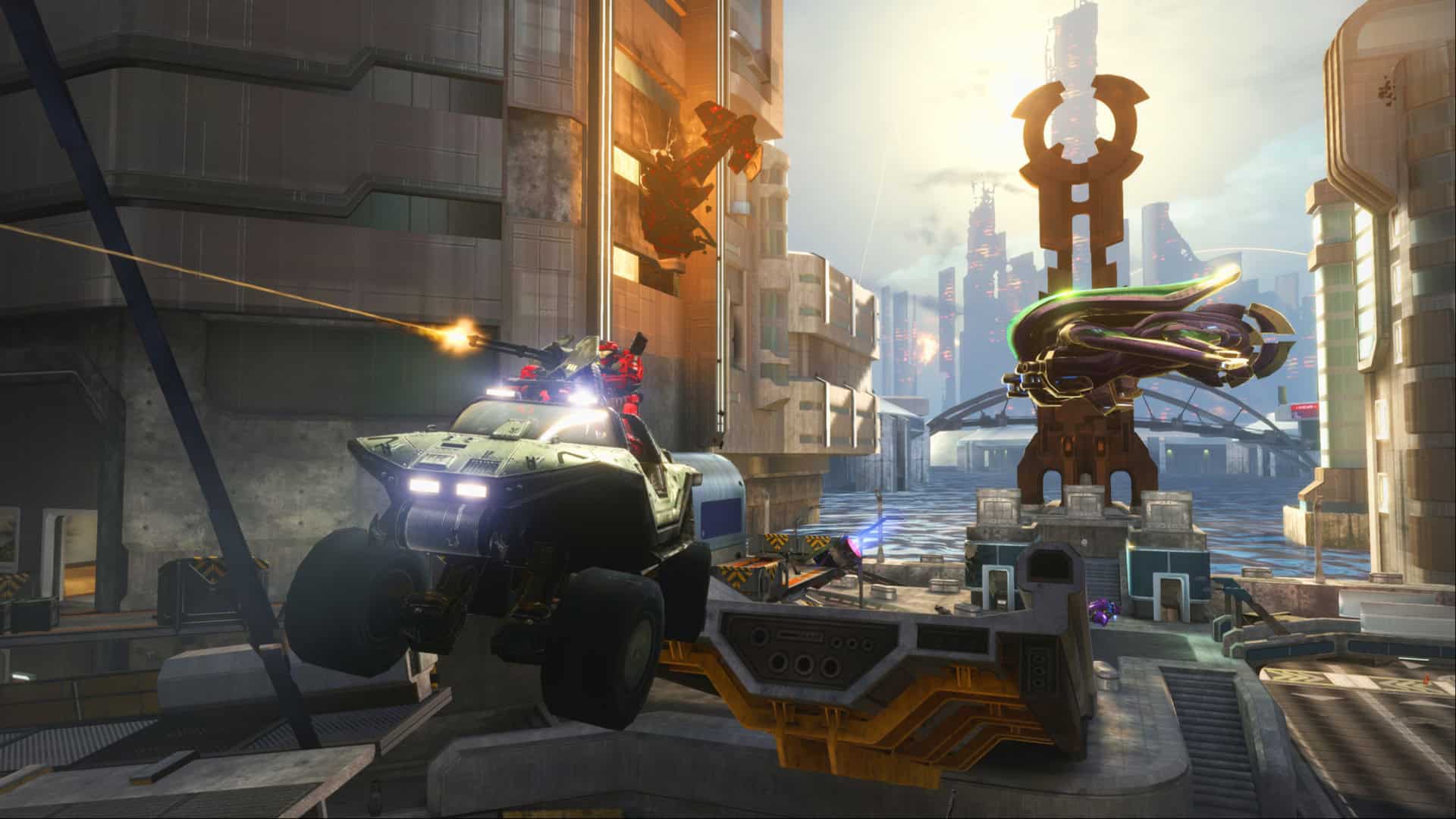
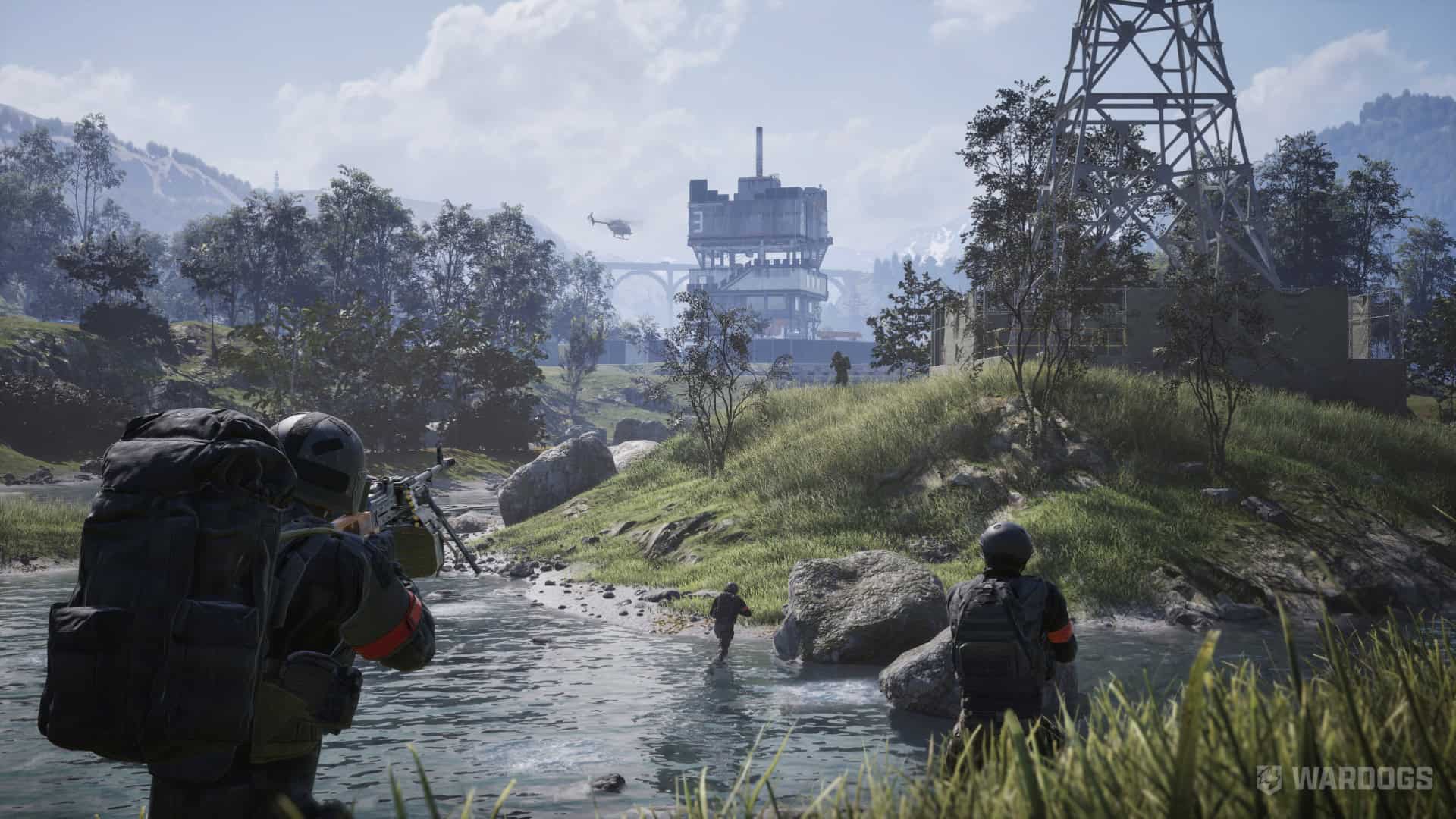
Personally, I haven’t connected with BR and Extractions. But Marcus’ comment made me think of my recent playtime with WARDOGS and its take on King of the Hill. While playing WARDOGS, I couldn’t help but think the same thing I do while playing Arma: This is a direction Halo should’ve explored a long time ago. Seeing friends pilot Falcons or Pelicans while one storms an objective as a Marine would be a great Halo gameplay experience and scenario. It was something present already in modes like Halo Reach’s Assault with the potential of becoming something bigger. Big Team Battle modes like King of the Hill became popular because of Halo after all.
PvP is just one side of Halo, with story and coop modes being another part of what made these titles special. For Marcus, “PvE is where the universe is constructed, the mystery is seeded. It’s where we define a place players want to inhabit and explore. It’s where we create characters and experiences that emotionally connect and give legitimacy to the universe.” A big part of my love for Halo was that sense of awe the games transmit, both in their art and narrative. This feeling is lost to me in the 343 games, even more in the new Halo: Campaign Evolved bonus missions.
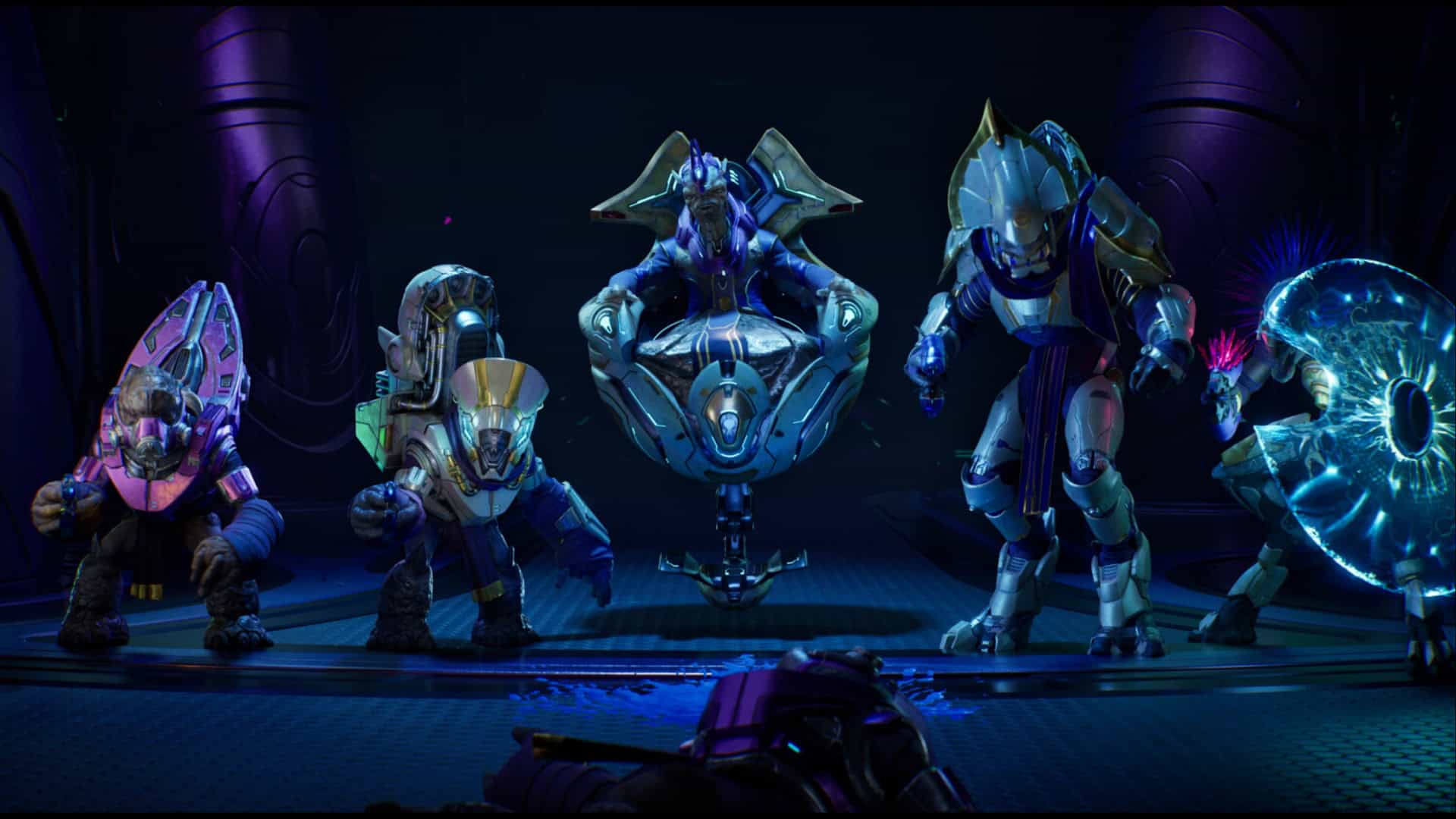
When given the mantle of Halo, 343 Industries decided to take the art style of the series in a new direction, one that just doesn’t emanate the feeling of the originals, let alone their inspirations. Marcus started in the art side of Halo while at Bungie, so I asked what his art vision would be in a new Halo project: “Art style has always been a careful dance between aesthetics of each faction and how they are defined. UNSC was grounded and relatable, Covenant was inspired by insects and their carapace shells and creepiness, Forerunner was mythical and never meant to be understood. I would probably continue exploring these areas because they speak to me personally – and we only scratched the surface of where these branches could go.” The grounded military feel Marcus speaks of, for me, also applies to the art style of the early games. 343/Halo Studios games, on the other hand, tend to make everything too shiny, with no sense of grittiness, passage of time, or room for environmental storytelling.
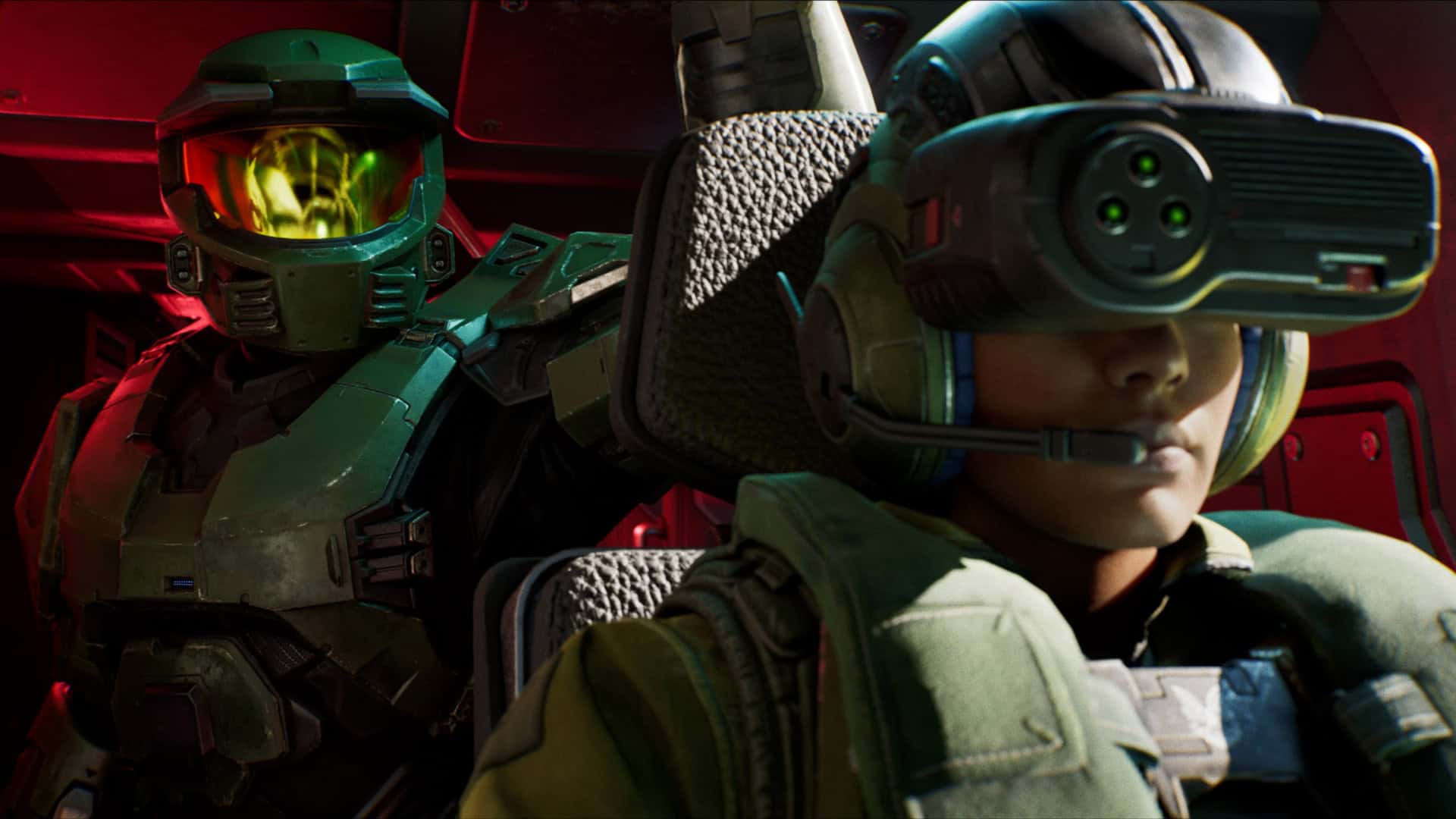
In the projects from Halo Studios/343, there is not only a deviation in art direction, but also weak writing in its narrative, with simple rules such as “show don’t tell” being constantly broken. This problem still persists in the new Campaign Evolved missions, with the new ODST Lieutenant going into literal explanations of why they don’t see eye-to-eye with the Spartans. That’s not how it works! Let the character show that through actions, and let the audience figure it out. Don’t throw it in the audience’s face, making them feel they are not intelligent enough to grasp the meaning of what’s happening. This has been an issue with the writing since Halo 5, and it’s frustrating that such a basic rule of scriptwriting continues to be broken. One that was well applied in Halo 4 with Chief showing his emotions without saying a word. Halo: Infinite had decent writing as well, having been supervised in its last stages by Joseph Staten, who was a writer in the series’ best-written games, like Halo 2 and Halo 3: ODST. Unfortunately, Staten’s time at the studio was short, with him gone soon after Infinite released.
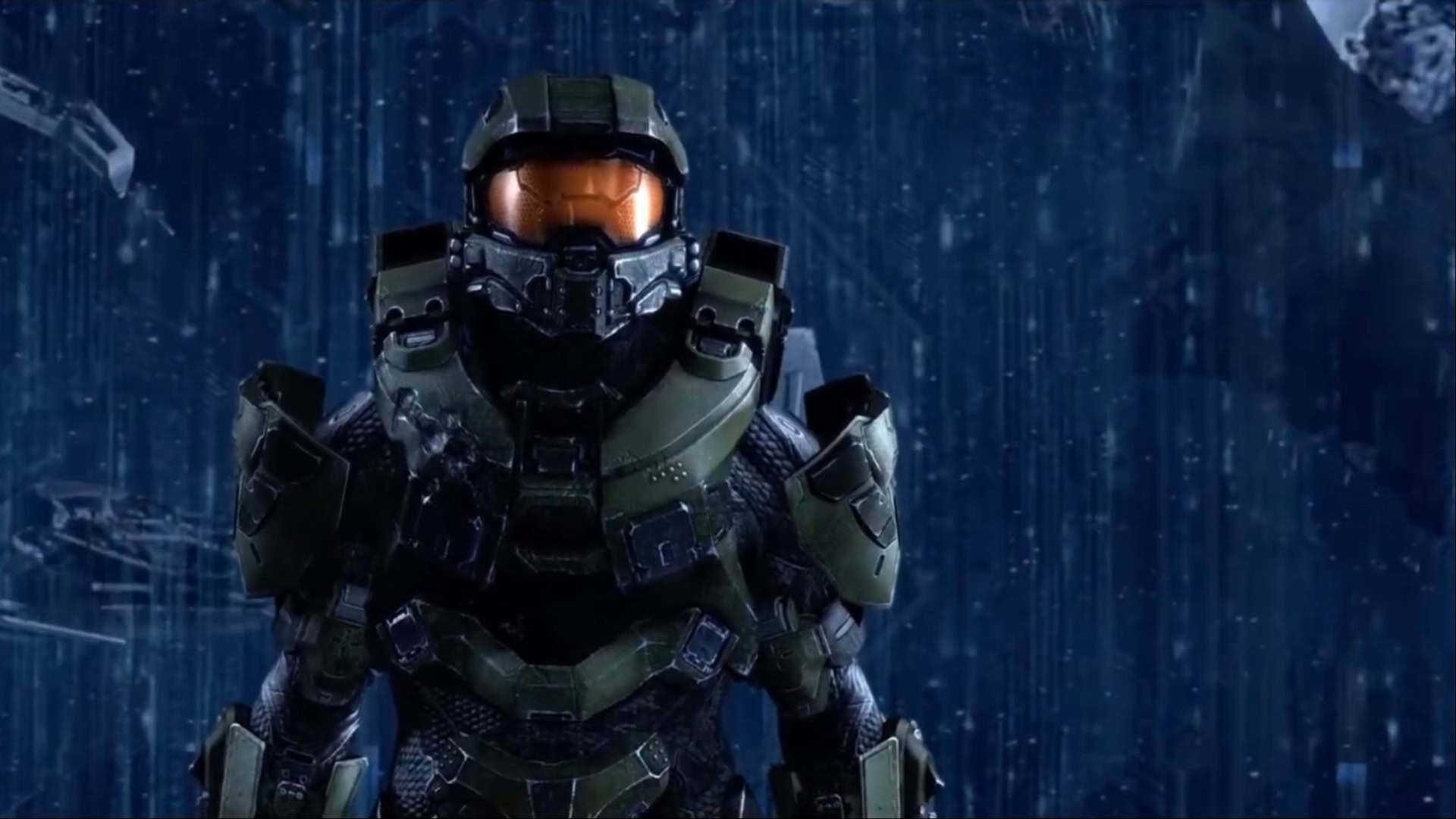
Before saying goodbye to Marcus, I had to ask: if allowed to work again on Halo, would he go for it? “I would seriously like to,” he answered. The ball is on your court, XBOX. Right there is someone who can bring what the Halo team has been lacking for some time: creative leadership. Halo needs leaders who have experience in game development, not in Microsoft’s guidelines. Like most studios, the team will likely need reinforcements following mass layoffs. The talent from these developers is clearly there, with the team successfully transitioning the franchise into a new modern engine while still keeping the feel of Halo. Some decisions just feel short-sighted and could be avoided by just having an experienced creative leader. There is so much potential for this franchise, and it is saddening to see it stuck in the same problems for such a long time when there are so many willing to help out.




 ObserverCrew Picks
 bserver
 bserver

I love everything about this