Nintendo has publicly released its financial results for the first quarter of the 2027 fiscal year. In it, the company detailed hardware and software sales numbers, comparing them to the first quarter of the previous fiscal year, which was the launch period for Nintendo Switch 2. In total, since the release of the console on June 5th, the console has sold 23.68 million units.
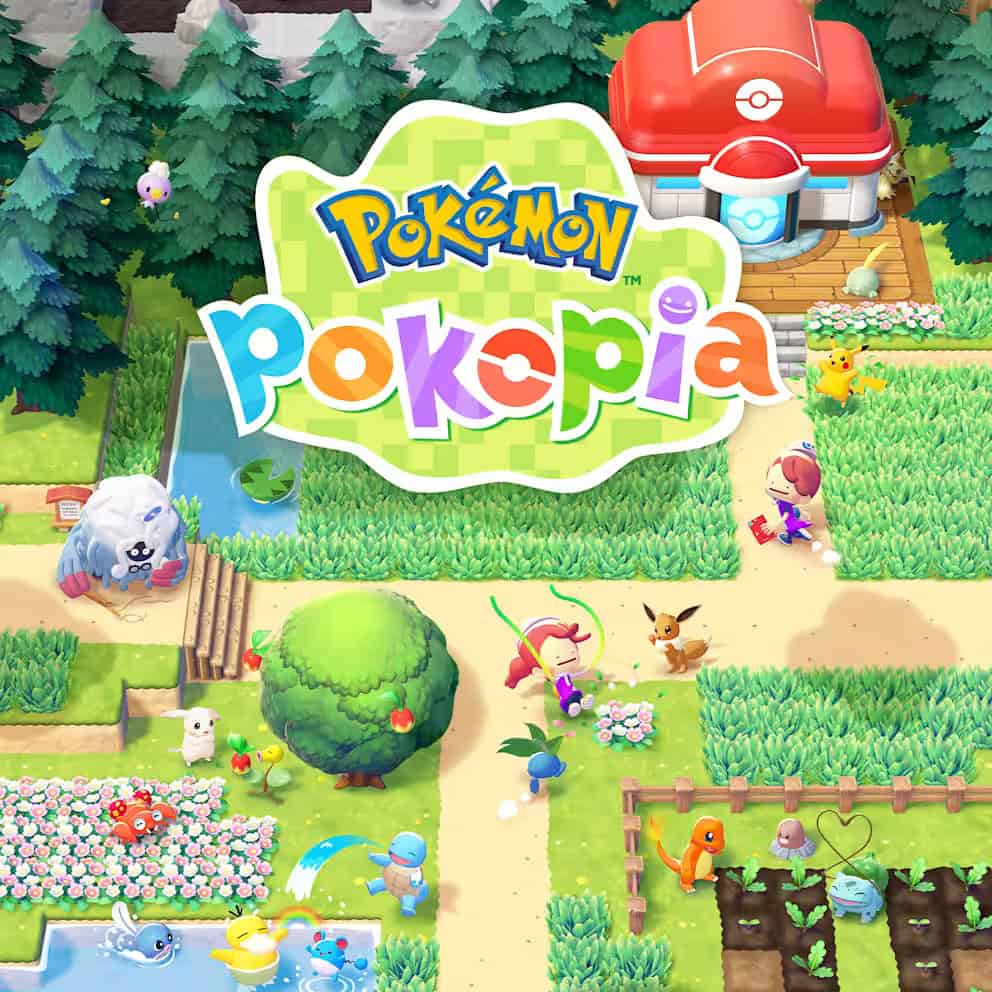
In terms of software, 9.46 million units have been sold on the Switch 2, and 33.81 million units were sold on the original Switch. Both of these are year-on-year increases: +9.2% and +38.6% respectively. The two titles that have been highlighted are Tomodachi Life: Living the Dream, selling 7.96 million units to date, and Pokémon Pokopia, with 1.27 million units in the current fiscal year. The lifetime sales for both titles listed in the report are 7.96 and 3.68 million units respectively; Pokopia released March 5, meaning the bulk of its sales was part of the previous fiscal year, plus the aforementioned data does not include Japan sales, where the game is published by the The Pokémon Company instead, whereas Tomodachi Life had 20 thousand units made during the same period, despite releasing April 16.

These numbers shake up several rankings. For one, Nintendo Switch 2 has outsold the lifetime sales of the Nintendo GameCube (21.74 million units), and is rapidly approaching the lifetime sales of the original Xbox (around 24 million units). Meanwhile, Tomodachi Life’s numbers would undoubtedly place it among the year’s best-selling games worldwide. For example, looking at an Alinea Analytics list, which revealed Meccha Chameleon as the best-selling game of the year by copies sold, the game would place in the top 4 for 2026, though it’s worth noting that the estimated data used there did not include Nintendo Switch sales. Living The Dream has also already outsold the original Nintendo 3DS Tomodachi Life, which sold 6.73 million lifetime units.
The document highlighted many other trends that are likely to shape Nintendo’s plans, such as the percentage of digital software sales, which increased by 2.2 points year-on-year up to 61.5%, or a continued dedication to a consistent release schedule for exclusives that Nintendo believes will open up its hardware to a wider range of consumers. The company also reiterated the success of the Super Mario Galaxy Movie, and promised to commit to “a variety of approaches to continually create contact points with Nintendo characters all over the world, working to convey the appeal of Nintendo’s entertainment offerings to an even wider audience.”
For future game industry news, stay tuned to GameObserver.




 ObserverCrew Picks
 bserver
 bserver