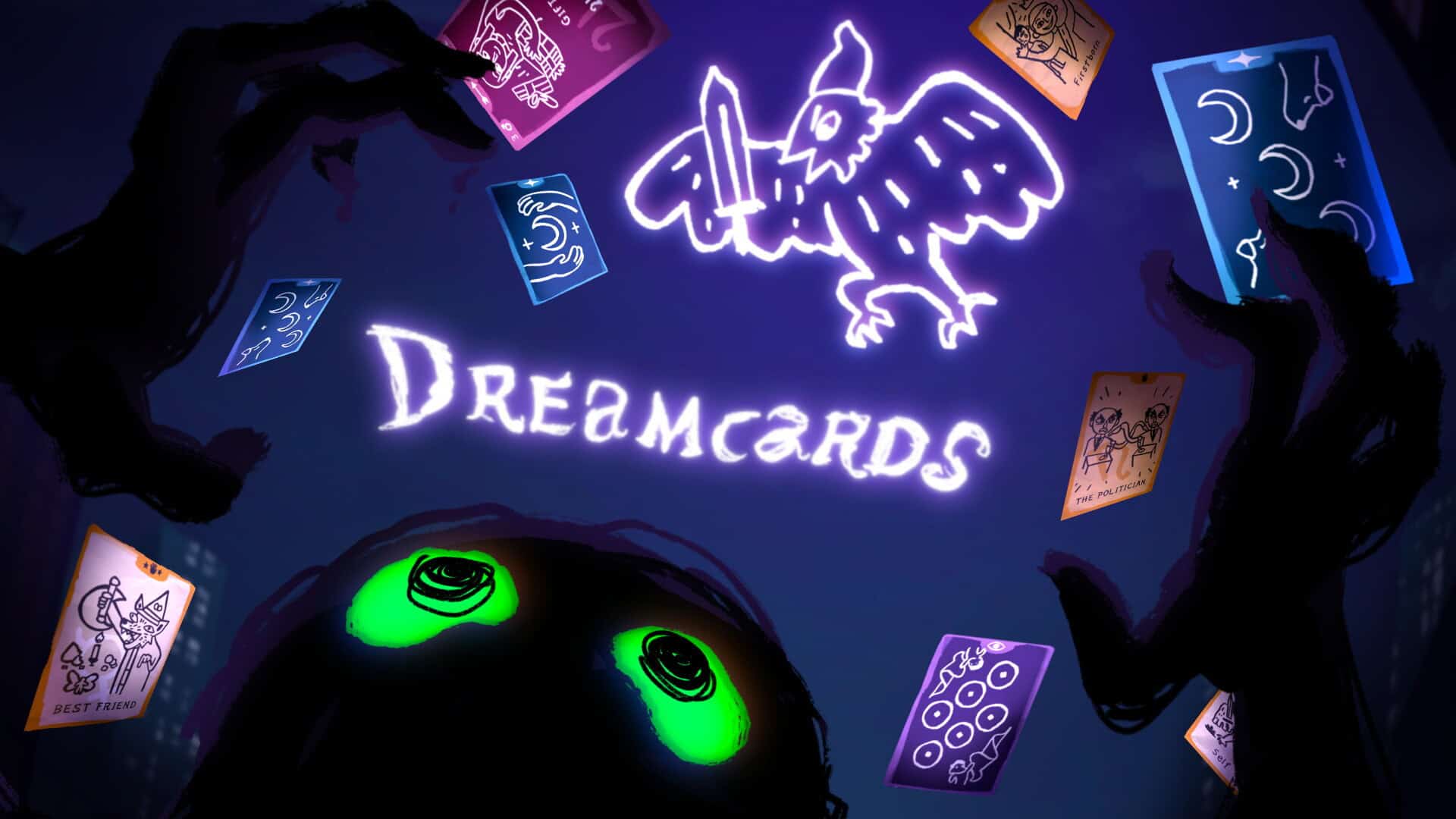
The basics of Dreamcards are that each day, you go through different scenarios and build out your deck while the sun is still out. For example, you will be asked whether you would like to hang out with your mother or spend time with your romantic partner, for example. Different options give you different types of cards, a set of three cards, or the option to either duplicate or remove a card from your deck; each option heavily affects your run due to the length of these runs. After you get through three or four scenario choices, though, it is nighttime, meaning it’s time to actually play the game.
When I first started the Dreamcards tutorial, I was immediately overwhelmed. I was so overwhelmed, in fact, that I decided to close the game and start it the next day. I’m so glad I decided to give it another go because it’s actually a really fun, engaging game, though extremely intricate. Throughout the tutorial, I was very nervous about whether I would be able to follow the gameplay properly. However, the tutorial turned out to be very thorough and teaches Dreamcards extremely well. Although I did not feel very prepared for my first run, I caught on quickly and even made it to night five!
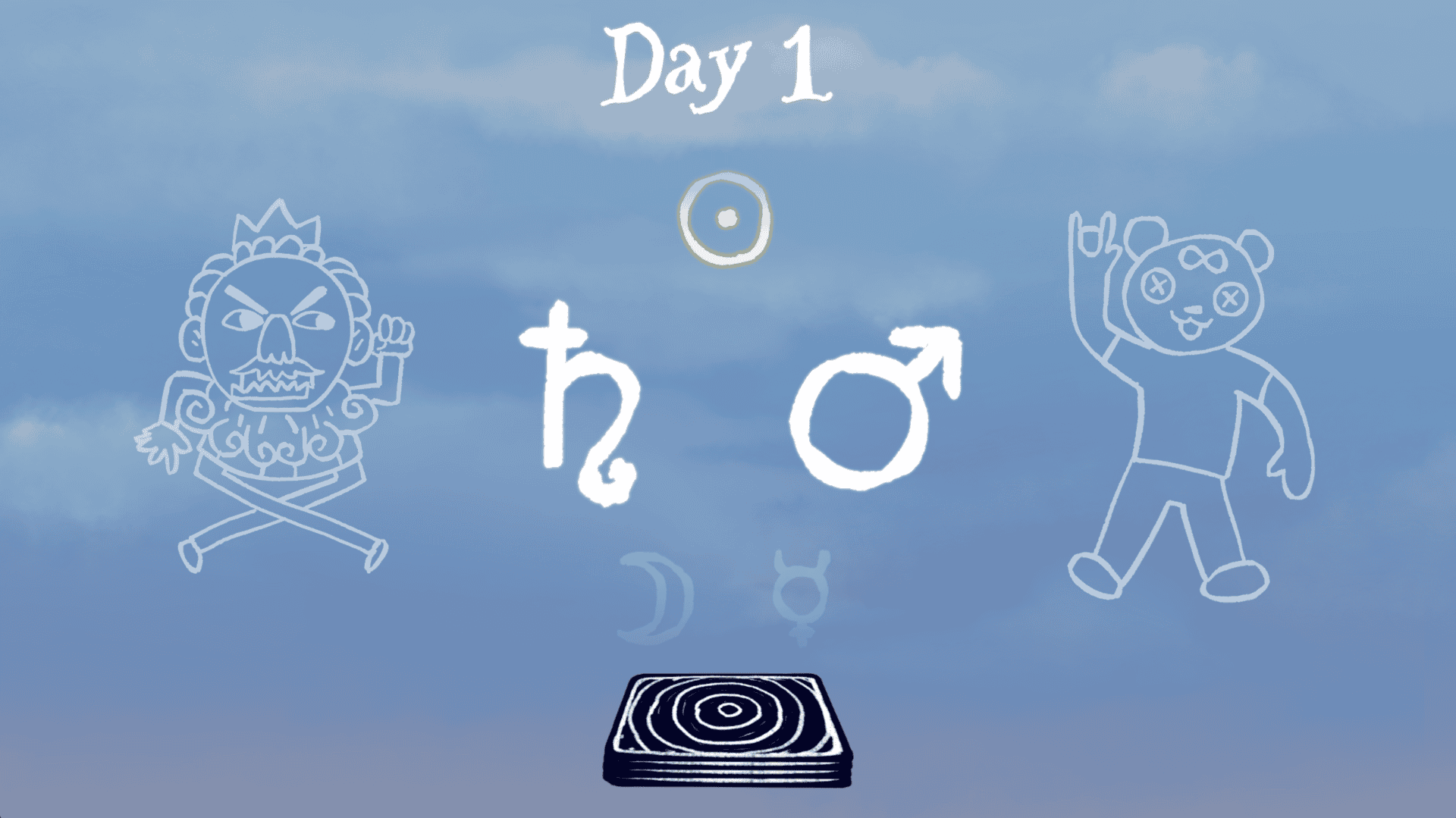
During your buy phase, you are able to buy three different types of cards: characters, ego, or id cards, which we will get into shortly. Your action phase determines what you can do during your buy phase. You will have a certain amount of spending credit from your id cards, as well as a certain number of cards you can buy; both of which are influenced based on your card draw and card play during the previous action phase.
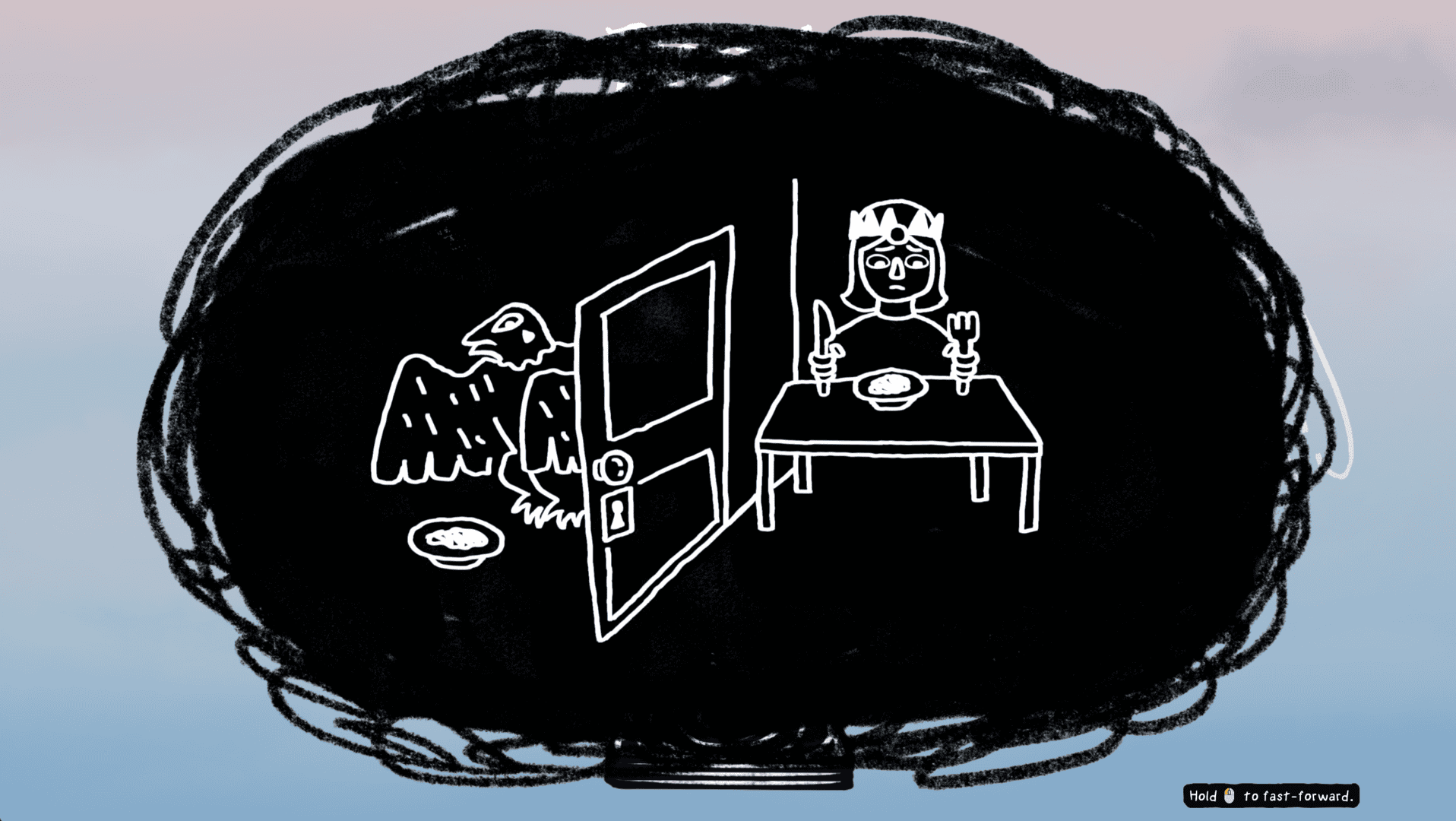
Once you end your buy phase, the monster is able to take its turn. The monster winning the game evokes a nightmare and causes the player to lose their run.
There are four main types of cards:
- Character cards: allow you to play performance cards.
- Performance cards: give the player different types of mana and perform actions.
- Ego cards: provide the player with points to win the game.
- Id cards: give the player moon mana to buy cards with your imagination.
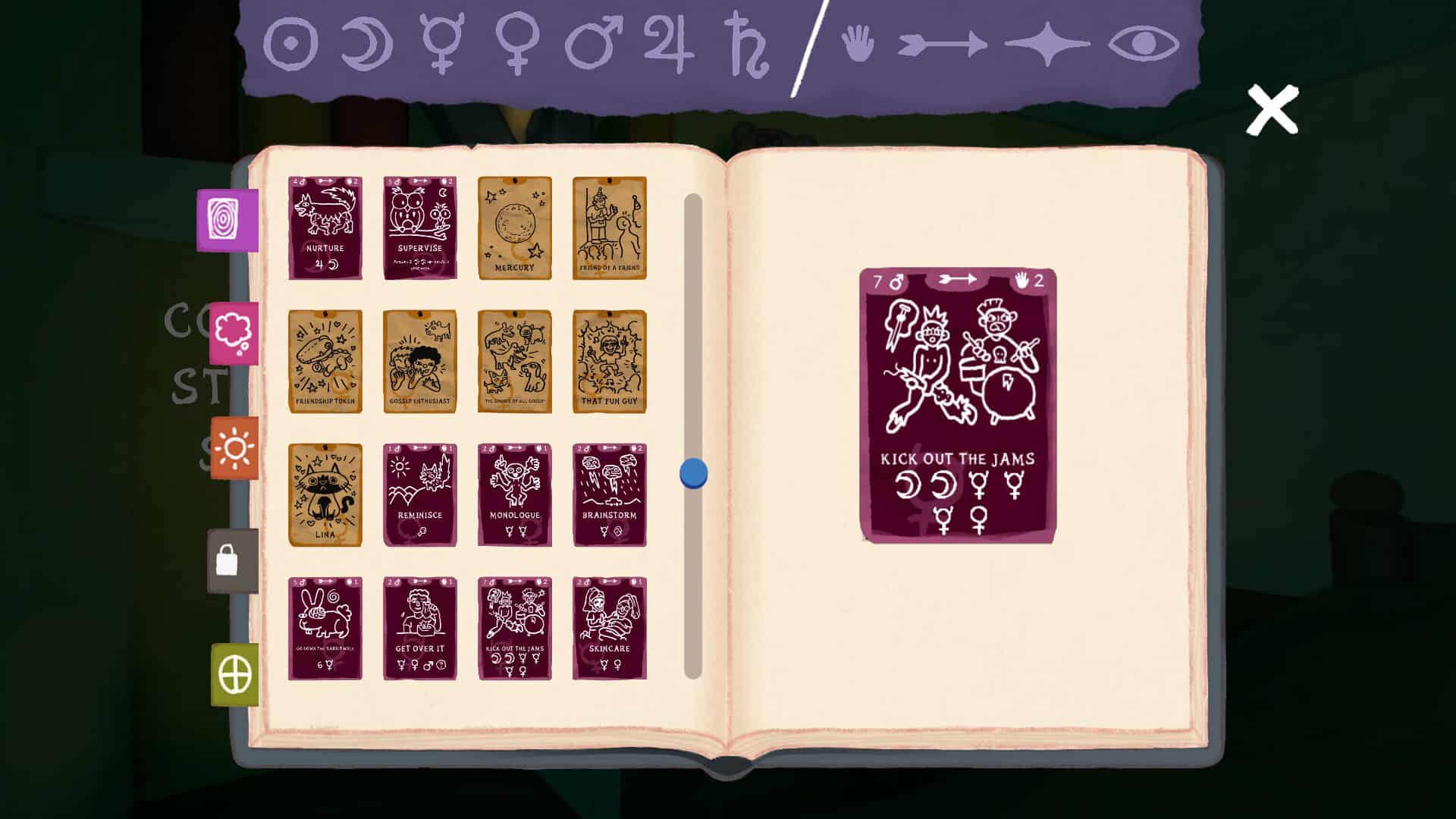
There are also four different mana types:
- Moon: gives imagination and currency to buy cards with during the buy phase.
- Mercury: allows players to draw cards during the action phase.
- Venus: determines how many cards the player can purchase with imagination during the buy phase.
- Mars: action points that allow you to play performance cards during the player’s action turn.
Points for each nightly run are based upon a scale-point system. +10 ego points, and you dream happily and win. -10 ego points, though, and the monster takes over, inducing a nightmare. The monster starts by putting one token against you on its own scale, then it slowly increases the number of tokens as its fire counts down in the upper right-hand of the screen. On night four, the monster begins playing character cards, and the player can use them to play their performance cards as well.
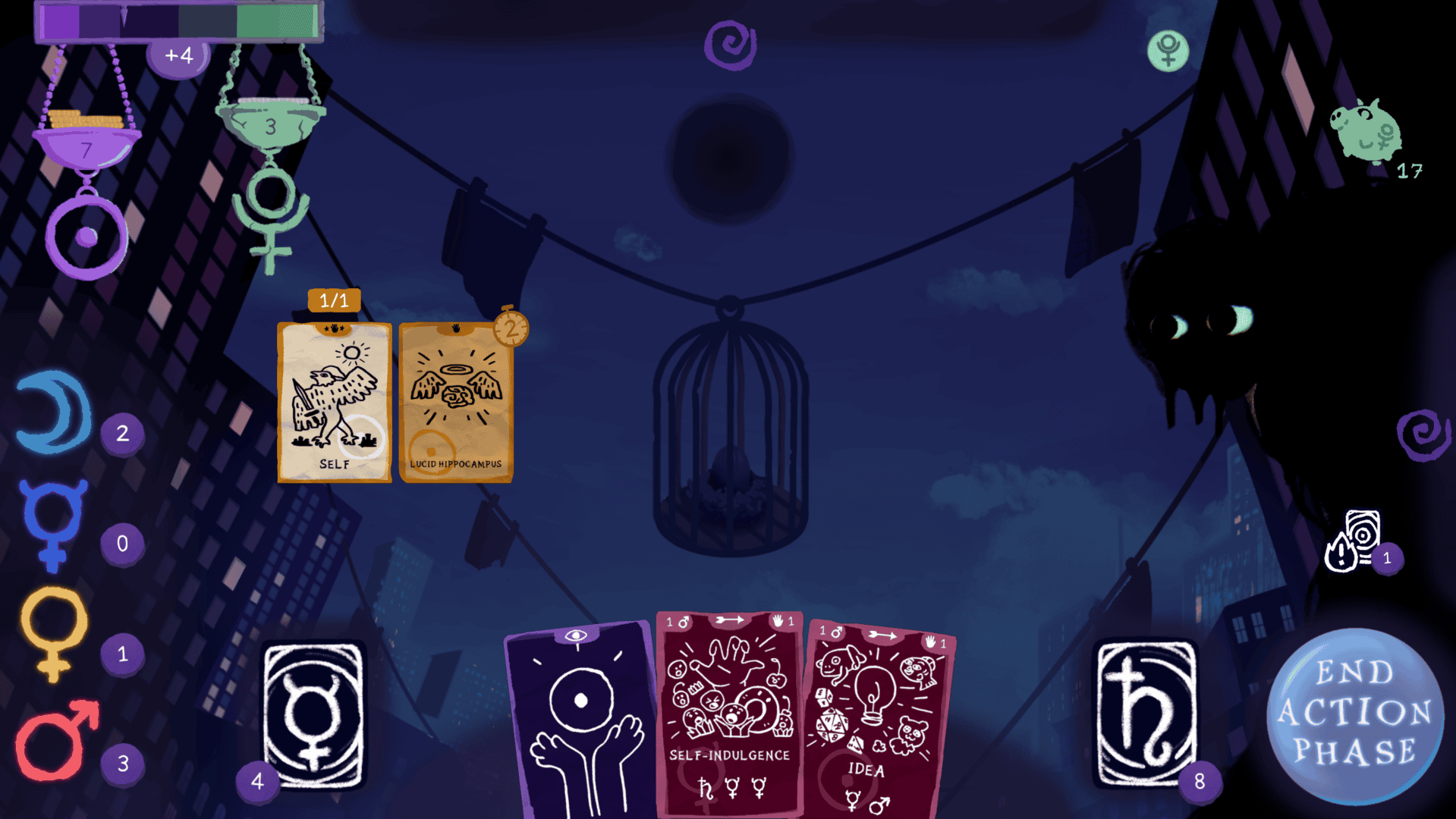
I really enjoyed the amount of skill required to do well in this game. A big part of Dreamcards is based upon synergy. There are six different types of synergies, and every card is faintly marked with what its synergy is. By matching a synergetic character card with a performance card, the player activates the character card’s special ability.
Players need to think critically about which cards they will play and in what order. One small mistake can ruin a run, so it’s important to consider all your options before moving forward. Matches are not timed, thankfully; the only thing to be aware of is that you have 20 turns to beat the monster.
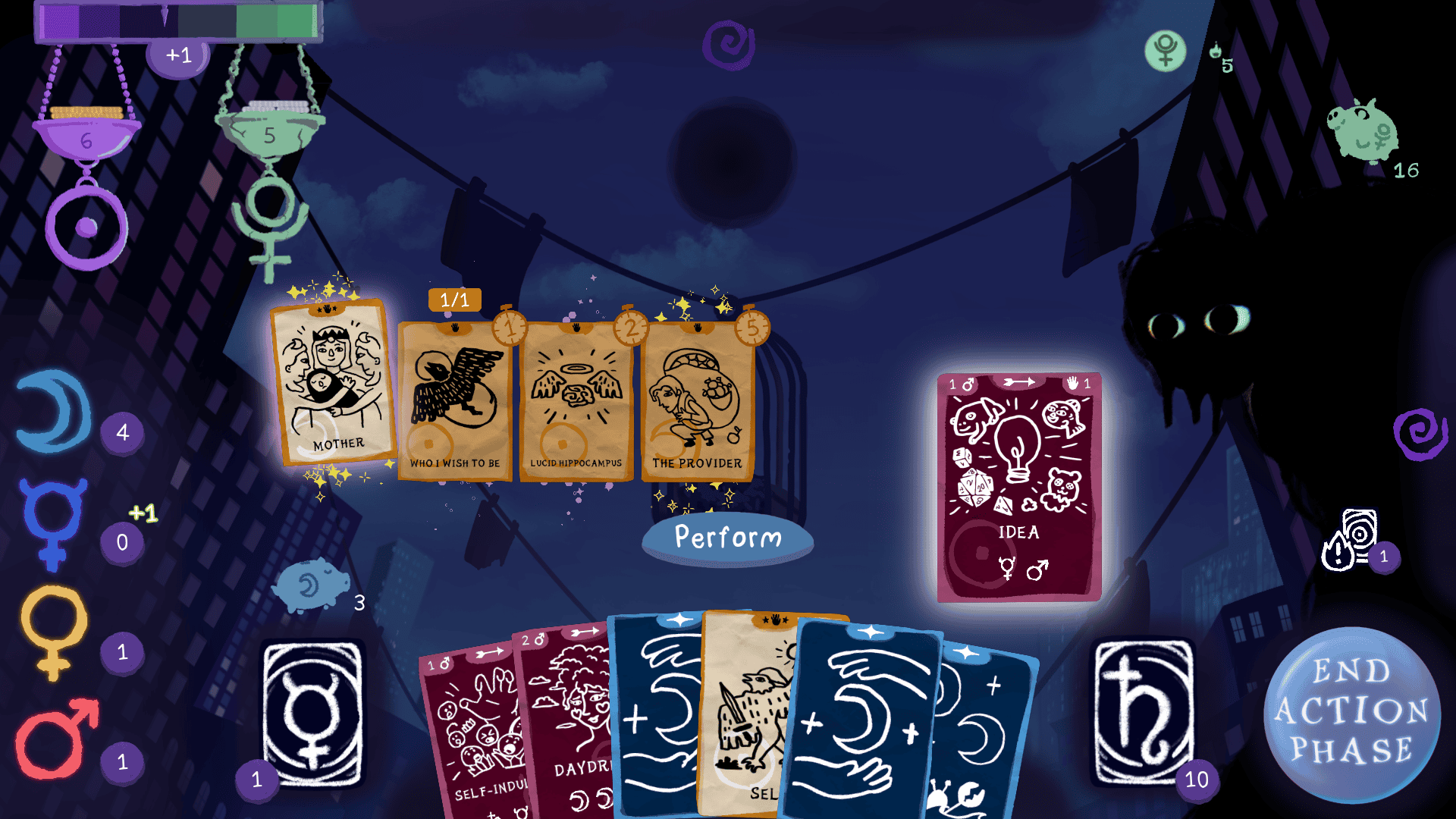
The graphics are typical of a roguelike card game, but they are still enjoyable. I really liked the monster’s animations, and I think that the cards were all thought out very well and made sense for what they were portraying. The music and sound design were great as well; the music was a bit creepy, which fits the vibe of a card game where you are trying to fend off a monster and avoid nightmares. I had no technical issues and encountered no bugs throughout the gameplay.
Overall, Dreamcards is a winner in every aspect for me. I think it’s a fun, fresh look at a new deckbuilding roguelike. Slay the Spire 2 is my favorite game of all time, so Dreamcards naturally had big shoes to fill. Nevertheless, I can happily say this game is great, and I would highly recommend it to anyone who is a fan of the genre.
Angel reviewed Dreamcards on PC with a provided review code. This review is based on the version of the game available at the time of writing, and our score will not be changed.
- Score
- 8/10 EXCELLENT - GAMEOBSERVER RECOMMENDS
- Summary
-
Angel says: Dreamcards is a great roguelike deckbuilder where you go multiple days and nights fighting off the monster and the nightmares that come along with losing a run. The game highly plays into card synergy and mana usage.
- More
- GameObserver's Review Policy

 ObserverCrew Picks
 bserver
 bserver