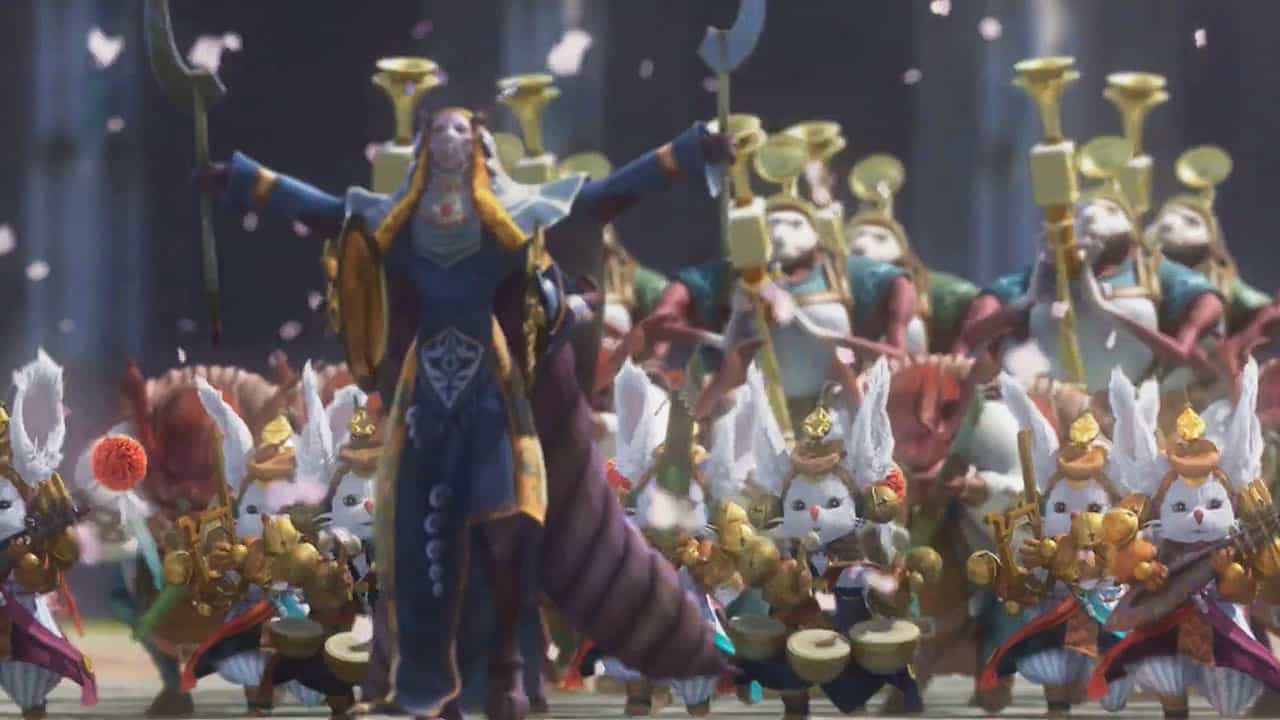
Love it or hate it, artificial intelligence is no doubt becoming increasingly integrated into the creative process of gaming development across the industry. Even Final Fantasy XII, Final Fantasy Tactics, and Tactics Ogre composer Hitoshi Sakimoto isn’t outright dismissing AI-generated music and acknowledges that the technology can already produce ‘good’ compositions. But he doesn’t see this as a reason for human artists to throw in the towel just yet.
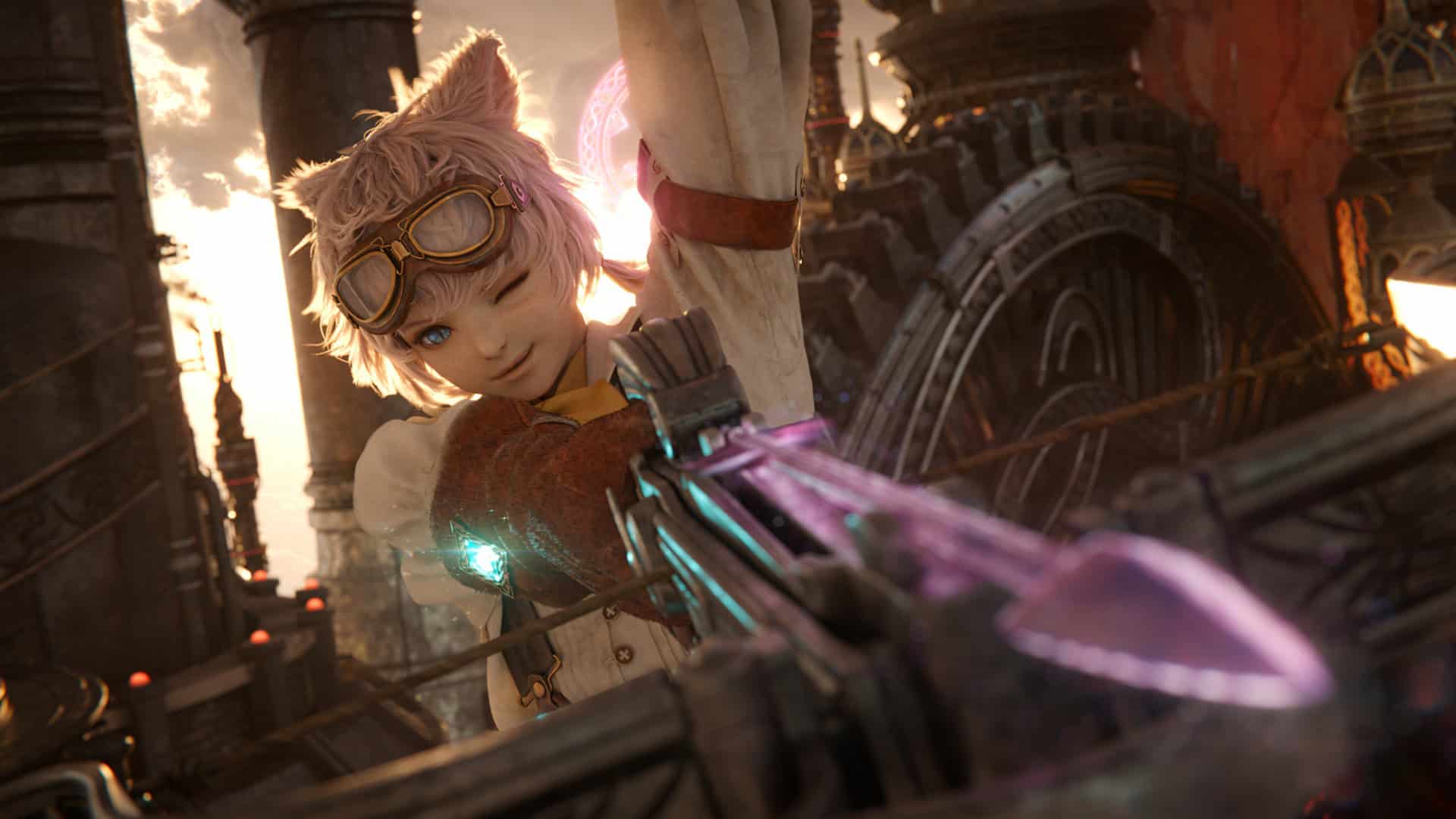
Speaking in an interview published in Famitsu Issue 1969 alongside fellow Final Fantasy composer Nobuo Uematsu, Sakimoto discussed his approach to composing music for the upcoming JRPG Eternal Anima. The conversation quickly turned to what makes Eternal Anima‘s OST — and their past works — sound unique or distinctive, especially when modern technology has made producing music easier than ever. For Sakimoto, the answer lies in experimenting with unconventional ideas, or sometimes downright ‘ridiculous.’
“These days, tools like AI can already compose good music, so even through doing something a bit ridiculous, I feel that we have to keep trying something new,” said Sakimoto, pointing out that Eternal Anima will have ‘musical details’ hidden throughout the game. Still, being creative doesn’t exactly mean simply crafting something that feels complex. In fact, Sakimoto believes the opposite can often be true. “I believe, fundamentally, the fewer musical notes [in a piece of music] there are, the better it is. But at the same time, working with a few notes to create a distinctive work is pretty hard, isn’t it,” remarked Sakimoto.
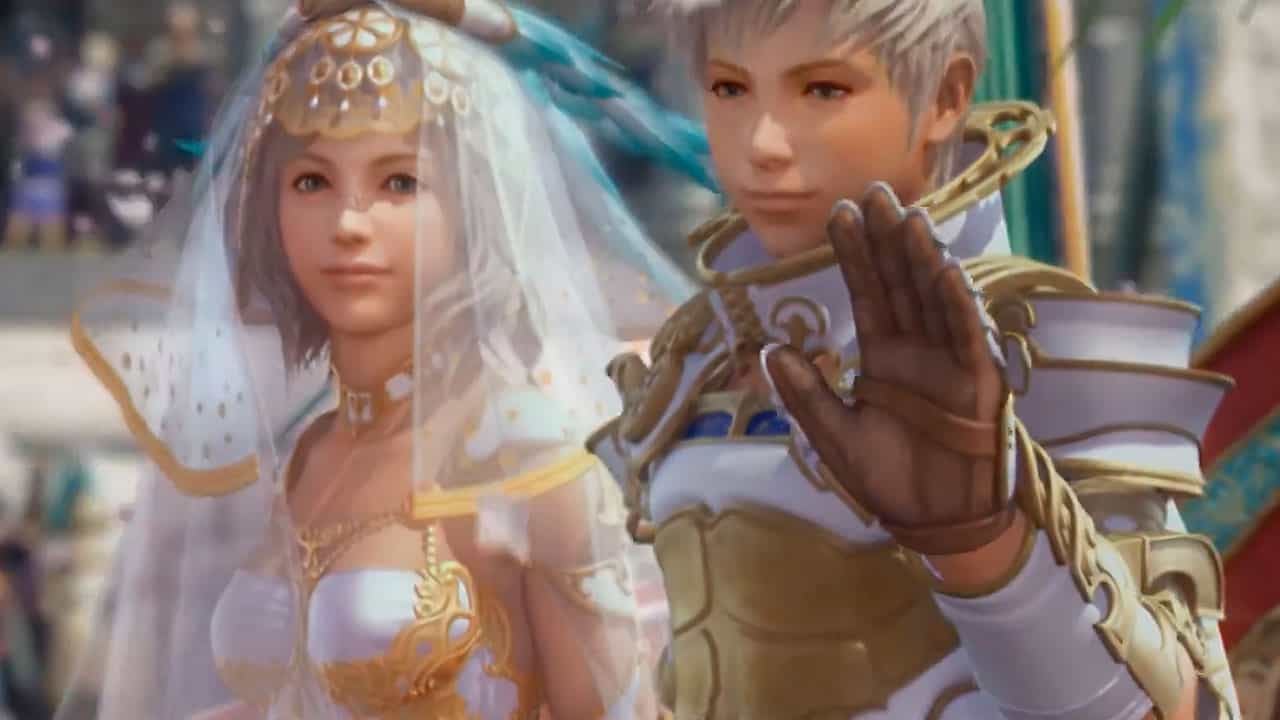
Sakimoto recalled being particularly impressed while programming Koichi Sugiyama’s music for Dragon Quest. Initially, he doubted whether certain passages with little more than a melody and bass line would be enough for the game. “But I realized once I actually programmed it in, it turned out to be perfectly sufficient,” he admitted. Nevertheless, he confessed he doesn’t always follow his own philosophy, especially when deadlines start creeping up. “I want to make [a piece of music] as simple as possible, but as time starts running out, in the end I often end up throwing many things into them (laughs),” Sakimoto added.
Uematsu laughed along, pointing out that composers, or perhaps other artists too, tend to keep adding more stuff when they lack confidence in their own work. Looking back at his older compositions, he also realizes that sometimes leaving those spaces untouched might’ve produced something better. “I, too, at the age of 67, still try to learn to remove unnecessary notes,” Uematsu remarked.
At the end of the interview, both composers encouraged aspiring artists to develop their own musical identity, even if it takes considerable effort. “Things like how to use tools or creating harmony are a matter of technical skill; it’s something that can be mastered by doing and is easy to teach, right? What I’m hoping is that other qualities can also be cultivated.” Uematsu agreed, “Like Sakimoto-san said, in this industry it all comes down to individuality.” He added that developing one’s own artistic identity doesn’t mean chasing every passing trend, a point he also raised when discussing how Hollywood-style scores are making game soundtracks harder to distinguish. Instead, artists should remember the music that originally inspired them and continue pursuing what they genuinely love.
Eternal Anima itself is planned to be released on March 3, 2027, for PlayStation 5, Nintendo Switch 2, Xbox Series X, and PC via Steam. For more gaming news and interviews, don’t forget to keep an eye on GameObserver.


 ObserverCrew Picks
 bserver
 bserver