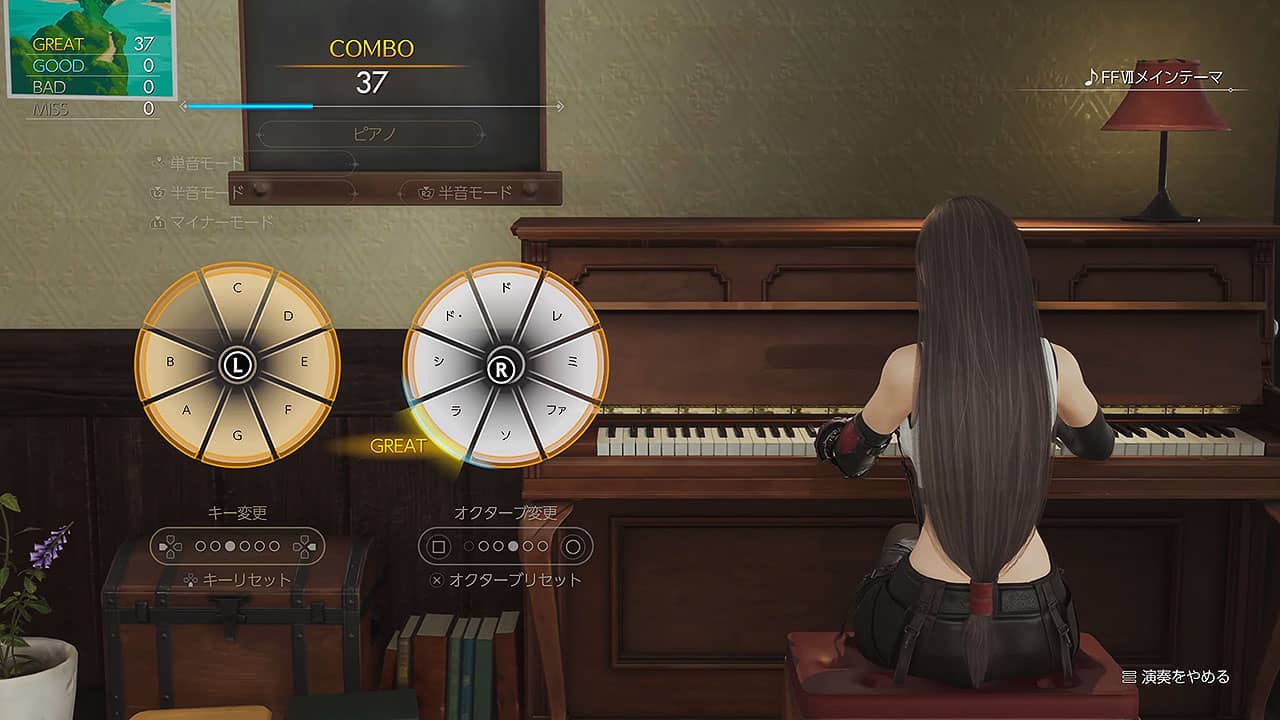
From the memorable chiptune melodies of classic games to the sweeping orchestral scores of modern AAA blockbusters, no doubt that video game music has undergone a dramatic transformation. However, legendary Final Fantasy composer Nobuo Uematsu believes this evolution has come with an unexpected downside. As game developers increasingly pursue — and are asked to make — Hollywood-style production, he argues that the soundtracks side of things are becoming harder to distinguish from one another.
Speaking in a Famitsu Issue 1969 roundtable interview for the upcoming JRPG Eternal Anima where he’ll be contributing, Uematsu recalled how musical expectations quickly changed as the industry moved beyond the SNES and into the PlayStation era. Composers capable of producing ‘film-like’ music were becoming increasingly sought after in the fifth console generation. “You couldn’t survive if you can’t make robust and substantial music,” he said. “Moreover, the whole gaming industry was aiming for the scale of Hollywood movies.”
This creative shift seems to have affected many musical artists and even someone highly regarded as Uematsu, too, has been forced to adapt. “For me, I realized since quite back then that it’s no longer an era where you can just make game music you like however you please,” he said. “You have to properly incorporate current trends and comprehend orchestration; unless someone can do that, they cannot move forward.” After decades in the industry, however, Uematsu is glad to have moved beyond those pressures. He now feels free to pursue the kind of music he personally enjoys creating. He also appreciates how Eternal Anima lets its contributors work with traditional JRPG musical sensibilities.
Regarding that change of trends, Eternal Anima‘s main composer, Hitoshi Sakimoto of Final Fantasy XII and Tactics Ogre‘s fame, chimed in, “Perhaps it’s because film scores are practically the only source for new orchestral music, I think,” adding that he was also frequently asked to compose orchestral pieces and he studied them ‘as hard as he could’ to be able to deliver them properly.

That shared experience led to Uematsu’s broader concern about modern game soundtracks. While orchestral music has become increasingly sophisticated, he believes its cinematic influences can make individual compositions harder to distinguish. “When you’re thinking of orchestral music with intensity, it’s easy to end up with something that sounds like a Hollywood-style score. In that sense, it has become increasingly difficult to differentiate a work just through its overall feel alone,” explained Uematsu. “Because of that, those who want to make game soundtracks need to highlight their own quirks, or create what can be called ‘distinctive music,’ prominently in their works, I think.”
Sakimoto agreed with that view, saying that originality matters even if composers are working within the creative restrictions of a specific project. “That’s true; a composer holds no value unless they’re writing music that only they could write, right?” he remarked. Nevertheless, he also finds that tackling those constraints is a ‘fascinating’ part of the challenge. “As a composer, I also like to do weird, ‘maniac-like’ things. Not necessarily something obvious for an ordinary listener, but maybe when another composer listens to it, ‘Isn’t he using an unusual scale?’ I’d be happy if they would say something along those lines.”
Towards the end of the interview, Sakimoto encouraged aspiring game composers to develop a distinctive musical identity, even if it takes considerable effort. “Developing your own individuality is a matter of discipline. It’s about doing things that set you apart from others,” he stressed. While technical skills like using instruments, software, and composing harmonies can be taught, he hopes younger composers will cultivate something beyond technical proficiency.
Uematsu concurred, reminding fellow artists to remember the things that first inspired them. “You don’t have to chase every passing trend to craft your own identity […] What kind of music moved you so deeply it led you to become a composer? That initial inspiration is something you must never forget,” he said. “If you keep wholeheartedly pursuing what you truly love, I believe they will eventually take shape in one way or another.”
Eternal Anima itself is planned to be released on March 3, 2027, for PlayStation 5, Nintendo Switch 2, Xbox Series X, and PC via Steam. For more gaming news and interviews, don’t forget to keep an eye on GameObserver.


 ObserverCrew Picks
 bserver
 bserver