In the last installment of our 30 Years Of Pokémon series, we covered the development of the world’s biggest video game, the unlikely story that brought creator Tatsuo Nomura to Niantic, and the April Fool’s prank that started it all. Let’s travel back in time now to July 5, when Nomura got to push the button and launch Pokémon GO. Money Man and producer John Hanke, director of Niantic and Google alum, oversaw the launch rollout: first to Australia/New Zealand, then to the United States, and throughout July to the rest of the world.
While there are going to be a lot of statistics and numbers here, they don’t really do justice in explaining how dominant Pokémon GO (and the whole franchise) became over the next few months. Pokémon became everything. This mania was different this time, though – in 2016, we were firmly planted in the age of social media. This meant that not only were your friends, classmates, coworkers, and family talking about Pokémon GO all the time; it also meant that every time you got on Facebook, or Reddit, or Twitter, or Snapchat (were we doing Snapchat in 2016), you were inundated with it.
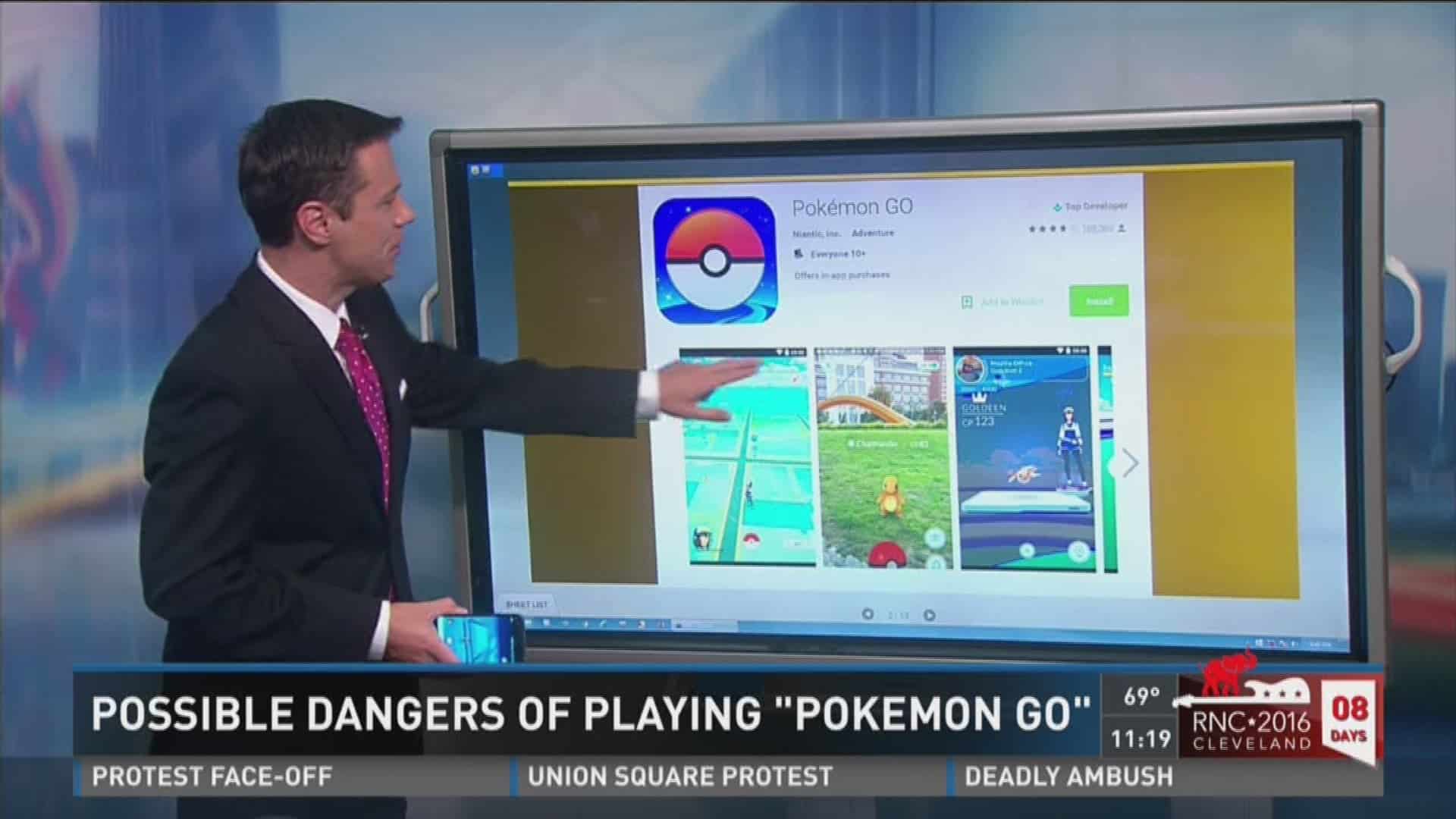
Pokémon GO had a pretty gnarly rollout that encountered more than a few problems across the globe. The French release was planned for July 15, but was delayed a week due to the terrorist attack on the Nice boardwalk on July 14th. The Japanese release was delayed as well due to a leak of McDonald’s sponsorship, which is certainly less intense than what happened in France. In South Korea, the game wasn’t released at all due to surveillance laws – it turned out that the northeastern town of Sokcho registered as part of North Korea, and allowed players to download and play the game. Thousands of people from Seoul flocked to Sokcho to play, even discovering a gym they could access at the DMZ. Parts of Busan were also playable, as they registered as part of Tsushima Island in Japan. Pokémon GO would not officially launch in South Korea until January 2017.
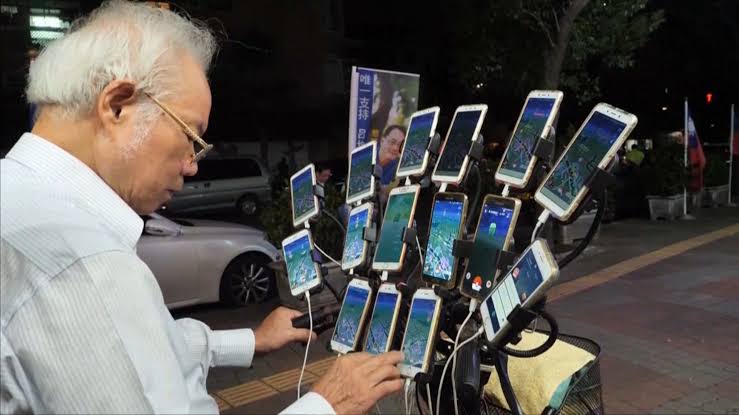
Other parts of Asia had their fair share of issues, too. Google services are inaccessible in China due to the Great Firewall, meaning that Pokémon GO was not playable there at all. Players in China had to spoof their location as well as use VPN services to access Google Maps and install the app. Pokémon GO remains officially unplayable in China to this day. Taiwan, on the other hand, found immense popularity immediately, with city streets swelling every day with players hunting for new mons. Myanmar was also excluded at first, with the same situation happening where border cities near the Thai border were able to play. Pokémon GO finished its launch rollout in January 2017, only adding Russia in September 2018 after that launch window.
One of the funny things about the stock market is that it’s all based on guessing by people who are often not informed. Case in point, when Pokémon GO exploded in popularity after its initial launch in early July, Nintendo shares rose 10% in a day. By a week later, they had risen 50%. If you recall, Nintendo does not actually own Pokémon – not entirely, anyway. Nintendo, independent development Studio Game Freak, and trading card/merch company Creatures Inc. each own a 33% share of the IP. Nintendo also did not publish Pokémon GO, although they provided an undisclosed sum towards its development. The Pokémon Company itself published the mobile game, with independent studio Niantic developing, so really Nintendo had little to no involvement in the game. While they certainly recouped their investment and then some, the vast majority of the revenue was actually going to Niantic and The Pokémon Company.
This logic didn’t stop investors, though; by the end of July, Nintendo’s stock value had more than doubled and their market cap had reached $17.6 billion USD, the highest it had ever been. Hilariously, Nintendo actually put out a statement clarifying that they did not own Pokémon nor Pokémon GO, and while they had recouped their modest investment, they stood to gain no more revenue from it. After that, their stock immediately fell by 18%. Oops! It’s almost like all this is made up. This was the biggest loss day for Nintendo since 1990, losing $6.7 billion in a day. In perhaps a more logical move, the battery phone case manufacturer Zagg saw a 25% stock increase due to Pokémon GO – if you’ll recall, the app was notorious in those first few months for draining batteries.
Anyone who picked up Pokémon GO during that launch window remembers the network outage issues. The global server usage for the entire launch window was surpassed in 15 minutes of launching – just in ANZ, the launch day traffic hit 10 times the worst-case scenario Niantic had planned for. Most players couldn’t connect their Pokémon accounts, and network outages continued to surge throughout the first month. Hanke even issued an apology at San Diego Comic Con that year, admitting that they were not ready for even a fraction of the popularity the game had gained.
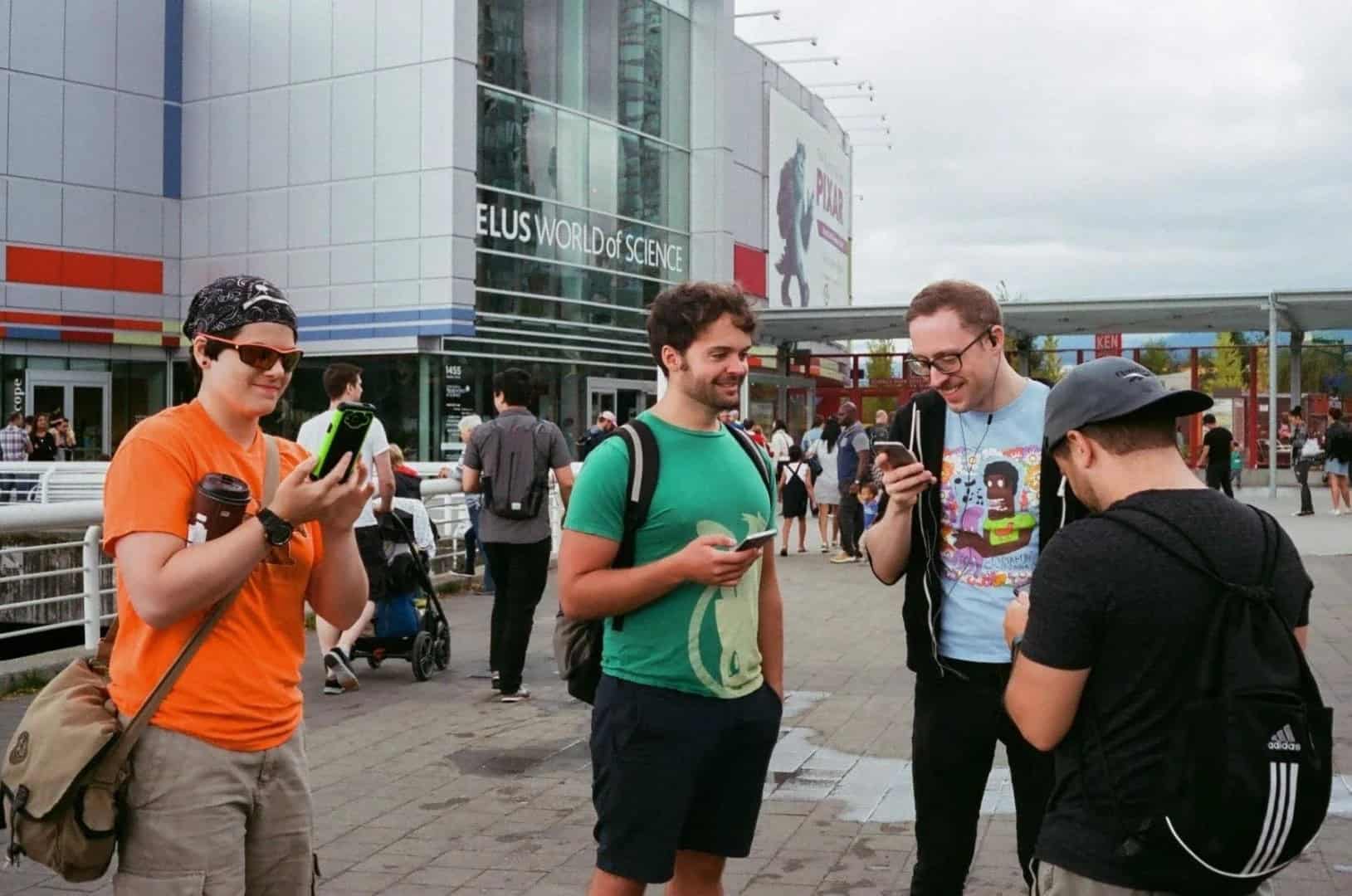
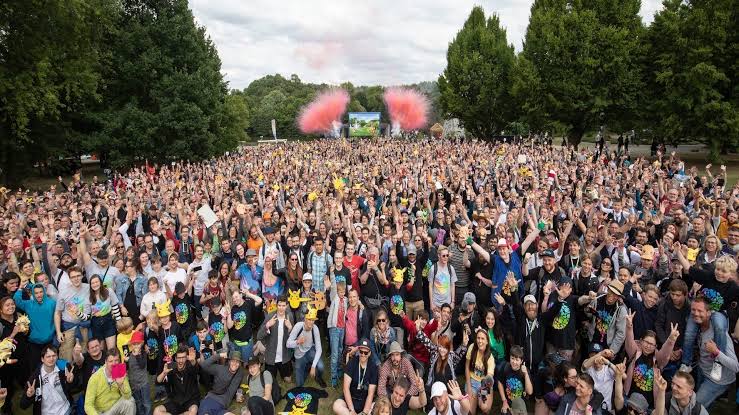
Hilariously, Pokémon GO currently holds a 69% on review aggregator Metacritic. It’s not without reason, as the launch version of the game was barebones, often didn’t work, didn’t have almost any promised features, and drained phone batteries in the span of an hour. This is perhaps the biggest case of a game being review-proof, because even as die-hard Pokémon fans like myself were severely disappointed in how bad the game was, we all kept playing it for hours every single day. I often think back to that magical summer, meeting my friends around downtown to hunt for digital monsters nearly every night. The thunder of excitement in a bubble tea shop as my friend spotted a Snorlax was primal, as was the literal stampede that started when my brother discovered a nest of Charmanders under a bridge in the park; I have never felt energy from a crowd like that since.
I’ll rattle off some stats and records here, although they are all adding up to what you already know: Pokémon GO is the most popular video game ever. Pokémon GO was the fastest downloaded app in both the Apple App Store and Google Play Store ever; in just a week of release in three countries, it was downloaded 10 million times; it had over 21 million daily active users by a week after launch, beating the record holder Candy Crush; by July 15, despite Pokémon GO not having released in the Netherlands, 1.5 million people there were playing through VPNs; by July 31, the game had reached 100 million downloads; by the end of August, it had hit 500 million downloads worldwide. Niantic last reported that in 2019, Pokémon GO had reached 1 billion unique downloads. Though we don’t know the lifetime totals as of 2026, estimates based on app store tracking put it at 2.1 billion downloads. It is very much so possible that one out of every four people on the planet has played it, handily placing Pokémon GO as the most played game of all time.

Now, let’s get into the money. Pokémon GO is and was free-to-play, with in-app purchases available for new skins for your character as well as more items, storage space, and upgrades. You might call it pay-to-win if its competitive aspects were more popular, but as one-on-one fights have never been a big part of the game outside of its unique competitive scene, there hasn’t been much mention of that among casual players. Pokémon GO pulled in $160m in its first month, more than quintupling its $30m development budget, and cruised to $600m in revenue by October. This made it the fastest-grossing app of all time by a wide margin. Several chains, such as Starbucks, McDonald’s, and even Sprint, paid Niantic to set up PokéStops in their locations to drive foot traffic, pulling in even more passive revenue. In later years, they introduced a paid Battle Pass as well to great success. All said, Pokémon GO has generated $9.1 billion as of its 10th anniversary a few weeks ago. There are a few games that have generated more money, including Grand Theft Auto V and World of Warcraft, but none can claim even a fraction of the total players Pokémon GO boasts.
It’s no secret that after the first 3 months, Pokémon GO plummeted in popularity. At the end of September, Niantic saw a 79% decrease in daily logins from July. Forbes magazine put it concisely in their coverage: “the vaguely curious stopped playing, and the more committed players ran up against a fairly unsatisfying endgame”. There would be ups and downs over the next decade, with popularity surging in 2020 as Niantic allowed players to play from home and then again in summer 2021 as people came out of quarantine and desperately were looking for any reasons to leave their homes while maintaining social distancing. Many may think of Pokémon GO as a thing of the past, but as of July this year, Niantic reported they still have 60 million monthly active users – that still puts it in the top 10 most played games to this day.
The cultural impact of Pokémon GO simply cannot be overstated, and as I said, the numbers really don’t do it justice. From Hillary Clinton telling millennial voters to “Pokémon GO to the polls” in a campaign speech to Brazilian President Eduardo Paes calling Niantic to get it in his country before the 2016 Summer Olympics, there was no one on earth untouched by Pokémon GO. Nintendo did see a surge in sales of their own games, with Pokémon Sun and Moon releasing for 3DS that November and selling 16 million copies. But not everything was sunshine and rainbows.
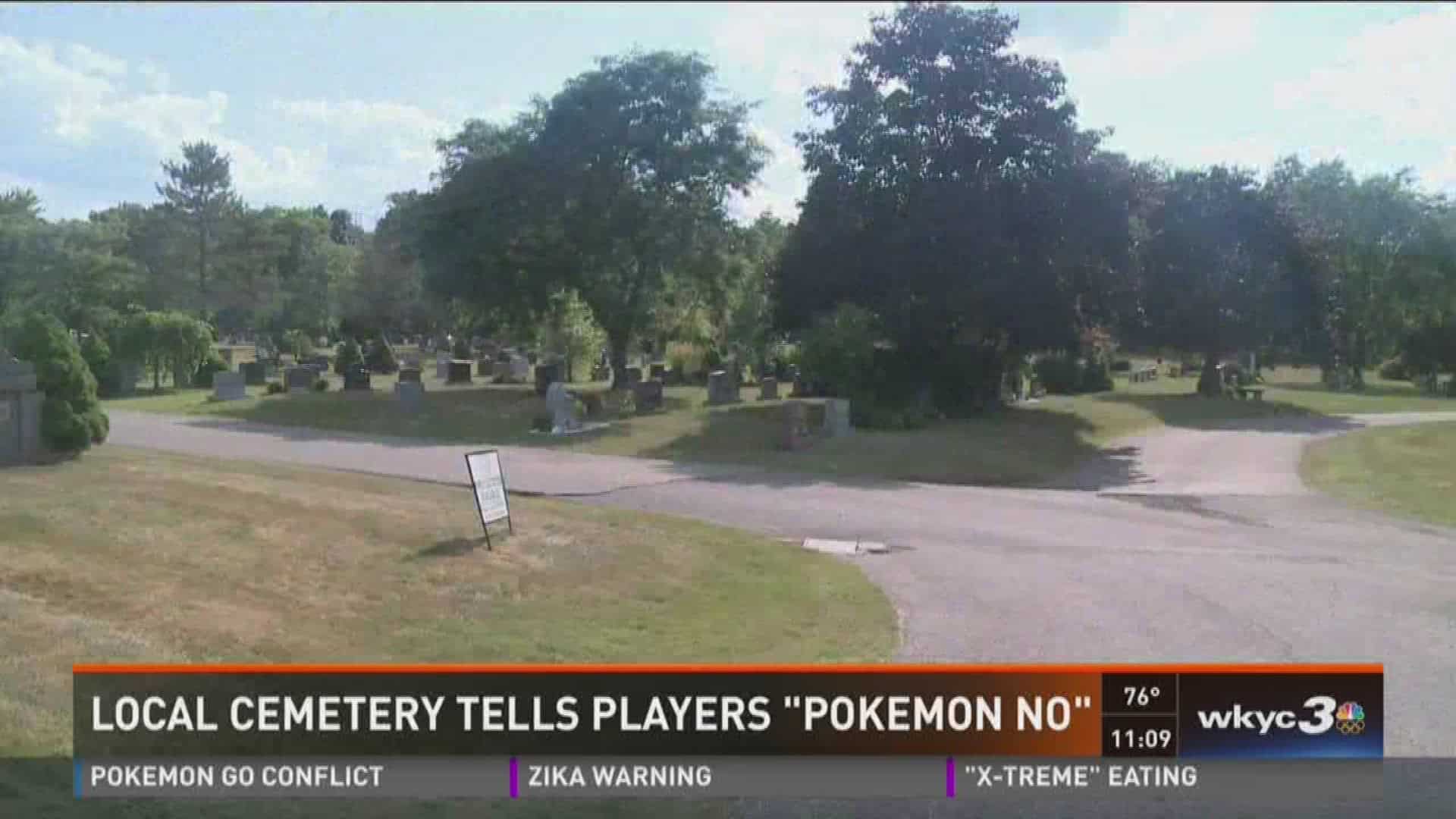
A wealth of religious and historic sites across the world, such as the Holocaust Museum, 9/11 Memorial, the Anne Frank House, and Hiroshima Peace Park Memorial, experienced surges in crowds of people running through, desecrating, and altogether disrespecting these important sites. Dutch company ProRail observed a lot of trespassers on train tracks endangering themselves for Pokémon, and fire stations found that their operations and response times were being hindered by swelling crowds finding a Dugtrio outside the station. Niantic addressed many of these problems by removing PokeStops, but still had a problem where more rural players as well as players in minority neighborhoods in America had to walk miles to find a PokeStop or Gym.
Bosnian players had to be issued a warning because they were walking too close to lost land mines from the Bosnian Civil War. A 21-year-old Russian was arrested in 2016 after playing at the Church of All Saints in Yekaterinburg and nearly spent three years in prison for blasphemy, ending with a three-and-a-half year suspended sentence. Distracted drivers playing Pokémon GO were responsible for vehicular manslaughter in Japan, and children in many countries were injured or killed trying to catch monsters on the road. There was also a religious upheaval against the game by certain Muslim nations, such as Egypt, Kuwait, Saudi Arabia, Malaysia, and Muslim communities in India. Many government facilities, schools, and military bases banned the game, and Islamic leaders the world over encouraged congregations to avoid it due to the potential for injury and addiction.
Contrary to Hillary’s instructions, Thai players of Pokémon GO were told not to enter polling stations, and Thailand’s Communications Department requested that Niantic remove PokeStops from all government facilities, historic or religious sites, rivers, or any private property. The Malaysian Employers Federation reported that 4% of total employees in Malaysia were fired in 2016 for playing the game during work hours. The High Court of Gujarat in India proposed banning the app nationwide due to the danger to public safety, but was stopped by the Supreme Court. All around, people were leaving their houses more than ever due to the game, but were not necessarily participating in society when they did.
Now for the really, really bad news. In 2019, Harvard Sociology Professor Shoshana Zuboff wrote about Pokémon GO in her book The Age of Surveillance Capitalism, breaking down how the game had been designed to introduce civilians to a means of self-tracking for advertising purposes. She proposed Pokémon GO was a test for Google to start figuring out how to not only track our movements in real life, but to control them completely by placing PokeStops strategically. She wrote, “In the end we recognize that the probe was designed to explore the next frontier: the means of behavioral modification. The game about the game is, in fact, an experimental facsimile of surveillance capitalism’s design for our future.” Many people brushed this claim off at the time as a tinfoil hat theory, but Zuboff seems, in retrospect, to have been right on the mark.
In March 2025, Niantic was purchased by the tech company Scopely for $3.5 billion. In addition, they spun off an independent entity called Niantic Spatial, which retained control of Ingress. Niantic CEO John Hanke stayed on to continue running the company, and of course promptly laid off 68 employees the day the acquisition cleared. Following the sale, Niantic used scans from 9 years’ worth of Pokémon GO players, totaling over 30 billion user-taken pictures of the real world, to develop a geo-spatial AI model. This AI was then used in collaboration with the tech company Vantor, which partners with defense contractors, and by 2026 they had used Pokémon GO data to create an AI model that dictates autonomous drone strikes. The Guardian broke the news earlier this year, and you can read more about it here. We can speculate about whether Hanke always intended to use this data maliciously or not, but the fact remains that over a billion unwitting gamers have been party to a horrifying thing.
I don’t want to end this on a sad note, but it may be necessary to drive home the fact of the matter. Pokémon GO is the biggest game on earth. As a result, Pokémon experienced a resurgence that would lead it into its most recent decade, full steam ahead. In the next installment, we’ll cover the next generations, the painful transition to home consoles, Dexit, moving into 3D, and figuring out why Game Freak continued to shoot itself in the foot by making unacceptable games on an impossible timeline. Sure, people bought them anyway, but making high-quality games would have sold many more copies! The Pokémon Company seemed to have subscribed to the Dr. Evil mentality: “Why make billions when we could make millions?” In the meantime, maybe uninstall Pokémon GO, or reinstall it, since it’s way too late to do anything about the drone stuff. Take a moment to remember the summer of 2016, the last moment when we all felt we were approaching world peace, and cherish it. That feeling was real, important, and is still with us to this day.

 ObserverCrew Picks
 bserver
 bserver