In 2022, Sam Barlow brought the FMV genre back into popularity with the critically acclaimed Immortality. Originally used in arcade games, Full-Motion Video (FMV) games saw a resurgence in the late 1990s through interactive movies, with even Hollywood film studios getting involved and stars such as Mark Hamill making an appearance in some productions. They were often used for the marketing or cutscenes of regular games too, especially animated FMVs, as they could push the game’s existing visuals further than the in-game engine could allow for cinematic scenes. Of course, as technology improved, FMVs became obsolete. While Sam Barlow’s previous games, Her Story and Telling Lies, also used FMV technology, Immortality showed modern gamers the full potential of the genre; it was well-acted, had great directing, and was implemented properly into the gameplay rather than feeling tacked on out of necessity.
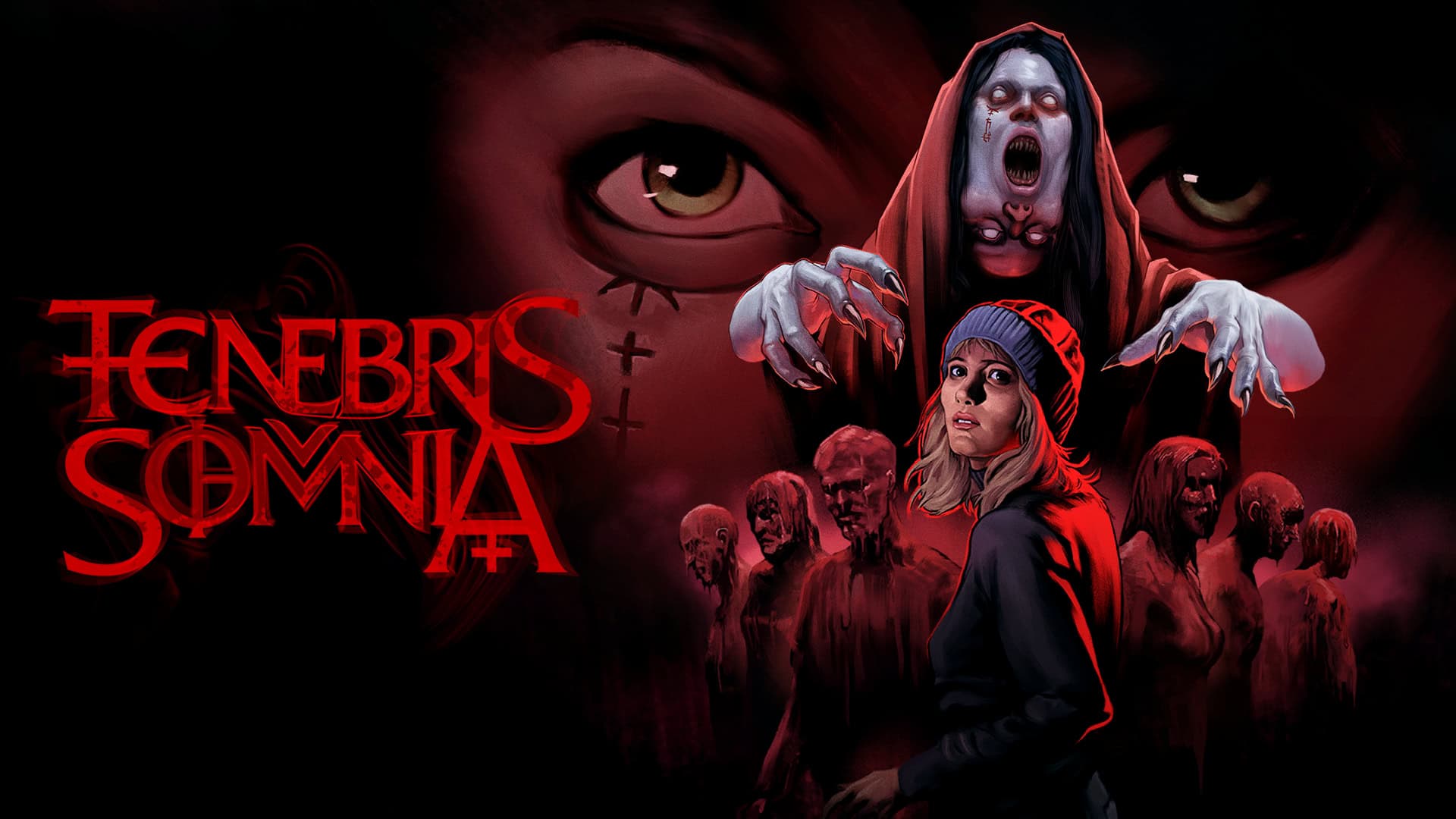
Developer Andrés Borghi recently released Tenebris Somnia, an 8-bit 2D survival horror game. While its bright colour palette, reminiscent of the NES era of video games, certainly makes Tenebris Somnia stand out from the subgenre of retro survival horror games filled with PlayStation 1 and PlayStation 2 throwbacks, it also runs into the limitations of its own technology; we have all these fantastically designed monsters, but we can barely see them, and how can an 8-bit game be made scary?
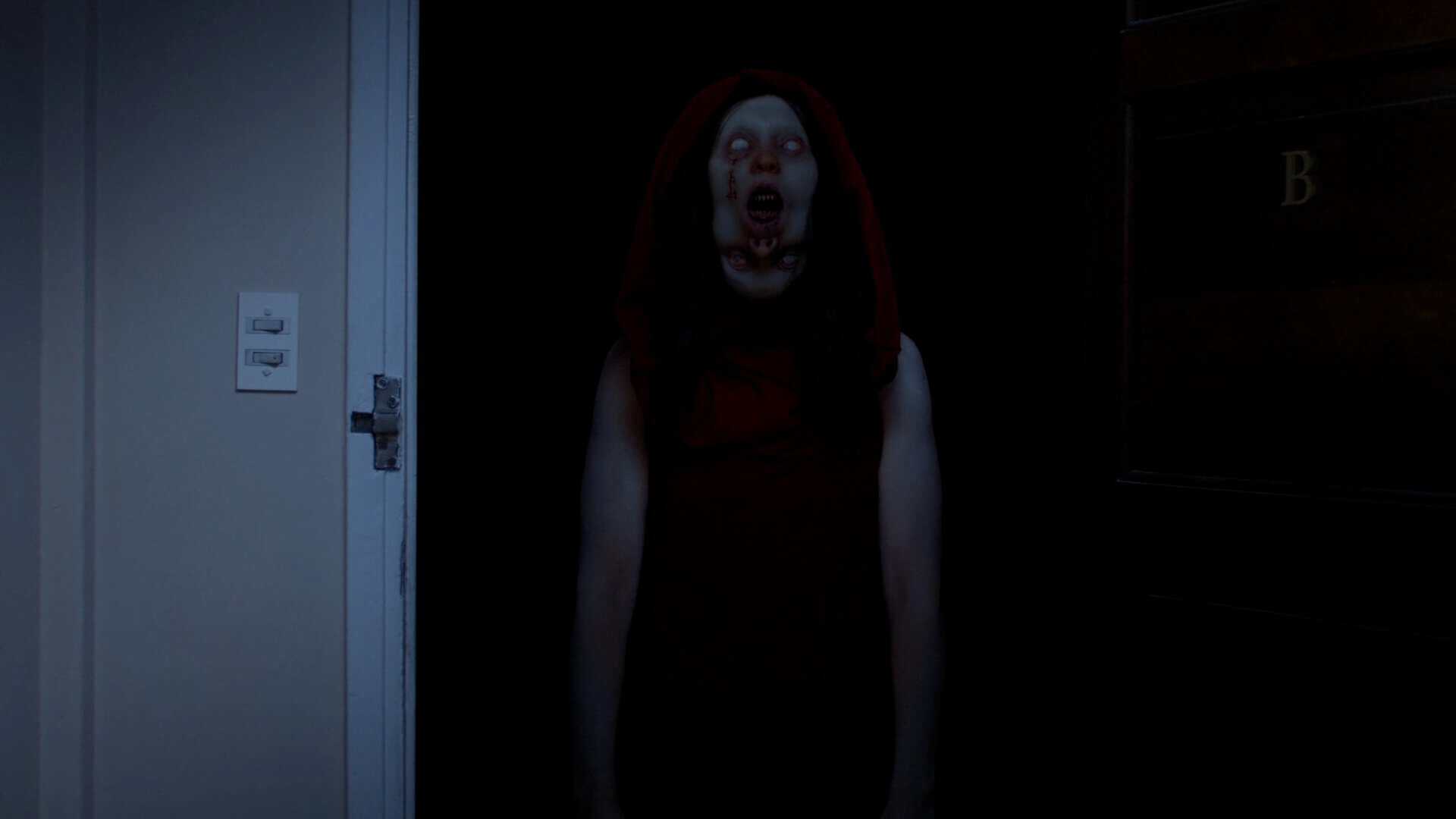
Enter Saibot Studios, a film studio that collaborated on the project to bring to life the haunting visuals that the 8-bit graphics couldn’t provide through FMV cutscenes. But unlike the FMV games of the late 1990s, which were usually low budget and had a B-movie quality to them, the production in Tenebris Somnia’s FMV cutscenes looks fantastic – especially with a lean towards practical effects over CGI.
When Julia starts getting nightmares of her ex-boyfriend being torn apart by monsters, she decides to go and check on him. When she enters his apartment, she finds it destroyed, with his beloved short film stuffed into the oven, awards shoved down the toilet, and even the television that he loved to watch movies on has been smashed. Her ex, Ivan, is nowhere to be seen, but Julia discovers a strange book in the apartment that hints towards a strange ritual that he may have performed in order to get her back. Concerned for his well-being, Julia also performs the ritual, following Ivan’s trail to a strange dimension made up of his memories.
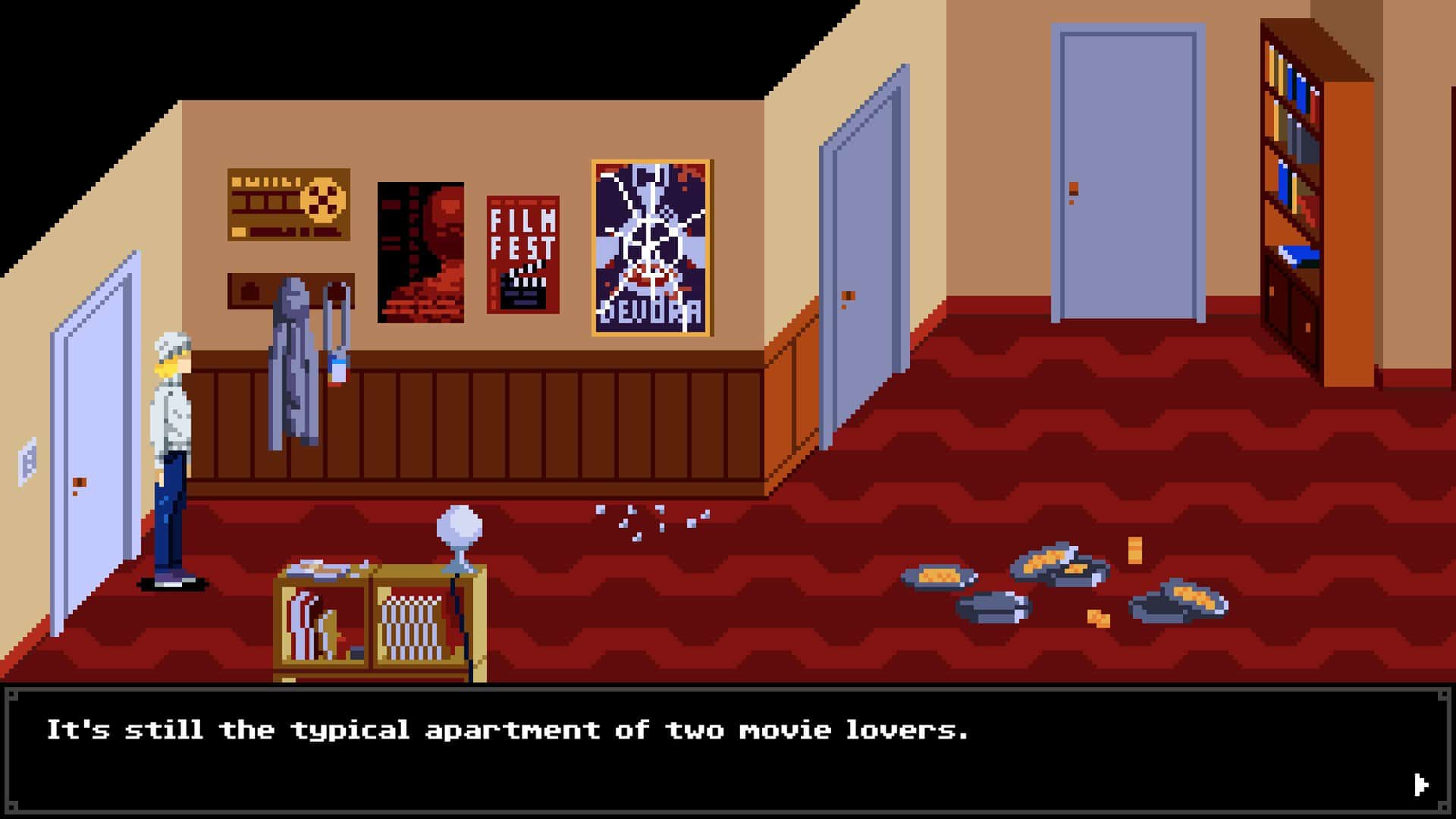
While Tenebris Somnia’s FMV cutscenes help to progress the plot forward, they’re also used to fully show us the short film that Ivan directed with Julia back when they were together. Similar to how Immortality revolves around the art of filmmaking, I thought this was a great way to blend the use of FMV cutscenes with the game’s storyline.
It also gives the developer the chance to fully realise the creative designs of the various monsters and boss fights lurking within the dimension as Julia works her way through Ivan’s memories in search of him. As mentioned before, the cutscenes mostly lean on practical effects, which are tremendously well done. A highlight for me was the Candlehead boss, a pale figure with candles sprouting out of his head. It made these creatures look genuinely terrifying in a way the 8-bit graphics couldn’t ever do. There is some use of CGI, especially towards the end of the game where this dreamworld starts to crumble, but I think this is tastefully done for the most part, and the lower budget effects are masked by clever camera tricks and lighting.

Similar to the first Resident Evil game, a lot of the game progression lies behind solving puzzles and finding key items to work our way through the building. I very much enjoyed the puzzle aspect of Tenebris Somnia; a lot of the puzzles are really creative, and I encountered quite a few head-scratchers. That being said, I never felt like I absolutely had to look up a guide to bypass any that I was stuck on, because most of them can be solved by either retracing your steps to make sure you haven’t missed anything, or revisiting it later with a fresh set of eyes so you can think more clearly about what you may be missing or how the objects in your inventory could be used. However, I do think there were one too many times, especially early on in the game, where Julia would tell us what to do rather than letting us figure it out for ourselves – and it was mostly for fairly simple puzzles too.
Most of the general exploration is fairly relaxed; enemies aren’t very aggressive or quick, so you can just run around most of them as long as you don’t need to search that room. And you’ll want to avoid combat where possible too to preserve ammo, because boss fights ramp up the difficulty with no warning.
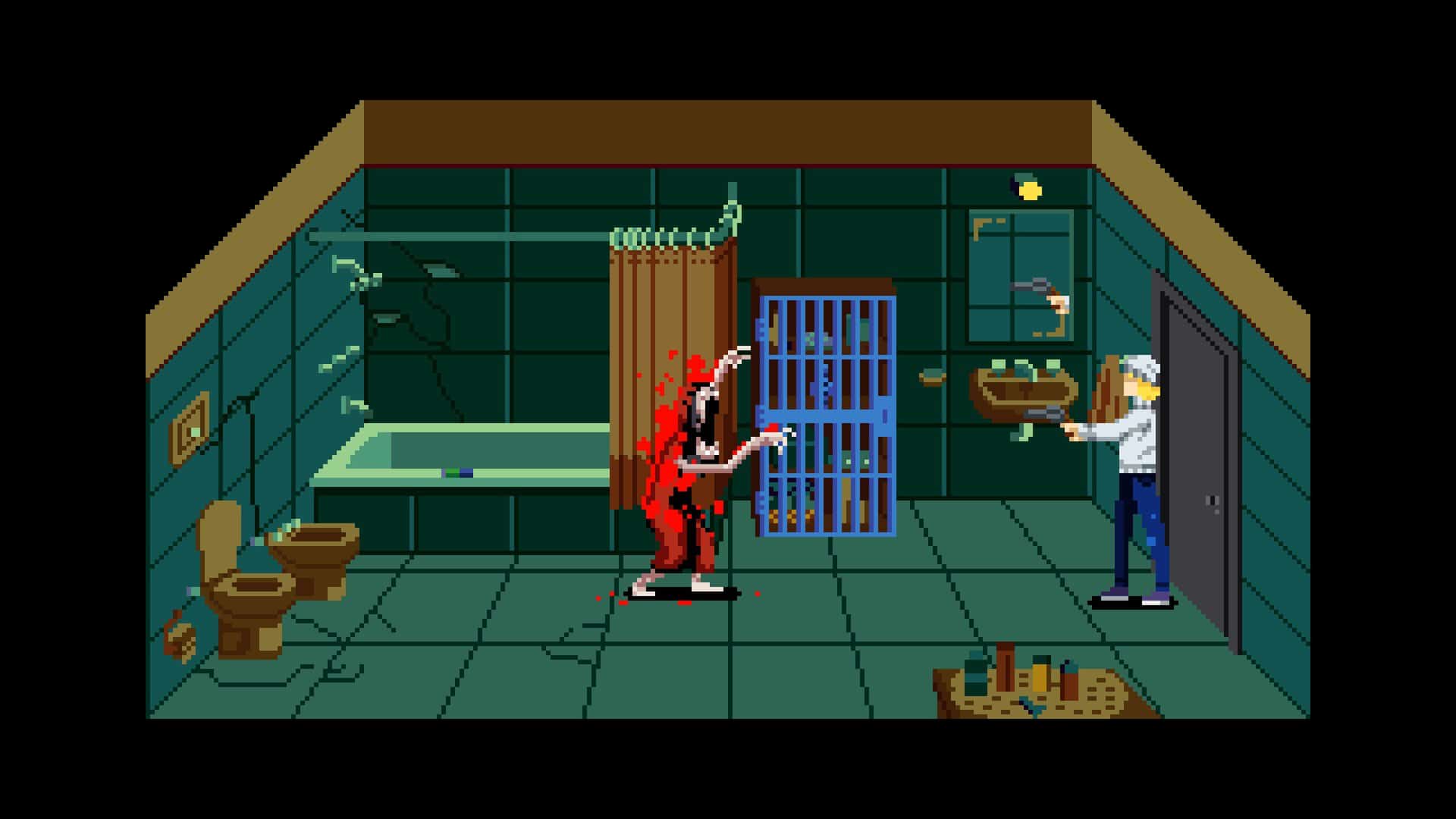
For the most part, while the bosses can make you want to tear your hair out, they are fair. There were plenty of times when this frustration was a product of my own making, having not stocked up enough on resources and entered a boss room just a hit or two away from death – unwillingly setting myself up to do a no-hit run.
However, there were also quite a few instances where I felt that, by design, boss fights or enemy encounters did feel unreasonable. For one, it’s very easy to get stuck on the environment in Tenebris Somnia, and there was one instance where, again, I was one hit away from death, and each time I entered a room, I was immediately jumped by an enemy with no chance to maneuver around them. It took multiple tries until I was lucky enough to slip by and make it across the room. Another boss has a three-tentacled strike attack, but you don’t know where those tentacles are about to land, so a lot of the frustration there was from having to guess where I should be standing to avoid getting hit because… again, I had little to no health entering this fight. The final boss also floods the screen with various attacks and summons, to the point where I could barely see anything, which was really annoying because I had… no health. You get the gist of it: while the circumstances around my health bar were my own silly fault, there were too many occasions where I felt like success relied more on having a lucky run rather than actually learning from these attack patterns and being able to better avoid them on a retry.
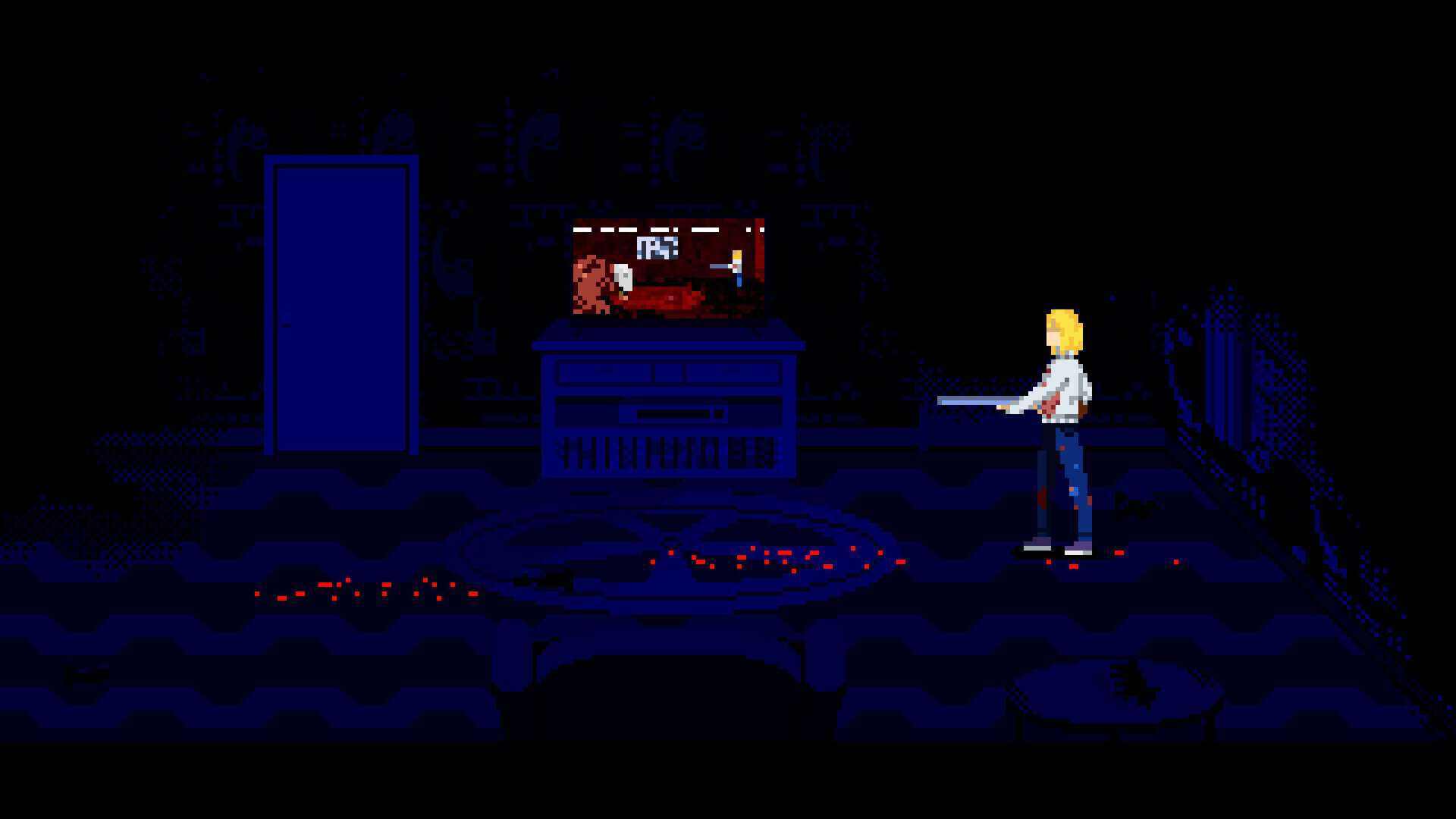
Tenebris Somnia’s storyline surprised me. While it starts with a fairly standard survival horror plot – searching for a lost loved one who could be in danger – the way it delves into the technicalities of the ritual Ivan has performed and the logic behind this strange world that’s been created as a result added a lot of weight to what is otherwise a standard survival horror premise – because we’re always looking for someone, aren’t we? Along with some shocking reveals and touching story points, Tenebris Somnia also offers two different endings depending on our choices in the final hour of the game. One is… really bad; the other serves up a satisfying conclusion that felt well-earned after that punishing final boss.
While the harsh difficulty ramp-up during some of the boss encounters felt a bit extreme, Tenebris Somnia otherwise offers a well-balanced package between its 8-bit survival horror elements and its FMV cutscenes. The live-action parts are blended in well with the overall game, while also complementing the story’s themes around filmmaking. At face value, the storyline is fairly typical of survival horror, but offers enough shocking reveals and lore to make it stand out somewhat. Tenebris Somnia is a solid game for those looking for some retro survival horror action with a twist.
Jess reviewed Tenebris Somnia on PC with a provided review code. This review is based on the version of the game available at the time of writing and our score will not be changed.
- Score
- 7/10 SOLID - GAMEOBSERVER RECOMMENDS
- Summary
-
Jess says: Tenebris Somnia otherwise offers a well-balanced package between 8-bit survival horror and its FMV cutscenes. This is a solid game for those looking for some retro survival horror action with a twist.
- More
- GameObserver's Review Policy

 ObserverCrew Picks
 bserver
 bserver